Hands-on STEM Robotics and AI Learning with FrodoBots EarthRover Mini+
Robotics has long promised to bridge the gap between digital learning and the physical world. In recent years, however, that promise has often been limited to screens, simulations, or expensive research platforms locked behind university doors.
The arrival of compact, network-connected rovers like the FrodoBots EarthRover Mini+ signals a quiet shift. This is not a toy in the traditional sense, nor is it a laboratory-only machine. Instead, it is a practical, globally connected robotics platform that can introduce both young learners and seasoned professionals to the realities of modern robotics, AI, and remote operations.
For educators, parents, universities, and lifelong learners, the EarthRover Mini+ offers something rare. It allows users to write code, experiment with sensors, and explore real environments using a physical robot that can be controlled from almost anywhere in the world. That combination places it squarely in the growing space where STEM education, artificial intelligence, and real-world engineering intersect.
What Is the FrodoBots EarthRover Mini+?
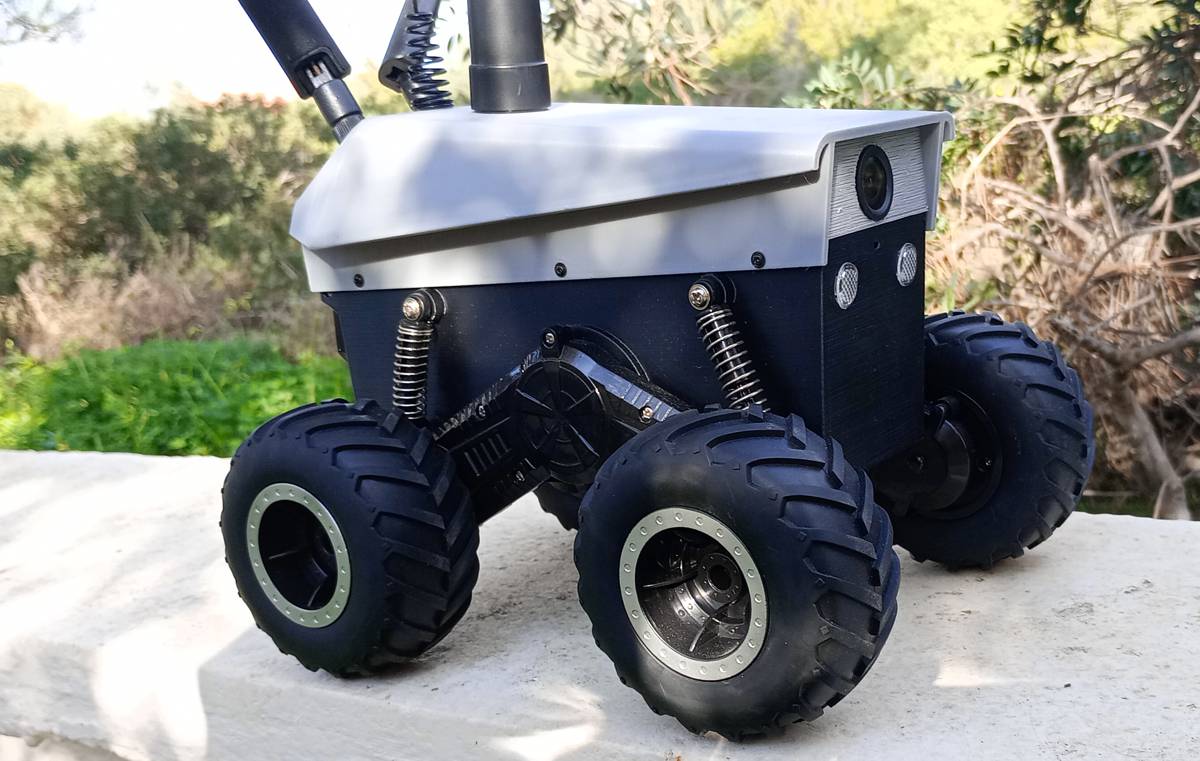
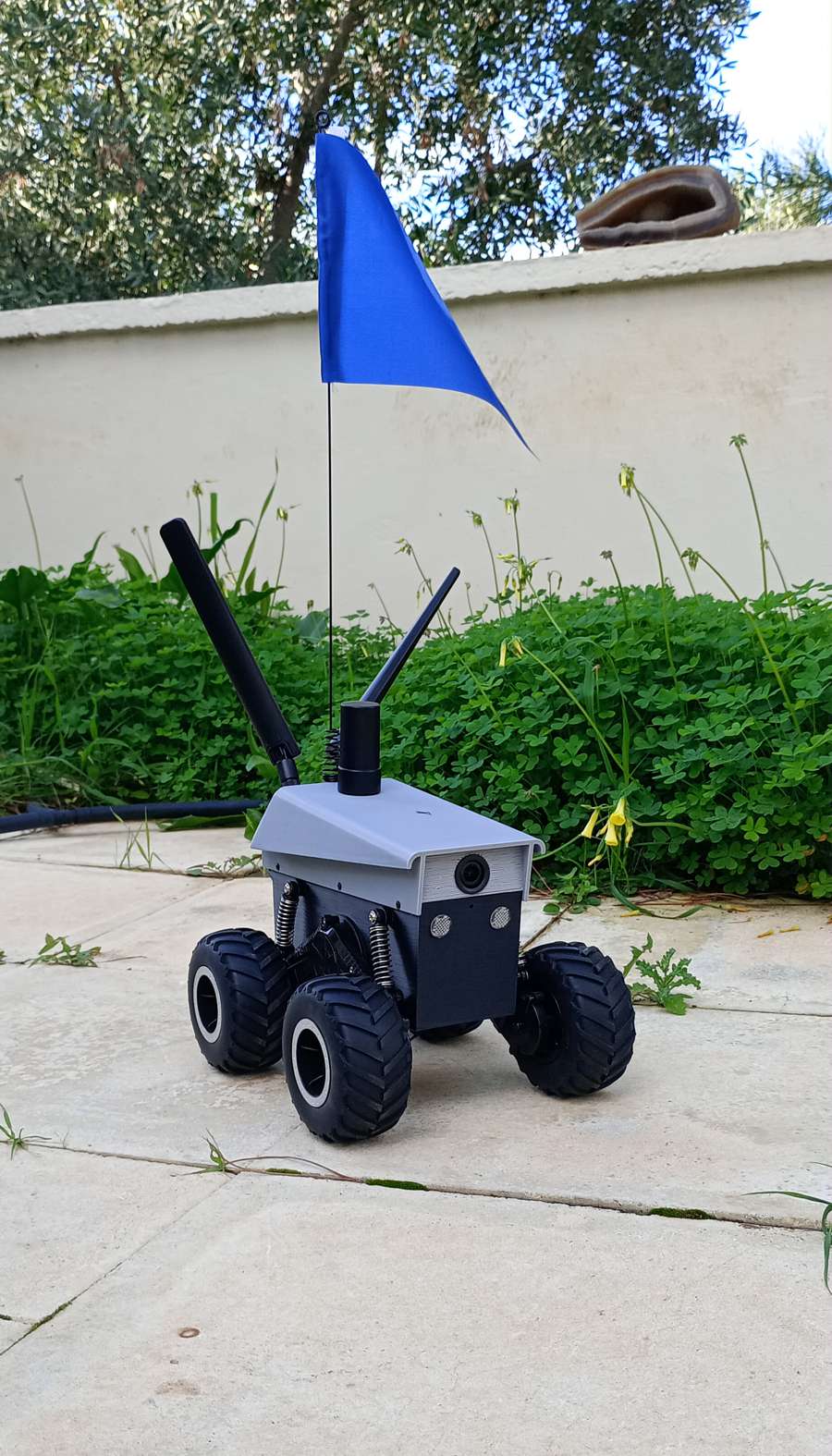
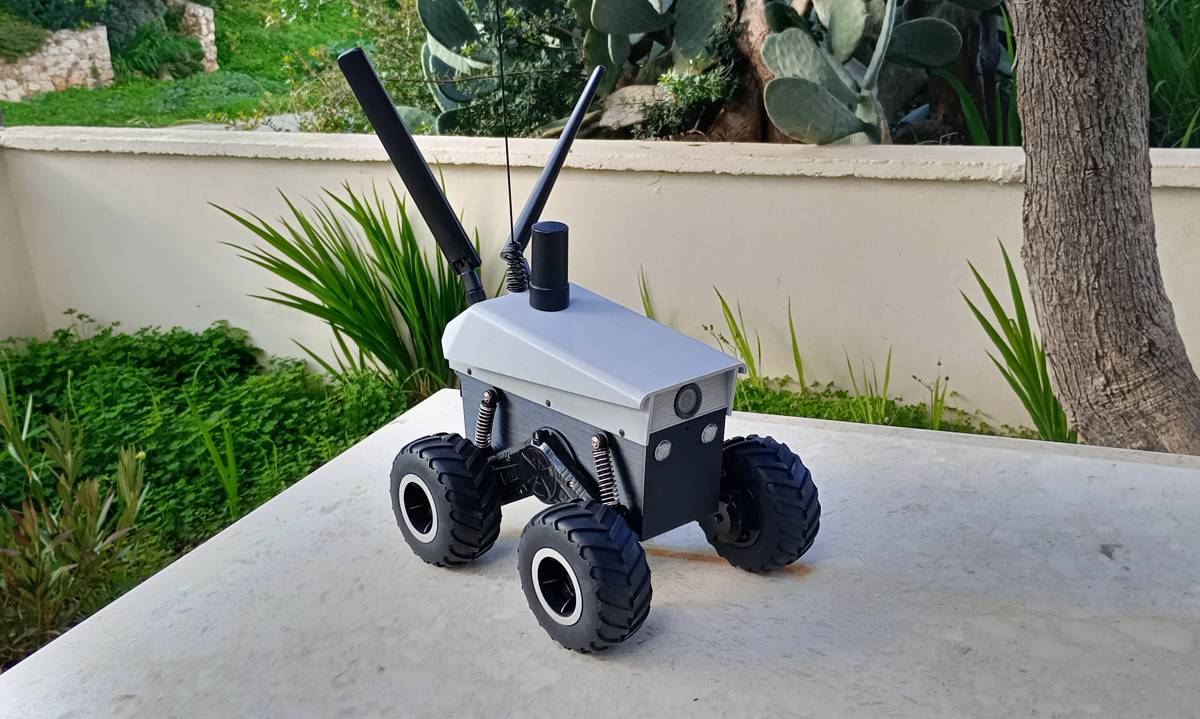
The EarthRover Mini+ is a compact, lightweight robotic rover developed by FrodoBots, a Chinese robotics company focused on networked exploration platforms.
Weighing roughly 1.5 kilograms, the Mini+ is designed to operate indoors or outdoors and can be controlled remotely via a web browser using either Wi-Fi or a 4G cellular connection.
Unlike traditional educational robots that rely on Bluetooth or short-range links, the Mini+ is designed from the outset as an internet-connected machine. Users can log in from a laptop or tablet and drive the rover in real time, viewing live video from its onboard cameras while transmitting audio and commands back to the robot.
In educational terms, this immediately expands what is possible. Geography stops being a limitation, and learning can happen wherever the robot happens to be.
A STEM Platform Rather Than a Gadget
The most important thing to understand about the EarthRover Mini+ is that it has been built as a platform, not a novelty. Its hardware and software are deliberately open enough to support experimentation, learning, and iteration.
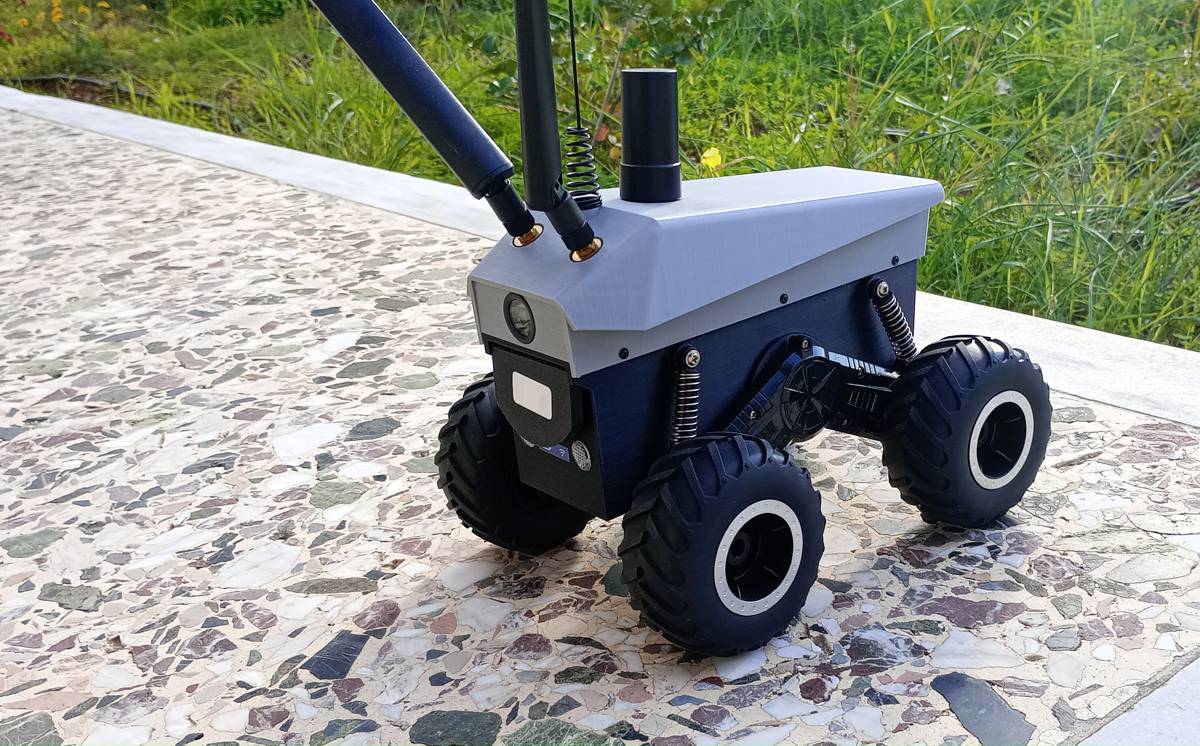
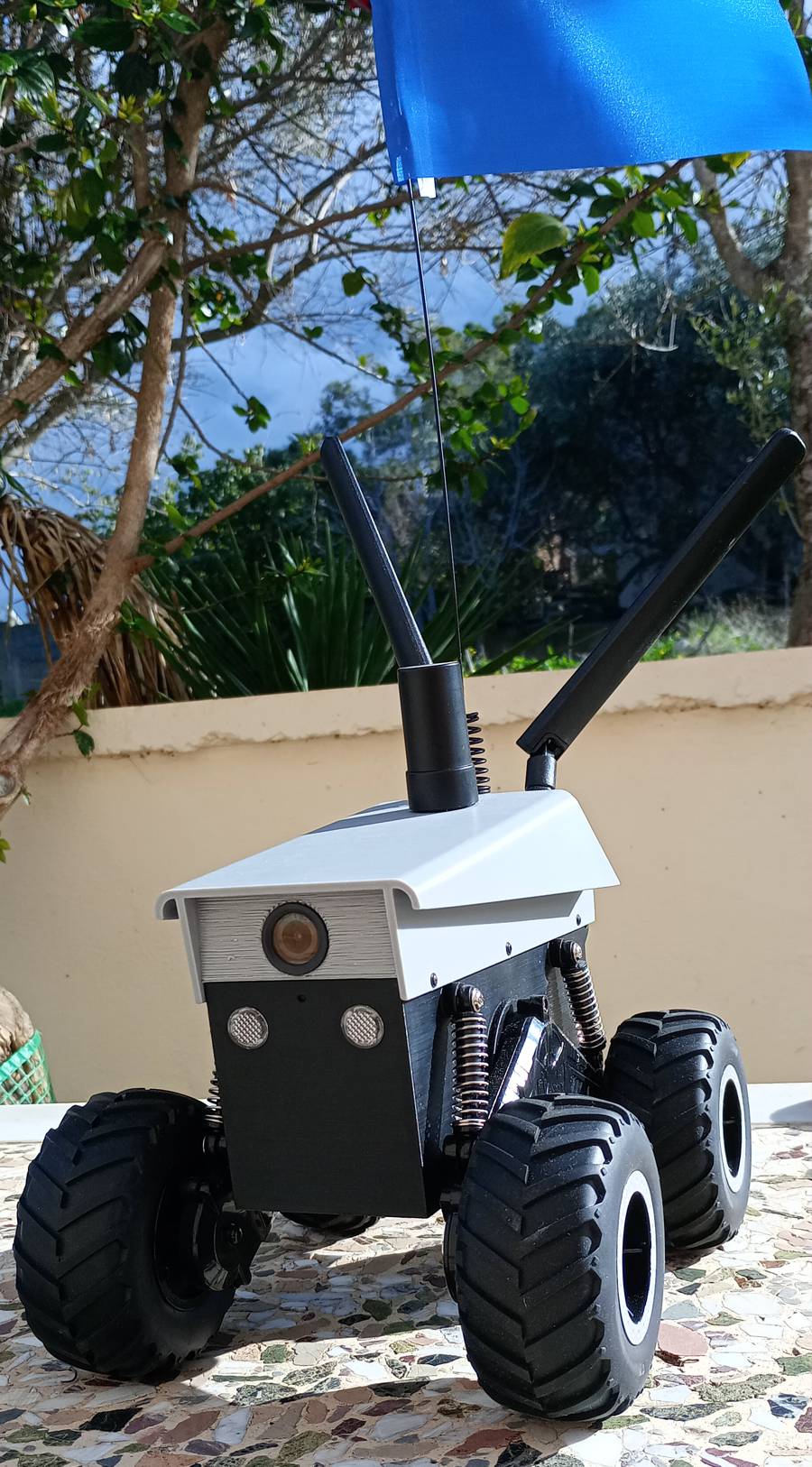
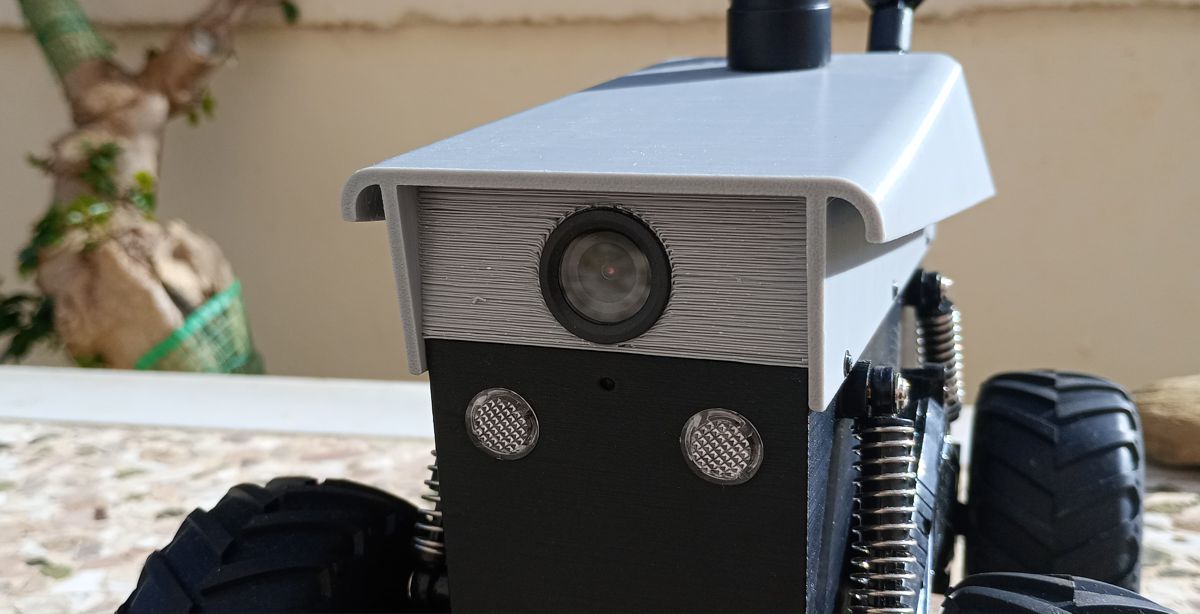
At a hardware level, the rover is equipped with dual cameras, GPS and IMU sensors, onboard audio, and a battery capable of several hours of operation. This gives learners exposure to the same core components used in autonomous vehicles, mobile robots, and remote inspection systems.
From a software perspective, FrodoBots provides SDK access that allows developers and students to connect AI models, navigation logic, and custom control systems. For anyone studying robotics, computer science, or engineering, this turns abstract concepts into tangible experiences. Algorithms stop being lines of code and start becoming physical actions, errors, and improvements observed in the real world.
Exploring the Real World With a Physical Robot
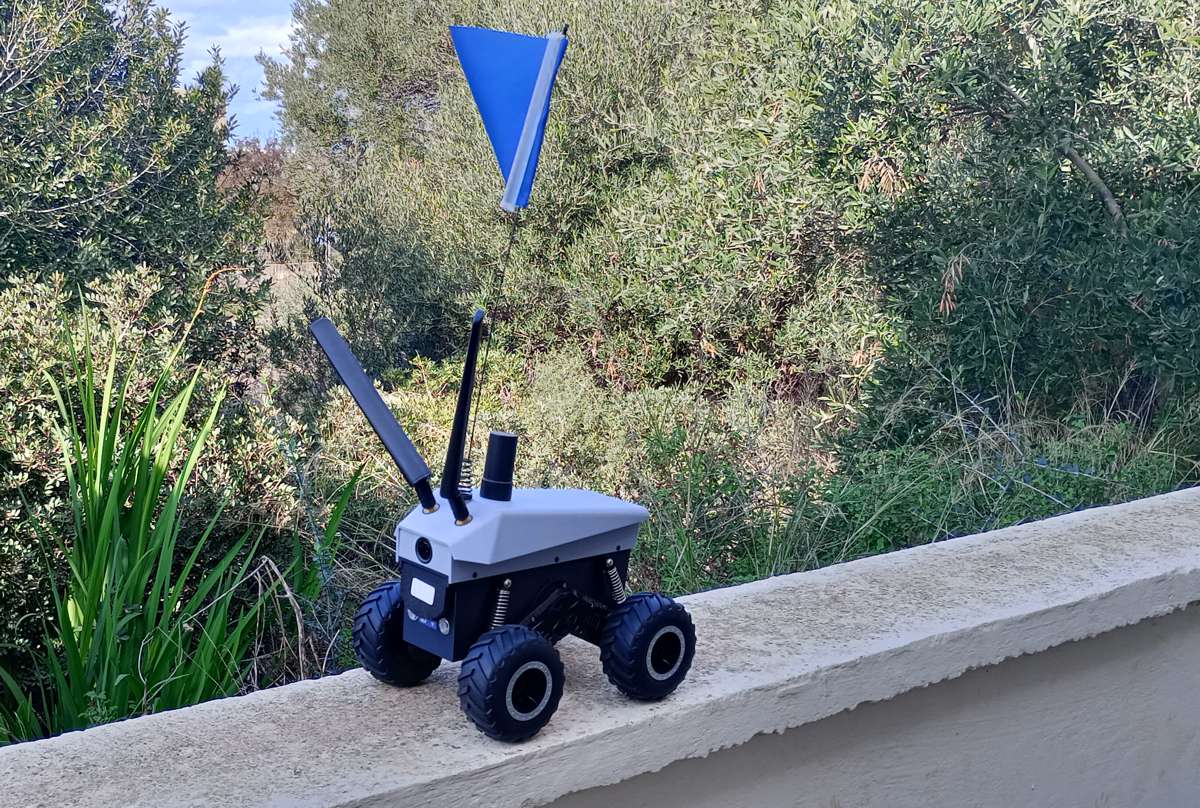
One of the most compelling aspects of the EarthRover Mini+ is its ability to reconnect learning with the physical world. Much of modern STEM education takes place on screens, through simulations or abstract models. While valuable, these environments remove an important variable: reality itself. A real robot introduces friction, unpredictability, and context, all of which are essential to genuine understanding.
By driving the EarthRover Mini+ through real environments, learners are exposed to uneven terrain, lighting changes, obstacles, weather conditions, and signal variability. These are exactly the factors that challenge real-world robotic systems used in infrastructure inspection, logistics, and autonomous mobility. Suddenly, navigation algorithms are no longer theoretical. A poor decision leads to a stuck rover, a lost signal, or an unexpected obstacle, and learning accelerates as a result.
Exploration can be local or remote. A robot placed in a school playground, workshop, construction yard, or outdoor space can be controlled by students in the same room or from miles away. This opens up powerful learning scenarios, including shared experiments between classrooms, remote fieldwork, and supervised exploration of environments that may be difficult or unsafe for people to access directly.
Coding, Control, and Creative Experimentation
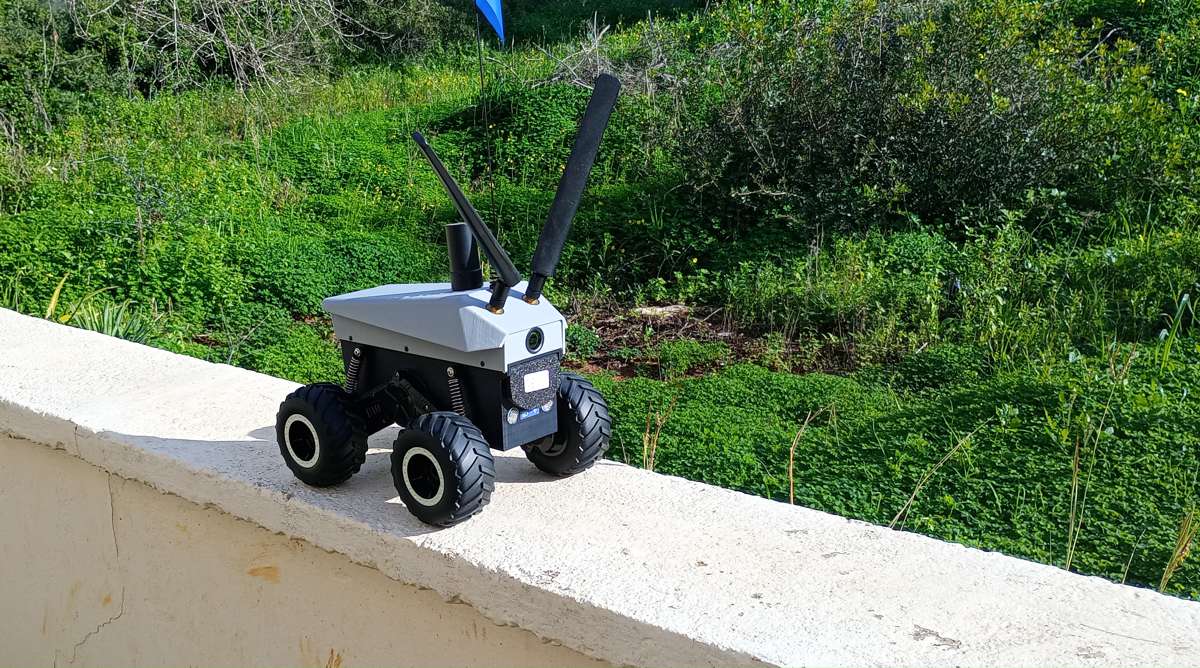
Beyond simple remote driving, the EarthRover Mini+ supports deeper engagement through coding and software integration. FrodoBots provides access to an SDK that allows users to move beyond manual control and begin experimenting with logic, automation, and artificial intelligence.
For beginners, coding can start with simple concepts such as directional commands, timed movements, or basic sensor feedback. These early exercises help learners understand cause and effect, while reinforcing core programming ideas such as sequencing, conditionals, and debugging.
As confidence grows, more advanced possibilities emerge. Learners can explore:
- Autonomous navigation experiments using camera input
- Object or line detection through computer vision
- Sensor-driven decision-making using GPS and IMU data
- Remote operation logic that adapts to network conditions
This progression makes the Mini+ suitable for a wide range of skill levels. A single platform can support introductory coding lessons as well as more advanced university or hobbyist projects focused on AI and robotics research.
Learning Robotics at Any Age
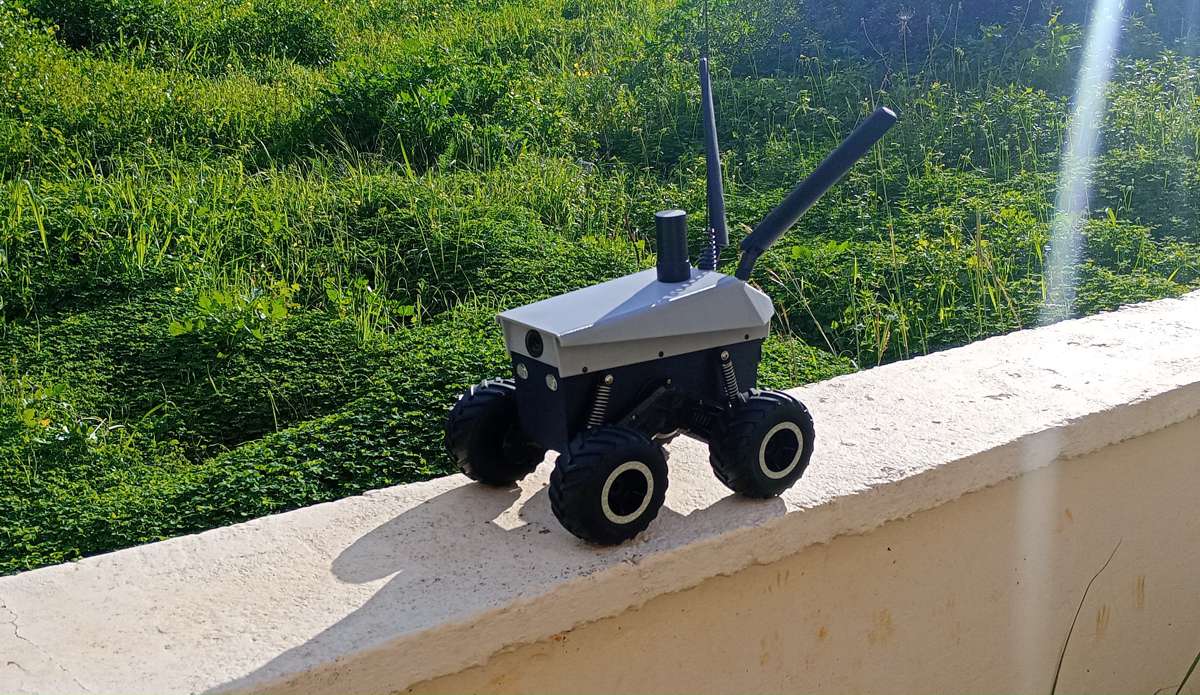
One of the strengths of the EarthRover Mini+ is its accessibility across age groups. For younger learners, particularly those in secondary education, the rover introduces robotics in an intuitive and engaging way. Driving a robot remotely, watching it respond in real time, and experimenting with basic logic or controls makes STEM learning feel immediate and relevant.
For older students and adults, the platform scales naturally into more advanced territory. University students can explore topics such as remote sensing, computer vision, and network latency. Professionals can use it to prototype ideas related to inspection, teleoperation, or AI-assisted navigation.
Crucially, the Mini+ also appeals to lifelong learners. Many people come to robotics later in life, motivated by curiosity rather than formal coursework. For them, the EarthRover Mini+ offers a practical way to learn by doing, without the steep cost or complexity of industrial-grade robotics platforms.
Real-World Skills, Not Just Theory
STEM education is most effective when learners can see how skills translate into real applications. The EarthRover Mini+ excels here because it mirrors real-world engineering challenges.
Users quickly encounter issues such as:
- Network latency and connectivity reliability
- Battery management and power efficiency
- Sensor limitations and camera positioning
- Navigation challenges in unpredictable environments
These are not problems that can be solved by clicking through a tutorial. They require observation, adjustment, and critical thinking. In this sense, the Mini+ functions as a miniature testbed for real infrastructure, robotics, and automation systems.
This makes it particularly relevant for students interested in careers spanning construction technology, smart infrastructure, autonomous vehicles, and remote inspection. The skills developed through hands-on robotics experimentation are directly transferable to these sectors.
Encouraging Curiosity and Ethical Awareness
Remote robotics also introduces important conversations around ethics, privacy, and responsible technology use. Operating a camera-equipped robot in real environments forces users to think about consent, data protection, and appropriate deployment.
For educators, this becomes an opportunity rather than a drawback. Lessons can extend beyond coding and mechanics to include discussions about digital responsibility, surveillance concerns, and regulatory frameworks. In a world increasingly shaped by AI and remote systems, these conversations are as important as technical competence.
A Tool for Classrooms, Clubs, and Independent Learning
The EarthRover Mini+ fits comfortably into multiple learning contexts. In classrooms, it can support project-based learning, where students collaborate on challenges involving navigation, mapping, or remote exploration. In robotics clubs or maker spaces, it becomes a shared platform for experimentation and competition.
For independent learners, the rover offers something equally valuable: freedom. There is no fixed curriculum imposed by the manufacturer. Users are free to explore, fail, refine, and succeed at their own pace. That flexibility is often what sustains long-term interest in STEM subjects.

Connecting STEM Education to the Real World
What makes the EarthRover Mini+ particularly relevant for a publication like Highways.Today is its alignment with real-world infrastructure and mobility themes. Remote robotics is already transforming how roads, bridges, tunnels, and construction sites are inspected and managed.
By experimenting with a small-scale rover, learners gain insight into the same principles that underpin smart highways, autonomous maintenance vehicles, and remote monitoring systems. The leap from classroom to industry becomes smaller and more achievable.
A Practical Step Towards the Future of Learning
The FrodoBots EarthRover Mini+ is not about replacing traditional education. Instead, it enhances it by providing a physical, connected platform where theory meets reality. It encourages experimentation, rewards curiosity, and exposes learners to the complexities of modern engineering in a controlled, accessible way.
For young students, it can spark an early interest in STEM. For older learners, it offers a chance to re-engage with technology in a meaningful, hands-on manner. And for educators and institutions, it represents a practical tool for preparing learners for a future shaped by robotics, AI, and connected infrastructure.
In a world where understanding technology is no longer optional, platforms like the EarthRover Mini+ show that learning can be both serious and engaging. They remind us that the best way to understand the future is often to drive it, one experiment at a time.