How Quarries and Aggregates Power Modern Infrastructure
Modern infrastructure is literally built on rock. Every highway, bridge, rail bed, airport runway, and wind farm rests upon millions of tonnes of aggregates: the sand, gravel, and crushed stone extracted from quarries. Yet the quarrying sector often operates in the shadows, underappreciated by policymakers and planners focused on skylines and steel.
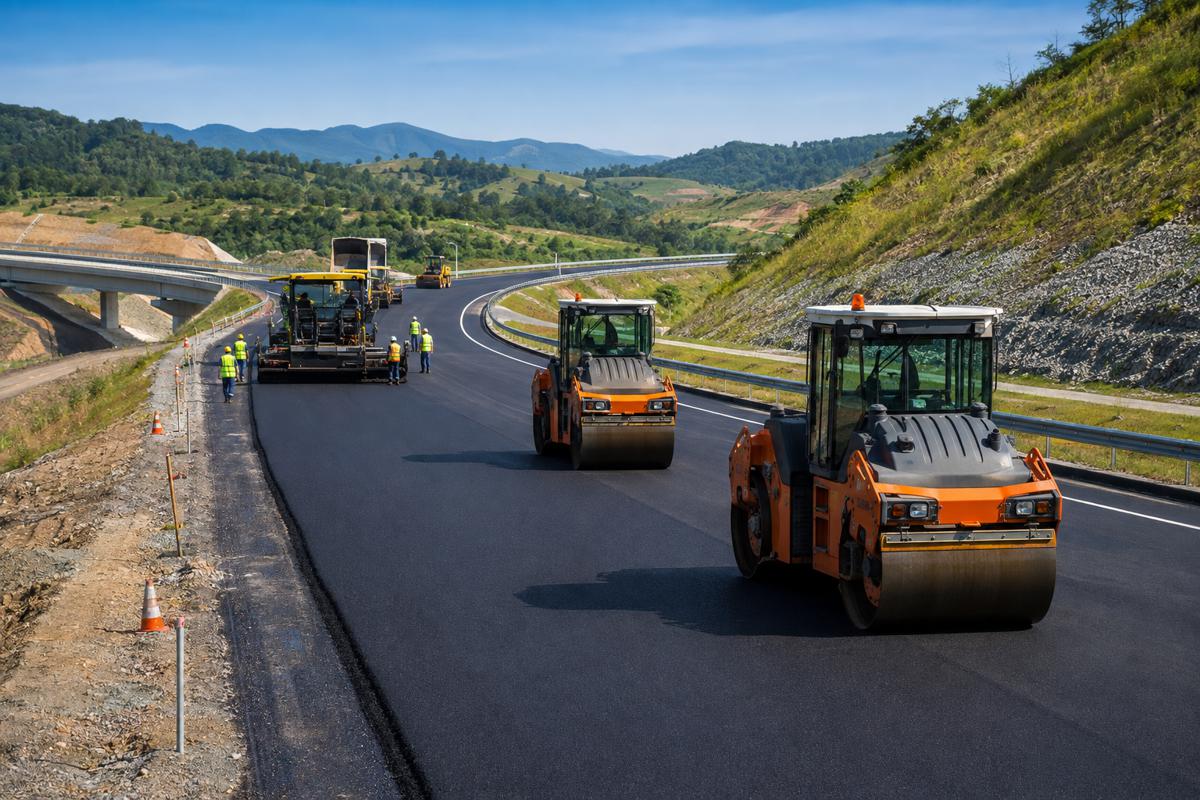
At its core, quarrying is about turning raw chunks of the earth into the foundation of modern civilisation. Aggregates like crushed stone, gravel, and sand are the backbone of construction worldwide, quietly underpinning everything from the asphalt you drive on to the concrete in the tallest buildings. In fact, about 95% of the material in asphalt and 85% of that in concrete is aggregate.
Rock and stone don’t just fill space, they provide strength, stability, and durability to infrastructure. Each kilometre of highway or new rail line consumes vast amounts of aggregate; by one estimate, building a single mile of four-lane interstate highway can require around 38,000 tons of aggregate. It’s no exaggeration to say that without quarries churning out construction materials, modern infrastructure projects would quite literally run aground.

The Journey of an Aggregate
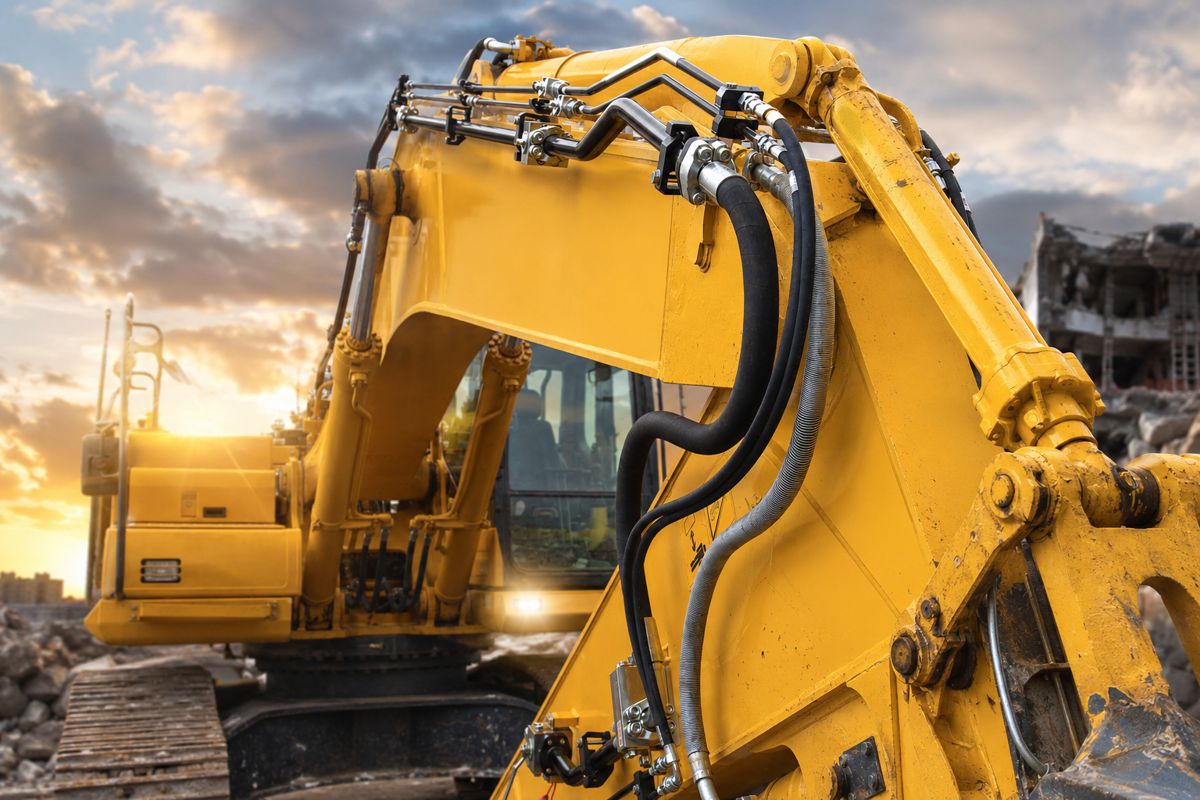
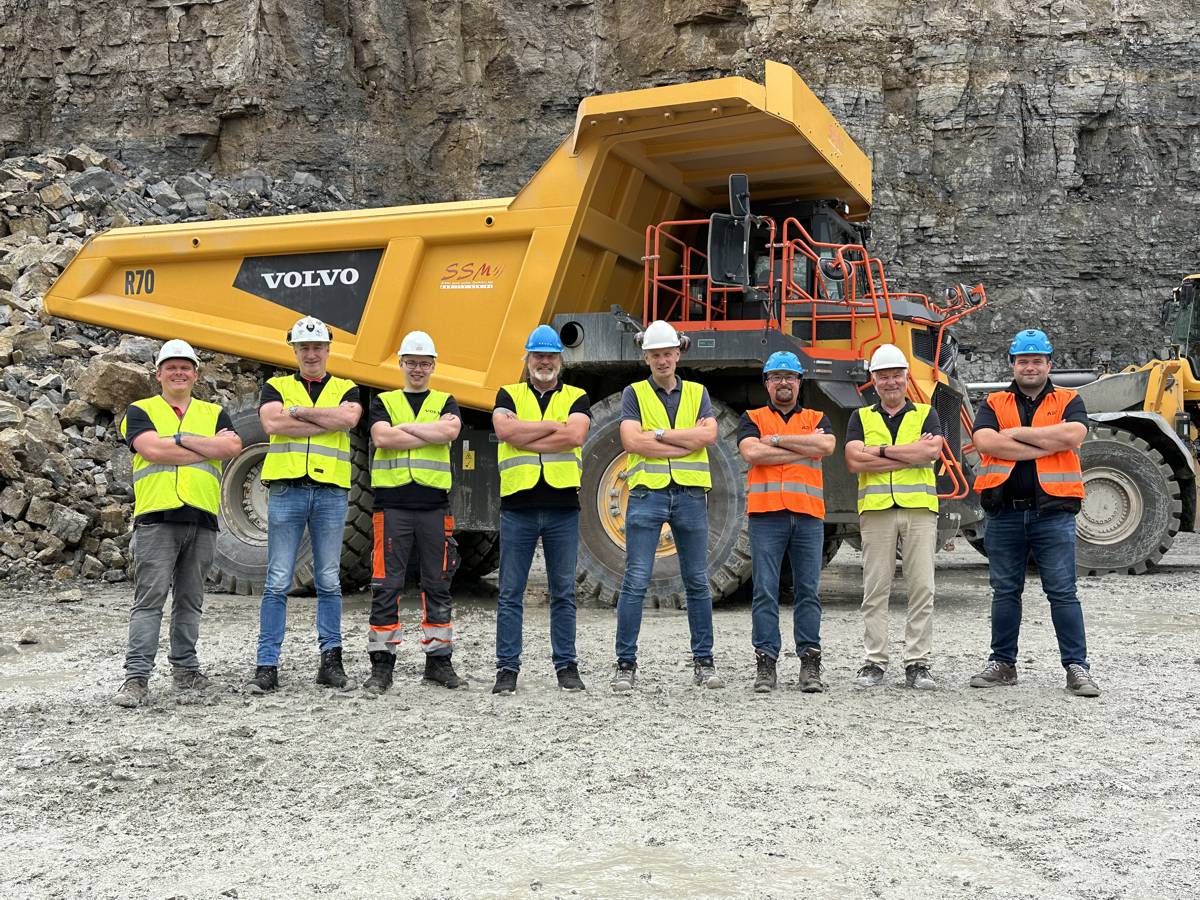
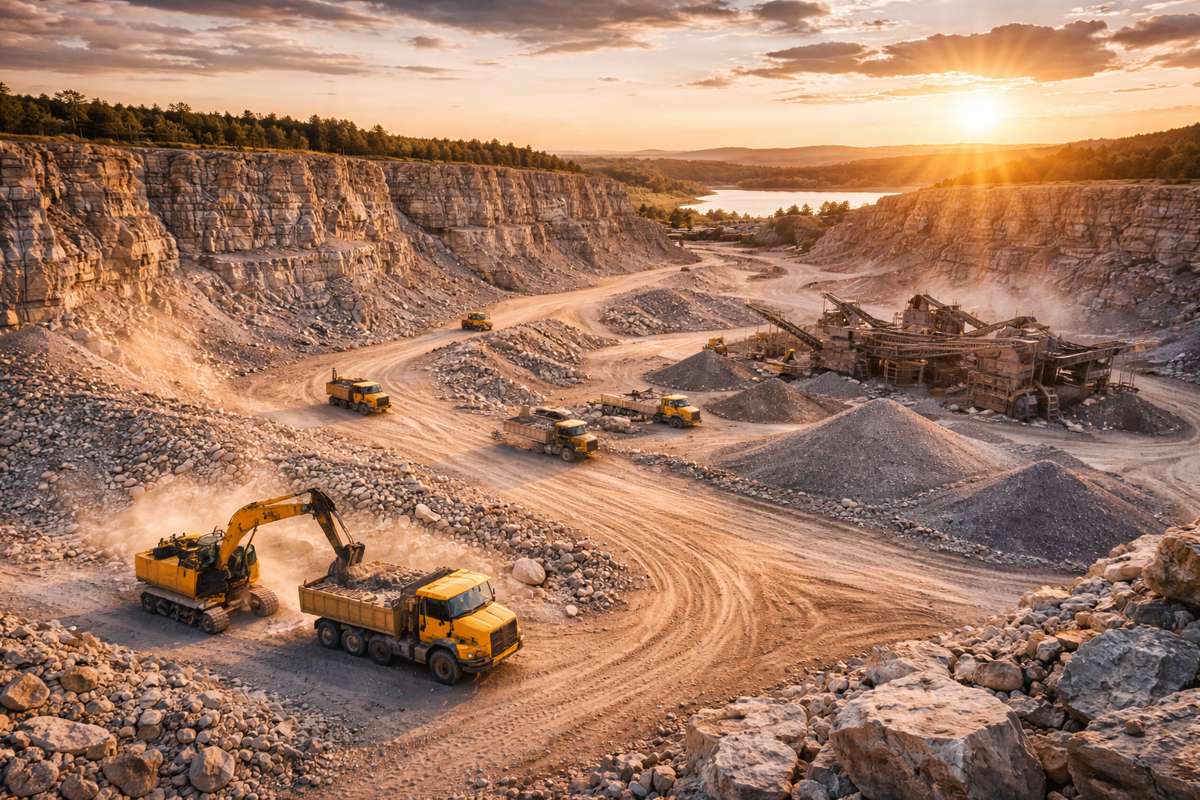
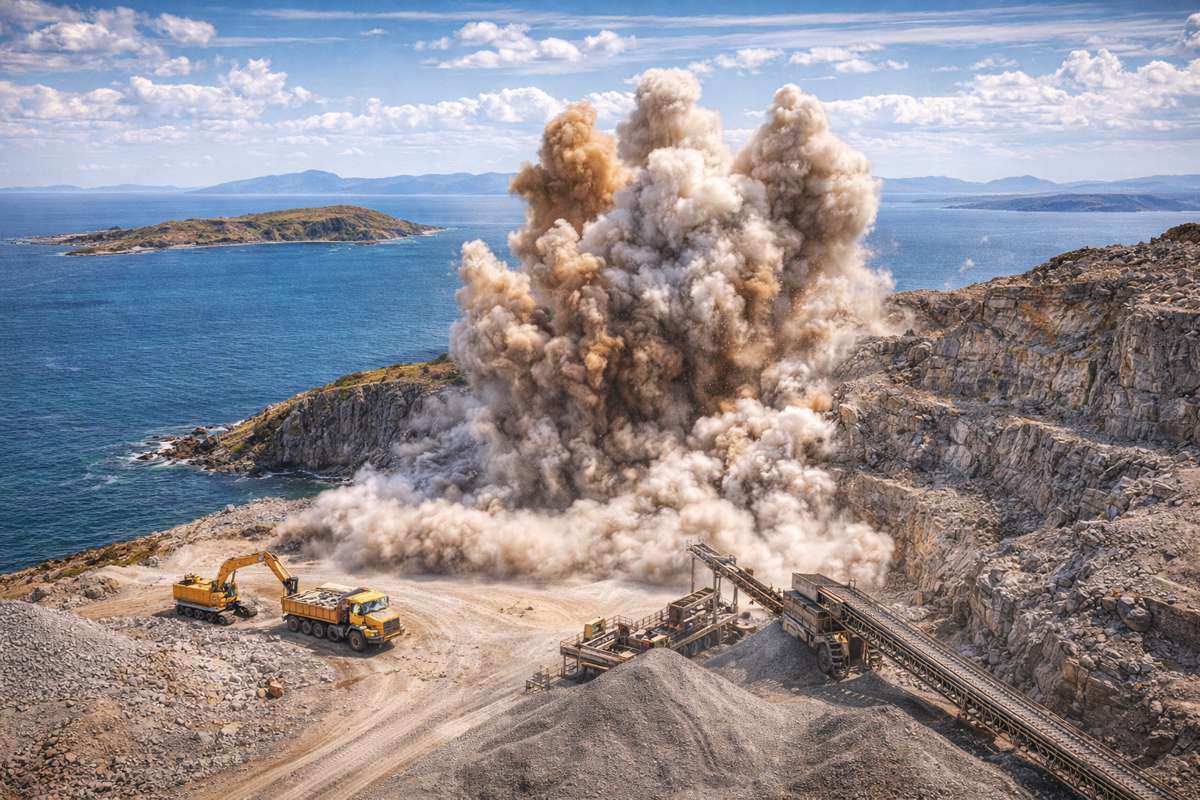
How do we get from a solid rock face in a quarry to the smooth surface of a road? The journey of an aggregate illustrates an industrial supply chain as critical as it is unseen. It begins with identifying a suitable rock deposit and then geology dictates whether a quarry yields hard granite for high-strength concrete, limestone for cement and road base, or sand and gravel for general construction. Engineers and geologists survey and test the earth, then the heavy machinery moves in. Controlled blasting fractures the solid rock face into manageable blocks. Giant excavators claw at the fractured rock, loading rough chunks into mammoth dump trucks. These haul trucks, carrying up to 40 or 50 tonnes at a time, trundle down from the quarry face to the processing plant at a deliberate pace.
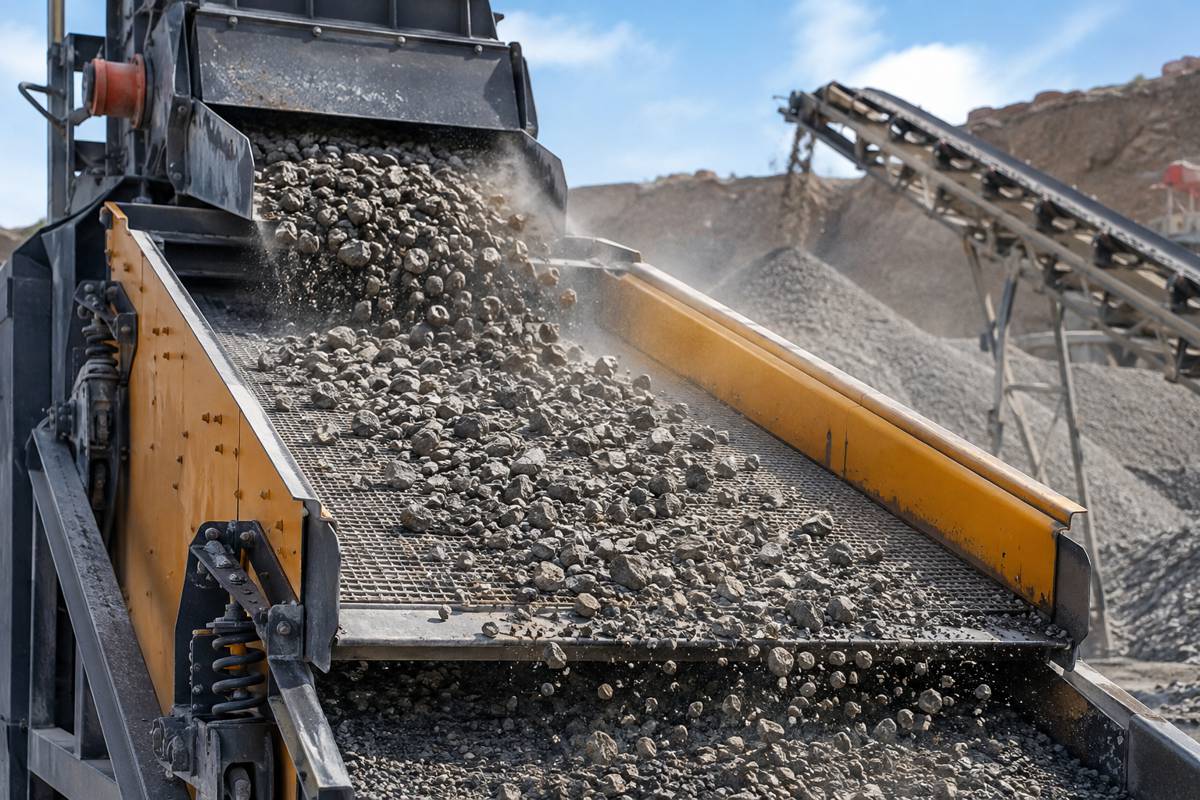
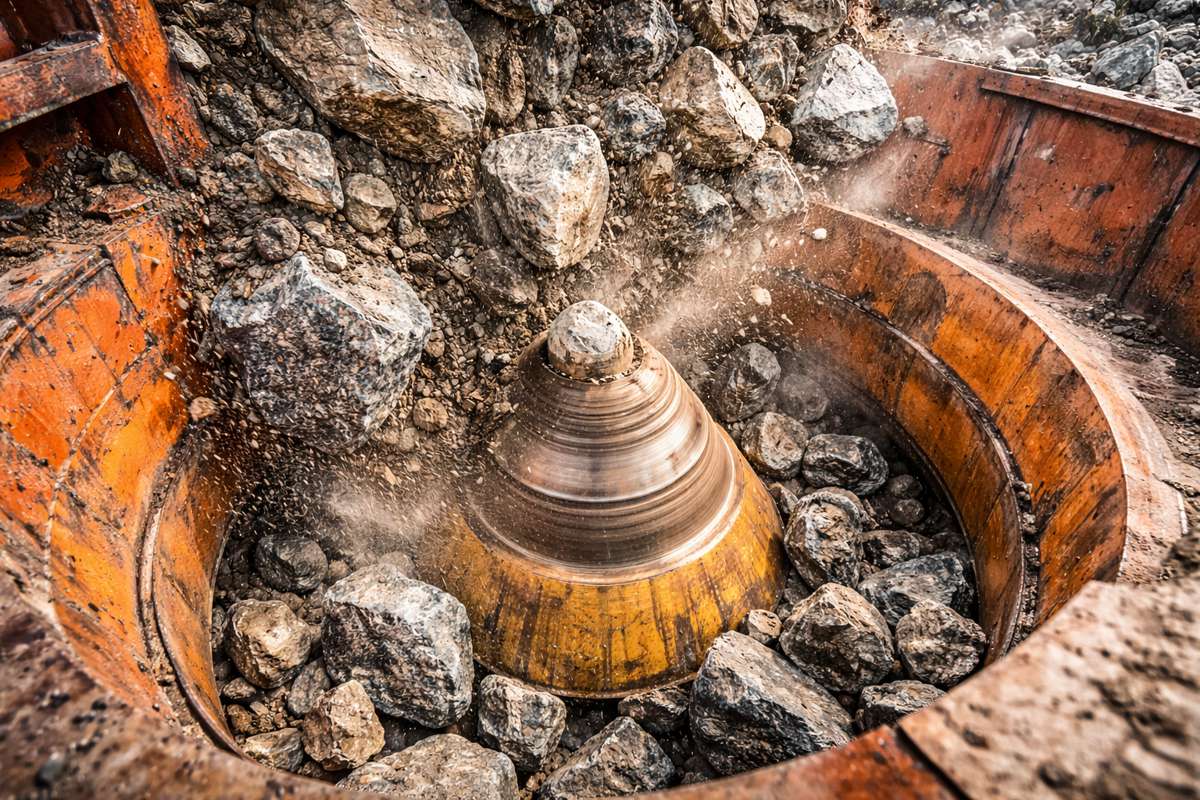
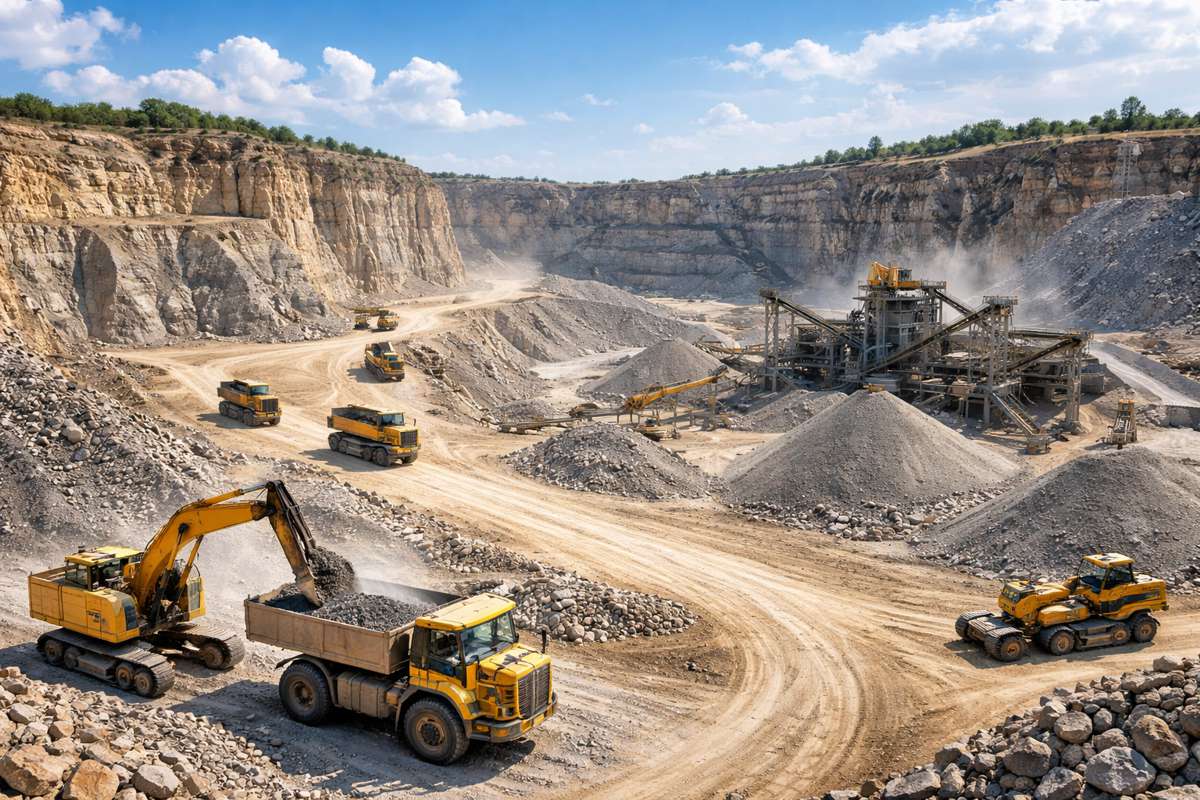
In the crushing plant, industrial crushers reduce the boulders to progressively smaller sizes. Jaws and cones crunch the rock into fragments, which are sorted by powerful vibrating screens into piles of various grades: from fine sand and stone dust, through pea-sized gravel, to larger crushed stone. Each size has a purpose, fine aggregate for asphalt and concrete, coarse aggregate for road sub-base and railway ballast, and so on. Conveyors and stockpiles abound, as the material is moved, blended, and stored. What was recently part of a mountain or riverbed is now a range of standardised construction products, ready to be delivered to project sites.
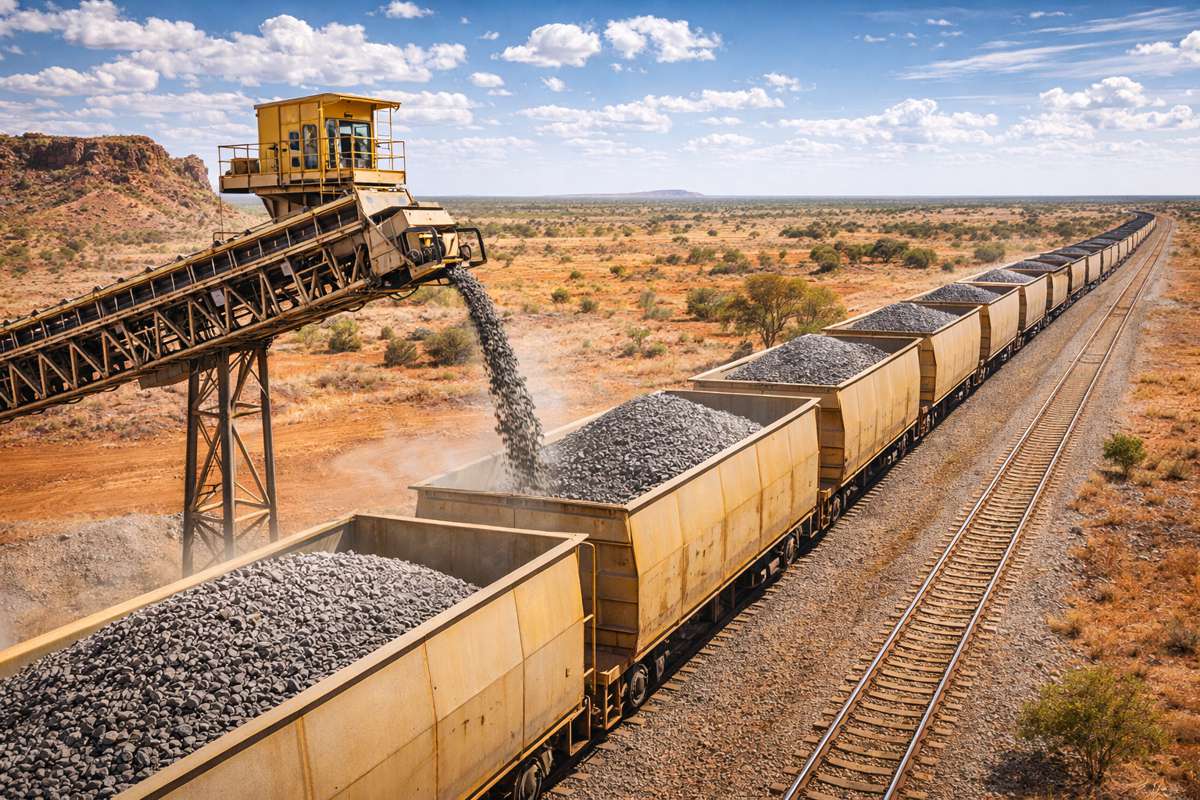
Before it leaves the quarry, quality technicians ensure the aggregate meets specifications, checking gradation, cleanliness, strength. Then comes the journey outward. Some aggregates are loaded onto rail wagons or barges, but over 90% of aggregates are transported by road on trucks. The loaded trucks fan out from quarries to concrete batching plants, asphalt plants, and directly to construction sites. At an asphalt plant, for example, stone and sand from the quarry are heated and mixed with bitumen to produce the blacktop that will pave a highway. At a construction site, dump trucks tip out tons of crushed rock to create the base layer of new roads or the fill beneath rail tracks. Finally, the aggregates fulfil their destiny as part of the built environment, an unsung but essential ingredient holding our infrastructure together.
This journey from quarry to construction site might sound straightforward, but it operates on an immense scale and with precise timing. A delay or shortfall in aggregate supply can bring large projects to a halt. Imagine a road crew paving a highway: if the steady stream of gravel and asphalt mix stops, so does the work, potentially costing thousands per hour in downtime. That’s why construction companies depend on reliable quarries and transport logistics humming like clockwork. It’s also why any threat to the aggregate supply chain, from regulatory holdups to resource depletion, becomes a threat to infrastructure delivery itself.
The Backbone of Infrastructure
Infrastructure planners often talk about steel, concrete and asphalt, but too rarely about the rocks beneath their feet. Quarries truly are the bedrock of modern infrastructure, without them, ambitious plans for new transport links, housing developments, or energy projects would have no literal ground to stand on. Consider the diversity of projects that rely on quarry products:
Roads and Highways
Highways are essentially rivers of rock held together by oil. Asphalt pavement is about 5% bitumen binder and 95% aggregate by weight. Beneath the driving surface, multiple layers of crushed stone provide drainage and strength.
Every mile of highway consumes tens of thousands of tons of aggregates, whether in the asphalt itself or the road base. Bridges and overpasses similarly depend on aggregate-heavy concrete and erosion-control stone. It’s no coincidence that improving roads ranks among the top uses of aggregates worldwide.
Railways
The stones you see lining railway tracks, known as ballast, are quarried crushed rock. These angular stones lock together under the ties, forming a stable, well-drained foundation for heavy trains.
A single kilometre of railway can require several thousand tonnes of crushed stone for ballast and subgrade. Without quarries producing hard, durable rock (often granite or limestone) for ballast, rail networks would literally shift and buckle under stress.
Airports
Every airport runway and taxiway, whether made of asphalt or concrete, is essentially a giant slab of compacted aggregate. The runway surface might be a high-strength concrete (a mix of cement, sand, and crushed stone) or asphalt (bitumen and aggregate), but either way the bulk of the material is stone.
The base layers beneath are also compacted gravel. For major airport expansions, aggregate demand can soar into the millions of tonnes. For instance, building a new runway involves not just paving but also tons of fill to level the area, much of it sourced from quarries.
Ports and Coastal Defences
Quarried stone fortifies our coastlines and harbours. Large armour stone and riprap (boulder-sized rocks) are used to build breakwaters, seawalls and revetments protecting ports from waves. Even the concrete piers and wharves in ports contain huge volumes of aggregate.
As climate change drives sea level rise and stronger storms, demand is rising for rock to reinforce shorelines and port structures. Often this rock comes from coastal quarries or is barged from inland sources.
Energy Projects
Whether it’s conventional power plants or renewable energy, infrastructure projects in the energy sector also lean on quarries. Wind farms, for example, use enormous concrete foundations for each turbine, hundreds of cubic meters of concrete per tower, equating to thousands of tonnes of stone and sand.
Hydropower dams are essentially massive structures of concrete and rock fill. Solar farms require access roads and equipment foundations. Even transmission lines need gravel access tracks and substation pads. No matter the energy source, if it involves building in the physical world, aggregates are part of the picture.
From this perspective, quarries aren’t just suppliers to the construction industry, they are strategic assets underpinning national development. Countries that can source their own stone, sand and gravel have a major advantage in building and maintaining infrastructure cost-effectively. Conversely, regions that neglect their aggregate supply may find themselves literally stuck, unable to repair roads or build new infrastructure in time to meet demand.
Policymakers are starting to recognise this strategic importance. In the UK, for example, the Mineral Products Association notes that “mineral products represent the largest material flow in the British economy… these resources are of strategic importance to the economy. The fact that reserves continue to decline should ring alarm bells”. In other words, aggregate shortages aren’t just a quarry industry problem, they could undermine the delivery of transportation improvements, energy infrastructure and new homes.
Supply Chain Resilience
For decades, aggregates were so abundant and cheap that few worried about “running out.” Stone, after all, is one of Earth’s most plentiful resources. However, in recent years the industry has sounded warnings that in some regions, accessible high-quality reserves are being depleted faster than they are replaced. The issue is not a literal exhaustion of rock, the planet has plenty, but a shortage of permitted, operational quarries able to supply the market.
It turns out that opening new quarries or expanding existing ones is increasingly difficult. Community opposition, environmental regulations, and lengthy permitting processes have slowed the approval of new aggregate sites to a trickle in many Western countries. The result? Existing quarries are supplying the bulk of materials while their reserves gradually diminish. In Britain, for instance, the demand for construction aggregates has outstripped new permitted reserves for ten years running, according to industry surveys. For every 100 tonnes of aggregates used in construction, significantly less tonnage is being newly permitted for future extraction, leading to a long-term under-replenishment of reserves.
This slow attrition of the reserve base can have serious consequences. If aggregate reserves in a region drop too low, infrastructure projects could face delays or higher costs due to material shortages. The Mineral Products Association explicitly warned that continued under-replenishment “will continue to diminish [the reserve base] with serious consequences for the delivery of energy infrastructure, transport improvements and new homes”. In other words, a crisis in aggregates supply could translate to a crisis in infrastructure development.
In the UK and parts of Europe, some quarries that historically supplied large volumes are nearing exhaustion, and replacement sites are stalled in planning. Planning permission delays average well over 2-3 years for new quarry sites or extensions in Britain. In Ireland, a recent report found quarry applications stuck in the system for an average of 91 weeks (nearly two years). These delays mean that by the time a new quarry is approved, demand may have already overtaken supply. In fact, a significant portion of England’s current sand, gravel and rock permissions will expire by 2042, a legacy of old planning laws, potentially leaving a gaping hole in supply if not addressed.
The consequences of aggregate shortages manifest quickly in the construction sector. Contractors facing material shortfalls must seek aggregates further afield, driving up costs (as we discuss in the next section) or even import from overseas in extreme cases. Projects might be delayed waiting for materials, which can cascade into cost overruns. A lack of local aggregates also undermines governments’ ambitious infrastructure plans, it’s hard to “build, build, build” if you lack the rocks and sand to literally build with. That’s why industry groups are urging governments to treat aggregate supply as a priority in infrastructure policy, not an afterthought. Ensuring a resilient supply of aggregates, through timely permits, encouraging recycled materials use, and even strategic stockpiling, is increasingly seen as vital to infrastructure security, much like energy or water security.
On the flip side, where local aggregate supply is secure, communities reap the benefits in smoother project delivery and economic gain. A ready supply of locally sourced crushed stone, sand and gravel is essential to support future economic development and infrastructure improvements. It’s no coincidence that regions with robust construction growth typically have active quarries nearby. The message is clear: ignoring the aggregate supply chain can put the entire infrastructure pipeline at risk.
The Cost of Distance
Quarried aggregates are heavy, bulky, and relatively low-value per tonne, which means transporting them over long distances is both expensive and carbon-intensive. Unlike high-tech components or lightweight goods, you simply can’t economically ship millions of tonnes of rock too far. Proximity is paramount. Most aggregates are consumed within 50-100 km of where they’re extracted, and often much closer. If local quarries can’t meet demand, the next options quickly become costly, both for project budgets and the environment.
Trucking rock is particularly pricey: due to fuel, labour, and wear, the cost of aggregate roughly doubles for about every 10 miles it is hauled by road. Imagine a load of gravel that costs $10 per tonne at the quarry gate, haul it 10-15 miles and effectively you’re paying $20 for that tonne by the time it arrives. At 50 miles, the transport can cost many times the price of the rock itself. This is why construction firms fiercely protect local sources; a project that could use $1 million of local stone might incur several million dollars in transport fees if the nearest quarry is far away.
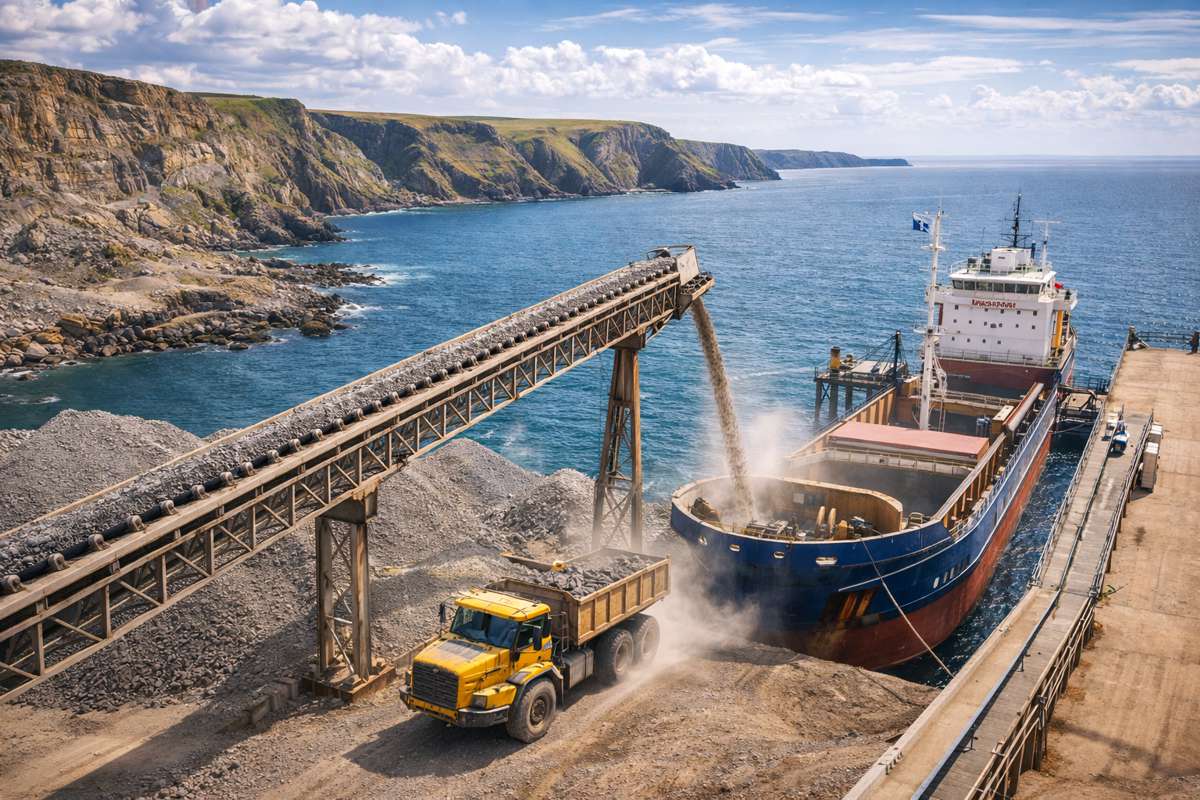
Long-distance transport also exacts a environmental toll. Heavy trucks burning diesel emit significant CO₂ and other pollutants. A stream of aggregate trucks on the highway not only congests roads but contributes to road wear and tear (ironically creating the need for more road maintenance aggregates). Alternatively, shipping aggregates by rail or ship can be more efficient for bulk transport, but still involves fuel and port facilities. There’s also a hidden carbon cost: moving rock long distances essentially transfers emissions from one region to another. Locally sourced materials, on the other hand, have a much smaller transport footprint. As one industry guide notes, by ensuring quarries are near areas of high demand, it’s possible to “minimize transportation costs and environmental impacts associated with long-distance material hauling”.
A vivid example of distance costs is the case of some island nations and territories which have exhausted local sand or gravel resources. They end up importing enormous quantities of aggregates by sea, imagine the carbon footprint of shipping sand in bulk carriers across oceans. Even in mainland regions, shortage of local supply can lead to counterintuitive flows of materials. Parts of the UK, for instance, have imported aggregate from as far as Scandinavia when local quarries or recycled sources couldn’t cover needs for specialized high-strength rock. Those imports carry a hefty price tag and carbon burden compared to domestic supply.
The hidden carbon cost of long-distance aggregate transport is gaining attention in sustainability circles. Construction clients and governments are increasingly interested in the embodied carbon of infrastructure materials. If one highway project sources all its aggregates from 20 miles away and another similar project trucks everything 100 miles, the difference in emissions is enormous, and usually not accounted for in initial planning. Some jurisdictions are now encouraging or mandating use of local materials in public projects for this reason, tying it into climate goals. It’s a simple equation: shorter haul distances = lower emissions, less fuel burned, and often a lower final cost.
Ultimately, the economics align with the environment on this point. Using local quarries saves money and carbon. It also reduces heavy truck traffic on public roads, which has safety and maintenance benefits. There will always be cases where certain high-grade materials must be hauled from afar (for example, a specific type of skid-resistant stone for airport runways), but those should be the exception. For the bulk of our infrastructure needs, empowering local aggregate production is both the green and the cost-effective solution.

Keeping Value in the Community
There’s another dimension to the local aggregates story: the economic value for communities and nations. When materials are sourced locally, the money spent on them largely stays local. Quarries provide jobs, often well-paying, skilled jobs, and support a web of related services from equipment maintenance to trucking companies. Regional economies benefit directly from active quarries. Moreover, affordable local materials help keep construction costs in check for public works, stretching taxpayer dollars further in building infrastructure.
Conversely, if aggregates have to be imported or trucked in from distant locations, much of the expenditure drains away to those source regions or to fuel and freight costs. Take the United States as an example: historically it has been 99% self-sufficient in construction aggregates, with only about 1% imported annually. This domestic supply means billions of dollars circulating in the U.S. economy rather than sending money abroad for basic materials. In Ohio alone, nearly 50% of aggregates are used in publicly funded projects like roads and schools. Imagine if half the stone for every road had to be bought from overseas, it would be a significant outflow of public funds. The same logic applies at the local scale: a city or county that can source its road-building materials within the region will keep more of its infrastructure budget cycling through local businesses and labour.
Local sourcing also provides a measure of supply security. Relying on far-flung sources introduces risks like shipping delays, price volatility, even geopolitics can interfere. We generally don’t think of sand and gravel in geopolitical terms, but as global demand soars, even these commodities can face export restrictions or sudden price spikes. (Notably, some countries have banned exports of sand to preserve their resources.) A local quarry under stable regulation is a much more dependable partner for a 10-year infrastructure plan than a distant supplier who might cut off supply or raise prices without warning.
Of course, maintaining local supply is not always easy. Quarries near populated areas can encounter community resistance due to concerns about dust, noise or truck traffic. This has led to many quarries closing or being pushed further from cities, ironically increasing the distance that replacement materials must travel. There’s a balance to be struck between local environmental impacts and the broader community benefit of having local materials. Modern quarry operations have made great strides in mitigating dust and noise, rehabilitating sites after use, and even blending operations into the landscape. And as one industry saying goes: “If it can’t be grown, it has to be mined.” In other words, every community must get its raw materials from somewhere, the question is whether it does so in its own backyard or shifts the impacts to someone else’s.
Forward-thinking infrastructure planners now view local aggregate resources as part of long-term land-use planning. Identifying and safeguarding future quarry sites (or resource lands) can ensure that growing cities aren’t painted into a corner with no nearby sources of construction material. Some jurisdictions have implemented “resource protection zones” in planning, similar to protecting farmland, essentially saving some reachable rock and sand deposits for future generations to use. This kind of planning requires a strategic outlook, treating quarries not as nuisances to be zoned out, but as critical infrastructure assets to be cultivated responsibly.
Finally, it’s worth noting a point about quality and standards. Local quarries, when properly regulated, can produce materials tailored to national standards and project needs. Engineers and contractors become familiar with the characteristics of local materials (such as a certain quarry’s limestone strength or a sand’s gradation), leading to trust and efficient use. With imported or non-local materials, there can be more unknowns, different geological sources might perform differently. There’s an advantage to “home-grown” aggregates not just in economics, but in knowing exactly what you’re building with.

Why New Quarries Face Delays
If local quarries are so important, why is it so challenging to establish new ones or expand existing operations? The answer lies in the complex intersection of environmental policy, local politics, and lengthy permitting processes. Opening a quarry today involves far more than finding a rock resource and bringing in the bulldozers. Companies must navigate an approvals maze that can involve multiple agencies and years of studies, covering everything from wildlife habitat and water impact to traffic management and noise control. It’s right and proper that excavation of land comes with scrutiny. However, the lengthy delays and uncertainty in permitting have become a major bottleneck threatening future aggregate supply.
In many Western countries, the pattern is the same: the number of active quarries has stagnated or even declined over the past few decades, even as demand has grown. The industry has coped by squeezing more out of existing sites and by increasing recycling of construction waste (more on that shortly). But without new pits and renewed permits, a gap opens between consumption and replenishment. Data from the UK shows that over 2014-2023, only about 33% of the crushed rock and 61% of the sand/gravel taken each year were replaced by new permissions, an unsustainable trajectory if continued. The planning system, in other words, is not keeping pace with construction demand.
So why does permitting take so long? Part of it is the genuine diligence required, environmental impact assessments, public consultations, and sometimes legal challenges all add time. Understaffed regulatory bodies can introduce further delays; one report noted that under-resourced planning offices contribute to multi-year timelines for approvals. Moreover, there can be political reluctance to approve quarries due to local opposition (the “Not In My Backyard” sentiment). Ironically, people campaigning against a quarry that might disturb their area seldom realise that blocking it could lead to the same material being trucked in from much farther away, with higher overall environmental cost.
Another factor is that, unlike high-profile infrastructure projects that have government champions, quarries are developed by private firms and often don’t have the same political weight behind them. A highway or bridge may get fast-tracked as “national interest,” but the quarry that supplies the materials can languish in red tape. Some industry voices call for policy reforms to elevate aggregates to a strategic priority. For instance, the UK’s MPA has urged updating national minerals guidelines and “smart regulation” to reduce uncertainty and delays in permitting. The idea is not to sidestep environmental protections, but to streamline the process and plan proactively so that reserves are replaced before they run out.
Interestingly, the push for sustainability could indirectly help break some planning logjams. As sustainability goals become more important, authorities may look favourably on quarry projects that incorporate strong environmental management, land restoration plans, and community benefits. Progressive quarry operators now often commit to turning exhausted pits into nature reserves, reservoirs, or public recreational areas, showing that a quarry’s life cycle can have a positive legacy. Some even propose “borrowed land” agreements where the land is effectively borrowed for extraction and then returned in improved condition. By positioning quarries as a temporary land use that funds its own restoration, companies can sometimes win over sceptical planners or communities.
Still, there’s no denying the immediate threat: if planning inertia isn’t addressed, we could face what one might call “aggregate crunch” in the coming decades, where critical projects are stalled for lack of basic materials. It might manifest as escalating prices first, an early warning sign as contractors bid up scarce supply. Already, industry analysts warn that without a pipeline of new quarries, supply squeeze will push up costs for road maintenance and building programs. The stakes are high enough that in some regions, policymakers are beginning to include aggregate reserve assessments in infrastructure planning. Essentially, before announcing a shiny new infrastructure investment, governments may need to double-check: do we actually have the quarries and kilns and plants to supply all that concrete, asphalt, and ballast? If not, planning for those enabling resources must go hand-in-hand with the project planning.
Making the Most of Every Rock
Not all the answers to aggregate supply challenges lie in opening new quarries. Equally important is using what we have more efficiently and sustainably. The quarrying sector, often perceived as traditional, is undergoing a quiet revolution in this regard. Waste reduction, recycling, and innovative technologies are helping to stretch existing resources and reduce the need for new extraction, while still meeting infrastructure needs.
One major trend is the recycling of construction and demolition waste into aggregate. Old concrete and asphalt can be crushed and reused as base material for new roads, or even as aggregate in new concrete and asphalt (after appropriate processing). This reduces the demand for virgin aggregate and keeps material out of landfills. Asphalt is a particularly shining example, it is the most recycled material in the world by volume, and asphalt pavements routinely incorporate 10-30% reclaimed asphalt pavement (RAP), with some projects going much higher. Reclaimed concrete aggregate (RCA) is also increasingly common for non-structural uses. While recycled aggregates can’t fully replace new ones (there’s simply not enough recyclable material to cover all demand), they are an important piece of the puzzle in a circular economy approach.
Quarries themselves are also finding value in what was once considered waste. A case in point: quarry dust, the fine rock powder generated from crushing operations. Traditionally, this dust was a nuisance, piled up on the side. Today, forward-thinking companies are transforming quarry dust into engineered stone products, manufactured sand, or other sellable materials. “What was once traditionally considered waste is increasingly recognized as a valuable construction material in its own right,” notes a recent industry report. By washing and processing these fines, quarries can produce high-quality sand substitutes for concrete and asphalt, effectively increasing their yield without new extraction. Eunan Kelly, a business development head at a quarry technology firm, stresses that “reprocessing by-product stockpiles can extend the operational life of a quarry, reduce storage, transport and disposal costs, frees up valuable space on site and helps close the gap between demand and supply. This is particularly important as new permits for resource extraction are harder to come by.”. In other words, using every last grain of what’s already mined eases pressure to open new pits, which circles back to the permitting crunch discussed earlier.
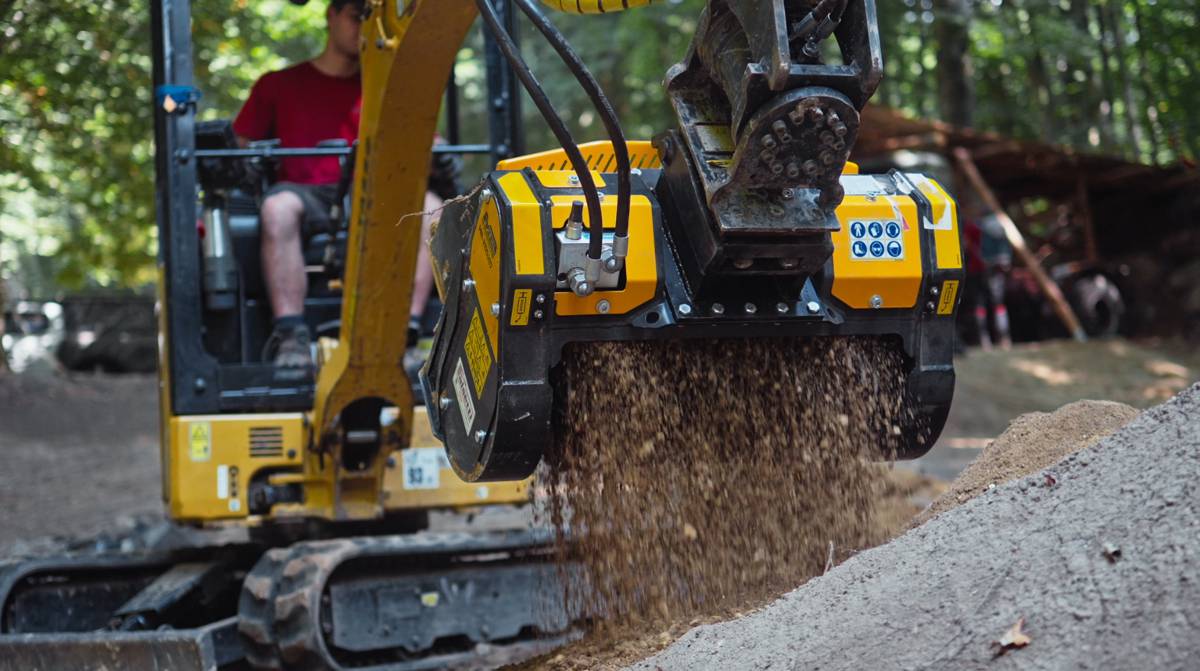
Technology is an ally in these efficiency gains. Modern crushing and screening equipment can produce more evenly graded aggregate, reducing waste. Advanced washing systems remove clay and impurities from lower-grade materials, turning formerly unusable dirt and rock into construction-grade sand and gravel. Digital tools and AI are optimizing quarry production as well, drones survey stockpiles to precisely measure inventory, and AI algorithms fine-tune crushers to maximize the output of desired sizes. Even predictive maintenance (using sensors to prevent equipment breakdowns) means quarries operate with less downtime and wasted energy. All these innovations mean each quarry can get more high-quality product out of the same amount of rock.
Sustainability in quarrying also extends to reducing carbon footprint in operations. Many quarries are adopting electric or hybrid machinery, and even generating renewable energy on-site (like installing solar panels or wind turbines at the mine). Some large quarry companies have set targets for carbon-neutral operations in the coming decades. While quarrying will never be a low-impact activity, these efforts show an industry aligning with broader climate and environmental goals.
Lastly, a sustainable approach means planning for site restoration and community value after a quarry’s life. This is an important part of maintaining the social license to operate. Across the world there are examples of former quarries turned into public lakes, parks, habitats, or even mixed-use developments. For instance, a depleted quarry might become a reservoir supplying water to a town, or a recreational lake attracting tourists, once properly rehabilitated. By ensuring that a quarry’s end-use is positive, the industry helps counter the “quarry versus community” narrative and instead positions quarries as a temporary but beneficial land use. This also makes it easier for planners to approve new quarries if they know there’s a clear plan for after extraction ends.
Recognising Quarries as Strategic Infrastructure
As we shine a spotlight on the path “from rock face to road surface,” one conclusion becomes inescapable: quarries and the aggregate supply chain deserve as much attention in infrastructure planning as funding, design or labour issues. They are not merely suppliers but strategic partners in every build, literally grounding our ambitions in real materials. Globally, the construction industry consumes an estimated 40-50 billion tonnes of sand, gravel and stone each year, making aggregates the second most used resource on the planet after water. This astonishing fact underscores that if we are to build resiliently and sustainably, we must manage our “second most used resource” with foresight.
For policymakers, this means crafting enabling policies: updating mineral plans, speeding up responsible permitting, and incentivising recycled and locally sourced materials in public projects. For investors and project developers, it means evaluating material supply risks early, a highway PPP or mega-project must factor in where its tens of millions of tonnes of fill and concrete aggregate will come from. Shortages in aggregates can translate to real financial and schedule risks, a lesson some have learned the hard way when prices spiked or deliveries lagged.
For the quarrying industry itself, the task ahead is to continue modernising and communicating. Quarries of the 21st century are not the crude pits of old; many are high-tech, environmentally conscious operations integral to sustainable development. Industry leaders and associations can help bridge the understanding gap by engaging with communities and governments, emphasizing that quarries operate to high standards and strive to leave positive legacies, while supplying irreplaceable raw material for progress.
Perhaps most importantly, a shift in mindset is needed among all infrastructure stakeholders, to view sand, gravel and stone not as an infinite afterthought, but as a strategic resource that demands careful stewardship. As the United Nations Environment Programme cautioned, “our sand resources are not infinite, and we need to use them wisely”. The same goes for all aggregates. This means balancing extraction with environmental care, ensuring enough permitted reserves for future needs, and embracing innovation to do more with less.
From Los Angeles to London to Lagos, the development dreams of communities rest on a foundation of aggregates. Each new high-speed rail line, each new hospital, each upgraded highway, they all trace back to a quarry face where someone detonated explosives in rock, setting off a chain reaction that ends in modern civilisation as we know it. Quarries truly power modern infrastructure. It’s high time that power was recognised, respected, and planned for. By doing so, we can ensure that the roads, rails and runways of tomorrow are built on solid ground, with the supply chain resilience to match our infrastructure ambitions.