EBRD Financing Unlocks Heavy Lift Infrastructure Across Central Asia
Across Central Asia, a quiet but decisive shift is under way. Wind farms are rising across open steppe, ports and rail corridors are being upgraded, and the logistics chains that once served only extractive industries are being repurposed for renewable energy and international trade. None of that transformation happens without machines capable of moving the biggest, heaviest and most delicate components that modern infrastructure requires. That is where the European Bank for Reconstruction and Development’s decision to lend up to €25 million to Sarens Kazakhstan takes on meaning far beyond a single corporate transaction.
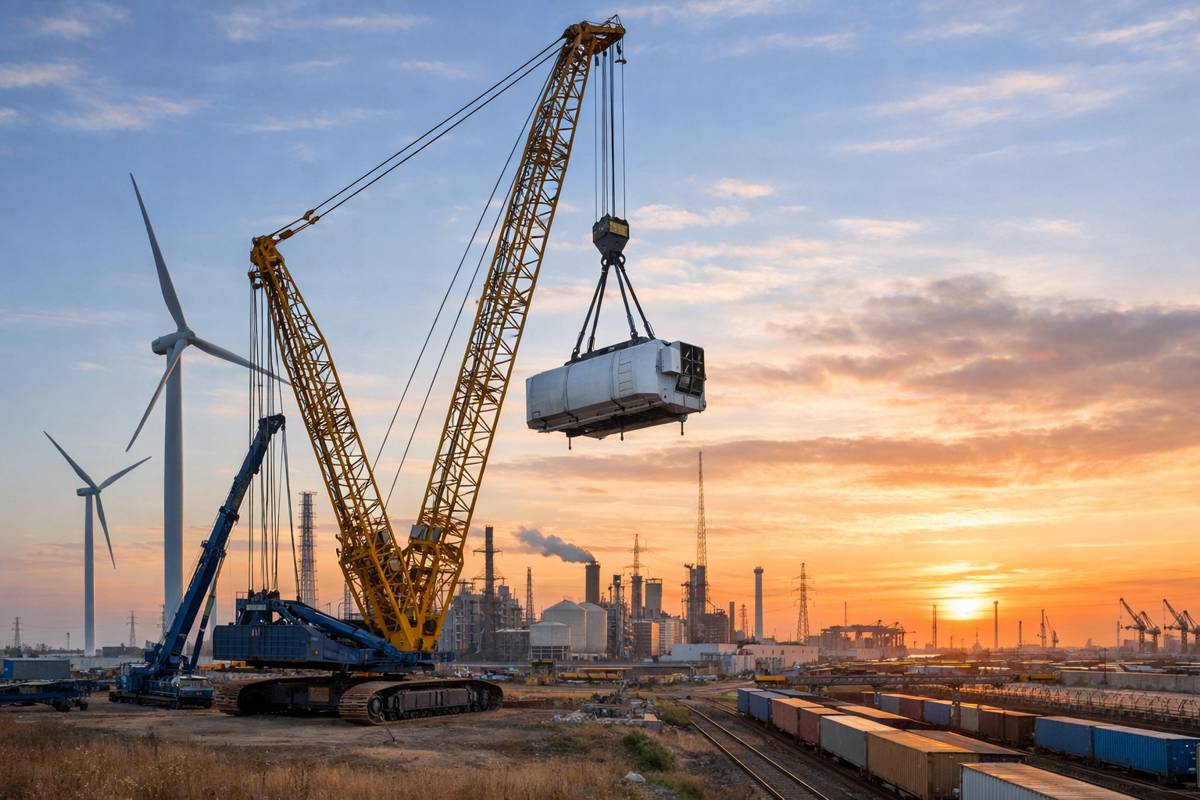
The financing targets one of the most critical yet least visible bottlenecks in infrastructure delivery: heavy lifting and engineered transport. Wind turbines, modular power plants, refinery upgrades and port cranes do not arrive in place by chance. They require highly specialised cranes, self propelled modular trailers and installation teams that can operate in remote, often hostile environments. Without those capabilities on the ground, even well funded infrastructure programmes stall before concrete is poured or steel is lifted.
By backing Sarens Kazakhstan, the EBRD is effectively underwriting the physical capability that allows renewable energy, logistics hubs and industrial projects to move from plan to reality. In regions such as Kazakhstan, where distances are vast and industrial supply chains are still maturing, that capacity is a strategic asset in its own right.
Why Heavy Lift and Transport Now Matter More Than Ever
Kazakhstan’s energy transition and logistics ambitions are colliding in a way that demands scale. The government has committed to lifting renewables to 15 per cent of national electricity generation by 2030, with wind power playing a central role. Wind farms in Kazakhstan are not built close to ports or factories. They are installed in open landscapes where turbines, blades and nacelles must travel hundreds of kilometres over roads and bridges that were never designed for such loads.
At the same time, the Trans Caspian International Transport Route, often called the Middle Corridor, is becoming one of Eurasia’s most important trade arteries. With geopolitical pressures reshaping how goods move between China, Central Asia and Europe, Kazakhstan is positioning itself as a logistics hub rather than just a transit country. That requires terminals, cranes, intermodal yards and warehouses that can handle modern freight flows.
Those two forces converge on the same challenge. Whether moving a 100 metre wind turbine blade or a port gantry crane, the region needs heavy transport fleets and lifting systems that can operate at global standards. The EBRD’s loan is structured to give Sarens Kazakhstan the ability to acquire precisely that kind of equipment, including high capacity cranes, specialised trailers and support vehicles.
Sarens Kazakhstan and the Role of Global Engineering Expertise
Sarens Kazakhstan is part of the Sarens Group, a Belgian headquartered family owned multinational that has built a reputation over decades in heavy lifting, engineered transport and installation. The group operates on some of the world’s most complex industrial projects, from offshore wind farms to petrochemical plants and large scale infrastructure builds.
Bringing that level of expertise into Kazakhstan on a permanent basis changes what the local market can deliver. Instead of relying on imported equipment and crews for every major project, developers can work with a locally based fleet that understands the terrain, the regulatory environment and the operating conditions. That shortens timelines, lowers risk and reduces costs across the project lifecycle.
The EBRD loan allows Sarens Kazakhstan to deepen that footprint. It will be used to purchase additional cranes and trailers and to provide working capital that keeps complex operations running smoothly. In practical terms, that means the company can take on more projects at once, tackle heavier and more technically demanding lifts, and support both renewable energy developers and logistics operators as they expand.
Enabling Gigawatts of Renewable Energy Capacity
One of the most striking aspects of the project is the scale of renewable energy it supports. The equipment financed through the EBRD loan is expected to enable the installation of at least 11.75 gigawatts of additional wind capacity. That figure matters because it puts heavy lifting and transport in the same league as turbines, substations and transmission lines when it comes to the energy transition.
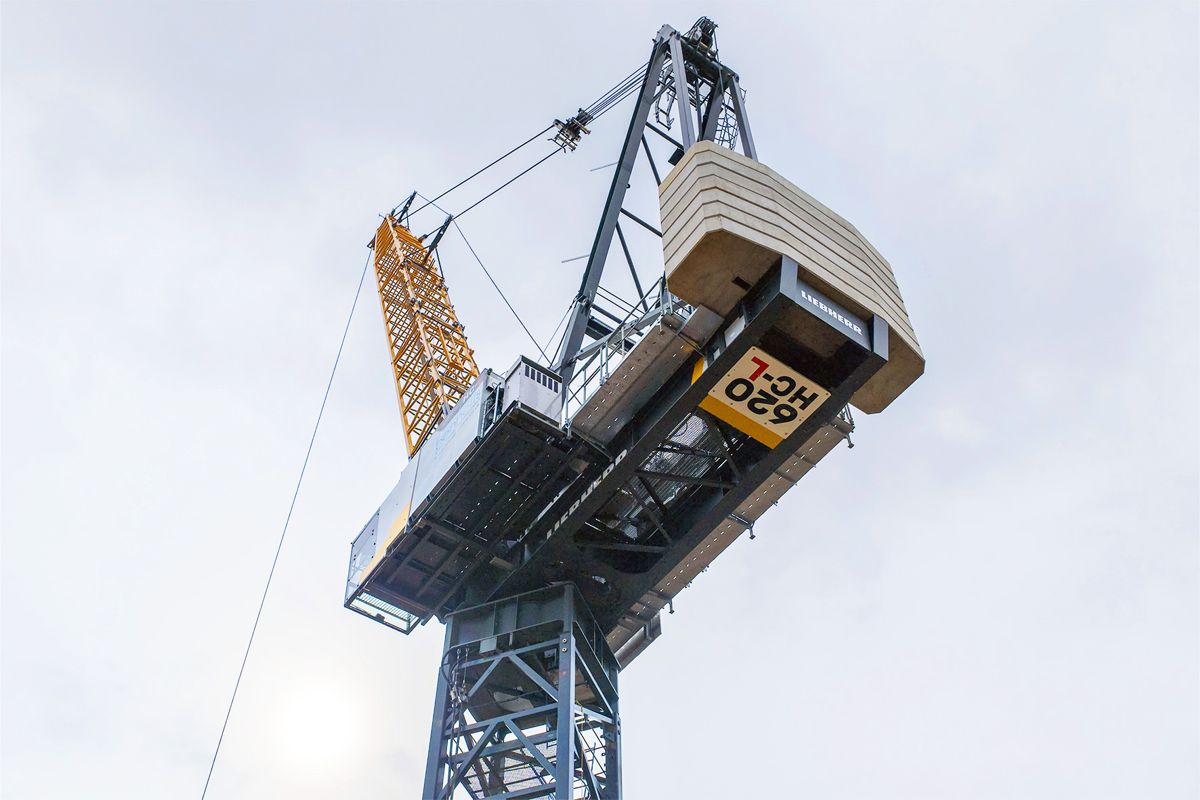
Wind turbines today are enormous machines. Nacelles weigh hundreds of tonnes, blades stretch longer than a football pitch and towers are assembled from sections that each require precision handling. Installing that equipment in Kazakhstan’s wide open but often windy and remote regions is not simply a matter of trucking components to site. It requires cranes that can operate at extreme heights and trailers that can carry outsized loads over long distances without compromising safety.
By enabling that capacity, the EBRD is indirectly accelerating Kazakhstan’s progress towards its 2030 renewables target. It also makes the country more attractive to international wind developers, who need to know that the local supply chain can support the projects they plan to build.
Supporting the Trans Caspian Corridor and Regional Trade
Beyond energy, the loan also ties into one of the most important infrastructure stories in Eurasia. The Trans Caspian Corridor connects China to Europe via Kazakhstan, the Caspian Sea, Azerbaijan, Georgia and Turkey. As congestion, sanctions and geopolitical risks affect other routes, this corridor is gaining commercial and strategic relevance.
Developing it requires ports, ferries, rail terminals and logistics hubs that can handle heavier volumes and more complex cargo. Many of the key components of that infrastructure, such as container cranes, rail mounted gantries and modular terminal buildings, can only be installed using heavy lift and engineered transport solutions.
Sarens Kazakhstan’s expanded fleet will be positioned to support exactly those kinds of projects. That gives the country greater control over how quickly and reliably it can upgrade its logistics backbone, which in turn affects trade flows, investor confidence and regional economic integration.
Why EBRD’s Structure Matters for the Market
The EBRD loan does more than just provide capital. It comes with a long maturity that local commercial banks in Kazakhstan currently cannot offer. That matters in a capital intensive sector where cranes, trailers and transport systems are expensive assets with long working lives.
By matching the financing structure to the economic reality of the equipment, the EBRD allows Sarens Kazakhstan to invest without putting undue strain on cash flow. That stability makes it easier for the company to commit to large projects and long term service contracts, which in turn gives infrastructure developers confidence that critical lifting and transport capacity will be available when they need it.
This kind of financing is also part of the EBRD’s wider mandate to support green transformation and private sector development. Heavy lift engineering may not look like a climate project at first glance, but without it, wind farms and logistics corridors cannot be built at scale.
Kazakhstan’s Track Record with EBRD Investment
The Sarens Kazakhstan loan fits into a much larger pattern of international investment in the country. The EBRD has invested almost €10.3 billion across 342 projects in Kazakhstan, with most of that funding supporting private entrepreneurship and infrastructure.
That track record signals something important to international investors. It shows that Kazakhstan is not just receiving isolated injections of capital, but building long term financial relationships that support industrial growth, logistics modernisation and energy transition.
For construction firms, equipment suppliers and project financiers watching the region, the message is clear. Central Asia is no longer a peripheral market. It is becoming a core part of Eurasia’s infrastructure and energy landscape, and institutions like the EBRD are prepared to back the physical and financial systems that make that possible.
Building the Physical Foundations of a New Energy and Trade Economy
What makes this deal especially relevant to the global construction and infrastructure ecosystem is that it focuses on one of the least glamorous but most decisive parts of project delivery. Heavy lifting and engineered transport sit at the intersection of design, logistics and construction. They are the bridge between a factory floor and a finished wind farm, port or industrial plant.
By strengthening that bridge in Kazakhstan, the EBRD is not just financing a company. It is reinforcing the region’s ability to deliver large scale, technically complex projects that meet international standards. That capability will be needed again and again as renewable energy, cross border logistics and industrial development continue to expand.
In that sense, the €25 million loan is less about a balance sheet and more about momentum. It keeps projects moving, it keeps supply chains connected and it helps turn ambitious infrastructure plans into steel, concrete and spinning turbines across Central Asia.