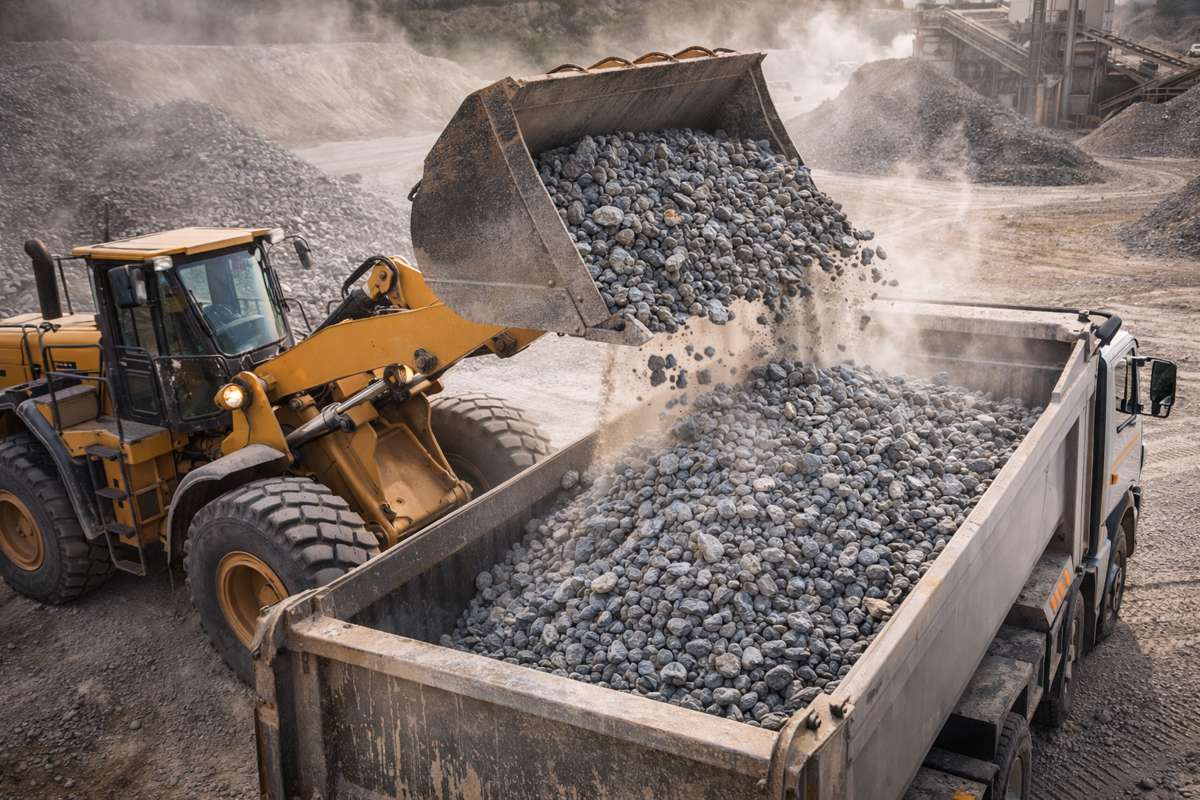
The New Blueprint for Sustainable Mining
Mining and quarrying have long been synonymous with environmental disruption, from gaping open pits and scarred landscapes to polluted waterways and deforestation. In the past, the focus was overwhelmingly on extraction at all costs, with little thought for what came after. Today, however, the industry is undergoing a profound shift.
There is growing recognition that mineral extraction is only a temporary land use, and when the digging stops, the land must be restored or even improved. This evolution from simply rehabilitating mined land to actively regenerating ecosystems is becoming a new paradigm. As one recent scientific review noted, while mining and quarrying have “considerable environmental impacts,” they also offer “massive opportunities to create valuable habitats, support biodiversity, guide restoration efforts, and contribute to conservation”. In other words, former mines can transform from environmental liabilities into environmental assets, if managed with vision and care.
This change in mindset didn’t happen overnight. In fact, some pioneering efforts began decades ago. A landmark moment came in 2006 when the UK’s Royal Society for the Protection of Birds published a report called “Nature After Minerals.” It was a ground-breaking study that formally recognized the enormous potential of quarry restoration to achieve significant biodiversity gains on a landscape scale. The report identified how quarry sites, once exhausted of sand, gravel, or rock, could be reimagined as wetlands, woodlands, grasslands or other habitats, often providing more ecological value than what existed pre-mining.
In the years since, the UK alone has seen about 8,300 hectares of priority habitats created through quarry restoration, with another 11,000 hectares in the pipeline. These include wetlands teeming with birdlife, flower-rich meadows and nature reserves where there were once barren pits. In Oxfordshire, for example, a former gravel quarry at Gill Mill has been transformed into clean lakes, ponds and reedbeds now alive with wildlife and enjoyed by thousands of local visitors each year. Such successes underline a powerful point: mining need not be the final chapter in a landscape’s story. With innovative rehabilitation, it can be the first chapter of a new, greener narrative.
This evolution from extraction to restoration is gradually being embedded into industry standards worldwide. Many jurisdictions now require that companies not only plan for mine closure and land rehabilitation from the outset, but also aim higher, to leave a positive legacy. “Mineral extraction will always be controversial,” notes one community partnership group, “but with Biodiversity Net Gain a current hot topic, this disturbance provides unique opportunities to secure measurable net gains for biodiversity and to reimagine what the land could be used for at the end of quarrying”.
In essence, the concept of “net gain” or “nature positive” mining has emerged: ensuring that the overall impact on nature is beneficial, not just neutral. This represents a remarkable shift. Instead of land being worse off or merely returned to a marginal semblance of its former state, leading mining companies now talk about making it better than before for truly regenerative landscapes.
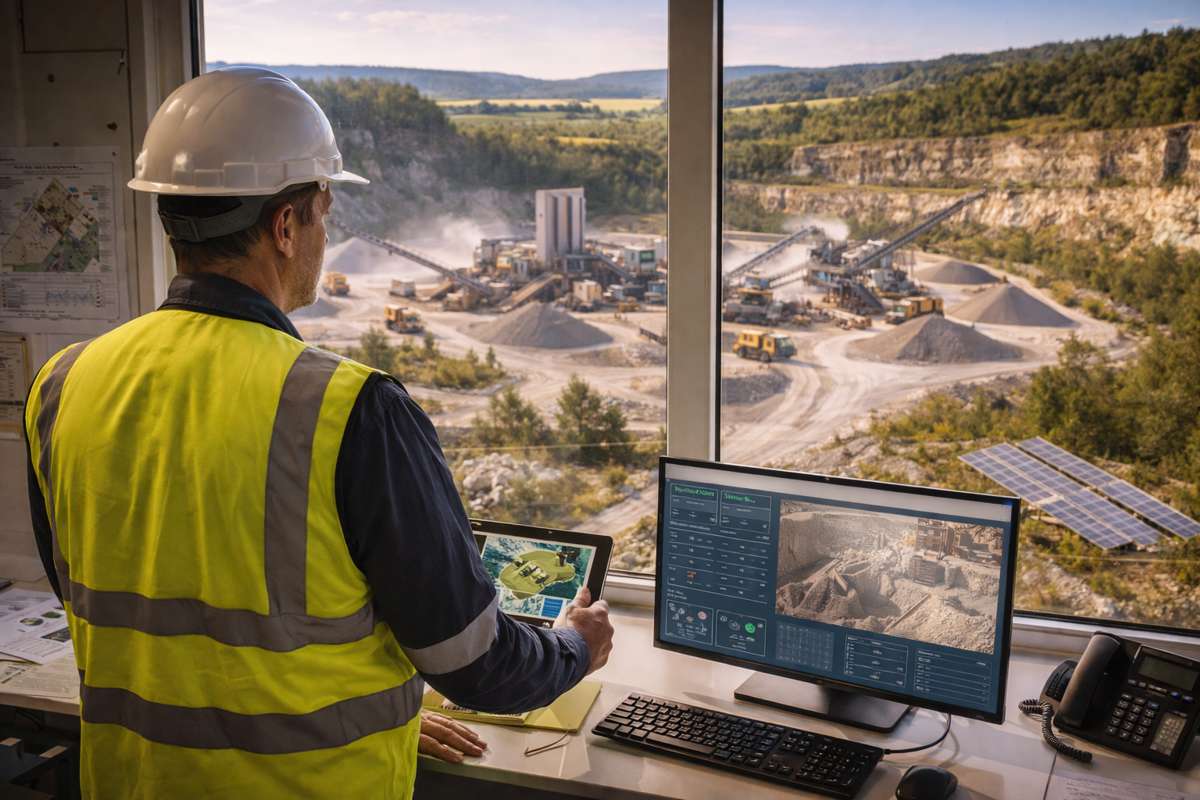
Water, Dust and Noise
While the end-use of mines is one critical aspect of sustainability, equally important is reducing the day-to-day environmental footprint of active operations. Modern mines and quarries are vastly different from the unregulated enterprises of old when it comes to controlling impacts like water usage, dust, and noise. Strict environmental regulations and community expectations mean operators must use every tool available to mitigate these impacts in real time, not just clean up later.
Take water management, for instance. Mining can be water-intensive, from processing ores to suppressing dust, and can affect local water resources if not carefully managed. Best practices today call for a comprehensive approach to water stewardship. Companies are expected to monitor and manage water use closely, recycle water wherever possible, and protect local water quality.
The World Bank’s guidelines for mining advise establishing a detailed water balance for each site and developing a sustainable water supply plan to avoid depleting aquifers or harming other water users. In practical terms, this means mines often invest in on-site water treatment plants, closed-loop systems that reuse process water, and containment of runoff to prevent pollution of streams and rivers. All mines should focus on actively minimizing water withdrawal and preventing uncontrolled release of contaminated water into the environment. For example, many large operations now collect and treat stormwater and mine effluent to high standards before discharge, ensuring local waterways remain clean.
By carefully balancing water inflows and outflows and consulting with local communities about shared water resources, responsible miners strive to be net zero in water impact, returning water to the environment as clean as they found it, or even creating new water assets like wetlands in former pits.
Another visible impact of quarrying and mining is dust. Blasting, crushing, and hauling of rock can send up plumes of dust that affect air quality for workers and nearby communities, and can coat vegetation and soils, harming local flora and fauna. Tackling dust requires a multi-pronged strategy. The good news is the tools are well known and effective when properly applied.
Wetting down roads and stockpiles with water or using misting cannons can dramatically cut airborne dust. Many sites now use automated sprinkler systems or non-toxic dust suppressants on haul roads to keep particles from becoming airborne. Vehicle speed limits and all-weather road surfaces are imposed to reduce the dust kicked up by trucks. Exposed soil or tailings surfaces are promptly covered with vegetation or binding agents so they don’t become dust generators. In short, new areas are only cleared when absolutely necessary, and inactive areas are either replanted or physically stabilized. Enclosing conveyor belts and using covered storage for fine materials are additional measures commonly taken. The result of these efforts is a safer environment, not only preventing nuisance dust in communities but also protecting workers from inhaling silica and other harmful particulates.
As industry guidelines emphasise, dust control should be fully integrated into mine planning and operations for both safety and environmental reasons. Many mines now report dramatically improved air quality on site thanks to these measures, and nearby residents experience far less wind-blown dust than in decades past.
Noise and vibration are another set of challenges, especially as expanding cities and towns encroach closer to mining areas (or vice versa). Heavy machinery, blasting, and 24-hour operations can generate significant noise that travels beyond site boundaries. Companies have responded by investing in noise mitigation technologies and thoughtful operational planning. For example, mines install sound barriers and berms, sometimes even using landscaped earth mounds or rows of trees as natural noise buffers.
Key fixed equipment like crushers and processing plants may be enclosed or clad in sound-absorbing materials. Mobile equipment is being fitted with better mufflers, and increasingly, electric motors which run more quietly than diesel engines. Additionally, optimized traffic routing within the site can minimize the need for loud backup alarms and keep noisy activities farther from community areas. Some quarries adjust their working hours or schedule blasts at midday when ambient noise is higher, avoiding early mornings or evenings to reduce disturbances. Vibration from blasting is also carefully managed, with modern techniques, like using smaller, delayed charges and continuous monitoring help keep ground tremors and air blasts below regulatory thresholds.
The goal is to ensure that noise and vibration stay within acceptable levels at the nearest homes or sensitive receptors, as recommended by international guidelines. In practice, this means that a well-run quarry or mine today might be barely audible outside its perimeter fence, a far cry from the roaring operations of the past. By investing in such noise control measures, operators not only comply with regulations but also build goodwill, demonstrating respect for their neighbours’ peace and quiet.
Taken together, these efforts in water conservation, dust suppression, and noise mitigation represent a new ethos of impact minimization. Companies now recognise that environmental stewardship is not an optional add-on but an integral part of efficient, acceptable operations. As one industry blog put it, quarry operators are “always looking for the next step to a more sustainable site,” employing measures that make quarrying safer for both employees and the surrounding population.
From using renewable energy to power pumps and crushers, to planting trees that screen and green a site, every aspect is being examined through a sustainability lens. The immediate payoff is compliance and smoother community relations, but in the long run these practices also improve operational efficiency (for example, renewable power and recycling water can cut costs) and prepare sites for a better afterlife when mining ceases.
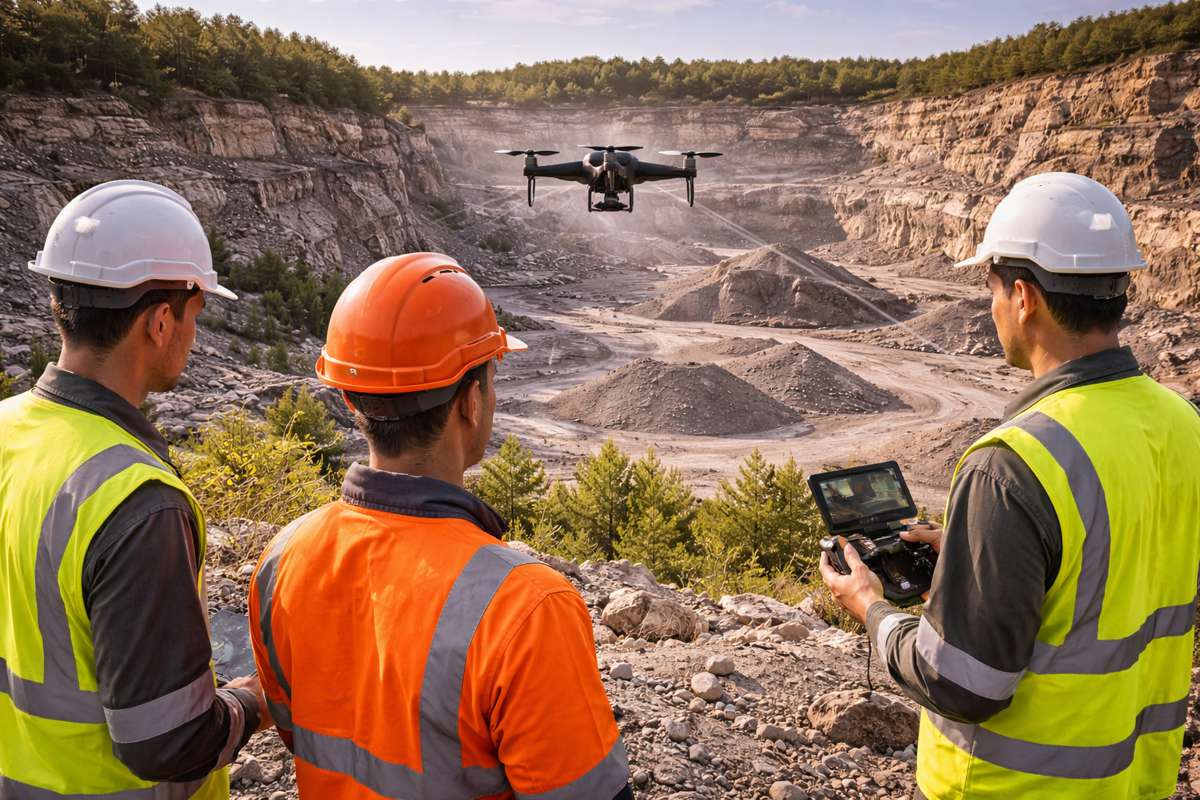
Toward Biodiversity Net Gain and Reimagined Land Use
Perhaps the most exciting aspect of the industry’s transformation is the drive toward biodiversity net gain and creative post-extraction land uses. Instead of leaving behind moonscapes or mere token rehabilitation, many projects are now planned from the outset to eventually become thriving ecosystems or community assets. This aligns with the concept of a “nature positive” future, in which economic activities contribute overall benefits to nature. Achieving this in mining is ambitious, but leading companies and governments are setting concrete goals to make it a reality.
A shining example comes from Sweden, where the national mining association has set a bold target: by 2030, the Swedish mining and minerals industry will contribute to a biodiversity net gain in all regions where mining and exploration take place. In practice, this means companies commit to not only restore habitats they disturb, but to improve them such that the quantity and quality of biodiversity after mining is greater than what was there before. It’s a high bar, essentially requiring a positive ecological “balance sheet” for every project. To reach it, Swedish mining firms are investing in innovative solutions for sustainable land use “in harmony with nature”, from developing better techniques to translocate and nurture native species, to collaborating with conservationists on landscape-scale restoration plans.
International mining companies through the ICMM (International Council on Mining and Metals) have similarly embraced this agenda. In January 2024, ICMM’s member CEOs, who represent about one-third of the global mining industry, made a landmark commitment to a five-point plan for a “nature positive” future. A cornerstone of these commitments is a pledge to achieve at least No Net Loss of biodiversity at all mine sites by closure, against a 2020 baseline.
Rohitesh Dhawan, ICMM’s President and CEO, underscored the significance of this when announcing the commitment in Davos: “There is no escaping that the act of mining directly affects nature, which is why the cornerstone of our commitments is to ensure at least no net loss of biodiversity at all mine sites by closure”. He noted that at a time when demand for minerals is soaring, the industry owes its existence to nature and must help drive a “nature positive” future, building on decades of habitat conservation and restoration efforts by individual companies.
In practical terms, No Net Loss means any biodiversity impacts from mining are fully offset by conservation or restoration actions, and Net Gain means going even further to leave ecosystems better off. To achieve this, ICMM members are implementing measures like no-go policies for World Heritage Sites and critical protected areas, aggressive invasive species controls, and partnerships to restore landscapes around their operations.
Real-world case studies illustrate what these high-level commitments look like on the ground. Consider a typical hard rock quarry that after decades of operation is coming to the end of its life. In the old days, the company might have simply left a flooded pit and some token tree planting. Now, the planning permission for such a quarry likely includes a detailed restoration scheme developed in consultation with ecologists and the local community. The future land use might be a mix of species-rich wetlands, recreational lakes and woodlands. For instance, the Gill Mill quarry in England’s Windrush Valley, as part of its latest 2015 planning approval, is being restored into one of the region’s largest priority wildlife habitats, including a 60-hectare reedbed (enough habitat for breeding bitterns, a rare heron) and 11 km of new public footpaths and bridleways. Small areas are even set aside for eco-tourism, such as short-stay eco-lodges whose revenue will fund the nature reserve’s long-term care.
At another former sand quarry, Duns Tew, the operator created a mosaic of dry grasslands, ponds and exposed sand banks that now host diverse wildflowers, insects, and the largest sand martin bird colony in the county. These examples show quarries turning into biodiversity hotspots and community greenspaces, effectively erasing the line between industrial land and nature reserve.
Such outcomes are increasingly expected, even required, by regulators. In countries like the UK, new laws under the Environment Act mandate that most developments (including mines and quarries) deliver a measurable 10% Biodiversity Net Gain as a condition of planning approval. This regulatory push is forcing companies to quantify their environmental impact and offsets in detail, and to think creatively about post-closure land use.
No longer can a mining firm wait until the last truckload is hauled out to decide what to do with the site. Instead, end-use planning is part of the mine design from the start, often with input from conservation groups and local stakeholders. Rehabilitation bonds and mine closure funds are used to ensure the resources are there to carry out the plan. In essence, the social license to operate increasingly hinges on having a credible plan for a positive legacy.
It’s important to note that pursuing biodiversity net gain is not just altruism or regulatory box-ticking, there are direct benefits for companies too. By integrating biodiversity goals, miners often find new partners and sources of funding. Governments and NGOs may support restoration projects with grants or expertise. In some cases, former mine lands have been donated or sold for low prices to land trusts or parks agencies, saving companies ongoing management costs and yielding goodwill.
Successful restoration can burnish a company’s reputation, which is valuable for brand image and in negotiations for new projects. As the planning manager of one UK aggregates firm put it, “Quarrying can have highly positive impacts beyond the essential materials it provides.” A statement backed up by the many quarries-turned-nature-parks that local communities now cherish. In the long run, demonstrating the ability to deliver environmental enhancements makes it easier for companies to secure new permits elsewhere, because regulators and communities see proof that promises will be kept.
The industry is candid that this is a journey, not all mining projects today achieve net gain, and there are challenges to doing so in certain ecosystems. But the trajectory is set. Mining is moving from a “damage control” mentality to an aspirational one of “environmental improvement.”
As one mining CEO, Jonathan Price of Teck Resources, noted, collaboration across sectors is essential to reverse nature loss, and miners must scale up efforts to protect and restore landscapes. “At Teck, we’re taking action to conserve and restore nature while we also provide the critical minerals the world needs to decarbonize. For us, that means… conserving and reclaiming at least three hectares for every one hectare we affect through mining,” Price said. His company has adopted a 3:1 ratio of land conserved to land disturbed, exemplifying how a net gain commitment can be quantified.
As this ethos spreads, the old image of barren mine wastelands may soon be relegated to history. Instead, tomorrow’s mines aim to leave regenerative landscapes, green oases, restored forests or wetlands, as a testament that mining can coexist with, and even enhance, the natural world.
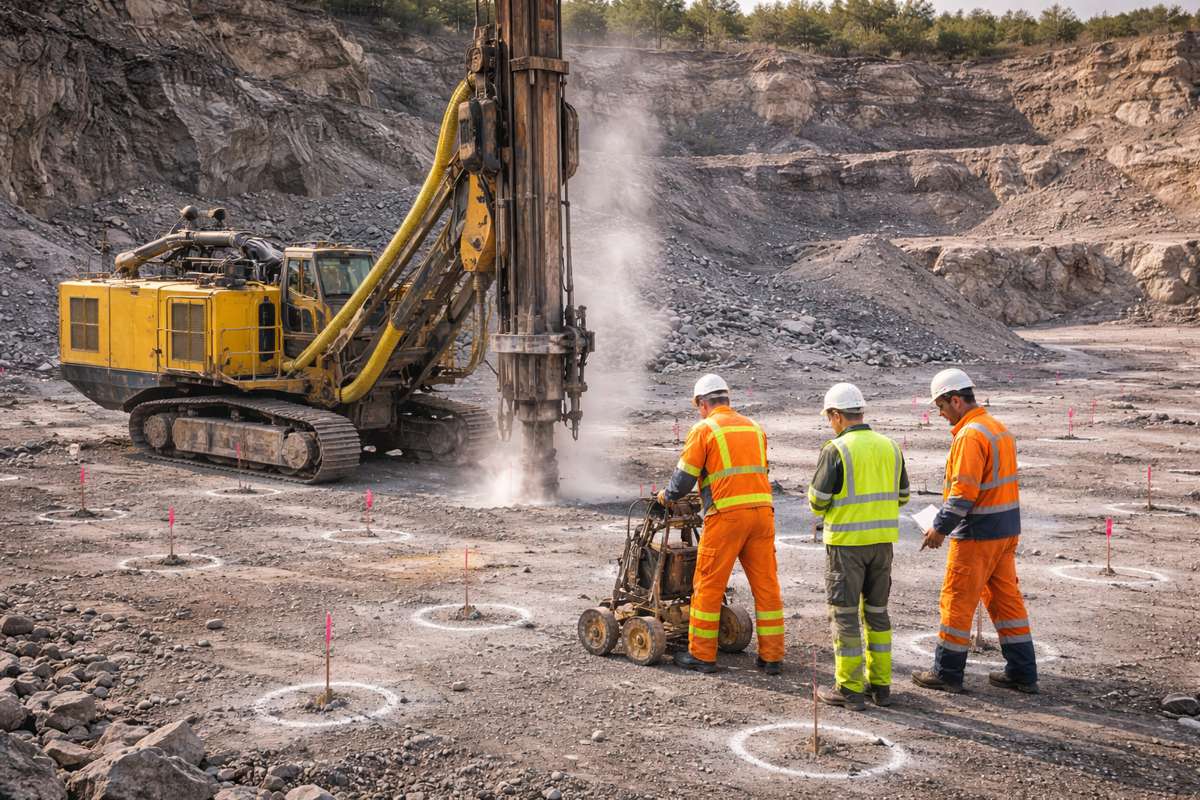
Sustainability as a Key to Permitting, Planning and Finance
Sustainability is no longer just a buzzword, it has become a ticket to play in the mining and quarrying sector. In an era of heightened environmental awareness, climate action, and social accountability, a project that doesn’t meet robust sustainability criteria is unlikely to get very far. From the initial permitting and planning stages through to financing, external stakeholders now demand evidence that a mining venture will operate responsibly and sustainably. The “license to operate” granted by regulators and communities is increasingly intertwined with ESG (Environmental, Social, and Governance) performance.
On the regulatory side, most countries require rigorous Environmental Impact Assessments (EIAs) before approving new mines or major expansions. These EIAs must detail how a project will manage issues like habitat loss, water use, pollution, and mine closure. Planners and permitting authorities scrutinize these plans, often insisting on modifications to reduce impacts or to provide compensation (such as creating new habitats or community development programs).
In some jurisdictions, demonstrating sustainability credentials can actually speed up the permitting process. For example, proposals that include strong mitigation measures, community benefit agreements, and climate-friendly technology might be viewed more favourably and face less opposition. Conversely, a company with a poor track record or a project lacking a clear environmental management plan can face costly delays or rejections. Increasingly, governments link sustainability to mining rights: in countries from Canada to Australia, mines are required to post financial bonds to ensure reclamation is completed, comply with greenhouse gas reduction targets, and engage in ongoing environmental monitoring by independent auditors.
Perhaps even more influential is the role of finance. Lenders and investors today often apply ESG criteria as part of their decision-making. A telling indicator is the widespread adoption of the Equator Principles by over 130 major banks and financial institutions. The Equator Principles framework ensures that projects they finance “are developed in a socially responsible and environmentally sound manner”. In practice, if a mining company seeks funding from an Equator Principles bank, it must meet stringent environmental and social risk management standards, often aligned with the World Bank’s IFC Performance Standards. This could mean, for instance, that the company needs to have robust stakeholder engagement processes, plans for water and biodiversity management, and human rights due diligence, even if local laws are less strict.
Mining projects with significant risks (Category A projects under Equator Principles) are subject to comprehensive assessments and required action plans to mitigate those risks. The message from the banks is clear: no sustainability, no deal. Failing to meet these expectations can result in financing being denied or made contingent on expensive safeguards.
Furthermore, investors in capital markets are pushing mining firms on sustainability because they see it as material to long-term success. Large institutional investors, such as pension funds and sovereign wealth funds, increasingly have mandates to invest in companies with strong ESG performance. They worry that companies with poor environmental practices face regulatory fines, project shutdowns, or reputational damage that can hurt profitability. On the flip side, miners that lead in sustainability may access green financing instruments (like sustainability-linked loans or green bonds) on more favourable terms.
A recent industry analysis highlighted “easier access to financing” as a tangible benefit of a robust ESG approach, noting that financial institutions favour projects that demonstrate environmental and social responsibility. In other words, banks and investors view good ESG management as a proxy for lower risk, both the risk of environmental accidents and the risk of community conflict. This is fundamentally changing how mining companies structure their projects: issues like carbon footprint, water stewardship, tailings dam safety, and community well-being are now material factors in securing capital.
Corporate leaders openly acknowledge this new reality. Mining executives routinely identify ESG issues, from environmental risks to community relations, as critical to their business’s viability. They understand that a mine might have state-of-the-art technology and rich ore reserves, but without community acceptance or investor confidence, it won’t proceed. As Laëtitia Fière, a sustainability consultant, observed in 2025, ESG is no longer just about compliance, it’s a strategic imperative for long-term resilience, profitability and social legitimacy in mining.
The failure to embrace this can be costly. Indeed, mining history is littered with projects that were stalled or cancelled due to social opposition or environmental permitting problems. In Peru and other countries, local protests have led to multi-billion-dollar mines being delayed indefinitely, sending a strong signal to the industry that “business as usual” is not an option.
We also see sustainability considerations affecting planning approvals in very direct ways. For example, in the United Kingdom, planning authorities will now look for Biodiversity Net Gain calculations as part of quarry applications, and may refuse or condition approval on achieving those targets. In the European Union, the new Nature Restoration Law (adopted in 2024) sets legally binding targets to restore degraded ecosystems, including those affected by extractive industries, which means mining companies must align with broader landscape restoration goals.
Globally, the concept of climate change has entered the permitting arena: projects are being assessed for their compatibility with climate commitments, such as how a new coal mine fits with a country’s emissions reduction plan. Some jurisdictions have even started denying permits on climate grounds or requiring offsetting of carbon emissions.
In short, from the boardroom to the permitting hearing, sustainability is now front and centre. It affects access to land, access to capital, and access to markets (as customers also increasingly demand responsibly sourced materials). As one mining finance expert put it plainly, “projects blocked by community opposition” and “delayed or rescinded investments” are real operational risks for companies that ignore ESG, not to mention higher insurance premiums for those seen as high-risk.
On the positive side, companies that integrate sustainability can reap rewards: open dialogue with communities can turn opponents into partners, accelerating approvals, and efficiency initiatives to cut water or energy use can yield substantial cost savings alongside environmental benefits. By making sustainability a core part of planning, miners are not just checking a box, they are increasing the robustness and profitability of their projects. As evidence, many companies now report that conservation or clean technology investments, once viewed as expenses, often pay for themselves through improved operations or by future-proofing the project against regulatory changes.
Embracing the Circular Economy
A critical dimension of sustainability in quarrying and mining is moving towards a circular economy, where waste is minimized and the life of materials is extended through reuse and recycling. Traditionally, mining has been a highly linear process: extract raw materials, process them, and discard the wastes. But this linear model is both economically and environmentally inefficient. The industry is now exploring ways to “close the loop”, finding value in what was once considered waste and reducing the need for fresh extraction.
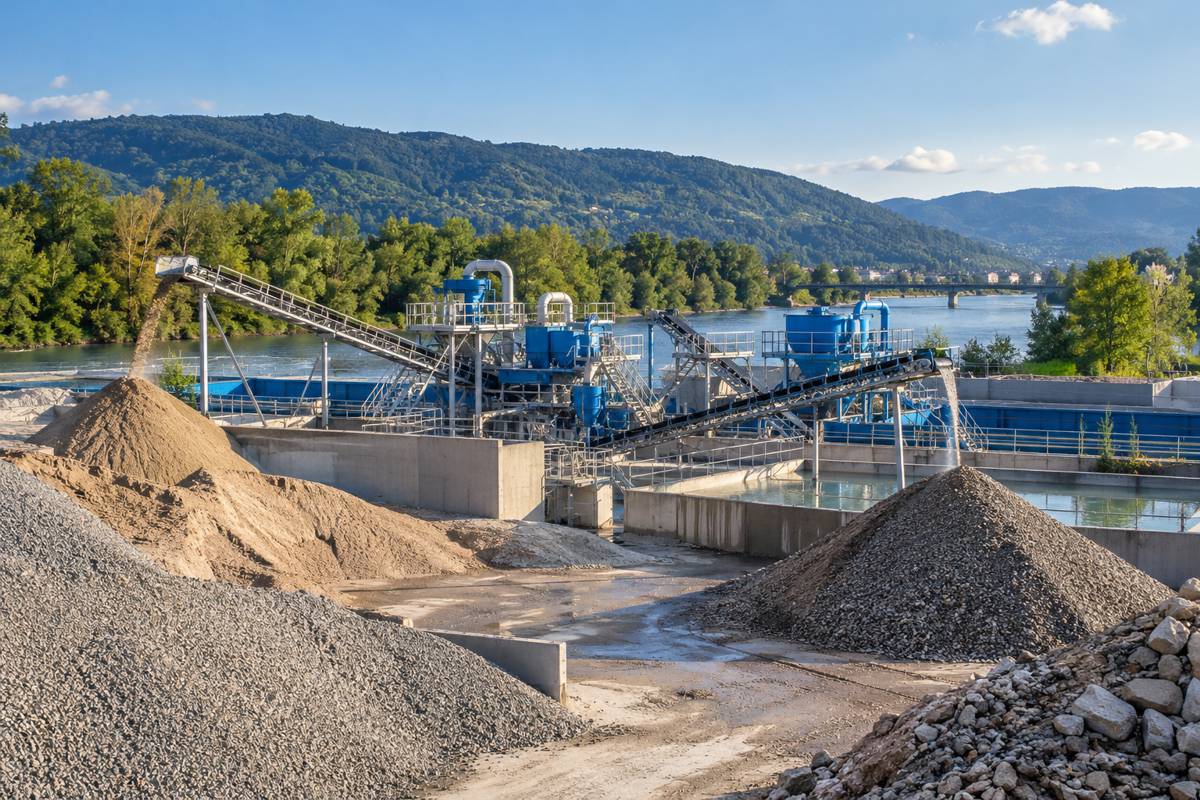
One area of progress is in the use of recycled aggregates and construction materials. Quarries produce aggregates (sand, gravel, crushed stone) for construction, but a circular approach asks: can we meet some of this demand by recycling materials from demolished buildings and old infrastructure? The answer has been a resounding yes. In many countries, recycled concrete and asphalt, derived from construction and demolition waste, are now routinely used as a substitute for virgin aggregate. These recycled aggregates are created by crushing and screening debris from old buildings, roads, and industrial by-products like slag. They can meet the same specifications as new material but with a much smaller environmental footprint.
Every tonne of recycled aggregate used is a tonne of rock that didn’t need to be quarried, conserving natural stone deposits and avoiding the environmental disturbance of extraction. As Holcim UK explains to its customers, these materials provide a reliable alternative “that meets the industry’s standards, without compromising on quality”. Moreover, using recycled aggregate keeps mountains of waste out of landfills. By repurposing concrete and asphalt that would otherwise be dumped, space in landfills is saved and the embedded energy and carbon in those materials is reclaimed.
Companies have even begun labelling products to show their recycled content, for example, highlighting mixes that contain at least 10% recycled construction material, to promote transparency and demand. The push for circular construction aligns quarries with broader sustainability in the built environment: it’s now common to see major projects, like highway reconstructions, sourcing a significant portion of their aggregate from recycled sources.
Mining operations themselves are also turning an eye to their own waste streams. A staggering volume of waste rock and tailings (the finely ground rock residue after mineral extraction) is generated by mining, globally on the order of tens of billions of tonnes each year. In the past, these wastes were piled in dumps or tailings dams, representing both an environmental liability and a lost resource. Now, researchers and companies are developing strategies to “valorise” this waste, essentially, to turn trash into treasure. For instance, certain mine tailings can be processed to extract remaining minerals or metals that were not economically recovered initially (especially as technology improves or metal prices rise).
This re-mining of tailings can reduce the hazardous content of waste and yield additional product with far less effort than starting from raw ore. Tailings are also finding use as raw material in other industries: some mine tailings can replace clay in brick-making, or be used in the cement and concrete industry as a supplementary cementitious material. In fact, studies show that mine tailings (from metals or even coal mining) “can be repurposed in concrete as an aggregate or binder”, as long as certain conditions are met. This could mean that the very sand-like tailings of a gold mine might end up in the foundations of a building or pavement, rather than sitting eternally behind a dam.
Another fascinating example of circular thinking is the reuse of mining waste rock as construction fill or road base. Waste rock, typically the barren material removed to access ore, can often be crushed and used like natural gravel. In the United States, a case in point is the Tar Creek Superfund site in Oklahoma, a legacy lead-zinc mining area. There, huge piles of leftover mining “chat” (a gravelly waste) have been blended with other materials to meet specifications and successfully used in asphalt for paving roads. Decades after mining ceased, the waste is being hauled off for beneficial use, simultaneously cleaning up the environment and reducing the need to quarry new gravel elsewhere.
Many state transportation departments now permit the use of recycled mine material in highway construction, as long as it meets engineering and environmental criteria. Such reuse not only diverts waste from the landscape but can also provide a local source of aggregate in regions where mining waste is abundant but natural gravel is scarce.
Even the water and heat used in mining processes are being looped back in innovative ways. “Water reuse in mining processes” is highlighted as a key strategy in circular mining practices. Mines are increasingly treating and recirculating water for use in milling and dust control, aiming for zero discharge operations. In some cases, water that can’t be reused in the mine is still put to work, for example, by supporting aquaculture or agriculture projects in former mine pits, or by being used to recharge groundwater systems. Some mines capture waste heat from their operations (like the warmth from large compressors or furnaces) and use it to heat buildings or even local greenhouses.
The overarching goal is to reduce the pressure on virgin resources and minimize waste. Every bit of materials recycling means fewer new raw materials must be extracted. Every instance of reuse means one less pollutant or waste storage problem. It’s a mindset shift for an industry historically associated with disposability. And it’s catching on: a 2024 review in the journal Sustainability noted that integrating circular economy principles can both reduce environmental harm and “boost the industry’s efficiency and profitability”. In other words, circular practices are a win-win, aligning ecological goals with economic incentives.
That said, moving towards a circular economy in mining does face hurdles, technical, regulatory, and logistical. Not all mine wastes are easily repurposed; some contain contaminants that must be handled with care (for instance, high metal levels might limit use in agriculture or construction without treatment). There may also be regulatory barriers in classifying a waste as a product. Nonetheless, innovation is rapidly addressing these challenges. Start-ups are emerging with technologies to extract rare elements from tailings, to turn mine water’s dissolved metals into marketable products, and to stabilize toxic residues into harmless construction blocks.
Major mining companies are partnering with academia and tech firms to pilot “mining waste to resource” projects. This is all contributing to an important narrative: mines of the future could be generators of materials beyond just the primary commodity, hubs that produce metals, plus construction materials, plus recycled water, and so on, effectively becoming integrated materials management facilities rather than one-way extractors.
In the meantime, even the simple steps like using recycled aggregates in place of newly quarried stone have significant impact. For the construction industry that Highways.Today serves, this means infrastructure projects are increasingly sourcing materials from both quarries and recycling centres. It’s now common to hear of a highway project where old concrete from a demolished bridge is crushed and reincorporated into the new road embankments.
As one circular economy advocate put it, transitioning from a “take-make-waste” model to a “reduce-reuse-recycle” model is crucial for sustainable development. The quarrying sector is embracing this by diversifying into recycling services, many aggregate suppliers now also offer demolition material recycling, seeing it as both a business opportunity and a responsibility. By keeping materials in circulation longer, the industry not only reduces environmental impact but also builds resilience against resource scarcity and volatile raw material costs.
Electrification, Automation and Process Optimisation
No discussion of sustainability in mining would be complete without addressing climate change and carbon reduction. The mining sector is energy-intensive, historically reliant on fossil fuels for heavy machinery, electricity, and processing. It is estimated to account for a substantial share of global industrial greenhouse gas emissions when you include both direct operations and the electricity they consume. Recognizing this, mining companies worldwide have set ambitious decarbonization targets and are investing in new technologies to electrify and optimize their operations, reducing the carbon footprint of each tonne of material produced.
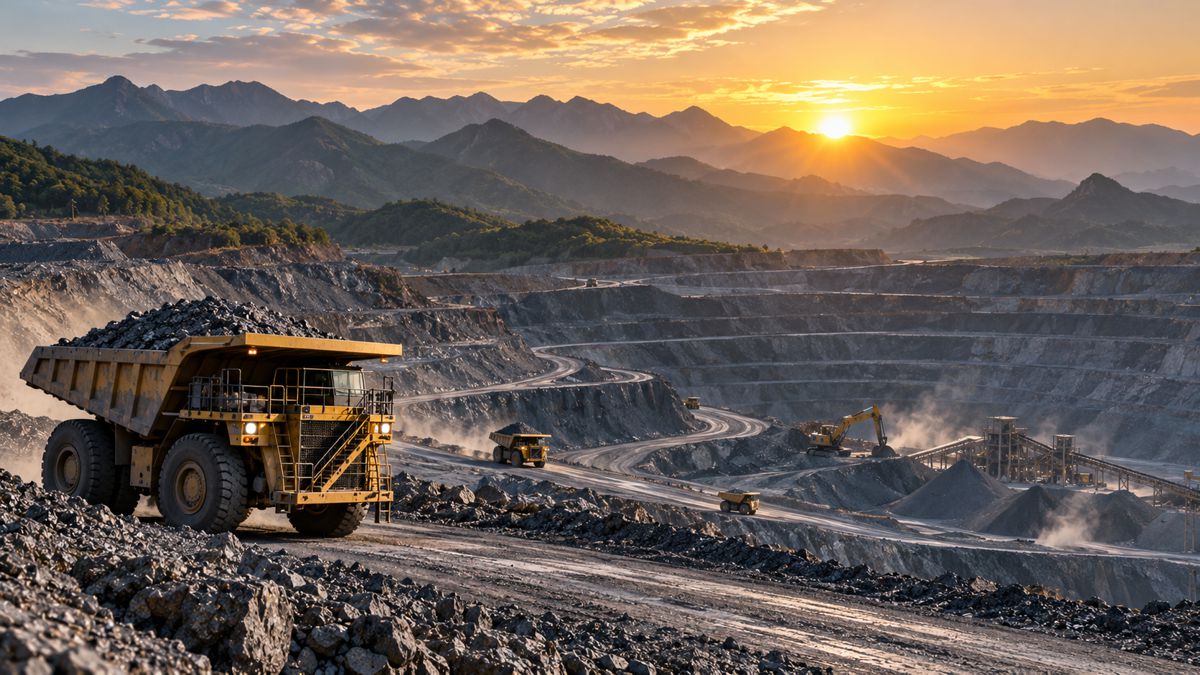
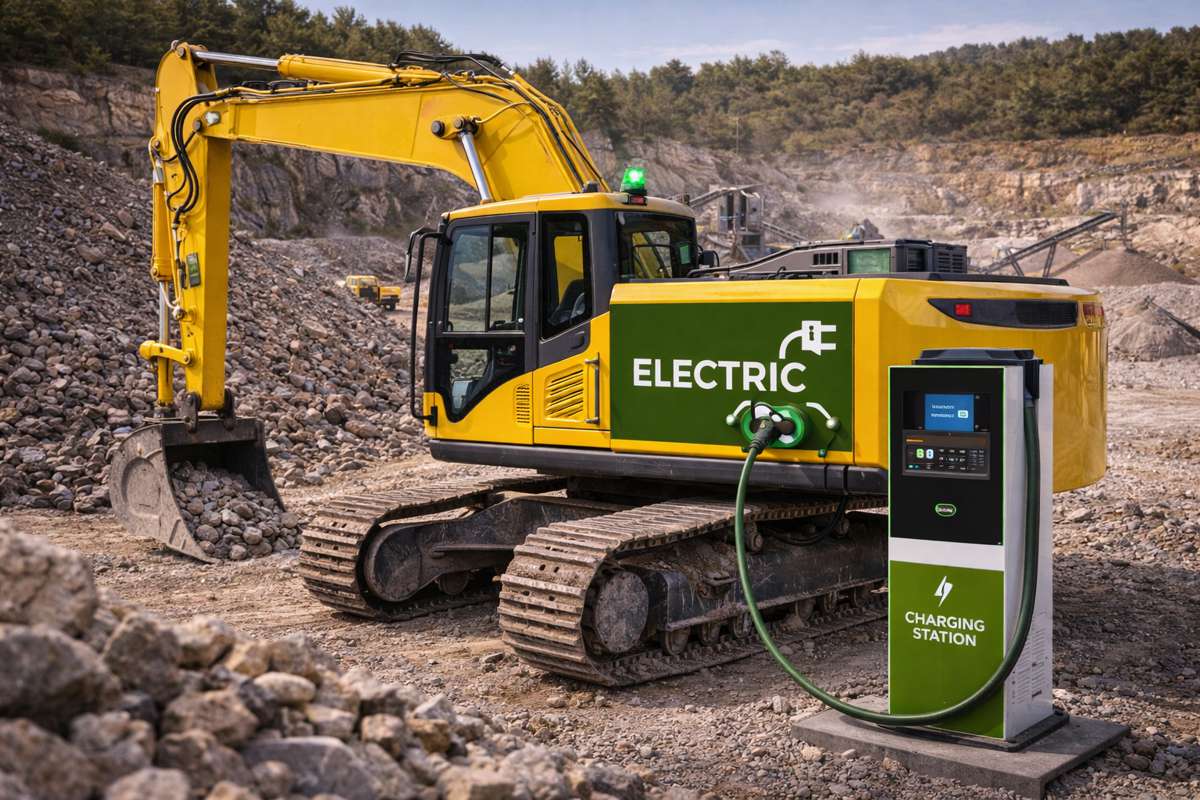
One of the most transformative trends is the electrification of mining equipment. Diesel-powered haul trucks, loaders, and drills have long been the workhorses of mines, but they are also major emitters of CO₂ and other pollutants. Today, a shift is underway to replace or retrofit these with electric-powered alternatives. This ranges from battery-electric underground mine trucks (now operating in some Canadian and Scandinavian mines) to trolley-assist systems for large open-pit trucks that draw power from overhead electric lines on uphill hauls.
The ultimate vision, being actively pursued by companies like ABB and others, is a fully electric mine. According to ABB’s recent “Mining’s Moment” report, a remarkable 91% of mining companies surveyed consider electrification essential to their decarbonisation strategy. The appeal of electric mining is not only lower emissions; as the report highlights, electric mines can also increase productivity, lower energy costs, and improve operational uptime. Electric motors have instant torque and require less maintenance than diesel engines, and if powered by renewable energy, the cost per hour of operation can be significantly less.
Industry research showed that 70% of mining companies believe significant decarbonisation can be achieved using existing technologies, indicating that many of the tools to cut emissions are already available and just need scaling up.
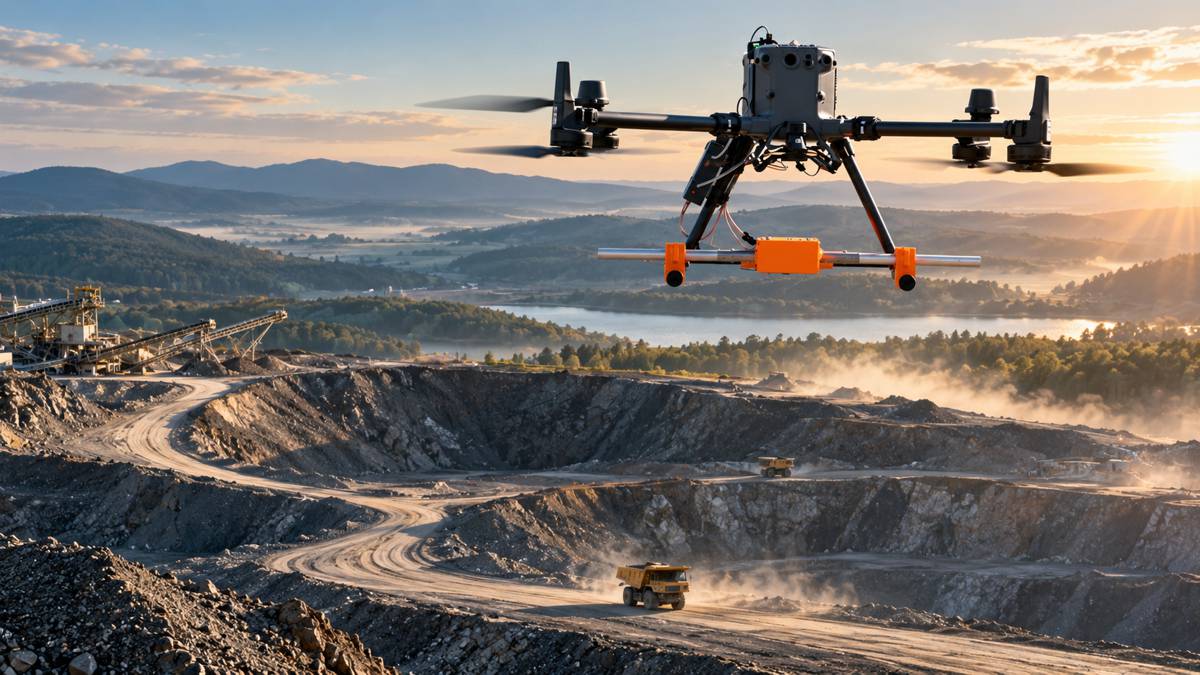
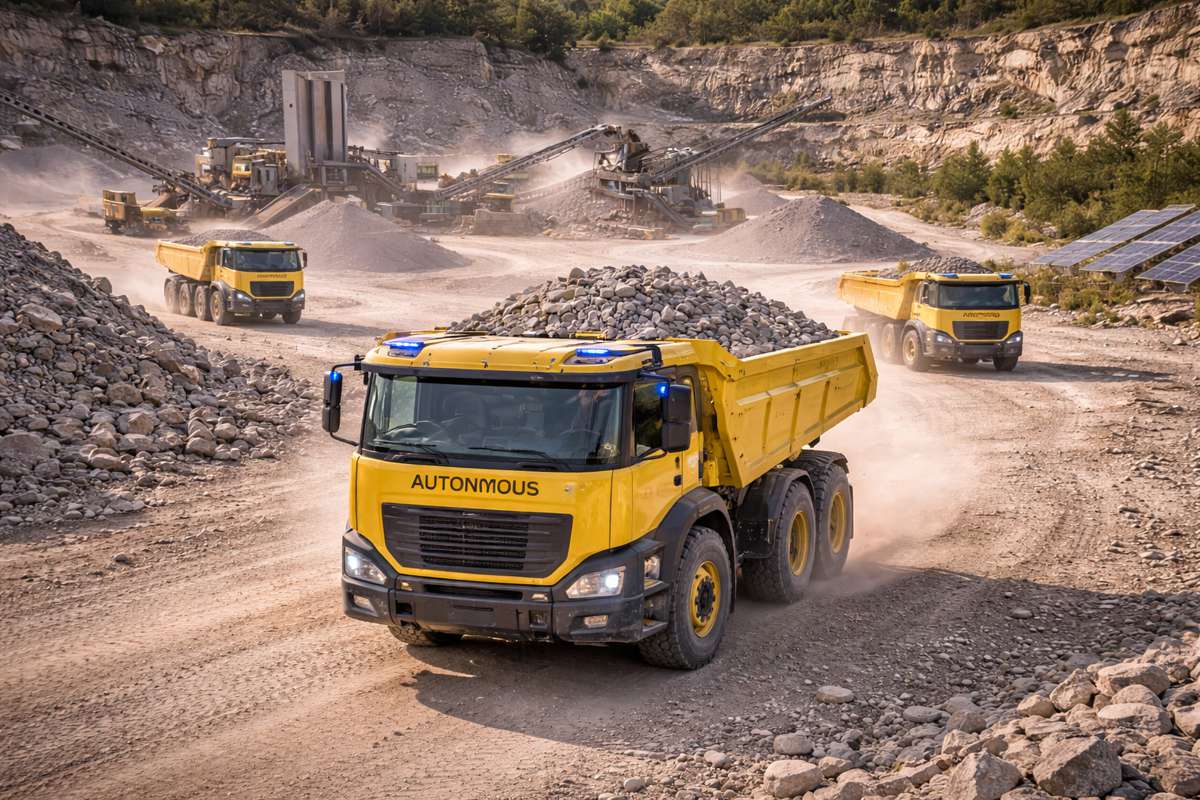
Automation plays a complementary role. The next-generation mine is not only electric but also digital. By deploying autonomous or remotely operated equipment, mines can optimise how and when machines run, avoiding wasteful idling and human inefficiencies. Consider an autonomous haul truck system: because the trucks are controlled by a central AI that optimizes speed and spacing, they can minimize energy use (no sudden accelerations or unnecessary stops) and operate 24/7 without breaks.
As Global Mining Review noted, “autonomous haul trucks powered by electricity will be able to work around the clock, without fatigue, improving operational efficiency and safety”. Additionally, automation enables more precise extraction, for example, autonomous drilling rigs can position and angle holes for explosives in an optimal pattern that uses the minimum explosive for maximum rock breakage, thus saving energy in crushing and grinding later. The use of data analytics and AI for predictive maintenance means machinery operates at peak efficiency and downtime is reduced. If a sensor predicts a conveyor motor is running at suboptimal performance, it can be fixed before it fails, avoiding a scenario where other equipment might run empty or idle (wasting energy). All these improvements contribute to lower energy consumption per unit of output.
Process optimisation extends to every facet of mining and processing. Comminution (crushing and grinding of ore) is notoriously energy-hungry, in some mines, this accounts for half of the site’s energy usage. Companies are investing in more efficient milling technology, like high-pressure grinding rolls and vertical roller mills, which can grind rock using less energy than traditional mills. They are also redesigning mine plans to shorten hauling distances (with in-pit crushing and conveying systems that move ore via conveyor belt instead of diesel trucks, slashing fuel use).
Ventilation on demand in underground mines is another optimisation: instead of running massive fans at full blast continuously, sensors detect where workers and equipment are and only ventilate those areas as needed, dramatically cutting electricity use for ventilation. Many mines have switched out old diesel generators for renewable energy sources. We now see solar farms and wind turbines powering mines in Chile’s Atacama Desert and Australia’s outback. For example, a number of remote mines have installed solar arrays coupled with battery storage to provide a significant portion of their power, reducing reliance on diesel power plants. All of this drives down carbon emissions directly and also often cuts costs after the initial investment is paid off.
Some companies are taking an even more novel approach, experimenting with hydrogen fuel cell technology for the largest machines. In South Africa, Anglo American made headlines by testing the world’s largest hydrogen-powered mine haul truck, a 220-ton beast retrofitted with hydrogen fuel cells and batteries to replace its diesel engine. After a year of trials starting in 2022 at the Mogalakwena platinum mine, this prototype zero-emission truck proved it could perform in real mining conditions. The hydrogen fuel cell truck points to a future where even ultra-class mining vehicles might run on green hydrogen, emitting nothing but water vapor. If scaled up, such technology could eliminate one of the biggest sources of direct emissions in open-pit mines. Similarly, underground mines are looking at battery electric trucks and LHDs (load-haul-dump machines) to improve air quality and eliminate diesel particulate underground, which has both climate and health benefits.
It’s worth noting that energy efficiency and carbon reduction are now often tied to performance incentives within companies. Many mining CEOs have their compensation linked to achieving emissions targets, underscoring how climate metrics are being taken as seriously as production or financial metrics. As a result, the industry has seen big pledges: dozens of major mining companies, often through initiatives like ICMM, have committed to reach net-zero greenhouse gas emissions by 2050 or sooner. This aligns the sector with global climate goals and sends a signal to suppliers (like the heavy equipment manufacturers) that cleaner technology is in high demand. In the interim, there are also targets for 2030, such as cutting operational emissions by a certain percentage and increasing renewable energy share. One concrete sign of progress: by 2025, a significant number of mines will be powered predominantly by renewables or grid power from clean sources, a scenario almost unthinkable a decade ago when diesel and coal were king.
All these efforts don’t just cut carbon; they often improve mine economics and safety. Electrification, for example, reduces fuel costs and can lower maintenance costs (electric motors have fewer moving parts than engines). It also eliminates diesel fumes, improving worker health and reducing ventilation needs (a huge cost in underground mining). Automation can reduce labour costs and improve safety by removing people from hazardous areas. Optimised processes mean less wear and tear on equipment and more consistent output. There is an initial capital cost to these transitions, retrofitting a fleet with electric drive or building a solar farm is not cheap, but many companies see it as a prudent long-term investment, especially as carbon pricing or emissions regulations loom on the horizon in various jurisdictions.
In short, the push to decarbonize mining is gathering momentum and producing tangible changes in how mines are designed and operated. It’s a prime example of how environmental sustainability and innovation go hand in hand. The image of mining as a lumbering, old-fashioned industry is being upended by one of tech-forward operations using cutting-edge solutions to solve age-old problems. And importantly, the quest for lower emissions in mining also contributes to the climate solution globally: mining is essential for the raw materials needed in renewable energy and electrification (copper, lithium, rare earths, etc.), so cleaning up mining’s own footprint multiplies the climate benefits.
As one ABB mining technology lead noted, electrification is a critical component of the industry’s transition to a more sustainable future, one that “balances the bottom line with environmental responsibility”. Mining companies are finding that being part of the climate solution not only secures their social license but also positions them competitively in a world where low-carbon production will be increasingly valued.
The Social Licence to Operate
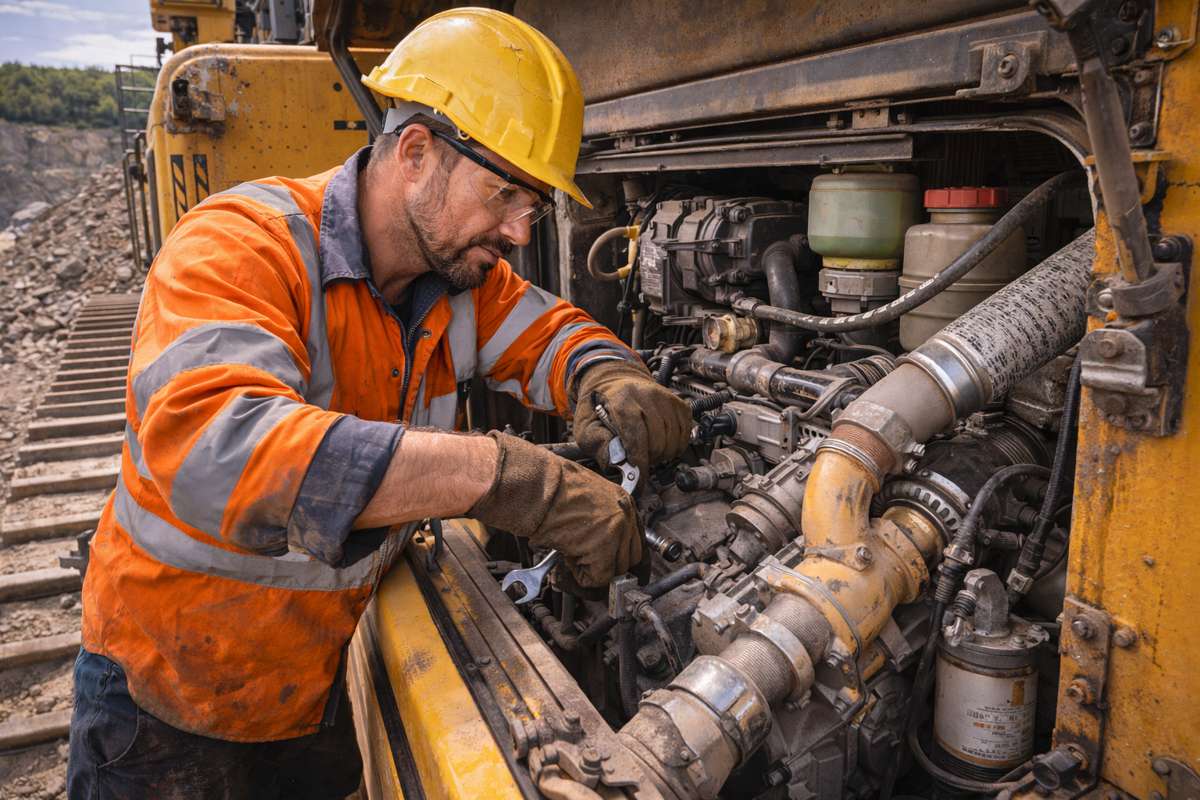
After all the technical and environmental facets of sustainability, there remains a fundamental ingredient without which no mining venture can succeed: community trust. The concept of a “Social Licence to Operate” (SLO) has gained prominence as companies realise that beyond formal permits and licenses, they need the informal, ongoing acceptance of local communities and stakeholders. Gaining and maintaining this social license is arguably as important as any government consent, and it hinges on sincere engagement, respect, and delivering tangible benefits to those affected by mining.
A social license to operate is often defined as “the level of acceptance a company receives from the local community where it operates”. It’s not a piece of paper, but rather an unwritten social contract. If a community perceives that a mine is harming their environment, threatening their health, or not sharing the economic benefits, that license can be revoked in the form of protests, legal challenges, or even sabotage. On the other hand, when a company works transparently with residents, addresses their concerns, and contributes positively to the area’s development, the community is more likely to support, or at least tolerate, the operation. In essence, mining companies must earn trust and keep earning it throughout the life of the project.
Case studies around the world have shown how critical this is. In countries like Peru, Indonesia, or Australia, there have been instances of major mining projects being delayed for years or outright cancelled due to community opposition and conflict. These conflicts often stem from issues such as land rights (including indigenous peoples’ rights), environmental damage (like water pollution or loss of livelihoods such as fishing or farming), and unmet expectations of jobs or compensation. The industry has learned, sometimes the hard way, that approaching communities only with a compensation cheque or a slick PR campaign is not enough. A deeper, more respectful approach is needed, one that involves communities as partners.
What does this look like in practice? Firstly, early and continuous engagement. Companies now engage local stakeholders from the earliest exploration stages, not after all decisions have been made. They hold public consultations, informational meetings, and establish liaison committees so that community members have a forum to voice concerns and influence project design. Listening is as important as talking; by hearing what locals value, perhaps a sacred site that needs protection, or a stream that must not be polluted, companies can adjust plans proactively.
Transparency is another key. Sharing environmental monitoring data, disclosing plans, and openly reporting incidents (like spills or accidents) go a long way in building credibility. As one analysis on SLO concluded, despite various models to conceptualize social license, “the conclusion remains the same: it is only through transparent dialogue with local stakeholders that companies can ensure approval, or at the very least acceptance, from the local community”. In other words, honest, two-way communication is the non-negotiable foundation for trust.
Benefit-sharing is the third pillar. Communities need to see real advantages from hosting a mine. This can include local employment and training programs, procurement of goods and services from local businesses, infrastructure investments (like roads, schools, clinics), and direct contributions to community development projects. Increasingly, companies are also entering into formal community benefit agreements or even partnerships where communities might get a revenue share or equity stake in the project. In regions with indigenous populations, impact-benefit agreements that respect indigenous rights and provide cultural and economic benefits are standard practice for responsible companies. The goal is to ensure that the mine’s presence elevates the community’s well-being and prospects, rather than just extracting wealth and leaving little behind.
The concept of “social licence” also extends to respecting cultural values and addressing historical grievances. In places where trust in authorities or corporations is low, companies have to overcome understandable scepticism. Actions often speak louder than words here. Delivering on promises consistently over time gradually earns trust. Conversely, a single incident of bad behaviour (say, a case of pollution or disrespecting a cultural heritage site) can undo years of goodwill. That’s why companies now often adopt rigorous corporate policies on human rights, cultural heritage, and ethics, to guide how they operate on the ground. The involvement of independent third parties, like NGOs or community monitors, in oversight can further enhance credibility that the company “walks the talk.”
When community trust is achieved, the rewards are immense. Companies find that having local allies can accelerate permitting and stave off external activist pressures. For example, involving indigenous communities in co-management of a project can turn former adversaries into advocates, as noted in one industry commentary: “Open dialogue with communities transforms former opponents into active partners. Co-management models involving First Nations communities accelerate the approval process and reduce the risk of projects being blocked.”. A harmonious relationship means fewer work stoppages, protests, or security costs. It also means that when tough times hit, say a downturn in commodity prices, the community may be more understanding and supportive because they feel a sense of shared interest.
On the flip side, losing community trust is perilous. Experts frequently cite failure to secure SLO as one of the top risks for mining operations. A mining advisory firm S-RM observed that many companies that neglected SLO in early planning ended up in “prolonged legal battles and significant delays to production”. Simply put, ignoring community concerns can kill a project. One sustainability report bluntly called failure to involve local communities from the outset “the costliest mistake” in mining projects. Trust, once broken, is difficult and expensive to rebuild, if it can be rebuilt at all.
Community trust also ties into the broader “social licence” from the public at large. In an age of social media and instant news, a conflict in one valley can become global news overnight, affecting a company’s reputation internationally. Thus, mining companies strive not only to do right by the immediate community but also to demonstrate to society that they are responsible stewards. This has led to initiatives like publishing sustainability reports aligned with global standards, undergoing third-party assurance of their social and environmental performance, and even seeking certifications for responsible mining. The overarching aim is to show all stakeholders, local and global, that a company merits their trust.
It’s a continuous process: trust must be maintained through the life of the mine and into closure and post-closure. When a mine shuts down, the community should feel that they were left better off, with new infrastructure, improved environment, maybe a new economic activity on the reclaimed mine site, rather than feeling abandoned. Some companies continue community development programs for years after closure or ensure that skills training provided during mining has equipped locals for other jobs beyond mining.
In summary, the social licence to operate is about respect and relationships. It reminds us that sustainability is not only about environment and economics, but also fundamentally about people. A sustainable mine is one that is welcomed by its neighbours because it has proven itself to be a responsible, caring, and integral part of the local fabric. By earning community trust, mining companies secure not just the right to operate today, but the opportunity to thrive for decades to come, hand in hand with the communities that host them.

The Journey Toward Sustainability
From controlling dust at a quarry to reinventing a mined-out pit as a wetlands sanctuary, from cutting carbon with electric trucks to building genuine partnerships with indigenous communities, the global quarrying and mining sector is undergoing a remarkable transformation. This long-form exploration has followed the arc “from environmental impact to regenerative landscapes,” and it’s clear that this is more than a slogan, it’s an emerging reality in many parts of the world. The industry’s journey toward sustainability is driven by necessity, yes, but also by innovation and a growing sense of responsibility.
In the end, the social license, environmental stewardship, and economic viability of mining are all interdependent. A mine that reduces its environmental impact to near-zero, contributes net positive biodiversity, operates with low carbon emissions, recycles its waste, and uplifts its local community, that is a mine with a secure future. It will be favoured in permitting, welcomed by investors, and perhaps even appreciated by the public for the materials it provides with minimal harm. While no operation is perfect and challenges persist, the direction is set: mining and quarrying are moving from a purely extractive paradigm to one of careful balance and regeneration.
For an industry often seen as the epitome of environmental conflict, this shift offers a powerful narrative of hope. It suggests that even the most landscape-altering activities can be reconciled with nature and society through ingenuity, respect, and commitment. As we build the infrastructure of tomorrow, the roads, bridges, wind turbines, and cities, it is heartening to know that the raw materials can come from operations striving to heal as much as they take. The vision of regenerative landscapes means that one day, when the last rock has been quarried and the last ore mined, what remains will not be a wasteland, but a landscape renewed and thriving, a living legacy of sustainability written in the very ground beneath our feet.