AEye OPTIS is Redefining Long Range Infrastructure Awareness
Across the global construction, transport and infrastructure sectors, perception technology is quietly becoming mission critical. What began as a race to enable autonomous vehicles is now reshaping how roads, railways, mines and secure sites are monitored, managed and protected. Against this backdrop, AEye has taken a deliberate step to broaden the scope of its software-defined lidar strategy by integrating real-time 3D perception software from Vueron into its OPTIS™ ecosystem.
The partnership signals a shift in emphasis away from single-purpose sensors towards full-stack visual awareness systems that can operate across multiple environments. For infrastructure owners, operators and policymakers, that distinction matters. Roads, rail corridors, ports and industrial sites don’t simply need to see objects. They need to understand what is happening in real time, over long distances, and often in challenging conditions where safety margins are thin and reaction times are short.
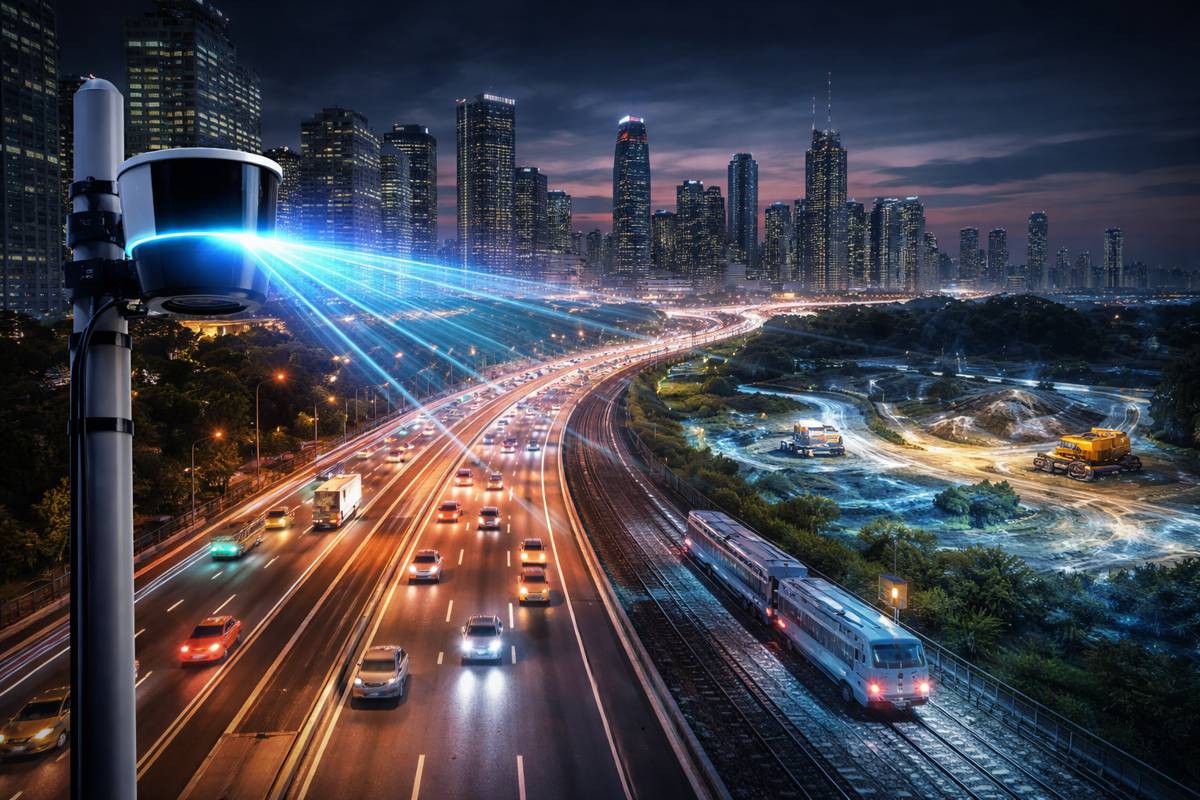
By combining long-range lidar hardware with advanced perception software, AEye and Vueron are positioning OPTIS™ as a platform that can scale well beyond automotive autonomy into intelligent transportation systems, mining operations, rail safety and perimeter security. In practical terms, that means one sensing architecture capable of supporting multiple infrastructure use cases rather than a patchwork of bespoke solutions.
Why Long-Range Perception Is Becoming Infrastructure-Critical
Infrastructure is, by nature, spatial and dynamic. Vehicles move at speed, equipment operates autonomously, and people work alongside machines in environments where visibility can change by the minute. Traditional sensing systems, including cameras and radar, have played an important role, but they struggle with range, resolution or contextual understanding when deployed alone.
Lidar has emerged as a complementary technology precisely because it creates accurate 3D representations of the environment. What has changed in recent years is the growing recognition that raw point clouds are not enough. The real value lies in perception software that can interpret those data streams and turn them into actionable insight.
This is where the integration of Vueron’s real-time 3D perception into the OPTIS™ ecosystem becomes significant. Long-range detection, extending up to one kilometre with AEye’s Apollo lidar, offers earlier awareness of hazards, vehicles or intrusions. When paired with dynamic perception software, that awareness becomes predictive rather than reactive.
For infrastructure operators, earlier detection translates directly into risk reduction. In rail environments, it can mean identifying obstacles on tracks well before braking distances become critical. On highways, it supports smarter traffic management and incident detection. In mining, it enhances the safety envelope around autonomous or semi-autonomous haulage fleets operating in dusty, low-visibility conditions.
Building a Full-Stack Visual Awareness System
AEye has consistently framed OPTIS™ as more than a sensor platform. The company’s strategy centres on delivering a complete visual awareness system that captures, interprets and responds to the physical world in real time. The addition of Vueron’s perception layer reinforces that ambition.
According to AEye, the goal is scalability across sectors rather than optimisation for a single application. That approach reflects a broader trend in industrial technology, where asset owners are seeking interoperable platforms that can evolve over time rather than fixed-function hardware that becomes obsolete as requirements change.
In this context, software-defined lidar is a strategic choice. By shifting performance characteristics and perception capabilities into software, AEye can tailor detection profiles to different environments without redesigning hardware. Infrastructure deployments, which often operate for decades, benefit from that adaptability.
The company’s CEO, Matt Fisch, positioned the partnership as a natural extension of this philosophy, stating: “Adding Vueron as a perception partner within the OPTIS™ ecosystem is a natural fit. By combining AEye’s Apollo lidar, capable of detecting objects at distances of up to one kilometer, with Vueron’s dynamic perception technology, we are delivering a highly scalable and intelligent sensing solution to address the needs of multiple markets.”
His emphasis on scalability is telling. Infrastructure technology rarely succeeds if it only works in controlled pilot projects. It must perform consistently at national or network scale, often under regulatory scrutiny and with limited tolerance for downtime.
From ADAS to Intelligent Transportation Systems
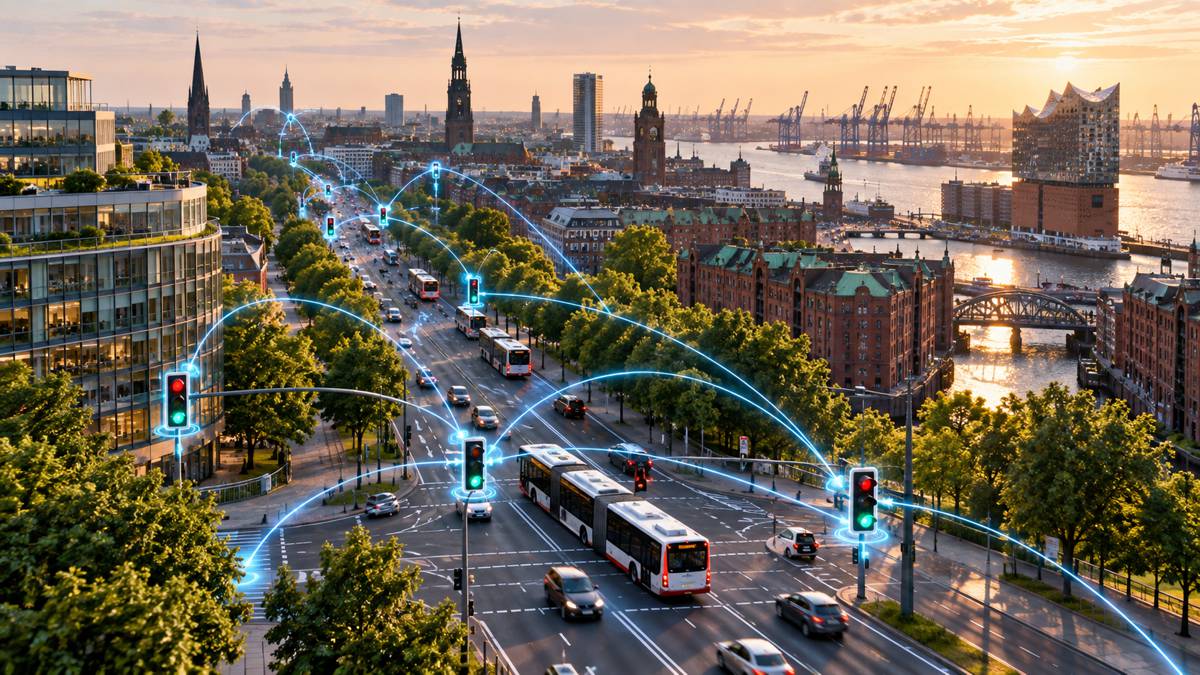
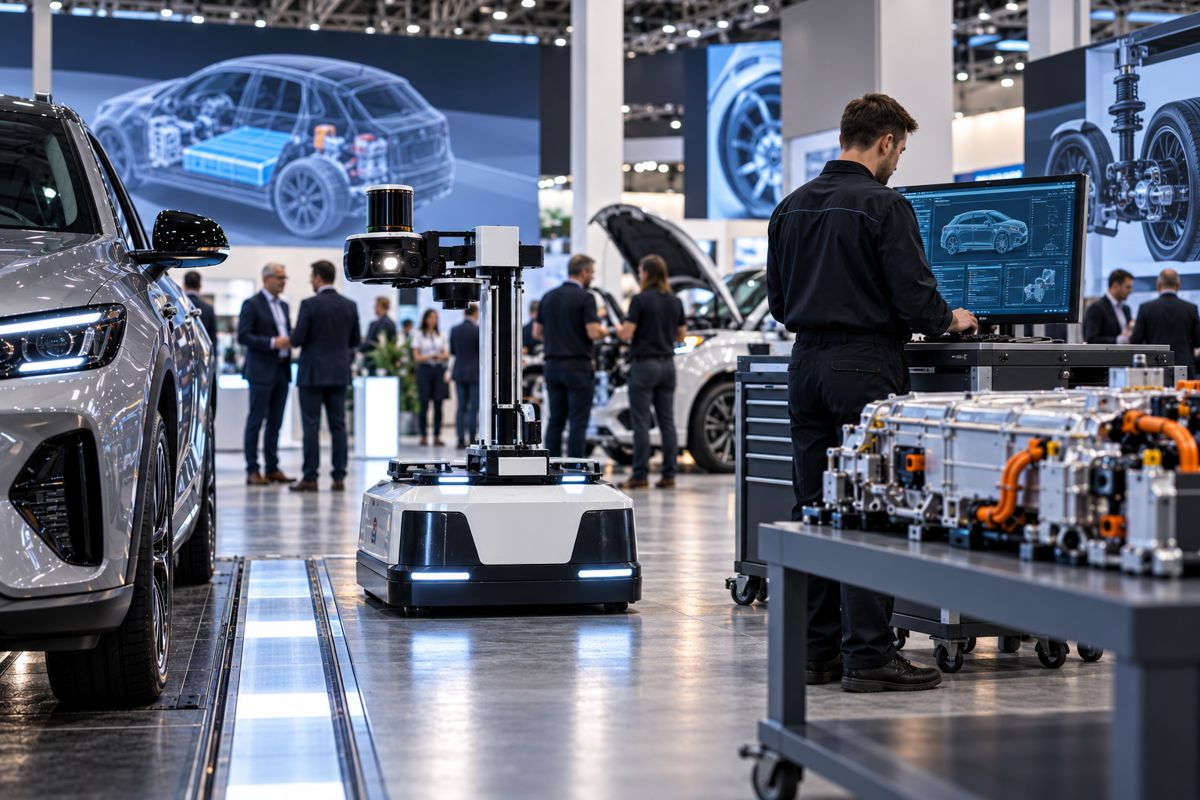
While advanced driver-assistance systems and vehicle autonomy remain important markets, the implications of this partnership extend well beyond passenger cars. Intelligent transportation systems are increasingly seen as a foundation for safer, more efficient road networks, particularly as traffic volumes rise and urban areas become more complex.
Long-range, high-resolution perception enables earlier detection of congestion, stalled vehicles or vulnerable road users. When integrated into traffic management platforms, it supports data-driven decisions about lane control, speed limits and incident response. Unlike camera-based systems, lidar is less sensitive to lighting conditions, an advantage for 24-hour infrastructure monitoring.
AEye’s Apollo lidar, with its compact form factor and extended range, has already attracted attention in automotive circles. Within an infrastructure context, those same attributes make it suitable for roadside installations, gantries and mobile units. The addition of perception software capable of interpreting movement patterns adds another layer of operational value.
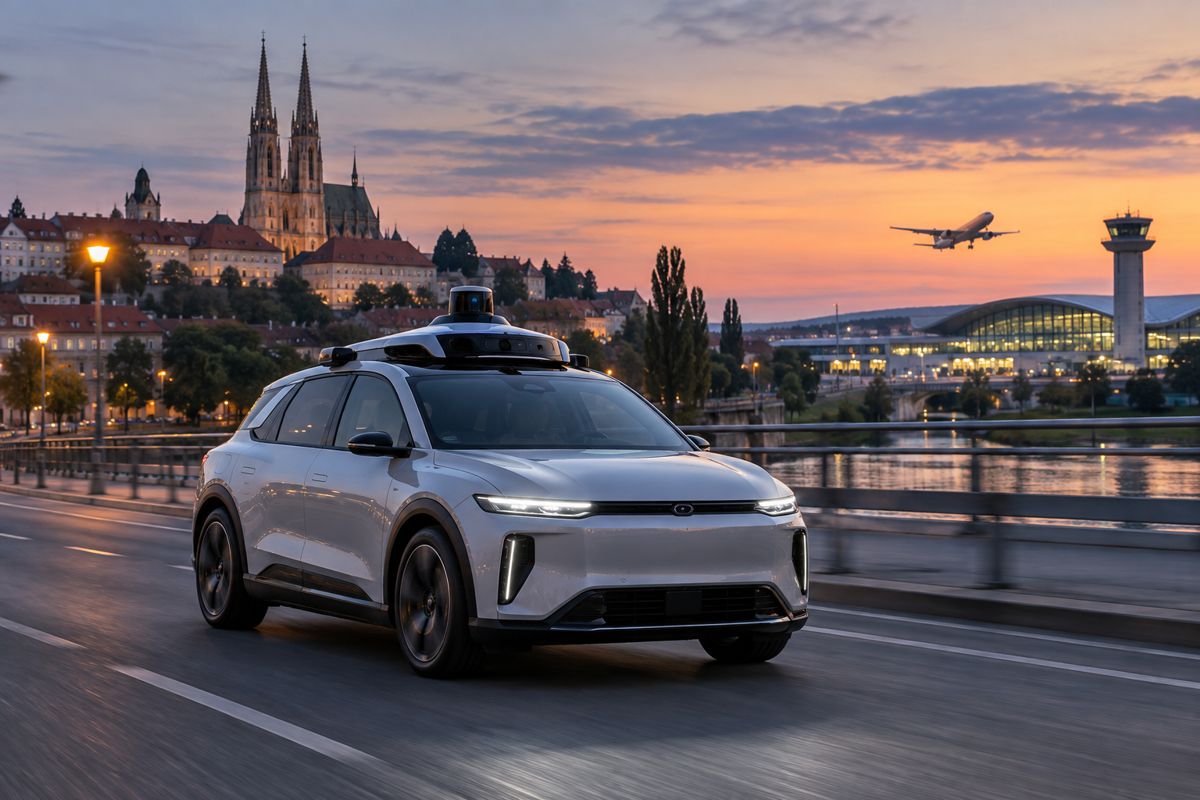
Vueron’s CEO, Joseph Kim, highlighted this synergy, saying: “AEye’s top performing Apollo lidar pairs naturally with our dynamic perception technology to deliver intelligent, long-range sensing for moving vehicles. Together, through OPTIS™, we’re enabling scalable solutions for automotive ADAS and autonomy, as well as intelligent transportation and critical infrastructure applications.”
The reference to critical infrastructure underscores the breadth of potential deployment scenarios, from urban intersections to remote transport corridors.
Safety and Automation in Mining and Rail
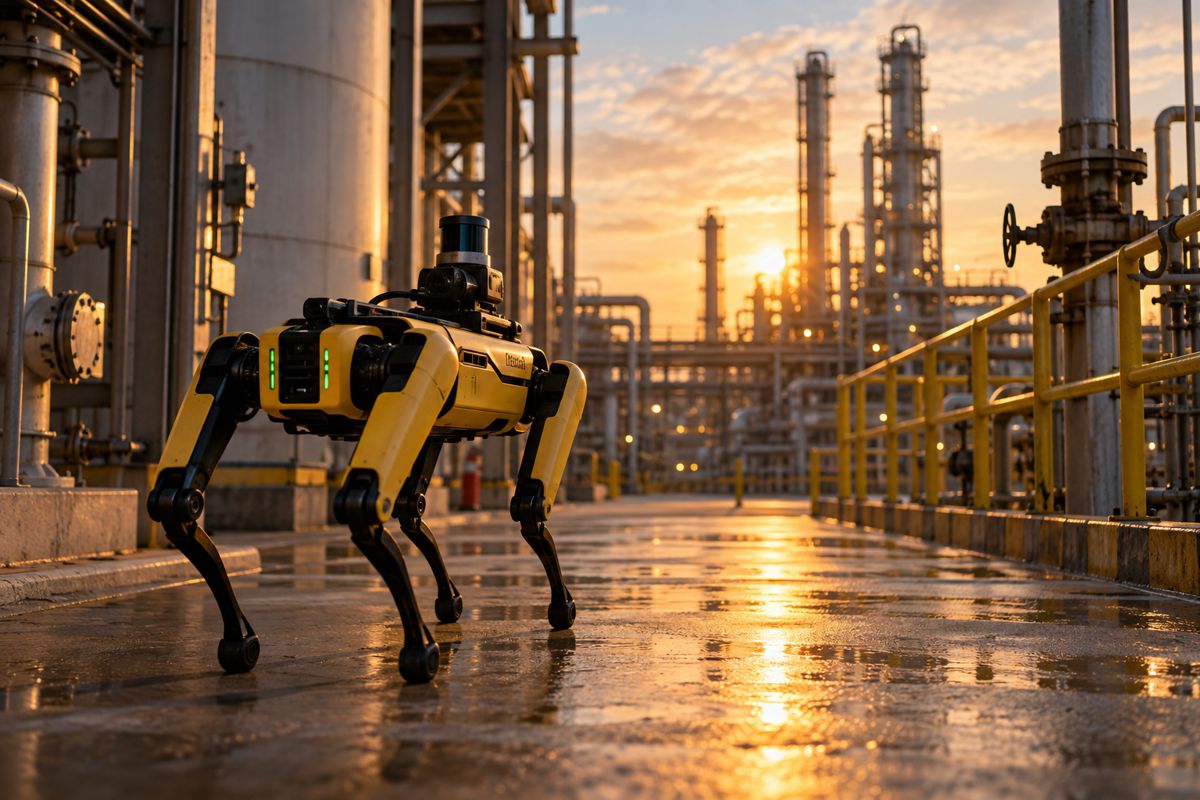
Mining and rail are sectors where the consequences of perception failure can be severe. Both operate heavy equipment at scale, often in environments where human workers and automated systems interact closely. As automation increases, so does the need for reliable situational awareness.
In mining, autonomous haul trucks and drilling equipment rely on accurate detection of obstacles, personnel and terrain changes. Dust, vibration and harsh lighting can degrade traditional sensors. Long-range lidar, combined with robust perception software, offers a way to maintain awareness even under challenging conditions.
Rail applications present a different set of challenges. Trains operate at high speeds with long stopping distances, making early detection of obstacles essential. Infrastructure owners are increasingly exploring lidar-based systems for level crossing monitoring, track intrusion detection and asset inspection. The ability to interpret movement and context in real time adds a layer of intelligence that static detection systems lack.
By positioning OPTIS™ as a full-stack solution applicable to these sectors, AEye is aligning with a growing demand for cross-industry platforms. For investors and policymakers, this cross-sector relevance strengthens the commercial case, reducing reliance on a single market cycle.
Perimeter Security and Infrastructure Protection
Beyond transport and extractive industries, perimeter security is emerging as another key application for advanced perception systems. Critical infrastructure sites, including ports, energy facilities and logistics hubs, require continuous monitoring over large areas.
Traditional surveillance systems often rely on cameras and motion sensors, which can generate false alarms or miss subtle intrusions. Lidar-based perception provides precise spatial awareness, enabling more accurate classification of objects and movement patterns.
In an era of heightened concern about infrastructure resilience, the ability to integrate security, safety and operational monitoring into a single visual awareness system is increasingly attractive. Software-defined platforms like OPTIS™ offer the flexibility to adapt detection priorities as threat profiles evolve.
A Broader Signal for the Infrastructure Technology Market
The AEye and Vueron partnership reflects a wider convergence within the infrastructure technology landscape. Sensors, software and analytics are no longer developed in isolation. Instead, value is created through ecosystems that combine hardware capability with advanced interpretation and decision support.
External research supports this trajectory. Industry analysts have noted steady growth in the adoption of lidar and perception technologies within smart infrastructure and industrial automation, driven by falling hardware costs and advances in AI-enabled perception. As governments invest in smarter, safer infrastructure, demand for scalable sensing platforms is expected to rise.
What distinguishes this collaboration is its explicit focus on long-range perception and full-stack integration. Rather than chasing incremental improvements in resolution or size, the emphasis is on operational relevance across diverse environments.
Towards Smarter, Safer Infrastructure Systems
Ultimately, the significance of integrating Vueron’s perception software into the OPTIS™ ecosystem lies in what it enables rather than what it replaces. Infrastructure systems are becoming more automated, more interconnected and more data-driven. Perception is the foundation upon which those systems operate.
By extending visual awareness over longer distances and adding contextual understanding in real time, AEye and Vueron are addressing a core requirement shared by transport networks, industrial sites and secure facilities alike. For construction professionals, it points towards safer job sites and more efficient operations. For investors, it highlights a technology platform with multiple revenue pathways. For policymakers, it aligns with broader goals around safety, resilience and intelligent infrastructure development.
As software-defined sensing continues to mature, partnerships like this are likely to become the norm rather than the exception. The infrastructure sector, often seen as conservative, is quietly adopting advanced perception technologies that were once confined to experimental vehicles. The result is a gradual but meaningful shift towards environments that can see, understand and respond in real time.