RB Global Showcases Late Model Equipment Ahead of Orlando February Auction
The global construction and transport industries don’t often pause for breath. Projects move, supply chains flex, and fleets age in real time. Yet every so often, a single event provides an unusually clear snapshot of what contractors, hauliers, producers, and asset owners are prioritising right now. For February 2026, that moment arrives in Orlando, where Ritchie Bros. Auctioneers will once again turn its purpose-built Florida facility into one of the most watched heavy equipment marketplaces on the calendar.
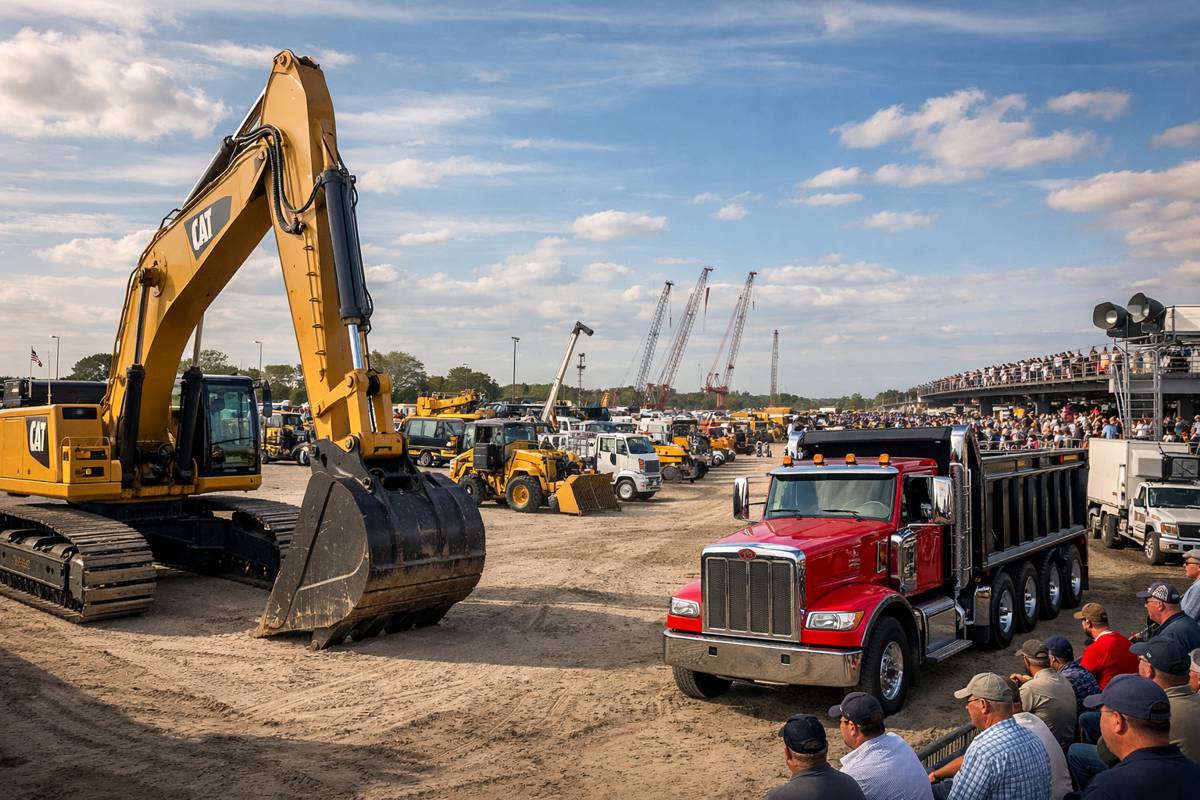
RB Global, Inc. has confirmed fresh details and featured equipment highlights ahead of the February 2026 Orlando auction, running from 16 to 20 February. Already listing more than 7,000 assets, with additional consignments being added daily, the auction is positioned as one of the broadest multi-sector commercial asset sales events in North America, drawing interest from construction, transportation, agriculture, energy and beyond.
In a market increasingly shaped by cautious capital spending, shifting emissions regulations, and a steady drive towards more productive fleets, the scale of Orlando matters. Not because auctions are new, but because auctions at this level reveal something deeper: what buyers are willing to act on immediately, and what sellers believe will command value even in a competitive environment. If the equipment business is often about long-term planning, Orlando is where short-term decision-making gets real.
Why This Auction Matters Far Beyond Florida
Large auctions have always served as a kind of industrial weather vane, but today they play an even bigger role. The construction equipment supply chain remains exposed to global volatility, while demand patterns are changing as infrastructure policy, energy transition projects, and housing needs compete for the same machines, operators and budgets.
For contractors, fleet owners, and equipment managers, auctions aren’t only about buying at the right price. They’re about speed, access, and certainty. Whether the goal is expanding capacity, replacing ageing assets, or securing specialist equipment for a specific contract, the ability to source machines quickly has become a commercial advantage in itself. The Orlando event is notable because it compresses what might normally take weeks of searching into one concentrated, high-liquidity marketplace.
For sellers, meanwhile, major auctions offer a route to unlock value from underutilised assets and rebalance portfolios without relying entirely on private sales channels. In a world where machine hours, maintenance history, and utilisation data can now be scrutinised more closely than ever, reputable marketplaces have increasingly become the place where value is tested in public, rather than negotiated behind closed doors.
That’s the underlying significance of Orlando 2026: it isn’t just a big auction. It’s a week-long pricing signal for multiple industries that depend on commercial vehicles and capital equipment to keep moving.
Inventory Scale as a Market Indicator
RB Global notes that the February 2026 Orlando auction already features more than 7,000 assets, and that number is expected to grow as new consignments are added each day. That volume matters for two reasons.
Firstly, it suggests strong seller confidence in demand. Businesses don’t send equipment to a globally visible auction unless they believe there is an audience ready to bid. That could mean contractors are still investing, fleet owners are still upgrading, and secondary markets remain active enough to absorb supply, even with economic uncertainty in the background.
Secondly, it signals how diverse equipment demand has become. The modern construction and infrastructure ecosystem isn’t just earthmoving and hauling. It’s quarrying and aggregates. It’s specialist lifting. It’s energy projects that pull in machines from multiple categories at once. A multi-industry auction of this size reflects that reality, and it helps explain why Orlando has evolved into a global draw rather than a purely regional sale.
As Jake Lawson, President and Head of Ritchie Bros. North America Sales, explained: “Orlando continues to be the one place where buyers can find equipment from every major industry we serve, all in a single week,” he said. “From late-model heavy equipment to transportation and specialty assets, the depth and variety of inventory creates real opportunity for both buyers and sellers.”
The point is simple, but it lands: industry buyers aren’t just looking for a bargain. They’re looking for options, range, and the confidence that what they need will actually be there when it’s time to commit.
The Equipment Highlights Tell a Story of Modern Fleet Priorities
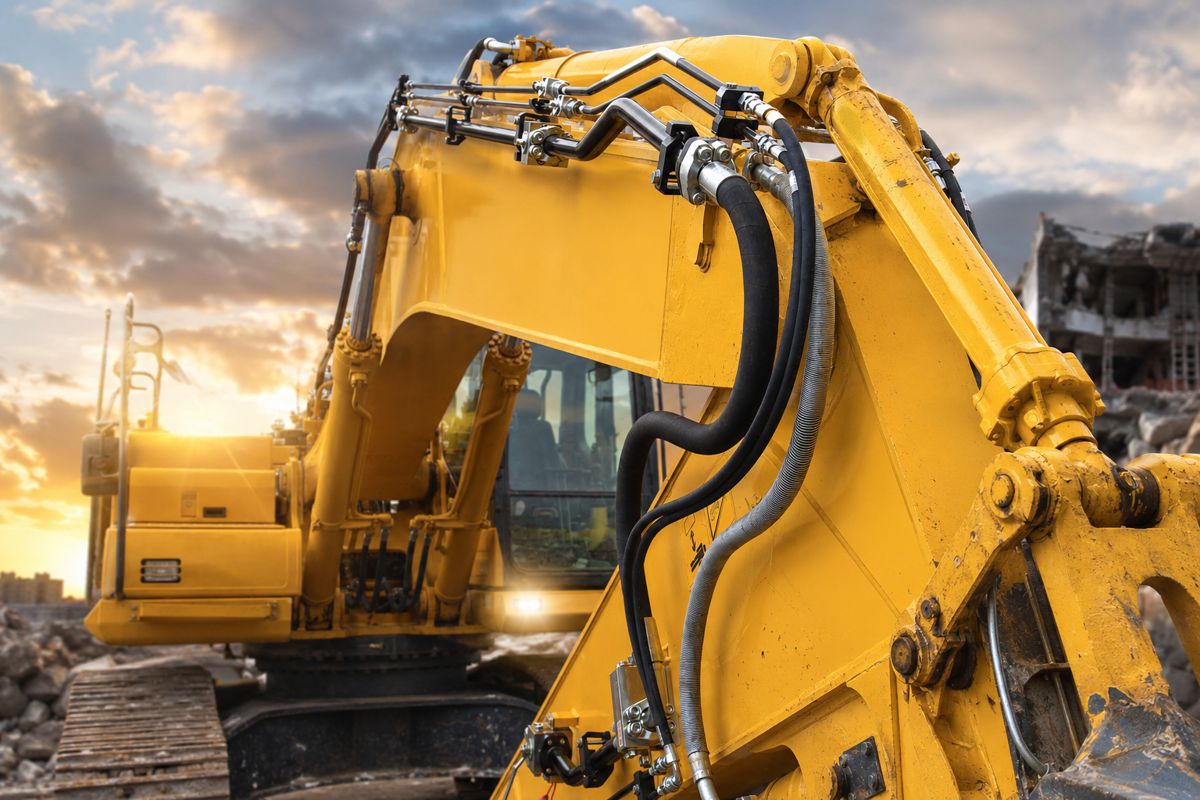
The featured assets listed ahead of the auction read like a checklist of where demand is concentrated. Among the early highlights are a 2024 Cat 395 VG tracked excavator, a 2024 Lippmann 1060J-E hybrid electric jaw crusher, and a line-up of heavy transport assets including Peterbilt dump trucks and heavy haul tractors.
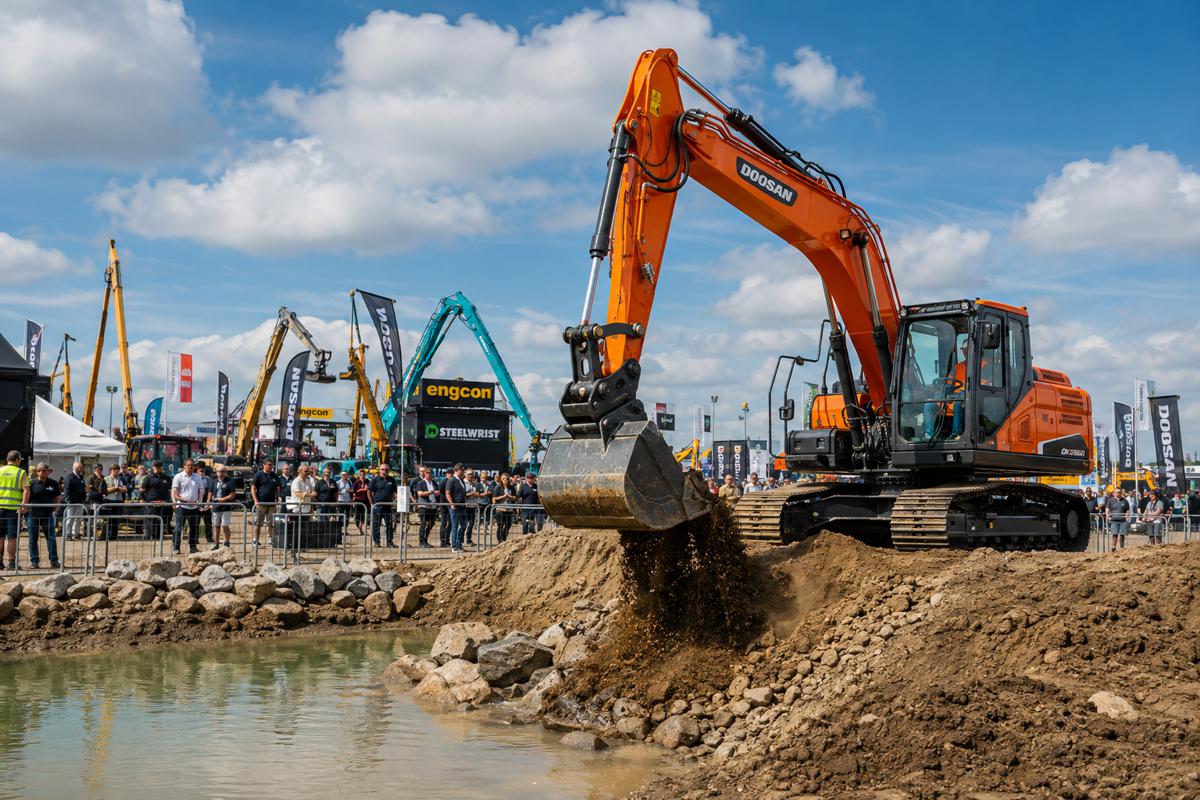
On the construction side, late-model excavators remain one of the most strategic purchases a contractor can make. Their flexibility across bulk earthworks, road building, pipeline projects and site development makes them a staple in modern fleets, but buyers increasingly want more than raw digging power. They want improved operator comfort, smarter hydraulics, better uptime, and machines that can integrate into digital fleet management systems.
In practice, that means the popularity of recent-model equipment isn’t just about “newer is better.” It’s about reducing risk. A fleet manager isn’t only buying steel and hydraulics. They’re buying predictability. In a tight project environment, a machine that performs consistently and avoids downtime is worth a premium, even before productivity gains are factored in.
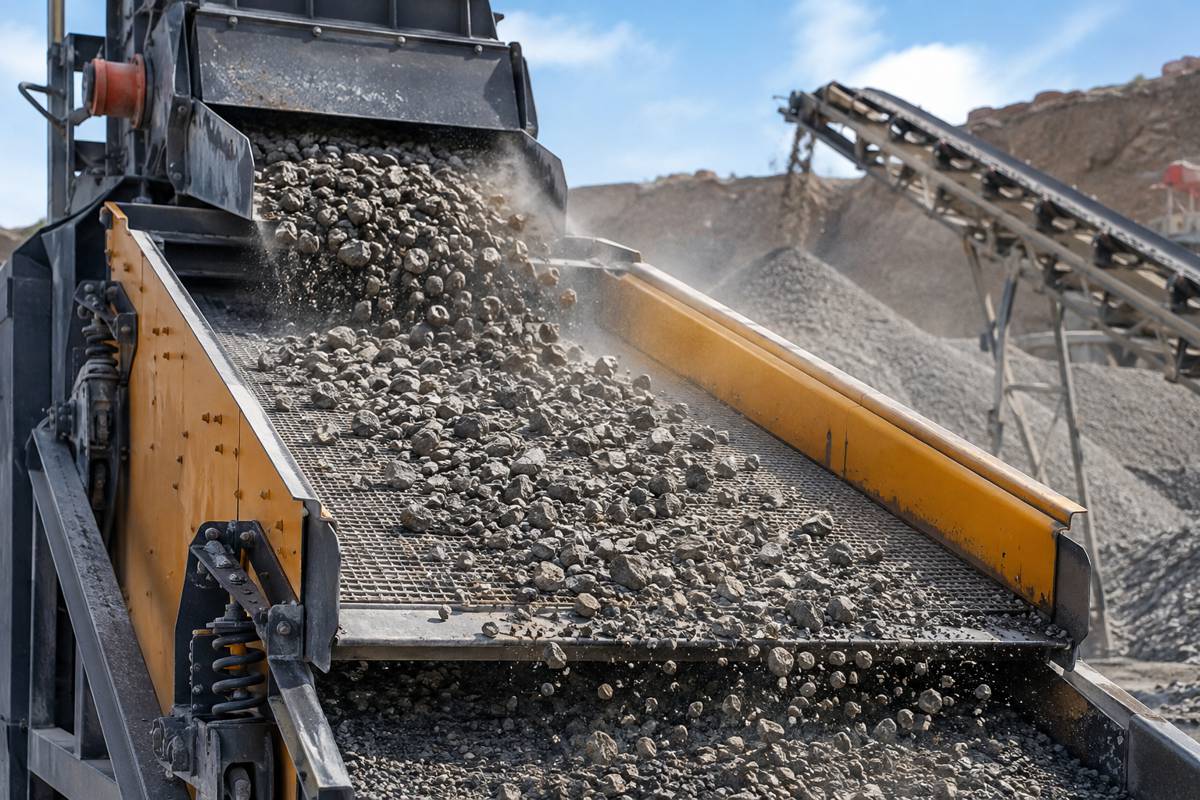
Meanwhile, the presence of a hybrid electric jaw crusher among the featured equipment reflects a wider push across aggregates and quarrying towards lower-emission operations and improved energy efficiency. Across global markets, quarry operators are increasingly balancing production targets with environmental compliance, local community expectations, and the rising cost of energy. Hybrid systems offer a stepping stone: a practical route to reduce fuel use and emissions without requiring a full leap to all-electric operations in environments where charging infrastructure may still be limited.
Transport and Heavy Haul Assets Remain Central to Infrastructure Delivery
No matter how advanced jobsite technology becomes, infrastructure still depends on trucks. That’s one reason the featured list includes several major transport assets, including a 2018 Peterbilt 365 boom truck with a 2017 National NTC55128 55-ton straight boom, six 2025 Peterbilt 567 tri-axle dump trucks, and a 2018 Kenworth T800 heavy haul tri-axle sleeper truck tractor.
The presence of boom trucks is particularly telling. As infrastructure investment expands, lifting equipment and specialist transport increasingly shape jobsite efficiency. Boom trucks sit at the intersection of logistics and lifting, supporting everything from utility work and structural installation to maintenance tasks that require mobility and speed. In a world where labour availability is often as constrained as machine availability, versatile assets that reduce the need for additional mobilisation steps can translate directly into programme certainty.
Tri-axle dump trucks, on the other hand, are a reminder that construction is still a material-moving business at its core. Aggregates, asphalt, spoil, base layers, demolition waste… none of it moves without dependable hauling. A cluster of late-model dump trucks entering the marketplace also hints at fleet renewal cycles continuing despite economic headlines. Many companies are still upgrading, possibly driven by maintenance cost control, emissions compliance, or a strategic pivot towards higher reliability and resale value.
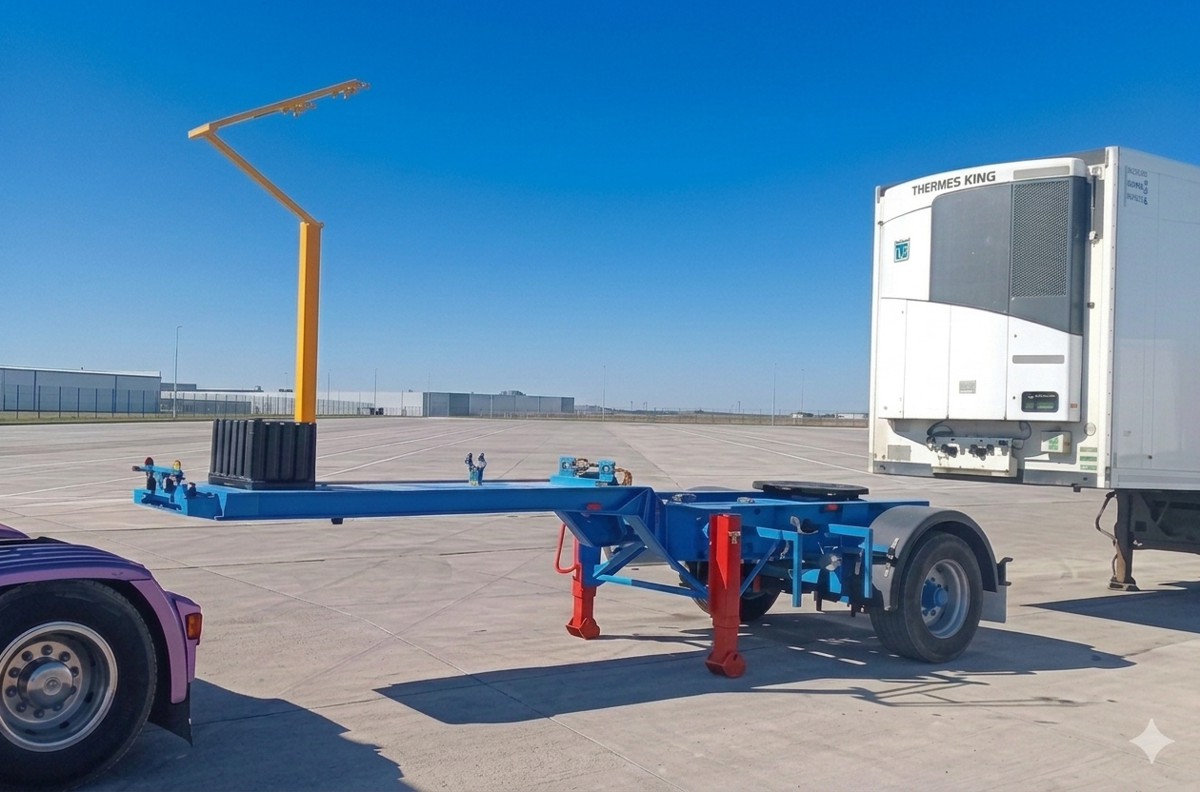
Heavy haul tractors like the Kenworth T800 remain vital wherever oversized loads and long-distance movements are routine. Whether supporting quarry operations, equipment transport between regions, or major civil engineering programmes, heavy haul is one of the unglamorous backbones of productivity. Without it, excavators don’t arrive, crushers don’t mobilise, and infrastructure delivery becomes painfully slow.
A Multi-Format Auction Model Reflects the Way Buyers Now Operate
Orlando’s format is also evolving in a way that mirrors broader industry changes. The event will sell assets throughout the week using live onsite bidding, online participation, and Timed Auction formats. Each day of the five-day programme will feature one ring with live onsite and online bidding, supported by additional assets selling through Timed Auction.
That hybrid approach isn’t a gimmick. It reflects how buying behaviour has changed across commercial assets. Contractors and fleet managers are increasingly time-poor, spread across multiple sites, and reluctant to lose days travelling unless the benefit is clear. Online participation provides reach and convenience, while the onsite experience remains valuable for inspections, networking, and confidence in purchase decisions.
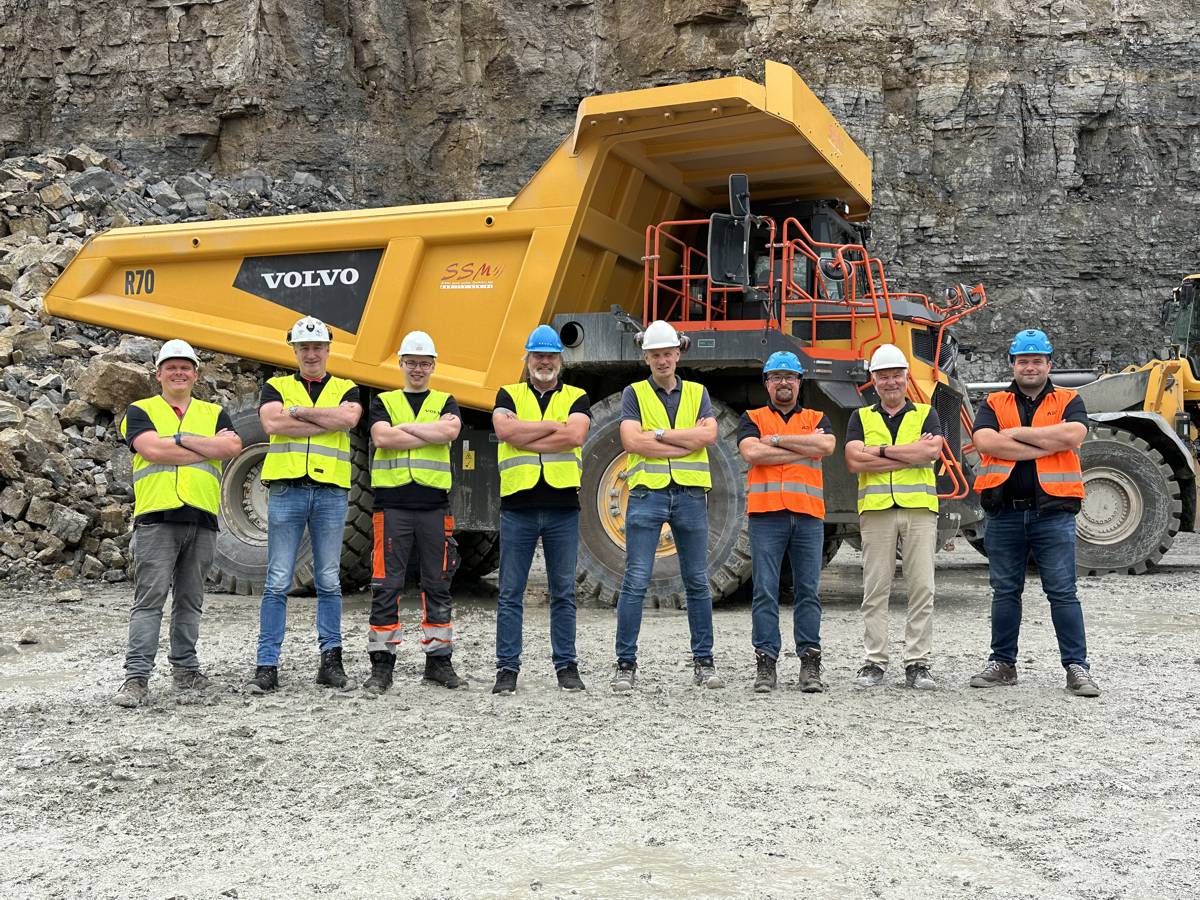
RB Global has also built in a nod to Ritchie Bros.’ legacy auction style. Day two will include major equipment selling across the ramp, including articulated dump trucks and wheel loaders. Day four will shift live bidding into the yard, with auctioneers calling bids from the sound truck.
It’s a reminder that auctions still trade on momentum and theatre. Even as digital bidding expands, the pace and energy of live formats continue to shape buyer psychology. In fast-moving markets, that sense of urgency can be the difference between “thinking about it” and actually buying.
Financing, Insights and Marketplace Tools Shape Buyer Confidence
One of the most commercially significant aspects of Orlando 2026 is what happens around the bidding. RB Global states that customers attending in person will have access to Ritchie Bros. teams throughout the week, including product specialists, customer insights leaders and the Ritchie Bros. Financial Services team.
That support ecosystem reflects how equipment procurement has become more complex. Buyers aren’t just selecting machines. They’re assessing total cost of ownership, maintenance risk, delivery timelines, and resale prospects. Specialist access helps clarify fit-for-purpose decisions, particularly for those buying outside their usual categories.
The inclusion of a customer insights team also signals that marketplaces are now competing on intelligence as much as volume. Auctions generate huge amounts of data about demand patterns, price expectations, and category interest. When structured properly, those insights can help sellers plan disposal timing and help buyers understand when the market is shifting.
For qualified buyers, access to onsite financing through Ritchie Bros. Financial Services adds another layer of commercial speed. Finance is often the silent bottleneck in fleet acquisition. When it’s available on-site, purchase decisions can move from “approved in principle” to “done” far more quickly, which is exactly what contractors want when project deadlines don’t wait.
Creator Day Shows How Equipment Events Are Changing in the Digital Era
Among the more modern additions to the Orlando programme is the launch of the first invite-only Creator Day on 17 February. RB Global says the initiative will bring a select group of industry content creators behind the scenes to capture the scale, complexity, energy and defining moments of the auction.
This is more than social media spectacle. It points to how industrial marketplaces now compete for attention in an information-saturated world. The equipment sector has traditionally relied on trade press, dealer relationships, and word-of-mouth reputation. Those channels still matter, but buyers today also consume peer-led content, machine walkarounds, real-world operator perspectives, and short-form updates that provide immediate context.
By leaning into creator coverage, the auction extends beyond the yard. It becomes a digital event as well as a physical one, amplifying reach and creating a wider sense of market participation even for those who never set foot in Orlando. From a commercial perspective, that increased visibility helps sellers by widening buyer awareness, and it helps RB Global by deepening the brand identity of Orlando as the industry’s biggest stage.
It’s also a sign of generational change. Younger equipment professionals are increasingly comfortable gathering information from a mixture of formal channels and informal digital communities. Auctions that recognise that shift aren’t diluting the industry’s professionalism, they’re simply meeting the market where it now lives.
A Week That Will Influence Fleet Decisions for Months to Come
The February 2026 Orlando auction is scheduled to run from 16 to 20 February at Ritchie Bros.’ Orlando facility, with assets selling across live onsite bidding, online participation and Timed Auction formats. Buyers planning to attend in person are encouraged to register online in advance to streamline check-in, while consignments are still being accepted with multiple selling options available.
Ultimately, Orlando’s value lies in its concentration. It gathers machinery, transport assets, buyers, sellers, specialists, and market intelligence into one place at one time. For an industry that often struggles with fragmentation, that clarity is powerful.
For construction businesses, transport operators, and asset owners, the message is straightforward: the market is still moving, and investment decisions are still being made. The machines featured so far, from late-model excavators and hybrid crushing equipment to boom trucks and dump fleets, point to what matters right now: productivity, flexibility, faster procurement, and assets that can deliver value under pressure.
In a sector where time is money and downtime is unforgiving, that’s not a trend. That’s the reality on the ground, and Orlando 2026 looks set to put it on full display.