Designing Buildings that Cut Carbon Before Construction Begins
Across the global construction sector, conversations around sustainability often begin with materials and construction methods. Yet mounting research continues to reveal a more complex picture. Operational energy use remains the dominant contributor to building related carbon emissions, often overshadowing the footprint of construction itself. This reality is especially relevant as governments, developers, and financiers push for measurable progress towards net zero targets while balancing economic pressures and urban expansion.
Recent research offers fresh evidence that decisions made during the early design phase hold disproportionate influence over a building’s long term environmental performance. By combining Building Information Modelling with life cycle assessment principles, researchers have demonstrated how carbon emissions can be quantified and influenced before construction begins. The implications stretch far beyond one region, offering lessons for policymakers, architects, engineers and infrastructure investors worldwide who increasingly recognise that lifecycle carbon management is becoming a commercial necessity rather than an optional exercise.
Buildings Remain a Major Driver of Global Energy Use
Buildings account for approximately one third of global energy consumption and carbon dioxide emissions, with heating, cooling and material production forming the primary drivers. Rapid urbanisation, particularly in emerging economies, has intensified the pressure on national energy systems while amplifying the environmental cost of construction. In China, construction related emissions have more than doubled since the mid 2000s, positioning the sector at the heart of national decarbonisation efforts.
This trend is not unique to one country. Across Europe, North America and parts of Asia, ageing building stock combined with growing demand for climate control systems has contributed to rising operational emissions. Policymakers are now recognising that reducing emissions from the built environment requires more than improved materials or cleaner construction processes. It demands a systemic understanding of emissions across the entire lifecycle, from raw material extraction to demolition, with operational energy use typically representing the most substantial share.
Integrating Carbon Assessment into Design Through BIM
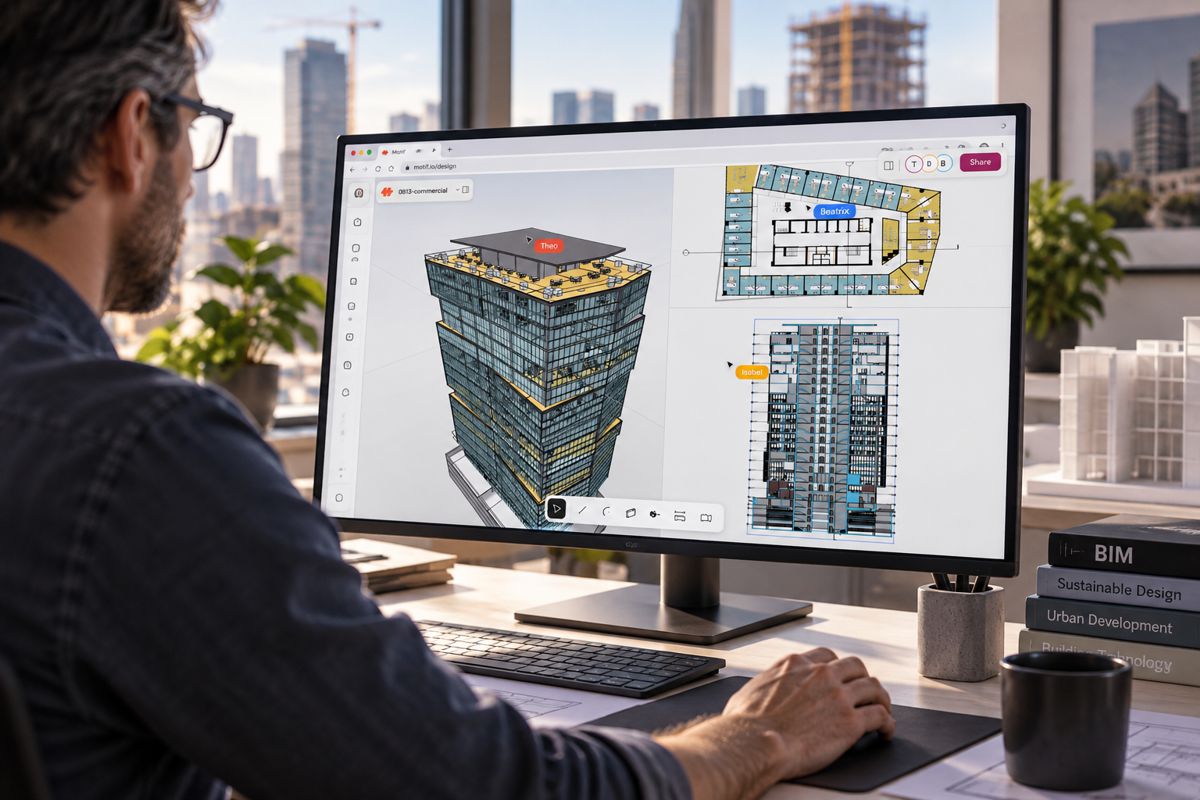
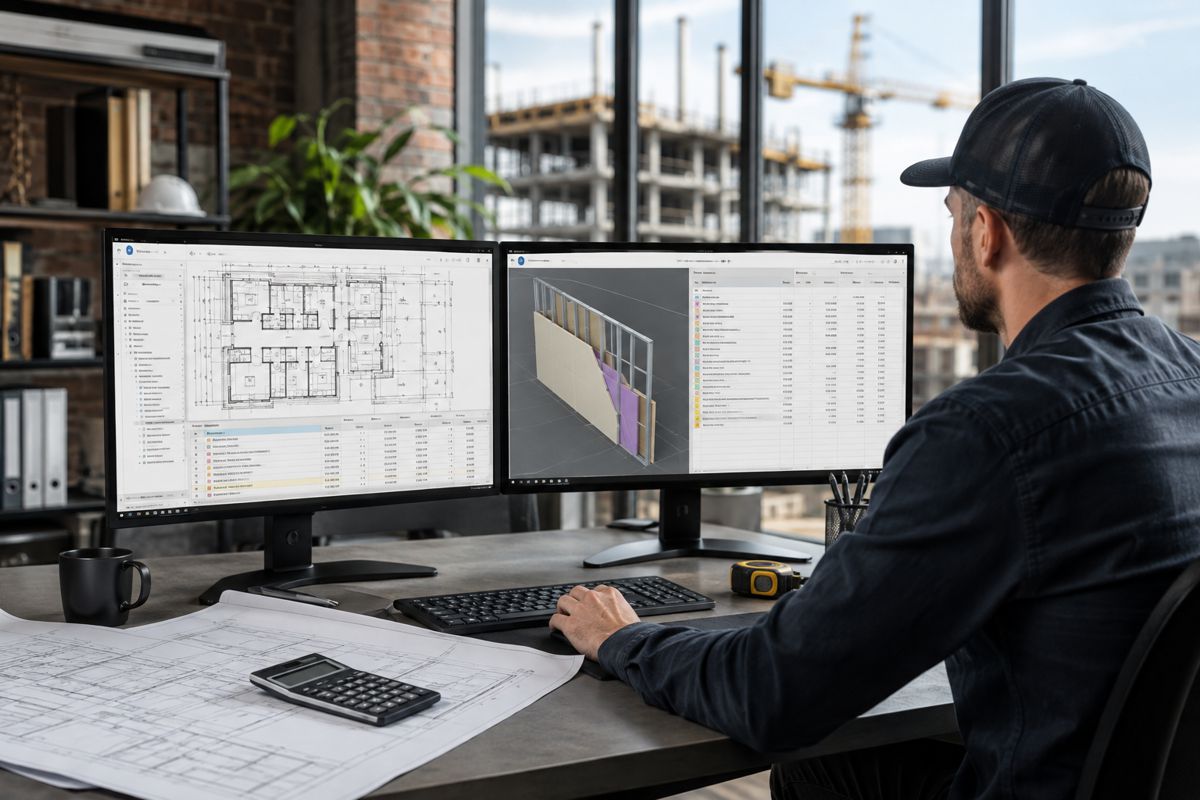
One of the persistent challenges in lifecycle carbon analysis has been the difficulty of linking design decisions with long term emissions outcomes. Building Information Modelling offers a practical solution by integrating geometric, material and operational data within a unified digital environment. This allows carbon assessment to be embedded directly into design workflows, enabling teams to evaluate environmental consequences before physical construction begins.
The recent study undertaken by researchers at Shanxi University published in Energy & Environment Nexus illustrates how BIM can move beyond visualisation and coordination to become a strategic sustainability tool. By integrating a Carbon Emission Estimation for Buildings framework with lifecycle assessment methodologies, the research provides a structured approach to measuring emissions across material production, transportation, construction activities and operational energy use. The result is a data driven foundation for prioritising emission reduction strategies at the design stage.
Material Production Still Carries Significant Weight
Although operational emissions dominate the lifecycle profile, the study highlights that material production remains a critical contributor, particularly in carbon intensive construction systems. Steel emerged as the largest single source of production related emissions, accounting for nearly half of the total material manufacturing footprint. Concrete and cement followed closely, reflecting the energy intensive processes required to produce these widely used materials.
These findings reinforce ongoing calls within the industry to prioritise low carbon material innovations, including alternative cement blends, recycled steel usage and improved manufacturing efficiencies. They also underscore the importance of designing structures that optimise material usage without compromising performance or safety. By integrating material data into BIM models, design teams can compare alternatives and select lower carbon options while maintaining structural integrity and project feasibility.
Transport Logistics Reveal Hidden Emission Drivers
Transportation emerged as an unexpectedly influential factor within the lifecycle assessment. While materials such as sand carry relatively low production emissions, their bulk and transport requirements contribute disproportionately to total transport related carbon output. The study found that sand alone accounted for a significant share of transportation emissions, revealing how supply chain decisions can shape a project’s environmental profile.
Sensitivity analysis demonstrated that reducing transport distances and adopting lower emission vehicles could cut transport related emissions by more than two thirds. This finding highlights the growing importance of local sourcing strategies and regional supply chain planning. For infrastructure developers and policymakers, such insights reinforce the value of aligning sustainability goals with logistics optimisation, potentially influencing procurement policies and regional development strategies.
Heating Systems Dominate Operational Carbon Output
Operational emissions emerged as the most significant contributor to the building’s overall carbon footprint. Heating systems, particularly those reliant on coal based energy sources, accounted for the majority of operational emissions in the northern China case study. Bituminous coal alone represented a substantial share of operational carbon output, underscoring the environmental consequences of fossil fuel dependent heating in cold climates.
Comparative scenario analysis provided valuable insights into potential mitigation pathways. Replacing coal fired heating systems with ground source heat pumps demonstrated the greatest emission reduction potential, cutting heating related emissions by more than half while delivering meaningful reductions in total lifecycle emissions. Natural gas and air source heat pumps also offered improvements, although their performance varied depending on regional energy mixes and climate conditions.
Lifecycle Analysis Shows Operation Overshadows Construction
When emissions across the entire building lifecycle were aggregated, operation and maintenance accounted for the overwhelming majority of total carbon output. Material production and transportation represented a comparatively smaller portion, while construction and demolition phases contributed minimally. These findings challenge conventional perceptions that construction activities alone define a building’s environmental impact.
For investors and developers, this evidence reinforces the economic case for prioritising energy efficient design and low carbon operational technologies. While upfront construction costs often attract the most scrutiny, lifecycle emissions and operational efficiency increasingly influence asset value, regulatory compliance and long term profitability. Buildings designed with low operational carbon profiles are more likely to meet evolving environmental standards and attract sustainability focused investment.
Design Stage Decisions Shape Long Term Environmental Outcomes
Integrating carbon estimation into BIM during the design stage allows architects and engineers to explore multiple scenarios before construction begins. This proactive approach supports informed decision making across material selection, heating technologies, insulation strategies and supply chain planning. By visualising emissions data alongside cost and performance metrics, stakeholders can balance sustainability objectives with financial and operational considerations.
Such capabilities are becoming increasingly relevant as cities pursue ambitious climate targets and green building certifications gain prominence. Digital tools that support lifecycle carbon analysis are no longer experimental. They are rapidly becoming essential components of responsible infrastructure planning, enabling stakeholders to align project outcomes with broader environmental commitments.
Advancing Sustainable Construction Through Data Driven Strategies
The research underscores the importance of combining technological innovation with practical design strategies to achieve meaningful emission reductions. Renewable based heating systems, improved building envelopes and localised material sourcing represent tangible steps towards lower lifecycle emissions. Equally important is the role of digital platforms in providing transparent and reliable data to guide decision making.
As global construction activity continues to expand, the ability to manage carbon emissions throughout a building’s lifecycle will shape industry competitiveness and policy direction. Integrating lifecycle assessment with BIM offers a pathway for achieving measurable progress while maintaining economic viability. The study from northern China provides a timely reminder that the most impactful sustainability strategies often begin long before construction crews arrive on site.