Hillhead 2026 Preparing for a Smarter and More Resilient Exhibition
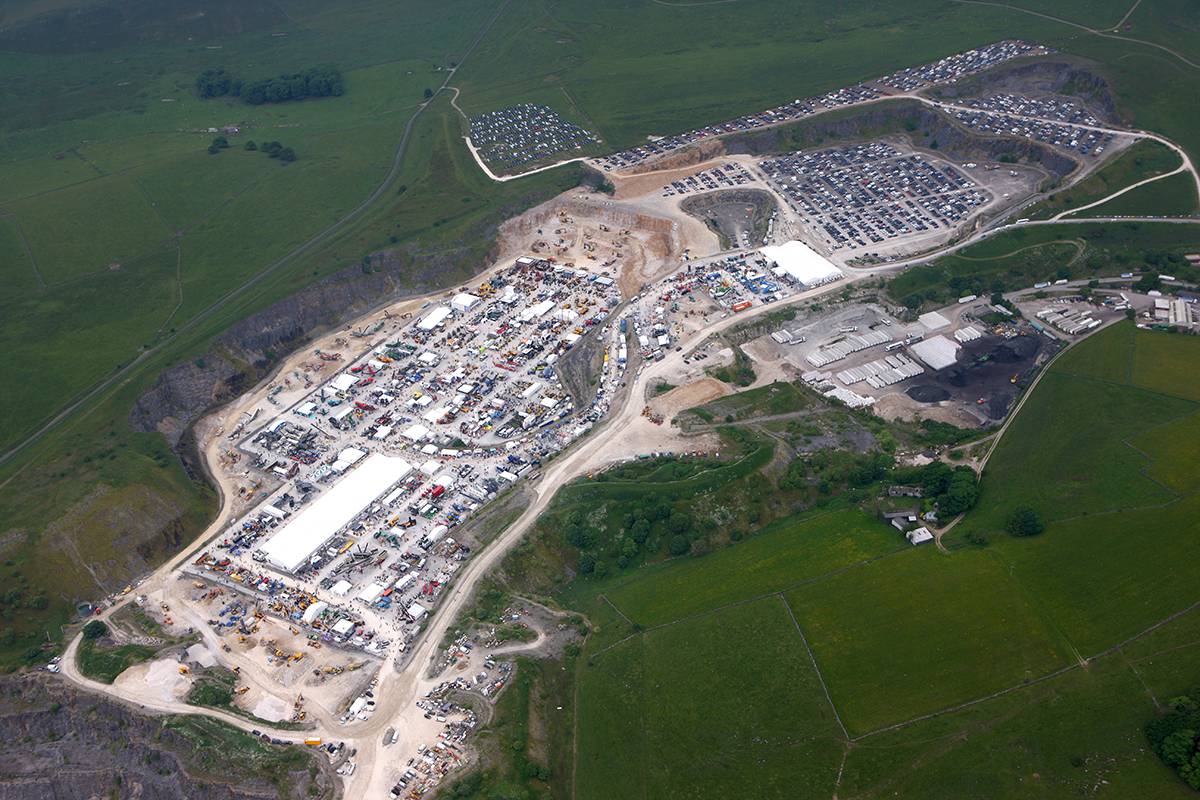
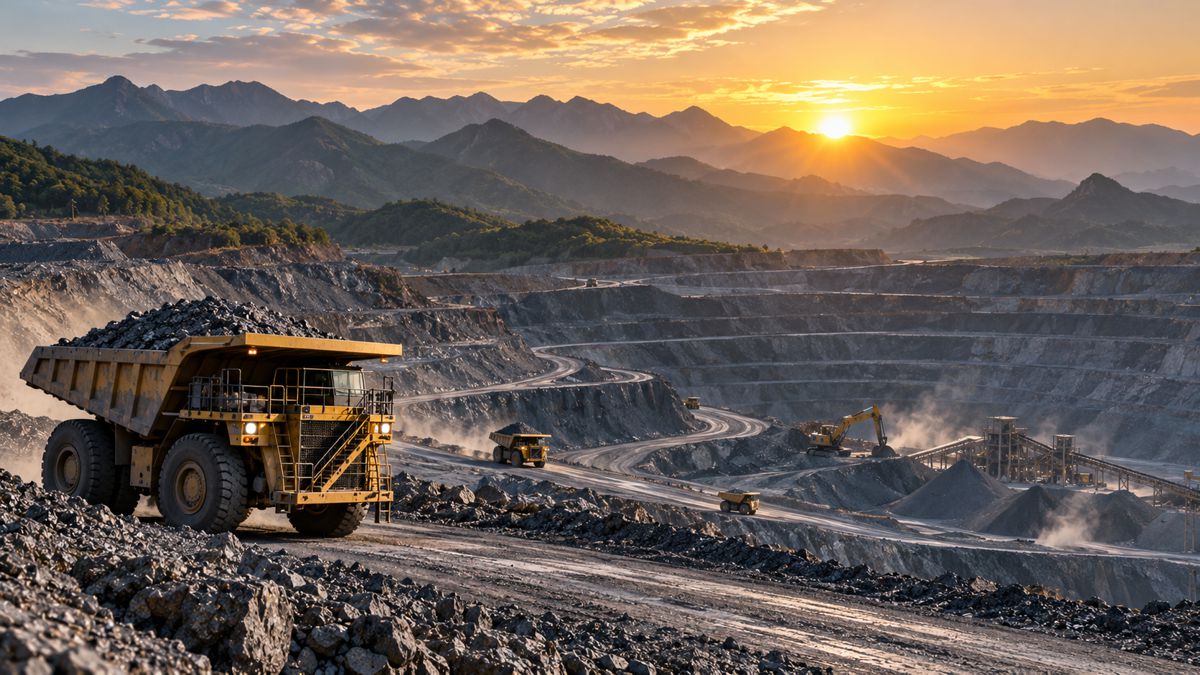
The UK’s flagship quarrying and construction equipment exhibition is no stranger to scale, complexity or pressure. Every two years, thousands of professionals converge on a working limestone quarry to see heavy equipment in action, strike commercial deals and take the pulse of an industry that underpins modern infrastructure. For 2026, the organisers of Hillhead are quietly doing something rather important. Rather than focusing solely on what will be displayed, they are investing heavily in how the event itself functions.
A series of new site developments announced ahead of Hillhead 2026 signals a deliberate shift in thinking. The upgrades prioritise digital resilience, traffic management, utilities capacity and visitor welfare, all areas that have become critical as exhibitions grow larger, more international and more dependent on real time connectivity. In a sector where downtime, congestion or poor communications carry real commercial consequences, these changes matter well beyond the boundaries of a three day show.
Set against a backdrop of tightening health and safety expectations, rising sustainability standards and an industry that increasingly relies on digital platforms, the improvements planned for Hillhead 2026 reflect broader trends shaping global construction and infrastructure events. They also underline how seriously the organisers take the operational reality of hosting the UK’s largest quarrying and construction equipment exhibition in a live industrial environment.
Infrastructure First as Exhibitions Become Operationally Critical
Large scale industry exhibitions are no longer passive showcases. They are working environments where product demonstrations, live data streams, digital registrations, remote meetings and media coverage all happen simultaneously. For exhibitors, a poor connection or logistical bottleneck is not an inconvenience but a commercial risk.
The decision to invest £105,000 in upgrading the site wide Wi Fi network speaks directly to this reality. By extending a ring of fibre across the showground, the organisers are addressing one of the most persistent challenges faced at quarry based exhibitions, namely reliable connectivity in a remote, mineral rich landscape not originally designed for high density digital use.
Improved Wi Fi capacity allows for a greater number of free hot spots for visitors, while also enabling exhibitors to deploy bespoke digital solutions more confidently. These range from cloud connected machinery diagnostics and live equipment monitoring to digital lead capture systems and virtual product demonstrations. In an era where construction technology, automation and data driven operations are increasingly central to capital investment decisions, robust connectivity is no longer optional.
This investment also reflects wider industry trends. Research from organisations such as Deloitte and McKinsey consistently highlights the growing reliance of construction and mining companies on digital platforms to improve productivity, safety and asset utilisation. An exhibition that fails to support this digital ecosystem risks falling behind the industries it serves.
Managing Scale Through Smarter Traffic and Access Planning
As Hillhead has grown, so too has the challenge of moving people efficiently around a constrained rural site. Peak arrival times have historically placed pressure on the main access routes, particularly Hillhead Lane, with queues affecting both visitor experience and exhibitor schedules.
The return of a dedicated Red exhibitor car park at the east end of the site, expanded to its largest footprint yet, represents a practical response to this issue. By redirecting up to 1,400 vehicles away from the main entrance, the organisers aim to streamline traffic flow and significantly reduce congestion during peak periods.
This kind of logistical planning is often invisible when it works well, but its impact is substantial. Reduced queuing improves safety, cuts vehicle emissions from idling traffic and ensures that exhibitors and visitors arrive on site ready to engage rather than frustrated by delays. For an industry increasingly focused on efficiency and environmental responsibility, even seemingly modest changes to traffic management carry symbolic and practical weight.
The approach mirrors best practice seen at major international exhibitions, where access zoning, staggered arrivals and dedicated exhibitor routes are now standard. Hillhead’s adoption of these principles reflects its status as a global rather than purely national event.
Strengthening Mobile Connectivity in a Data Driven Industry
Alongside fixed Wi Fi improvements, the organisers have secured a temporary EE and BT mobile phone mast for the 2026 show. This provides a strong mobile service for users on those networks and represents a significant upgrade in an area where signal strength has historically been inconsistent.
For other network users, the expanded Wi Fi coverage will support Wi Fi calling, ensuring that voice communications remain reliable across the site. In practical terms, this means fewer missed calls, smoother coordination between teams and more reliable contact with off site colleagues and clients.
Mobile connectivity plays a particularly important role in modern construction and quarrying exhibitions. Live demonstrations increasingly rely on connected systems, while media teams, analysts and international visitors depend on stable communications to report, broadcast and share insights in real time. By addressing mobile coverage head on, Hillhead 2026 positions itself as an event capable of supporting the industry’s evolving communication needs.
Utilities, Welfare and the Practicalities of Hosting Thousands
Beyond connectivity and traffic, the organisers have also focused on the fundamentals of hosting a large temporary workforce and visitor population. A major upgrade to the site water system will allow for an increased number of toilet units across the showground, easing pressure at peak times and improving overall hygiene standards.
The upgrade also enables the addition of a new water refill station, supplementing existing access points at the Registration Area, Showground Pavilion and Organiser’s Office. Visitors will be able to access free chilled water, with refillable bottles available to purchase while encouraging attendees to bring their own.
This may seem like a small detail, but it reflects a broader shift in expectations around welfare, sustainability and environmental responsibility at major events. Reducing single use plastics, improving hydration and ensuring adequate sanitary facilities are now baseline requirements rather than optional extras.
Industry bodies such as the UK Green Building Council and the International Council on Mining and Metals have repeatedly highlighted the importance of embedding sustainability into everyday operations. By improving water infrastructure and promoting reusable containers, Hillhead aligns the practical delivery of the event with the values increasingly espoused by the sectors it serves.
Catering and Social Spaces as Part of the Exhibition Ecosystem
Networking remains one of the primary reasons professionals attend industry exhibitions, and the quality of informal meeting spaces can significantly influence the value derived from an event. Following the successful relocation of the Hillhead Café into the Showground Pavilion, the addition of an extra coffee lounge for 2026 expands both catering capacity and social space.
More outdoor seating and a broader range of refreshment options create additional opportunities for informal discussions, impromptu meetings and rest periods between demonstrations. In a physically demanding environment such as a quarry exhibition, these spaces contribute directly to visitor comfort and engagement.
From a commercial perspective, well designed social areas support longer dwell times, increased footfall and more meaningful interactions between exhibitors and visitors. They also reflect a growing recognition that exhibitions function as temporary communities as much as marketplaces.
Why These Changes Matter Beyond Hillhead
Taken together, the site developments announced for Hillhead 2026 represent more than a checklist of upgrades. They reflect a deeper understanding of how infrastructure underpins experience, safety and commercial outcomes at large scale industry events.
As construction and quarrying increasingly intersect with digital technology, sustainability and global supply chains, the expectations placed on exhibitions continue to rise. Events are judged not only by the equipment on display but by their ability to facilitate meaningful engagement, support digital workflows and operate responsibly.
By investing in connectivity, access, utilities and visitor welfare, Hillhead reinforces its position as a credible platform for the global construction and infrastructure ecosystem. The improvements also send a clear signal to international exhibitors and investors that the event is evolving in step with the industries it represents.
Hillhead 2026 in Context
Hillhead 2026 will take place from 23 to 25 June 2026 at Hillhead Quarry, bringing together manufacturers, suppliers, contractors, investors and policymakers from across the construction, quarrying and infrastructure sectors. As the UK’s largest exhibition of its kind, it plays a unique role in showcasing innovation, facilitating trade and shaping industry dialogue.
In an environment where global events compete for attention, attendance and investment, the quality of delivery matters as much as the quality of content. The site developments confirmed for 2026 suggest that Hillhead’s organisers understand this balance and are prepared to invest accordingly.
For visitors and exhibitors alike, the changes promise a smoother, more connected and more comfortable experience. For the wider industry, they demonstrate how thoughtful infrastructure investment can quietly but decisively raise the standard of engagement across an entire sector.