How Accurate Weight Measurement Supports Warehouse Operations
Let’s talk about money. Every time your warehouse ships a product with the wrong weight logged, you’re literally throwing cash out the door. Incorrect freight bills, angry customers sending stuff back, compliance fines piling up, it all traces back to one problem: bad weight data.
Here’s the good news: fixing this isn’t rocket science. You need warehouse weight measurement systems that actually do their job. We’re not talking about preventing disasters here; we’re talking about completely reshaping how you manage stock, fill orders, and control what you spend. Nail the weight, nail the operation. That’s what this is about.
Where Weight Accuracy Makes the Biggest Difference
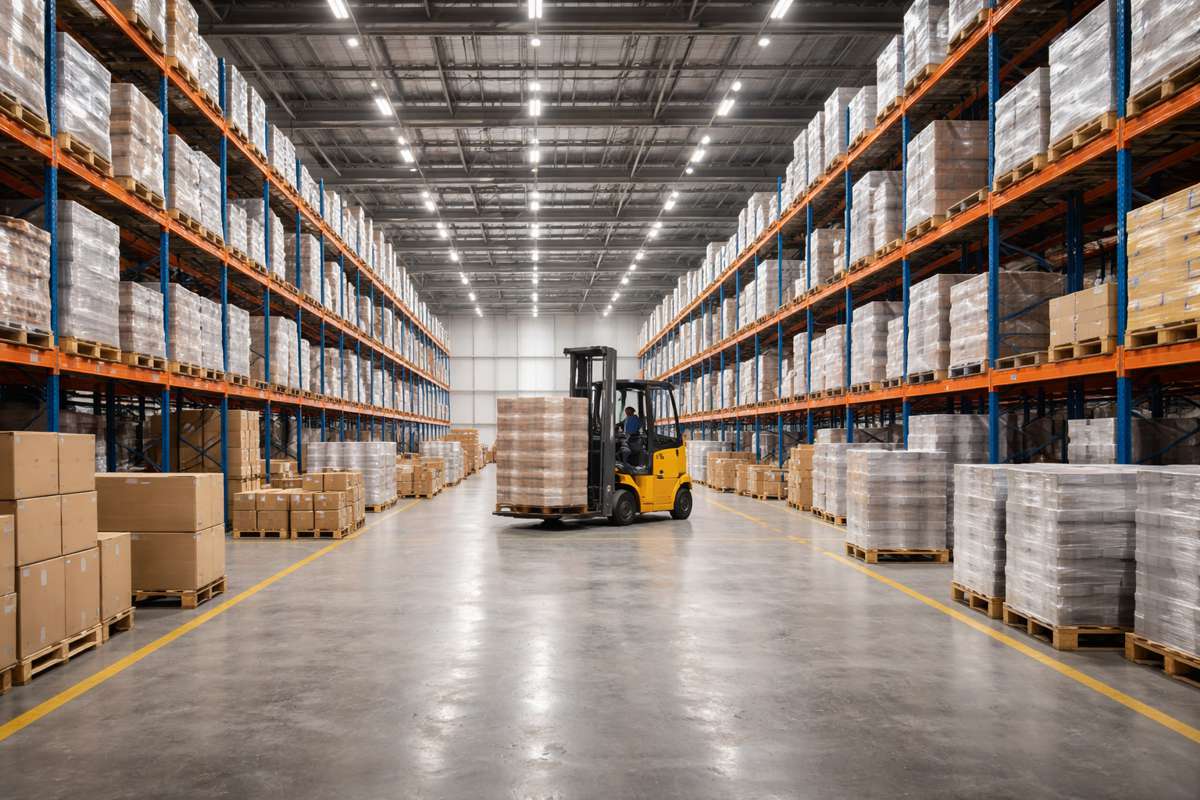
Millions of dollars hang in the balance. So where exactly does accurate weight measurement create the most value? Let’s break down the operations that transform when you get weighing right.
Receiving and Getting Inbound Logistics Right
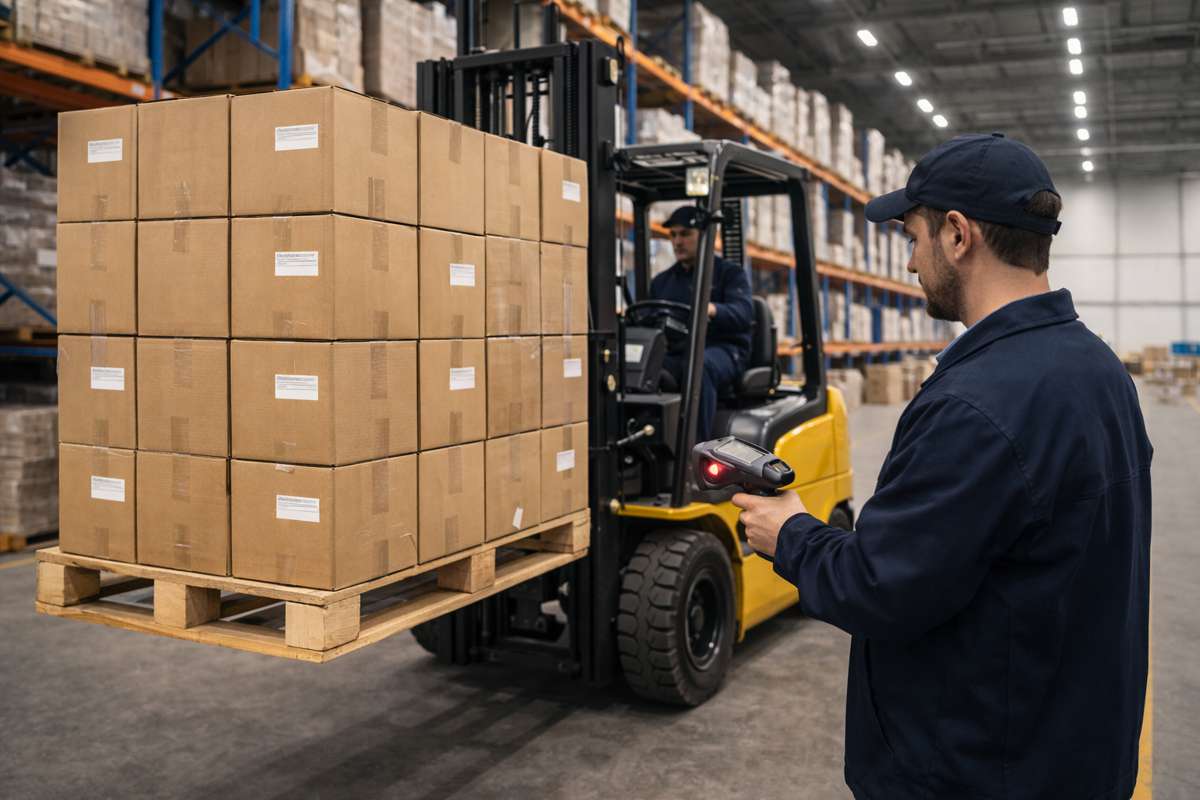
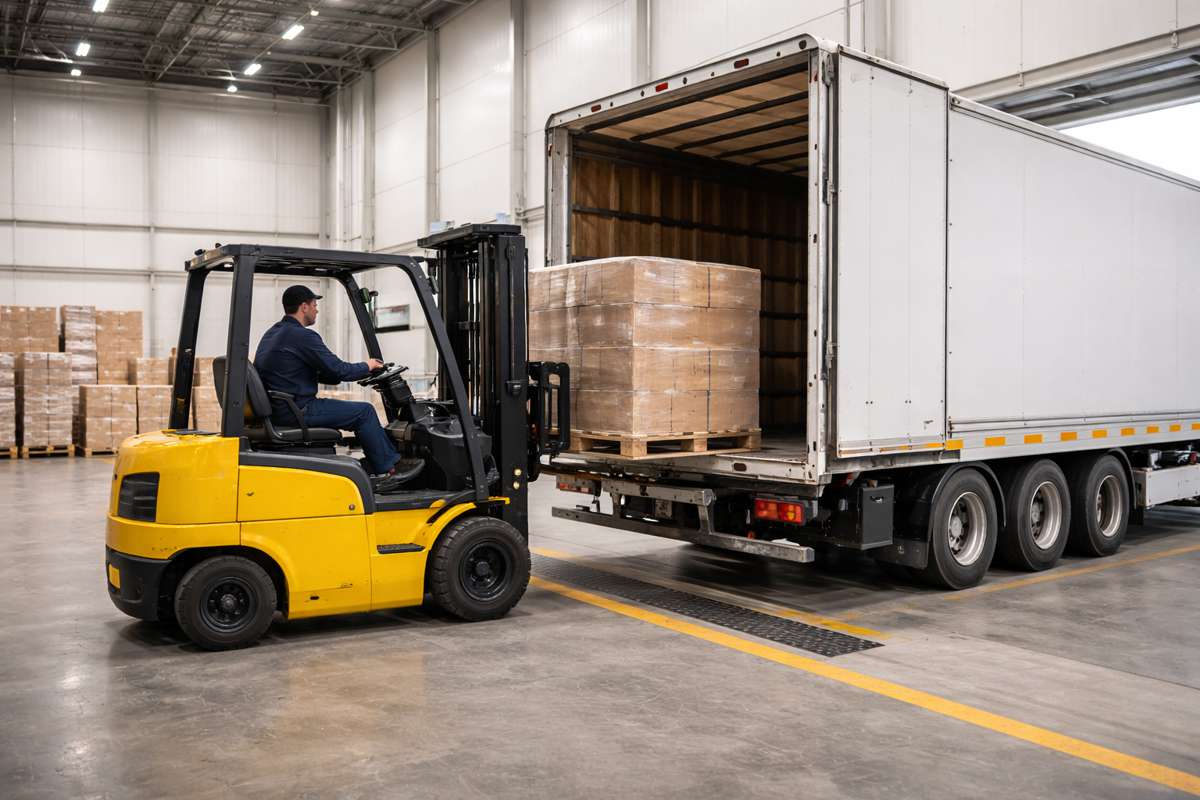
Imagine catching vendor mistakes when instant materials hit your dock. Real-time weight verification against purchase orders does exactly that. Your receiving team establishes accountability before anything enters inventory. Using a fork lift scale means operators weigh pallets while moving them through their regular workflow.
No separate weighing station. No throughput slowdown. Just seamless operation. Weight anomalies also flag problems early. When a pallet comes up significantly lighter than documented, you’ve got a potential theft or loss situation to investigate before those items disappear into storage.
Shipping and Order Fulfilment Precision
Pick-and-pack processes depend heavily on weight verification. Batching multiple orders becomes way more efficient when you confirm completeness by weight rather than manual item counts. Carrier selection? That requires knowing exact weights upfront so you can choose intelligently between ground and air options.
Dimensional weight compliance is non-negotiable now. Carriers keep tightening requirements. Research demonstrates that “the delivery time is shortened from 6.78 h to 4.56 h in earthquake scenarios” when optimization models integrate accurate weight with routing, proof that this stuff delivers real-world speed gains.
Managing Inventory and Controlling Stock
Weight-based tracking transforms cycle counting completely. Instead of shutting everything down for physical counts, you verify stock levels continuously.
Automated reorder calculations become trustworthy when they’re built on actual weights instead of guesswork. Theft detection works better with weight data, too. Unexpected discrepancies trigger investigations before losses spiral out of control.
Technology That’s Changing Warehouse Weighing
Traditional scales laid the groundwork, but new technologies are revolutionizing what’s possible. Let’s look at innovations creating unprecedented accuracy and intelligence in weighing operations.
Floor Scales and Platform Systems
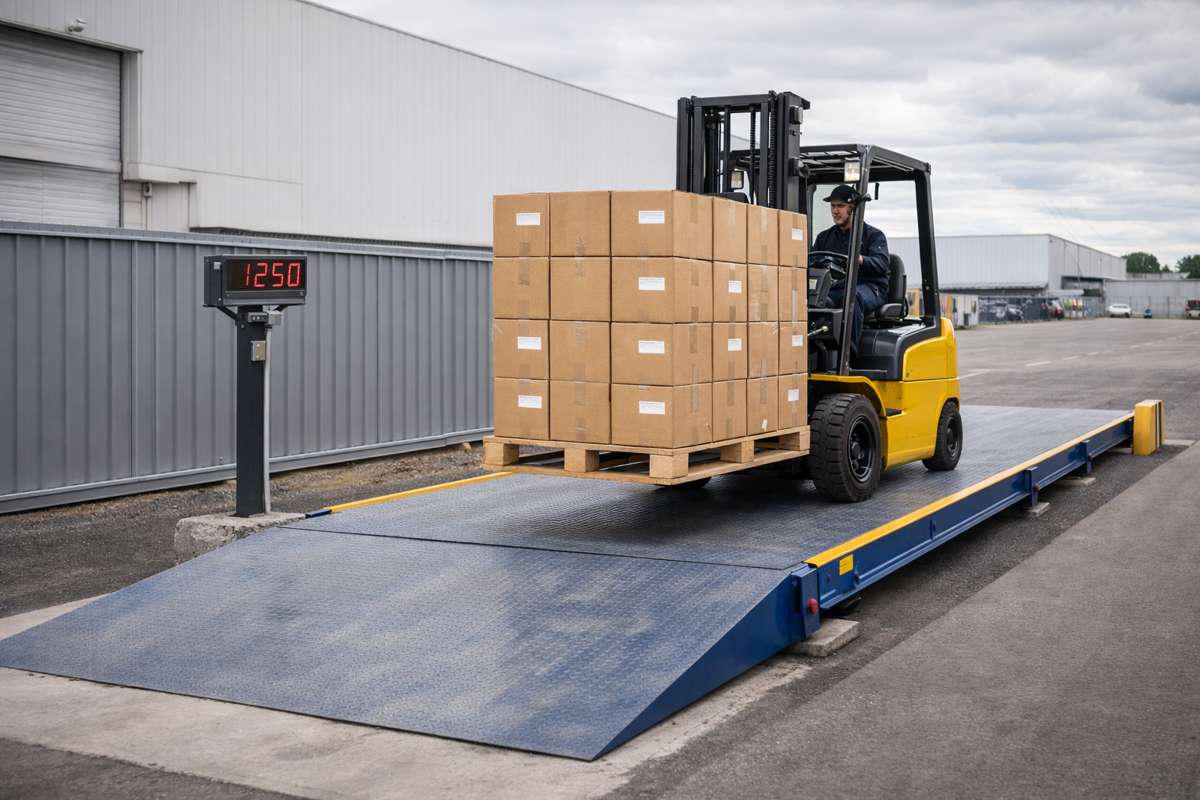
Heavy-duty options handle bulk materials that standard equipment can’t touch. Drive-through configurations keep forklifts moving, they weigh loads without stopping. Multi-range accuracy automatically adjusts whether you’re weighing small parcels or full pallets.
Connectivity has evolved dramatically. Wireless and IoT-enabled platforms now transmit weight data straight to warehouse management systems. No manual data entry, fewer errors, faster documentation.
Conveyor Belt Scales and Weighing on the Move
High-throughput operations can’t afford slowdowns. Continuous weighing during material flow solves that problem. Integration with automated sorting creates seamless processes where items get weighed, categorized, and routed without anyone touching them.
Checkweighing for quality control ensures products meet specifications before shipping. Dynamic weight capture happens without interrupting workflow, exactly what modern distribution centres need.
Smart Scales Connected Through IoT
Real-time data streams to cloud platforms enable remote monitoring across multiple sites. Predictive maintenance alerts warn you before equipment fails, preventing costly downtime. API integrations connect industrial weighing solutions to your broader technology stack.
Multi-device synchronization ensures consistency when you’re running multiple scales. Everything reports to centralized databases that track trends and catch anomalies.
Making Implementation Work
Understanding the technology is valuable. Actually deploying it successfully? That requires strategy. Here’s how to translate these possibilities into action.
Figuring Out What Your Warehouse Actually Needs
Start with operational workflow analysis to identify bottlenecks and opportunities. Volume and weight range requirements determine equipment specs. Environmental factors, temperature, vibration, dust, influence what equipment will survive in your facility.
Integration requirements with existing systems often dictate compatibility, and budget constraints shape phased rollouts that spread costs over time.
Training Your Team and Managing Change
Operator certification ensures everyone uses equipment correctly from day one. Developing standard operating procedures codifies best practices across shifts.
Cross-training creates backup capacity so operations don’t stop when specific people aren’t available. Performance metrics track success and highlight areas needing adjustment.
What Bad Weight Data Actually Costs You
Understanding why accurate weighing in warehouses matters is one thing. Seeing the real dollar damage? That is different.
The Money You’re Losing (And Don’t Even Know It)
Revenue bleeds out faster than you’d think. Those carrier weight disputes? They rack up penalty fees every single quarter. Your customers notice when their shipping charges don’t match reality, and trust evaporates pretty quickly after that. There’s solid research backing this up, studies confirm that “traditional warehousing and logistics models are facing multiple challenges, leading to confusion in classification and low storage efficiency”. Operations teams deal with this headache every day.
Then you’ve got compliance. If you’re handling food, pharmaceuticals, or hazmat materials, regulatory agencies don’t mess around when your weight documentation is off. And here’s something managers overlook: the productivity sinkhole. Your staff wastes hours re-weighing shipments and fixing errors when they should be keeping inventory moving.
What Proper Weighing Systems Actually Return
The numbers tell a compelling story. Warehouses that upgrade their weighing equipment report measurable drops in inventory shrinkage within just a few months. Order fulfilment speeds up when your team isn’t doing verification checks twice or three times.
Labour costs? They optimize themselves once automation removes redundant weighing steps. Most facilities see payback in under 18 months. Why? Because accurate measurements fix multiple cost problems at once, shipping overcharges, wasted labor hours, everything.
The Bottom Line on Weight Measurement
Warehouse operations efficiency fundamentally depends on accurate weight data. Every operational stage, from receiving to shipping, benefits when your measurement systems work correctly. The financial impact goes beyond avoiding penalties, you create competitive advantages through faster fulfilment, better inventory control, and optimized shipping costs.
Warehouse inventory accuracy isn’t optional in modern supply chains. Weight-based verification provides the foundation on which everything else builds. Investing in proper weighing technology isn’t a luxury decision anymore; it’s how successful warehouses maintain profitability and keep customers satisfied in increasingly demanding markets. Don’t let bad weight data hold your facility back from what it could be.
Your Questions About Warehouse Weighing
1. What is the main reason for accurate weight measurement for the transportation of goods?
Logistics runs on accurate weight data. Proper measurement drives cost-effective operations by aligning shipping charges with actual volume and weight. Transportation cost calculations depend entirely on getting this right, and smooth operations follow naturally from accurate data.
2. How do forklift scales improve warehouse efficiency compared to stationary weighing stations?
They eliminate extra steps. Weighing happens during normal material handling, so nobody makes separate trips to weighing stations. You save time, cut labour costs, and maintain workflow continuity while still capturing accurate weight data for inventory and shipping.
3. What accuracy level is required for different types of warehouse weighing applications?
It varies by application. General inventory tracking needs accuracy within 0.1% of load weight. Legal-for-trade applications require certified accuracy meeting NTEP standards. High-value products demand precision scales readable to 0.01%. Shipping verification typically needs 0.05% accuracy for carrier compliance.