Industrial Projects Do Not Fail in the Field, They Fail in the Gaps Between Teams
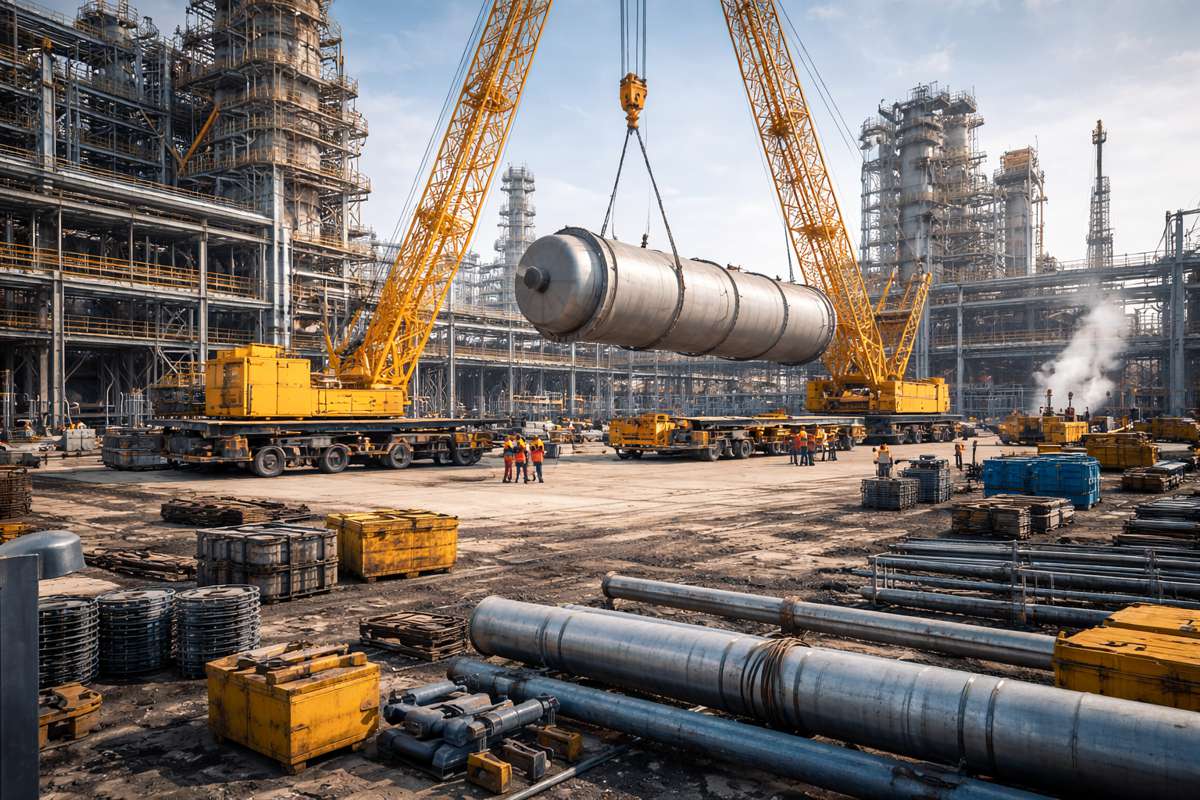
Industrial projects rarely collapse because crews lack skill. They unravel because coordination breaks down between engineering, logistics, safety, and execution. In high-value environments such as manufacturing plants, energy facilities, distribution hubs, and processing operations, downtime is measured in thousands of dollars per hour. A misaligned lift plan or a poorly sequenced equipment delivery can ripple through commissioning schedules, contractor availability, and production targets.
Modern industrial installations are not simple assemblies. They involve heavy mechanical components, structural modifications, electrical tie-ins, confined access routes, and regulatory oversight. According to industry project performance studies, large industrial capital projects frequently exceed initial budgets and schedules, often due to planning and integration gaps rather than technical impossibility. The challenge is rarely the weight of the equipment. It is the weight of coordination.

The Hidden Risk Inside “Well-Planned” Projects
Most industrial teams believe they are prepared because they have a schedule, vendor contracts, and engineered drawings. However, research across capital project delivery consistently highlights coordination failures, scope ambiguity, and sequencing conflicts as primary drivers of cost overruns.
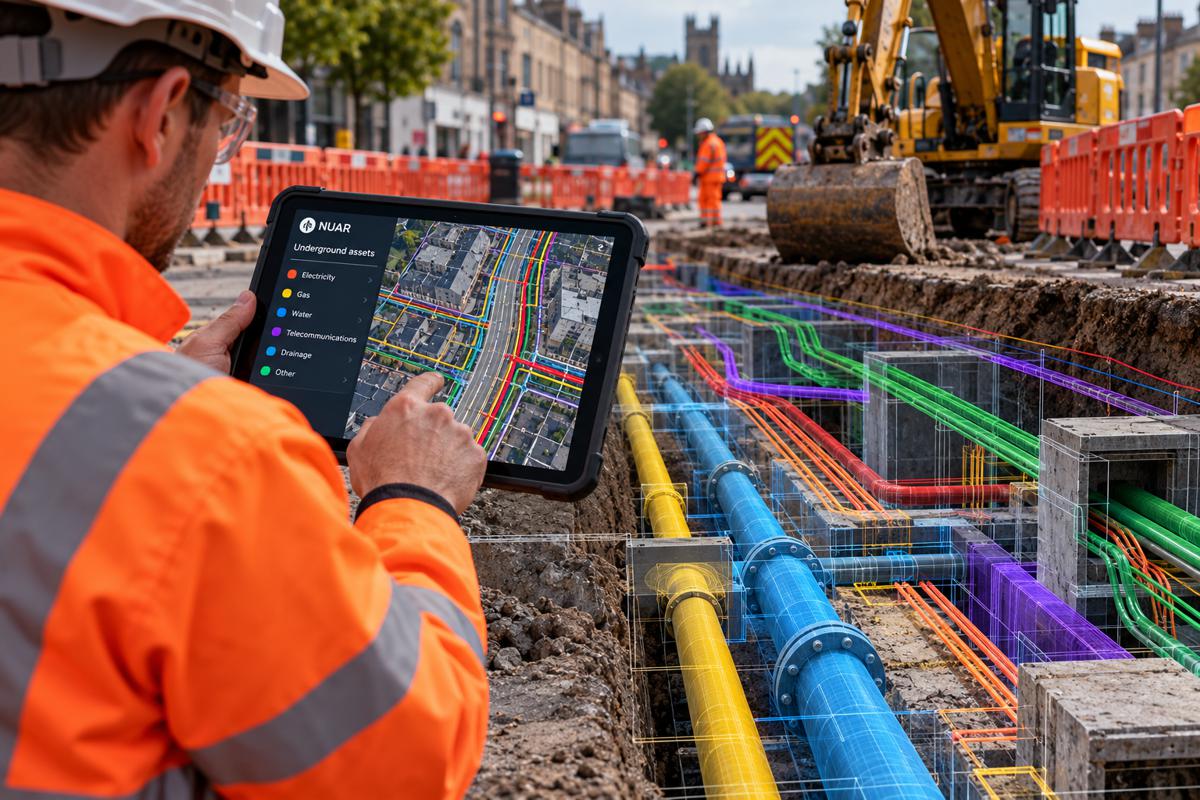
In heavy equipment installations, overlooked details compound quickly. Floor load capacity may not be verified against actual crane outrigger pressure. Access paths may conflict with active production zones. Shutdown windows may be shorter than originally estimated once commissioning requirements are clarified. Each small oversight becomes a constraint, and constraints create delay.
Industrial environments are dynamic. Weather conditions affect crane operations. Supply chain shifts alter delivery timing. Field discoveries challenge design assumptions. Without a central framework that integrates all these variables, teams default to problem solving in real time rather than preventing issues before mobilization.
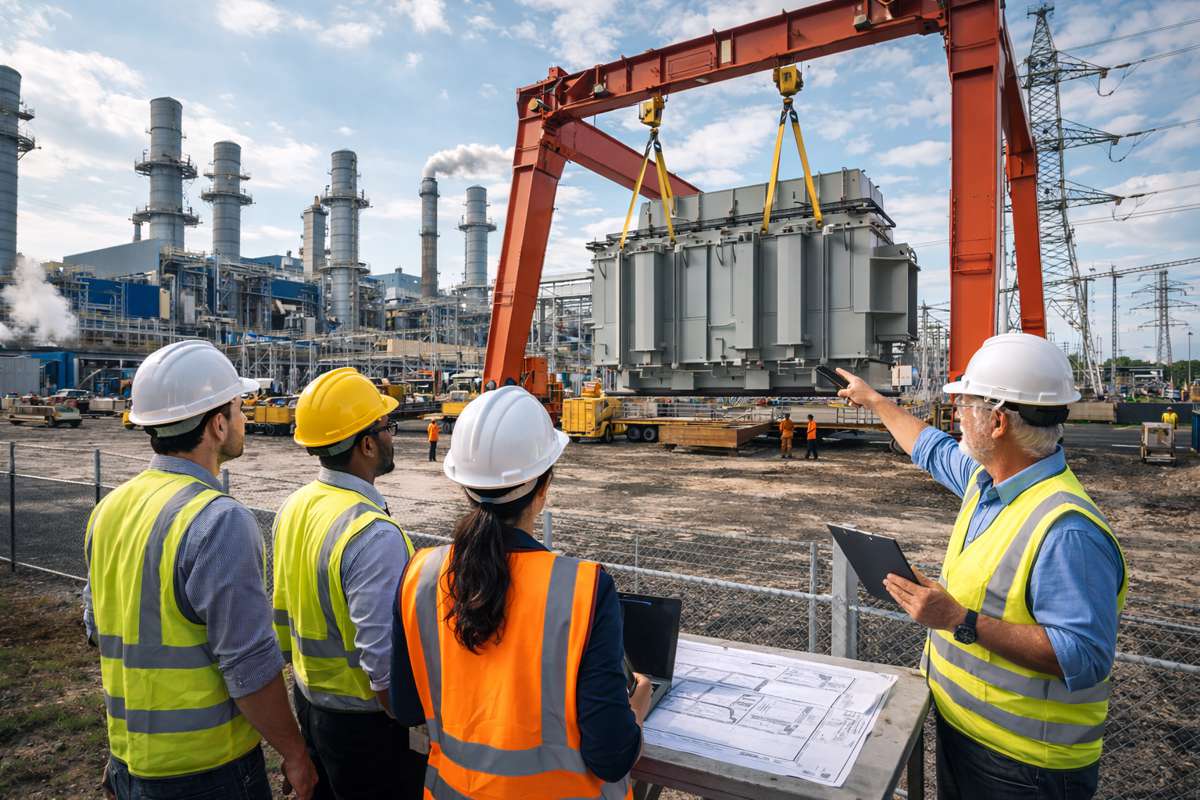
This is where disciplined industrial project management transforms project outcomes. Instead of operating as a reporting function, it becomes a coordination engine that connects engineering validation, lift planning, safety compliance, resource allocation, and sequencing strategy. It ensures that structural capacity, rigging configuration, transport logistics, and contractor access are aligned before equipment is staged onsite.
The result is not just efficiency. It is predictability, which is often more valuable than speed in industrial settings.
From Task Management to Systems Control
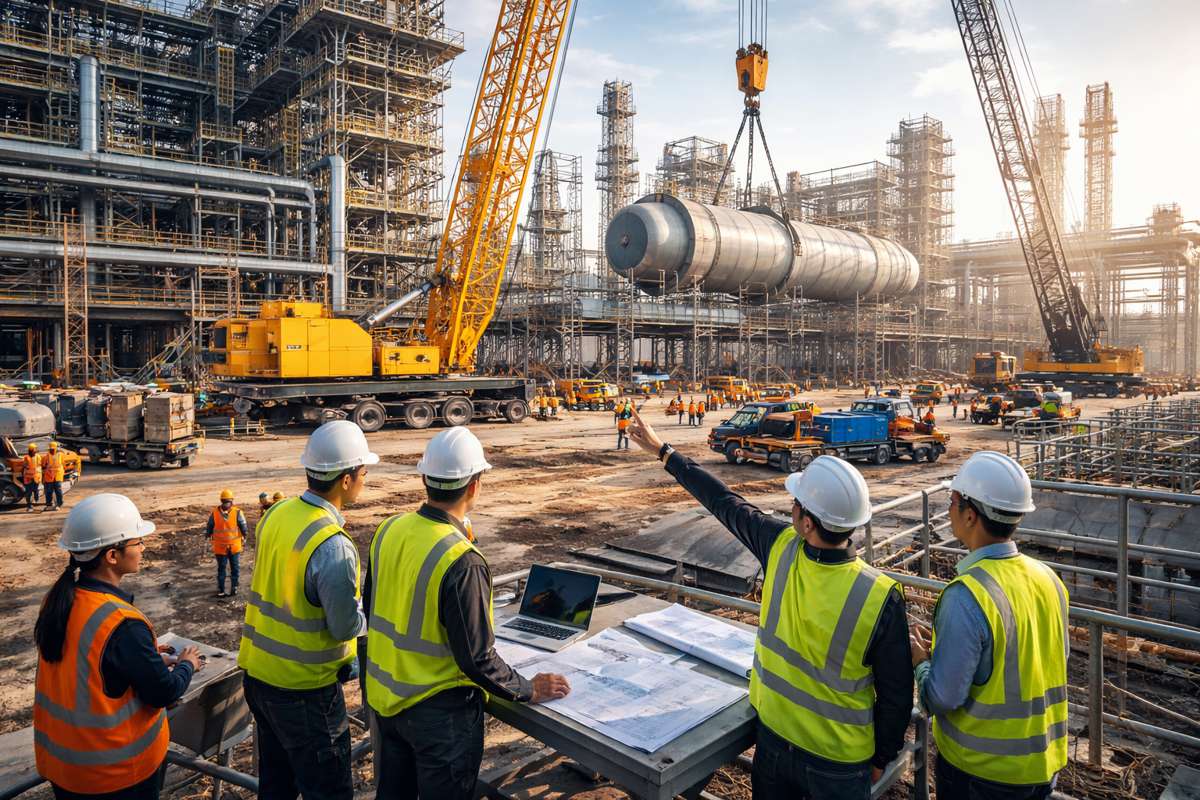
There is a meaningful distinction between managing tasks and controlling systems. Industrial facilities operate as interconnected systems where mechanical, structural, and electrical elements influence one another. Installing a transformer or relocating a production line component is not an isolated event. It interacts with foundation tolerances, power distribution planning, and long-term maintenance access.
Best practices in industrial project execution include detailed site surveys, engineered lift studies, method statements, hazard assessments, and phased sequencing plans that reflect actual field conditions. They incorporate risk registers that are updated as the project evolves rather than remaining static documents. They also prioritize cross-disciplinary planning meetings that clarify authority and escalation pathways.
When specialized rigging and heavy transport expertise is integrated early, potential conflicts are resolved before mobilization. Experienced partners such as prolift rigging understand that heavy lifting is not merely a mechanical function. It is a controlled operation that must align with structural engineering limits, safety regulations, and operational continuity goals. That integrated approach reduces standby costs, protects critical infrastructure, and supports smooth commissioning.
Industrial execution improves dramatically when planning is treated as an engineering discipline rather than an administrative one.
Precision Under Constraint
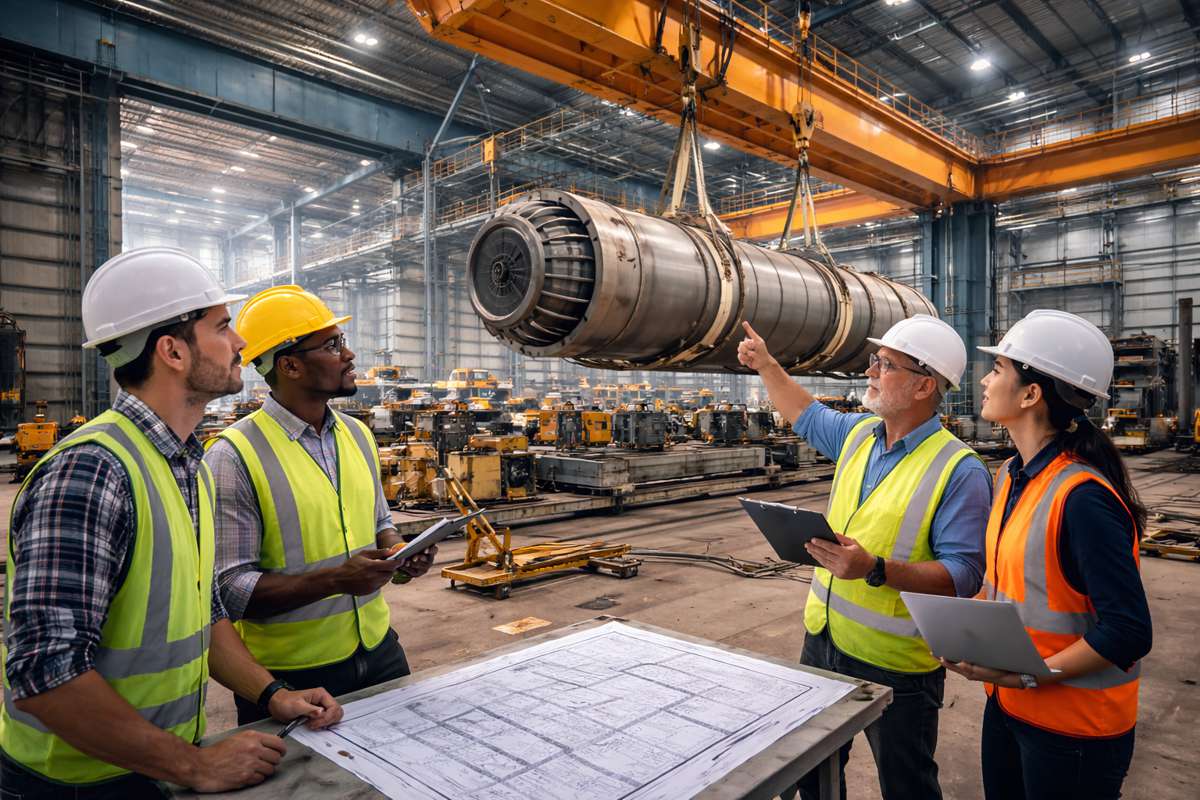
Heavy industrial work operates within strict constraints, limited access, active utilities, confined spaces, and overlapping contractor schedules. Precision in this environment depends on clarity. Load weights must be verified. Centers of gravity must be calculated accurately. Crane placement must respect ground bearing pressures and swing radius limitations. Safety documentation must align with the real sequence of events, not an idealized version of them.
Projects that incorporate structured coordination from the outset experience fewer disruptions because risk is identified early. Equipment moves occur within defined parameters. Communication channels remain clear. Stakeholders understand not only what must happen, but why the sequence matters.
The Quiet Standard of Excellence
The most successful industrial projects rarely appear dramatic. There are no emergency redesigns, no extended shutdowns, no last-minute crane remobilizations. Equipment arrives, is positioned precisely, integrated safely, and commissioned according to plan. Teams move to the next phase without friction.
That level of performance reflects disciplined integration across engineering, logistics, and execution. It reflects leadership that recognizes industrial work as a systems challenge rather than a collection of tasks.
In complex environments where margins are thin and stakes are high, structured coordination is not optional. It is the stabilizing force that turns heavy industry from reactive motion into controlled progress.