Colombia Expands Multimodal Capacity with Río Córdoba Port Concession
Colombia has taken a decisive step in reshaping its freight logistics landscape with the award of a new maritime concession in the Caribbean region. The Board of Directors of the National Infrastructure Agency has approved a 30-year concession for Sociedad Portuaria Río Córdoba SA to develop a multipurpose terminal in Ciénaga, within the Magdalena Department. Backed by an investment exceeding USD 82.8 million, the project is more than a port expansion. It signals a shift towards integrated, rail-led logistics in a country still heavily reliant on road transport.
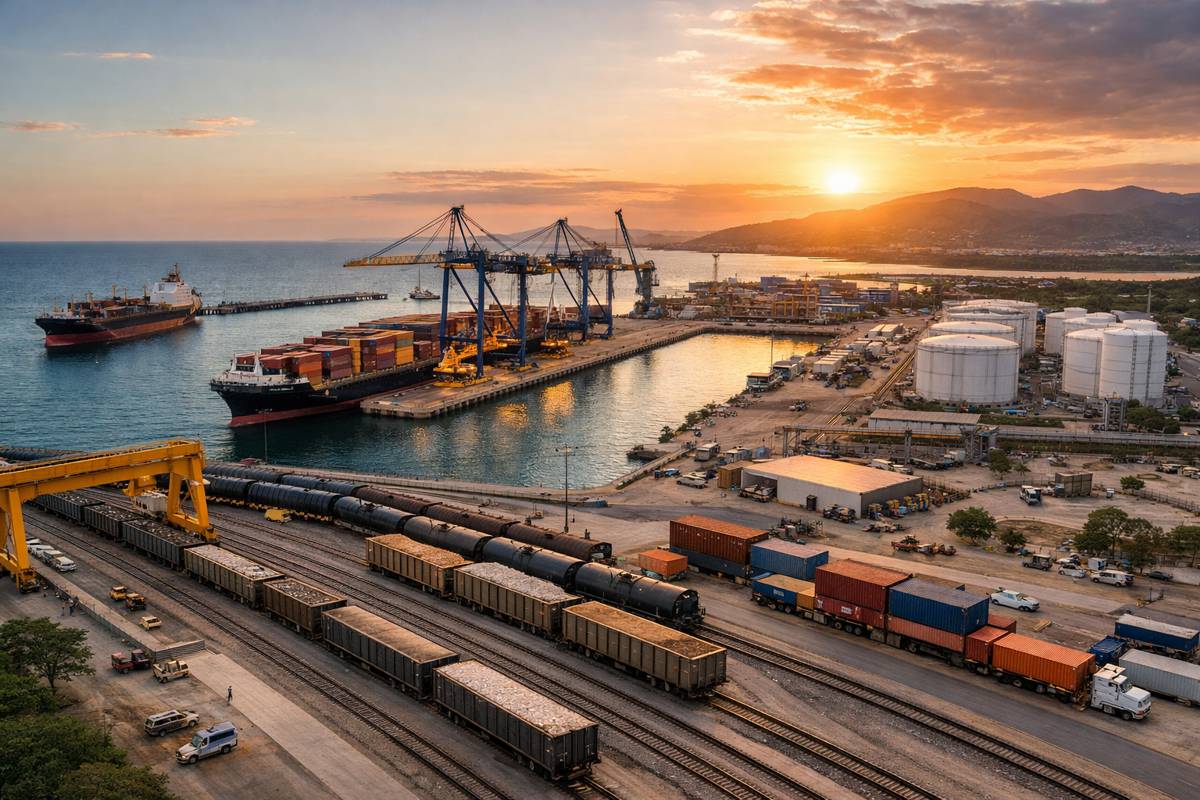
Positioned strategically along Colombia’s Caribbean coastline, the development is designed to connect maritime operations with inland freight corridors. By linking directly to the Atlantic Railway and the La Dorada–Chiriguaná Central Railway Corridor, the terminal is set to function as a gateway between global shipping routes and Colombia’s industrial and agricultural heartlands. In practical terms, it brings together rail, pipeline and highway networks into a single logistics ecosystem, a model long discussed but rarely executed at scale in the region.
Briefing
- Colombia grants a 30-year port concession to Sociedad Portuaria Río Córdoba SA
- Investment exceeds USD 82.8 million for a new multipurpose terminal in Ciénaga
- Project integrates rail, road and pipeline networks into a multimodal logistics hub
- Terminal expected to handle over 160 million tonnes and nearly 200,000 containers
- More than 90 percent of cargo planned to move by rail via Ferrocarriles del Norte de Colombia
A Strategic Shift Towards Rail Driven Logistics
Colombia’s freight system has traditionally leaned on its road network, a reliance that has often resulted in higher logistics costs and congestion bottlenecks. According to data from the World Bank, logistics costs in Colombia can reach up to 14 percent of GDP, significantly above OECD averages. Projects that rebalance modal share towards rail are therefore not just infrastructure upgrades, they are economic interventions.
The Río Córdoba terminal is structured to address that imbalance head-on. More than 90 percent of its cargo is expected to move by rail, operated by Ferrocarriles del Norte de Colombia SA. This is no small adjustment. It represents a deliberate pivot towards bulk efficiency, reduced emissions and lower long-haul transport costs. By enabling seamless transfer between ship and rail, the port reduces the need for intermediate trucking, shaving time and cost from supply chains.
Reimagining a Former Coal Export Hub
The site itself carries industrial history. Previously dedicated to the movement of thermal coal, the port area is now being reconfigured for a broader mix of cargo. That transition reflects wider global trends. As demand patterns shift and decarbonisation pressures intensify, single-commodity export terminals are increasingly being redeveloped into flexible, multipurpose facilities.
In Ciénaga, the transformation is particularly notable. Instead of focusing solely on extractive exports, the new terminal will accommodate dry bulk, liquid bulk, general cargo and containerised goods. This diversification not only mitigates market volatility but also strengthens Colombia’s position in regional trade, allowing it to respond to changing global demand without being tied to a single commodity cycle.
Engineering for Scale and Efficiency
From an engineering standpoint, the project is designed with throughput and operational resilience in mind. The access channel, with a consistent depth of 21 metres, allows for year-round navigation of large vessels. That level of draught positions the terminal to handle a broad spectrum of ship classes without seasonal constraints, an advantage in the competitive Caribbean port landscape.
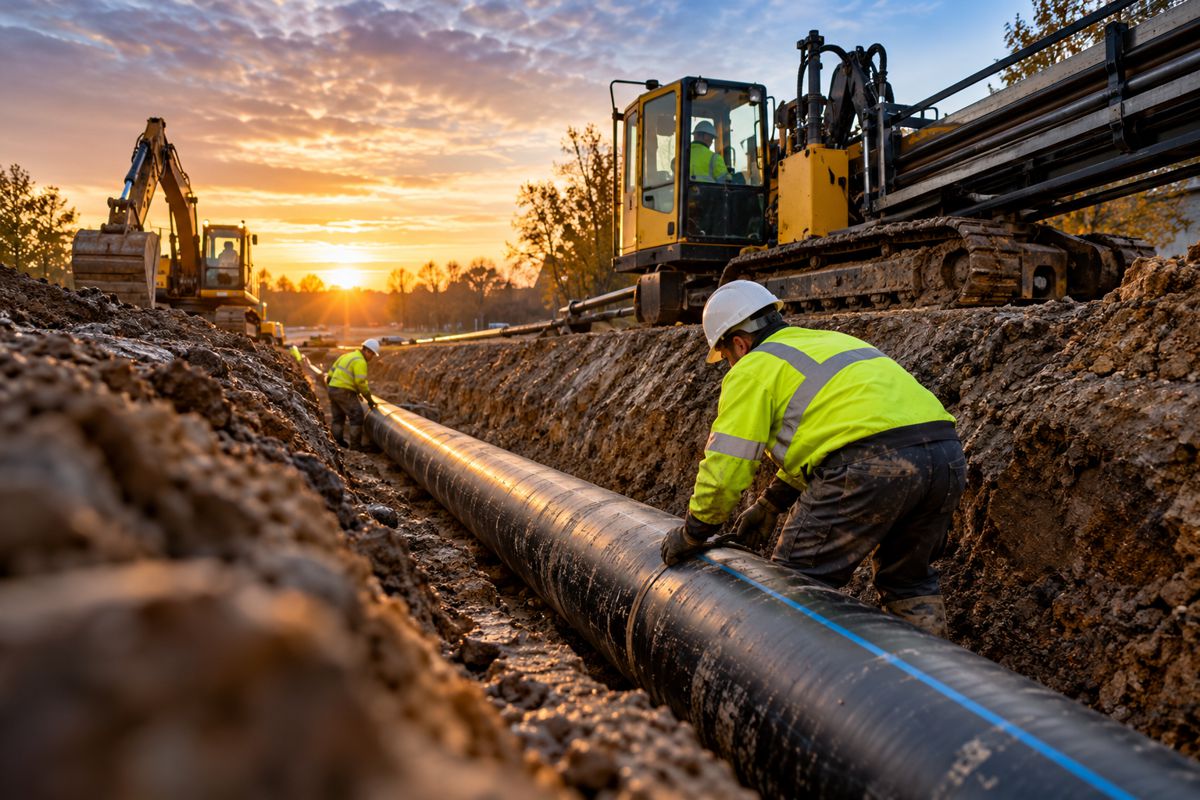
On land, the infrastructure will support high-capacity rail operations, including trains of up to 150 cars. This is a critical detail. Long, heavy-haul trains are central to achieving the economies of scale that make rail competitive with road transport. The ability to receive, process and dispatch such trains efficiently requires precise yard design, robust signalling systems and streamlined cargo handling processes, all of which are embedded in the concession’s development scope.
Integrating National Transport Corridors
The true strength of the Río Córdoba project lies in its connectivity. The Atlantic Railway provides the backbone, linking the port to inland corridors such as La Dorada–Chiriguaná, which in turn connects to central regions of Colombia. This corridor has been the focus of recent rehabilitation efforts, aimed at restoring rail as a viable freight option after decades of underinvestment.
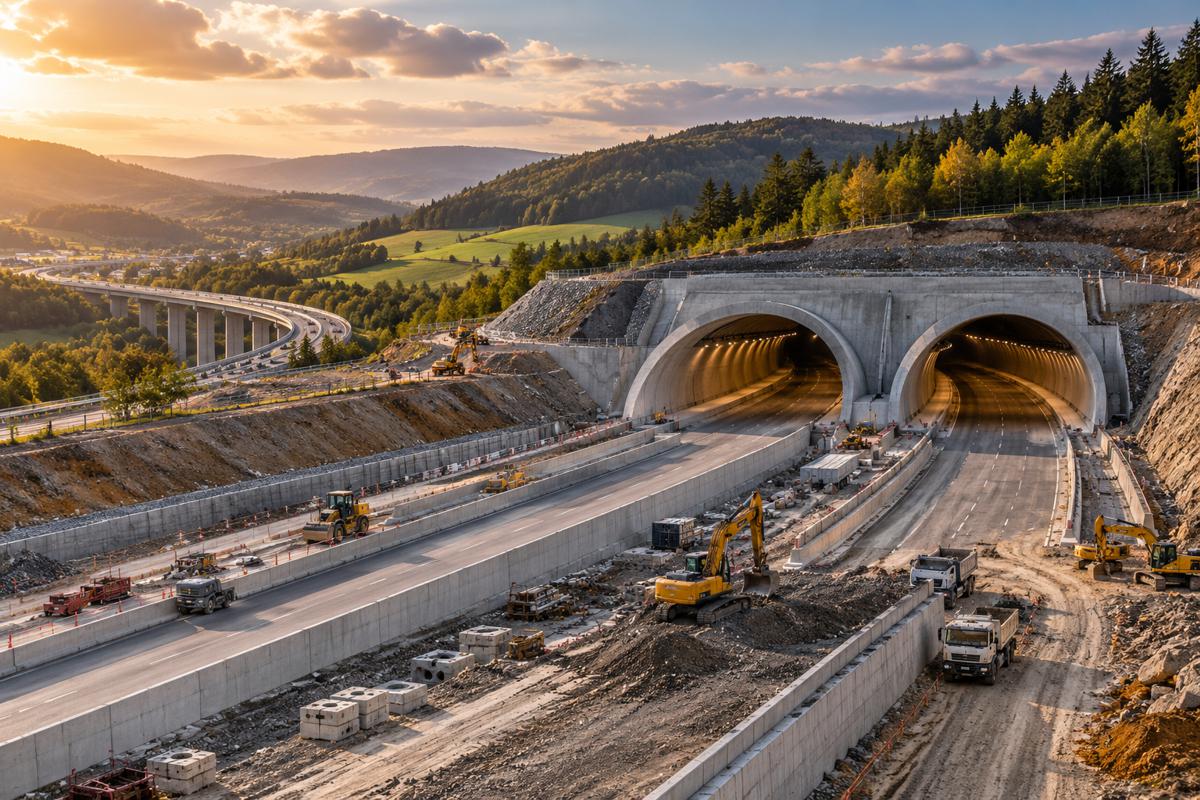
Beyond rail, the port is also tied into the Pozos Colorados–Galán pipeline and the Ruta del Sol highway. Each of these links plays a role in creating a multimodal network where cargo can shift between transport modes depending on efficiency, cost and destination. For industries such as mining, agriculture and energy, that flexibility is invaluable. It reduces dependency on a single mode and allows operators to optimise routes in response to market conditions.
Long Term Throughput and Trade Impact
Over the 30-year concession period, the terminal is projected to handle more than 160 million tonnes of cargo alongside approximately 197,400 containers. These figures are not just operational targets. They point to a broader ambition to position Colombia as a more competitive player in global trade.
Increased port capacity tends to have a multiplier effect. It lowers export costs, improves reliability for importers and attracts investment in adjacent industries such as warehousing, processing and manufacturing. For the Magdalena Department, the economic implications extend beyond the port itself, potentially driving job creation and regional development.
Environmental and Operational Considerations
While the project is rooted in industrial expansion, it also aligns with evolving environmental expectations. Rail transport, particularly for bulk cargo, produces significantly lower emissions per tonne-kilometre compared to road haulage. By shifting the majority of cargo movement to rail, the project contributes to reducing the carbon intensity of Colombia’s logistics sector.
At the same time, the concession includes responsibilities for dredging and maintaining the access channel and manoeuvring basin. These activities require careful environmental management to minimise impacts on marine ecosystems. Modern dredging practices, combined with regulatory oversight, will be central to balancing operational needs with environmental protection.
Private Investment and Infrastructure Policy
The concession model itself reflects Colombia’s broader infrastructure strategy, which relies heavily on public private partnerships. By granting long-term operational rights in exchange for upfront investment and performance commitments, the government is able to accelerate infrastructure development without bearing the full financial burden.
This approach has been used extensively in Colombia’s road sector, particularly through the 4G and 5G concession programmes. Extending it to port infrastructure signals a continued commitment to leveraging private capital and expertise in closing the country’s infrastructure gaps. For investors, the predictability of a 30-year concession provides a stable framework for long-term returns.
A Platform for Future Growth
What emerges from the Río Córdoba concession is not just a new port, but a platform for future logistics evolution. As Colombia continues to modernise its transport network, projects that integrate multiple modes will become increasingly important. They offer resilience, flexibility and efficiency in a global market that rarely stands still.
The development in Ciénaga fits neatly into that trajectory. By combining deep-water access, rail connectivity and diversified cargo handling, it sets a benchmark for how infrastructure can adapt to changing economic and environmental realities. For construction professionals, investors and policymakers, it offers a clear example of how targeted investment can reshape an entire logistics chain, not just a single asset.