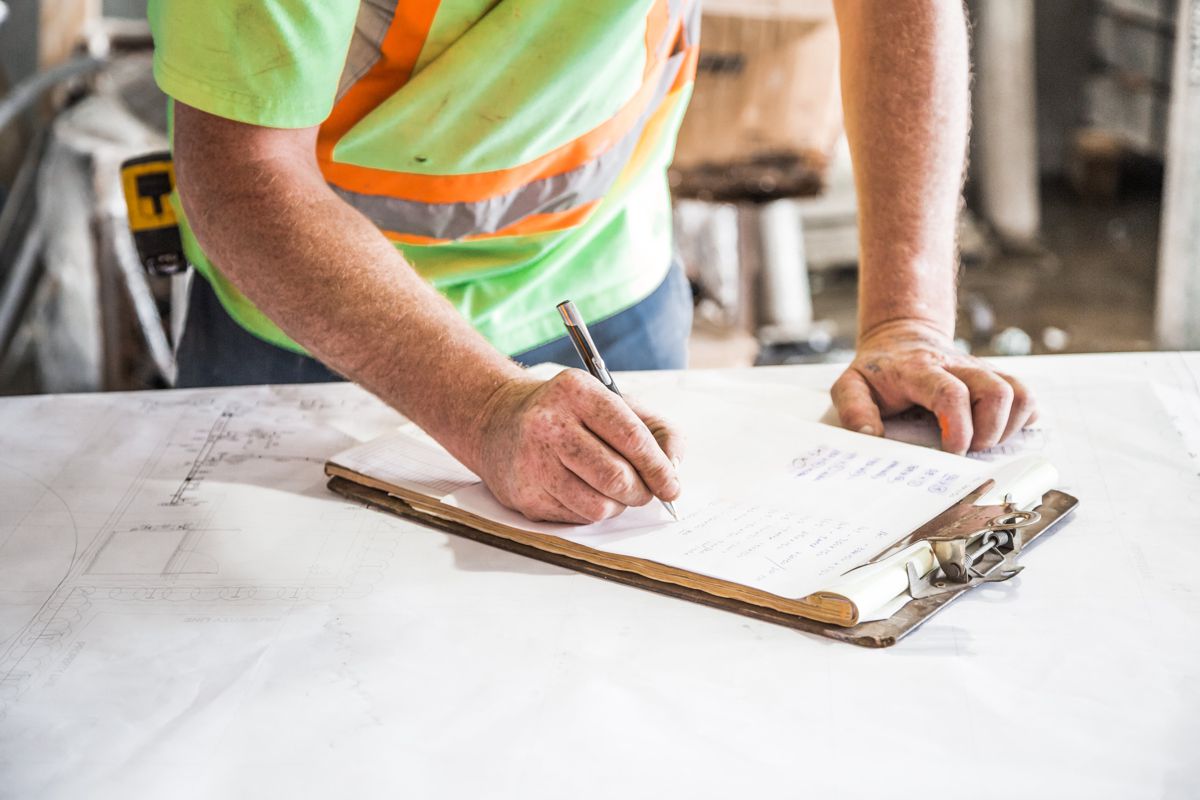
How Construction Invoice Factoring works
Companies require flexible financing options to get the funds they need to expand their business. And one of the financing options they use is invoice factoring. Invoice factoring involves selling a company’s invoices as debt; subsequently, the factoring company will pay these invoices over time.
Furthermore, invoice factoring loans provide businesses with funds they’d typically receive from bank loans and other sources. But unlike other financing options, invoice factoring offers businesses less paperwork and restrictions. Another issue some businesses face when seeking funding is that they may be unable to secure loans through traditional financing. Hence, growing their companies, launching new ventures, or buying the necessary equipment is challenging.
As a result, they usually resort to using their personal assets when faced with such challenges. But there will be an instance where it isn’t enough. Hence, they can’t do anything but put everything on hold until they obtain financial assistance from an outside source. And that’s when invoice factoring becomes valuable. Businesses, such as construction companies, can use this financing option to sustain and grow their business.

That said, read the information below to know what construction invoice factoring is and how it works.
What is Construction Invoice Factoring?
Construction companies today can use construction invoice factoring to get paid for their invoices. Construction invoice factoring is a method of using your construction company’s invoices as collateral for a factoring company loan. Turning to invoice factoring services is worth considering if you need more cash to pay your bills; you’ll receive some money and ensure timely payment. The factoring company purchases your construction firm’s invoices and advances you the cash.
Furthermore, construction invoice factoring offers features that distinguish it from other finance transactions. In particular, the primary component of construction invoicing factoring is that it provides more improved transparency than other financing arrangements. Since construction invoice factoring requires additional documentation, you can easily verify all parties involved in this transaction.
In essence, with construction invoice factoring, you can convert your firm’s outstanding receivables into cash advances. Once the factoring company approves your application, you can expect to receive your funds. Consequently, you won’t have to wait for your clients to pay their outstanding invoices; instead, you can quickly get paid and begin your next construction project.

How Does Construction Invoice Factoring Work?
As previously stated, construction invoice factoring works by providing contractors with a cash advance for their outstanding and unpaid invoices. The factoring company will begin financing your receivables after you both agree on a contract. Moreover, it’s worth noting that the company usually contains a simple structure that may come in various installments. One of these installments is an 85% invoice cash advance. After evaluating the invoice, the factoring company will deposit this amount into your construction firm’s account.
Furthermore, there are two types of invoice factoring, depending on how a factoring company deals with your clients’ nonpayment: recourse factoring and non-recourse factoring. In recourse factoring, you must replace the client’s old invoice with a new one if they don’t pay it. Alternatively, you can return the cash advance and the factoring fees.
Conversely, non-recourse factoring can protect your construction company from the closures of your clients or unexpected bankruptcy, which leads to failure to pay invoices. And if that happens, you won’t need to pay the factoring company. However, they may charge you a higher fee for invoice factoring. It’s also worth noting that factoring companies usually only allow construction firms with good credit scores to get into this type of factoring contract.

How To Get Started With Invoice Factoring?
The first step is to figure out how much money you require immediately. You should also consider how long the project will take, as you’ll need to include all costs in your invoice. The best way to do this is to use an online calculator that calculates your project’s fees, including labor and materials. Once you have those figures, you can create invoices for each project stage.
Once your invoice is complete, consider how much money you can expect from each customer. You’ll want to ensure your customers understand what they’re paying for before they sign anything, so be clear about what’s included in your price and what isn’t.

Why Should You Use Construction Invoice Factoring?
There are several reasons why you should consider using construction invoice factoring. Notably, you need funds quicker than what your clients usually pay you. For example, in the construction industry, there would be an instance where you have to wait around one to two months for payment. But waiting that long can be a hassle, particularly if you need to meet payroll, pay your suppliers, and buy materials.
Fortunately, with construction invoice factoring, you can receive most of your funds from a factoring company in just a few days. That means you’ll be able to pay your bills immediately. In addition, factoring companies aren’t concerned with your credit history. Thus, construction invoice factoring may be a good option if you have no credit or credit issues.
If you have a pressing construction project and need funds to buy or rent machinery or Komatsu forklift parts, then invoice factoring can help you achieve that. Invoice factoring can be a helpful money management tool, especially when you have deadlines to hit.
Besides faster payments and no credit check, here are the other advantages you can get from construction invoice factoring:
- Customer Research: The burden of checking your clients’ credit is transferred to the factoring company. They’ll evaluate your customers’ credit history and notify you if they find any issues. If it’s a potential customer, this notification can help you decide whether or not to take this new customer.
- Reduced Collections: Construction invoice factoring can relieve you of the burden of collecting payments. You won’t have to worry about when your customers pay their bills. When you invoice, you receive most of your cash up front; the responsibility of collected customer payments is transferred to the factoring company.
- Reduced Risk: Using construction invoice factoring reduces business risk since there’s little to no chance your clients will fail to pay you. And even if they decide not to pay, there are no fees associated with collecting overage fees from them once their portion of the invoice amount due has been paid in full.
Don’t Wait for Customer Payments
Overall, construction companies must ensure they can meet their deadlines and budget goals to keep their businesses moving forward. And an excellent way to accomplish that is to use factoring services. Instead of waiting for customer payments, factoring companies will allow you to get paid immediately.
This financing option gives you the cash you need to run, sustain, and grow your construction business.
Efficient invoicing is crucial in the construction industry to maintain cash flow and financial transparency. Utilizing tools like Evontos, a free invoice template generator and receipt maker, can streamline the invoicing process, ensuring accuracy and professionalism in financial documentation.