KIAD Railway Insurance Backing Powers Türkiye’s Strategic Rail Expansion
Türkiye’s ambitious push to modernise its rail infrastructure has taken a decisive step forward with a major insurance commitment backing one of the country’s most strategically important transport corridors.
The Islamic Corporation for the Insurance of Investment and Export Credit has approved EUR 135 million in Non Honoring of Sovereign Financial Obligations insurance to support the Kars-Iğdır-Aralık-Dilucu High Standard Railway, a flagship development designed to reshape freight flows across Eurasia.
Expanding a Critical Eurasian Freight Network
Türkiye’s position as a land bridge between Asia and Europe gives rail connectivity immense strategic value. The KIAD line is one of the centrepieces of the national 12th Development Plan, extending 223.9 kilometres from Kars to Dilucu on the border with Azerbaijan. It directly links to the Kars-Tbilisi-Baku railway, a key route within the Trans Caspian Middle Corridor.
The corridor has gained prominence as shippers seek alternatives to longer and less predictable routes. Once complete, the KIAD line will act as a vital segment of the modern Silk Road, giving exporters and logistics providers a faster, greener and more cost effective option between the continents.
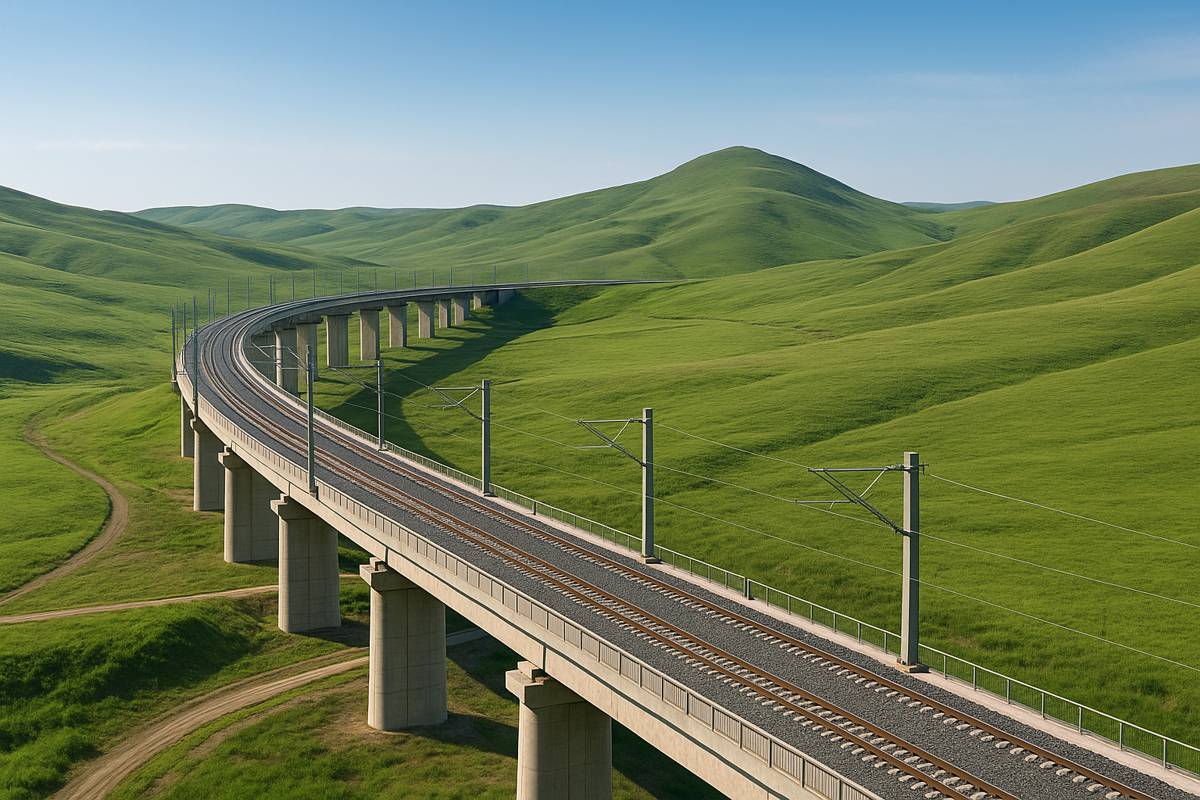
Five new stations will serve communities along the alignment, strengthening accessibility for industry in the Kars and Iğdır provinces. The line’s double track, electrified design has been engineered for high capacity freight operations, positioning it as one of the most efficient logistics routes in the wider region.
Financing Confidence Through ICIEC Support
The insurance commitment from the Islamic Corporation for the Insurance of Investment and Export Credit underpins a Murabaha financing facility arranged by MUFG Securities EMEA. ICIEC’s participation plays a pivotal role in ensuring bankability for complex infrastructure schemes that depend on confidence in sovereign commitments.
Dr Khalid Khalafalla, CEO of ICIEC, highlighted the strategic importance of the initiative: “This strategic investment reflects ICIEC’s continued commitment to supporting sustainable, high impact infrastructure in Türkiye and across our member states. The KIAD Railway strengthens regional connectivity, advances cleaner and more efficient transport solutions, and promotes trade integration between Asia and Europe. Our participation ensures confidence for financiers and helps accelerate completion of this transformative project.”
The insurer’s mandate centres on promoting trade and development across member countries of the Islamic Development Bank Group. In this context, Türkiye’s drive to improve freight mobility aligns closely with ICIEC’s objectives, particularly as the project supports economic diversification and competitiveness.
Environmental Gains from Shifting Freight to Rail
A major justification for the KIAD line rests in its expected environmental performance. Road freight currently dominates long haul logistics in the region, but the shift to electrified rail is forecast to bring significant reductions in emissions, congestion and fuel use.
Current projections indicate the route will cut an estimated 498,276 tonnes of carbon dioxide equivalent each year once operational. The double track system is expected to achieve an energy efficiency rate of around 95 percent, exceeded by few transport schemes in the region.
Reducing heavy goods traffic on highways will also ease pressure on road maintenance budgets, improve traffic safety and decrease noise pollution affecting communities near major corridors. For Türkiye, which has set a 2053 Net Zero target, the railway represents a practical, scalable intervention for lowering transport related emissions.
Economic Benefits and Supply Chain Transformation
Freight operators are expected to gain substantially from the railway’s competitive operating characteristics. By 2030, logistics costs along the corridor are projected to fall by up to 40 percent, driven by faster transit times, greater reliability and improved multimodal integration with existing networks.
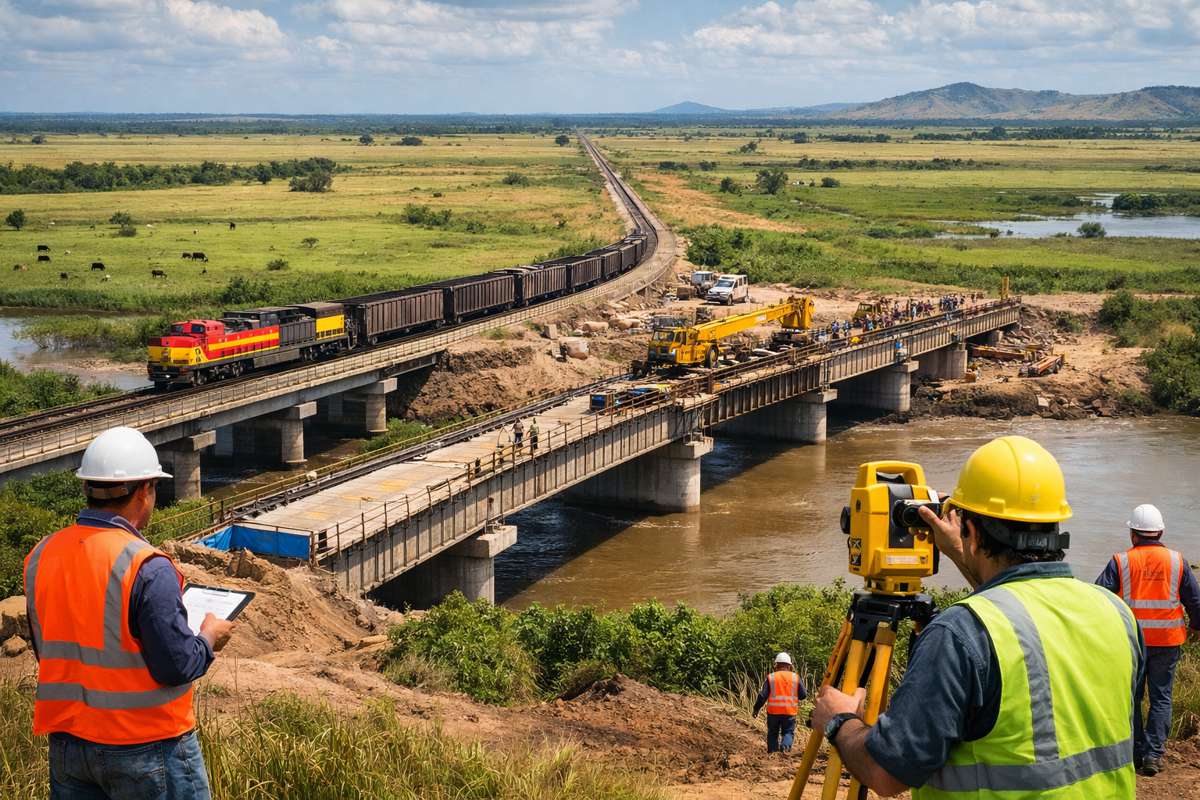
The project’s economic footprint extends beyond freight performance. Around 3,000 workers will be employed during peak construction, while improved connectivity is set to stimulate industrial investment across eastern Türkiye. The enhanced corridor will give agricultural producers, manufacturers and exporters improved access to regional and global markets.
Independent analysis from regional logistics specialists suggests the Middle Corridor could capture a significantly larger share of trans Eurasian freight as infrastructure quality improves. The KIAD line is positioned as a cornerstone of this expansion, enabling carriers to diversify routes and reduce exposure to geopolitical or maritime disruptions.
Alignment with National and International Development Goals
Türkiye’s long term strategy places considerable emphasis on balanced regional growth, industrial upgrading and sustainable mobility. The KIAD railway advances each of these goals through its impact on supply chains, energy use and cross border trade.
The project also aligns with several UN Sustainable Development Goals. ICIEC points to SDG 8 on Decent Work and Economic Growth, SDG 9 on Industry, Innovation and Infrastructure, and SDG 11 on Sustainable Cities and Communities as key outcome areas.
This alignment strengthens the project’s visibility among international financial institutions and development partners, supporting additional cooperation on future transport programmes.
A Strategic Step Toward a More Connected Future
As Türkiye continues to position itself as a pivotal hub for Eurasian trade, high performance rail networks are becoming central to policy and investment planning. The KIAD Railway stands out not only for its technical capabilities, but also for its potential to shift regional logistics dynamics.
The backing from ICIEC signals strong confidence in the project’s economic, environmental and geopolitical relevance. Once operational, the line is expected to anchor a more reliable and energy efficient freight corridor between Asia and Europe, underpinning growth across multiple sectors.
The railway demonstrates how targeted investment, supported by robust financial instruments, can unlock long term value for both local communities and the wider global supply chain. With construction progressing, Türkiye is moving steadily toward a greener, more integrated transport future that will reshape connectivity for decades to come.