Verge Motorcycles Is Rewriting the Rules of Electric Mobility
Electric mobility has been inching towards a tipping point for years, with battery technology often proving the final and most stubborn barrier. Verge Motorcycles has now pushed that barrier aside. By bringing solid state battery technology out of laboratories and into customer ready production motorcycles, the Finnish manufacturer has done something the wider automotive industry has long promised but never quite delivered. For the first time, solid state batteries are not a prototype experiment or a future roadmap item. They are heading onto public roads.
This step matters well beyond the motorcycle sector. Solid state batteries have been widely described as the next great leap for electric vehicles, offering faster charging, higher energy density, longer lifespan, and dramatically improved safety. While global car manufacturers continue testing and refining the technology, Verge has accelerated past expectation. Its latest evolution of the Verge TS Pro is set to reach customers within months, not years.
Why Solid State Batteries Change Everything
Conventional lithium ion batteries rely on liquid or gel electrolytes, which bring inherent compromises. They are sensitive to temperature, degrade over time, and present fire risks under certain conditions. Solid state batteries replace those electrolytes with solid materials, fundamentally altering how energy is stored and released.
The implications are profound. Solid state cells are more stable, less prone to thermal runaway, and capable of supporting far higher charging speeds. They also tolerate significantly more charge cycles, opening the door to batteries that last the lifetime of a vehicle rather than becoming a consumable component.
Within the automotive sector, solid state batteries have become something of a holy grail. Major manufacturers have announced pilot programmes and limited trials, but mass production has remained elusive. Verge’s achievement lies not only in developing the technology but in validating, packaging, and integrating it into a road legal, production motorcycle.
Verge Motorcycles and a Pattern of Disruption
Verge Motorcycles is no stranger to challenging conventions. The company first drew global attention with its hubless in wheel electric motor, an engineering solution that removed traditional drivetrain components while improving efficiency and weight distribution. That same willingness to rethink fundamentals is evident in its approach to energy storage.
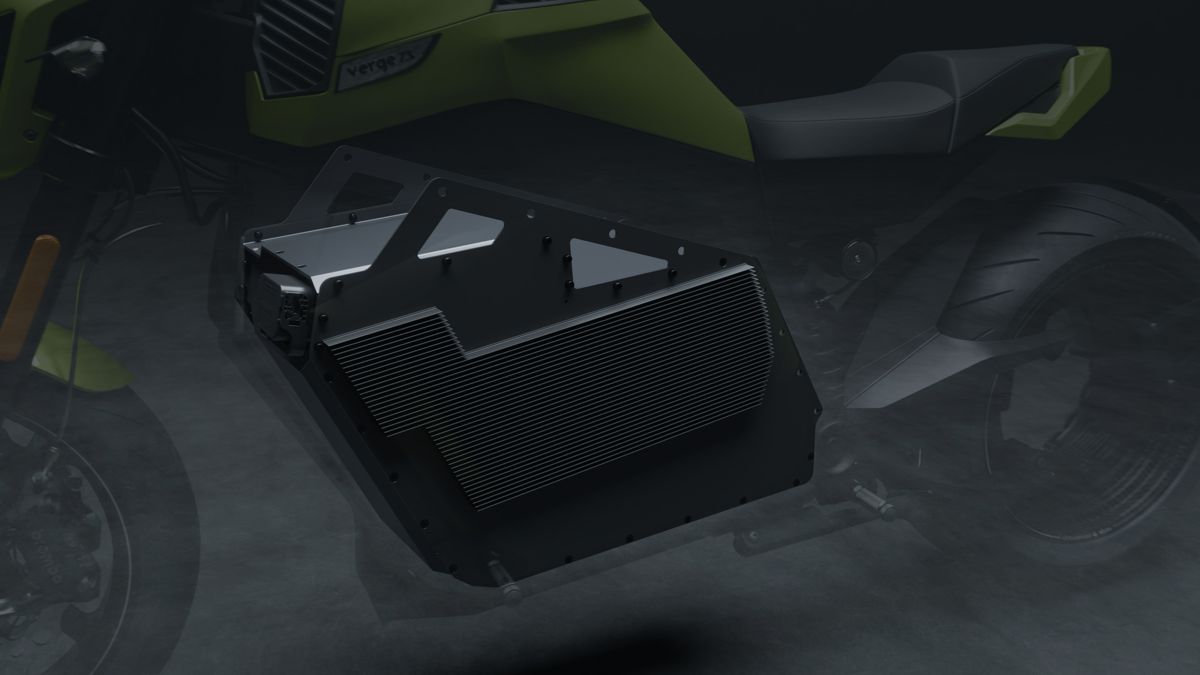
Working closely with technology partner Donut Lab, Verge has spent years developing and testing solid state battery packs suitable for real world use. The partnership focused not just on performance metrics, but on durability, safety validation, and manufacturability. According to the company, this work has now reached the point where full scale production is viable.
Tuomo Lehtimäki, CEO of Verge Motorcycles, describes the moment as transformative: “The use of solid state battery technology to motorcycles in production is a historic breakthrough shaking up the entire automotive industry. Verge’s close development work with Donut Lab, along with battery pack testing and validation, has reached the point where we can implement the technology in the new evolution of Verge TS Pro model, which is already in production and available on Verge’s website and in our showroom stores.”
From EICMA Reveal to Customer Delivery
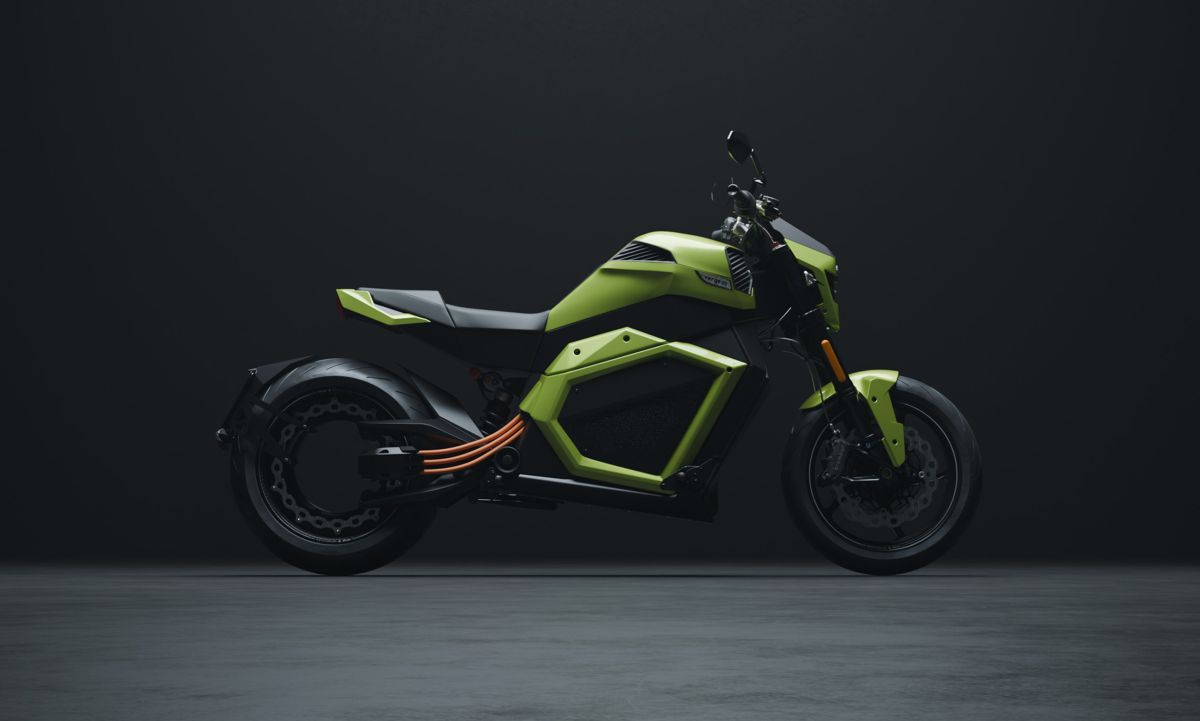
The next evolution of the Verge TS Pro was unveiled at EICMA in Milan last November, placing the technology in front of the world’s most influential motorcycle audience. Unlike concept bikes often shown at major trade shows, the TS Pro was not a speculative vision. It represented a production ready platform with defined specifications and a clear delivery timeline.
By committing to customer deliveries within months, Verge has set a new benchmark for how quickly advanced battery technologies can move from development into commercial reality. This decisiveness contrasts sharply with the cautious, multi year rollout strategies seen elsewhere in the electric vehicle sector.
Performance Without Compromise
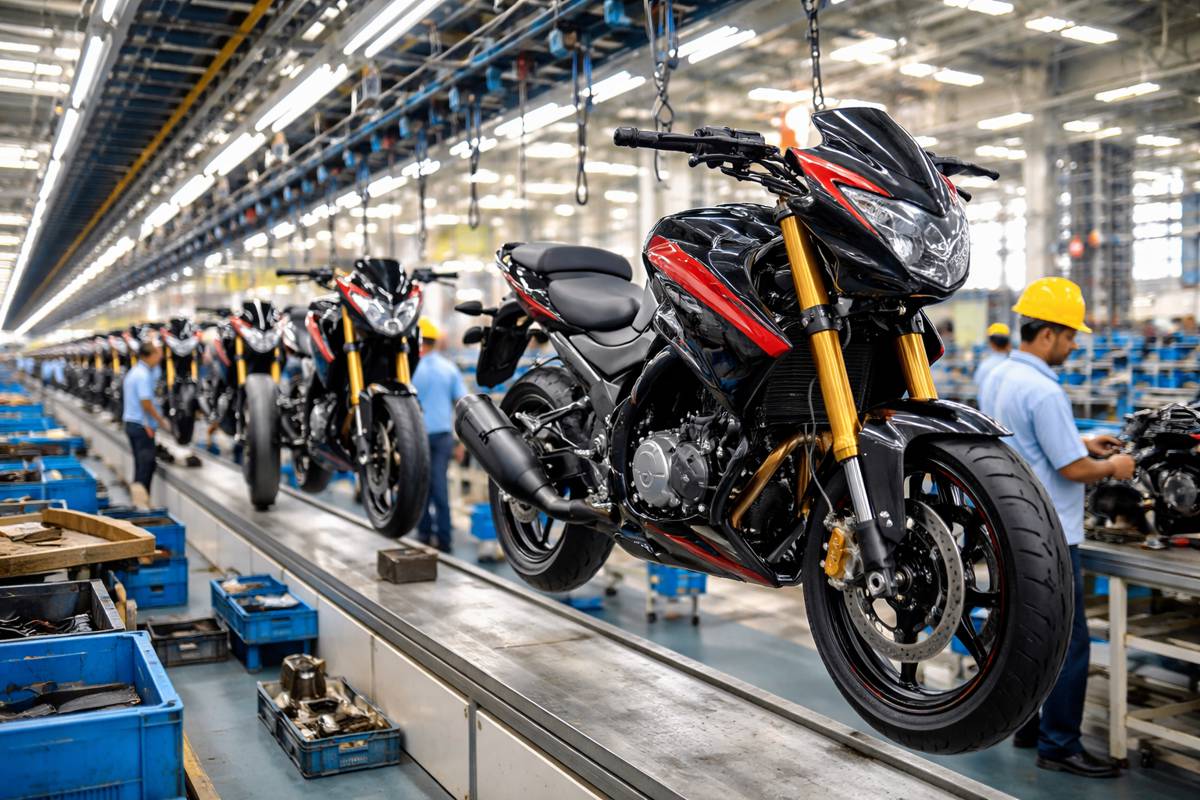
Beyond its battery technology, the Verge TS Pro remains a performance focused machine. At its heart sits the next generation Donut 2.0 motor, a refined evolution of Verge’s signature in wheel design. The motor is 50 percent lighter than its predecessor while delivering the same formidable output of 1,000 Nm of torque.
That reduction in unsprung mass contributes directly to improved handling, stability, and overall ride quality. Acceleration figures reflect the engineering gains, with the TS Pro reaching 0 to 62 mph in just 3.5 seconds. Crucially, these performance figures are delivered without sacrificing range or efficiency.
Ten Minute Charging and a New Definition of Range
Charging speed has long been a psychological barrier for electric motorcycle adoption. Verge’s solid state battery pack directly addresses that concern. Riders can add approximately 186 miles of range in just ten minutes, a figure that reshapes expectations around journey planning and daily usability.
Range figures are equally notable. The standard configuration offers up to 217 miles on a single charge, already competitive within the electric motorcycle market. Customers seeking greater endurance can opt for an extended range battery pack at the time of purchase, pushing maximum range to as much as 370 miles.
That near doubling of range arrives without a price penalty. Verge has confirmed that the upgraded battery technology does not increase the motorcycle’s retail cost, positioning the TS Pro as a cost effective option despite its advanced engineering.
A Battery Designed to Last the Life of the Motorcycle
Traditional lithium ion batteries typically endure a limited number of charge cycles before noticeable degradation occurs. This reality has fuelled concerns around long term ownership costs and residual values for electric vehicles.
Verge’s solid state battery approach challenges that assumption. According to the company, the battery pack is designed to last for the entire lifetime of the motorcycle. For riders, this translates into predictable ownership costs and reduced environmental impact over time.
The durability of the battery also supports more aggressive charging behaviour. Ultra fast charging, often detrimental to conventional cells, becomes a practical everyday option rather than an occasional necessity.
Safety Gains That Extend Beyond the Rider
Safety remains one of the most compelling advantages of solid state batteries. Unlike conventional lithium ion systems, solid state cells do not catch fire. The absence of flammable liquid electrolytes significantly reduces the risk of thermal runaway, even under extreme conditions.
This inherent stability benefits not only riders but also charging infrastructure operators, insurers, and regulators. Charging in residential environments, public car parks, or dense urban areas becomes less contentious when fire risk is materially reduced.
The battery packs also operate reliably across a broad temperature range, ensuring consistent performance in both cold and hot climates. For a global manufacturer like Verge, that operational resilience is critical.
Sustainability and Material Responsibility
Beyond performance and safety, Verge has emphasised the sustainability profile of its battery technology. The solid state batteries are manufactured using materials that are abundant globally, reducing exposure to supply chain volatility and geopolitical constraints.
This approach supports scalable production without the bottlenecks associated with scarce or ethically contentious raw materials. It also aligns with broader industry efforts to reduce the environmental footprint of electric vehicle manufacturing.
Donut Lab and a Platform for Wider Adoption
For Donut Lab, the Verge TS Pro represents a first commercial deployment rather than a final destination. CTO Ville Piippo positions the motorcycle as an opening chapter for the technology: “Donut Lab’s next generation solid state battery technology is a result of years of development work. We are now ready to bring truly exceptional technology to the electric mobility market, of which Verge’s motorcycle is an excellent first example. And this is just the beginning. Our battery technology can be used in all types of vehicles, from motorcycles and passenger cars to trucks, robotics and stationary energy storage.”
This scalability hints at broader implications for transport, logistics, and energy systems. If the technology performs as expected in customer hands, it could accelerate adoption across multiple sectors.
What This Means for the Wider Industry
Verge Motorcycles has effectively raised the stakes for electric mobility. By delivering solid state batteries in a production vehicle today, the company has shifted the conversation from theoretical advantage to real world performance.
For competitors, the message is clear. Customers will increasingly expect faster charging, longer range, and safer batteries as standard, not as premium options. For policymakers and infrastructure planners, the development reinforces the need to prepare for a new generation of electric vehicles capable of rapid energy transfer.
Riding into an Electric Future
As the first customer deliveries approach, Verge Motorcycles stands at a pivotal moment. Its solid state battery powered TS Pro is not merely an incremental upgrade but a statement of intent. Electric motorcycling no longer needs to wait for the future. In this case, the future has arrived early, rolling quietly yet confidently onto the road.