Aptiv Advancing Intelligent Edge Mobility Technologies at CES
Edge computing has moved from theoretical promise to operational necessity, particularly in sectors where milliseconds matter and reliability cannot be compromised. At CES 2026, Aptiv PLC positions itself squarely at the centre of this transition, demonstrating how intelligent edge solutions enable machines to sense, think and act in real time while continuously optimising performance across their lifecycle. Rather than relying on distant cloud servers, Aptiv’s approach places advanced computing and artificial intelligence directly where data is generated, transforming how intelligent systems respond to the world around them.
This strategy reflects a broader shift across transportation, robotics and aerospace, where autonomy, safety and efficiency increasingly depend on localised intelligence. Aptiv’s technologies, already deployed in millions of vehicles globally, are now being extended into new mission critical domains. The company’s CES 2026 presence is less about distant futures and more about industrialised solutions ready to scale.
Real Time Intelligence at the Edge A System Level Advantage
Processing data locally delivers tangible advantages that go well beyond speed. By analysing sensor inputs at the edge, Aptiv’s systems reduce latency, minimise bandwidth demands and enable continuous optimisation even when connectivity is limited or unavailable. This architecture supports more resilient and predictable system behaviour, particularly in safety critical environments.
Aptiv frames intelligent edge computing as a system level enabler rather than a standalone technology. Sensors, compute, software and connectivity are designed as an integrated stack, allowing perception, decision making and actuation to operate in tight synchronisation. The result is intelligence that adapts over time, learning from real world data rather than static assumptions.
Javed Khan, Executive Vice President and President of Intelligent Systems at Aptiv, explained the company’s direction clearly: “At CES 2026, we’re demonstrating how Aptiv enables real time perception, decision making, and actuation transforming how vehicles and other intelligent, connected devices deliver safer, more adaptive, and smarter experiences. We’re leveraging our leading technologies proven in millions of vehicles on the road today and successfully extending them into other mission critical applications from robotics to aerospace and beyond.”
The Future of Automated Mobility From Assisted to Human Like Driving
Automated mobility remains a focal point of Aptiv’s CES 2026 showcase, with particular emphasis on its next generation end to end AI powered Advanced Driver Assistance Systems platform. Designed to support enhanced hands free autonomy across highways and urban environments, the platform targets L2 plus plus capability while prioritising safety and driver trust.
Unlike modular ADAS architectures, Aptiv’s end to end approach uses artificial intelligence across perception, sensor fusion and behaviour planning. These models are trained on vast quantities of real world driving data, enabling continuous learning and refinement. Over time, the system evolves to handle complex scenarios more naturally, delivering driving behaviour that feels increasingly human like while remaining predictable and controlled.
Central to this capability are Aptiv’s recently launched Generation 8 radars. These sensors deliver extended range, higher resolution and robust object detection across diverse environmental conditions. When combined with advanced machine learning algorithms, they provide reliable perception in rain, fog, darkness and glare, where camera only systems can struggle.
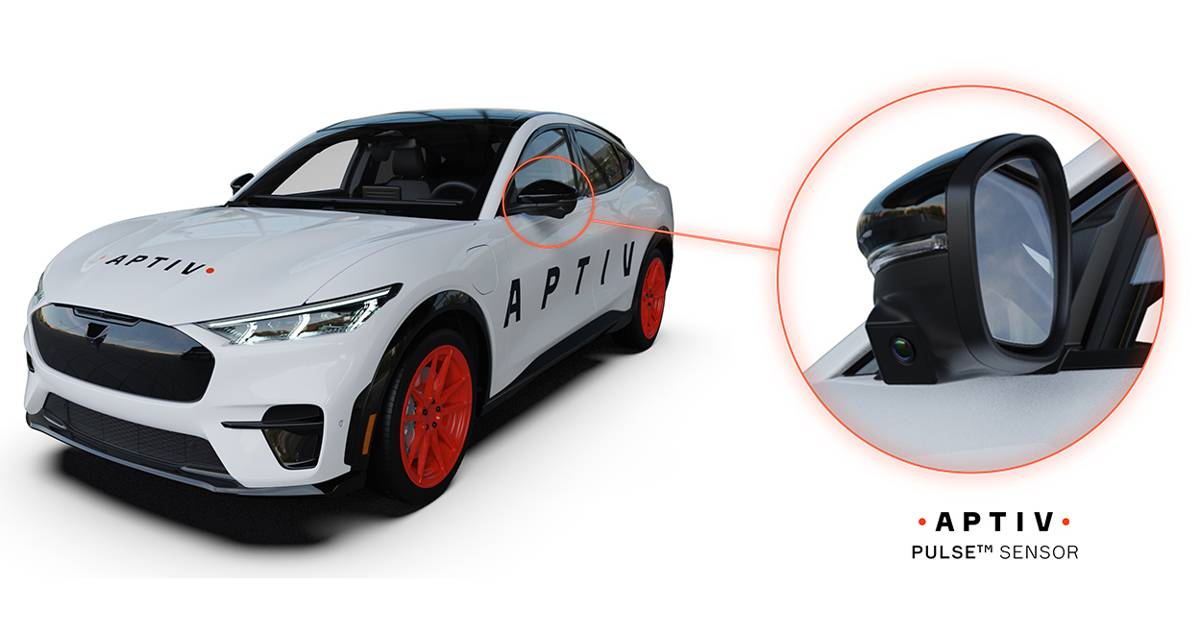
Complementing the radar portfolio is the Aptiv PULSE sensor, which integrates surround view cameras with ultra short range radar to provide seamless three hundred and sixty degree awareness. This fusion supports urban manoeuvring, highway driving and parking scenarios with equal confidence, ensuring consistent perception regardless of lighting or weather conditions.
Digital Cockpit Innovation Safety Collaboration and Personalisation
Beyond automated driving, Aptiv is using CES 2026 to unveil its latest digital cockpit technologies, engineered to enhance both safety and user experience in passenger and commercial vehicles. These solutions reflect a growing recognition that autonomy is not solely about vehicle control but also about effective collaboration between human and machine.
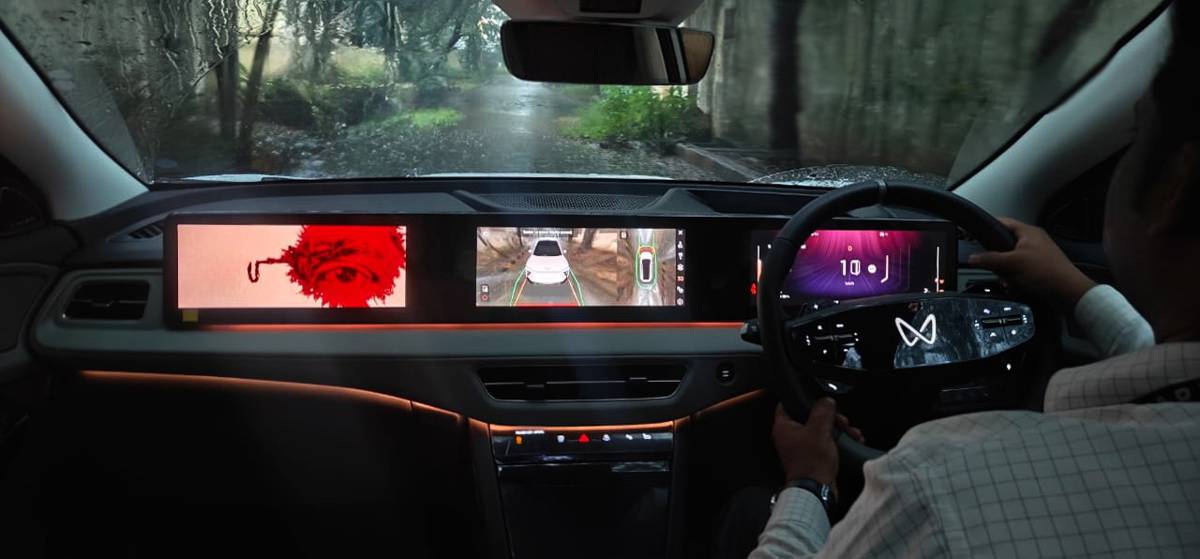
Aptiv’s digital cockpit architecture integrates user experience design, ADAS functionality and middleware to keep drivers informed and engaged during hands free operation. The goal is not to remove the driver from the loop but to ensure readiness to intervene when required, supported by clear, intuitive information delivery.
Driver Monitoring Systems and Cabin Monitoring Systems play a central role in this strategy. Using advanced vision and radar sensing, these systems assess driver attention and occupant status in real time. Vision based cabin sensing can replace traditional seat based detection, reducing hardware complexity while improving flexibility and compliance with stringent safety standards.
Behind the scenes, development is accelerated through a virtual synthetic data environment. By generating scalable, realistic datasets, Aptiv enables faster training and validation of AI driven systems without relying solely on time consuming physical data collection.
Personalised In Vehicle Experiences Built on an Open Platform
Personalisation is increasingly seen as a differentiator in modern vehicles, particularly as software defines more of the driving experience. Aptiv’s cockpit innovations leverage modular software features built on the Android Automotive Framework, allowing original equipment manufacturers to customise experiences while retaining control over core functionality.
The Cockpit Sound Suite introduces directional audio alerts that scale from stereo to immersive spatial sound. Critical warnings are delivered precisely to the intended occupant without distracting others, supporting both safety and comfort. Meanwhile, Face ID technology enables seamless user recognition, automatically adjusting mirrors, seat positions and driver assistance settings based on individual profiles.
By reducing the need for manual adjustments, these features help minimise distraction and support a smoother transition between drivers. Aptiv’s open and flexible software approach is further strengthened through collaborations with strategic partners, enabling OEMs to differentiate their vehicles without being locked into closed ecosystems.
Connecting the Vehicle Ecosystem 5G C V2X and Edge Intelligence
Connectivity forms another pillar of Aptiv’s CES 2026 narrative, particularly through its collaboration with Verizon to explore Cellular Vehicle to Everything technology. By combining 5G connectivity, edge computing and automotive expertise, the partnership aims to improve road safety through cooperative awareness.
The proof of concept integrates Aptiv’s cloud native platform, incorporating Wind River technology, with Verizon’s Edge Transportation Exchange. This mobile network based V2X communication platform enables high speed, low latency data exchange between vehicles, infrastructure and vulnerable road users.
One practical application involves sharing detections of pedestrians or cyclists between vehicles. If a vulnerable road user is obscured from one vehicle’s direct sensors, another vehicle can transmit that information via 5G C V2X, extending situational awareness beyond line of sight. Such capabilities demonstrate how connectivity and edge intelligence can work together to enhance safety at a system wide level.
The Aptiv LINC Software Platform Enabling Software Defined Vehicles
Underpinning many of these innovations is the Aptiv Layered Infrastructure for Networking and Compute Software Platform. Purpose built for complex real time embedded systems, LINC goes beyond traditional middleware to provide a comprehensive foundation for software defined vehicles.
LINC delivers a modular set of capabilities including communications middleware, development tooling, software defined networking, container management and edge intelligence. This architecture accelerates development while enabling advanced functionality such as that required for C V2X applications. By abstracting complexity, LINC allows developers to focus on innovation rather than integration challenges.
Extending Intelligent Edge Solutions Beyond Automotive
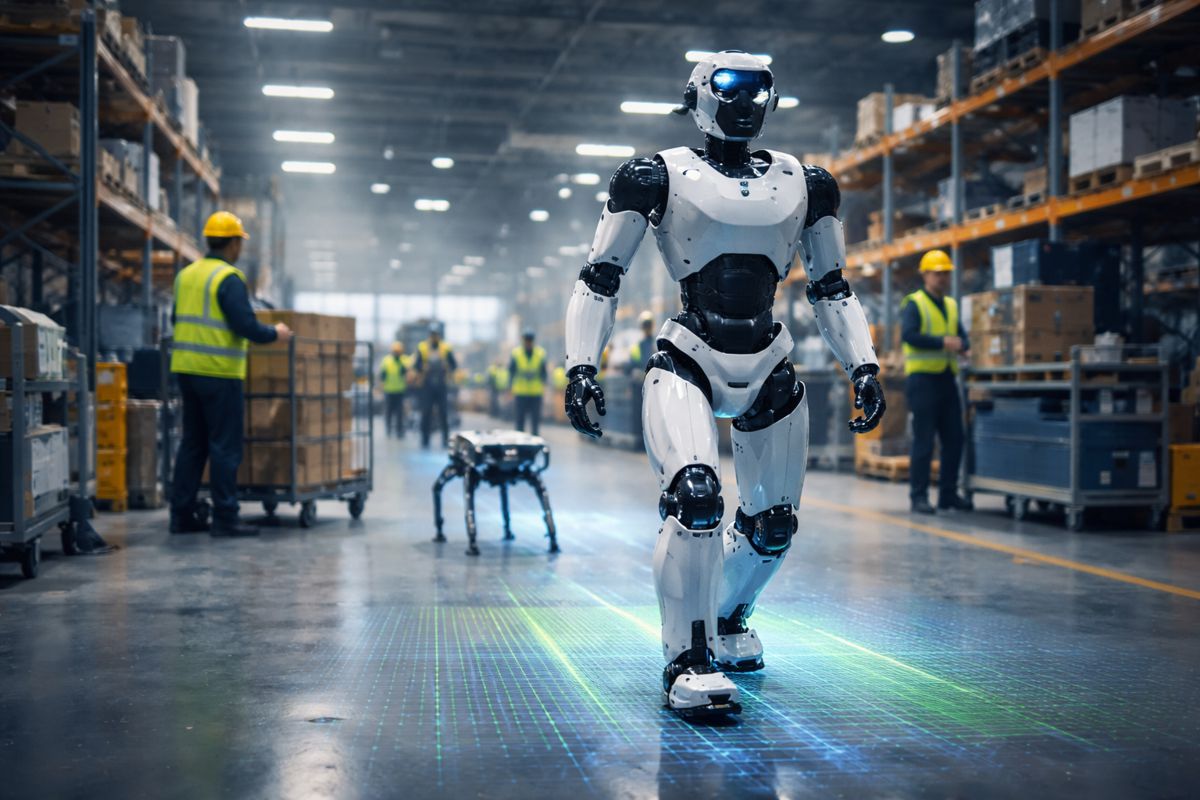
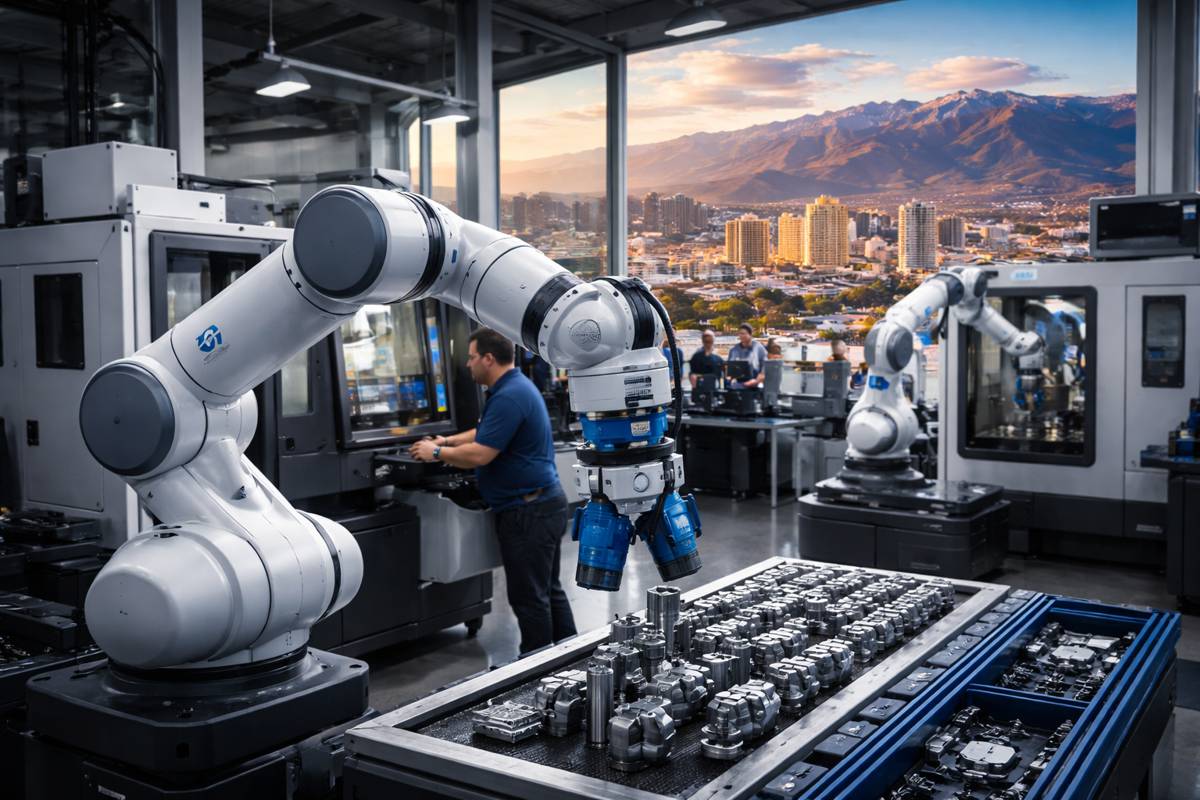
Aptiv’s CES 2026 pavilion also highlights how its intelligent edge technologies translate into other mission critical industries. Robotics and aerospace applications feature prominently, showcasing software and hardware solutions adapted from automotive platforms.
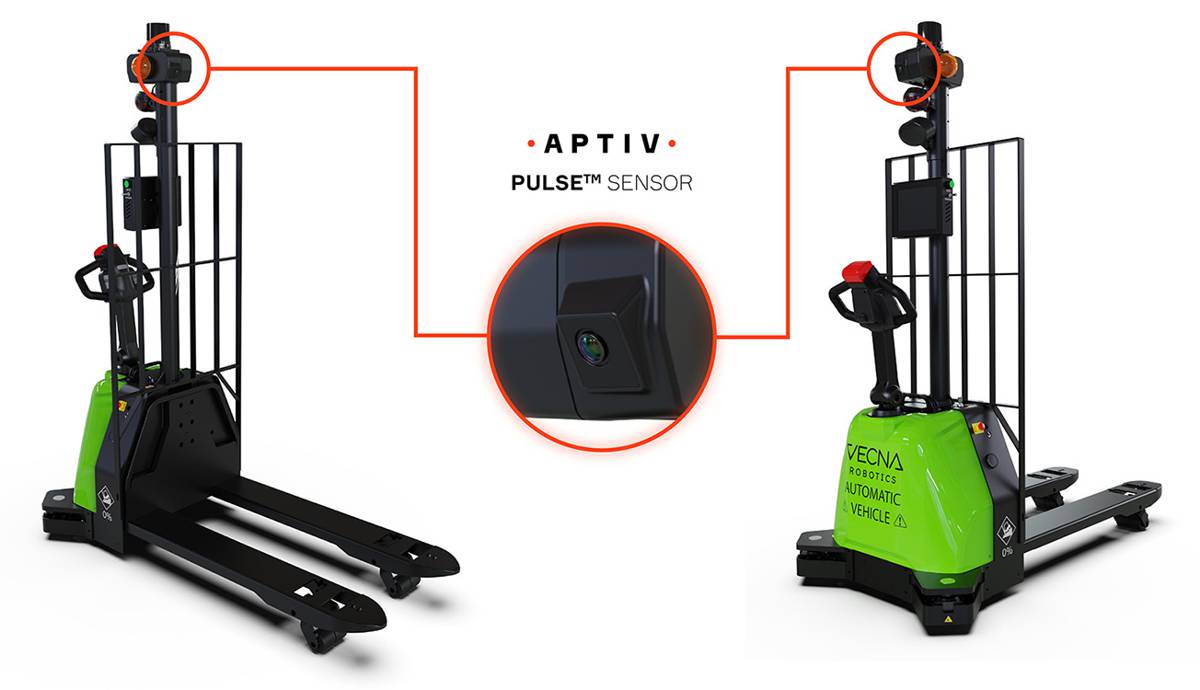
Exhibits include an AI powered collaborative robot and a next generation Autonomous Mobile Robot designed for scalable material handling. These systems integrate the PULSE sensor with advanced compute solutions, demonstrating how perception and decision making technologies can be repurposed across domains.
Additional showcases feature the VxWorks real time operating system, the Wind River Helix Virtualization Platform and the Wind River Cloud Platform. Together, these technologies underline Aptiv’s commitment to reliability, determinism and security across industries where failure is not an option.
A Broader View of Intelligent Systems in Practice
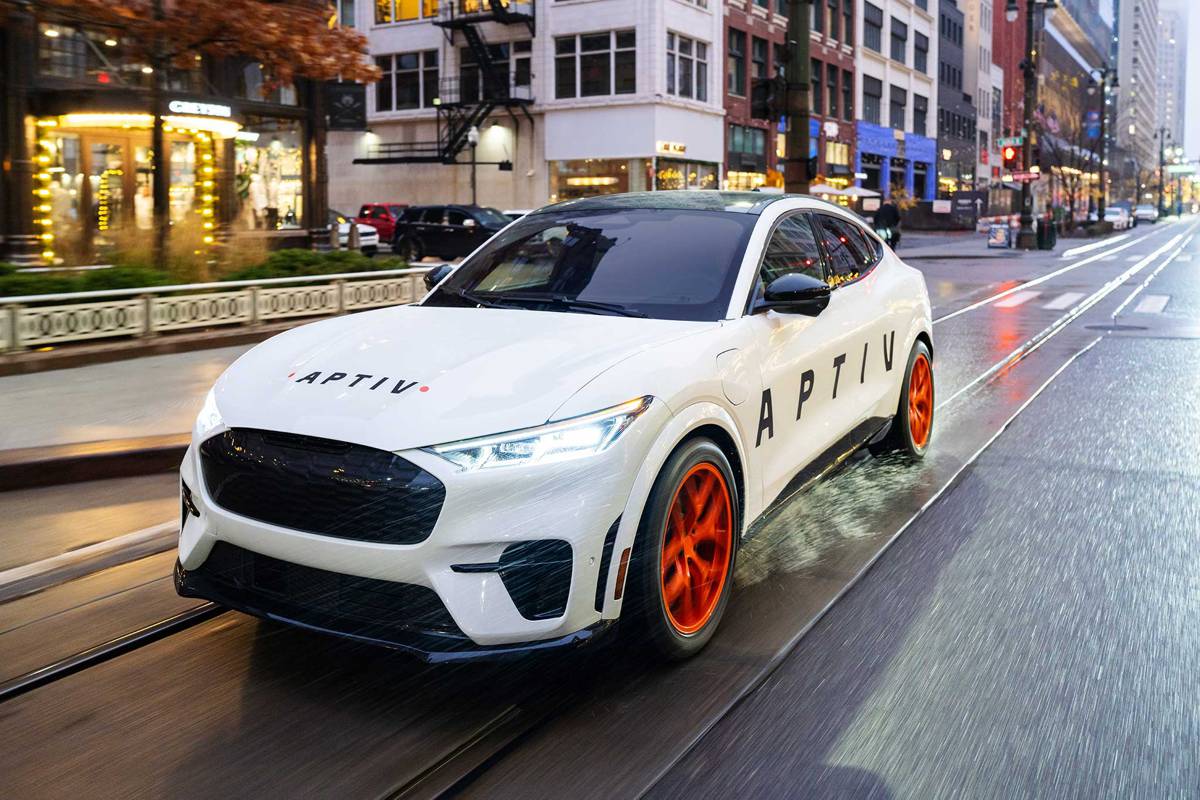
What distinguishes Aptiv’s CES 2026 presence is its emphasis on deployment rather than speculation. The technologies on display are not isolated demonstrations but components of a cohesive strategy to deliver intelligent systems that scale across sectors. By bringing AI closer to the edge, Aptiv enables faster responses, greater resilience and continuous improvement across the lifecycle of complex machines.
As industries increasingly demand autonomy, safety and efficiency, the convergence of sensing, computing, software and connectivity will define competitive advantage. Aptiv’s intelligent edge solutions suggest a future where real time intelligence is not confined to the cloud but embedded directly into the fabric of mobility, robotics and aerospace systems.