28 January 2026

Your Leading International Construction and Infrastructure News Platform
Header Banner – Finance
Why Powertrain Efficiency Matters for the Future of Road Infrastructure

Why Powertrain Efficiency Matters for the Future of Road Infrastructure

Why Powertrain Efficiency Matters for the Future of Road Infrastructure

We talk about fuel efficiency for our wallets. We talk about it for the planet. These are great reasons. But there’s another reason we miss. It’s right beneath our tires. The very roads we drive on are connected to engine efficiency.

Our national infrastructure faces huge challenges. It needs more funding. It needs constant repair. How we power our vehicles plays a direct role in this story. More efficient powertrains ease the burden on the system itself. This connection is subtle but incredibly powerful.

The Tax Revenue Equation

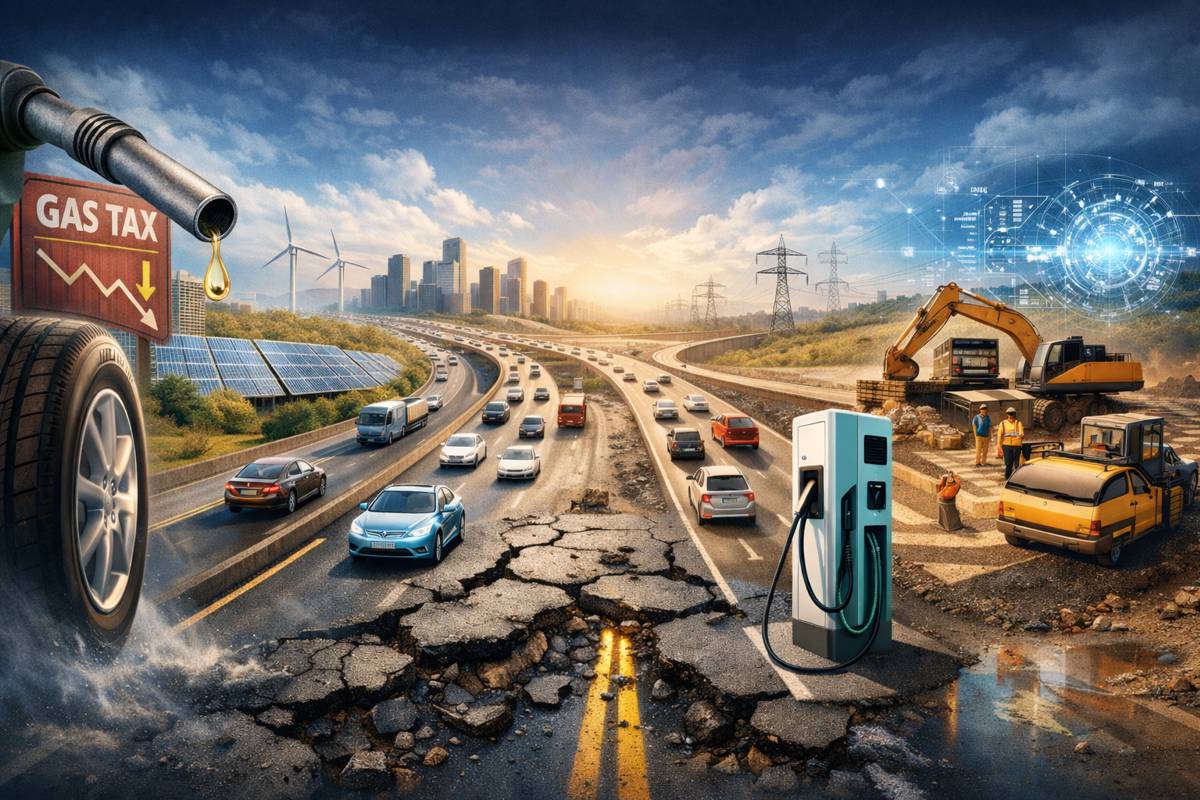
Roads are not free. They are built and maintained with taxes. A significant portion of this money comes from fuel taxes. More efficient vehicles use less fuel per mile. This means they pay less tax per mile traveled. This creates a funding gap. It is a real problem for planners.

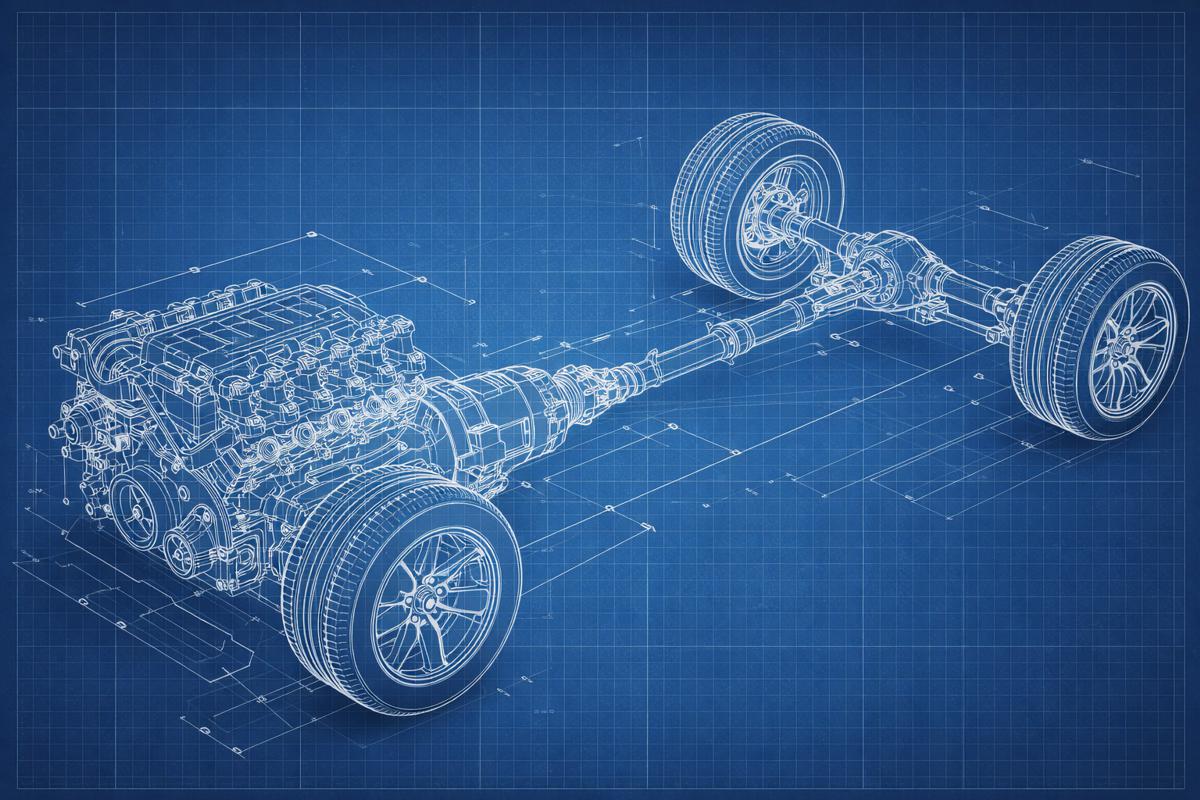
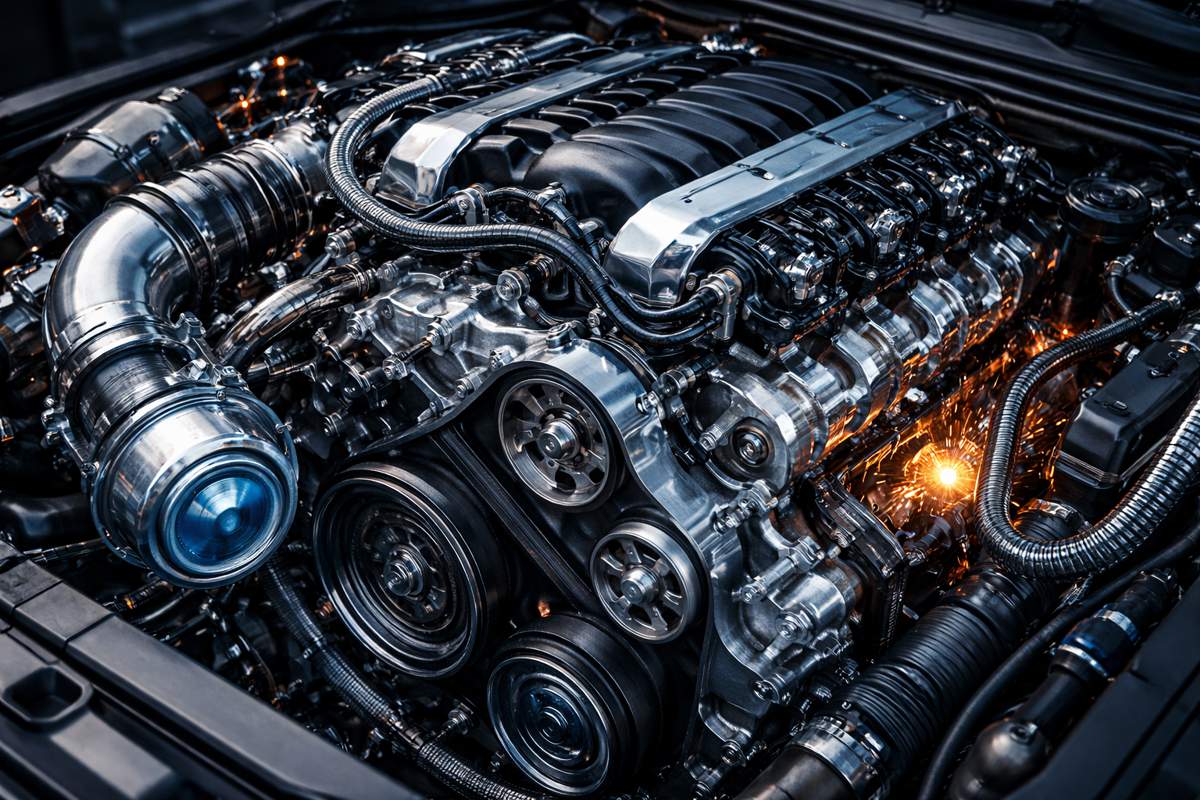
The evolution of common engines highlights this shift. Consider the widespread General Motors 3.6 liter engine. Its later, more efficient versions traveled farther on the same gallon of gas. This is great for the driver’s budget. It also means less tax revenue for the road that driver is using. This efficiency paradox forces a complete rethink of infrastructure funding.

Reducing Wear and Tear from Weight

Heavy vehicles damage roads more. This is a basic principle of physics. Damage increases exponentially with weight. Electric vehicles are a prime example. Their batteries add hundreds of pounds. Efficient internal combustion and hybrid systems fight this trend. They achieve range and power without extreme weight. A lighter vehicle stresses the asphalt less.

This leads to fewer potholes and cracks. It extends the lifespan of road surfaces. Efficient engineering indirectly saves money on repaving projects. It keeps roads smoother for longer.
Why Powertrain Efficiency Matters for the Future of Road Infrastructure We talk about fuel efficiency for our wallets. We talk about it for the planet. These are great reasons. But there’s another reason we miss. It’s right beneath our tires. The very roads we drive on are connected to engine efficiency. Our national infrastructure faces huge challenges. It needs more funding. It needs constant repair. How we power our vehicles plays a direct role in this story. More efficient powertrains ease the burden on the system itself. This connection is subtle but incredibly powerful. The Tax Revenue Equation Roads are not free. They are built and maintained with taxes. A significant portion of this money comes from fuel taxes. More efficient vehicles use less fuel per mile. This means they pay less tax per mile traveled. This creates a funding gap. It is a real problem for planners. The evolution of common engines highlights this shift. Consider the widespread General Motors 3.6 liter engine. Its later, more efficient versions traveled farther on the same gallon of gas. This is great for the driver’s budget. It also means less tax revenue for the road that driver is using. This efficiency paradox forces a complete rethink of infrastructure funding. Reducing Wear and Tear from Weight Heavy vehicles damage roads more. This is a basic principle of physics. Damage increases exponentially with weight. Electric vehicles are a prime example. Their batteries add hundreds of pounds. Efficient internal combustion and hybrid systems fight this trend. They achieve range and power without extreme weight. A lighter vehicle stresses the asphalt less. This leads to fewer potholes and cracks. It extends the lifespan of road surfaces. Efficient engineering indirectly saves money on repaving projects. It keeps roads smoother for longer. The Congestion and Idling Link Traffic jams are a nightmare for infrastructure. They are also a huge waste of fuel. Stop-and-go traffic is where inefficient engines suffer most. Modern efficient powertrains change this. Hybrid systems can use electric power in creeping traffic. Advanced gasoline engines with auto start-stop turn off at lights. This reduces the total fuel burned in congestion. It also reduces the heat and localized emissions poured into the roadway environment. Smoother traffic flow, enabled by efficient vehicles, means less time spent degrading the road in one spot. Enabling Smarter, Lighter Materials Road engineers want to use new materials. These materials might be more durable or more sustainable. They are often more expensive upfront. Efficient vehicles help make this possible. They reduce the extreme heavy truck traffic stress over time. This allows for experimentation with different road compositions. A road designed for a fleet of efficient vehicles has different needs. It can potentially use lighter, longer-lasting composites. The powertrain sets the parameters for the pavement. The Data and Planning Advantage Modern efficient powertrains are data hubs. They communicate. This data is a goldmine for infrastructure planners. They can understand traffic flow patterns in real time. They can see where congestion typically forms. They can monitor the actual load on bridges and roads from different vehicle types. This information helps with smarter maintenance scheduling. It helps design better roads for the future. An efficient, connected fleet provides a clearer picture of how our infrastructure is really used. Supporting the Electric Transition Smoothly The future includes electric cars. Their widespread adoption needs a robust grid. Efficient hybrid and internal combustion vehicles play a crucial role here. They reduce overall electricity demand during the transition. This gives utilities time to upgrade transformers and power lines. It prevents blackouts and brownouts. A managed transition protects the road infrastructure project timelines. These projects often require significant power for construction. Efficient vehicles ease the total energy burden on the system. This keeps all modernization projects on track. A Foundation for Future Funding Models The old fuel-tax model is breaking. Efficient vehicles are the reason. This forces a necessary change. Planners are now looking at alternatives. Mileage-based user fees are a leading idea. Your car would report miles driven. You would pay a tax based on that, not on fuel. Efficient powertrains accelerate this inevitable shift. They push us toward a fairer system. A vehicle that gets 50 MPG uses the road just as much as one that gets 20 MPG. It should contribute equally to its upkeep. Efficiency is driving this logical, if uncomfortable, policy evolution. Building a Sustainable Loop The relationship is now clear. Powertrain efficiency does more than save gas. It forces a modernization of road funding. It encourages lighter vehicle designs. It provides better data for smarter engineering. It supports the energy transition. The road of the future will be different. It will be funded by new methods. It will be built with new materials. It will be maintained using real-time data. The efficient vehicles we build today are the key to that future. They are not just using the infrastructure. They are actively helping us rebuild it, one efficient mile at a time.

The Congestion and Idling Link

Traffic jams are a nightmare for infrastructure. They are also a huge waste of fuel. Stop-and-go traffic is where inefficient engines suffer most. Modern efficient powertrains change this. Hybrid systems can use electric power in creeping traffic.

Advanced gasoline engines with auto start-stop turn off at lights. This reduces the total fuel burned in congestion. It also reduces the heat and localized emissions poured into the roadway environment. Smoother traffic flow, enabled by efficient vehicles, means less time spent degrading the road in one spot.

Enabling Smarter, Lighter Materials

Road engineers want to use new materials. These materials might be more durable or more sustainable. They are often more expensive upfront. Efficient vehicles help make this possible. They reduce the extreme heavy truck traffic stress over time.

This allows for experimentation with different road compositions. A road designed for a fleet of efficient vehicles has different needs. It can potentially use lighter, longer-lasting composites. The powertrain sets the parameters for the pavement.

The Data and Planning Advantage

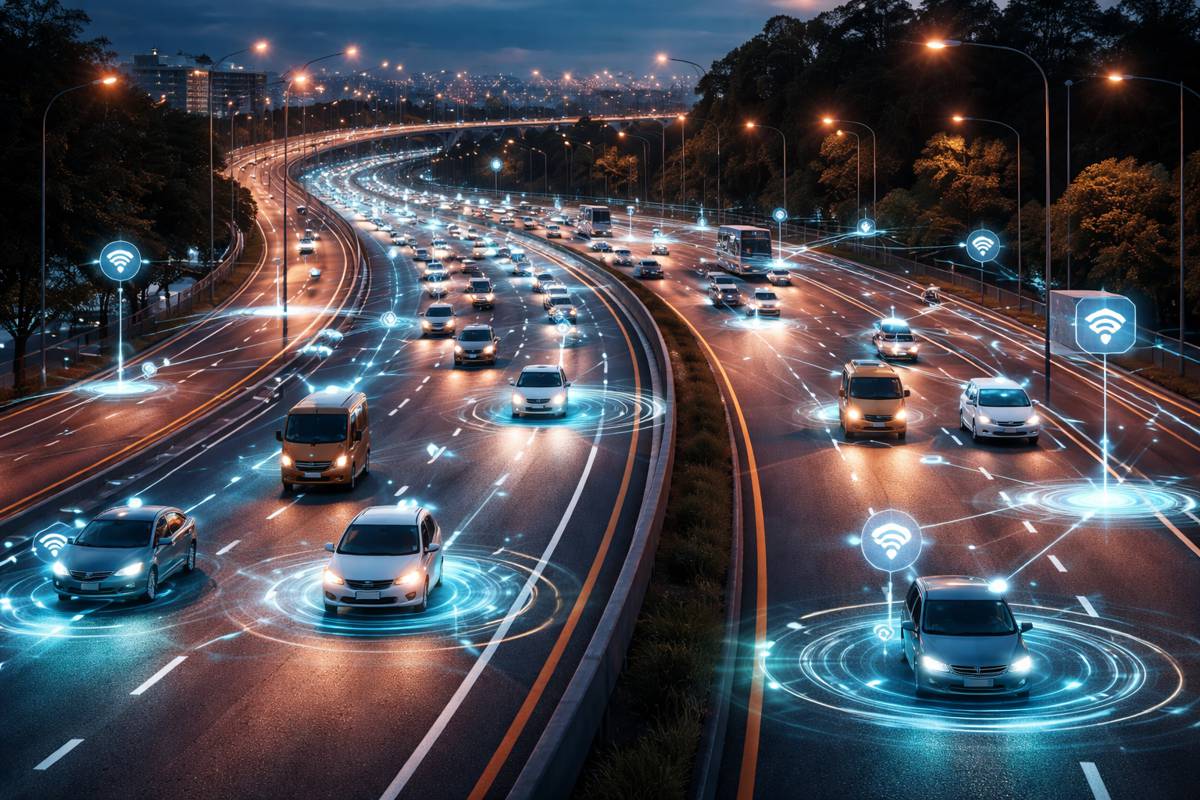
Modern efficient powertrains are data hubs. They communicate. This data is a goldmine for infrastructure planners. They can understand traffic flow patterns in real time. They can see where congestion typically forms.

They can monitor the actual load on bridges and roads from different vehicle types. This information helps with smarter maintenance scheduling. It helps design better roads for the future. An efficient, connected fleet provides a clearer picture of how our infrastructure is really used.
Why Powertrain Efficiency Matters for the Future of Road Infrastructure We talk about fuel efficiency for our wallets. We talk about it for the planet. These are great reasons. But there’s another reason we miss. It’s right beneath our tires. The very roads we drive on are connected to engine efficiency. Our national infrastructure faces huge challenges. It needs more funding. It needs constant repair. How we power our vehicles plays a direct role in this story. More efficient powertrains ease the burden on the system itself. This connection is subtle but incredibly powerful. The Tax Revenue Equation Roads are not free. They are built and maintained with taxes. A significant portion of this money comes from fuel taxes. More efficient vehicles use less fuel per mile. This means they pay less tax per mile traveled. This creates a funding gap. It is a real problem for planners. The evolution of common engines highlights this shift. Consider the widespread General Motors 3.6 liter engine. Its later, more efficient versions traveled farther on the same gallon of gas. This is great for the driver’s budget. It also means less tax revenue for the road that driver is using. This efficiency paradox forces a complete rethink of infrastructure funding. Reducing Wear and Tear from Weight Heavy vehicles damage roads more. This is a basic principle of physics. Damage increases exponentially with weight. Electric vehicles are a prime example. Their batteries add hundreds of pounds. Efficient internal combustion and hybrid systems fight this trend. They achieve range and power without extreme weight. A lighter vehicle stresses the asphalt less. This leads to fewer potholes and cracks. It extends the lifespan of road surfaces. Efficient engineering indirectly saves money on repaving projects. It keeps roads smoother for longer. The Congestion and Idling Link Traffic jams are a nightmare for infrastructure. They are also a huge waste of fuel. Stop-and-go traffic is where inefficient engines suffer most. Modern efficient powertrains change this. Hybrid systems can use electric power in creeping traffic. Advanced gasoline engines with auto start-stop turn off at lights. This reduces the total fuel burned in congestion. It also reduces the heat and localized emissions poured into the roadway environment. Smoother traffic flow, enabled by efficient vehicles, means less time spent degrading the road in one spot. Enabling Smarter, Lighter Materials Road engineers want to use new materials. These materials might be more durable or more sustainable. They are often more expensive upfront. Efficient vehicles help make this possible. They reduce the extreme heavy truck traffic stress over time. This allows for experimentation with different road compositions. A road designed for a fleet of efficient vehicles has different needs. It can potentially use lighter, longer-lasting composites. The powertrain sets the parameters for the pavement. The Data and Planning Advantage Modern efficient powertrains are data hubs. They communicate. This data is a goldmine for infrastructure planners. They can understand traffic flow patterns in real time. They can see where congestion typically forms. They can monitor the actual load on bridges and roads from different vehicle types. This information helps with smarter maintenance scheduling. It helps design better roads for the future. An efficient, connected fleet provides a clearer picture of how our infrastructure is really used. Supporting the Electric Transition Smoothly The future includes electric cars. Their widespread adoption needs a robust grid. Efficient hybrid and internal combustion vehicles play a crucial role here. They reduce overall electricity demand during the transition. This gives utilities time to upgrade transformers and power lines. It prevents blackouts and brownouts. A managed transition protects the road infrastructure project timelines. These projects often require significant power for construction. Efficient vehicles ease the total energy burden on the system. This keeps all modernization projects on track. A Foundation for Future Funding Models The old fuel-tax model is breaking. Efficient vehicles are the reason. This forces a necessary change. Planners are now looking at alternatives. Mileage-based user fees are a leading idea. Your car would report miles driven. You would pay a tax based on that, not on fuel. Efficient powertrains accelerate this inevitable shift. They push us toward a fairer system. A vehicle that gets 50 MPG uses the road just as much as one that gets 20 MPG. It should contribute equally to its upkeep. Efficiency is driving this logical, if uncomfortable, policy evolution. Building a Sustainable Loop The relationship is now clear. Powertrain efficiency does more than save gas. It forces a modernization of road funding. It encourages lighter vehicle designs. It provides better data for smarter engineering. It supports the energy transition. The road of the future will be different. It will be funded by new methods. It will be built with new materials. It will be maintained using real-time data. The efficient vehicles we build today are the key to that future. They are not just using the infrastructure. They are actively helping us rebuild it, one efficient mile at a time.

Supporting the Electric Transition Smoothly

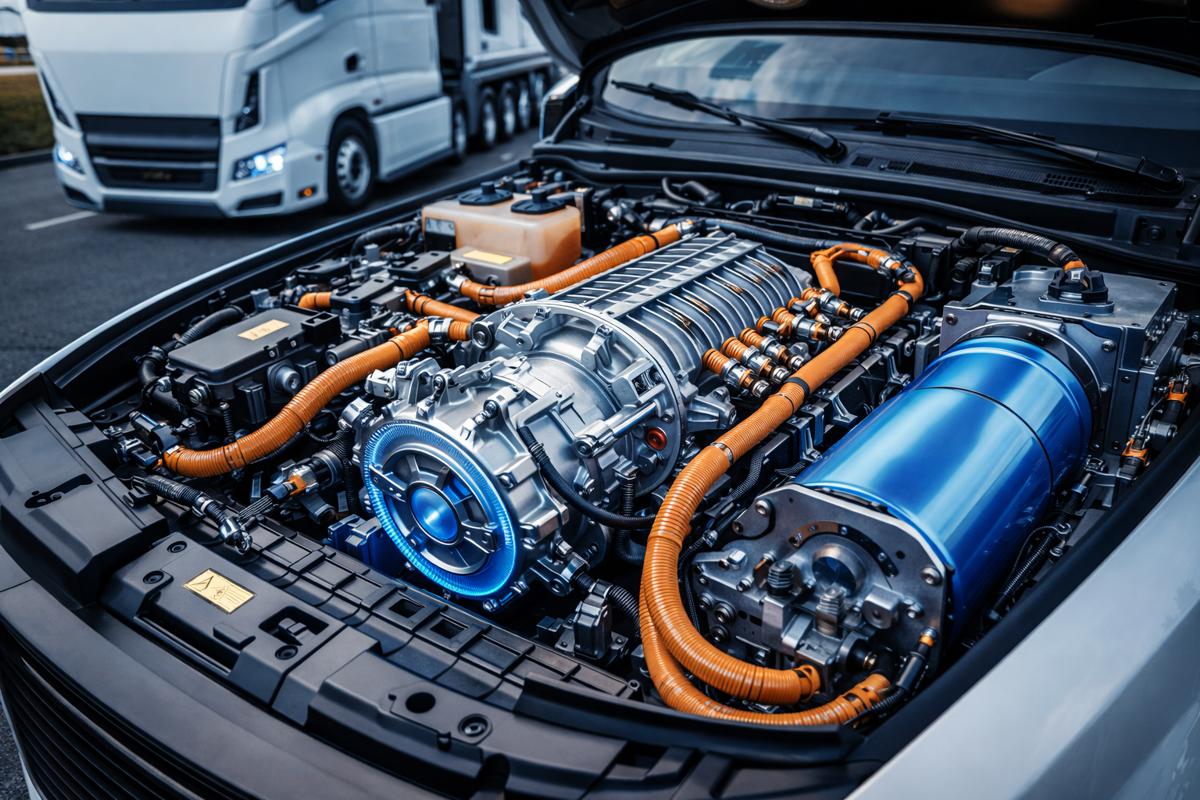
The future includes electric cars. Their widespread adoption needs a robust grid. Efficient hybrid and internal combustion vehicles play a crucial role here. They reduce overall electricity demand during the transition. This gives utilities time to upgrade transformers and power lines. It prevents blackouts and brownouts.

A managed transition protects the road infrastructure project timelines. These projects often require significant power for construction. Efficient vehicles ease the total energy burden on the system. This keeps all modernization projects on track.

A Foundation for Future Funding Models

The old fuel-tax model is breaking. Efficient vehicles are the reason. This forces a necessary change. Planners are now looking at alternatives. Mileage-based user fees are a leading idea. Your car would report miles driven. You would pay a tax based on that, not on fuel. Efficient powertrains accelerate this inevitable shift. They push us toward a fairer system.

A vehicle that gets 50 MPG uses the road just as much as one that gets 20 MPG. It should contribute equally to its upkeep. Efficiency is driving this logical, if uncomfortable, policy evolution.

Building a Sustainable Loop

The relationship is now clear. Powertrain efficiency does more than save gas. It forces a modernization of road funding. It encourages lighter vehicle designs. It provides better data for smarter engineering. It supports the energy transition.

The road of the future will be different. It will be funded by new methods. It will be built with new materials. It will be maintained using real-time data. The efficient vehicles we build today are the key to that future. They are not just using the infrastructure. They are actively helping us rebuild it, one efficient mile at a time.

Why Powertrain Efficiency Matters for the Future of Road Infrastructure We talk about fuel efficiency for our wallets. We talk about it for the planet. These are great reasons. But there’s another reason we miss. It’s right beneath our tires. The very roads we drive on are connected to engine efficiency. Our national infrastructure faces huge challenges. It needs more funding. It needs constant repair. How we power our vehicles plays a direct role in this story. More efficient powertrains ease the burden on the system itself. This connection is subtle but incredibly powerful. The Tax Revenue Equation Roads are not free. They are built and maintained with taxes. A significant portion of this money comes from fuel taxes. More efficient vehicles use less fuel per mile. This means they pay less tax per mile traveled. This creates a funding gap. It is a real problem for planners. The evolution of common engines highlights this shift. Consider the widespread General Motors 3.6 liter engine. Its later, more efficient versions traveled farther on the same gallon of gas. This is great for the driver’s budget. It also means less tax revenue for the road that driver is using. This efficiency paradox forces a complete rethink of infrastructure funding. Reducing Wear and Tear from Weight Heavy vehicles damage roads more. This is a basic principle of physics. Damage increases exponentially with weight. Electric vehicles are a prime example. Their batteries add hundreds of pounds. Efficient internal combustion and hybrid systems fight this trend. They achieve range and power without extreme weight. A lighter vehicle stresses the asphalt less. This leads to fewer potholes and cracks. It extends the lifespan of road surfaces. Efficient engineering indirectly saves money on repaving projects. It keeps roads smoother for longer. The Congestion and Idling Link Traffic jams are a nightmare for infrastructure. They are also a huge waste of fuel. Stop-and-go traffic is where inefficient engines suffer most. Modern efficient powertrains change this. Hybrid systems can use electric power in creeping traffic. Advanced gasoline engines with auto start-stop turn off at lights. This reduces the total fuel burned in congestion. It also reduces the heat and localized emissions poured into the roadway environment. Smoother traffic flow, enabled by efficient vehicles, means less time spent degrading the road in one spot. Enabling Smarter, Lighter Materials Road engineers want to use new materials. These materials might be more durable or more sustainable. They are often more expensive upfront. Efficient vehicles help make this possible. They reduce the extreme heavy truck traffic stress over time. This allows for experimentation with different road compositions. A road designed for a fleet of efficient vehicles has different needs. It can potentially use lighter, longer-lasting composites. The powertrain sets the parameters for the pavement. The Data and Planning Advantage Modern efficient powertrains are data hubs. They communicate. This data is a goldmine for infrastructure planners. They can understand traffic flow patterns in real time. They can see where congestion typically forms. They can monitor the actual load on bridges and roads from different vehicle types. This information helps with smarter maintenance scheduling. It helps design better roads for the future. An efficient, connected fleet provides a clearer picture of how our infrastructure is really used. Supporting the Electric Transition Smoothly The future includes electric cars. Their widespread adoption needs a robust grid. Efficient hybrid and internal combustion vehicles play a crucial role here. They reduce overall electricity demand during the transition. This gives utilities time to upgrade transformers and power lines. It prevents blackouts and brownouts. A managed transition protects the road infrastructure project timelines. These projects often require significant power for construction. Efficient vehicles ease the total energy burden on the system. This keeps all modernization projects on track. A Foundation for Future Funding Models The old fuel-tax model is breaking. Efficient vehicles are the reason. This forces a necessary change. Planners are now looking at alternatives. Mileage-based user fees are a leading idea. Your car would report miles driven. You would pay a tax based on that, not on fuel. Efficient powertrains accelerate this inevitable shift. They push us toward a fairer system. A vehicle that gets 50 MPG uses the road just as much as one that gets 20 MPG. It should contribute equally to its upkeep. Efficiency is driving this logical, if uncomfortable, policy evolution. Building a Sustainable Loop The relationship is now clear. Powertrain efficiency does more than save gas. It forces a modernization of road funding. It encourages lighter vehicle designs. It provides better data for smarter engineering. It supports the energy transition. The road of the future will be different. It will be funded by new methods. It will be built with new materials. It will be maintained using real-time data. The efficient vehicles we build today are the key to that future. They are not just using the infrastructure. They are actively helping us rebuild it, one efficient mile at a time.

About The Author

Anthony brings a wealth of global experience to his role as Managing Editor of Highways.Today. With an extensive career spanning several decades in the construction industry, Anthony has worked on diverse projects across continents, gaining valuable insights and expertise in highway construction, infrastructure development, and innovative engineering solutions. His international experience equips him with a unique perspective on the challenges and opportunities within the highways industry.

Related posts