Is Lane Splitting Legal and How Does it Affect Accident Liability?
Around 80% of California’s motorcycle riders have reported that they have split lanes on a freeway at some point in their lives, and 37% do so every time they are on a freeway.
Lane splitting laws vary greatly between states. Legal rights in one state may not be respected in a different state. For example, is lane splitting legal in California? California is the only state that allows bikers to ride in between the lane folds of moving or even stationary traffic.
Such a difference in legality concerning lane splitting gives rise to complexities about fault assessment, settlement of the insurance claims, and the issue of negligence.
Let’s talk about what is involved legally in the concept of lane splitting and how state laws in different jurisdictions affect lane splitting’s contribution to accident liability.
The Legal Definition of Lane Splitting and Its Impact on Liability
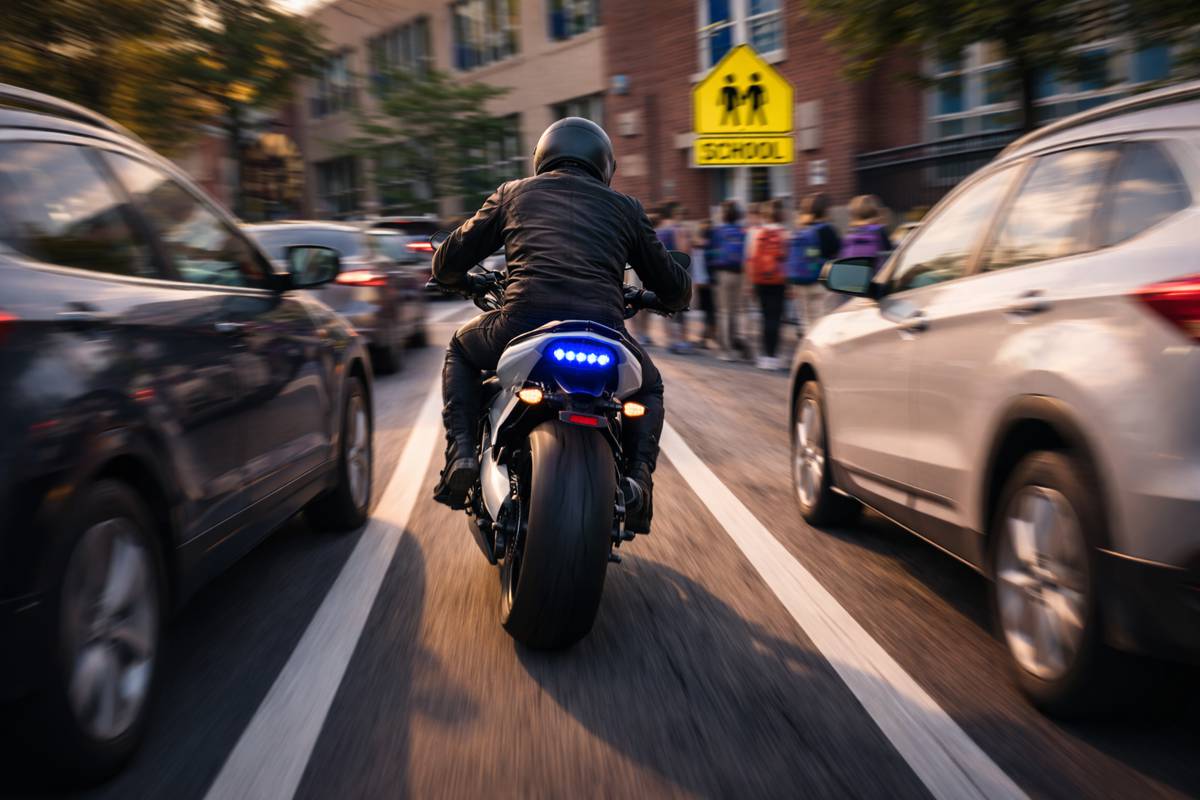
Lane splitting involves riding between traffic lanes on a motorcycle during times of slow or stopped vehicle movement. This act differs vastly between legal jurisdictions. Some areas permit the practice, while others consider it necessary to stop traffic congestion through official channels. Some jurisdictions outright prohibit it, potentially subjecting riders to sanctions or legal action for engaging in rides on the middle-drawn line.
Lane splitting can heavily influence liability in accident cases. An example of a lane-splitting incident could include striking a car going in the opposite direction. This kind of head-on collision induces a lot of trauma to the body. According to car accident lawyer Brian Egolf, such a collision normally results from a vehicle crossing the centreline into the opposite lane of traffic. The individual who engaged in lane-splitting would be responsible, especially if it happened in a jurisdiction where it is illegal.
Get informed about your state’s traffic laws and protect your rights, too. By understanding these particular legal structures, you can at least have comfort when traveling the roads.

Understanding Lane Splitting’s Role in Motorcycle Accident Liability
The process of determining when lane splitting becomes an act of freedom results in difficulties that lead to challenges in establishing fault for accidents.
Third-party involvement in cases creates complications. These parties will attempt to prove their point even when shared liability exists for reckless riding. This situation can happen when road conditions remain unclear.
The insurance assessment process evaluates these events since contributing factors increase the severity of the damage you incur, which in turn affects your compensation. Your claims will face difficulties if you engaged in lane-splitting practices and violated local traffic regulations. Understanding liability requires you to learn all available information about traffic rules. You need to take precautions when on the road since traffic accidents have the potential to happen at any time.
Lane Splitting Laws by State: A Comparison
All motorcyclists must understand the laws about lane splitting. The laws are chiefly different from one state to another.
For instance, California considers lane splitting a legal act and outlines the necessary safety requirements. States like Texas and Florida do not officially permit lane splitting.
In some states like New York, law provides no clarity and leaves motorcyclists unsure of their rights. Others, like Utah, allow lane filtering. This practice is another name for lane splitting but with somewhat different qualifications.
It is very important to learn the distinction of lane-splitting in different jurisdictions since breaching these rules may impact responsibility during road accidents and insurance claims. Check speed limits when cruising down wide lanes to maintain safety when on the road.

Lane Splitting and Insurance: What You Should Know
In connection with lane splitting, insurance firms see it as an unsafe manoeuvre used by riders. Several insurers hike up the premium cost or deny the policy based on the involvement of motorcycles in lane splitting. Insurance companies normally examine the factors surrounding the accident. They will look into lane splitting and check if it affected one’s liability in the accident.
You must understand that each state establishes its own lane-splitting regulations since this requirement affects your insurance coverage. Your insurance claims will be rejected if you violate the lane-splitting regulations that exist in your area.
When renewing a policy or obtaining a new insurance policy, motorcyclists should inquire about lane-splitting restrictions so that they know if they have the freedom to practice this road behaviour. Riders should receive some basic safety information about how driving a motorcycle entails the avoidance of risky scenarios.
How to Lane Split Safely and Legally
You must learn all state driving laws if you plan to use fast lane splitting. To guarantee that you comply with traffic laws and policies, study the present-day legal requirements. Such requirements are normally within a state’s highway code.
Lane-splitting should be practiced only under safe road conditions. One should maintain a good pace with tail-end traffic, usually 10 to 15 mph slower than the usual speed they would drive.
To remain safe, watch out for potholes and road debris. It is never a wise idea to lane-split between big vehicles since your visibility will be compromised. Using turn signals to indicate your turning direction is a good idea. This practice prevents confusion and lets other drivers know of what you plan to do next. Always keep a safe distance between vehicles.
A low-traffic road is the place to practice riding between lanes before attempting it on high-traffic highways or nested large sections of highway. Lane splitting can be safe as long as the person employing it does so with a rational mentality and utmost responsibility.
Motorcyclists are urged to inquire very early on about the legality of the manoeuvre of lane splitting to avoid any unwanted legal problems. Riding safely and practicing lane splitting is encouraged. Being aware of local traffic updates could be a way to help circumvent road challenges ahead and minimize legal consequences that might arise.