How Upgrading Your Tires Can Transform Your Driving Experience
Most drivers don’t realize how much their tires affect the way a car feels on the road. Worn or outdated tires can make driving noisy, rough, and stressful, even on short trips. Upgrading your tires is one of the simplest ways to improve comfort, control, and confidence behind the wheel.
Better tires can help your car grip the road, handle turns smoothly, and stop more safely in all kinds of weather. Whether you commute daily or enjoy weekend drives, the right tires can make every mile feel easier and more enjoyable. This guide explains how new tires can truly change your driving experience.
What You’ll Notice Right Away After Upgrading
New tires aren’t subtle. The difference hits you within the first mile, sometimes the first intersection. Modern rubber compounds and deep tread grooves give you grip instead of slip. Here’s a stat that matters: underinflated tires hurt fuel economy by roughly 1% for every 10 psi drop, according to research. That risk is even more noticeable on everyday sizes, where low pressure doesn’t just waste fuel, it also increases stopping distances and weakens control when things go wrong.
Modern tire designs enhance traction, reduce road noise, and provide stronger grip during braking and cornering, giving drivers more confidence in both city traffic and highway cruising. Choosing the right size matters just as much as tread design, and switching to 205/75R15 tires can offer a balanced combination of comfort, stability, and load support for many passenger vehicles.
The ride gets noticeably smoother and quieter
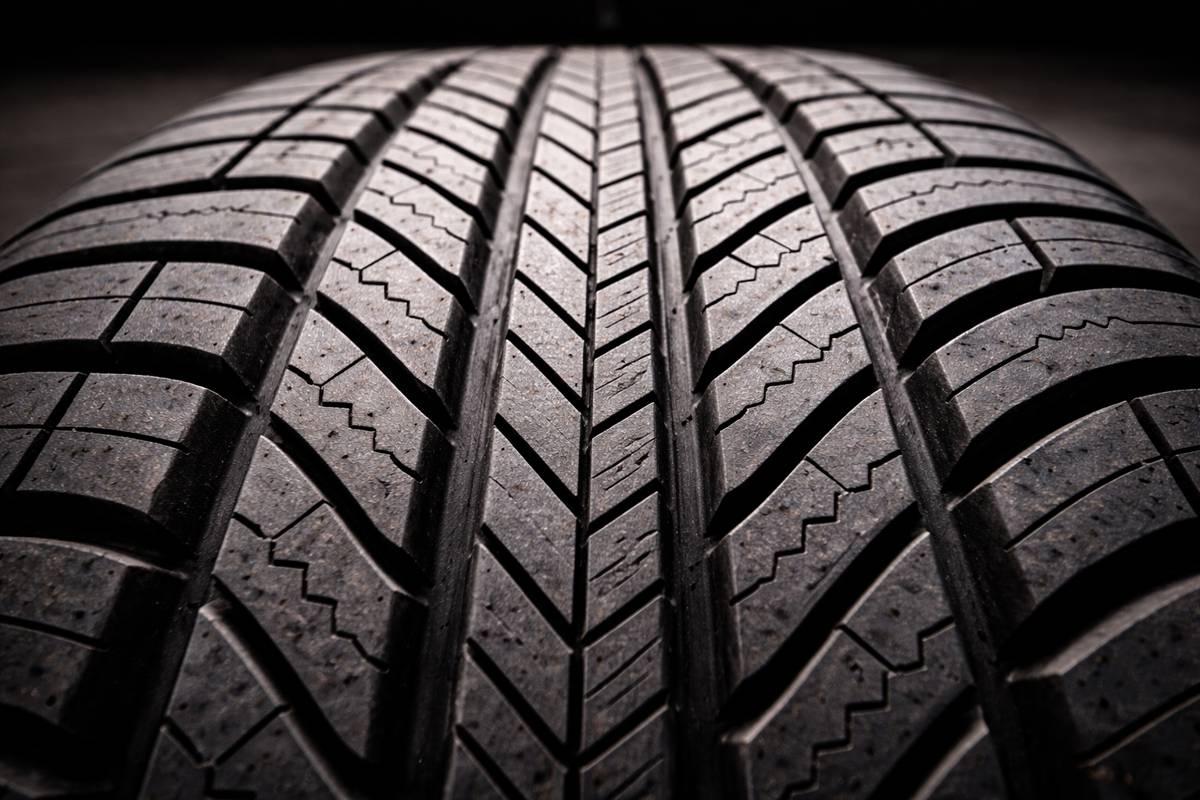
Sidewall design, tread layout, and even the sequence of tread blocks all work together to soak up road imperfections and kill that annoying highway drone. The best tires for driving comfort often include foam layers or variable-pitch tread patterns that stop vibrations before they ever reach your steering wheel. Less noise. Fewer jolts over rough patches. It’s that simple.
Pro move: If comfort beats performance in your priority list, go with touring tires instead of sport-focused options. Your back will feel the difference on long drives.
Steering feels tighter and corners actually feel secure
Stiffer sidewalls and better contact patch design mean your steering wheel does what you tell it to do, faster. When you upgrade tires built for responsiveness, turn-in gets sharper and body roll decreases. Your car feels eager instead of lazy through curves.
Match it right: Touring tires lean toward comfort. Ultra-high-performance rubber prioritizes grip and quick response but sacrifices tread longevity and ride softness. Pick what fits how you actually drive.
Your fuel economy improves
Low-rolling-resistance compounds waste less energy flexing and heating up, which translates directly to better mpg. EV drivers get extra range. This is one of those rare upgrades that literally pays you back in saved fuel costs, sometimes hundreds of dollars before you need new tires again.
Do this monthly: Check tire pressure. Grab tires marketed for low rolling resistance if you rack up highway miles or want to maximize EV charging intervals.
Now you know what changes. Next question: which tire type actually delivers what you need for your specific roads and driving habits?
Picking the Right Tire Category for How You Actually Drive
Different tires chase different goals. The trick is matching rubber to the roads you drive every day, not the fantasy roads you imagine on weekends.
Touring tires for commuters and family haulers
These prioritize quiet operation, cushioned ride quality, and long warranties. Perfect for people whose miles mostly happen between home, work, and grocery runs. If passengers complain about noise or you value comfort over canyon-carving grip, touring tires nail it.
Ultra-high-performance rubber for enthusiasts
UHP tires deliver serious grip, fast steering response, and confident cornering, but they wear out quicker and ride harsher. Temperature matters too: cold rubber loses traction, and worn UHP tires hydroplane easier than you’d think. Great for spirited drives, less ideal for daily pothole dodging.
All-weather tires when seasons get unpredictable
Look for the three-peak mountain snowflake symbol (3PMSF). These handle snow and ice way better than standard all-season tires without requiring you to swap rubber twice a year. Perfect middle ground for areas with occasional winter weather that doesn’t justify dedicated snow tires.
All-terrain versus highway-terrain for trucks and SUVs
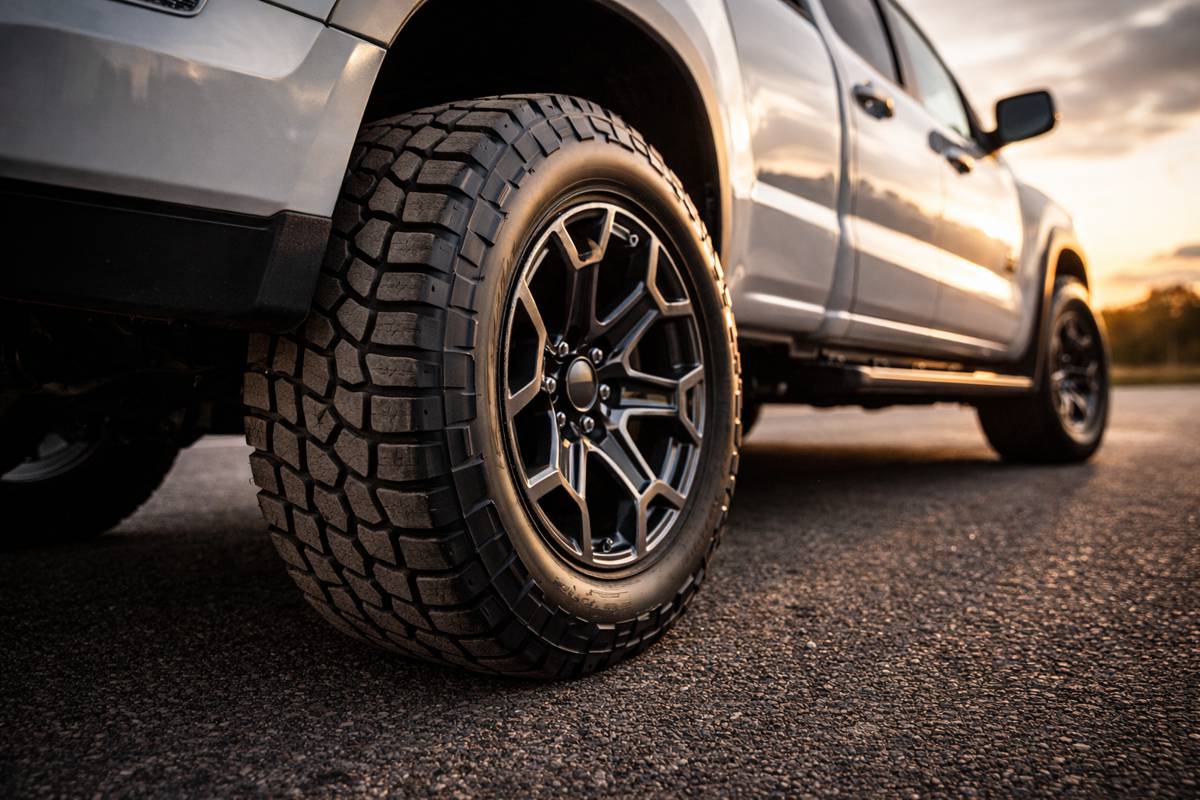
AT tires handle light off-roading decently but generate more noise and feel a bit vague in hard cornering on pavement. Highway-terrain tires stay quieter and grip better in rain but won’t love gravel roads. Choose based on whether you actually leave pavement regularly.
EV-specific designs and high-load ratings
Electric vehicles are heavy and deliver instant torque, which beats up tires differently than gas engines. EV-specific tires use reinforced construction, higher load ratings, and acoustic dampening to handle the extra weight and keep cabins quiet. Always verify load-index numbers, overloaded tires wear fast and create real safety risks.
Understanding categories helps, but picking wrong specs can undo every benefit and create new problems. Here’s how to get the details right without expensive trial and error.
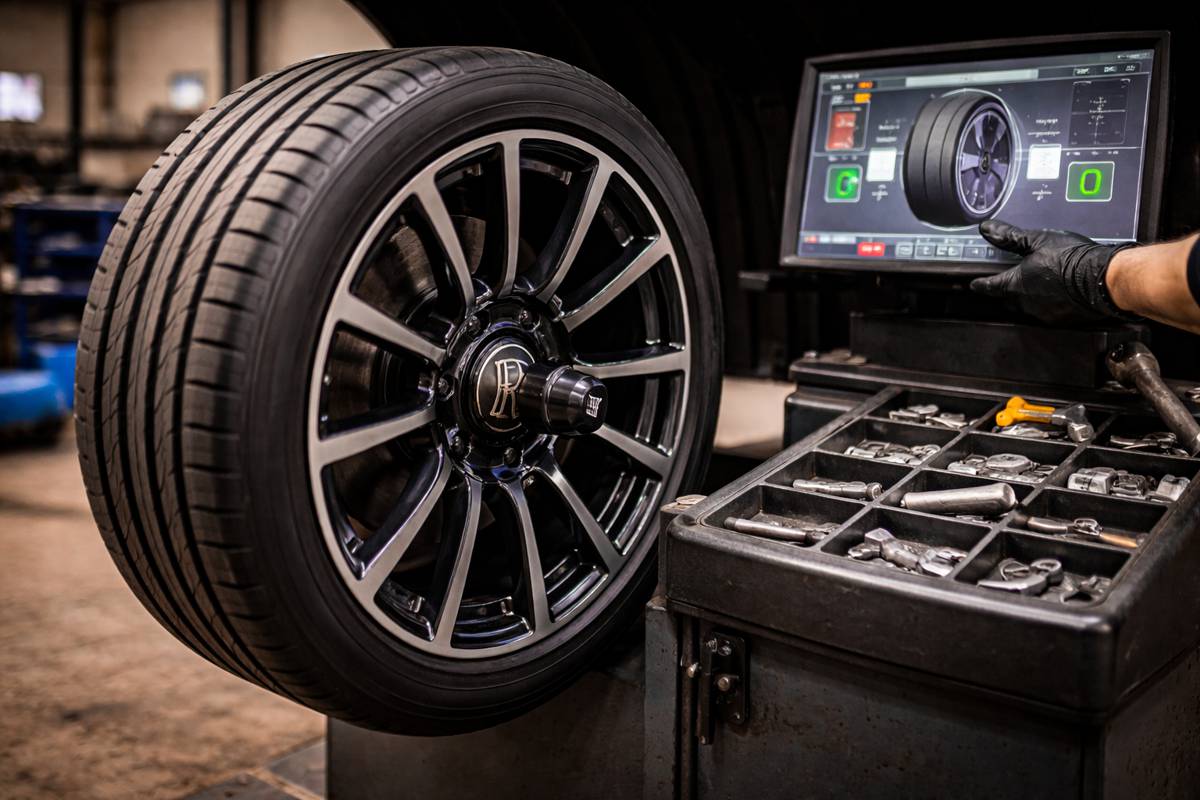
How to Match Tire Specs to Real Performance
Getting the numbers right means your tires actually work with your vehicle instead of fighting it.
Size, load rating, and speed rating aren’t optional
These directly impact comfort, handling, and braking. Your door jamb has a placard listing the baseline, never go below those ratings. If your vehicle needs 205/75R15 tires, double-check that exact size against the placard and existing sidewall markings before you order. This keeps ride height, braking feel, and steering response exactly where the engineers intended.
Match tread pattern to your real-world roads
Symmetric patterns wear evenly and predictably. Asymmetric designs balance wet and dry performance in one tire. Directional patterns excel when heavy rain is common. If you regularly drive through downpours, prioritize deep circumferential grooves and high wet-traction scores.
Understanding compound and treadwear trade-offs
Softer rubber grips better but dies faster. Harder compounds last longer but give up ultimate traction. The UTQG treadwear rating offers clues, but actual lifespan depends heavily on your roads and driving habits. Decide your priority: longevity, comfort, or performance, before you start shopping.
Sidewall profile impacts ride and durability
Lower-profile tires respond quicker but ride rougher and suffer more damage from potholes. Taller profiles cushion bumps and protect wheels. Keep overall diameter consistent or you’ll throw off your speedometer and possibly create clearance issues.
Even perfect tires degrade over time, and waiting too long erases every smart decision you just made. Use this checklist to catch problems before they compromise safety.
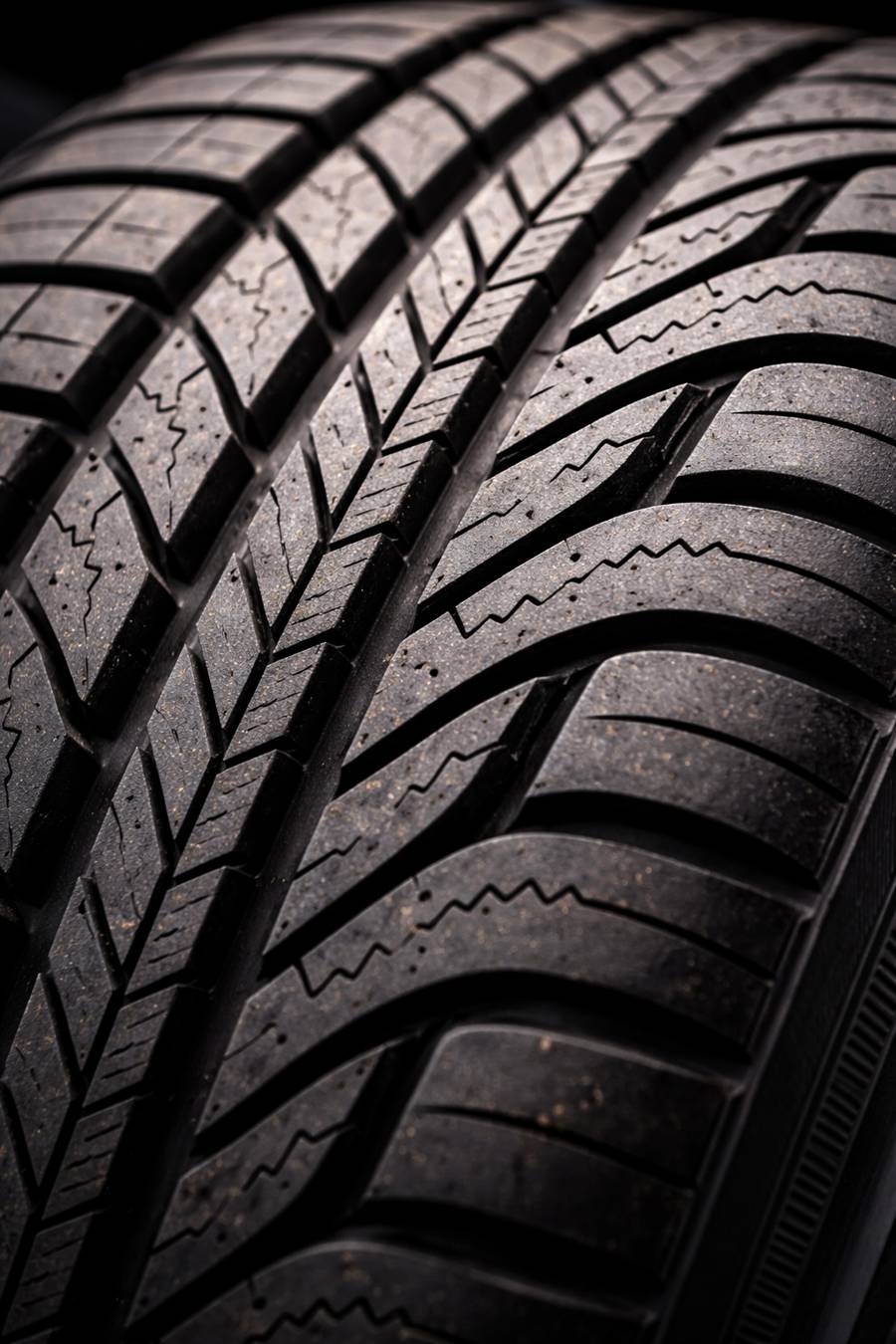
Knowing When It’s Actually Time to Replace Your Tires
Tread depth tells part of the story, but “looks okay” can hide serious risks.
Don’t wait until you hit the legal minimum
Use a proper gauge and replace before hitting 2/32″. If wet traction matters to you, and it should, consider replacement at 4/32″ to maintain hydroplaning resistance and strong braking in rain.
Age and weather damage matter as much as tread
Check the DOT date code moulded into your sidewall. Tires older than six years lose flexibility and develop cracks, even with decent-looking tread. Inspect for sidewall cracking and replace aging rubber regardless of remaining tread depth.
Pay attention to what you feel while driving
Pulling to one side, vibrations, longer stopping distances, increased road noise, or sudden hydroplaning all signal trouble. Sometimes these point to alignment or balance problems, but they can also mean hidden internal tire damage that requires replacement.
Uneven wear patterns reveal other problems
Cupping, inside-edge wear, centre wear, or feathering expose alignment issues, worn suspension parts, or chronic inflation problems. Fix the underlying cause before installing new tires or you’ll burn through expensive fresh rubber embarrassingly fast.
Replacement timing matters, but even brand-new tires won’t deliver full performance without proper setup. These tweaks multiply your investment.
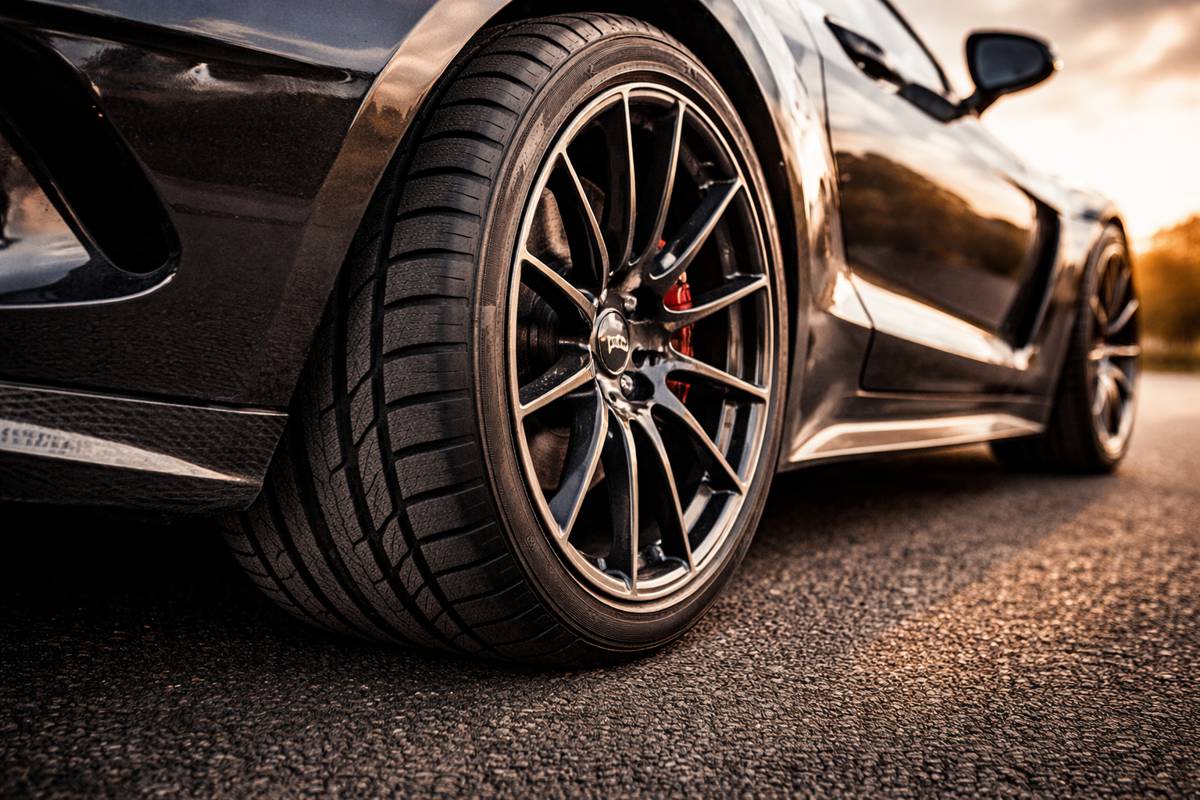
The Contact Patch Is Where Everything Happens
Every single mile you drive happens through four patches of rubber smaller than your smartphone. Picking the right tires, and maintaining them properly, changes how your vehicle stops, turns, and feels every day. Whether comfort, confidence, or cost savings matter most to you, the benefits of new tires start immediately.
Don’t wait for problems to multiply. Your next drive deserves better grip, smoother pavement feel, and the quiet confidence that comes from knowing your tires actually work as hard as you do behind that wheel.

Questions People Actually Ask About Tire Upgrades
When should I replace tires if the tread looks fine but handling feels off?
Check tire age using the DOT code and inspect sidewalls for cracks or bulges. Replace tires older than six years regardless of tread appearance.
Do new tires actually improve fuel economy or EV range in real driving?
Absolutely. Fresh tread and low-rolling-resistance designs reduce wasted energy, improving mpg and extending EV range. Proper inflation multiplies the benefit.
Are performance tires worth it for regular commuting?
Only if you genuinely prioritize grip and handling over longevity and comfort. Most commuters get better everyday value from touring tires.