Beyond Breakdowns: The Critical Role of Towing Services in Highway Safety and Efficiency
Modern highways are often viewed through the lens of engineering, lanes, bridges, interchanges, and intelligent traffic systems. Yet beneath this visible infrastructure lies a less obvious but equally vital network of services that keeps roads functioning efficiently.
Among these, towing and roadside recovery services play a central role. While often associated with breakdowns or accidents, their contribution extends far beyond individual incidents. They are part of a broader system designed to maintain traffic flow, reduce congestion, and enhance safety across transportation networks.
As traffic volumes increase and logistics systems become more complex, the importance of rapid-response support services is becoming increasingly clear.
Incident Response and Traffic Flow
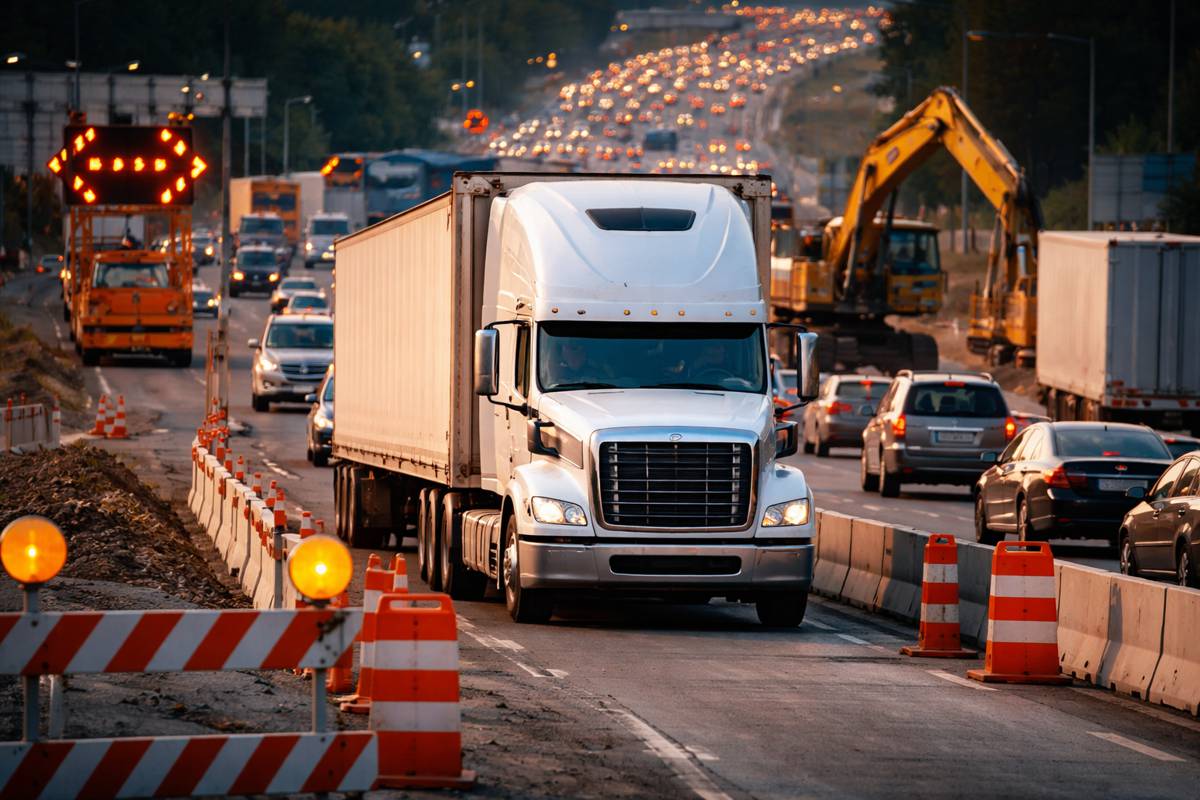
Every disruption on a highway, whether caused by a stalled vehicle, collision, or mechanical failure, has the potential to ripple outward. Even a single blocked lane can lead to congestion that stretches for miles, affecting not only individual drivers but also commercial transport schedules and emergency response times.
The speed at which incidents are cleared is therefore critical. This is where towing services become an essential component of traffic management.
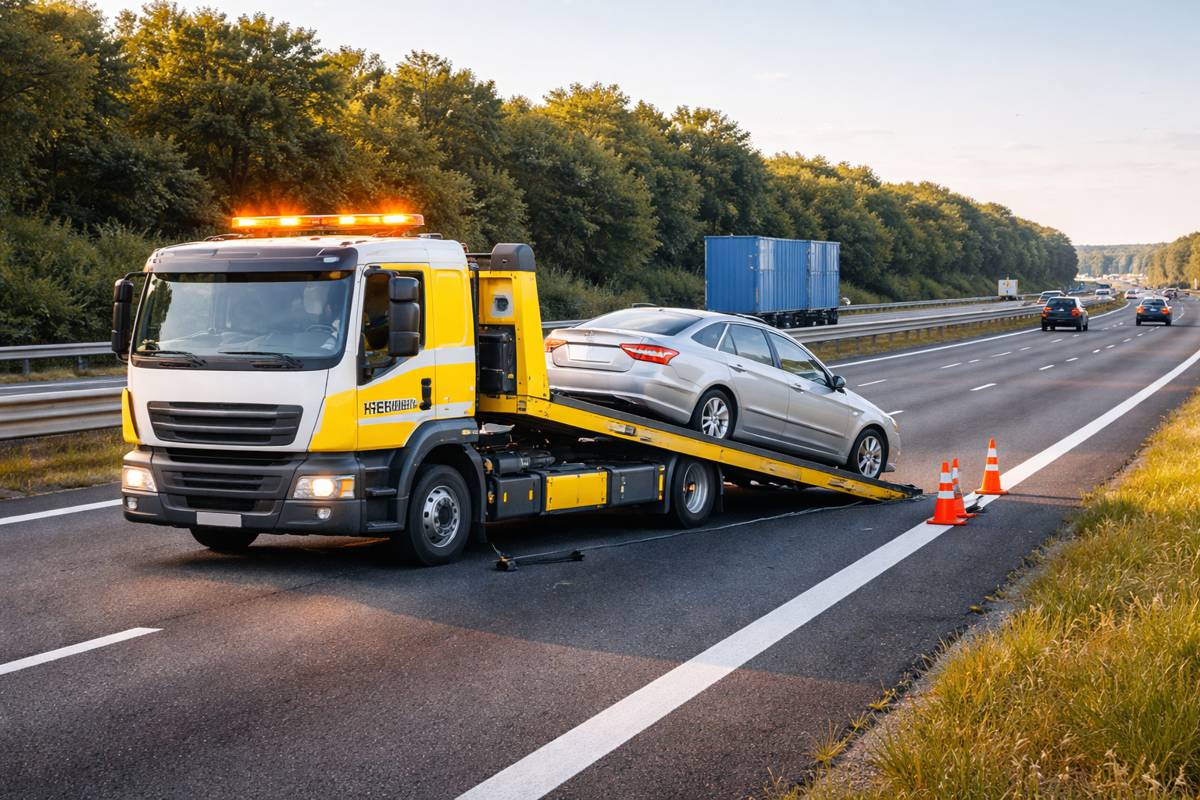
Operators such as Diamond Towing, who specialize in prompt vehicle recovery and roadside assistance, help ensure that incidents are addressed quickly and efficiently. By removing disabled vehicles and supporting on-site recovery efforts, they contribute directly to restoring normal traffic conditions.
This rapid response reduces the likelihood of secondary accidents, which often occur when drivers encounter unexpected slowdowns or obstructions.
Safety at the Scene
Beyond maintaining traffic flow, towing services play a crucial role in ensuring safety at incident sites. Highways are inherently hazardous environments, particularly when vehicles are stopped or moving unpredictably.
Recovery professionals are trained to operate within these conditions, coordinating with law enforcement and emergency responders to secure the scene. Their work includes positioning vehicles safely, managing debris, and assisting in the removal of damaged or disabled vehicles.
According to the Federal Highway Administration, quick clearance strategies are among the most effective ways to reduce crash risks and improve roadway safety. This underscores the importance of having reliable towing and recovery services integrated into broader traffic management systems.
Supporting Commercial Transport and Logistics
The impact of towing services extends beyond private vehicles. For the commercial transport sector, delays caused by breakdowns or accidents can have significant financial and operational consequences.
Freight schedules are often tightly coordinated, with little room for unexpected disruptions. When a truck experiences mechanical issues on a major route, the ability to recover and relocate the vehicle quickly is essential.
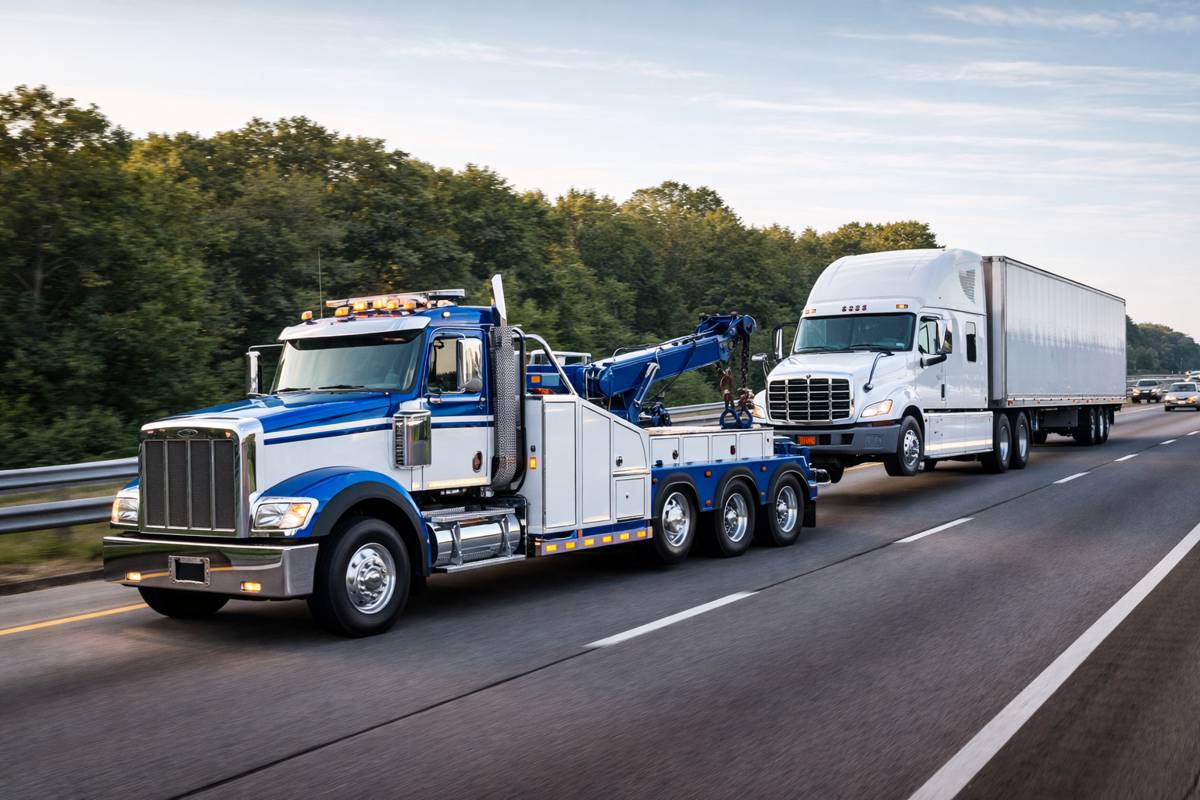
Towing services that are equipped to handle heavy-duty vehicles provide critical support in these situations. By minimizing downtime and ensuring that vehicles are cleared from key routes, they help maintain the efficiency of supply chains.
This is particularly important in regions where highways serve as primary arteries for goods movement. Even minor disruptions can cascade through logistics networks, affecting delivery timelines and inventory management.
Integration with Smart Transportation Systems
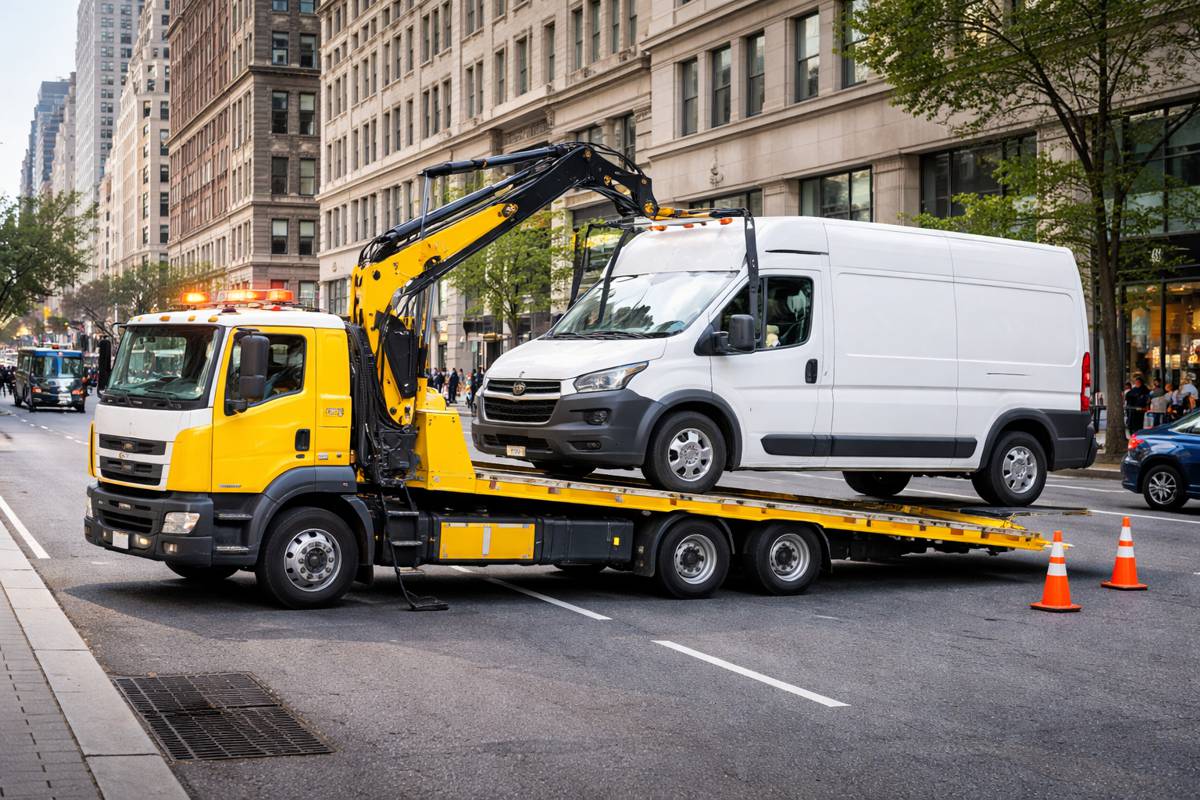
As transportation infrastructure evolves, towing and recovery services are increasingly being integrated into smart traffic management systems. Real-time data, incident reporting, and coordinated dispatching allow for faster and more targeted responses.
For example, traffic monitoring systems can detect disruptions and alert response teams within minutes. This reduces the time between incident occurrence and intervention, improving overall system efficiency.
In some cases, towing operators are part of coordinated response programs that involve multiple agencies. This collaborative approach ensures that incidents are managed holistically, addressing not only vehicle recovery but also traffic control and public communication.
Environmental and Economic Considerations
Efficient incident clearance has environmental benefits as well. Traffic congestion leads to increased fuel consumption and higher emissions, particularly when vehicles are idling for extended periods.
By restoring traffic flow more quickly, towing services contribute to reducing the environmental impact of road disruptions. This aligns with broader efforts to make transportation systems more sustainable.
From an economic perspective, minimizing delays is equally important. Time lost in traffic congestion translates into reduced productivity, higher transportation costs, and increased strain on infrastructure.
Towing services, while often overlooked, play a direct role in mitigating these impacts.

Training, Equipment, and Professional Standards
The effectiveness of towing services depends on a combination of training, equipment, and operational standards. Modern recovery operations require specialized vehicles, advanced tools, and a high level of technical expertise.
Operators must be able to assess situations quickly, determine the safest approach, and execute recovery procedures efficiently. This includes handling a wide range of scenarios, from simple breakdowns to complex multi-vehicle incidents.
Ongoing training ensures that professionals remain prepared for evolving challenges, including new vehicle technologies and changing traffic conditions.
Challenges in a Growing Transport Network
As highways become busier and vehicles more technologically advanced, towing services face new challenges. Electric vehicles, for example, require different handling procedures compared to traditional internal combustion engines.
Similarly, increased traffic density means that response times must be even faster to prevent congestion from escalating. Urban expansion and growing logistics demands add further complexity to the equation.
Addressing these challenges requires continued investment in both infrastructure and support services. It also highlights the need for strong coordination between public agencies and private operators.
Public Awareness and Driver Responsibility
While towing services are essential, drivers also play a role in maintaining safe and efficient roadways. Understanding how to respond to breakdowns, move vehicles safely when possible, and follow guidance from authorities can help reduce the impact of incidents.
Public awareness campaigns often emphasize the importance of staying alert, maintaining vehicles, and respecting roadside operations. These efforts contribute to a safer environment for both drivers and recovery professionals.
Looking Ahead
The future of transportation will likely bring further integration between infrastructure, technology, and support services. Autonomous vehicles, advanced traffic systems, and real-time data analytics will reshape how highways operate.
Within this evolving landscape, towing and recovery services will remain a critical component. Their role may expand to include new forms of support, but their core function, ensuring that roads remain safe and functional, will remain unchanged.
As the demands on transportation networks continue to grow, the importance of these services will only become more apparent.
Highways are complex systems that depend on more than just physical infrastructure. Behind every smooth journey lies a network of services working to manage disruptions, maintain safety, and support efficiency.
Towing services are a key part of this network. From clearing incidents to supporting logistics and reducing environmental impact, their contribution extends far beyond what is immediately visible.
Recognizing their role provides a more complete understanding of how modern transportation systems function, and why maintaining these systems requires a coordinated, multifaceted approach.
In the end, keeping highways moving is not just about building better roads. It is about ensuring that every part of the system, including those that operate behind the scenes, works together seamlessly.