Volvo CE Expands Laos Equipment Network with Laothani Tractor Partnership
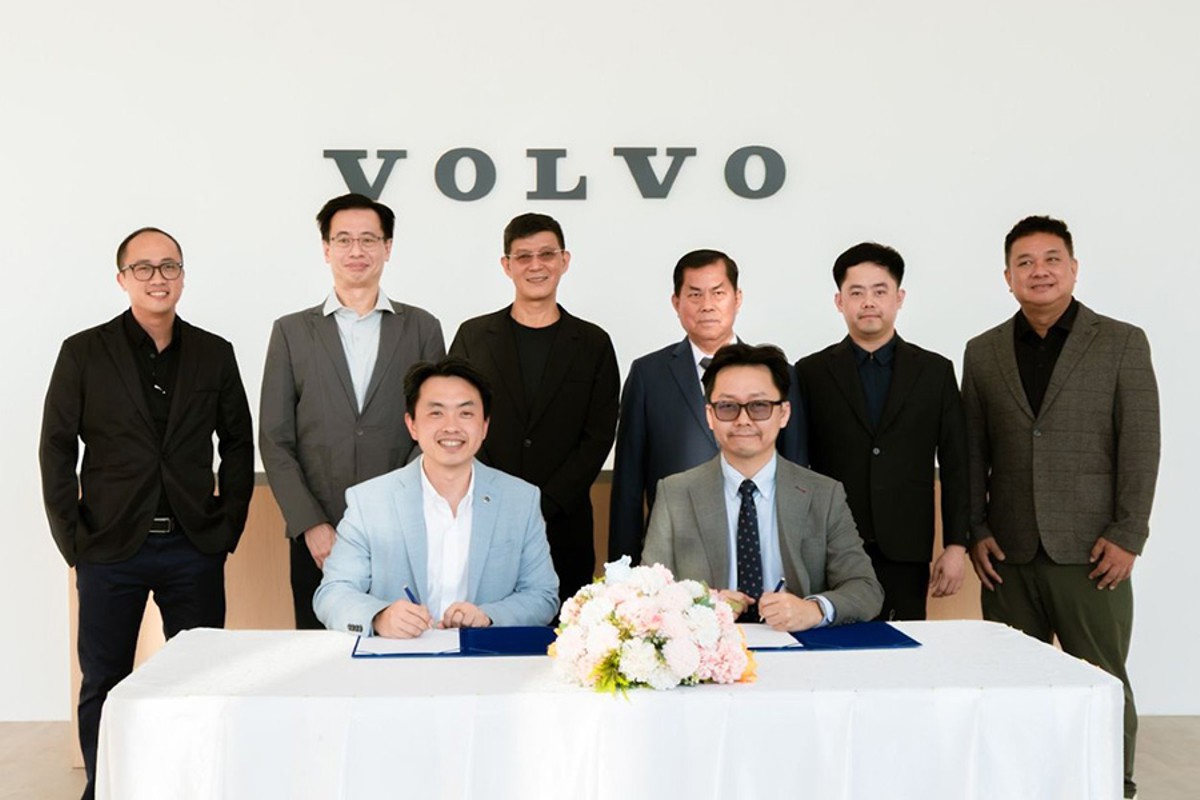
Volvo Construction Equipment has appointed Laothani Tractor as its national distributor in Laos, strengthening its sales and aftersales presence in a market where mining, road construction and infrastructure development create demand for dependable heavy machinery. Based in Vientiane, the new dealer will supply Volvo CE equipment alongside spare parts, maintenance and technical support, with plans to extend its service coverage across the country as customer requirements develop.
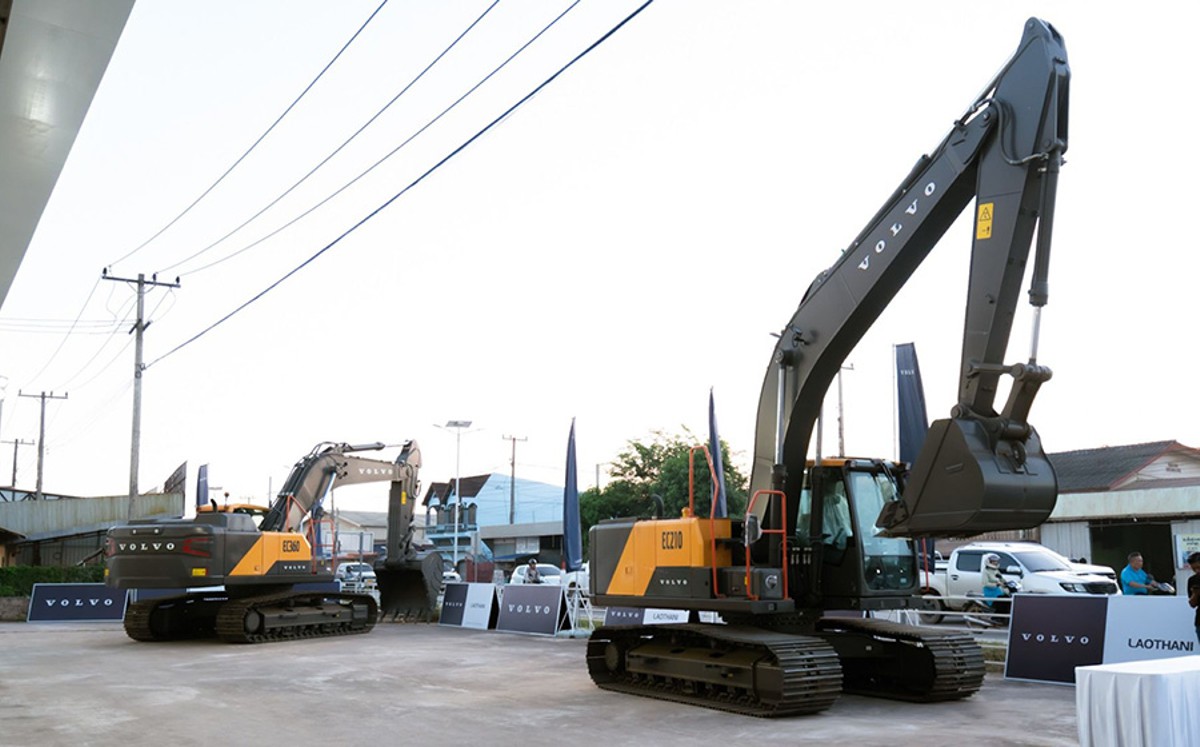
The partnership was formally inaugurated on 4 November 2026, when Laothani Tractor welcomed customers to its Vientiane facility for a roadshow featuring Volvo CE’s new generation excavators and compaction machines. The arrangement brings together an established local business with the manufacturer’s equipment portfolio and technical resources, particularly relevant to contractors and mine operators working at locations where access to specialist maintenance facilities can be limited.
Briefing
- Volvo CE has appointed Laothani Tractor as its national distributor in Laos, with a dealership based in Vientiane.
- The partnership was inaugurated on 4 November 2026 with a customer roadshow showcasing excavators and compaction equipment.
- The machinery offering includes excavators, wheel loaders, articulated haulers, compactors and electric construction machines.
- Local spare parts, technician training and on-site maintenance form part of the new distribution arrangement.
- The appointment coincides with Laos’s 2026–2030 development programme, which prioritises infrastructure, economic connectivity and climate resilience.
Building a Local Equipment Support Network
For contractors operating heavy machinery in Laos, access to technical support is an important consideration when selecting equipment. Excavators working on remote earthworks projects, loaders serving aggregate operations and articulated haulers operating in mines all depend on maintenance arrangements capable of keeping machinery productive. Where construction sites are widely dispersed, obtaining specialist technicians or replacement components can involve lengthy journeys and interruptions to work.
Laothani Tractor brings an established presence in the country’s mining and construction sectors, together with knowledge of local operating conditions and customer requirements. Its Vientiane facility will provide the main base for Volvo CE sales and support, with on-site maintenance available to customers elsewhere in Laos and satellite branches to be established where demand justifies additional coverage.
Volvo CE has identified technician training and spare parts provision as priorities for the partnership, placing aftersales capability alongside machinery availability. The manufacturer has not disclosed the number of technicians initially assigned to the operation, its spare parts inventory or a timetable for extending the dealership network beyond the capital.
“At Volvo CE, we are committed to giving customers the support they need to get the most out of their machines,” said Wilson Shee, Head of Market Cambodia at Volvo CE. “This includes providing spare parts and training technicians to deliver on-site service and maintenance, helping customers keep their machines operating productively.”
The effectiveness of that support will depend on the distributor’s ability to reach customers operating far from Vientiane, particularly where equipment forms part of production-critical mining or infrastructure operations. A reliable local service relationship can influence machinery purchasing decisions as strongly as specifications or acquisition costs, especially when fleets are expected to remain in service for many years.
Infrastructure Investment and Mining Demand in Laos
The appointment comes as Laos advances its tenth National Socio-Economic Development Plan, covering 2026 to 2030. The programme establishes priorities for economic development, infrastructure, human resources and climate resilience, continuing the country’s efforts to improve domestic connectivity and its position within regional transport networks.
According to the US International Trade Administration, Laos has continuing requirements for improvements to roads, electricity networks, public utilities and aviation infrastructure. Regional contractors and investors, particularly those from China, Vietnam and Thailand, have played prominent roles in developing the country’s transport and construction sectors.
The Laos-China Railway has already improved connectivity with the Chinese rail network, while longer-term proposals for a railway connection towards Vietnam’s Vung Ang Port reflect ambitions to improve access to international trade routes. Road development remains equally important, particularly for rural communities, agricultural producers and industrial operations that depend on reliable connections to regional markets.
Construction associated with these programmes generates demand for excavation, materials handling, hauling and compaction machinery, alongside the aggregate production needed to supply road and infrastructure projects. Laos’s mining industry provides an additional customer base, with equipment requirements shaped by production schedules, operating terrain and the availability of maintenance support.
The scale and timing of future investment nevertheless remain subject to the country’s financial circumstances. The World Bank’s June 2026 Lao Economic Monitor projected economic growth of 3.8% for 2026 but warned that elevated public debt, constrained fiscal resources and exposure to external economic shocks continued to limit investment capacity. Debt servicing was estimated at approximately 13% of GDP, placing considerable pressure on public finances.
These constraints do not remove the underlying need for infrastructure, although they may affect the pace at which projects are financed and delivered. Machinery demand will also depend on privately financed mining activity, commercial construction and infrastructure schemes supported by international development institutions.
Laos is scheduled to graduate from the United Nations Least Developed Country category on 24 November 2026. The country’s transition strategy seeks to manage the associated changes to international support arrangements while maintaining its longer-term development objectives.
Construction Equipment for Local Operating Conditions
Laothani Tractor’s Volvo CE portfolio covers machinery used throughout the construction and mining sectors, including excavators, wheel loaders, articulated haulers and compaction equipment. The range allows the distributor to serve customers undertaking everything from regional roadworks and site preparation to large earthmoving and materials-handling operations.
The inauguration roadshow concentrated on Volvo CE’s new generation excavators and compaction machines, providing customers with an opportunity to examine the equipment and meet the team responsible for local sales and technical support. No specific machine orders or fleet supply agreements were announced during the event.
Equipment selection in Laos will vary considerably between large mining operations, infrastructure contractors and smaller construction businesses. Machine utilisation, terrain, transport distances and maintenance requirements influence the suitability of individual models, while established operators may also need to consider how additional equipment integrates with existing fleets and workshop arrangements.
For Laothani Tractor, the product range provides access to several related markets without restricting the dealership to a single category of construction activity. Its ability to support different machine types will develop alongside the technicians, parts inventory and field-service resources needed to maintain them.
Electric Construction Machinery and Charging Infrastructure
Volvo CE also intends to offer electric construction machinery and charging solutions through the new dealership, extending its alternative-powertrain equipment offering into the Laos market. The country has substantial hydropower generation capacity, although the suitability of electric machinery will depend on the conditions at individual operating locations rather than national electricity production alone.
Construction sites and mines can be situated considerable distances from dependable grid connections, making charging infrastructure a practical constraint for some applications. Battery-electric equipment is generally more straightforward to introduce where machines operate predictable shifts, remain within a defined working area and have access to sufficient electrical capacity during charging periods.
Compact machinery at established industrial or urban locations may therefore present different opportunities from larger equipment working continuously on remote earthworks projects. Charging arrangements, equipment duty cycles and available electrical infrastructure will influence the economics and operational practicality of each application.
“Volvo CE’s extensive range of excavators, including electric models, is well suited to supporting companies contributing to the Laos government’s master plan for economic and infrastructure development,” said Shee. “Our electric construction machines and solutions can also support Laos’s green growth ambitions and efforts to reduce emissions.”
The manufacturer has not announced specific electric machinery orders, charging installations or customer trials associated with the new dealership. Initial adoption will depend on local demand and the distributor’s ability to provide the technical support and charging arrangements required for individual operations.
Extending Service Coverage Across Laos
Laothani Tractor’s established relationships within the mining and construction sectors provide a foundation for developing Volvo CE’s business in Laos. The dealership will need to balance the requirements of customers operating near the capital with those of contractors and mine operators working in more remote provinces, where the availability of experienced technicians and replacement components can determine how quickly a machine returns to service.
“Laothani is a Laotian company with an established presence in the mining and construction sectors and a strong understanding of our customers, local language and culture,” said Ohsioungkham, General Manager of Laothani Tractor.
The partnership gives Volvo CE a local distribution arrangement through which to develop equipment sales and long-term customer relationships. For Laothani Tractor, it adds an established international machinery manufacturer to its existing activities, together with the responsibilities associated with supporting a broader equipment population.
Further investment in service coverage will depend on how the market develops, particularly as infrastructure spending, mining activity and regional construction projects generate demand in different parts of the country. The Vientiane facility provides the starting point, while the practical reach of the dealership will be established through the availability of technicians, spare parts and maintenance support wherever Volvo machinery is operating.
Key Industry Questions
- Who is Volvo CE’s new national distributor in Laos? Laothani Tractor has been appointed as Volvo Construction Equipment’s national distributor, providing equipment sales, maintenance and aftersales support from its base in Vientiane.
- What construction equipment will Laothani Tractor supply? The announced range includes Volvo CE excavators, wheel loaders, articulated haulers, compactors and electric construction machinery.
- Will Volvo CE provide service support outside Vientiane? Laothani Tractor intends to provide on-site maintenance across Laos, with satellite branches established where customer demand requires additional coverage. Specific branch locations have not been announced.
- What aftersales services are included in the partnership? The arrangement covers spare parts provision, technician training, maintenance and field-service support. Detailed response times and service coverage commitments have not been published.
- Which industries are expected to use Volvo CE equipment in Laos? The principal markets include mining, road construction, heavy infrastructure, general construction and associated earthmoving and materials-handling operations.
- Are electric Volvo construction machines available in Laos? Electric construction machines and charging solutions form part of the dealership’s announced offering. However, no specific local electric equipment deployments or charging installations have been confirmed.
- How could Laos’s development plan influence construction equipment demand? The 2026–2030 programme prioritises infrastructure and economic connectivity. Machinery demand will depend on the implementation of funded projects and activity across the mining and private construction sectors.
- What could limit construction equipment sales growth in Laos? Public financing constraints, economic uncertainty, equipment ownership costs and the availability of technical support in remote areas may all influence purchasing and investment decisions.
Strategic Takeaways
- Establishing dependable local parts and maintenance support can improve Volvo CE’s competitiveness in markets where equipment downtime carries substantial operating costs.
- Laos’s mining and infrastructure sectors provide overlapping demand for heavy earthmoving, materials-handling and compaction machinery.
- Expanding service coverage beyond Vientiane will require investment in technicians, spare parts logistics and field-service capability.
- Electric construction equipment may suit locations with predictable operating patterns and dependable charging access, although remote applications present additional infrastructure challenges.
- Public financing constraints make the timing of infrastructure projects uncertain, increasing the value of serving mining, private construction and other equipment markets alongside government-funded works.