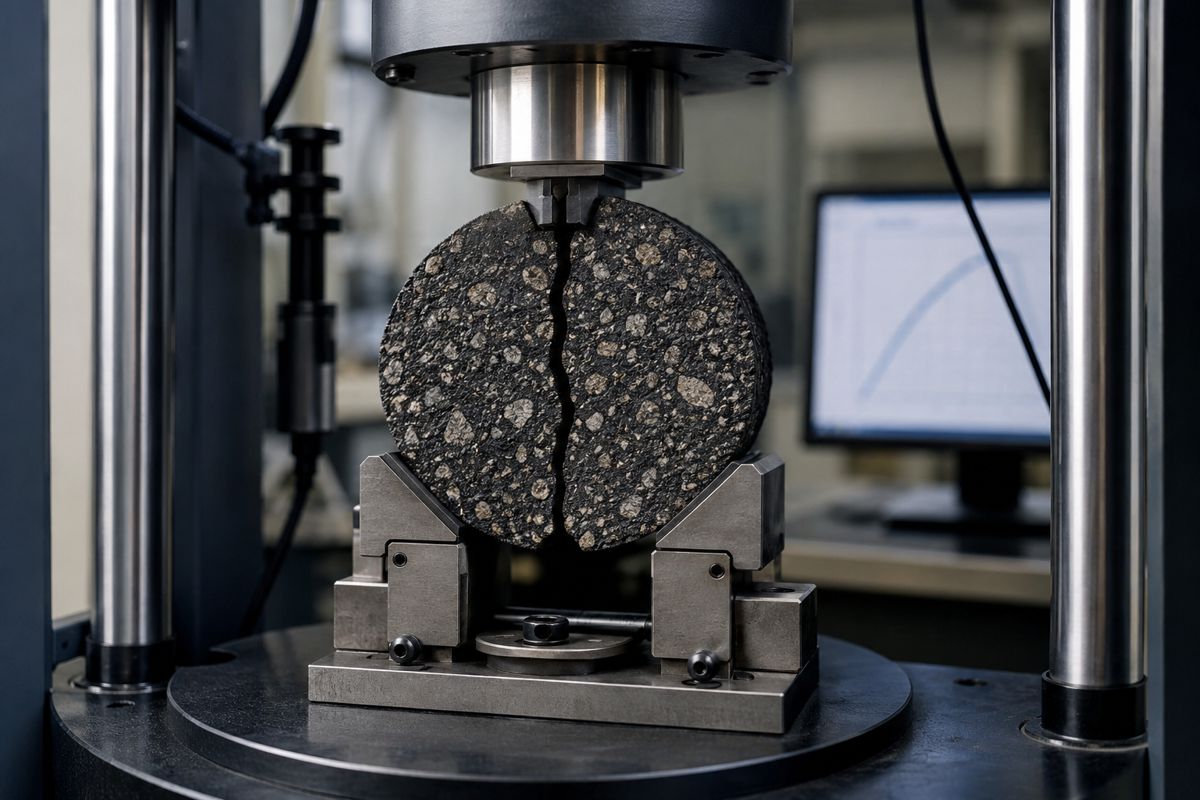
Clinker Free Cement Steps into the Structural Mainstream
For decades, the construction sector has wrestled with a fundamental contradiction. Concrete remains the backbone of global infrastructure, yet its primary binder, clinker, is responsible for a significant share of industrial carbon emissions worldwide. Incremental improvements have helped, but genuine structural change has been slow, cautious, and often constrained by regulation, insurance, and deeply embedded building practices.
The latest technical milestone reached by Hoffmann Green Cement Technologies signals more than just another approval. It represents a meaningful shift in how far low carbon cement alternatives can now be trusted within the most demanding parts of a building.
The receipt of a Technical Assessment validating the use of concrete formulated with Hoffmann Green’s 0 percent clinker H-UKR cement for superstructure applications is a material step forward for the decarbonation of construction. Superstructures are not cosmetic elements. They include load bearing walls, beams, columns, floors, and structural frames that carry risk, responsibility, and long term liability. Recognition at this level reshapes what is commercially and technically viable, particularly in regulated European markets where approvals often determine whether innovation stalls or scales.
This assessment, issued in France at the highest available technical level, places clinker free cement firmly inside the mainstream conversation about structural design, durability, and safety. It also sets a precedent with implications that stretch well beyond national borders.
Why Superstructure Approval Changes the Game
In construction, foundations are often the first proving ground for alternative materials, but superstructures are where confidence is truly tested. These elements are exposed to sustained loads, complex stress paths, thermal cycles, and long service life expectations. They are also where insurers, engineers, and public authorities tend to be most conservative.
The validation of H-UKR cement based concrete for walls, beams, columns, and floors confirms that clinker free solutions can meet the same safety and reliability thresholds as conventional cement in the most structurally sensitive applications. That matters because it removes one of the last technical barriers preventing wider adoption in residential construction. With foundations and superstructures now both covered, designers are no longer forced into hybrid approaches that dilute carbon savings or complicate procurement.
From an industry perspective, this closes an important loop. Housing projects can now be designed from the ground up using a single clinker free binder solution that is fully assessed, standardised, and recognised within established implementation processes. For developers facing tightening carbon regulations and investor scrutiny, that consistency simplifies decision making and reduces perceived risk.
Understanding the Weight of a French Technical Assessment
In France, Technical Assessments represent the highest level of formal recognition for construction products that fall outside traditional standards. Issued by the Commission in Charge of Formulating Technical Appraisals with technical support from the CSTB, they are the result of exhaustive testing, analysis, and peer review. They evaluate not only material performance, but also implementation methods, long term behaviour, and compatibility with existing construction practices.
Earning such recognition is neither quick nor procedural. The latest assessment followed 18 months of detailed work and forms part of a four year evaluation pathway that began with the company’s first experimental technical approval. That timeframe reflects the inherent caution of structural engineering, where failure is not an option and performance must be proven under a wide range of scenarios.
What makes this third assessment particularly notable is its focus on superstructures. These are technically more complex than shallow foundations, involving higher loads, dynamic behaviour, and stricter tolerances. Achieving approval here signals a level of maturity that many alternative materials struggle to reach.
From Foundations to Frames A Complete Structural Scope
Earlier technical recognition for shallow foundations laid the groundwork, but it was incomplete. Foundations alone do not define a building’s carbon footprint, nor do they provide full confidence to insurers or lenders assessing long term asset risk. The extension of approval to superstructures completes the structural picture for housing applications.
With this new assessment, H-UKR cement based solutions are now validated across the entire load bearing system of residential buildings. That opens the door to coherent low carbon structural design rather than piecemeal substitution. It also simplifies compliance with environmental targets by enabling consistent carbon reduction strategies throughout the project lifecycle.
For contractors and engineers, this reduces friction on site. Familiar construction methods can be retained, supply chains remain stable, and risk profiles become easier to quantify. In practical terms, that is often what determines whether innovative materials are specified or quietly side-lined.
Cold Produced Cement and the Carbon Equation
At the heart of this development lies a fundamental departure from traditional cement chemistry. Clinker production requires high temperature kilns operating at around 1,450 degrees Celsius, consuming large amounts of energy and releasing carbon dioxide both from fuel combustion and the calcination of limestone. Removing clinker from the equation eliminates the most carbon intensive stage of cement manufacturing.
Hoffmann Green’s approach relies on cold produced cement formulations that avoid kiln firing altogether. While alternative binders have existed for years, widespread structural adoption has been limited by performance concerns, inconsistent standards, and lack of formal recognition. This latest assessment directly addresses those barriers by demonstrating equivalence in safety and reliability for critical load bearing applications.
From a policy standpoint, this matters. Governments across Europe are tightening embodied carbon requirements, while financial institutions increasingly factor carbon exposure into lending decisions. Solutions that reduce emissions without requiring radical changes to construction methods are likely to gain traction more quickly.
Commercial Confidence and Insurance Acceptance
Technical validation is not just a technical milestone. It is a commercial one. Insurers, project owners, and financiers rely heavily on recognised assessments when evaluating risk. Without them, even the most promising materials struggle to move beyond pilot projects.
The approval of clinker free cement for superstructures sends a clear signal to the market that these solutions can be insured, specified, and delivered at scale. For housing developers in particular, that confidence is critical. Residential projects operate on tight margins, fixed timelines, and standardised processes. Uncertainty, however well intentioned, is rarely tolerated.
By securing validation across all structural elements, Hoffmann Green positions itself as a viable supplier for mainstream housing construction rather than a niche innovator confined to specialist applications. That distinction has real commercial consequences, particularly as public and private clients seek credible pathways to decarbonisation.
A Signal to the Wider Cement and Construction Ecosystem
Beyond the company itself, this milestone carries broader implications for the cement industry. Traditional manufacturers have invested heavily in efficiency gains, alternative fuels, and carbon capture, yet clinker remains central to most formulations. The validation of a fully clinker free solution at superstructure level challenges long held assumptions about what is technically possible.
It also raises questions for standards bodies, regulators, and professional institutions. As more alternative binders gain formal recognition, pressure will grow to update codes, specifications, and training frameworks. That evolution tends to be gradual, but decisive approvals such as this accelerate the conversation.
For engineers and architects, the message is equally clear. Low carbon materials are no longer confined to secondary elements or experimental projects. They are entering the structural core of buildings, backed by the same levels of scrutiny applied to conventional materials.
Voices from the Founders
The significance of the achievement is not lost on the company’s leadership. Julien Blanchard and David Hoffmann, co founders of Hoffmann Green Cement Technologies, described the moment in clear terms: “Obtaining this Technical Assessment dedicated to superstructures marks a milestone for Hoffmann Green. It is the third such assessment obtained in a year, which is unprecedented for a 0% clinker cement. Following assessments of building foundations and wind turbine foundations, this recognition confirms the reliability, durability, and performance of H-UKR cement-based concretes, regardless of the application.”
Their emphasis on durability and performance reflects the core concern of the construction sector. Sustainability gains only matter if structures perform over decades, not just at commissioning.
What This Means for the Future of Low Carbon Construction
The broader lesson from this development is not that clinker free cement will replace traditional materials overnight. Construction is inherently conservative, shaped by regulation, liability, and long term asset management. However, this assessment demonstrates that the door is now open wider than before.
With validated solutions available for both foundations and superstructures, housing projects can realistically pursue deep embodied carbon reductions without compromising safety or insurability. That aligns closely with emerging policy frameworks, investor expectations, and public pressure for climate accountability.
As similar evaluations are pursued in other jurisdictions, the influence of this milestone is likely to extend beyond France. Technical recognition in one mature market often serves as a reference point elsewhere, particularly within Europe’s interconnected construction ecosystem.
Building Trust Brick by Brick
In the end, the significance of this approval lies in trust. Trust from engineers that materials will behave as expected. Trust from insurers that risk is understood and manageable. Trust from clients that innovation will not derail budgets or schedules.
By achieving the highest level of technical recognition for clinker free cement in superstructure applications, Hoffmann Green has addressed one of the most persistent barriers to decarbonising construction. It is a reminder that meaningful progress often comes not from bold claims, but from patient, methodical validation.
As the industry searches for credible ways to reconcile growth with climate responsibility, milestones like this provide a practical blueprint for change.