Sydney Build Expo 2026 Sets the Agenda for Australia’s Infrastructure Future
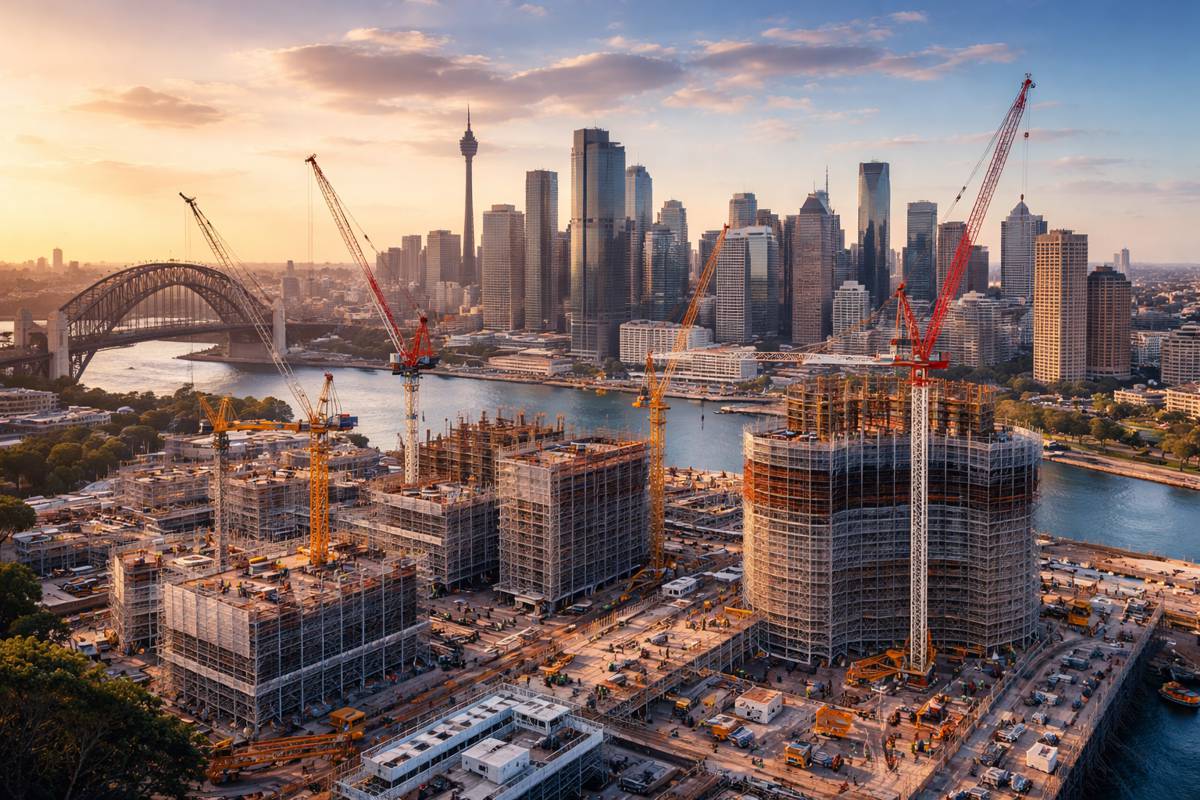
Australia’s construction and infrastructure pipeline is entering a decisive phase. From transport megaprojects and data centre expansion to housing delivery and net zero commitments, the next few years will test the industry’s capacity, productivity and resilience.
Sydney Build Expo 2026, taking place on 29 and 30 April at the ICC Sydney, arrives at a moment when collaboration is no longer optional. It is mission critical.
With more than 28,000 professionals expected across two days, the event has grown into Australia’s largest gathering of construction, architecture, engineering, infrastructure and development leaders. Yet scale alone does not define its relevance. What matters is how the conversations, partnerships and technologies showcased at the show align with the commercial and policy realities shaping Australia’s built environment.
A Sector Under Pressure and Opportunity
Australia’s infrastructure and construction markets remain robust by international standards. According to Infrastructure Australia and state-level investment plans, transport, energy and social infrastructure projects worth tens of billions of dollars are in planning or delivery. At the same time, housing supply constraints, skills shortages and cost escalation continue to challenge developers and contractors alike.
Sydney Build Expo positions itself as a focal point where these pressures are aired openly and, crucially, addressed collectively. Representatives from organisations such as Lendlease, Transport for NSW, Jacobs, Mirvac, Woods Bagot, Laing O’Rourke, Arup, Aurecon, Stockland and CBRE are expected to attend. That mix of public and private sector leadership reflects the reality that Australia’s infrastructure ambitions can only be delivered through tight government industry alignment.
Rather than serving as a passive exhibition, the event functions as what organisers describe as a Festival of Construction. Live demonstrations, hands on learning and structured networking sit alongside formal conference sessions. For a sector grappling with productivity gaps and digital transformation, that blend of theory and practice is likely to prove commercially significant.
Government and Industry Collaboration in Focus
Among the headline themes is government and industry collaboration, a topic that resonates strongly across Australia’s project landscape. Transport corridors, renewable energy zones and major urban regeneration schemes rely on integrated planning between state agencies and delivery partners. Delays and cost overruns in recent years have only sharpened the focus on better coordination.
Sessions such as Building Australia’s Future Together: Government and Industry Collaboration and Affordable Housing in NSW: Turning Strategy into Homes reflect the urgency of translating policy intent into deliverable assets. New South Wales, in particular, faces mounting pressure to increase housing supply while maintaining sustainability and quality standards. Industry engagement at events like Sydney Build Expo provides a neutral platform for discussing procurement reform, planning efficiencies and modern construction methods.
The presence of figures from Transport for NSW, John Holland, Lendlease and other major stakeholders underscores the event’s policy relevance. When digital engineering managers, planners and sustainability leads share the same stage, the conversation moves beyond abstract strategy to operational detail.
Decarbonisation and Net Zero Construction
Carbon neutral construction is no longer a niche topic. Australia has committed to net zero emissions by 2050, and the built environment accounts for a significant proportion of national carbon output when operational and embodied emissions are combined. Materials decarbonisation, low carbon concrete, mass timber and energy efficient design are now boardroom priorities.
Sessions including Carbon Neutral Construction: Pathways to Zero Emissions in Building and Building with Data: How Analytics is Shaping the Future of Construction reflect the industry’s shift from aspiration to implementation. With speakers such as Dr Monica Hanus-Smith of Laing O’Rourke and sustainability leaders from Webuild and Jacobs, the programme connects research, innovation and large scale project delivery.
The commercial stakes are high. Investors and asset owners increasingly demand demonstrable sustainability credentials, while government clients embed carbon targets in procurement frameworks. The technologies and supply chain solutions on display across more than 700 exhibitors, including Autodesk, Procore, Bluebeam, Saint-Gobain and Binderholz, are therefore more than product showcases. They represent tools that can materially influence project viability and long term asset performance.
Digital Engineering and the Rise of AI
If decarbonisation defines the environmental challenge, digital transformation defines the operational one. The Australian construction sector has historically lagged behind manufacturing and mining in digital adoption, yet that gap is narrowing rapidly. Building Information Modelling, data analytics, digital twins and automation are reshaping workflows from design through to asset management.
Sydney Build Expo’s 16 CPD accredited stages cover themes such as AI in Architectural Design: Transforming Creativity and Efficiency and The Future of Construction: Technology Trends Shaping the Industry in the Next Decade. Speakers including Anton Fourie of Arup, Emad Ghani of Gamuda and Elouise Robinson of WSP bring hands on experience from complex infrastructure programmes across Australia and the Asia Pacific region.
Artificial intelligence, once confined to conceptual discussions, is now embedded in design optimisation, clash detection, cost forecasting and site safety monitoring. For contractors under margin pressure, incremental productivity gains can translate into significant bottom line improvements. For public clients, digital transparency supports accountability and long term asset stewardship.
Addressing Skills, Leadership and Diversity
Beyond technology and sustainability, the expo also tackles the human dimension of construction. Australia faces persistent skills shortages across engineering, trades and project management. Recruiting, training and retaining the leaders of tomorrow is therefore not a soft issue. It is a structural constraint on national infrastructure delivery.
Sessions such as My Story: Navigating a Male Dominated Industry and Why Leadership is Essential to Health and Safety Success highlight diversity and workplace culture as drivers of performance rather than public relations talking points. Organisations including NAWIC, CIOB, HIA and Master Builders Australia are co hosting networking events, reinforcing the message that industry bodies must play an active role in shaping workforce development.
Health and safety leadership, in particular, remains central. Despite regulatory improvements, construction continues to record higher injury rates than many other sectors. Embedding safety culture at executive level and leveraging digital monitoring tools are themes likely to resonate with contractors and clients alike.
Data Centres, Mixed Use and Evolving Asset Classes
Another noteworthy element of the 2026 programme is its attention to emerging asset classes. Modern Construction Trends in Data Centres reflects Australia’s expanding digital economy and the surge in demand for hyperscale facilities. These projects bring unique design, power and cooling challenges, often intersecting with renewable energy infrastructure and grid capacity planning.
Similarly, Work, Live and Play: The Rise of Flexible Mixed Use Spaces speaks to post pandemic urban dynamics. Developers and planners are rethinking how residential, commercial and recreational spaces integrate within dense urban environments. For architects and engineers, interdisciplinary collaboration is not simply desirable. It is essential to ensure that structural, mechanical, environmental and social considerations align.
The Architect’s Hub, featuring project displays and 3D models, provides a tangible interface between conceptual design and construction execution. For investors and developers, seeing how ideas translate into buildable schemes can accelerate decision making and partnership formation.
A Commercial Marketplace for Innovation
With more than 700 exhibitors, the show floor functions as a live marketplace for innovation. From digital construction platforms to advanced building materials and prefabrication systems, suppliers have the opportunity to engage directly with decision makers.
In an industry where procurement cycles can be lengthy and risk averse, face to face engagement still carries weight. Demonstrations of new tools and technologies allow contractors to assess compatibility with existing systems and project requirements. For technology providers, understanding the practical constraints of Australian projects helps refine product development strategies.
The Local and International Government Hub further strengthens the event’s strategic value. By facilitating dialogue between policy makers and industry, it helps align regulatory frameworks with commercial realities. In a climate of fiscal scrutiny and public accountability, that alignment is critical.
Positioning Australia on the Global Stage
Although Sydney Build Expo is rooted in the Australian market, its implications extend beyond national borders. Multinational engineering consultancies, global contractors and international investors view Australia as a stable, innovation driven environment. Events of this scale reinforce the country’s profile as a serious player in sustainable infrastructure and digital construction.
For companies active across Asia Pacific, the show provides a regional nexus. Knowledge shared in Sydney often informs projects in Southeast Asia, the Middle East and beyond. Conversely, international best practice flows back into Australian delivery models.
By convening 750 speakers across multiple disciplines and more than 28,000 attendees, Sydney Build Expo 2026 is less about spectacle and more about substance. It reflects an industry that understands the scale of the challenges ahead and is willing to confront them collectively.
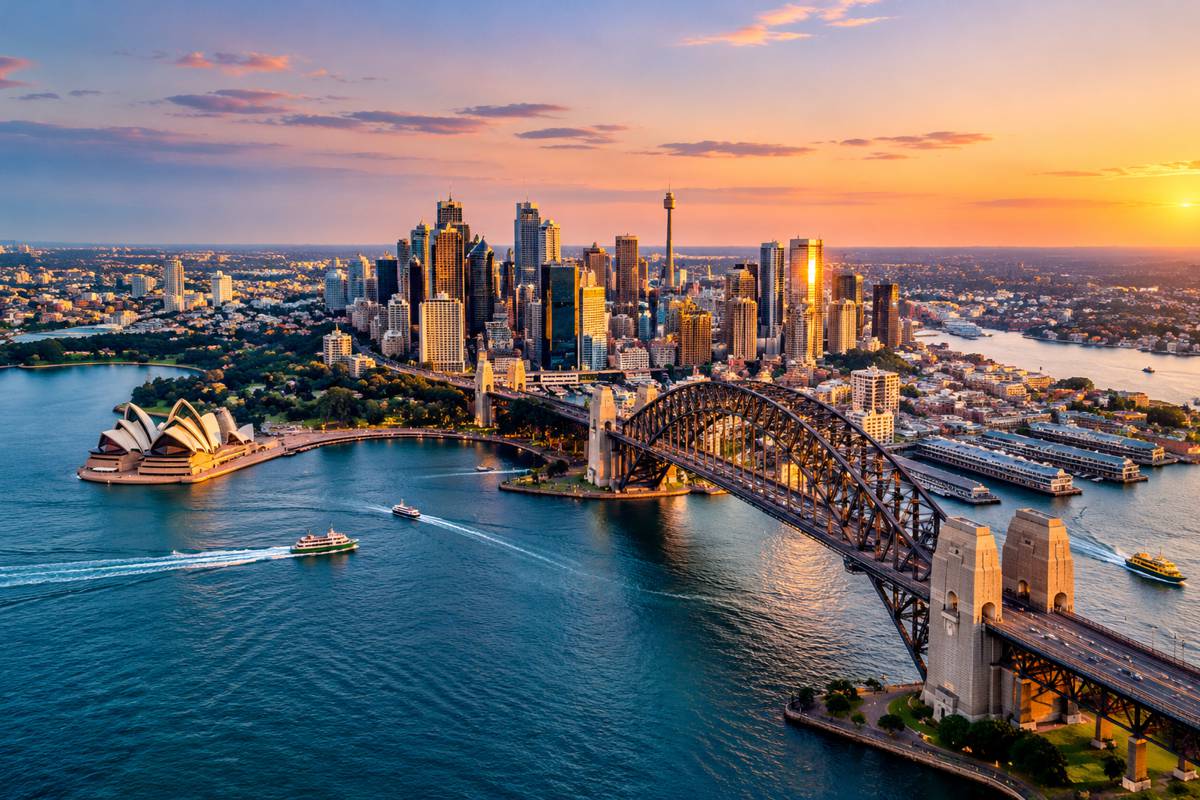
On 29 and 30 April 2026, at ICC Sydney in Darling Harbour, the conversations shaping Australia’s next decade of infrastructure will not take place behind closed doors. They will unfold in open forums, workshops and exhibition halls, where ideas meet commercial reality and policy meets practice. For construction professionals, investors and policymakers alike, that convergence makes Sydney Build Expo 2026 more than another date in the calendar. It marks a defining moment in how Australia builds its future.