Control Tower Thinking Comes to Mining Equipment Inspections at Indaba
Across the global mining industry, the conversation has shifted. Productivity, safety, compliance and cost control are no longer treated as separate ambitions but as interdependent outcomes of better information, better visibility and better decisions.
Nowhere is that shift more apparent than in the way mining companies manage their fleets of high value, constantly moving equipment. Against that backdrop, Krank is using Indaba 2026 as a platform to frame a different way of thinking about inspections. Not as a checklist exercise, but as a control tower function for modern mining operations.
At the Mining Indaba 2026 event in Cape Town, Krank’s presence reflects a broader industry moment. African mining projects are expanding in scale and complexity at the same time as margins tighten, regulatory scrutiny increases and workforce availability becomes more unpredictable. Equipment availability is critical. Every unplanned hour of downtime ripples through production schedules, contractor relationships and export commitments. Inspections sit at the heart of that equation, yet in many operations they remain fragmented, manual and slow to deliver actionable insight.
By positioning inspections as a real time operational intelligence layer rather than an administrative burden, Krank is aligning itself with a wider shift toward digitally enabled asset management. This is not about novelty or experimentation. It is about practical tools that reduce friction on site while giving leadership teams clearer oversight of risk, utilisation and maintenance across multiple locations.
Why Mining Inspections Have Become a Strategic Issue
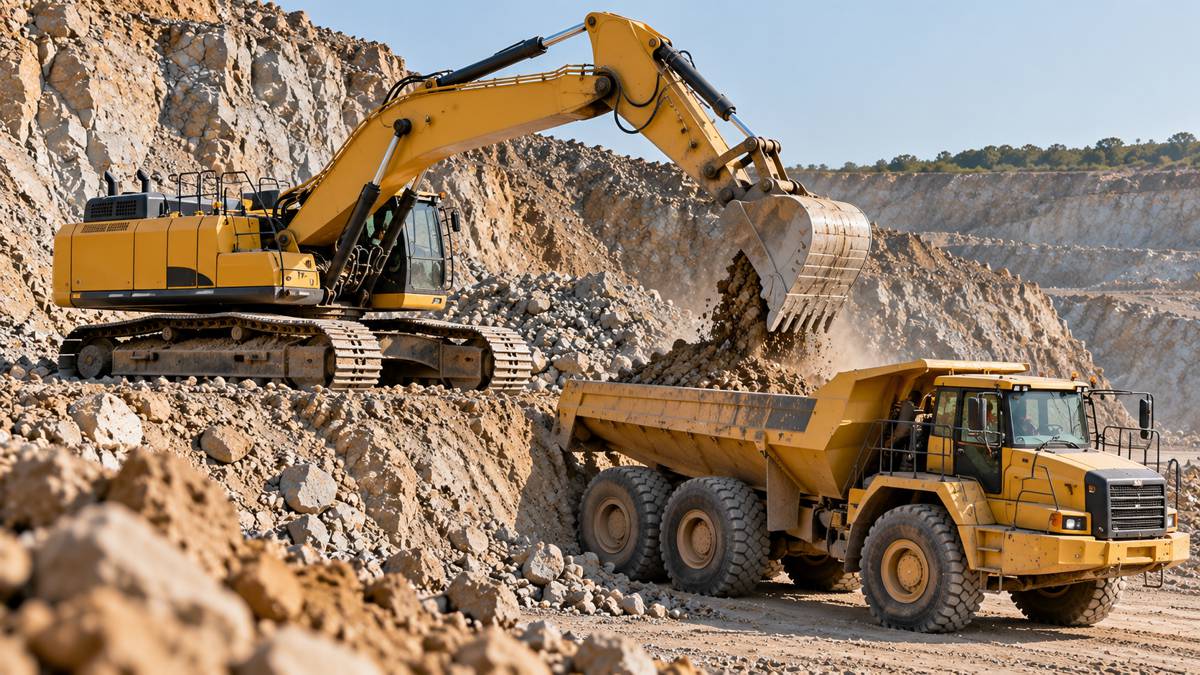
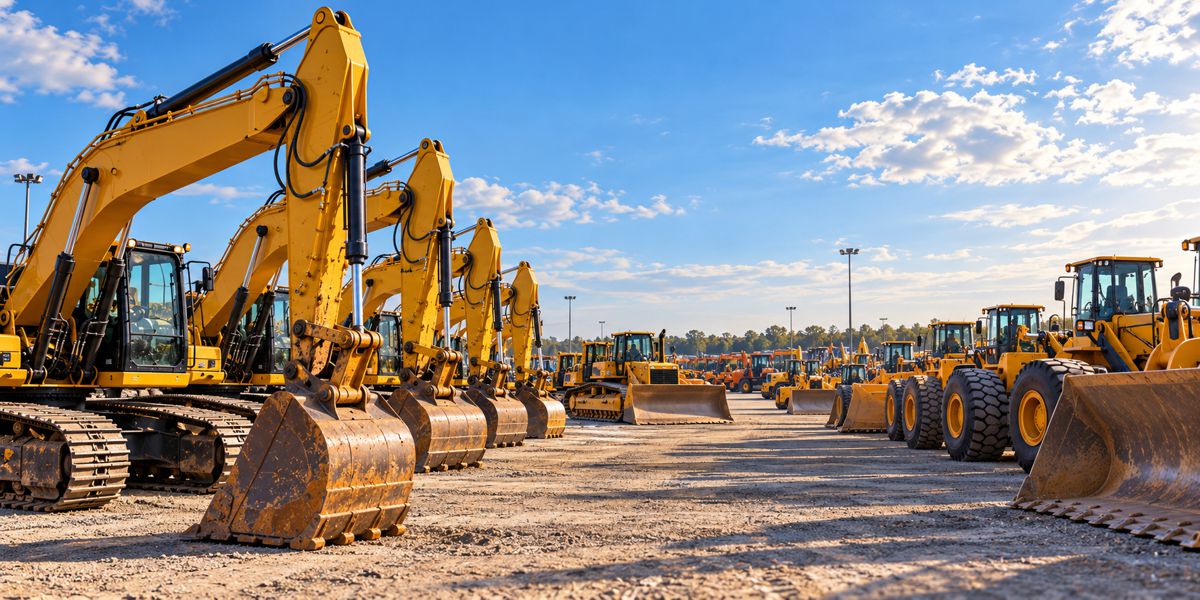
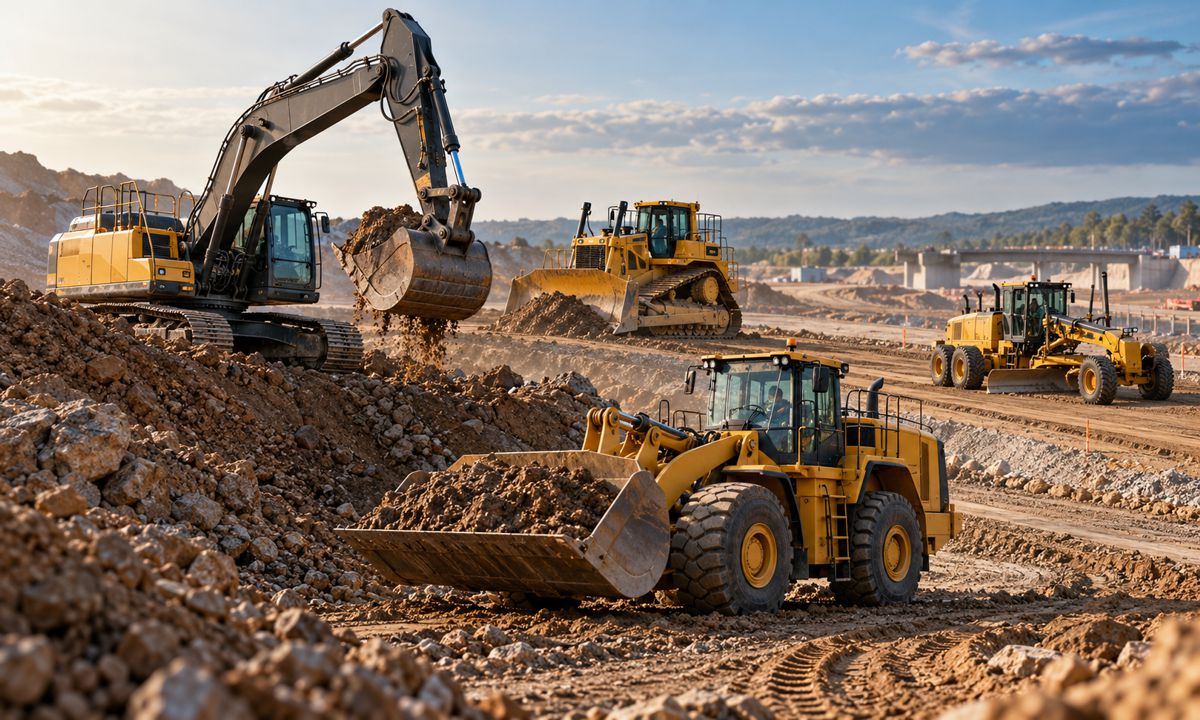
Mining equipment inspections have traditionally been treated as a compliance requirement or a safety safeguard, essential but peripheral. That mindset is increasingly out of step with the realities of modern mining. Haul trucks, loaders, drills and support equipment represent millions of dollars in capital investment. They operate in harsh environments, often across dispersed sites, and are handled by rotating teams under intense production pressure.
When inspections are slow, inconsistent or poorly documented, problems escalate quietly. Minor defects become major failures. Accountability blurs. Maintenance teams react rather than plan. According to research from organisations such as McKinsey and the International Council on Mining and Metals, unplanned equipment downtime remains one of the biggest cost drivers in mining, with digital maintenance and inspection systems consistently identified as high impact levers for improvement.
This is particularly relevant in Africa, where mines frequently operate in remote locations with limited access to spare parts, specialist technicians or replacement equipment. Faster, more accurate inspections are not just a matter of efficiency. They are a form of operational resilience.
From Paper Trails to Operational Intelligence
Krank’s approach reframes inspections as a data source rather than a paper trail. Its mobile first platform, Inspeq, is designed to operate at the point of use, in the cab, at the pit edge or during shift changeovers. Inspectors capture high resolution images, videos, voice notes and condition data in real time, with the system automatically structuring that information into standardised reports.
What matters here is not the digitisation itself, but the immediacy. Inspections that once took significant time to complete, transcribe and distribute can now be finalised within minutes, with reports available instantly to maintenance teams, supervisors and asset managers. Krank estimates inspection time reductions of up to 50 percent, a figure that aligns with broader industry studies on mobile inspection tools in heavy industry.
That speed has direct consequences. Faster inspections mean faster maintenance decisions, shorter repair cycles and less idle equipment. Over time, the accumulation of inspection data creates a reliable historical record that supports predictive maintenance strategies, warranty management and audit readiness.
Control Tower Oversight for Dispersed Fleets
One of the most significant shifts Krank is advocating is the idea of control tower oversight applied to inspections. In logistics and aviation, control towers provide centralised visibility over complex, distributed systems. Mining fleets increasingly demand the same approach.
Inspeq enables operations teams to view inspection outcomes across multiple sites, contractors and equipment classes in a single environment. Time stamped records, photographic evidence and standardised condition scoring bring clarity where anecdotal reporting once dominated. For multi site operators, this reduces variability and helps enforce consistent inspection standards, regardless of geography or workforce turnover.
This level of oversight is especially relevant as mining companies rely more heavily on contractors and mixed fleets. Clear inspection records help define responsibility, manage disputes and ensure assets are returned in acceptable condition. In an era where environmental, social and governance scrutiny is intensifying, that transparency has become commercially valuable.
Mining Indaba as a Signal of Market Readiness
Krank’s decision to showcase its inspection technology at Mining Indaba is not incidental. Indaba has evolved into the central forum for strategic discussion in African mining, bringing together operators, investors, governments and technology providers. The conversations increasingly focus on implementation rather than aspiration.
David McCarthy, Krank’s Global Head of Sales, captures that shift: “Indaba is the premier event for the African mining industry, and I am particularly excited about the palpable energy and opportunity in the sector this year,”
He points to a change in tone across the industry, where digital tools are judged by operational outcomes rather than conceptual promise: “The conversations are moving beyond theoretical concepts to the practical application of transformative technologies like AI in heavy industry. For me, this event is about connecting with forward-thinking leaders who are ready to make decisive moves to enhance their operations, and Indaba is the perfect forum for these high-level discussions.”
That emphasis on decisiveness matters. Many mining companies have moved past pilot projects and are now looking to scale solutions that have proven value. Inspection technology sits in that sweet spot between low disruption and high return.
Inspeq and the Realities of Mining Workflows
What distinguishes Inspeq is its alignment with the realities of mining workflows. Inspections are often carried out under time pressure, in poor lighting, dust, heat or rain, and by teams with varying levels of digital confidence. Mobile usability is not a design preference. It is a prerequisite.
By allowing inspectors to capture images, videos and voice notes alongside structured data, Inspeq reduces friction and training overheads. Reports are automatically formatted and shareable, eliminating the lag between inspection and action. For supervisors, this means fewer blind spots. For maintenance planners, it means clearer priorities.
External research into mobile workforce tools consistently shows that adoption hinges on ease of use. Systems that add steps or complexity tend to be bypassed. Krank’s focus on speed and simplicity reflects an understanding that technology must adapt to the site, not the other way around.
Accountability, Compliance and ESG Pressures
Beyond efficiency, inspection data plays a growing role in compliance and ESG reporting. Regulators, insurers and investors increasingly expect evidence based asset management. Digital inspection records provide defensible proof of diligence, maintenance and safety practices.
In jurisdictions where safety incidents carry significant legal and reputational risk, time stamped inspection records can be decisive. They demonstrate not only that inspections occurred, but what was observed and how issues were addressed. For global operators working across multiple regulatory regimes, standardised digital inspections reduce exposure and simplify audits.
As ESG reporting frameworks mature, equipment condition and maintenance practices are also becoming part of broader sustainability narratives. Well maintained equipment consumes less fuel, produces fewer emissions and fails less often. Inspections, in that sense, contribute indirectly to environmental performance.
A Strategic Presence at the UK Pavilion
At Indaba 2026, Krank will be based at the UK Pavilion, reinforcing its role as a global technology provider with relevance far beyond a single market. The company’s leadership team, including David McCarthy and John O’Sullivan, Head of Sales for APAC and South Africa, will be available to discuss how inspection technology can be adapted to different operational contexts.
This direct engagement matters. Mining operations differ widely in scale, geology, climate and workforce structure. Technology adoption is rarely one size fits all. By focusing on conversation rather than demonstration alone, Krank positions itself as a partner rather than a vendor.
Listening to Operators and What Comes Next
Perhaps the most telling element of Krank’s Indaba presence is its emphasis on listening. The company has framed its next development as a response to operator feedback gathered across global mining markets. That approach reflects a broader trend in industrial technology, where iterative development guided by real world use cases outperforms top down innovation.
McCarthy hints at this evolution: “We’ve been listening closely to mining operators around the world, and their feedback has shaped Inspeq’s evolution.” He also signals that Indaba will serve as a moment of dialogue: “We’re here to spark meaningful conversations with operators who are ready to take their operations to the next level.”
Inspections are no longer static checkpoints. They are becoming dynamic inputs into broader asset management and operational decision making.
The Global Mining Ecosystem
The significance of Krank’s Indaba presence lies less in a single product than in what it represents. Mining is under pressure to do more with less. Capital discipline, safety expectations and sustainability goals are converging. Digital inspections address all three without requiring radical operational change.
For investors, better inspection data reduces asset risk. For operators, it improves uptime and accountability. For regulators and communities, it supports safer, more transparent operations. As African mining continues to attract global capital, those factors will increasingly influence project viability.
Control tower oversight may sound like a borrowed concept, but in practice it reflects a mature understanding of complexity. Mining operations are systems, not silos. Inspections, when treated as strategic data rather than paperwork, become a lever for resilience and performance.