Regional Corridor Investment Advancing Connectivity Across East Africa
The Board of Directors of the African Development Bank Group has approved US$214.47 million in financing to advance the second phase of the South Sudan Ethiopia Djibouti Transport Corridor Project. The investment marks another decisive step in the region’s long term ambition to establish a seamless, high capacity route that bolsters trade, eases mobility, and supports economic resilience across the Horn of Africa.
This latest project financing package, sourced from the African Development Bank Group’s concessional window, includes grants of US$181.5 million for Ethiopia, US$29.71 million for Djibouti, and US$1.96 million for South Sudan. South Sudan will also receive an additional US$1.30 million from the Bank Group’s Transition Support Facility, which targets countries facing fragility. Such a diverse funding structure reflects the complex needs of each participating nation, while reinforcing the Bank’s commitment to regional integration.
Infrastructure Development as a Foundation for Growth
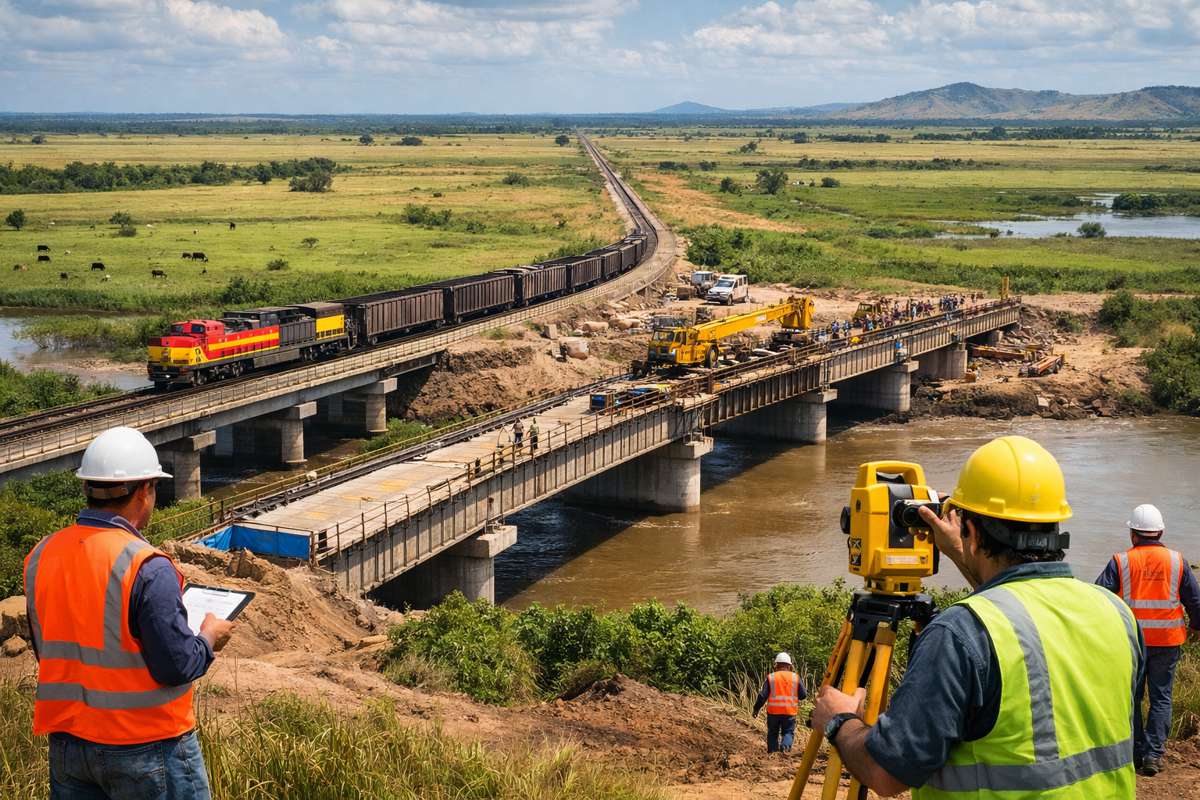
Phase II of the project delivers a suite of transport infrastructure upgrades designed to improve efficiency and reliability along this crucial corridor. Ethiopia will construct a 67 km expressway, incorporating intelligent transport systems to enhance road safety, traffic management, and logistics performance. These upgrades follow the broader national strategy to modernise key corridors that underpin cross border trade and industrial development.
Djibouti will focus on upgrading the 18 km Dikhil Mouloud Road, a priority link that supports commercial flows toward the Port of Djibouti, one of Africa’s busiest gateways for regional imports and exports. The country’s transport backbone continues to serve landlocked neighbours, notably Ethiopia, reinforcing the importance of maintaining durable, climate resilient road networks.
South Sudan, for its part, will complete updated feasibility and design studies for the planned upgrade of the 280 km Kapoeta Boma Raad road. Strengthening this eastern route will better connect remote communities, provide an alternative for humanitarian access, and help integrate the nation more firmly into regional supply chains.
Additional feeder road improvements are included in the package: 50 km in Ethiopia and 15 km in Djibouti. These supplementary routes support agricultural supply chains and local commerce, enabling rural producers to reach larger markets with greater reliability.
Empowering Local Skills and Workforce Participation
The corridor’s second phase goes beyond physical infrastructure, embedding capacity building and workforce empowerment into its design. Ethiopia plans to build and equip a new automotive and engineering technical and vocational training centre in the project area. This facility will nurture a new generation of technicians, mechanics, and engineering support personnel aligned with the demands of modern corridor management.
A programme to train 300 women and young people in agro industrial technical skills and entrepreneurship also forms part of Ethiopia’s contribution. Participants will learn business planning, financial management, marketing, innovation, and leadership. These skills aim to stimulate local enterprise and expand opportunities for groups that are often underserved in regional labour markets.
In Djibouti, ten engineers, including five women, will join a professional internship programme designed to broaden their technical exposure to corridor planning, contract management, and project supervision. Such experience ensures national teams possess the competencies needed to guide future large scale infrastructure investments.
South Sudan’s Ministry of Roads and Bridges and the Roads Authority will benefit from institutional strengthening and human resource development assistance. Building robust administrative systems remains central to ensuring that the nation can manage and sustain long term infrastructure works. Capacity building will also extend to personnel in the road authority agencies of Ethiopia and Djibouti, reinforcing a shared skill base across the three participating countries.
Supporting Regional Integration and Economic Stability
The South Sudan Ethiopia Djibouti Transport Corridor forms a strategic component of the Programme for Infrastructure Development in Africa, which prioritises regional connectivity and coordinated infrastructure planning. Once completed, the multimodal corridor will improve freight efficiency, reduce transport costs, and offer a more predictable route for goods moving between the ports of Djibouti and inland markets.
Independent studies by the African Development Bank have highlighted how improved transport corridors can increase intra African trade, enhance food security by reducing post harvest losses, and strengthen climate resilience by enabling faster emergency response. By upgrading road standards and investing in institutional capacity, the project aims to create a reliable foundation for sustained growth.
International organisations have long emphasised the value of such investments. A World Bank assessment noted: “Transport corridors in East Africa hold the potential to transform regional markets by improving logistics performance, lowering costs, and expanding opportunities for rural communities.” Regional corridors also play a vital role in job creation, especially when paired with local training programmes and procurement strategies that favour domestic industries.
A Broader Vision for the Horn of Africa
The Bank’s support forms part of a wider regional vision to improve mobility and accelerate economic cooperation. Ethiopia’s industrial parks, Djibouti’s evolving port infrastructure, and South Sudan’s efforts to stabilise and expand its road networks each rely on dependable and interconnected transport systems.
Trade volumes between Ethiopia and Djibouti have steadily grown, driven by energy exports, manufactured goods, and agricultural commodities. Enhancing road quality and corridor management will reduce bottlenecks that currently slow the movement of goods. For South Sudan, establishing stronger road links to Ethiopia could open new routes to international markets and reduce the country’s dependence on limited transport options.
Cross border collaboration also encourages more coordinated responses to climate challenges. Improved drainage, resilient road surfacing, and digital monitoring systems will help the three countries manage flooding, soil erosion, and temperature stress more effectively. As climate patterns in the region grow less predictable, such forward looking design has become an essential part of infrastructure planning.
Advancing Social Inclusion and Gender Equality
Regional infrastructure programmes have increasingly embraced gender responsive components. The inclusion of training for women in engineering and technical fields reflects the Bank’s broader agenda to promote gender equity in STEM sectors. Similarly, entrepreneurship and vocational initiatives provide women and young people with pathways to engage more directly in local supply chains.
The African Development Bank’s Gender Strategy notes: “Closing gender gaps in access to skills and economic participation enhances productivity and accelerates inclusive growth.” Integrating such considerations into corridor projects ensures that the benefits extend beyond improved roads and logistics.
Sustaining Momentum for Regional Transformation
With Phase II now funded, attention will turn to efficient implementation, transparent procurement, and ongoing monitoring of progress across Ethiopia, Djibouti, and South Sudan. The African Development Bank continues to stress the importance of harmonised standards, cross border coordination mechanisms, and community engagement processes that ensure long term sustainability.
Infrastructure corridors are widely recognised as catalysts for development when supported by sound policy, robust institutions, and targeted social investments. The South Sudan Ethiopia Djibouti Transport Corridor exemplifies this approach, combining engineering upgrades with workforce development and institutional strengthening.
As work advances, the initiative stands to reinforce regional integration, stimulate economic activity, and improve livelihoods across one of Africa’s most strategically important regions.