Kenya’s Landmark Highway Expansion Moves Into High Gear
Kenya has set the wheels in motion for one of its most ambitious transport upgrades in recent years as work begins on the Nairobi–Nakuru–Mau Summit highway expansion. Valued at approximately US$1.5 billion, the project marks a significant shift in how Kenya approaches large-scale road development, leaning heavily on a public-private partnership model designed to ease pressure on public finances while accelerating delivery.
This corridor forms part of the A8 national route, a critical artery linking Nairobi to the Rift Valley before stretching westward towards Uganda and beyond. It supports freight from the Port of Mombasa, agricultural produce bound for regional markets, and a steady stream of commuter traffic. The existing single-lane layout has long been plagued by congestion and safety issues, particularly around bottlenecks like Salgaa and Gilgil. Modernising this highway is seen as a crucial step in strengthening regional supply chains and unlocking economic activity across multiple sectors.
Traffic studies indicate that more than 40,000 vehicles pass through sections of the corridor daily. With demand expected to grow, the expansion is intended to reduce delays, cut vehicle operating costs, and increase efficiency for industries that rely on timely movement of goods.
From French Consortium to Chinese Delivery Partners
The story behind the highway is one shaped by shifting political priorities. In 2020, a Vinci-led French consortium signed a deal to upgrade the same corridor under a 30-year concession. That agreement was later cancelled in early 2025, with officials arguing that toll rates tied to the contract would place an unreasonable burden on motorists.
The termination triggered a compensation payment to the consortium and opened the door for Kenya to retender the project. This time, two Chinese state-backed companies emerged as preferred partners: China Road and Bridge Corporation (CRBC) and Shandong Hi-Speed Road and Bridge International. Their selection reflects Kenya’s broader engagement with Chinese contractors in infrastructure delivery, particularly those with a track record of delivering large, complex schemes across the continent.
Breaking Down the Two-Phase Structure
The project has been structured into two phases to simplify project financing and delivery responsibilities. CRBC will handle the first segment, which covers a 139-kilometre stretch requiring expansion into four- and six-lane carriageways. This work is valued at roughly US$863 million.
Shandong Hi-Speed will take on the second phase, widening around 94 kilometres of roadway into a six-lane configuration for approximately US$679 million. Together, the two phases aim to transform the entire route into a safer, higher-capacity dual carriageway designed to meet long-term demand.
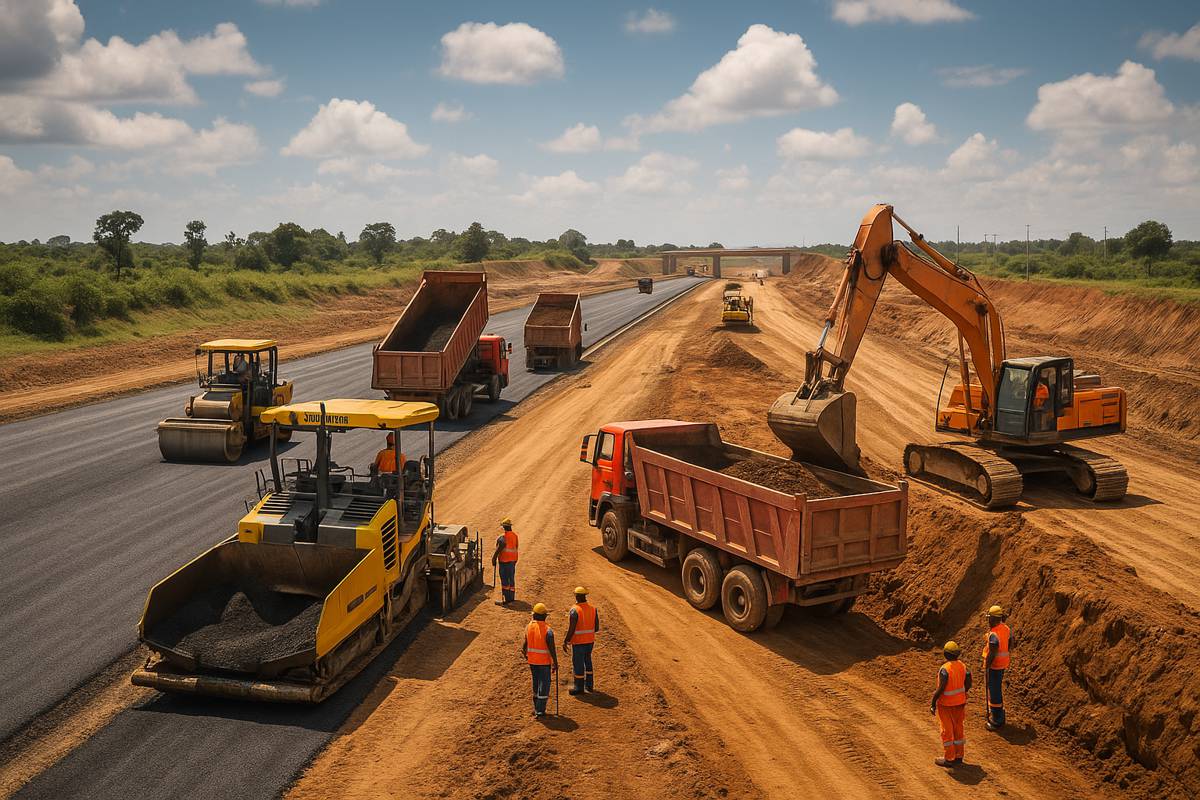
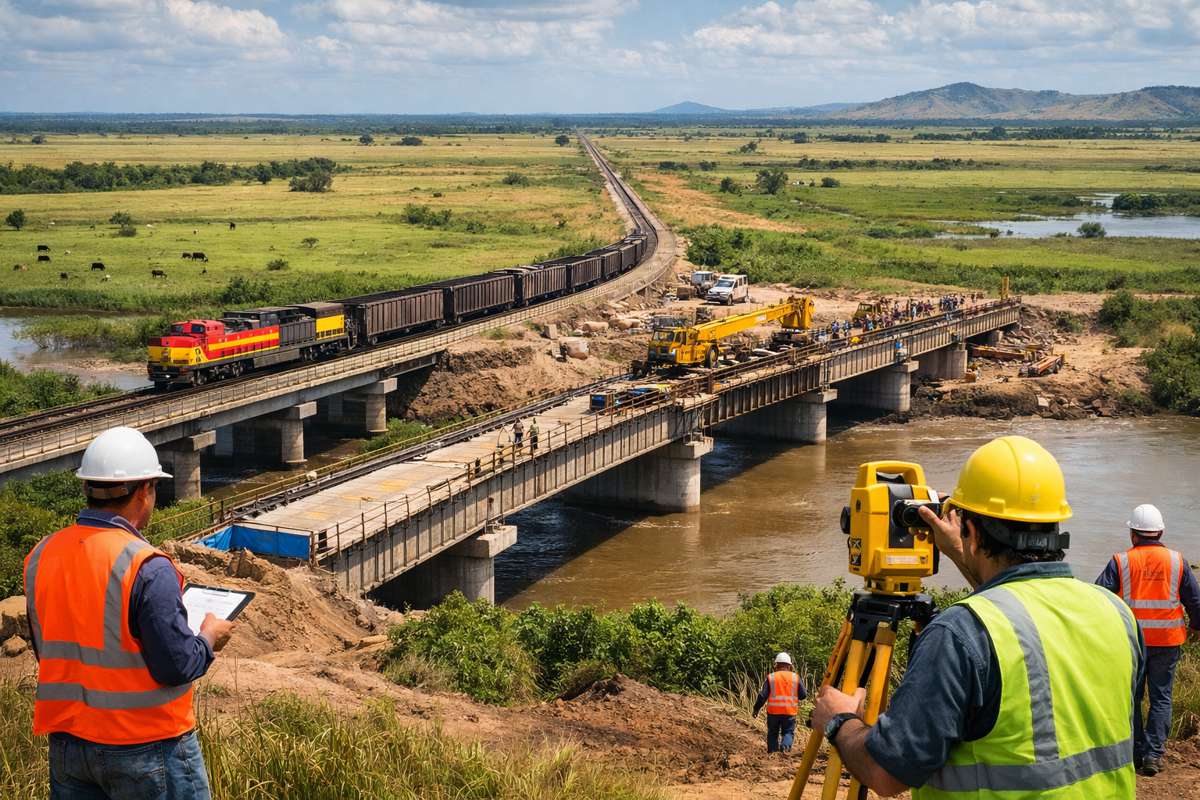
The expansion includes major civil works such as earthmoving, grading, drainage system installation, new interchanges, flyovers, and improved pedestrian infrastructure. Safety enhancements will also feature prominently, addressing long-standing concerns around accident-prone sections.
Financing the Highway
One of the most notable aspects of the project is its financing structure. Rather than relying on traditional government borrowing, the scheme is being delivered through a public-private partnership. Funding is arranged as 75 per cent debt and 25 per cent equity.
The National Social Security Fund (NSSF) will play a significant role in Phase One, contributing around 45 per cent of the equity portion. Debt financing is expected to come from Chinese commercial lenders and government-backed institutions, including the Export-Import Bank of China.
For Kenya, the PPP approach allows essential infrastructure works to proceed without adding to sovereign debt at a time when fiscal pressure remains high. It also shares risk across public and private partners, particularly in relation to future revenue from toll operations.
Concession Terms and Revenue Expectations
Construction work is targeted for completion in 2027. Once the highway is operational, the consortium will hold a 28-year concession to collect tolls. This revenue stream is intended to cover debt repayments, maintenance responsibilities, and investor returns.
Local projections suggest the operator could earn more than USD2.6 billion during the concession period, depending on economic growth and traffic volumes. Advocates of the tolling model argue that it reduces pressure on public finances by shifting revenue risk to private operators. Critics, however, remain cautious about long-term implications, particularly around affordability for regular users.
Public Debate and Concerns Over Tolling
The decision to pursue a toll-financed PPP model has not been without controversy. The Motorists Association of Kenya has voiced concerns that users of the Northern Corridor are being disproportionately targeted while other major routes remain toll-free.
Opponents fear that long concession terms could reduce government flexibility in managing the highway and place undue financial pressure on communities that depend on the road for daily travel. Some also question transparency in tendering and the degree of oversight in such large-scale PPP agreements.
Government officials maintain that the partnership model is essential given fiscal constraints and insist that toll rates will be set with affordability and economic competitiveness in mind.
Wider Implications for East African Connectivity
Beyond the construction works themselves, the upgraded corridor is expected to strengthen Kenya’s role within the East African Community. Improved road conditions and reduced congestion will help facilitate cross-border trade, support logistics networks, and improve links to Uganda, Rwanda and South Sudan.
Tourism operators anticipate gains as well, with faster travel times boosting accessibility to attractions in Nakuru, Naivasha and the wider Rift Valley. Meanwhile, the agricultural sector stands to benefit from reduced spoilage and improved market distribution patterns.
A Glimpse at the Future
As construction advances across both phases, Kenya is positioning itself to meet long-term mobility demands and economic aspirations. The Nairobi–Nakuru–Mau Summit upgrade is more than a transport project; it is a cornerstone of national development strategy and a statement on Kenya’s evolving approach to infrastructure finance.
The coming years will reveal how effectively the PPP model can deliver on its promises, how motorists respond to the tolling framework, and how the corridor reshapes regional commerce and connectivity.