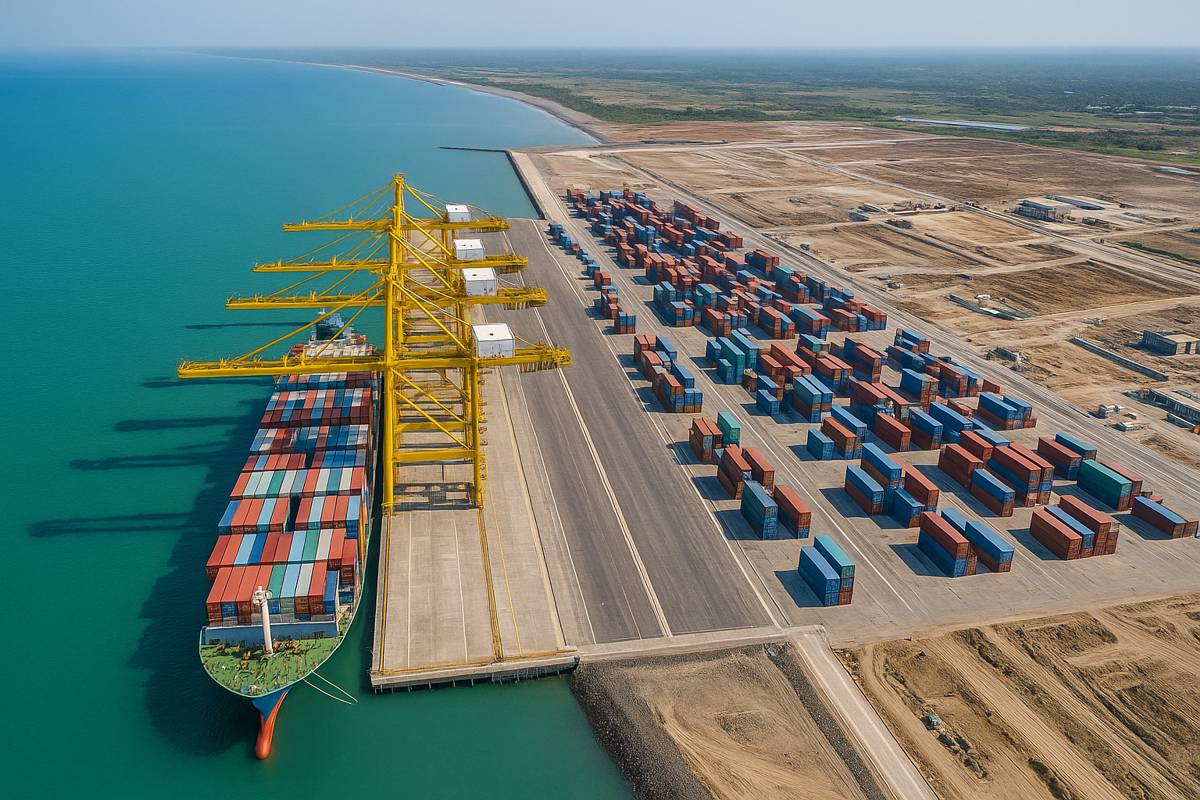
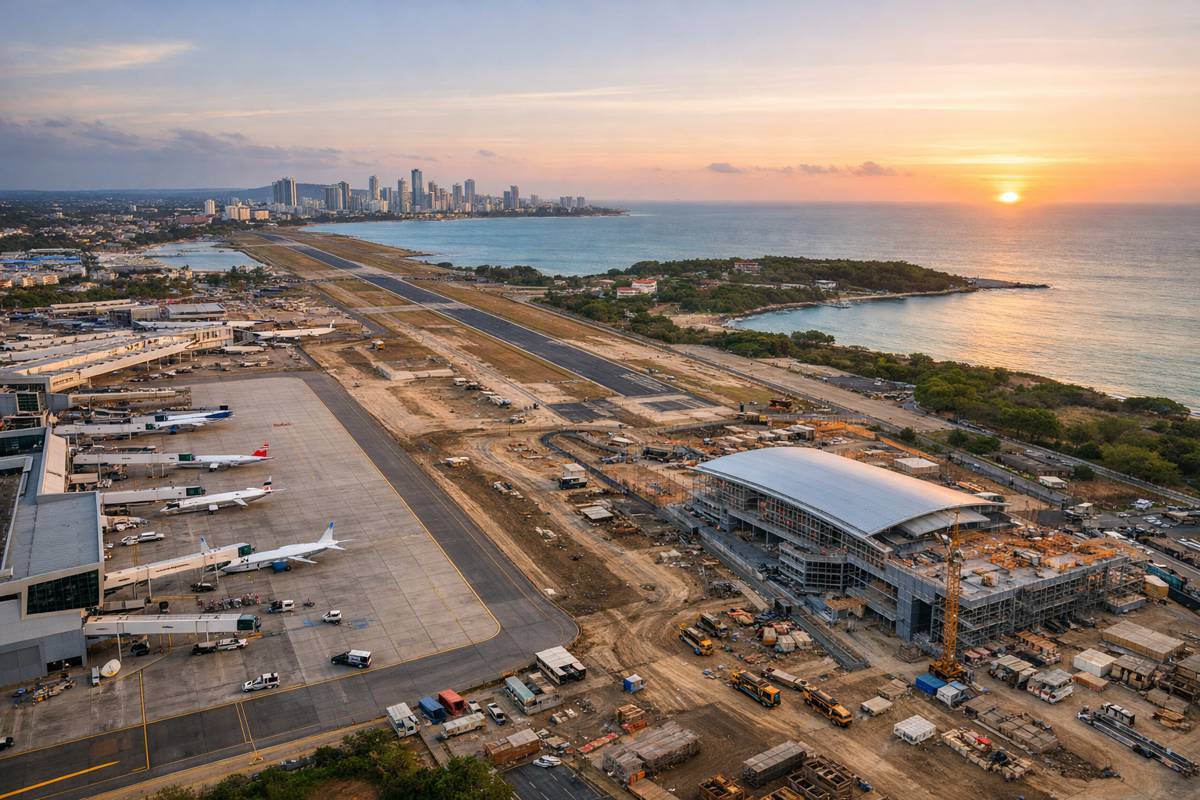
Laldia Container Terminal to Reshape Bangladesh’s Maritime Future
Bangladesh has taken a decisive step to expand its maritime capacity with the approval of a public-private partnership between the interim government and APM Terminals BV, a Netherlands-based subsidiary of the Maersk Group.
The project finance agreement authorises the design, financing, construction, and long-term operation of the new Laldia Container Terminal at Chattogram Port. This single project is expected to shift the competitive landscape of South Asian shipping by allowing Bangladesh to receive larger vessels, cut dependence on foreign transshipment hubs, and streamline overall container handling.
Experts have long noted the constraints at existing terminals, particularly at New Mooring Container Terminal, which requires many shipping lines to use Colombo or Singapore as intermediate hubs. The new terminal aims to change that dynamic by offering deeper draft access and more advanced operational systems. With its location around 5 km closer to the Bay of Bengal than the current facilities, the terminal will be positioned to receive vessels nearly twice the size of those currently accommodated, bringing Bangladesh closer to global mainline routes.
APM Terminals’ Investment And Operational Role
APM Terminals plans to invest approximately US$550 million into the development of the Laldia Container Terminal. This commitment reflects the company’s wider strategy to expand in high-growth emerging markets where improved logistics can unlock competitiveness. The terminal will remain fully owned by the Chittagong Port Authority, while APM Terminals will act as the exclusive operator under the PPP arrangement.
According to APM Terminals’ strategic statements, the company aims to modernise port operations in South Asia by integrating automation, digitalisation, and high-efficiency yard systems. Representatives previously noted that the group focuses on delivering predictable turnaround times and energy-efficient operation models. During past discussions on regional expansion, an APM Terminals spokesperson emphasised: “We work closely with local port authorities to bring global standards in safety, productivity, and sustainability.” Although this comment was not made specifically about Laldia, it reflects the company’s approach to port development worldwide.
Operational control will enable APM Terminals to incorporate advanced terminal management systems, automated container handling technologies, and upgraded berthing practices. These capabilities are expected to raise throughput and reduce vessel delays that have traditionally burdened the port during peak seasons.
Expanding Capacity And Reducing Congestion
Current projections show that the Laldia Container Terminal will begin with an annual handling capacity of around 800,000 TEUs. With progressive efficiency improvements, this could scale to 1 million TEUs, creating significant relief for the region’s overstretched port infrastructure.
Chattogram Port, which manages more than 90 percent of Bangladesh’s seaborne trade, has faced repeated congestion challenges over the past decade. Containers often experience delays due to limited quay length, insufficient equipment, and growing demand from the country’s garment export sector. The addition of Laldia’s capacity is expected to alleviate bottlenecks and provide resilience against seasonal surges.
Industry observers highlight the importance of reducing reliance on transshipment hubs. Larger ships calling directly at Chattogram would shorten shipping times for exporters and lower logistics costs across supply chains. This is crucial for Bangladesh’s manufacturing competitiveness, particularly as the country aims to move into higher-value production.
Construction Timeline And Delivery
Construction is scheduled to begin in December 2025 following final contract arrangements and site preparation. The project will require substantial dredging, quay wall construction, crane installation, and the integration of digital port systems. APM Terminals will oversee both land-based and marine development elements to ensure compliance with international standards.
Operations are projected to start in 2029, marking one of the most transformative additions to Bangladesh’s maritime infrastructure in recent years. The PPP agreement spans 30 years, after which the terminal will be handed back to the Chittagong Port Authority. There is an opportunity for an extension if the operator meets performance benchmarks, reflecting a results-driven partnership model.
Wider Economic And Strategic Impacts
The development of a terminal capable of welcoming larger vessels is expected to reshape regional logistics patterns. By improving direct connectivity with international shipping networks, Bangladesh could strengthen its role as a gateway to northeastern India, Nepal, and Bhutan. Enhanced port capacity also supports the government’s ambition to expand export volumes and diversify industrial growth.
Several international logistics analysts have pointed out that modern terminals are essential to sustaining economic expansion. A commentary from the World Bank on South Asian port performance observed: “Countries that invest in port efficiency experience faster trade growth and reduced maritime transport costs.” Although general in nature, this view aligns closely with Bangladesh’s objectives.
The project could also stimulate growth in coastal shipping and inland container movement, as improved handling speeds may encourage investment in supporting road and rail corridors. Chattogram’s planned expansions, including potential future terminals and improvements to logistics zones, further reinforce the port’s role in the national economy.
Environmental And Technological Considerations
Modern port design increasingly integrates environmental management, particularly in dredging, energy use, and noise reduction. APM Terminals has publicly committed to reducing emissions intensity across its global operations and is pursuing electrification of equipment where feasible. While detailed environmental plans for Laldia have not yet been publicly released, the operator’s sustainability framework suggests that energy-efficient cranes, optimised yard layouts, and data-driven maintenance will likely feature in the final design.
Technology will underpin much of the terminal’s efficiency. Digital platforms for truck appointment systems, automated gate operations, and real-time yard monitoring could reduce congestion around the port area. Incorporating smart systems may also improve transparency for shippers, who increasingly expect tracking information throughout cargo movements.
South Asia’s Most Strategically Important Port Developments
The Laldia Container Terminal stands poised to transform not only Chattogram Port but also Bangladesh’s wider trade landscape. With substantial private investment, modern operational capabilities, and a long-term partnership structure, the terminal is set to deliver capacity gains that the country urgently needs. Benefits will extend well beyond maritime operations, influencing industry competitiveness and regional logistics connectivity for decades.
As construction approaches, the sector will closely watch how the collaboration between APM Terminals and the Chittagong Port Authority shapes the delivery of what promises to be one of South Asia’s most strategically important port developments.