The Role of Colour and Texture in Dining Room Ambiance
Walk into any dining room, and the first thing you feel isn’t the table or the chairs—it’s the mood. Colour and texture quietly shape that feeling. Warm shades can make meals feel cosy and inviting, while cooler tones bring calm and balance. Smooth surfaces feel clean and modern, while soft fabrics and natural finishes add comfort and warmth.
Together, colour and texture guide how people relax, talk, and enjoy food. Whether you host lively dinners or quiet family meals, these design choices matter more than you think. Let’s explore how the right mix can turn your dining room into a space people truly enjoy.
Matching Colour and Texture to Dining Room Sets (Furniture-First Planning)
Most design advice assumes you’re starting with empty rooms. But reality? You’re working around existing furniture, especially dining room sets that anchor the entire space visually and functionally.
Choosing a palette that complements dining room sets
Dark wood sets demand lighter walls and textured neutrals—avoid muddy mid-tones at all costs. Light oak thrives alongside warmer wall colours; layer in contrast through black or brass accents. Painted sets in white or black need serious texture via walls, rugs, and curtains to prevent that sterile, uninviting feel. Dining Room Ambiance Starts with Colour Psychology (and Perception)
Colours fundamentally alter how we feel, what we perceive, and even how we act. That’s precisely why dining room paint colours aren’t about chasing Instagram trends—they’re about intentionally crafting the atmosphere you need.
Mood mapping—pair emotions to dining room colour ideas
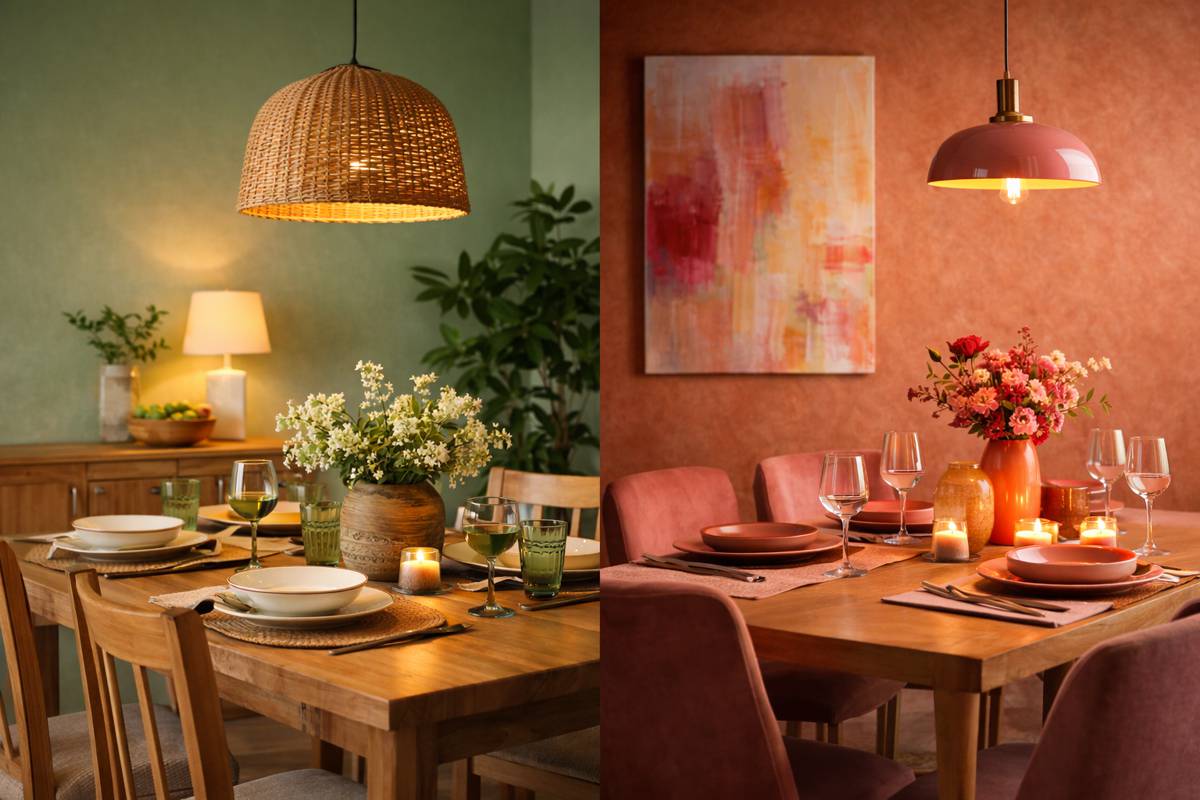
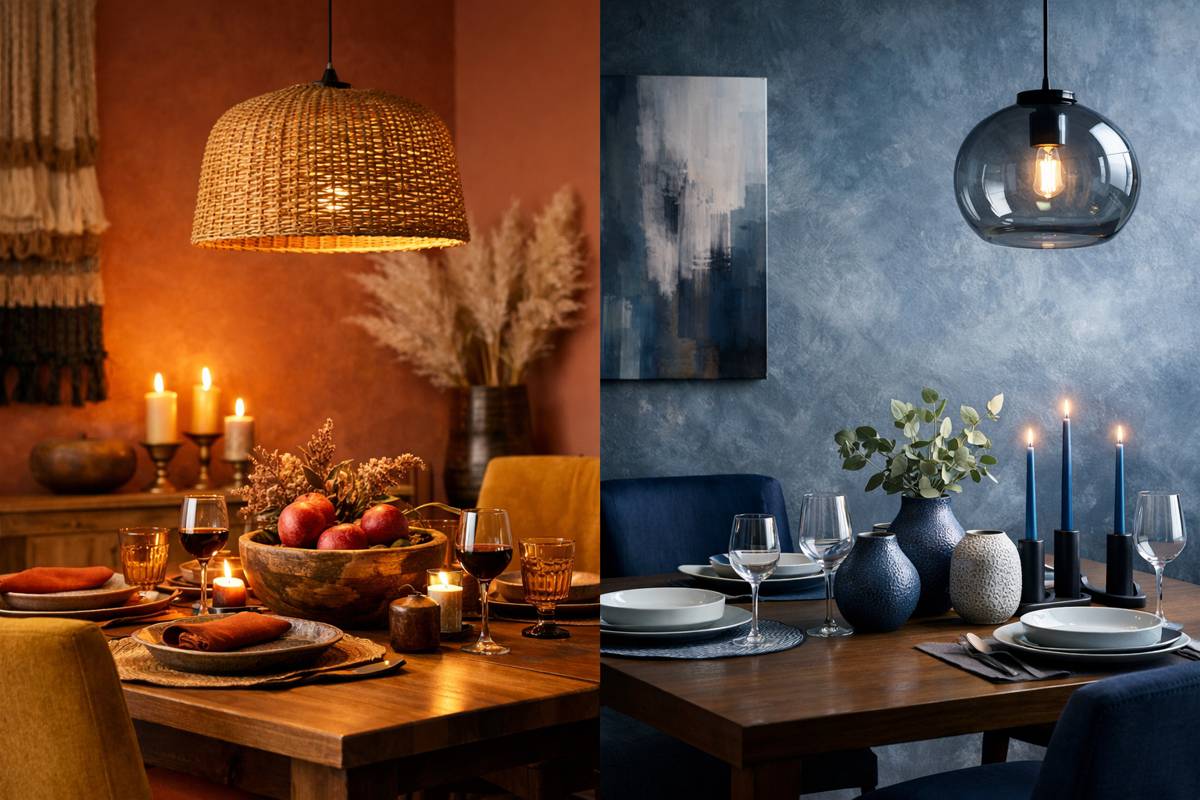
Warm neutrals? They make guests want to stay longer, sparking those meandering conversations nobody wants to end. Darker shades—think charcoal, navy—wrap the room in intimacy perfect for formal occasions. Light, airy choices like soft whites and barely-there greys flood daytime meals with brightness. Cool blues paired with calming greens deliver tranquillity and peace—exactly what relaxed family dinners need. On the flip side, warm yellows and oranges channel sunshine and optimism, ramping up energy and even creativity. Perfect for weekend brunches where conversation flows freely.
The biggest blunder? Picking what’s on trend without accounting for your natural light, neighbouring rooms, or how different finishes transform color perception entirely. Once you’ve nailed down your target mood, here’s where it gets interesting: colour can literally trick the eye into reshaping your room’s physical dimensions.
Space illusions—using colour to make dining rooms feel larger, taller, or cosier
Paint dark walls but keep the ceiling light? You’ve just expanded the perceived width and pulled the eye outward. Matte finishes kill harsh glare; satin bounces just enough light to add dimension. Try colour-blocking with a chair rail and contrasting paint tones—it anchors towering walls without making the room shrink. In open-concept layouts, match undertones rather than exact colours to create smooth transitions without jarring visual breaks.
Here’s the catch, though. Even the most carefully chosen shade will fail spectacularly if your lighting warps warm taupe into muddy mess or turns crisp white into something resembling a hospital corridor.
Dining Room Paint Colours That Perform Under Real Lighting
When designing restaurant interiors, professionals obsess over seven core elements: colour, form, light, line, pattern, texture, and space—because that’s what creates captivating, cohesive ambiance. Your home dining room demands the exact same attention.
Undertones that prevent unexpected wall colour shifts
Warm undertones—those with yellow or red bases—feel inviting under incandescent bulbs but can skew orange in natural daylight. Cool undertones containing blue or green read crisp under north-facing light yet turn icy under warm LEDs. Neutral undertones balance both extremes. Your oak floors? They’ll push colours warmer. Gray tile does the opposite. Always test large sample cards under your actual lighting at different times of day, and match them to your bulb’s colour temperature before you commit a single wall.
Now that you understand undertone dynamics and can predict shifts, let’s look at specific paint colours creating stunning results in contemporary dining spaces right now.
High-impact dining room paint colours by style (with modern picks)
Modern warm whites—creamy, never stark—complement oak and brass beautifully. Greige and taupe anchor transitional aesthetics. Olive, clay, and subdued terracotta inject earthy warmth. Inky blue and charcoal deliver drama, but only in well-lit spaces. Soft black accents on trim or ceilings define modern elegance instantly. Pro tip: choose trend depth (lighter or richer versions) rather than trendy undertones, so your palette doesn’t feel dated in three years.
Dining Room Texture Ideas That Make Colour Feel Rich (Not Flat)
Even the world’s most sophisticated paint colour reads flat—boringly, disappointingly flat—without texture adding dimension, depth, and that tactile quality separating amateur spaces from professionally designed rooms.
Texture layering formula (easy to follow)
Base layer: your walls, floors, window treatments. Mid layer: area rug, chairs, sideboard. Detail layer: table centrepieces, art frames, ceramic pieces. The balance rule matters: mix at least three distinct textures—smooth, soft, tactile—or risk that sterile showroom aesthetic. This formula prevents flat room syndrome while adding visual interest minus clutter. With your three-layer framework clear, start with your room’s largest canvas: walls, where texture does heavy lifting before you introduce furniture.
Wall textures that elevate dining room décor ideas
Limewash and Roman clay finishes create incredible depth under soft lighting. Picture-frame moulding, fluting, or wooden slat walls add architectural dimension instantly. Grass cloth alternatives—the wipeable, humidity-resistant versions—bring natural warmth. Acoustic panels can double as design features, making them both innovative and functional for open-concept challenges.
Dining Room Décor Ideas: Using Colour and Texture Through Key Elements
You’ve established your colour and texture strategy. Now translate those principles into specific elements—lighting, rugs, window treatments—that actually bring your vision to life.
Lighting that makes dining room colour ideas look intentional
Choose pendant sizes proportional to table width, hanging them 30–36 inches above the surface. Linen shades diffuse light softly; glass adds sparkle; rattan warms everything. High-CRI warm dimmable bulbs aren’t optional—they render colours accurately and let you shift from bright family meals to intimate candlelit dinners effortlessly.
Rug selection that ties colour + texture together
Size rugs generously so chairs slide out comfortably—usually 8’×10′ minimum for standard tables. Low-pile and flatweave styles simplify cleaning dramatically. Match pattern scale to room size, and remember: warmer neutrals hide inevitable crumbs better than stark whites ever will.
Matching Colour and Texture to Dining Room Sets (Furniture-First Planning)
Most design advice assumes you’re starting with empty rooms. But reality? You’re working around existing furniture, especially.
Choosing a palette that complements dining room sets
Dark wood sets demand lighter walls and textured neutrals—avoid muddy mid-tones at all costs. Light oak thrives alongside warmer wall colours; layer in contrast through black or brass accents. Painted sets in white or black need serious texture via walls, rugs, and curtains to prevent that sterile, uninviting feel.
Common Mistakes That Ruin Dining Room Ambiance (and Fixes)
Even brilliant strategies fail when common, completely avoidable mistakes sabotage your colour and texture choices from the start.
Too many competing undertones
Fix this with a simple three-swatch undertone test and one bridge neutral connecting everything seamlessly.
Flat room syndrome (colour without texture)
Add one large textile—either rug or curtains—plus one tactile wall element or textured art piece.
Harsh lighting that distorts dining room paint colours
Install dimmers, create layered lighting, and use correct bulb temperature (2700K–3000K warm white range).Now that you’ve absorbed proven strategies and sidestepped costly mistakes, let’s tackle the specific questions most dining room guides conveniently ignore.
Your Dining Room Questions, Answered
Why is it important to choose good textures and colours of furnishing materials?
Colour theory teaches us that warm or cool palettes affect spatial perception. Texture works identically. Rough textures make spaces feel grounded and intimate, while smooth textures lend sleeker, more modern tones.
Which dining room paint colours make people feel hungrier or more social?
Warm reds, oranges, and terracotta’s genuinely stimulate appetite and energy levels. Soft yellows and peachy tones encourage conversation and social bonding without sensory overload.
How do I mix wood tones in a dining room without clashing?
Repeat one wood tone 2–3 times throughout—table, sideboard, picture frames. Balance warm and cool woods by grounding them with neutral textiles and one shared metal finish like brass or black.
Wrapping Up Your Dining Room Transformation
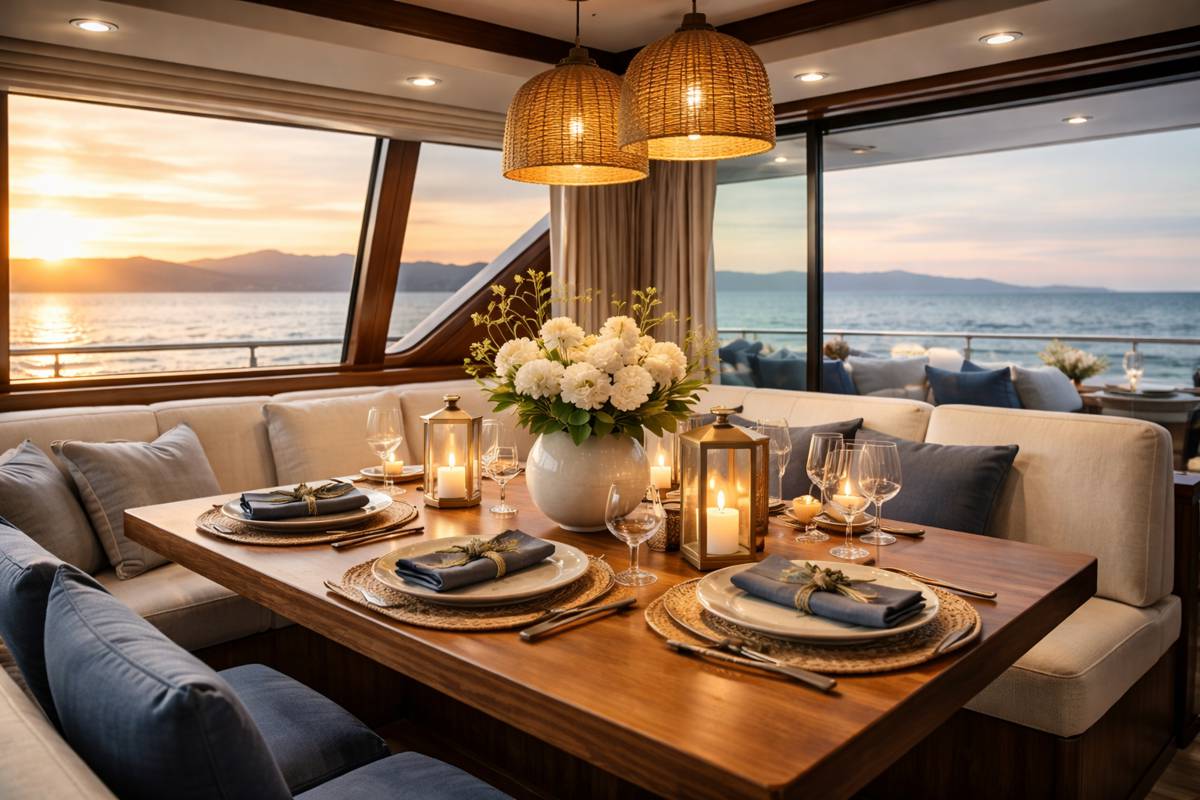
Ambiance never happens by accident. It’s the deliberate result of strategic choices in colour, texture, and lighting working together.
When you pair appropriate dining room paint colours with intentional dining room texture ideas and thoughtful lighting, you build a space that feels purposeful, welcoming, and authentically yours. Start small—swap to warmer bulbs, add a tactile rug, or install one textured accent wall. You’ll be surprised how minor, strategic changes create noticeable shifts in comfort and mood almost immediately.