How Hands-On Veterinary Programs Inspire Students
Curious about what sparks a young person’s passion for animals and science? Hands-on veterinary programs do more than teach, they inspire. By letting students actively care for animals, observe procedures, and explore real-life veterinary work, these programs turn curiosity into confidence. They show that learning isn’t just about reading books or taking notes, it’s about doing, experimenting, and discovering.
For students, this experience can shape career dreams, teach responsibility, and build skills that last a lifetime. In this blog, we’ll explore how these immersive programs light the spark that can guide future veterinarians.
Why Experiential Learning in Veterinary Medicine Sparks Inspiration So Quickly
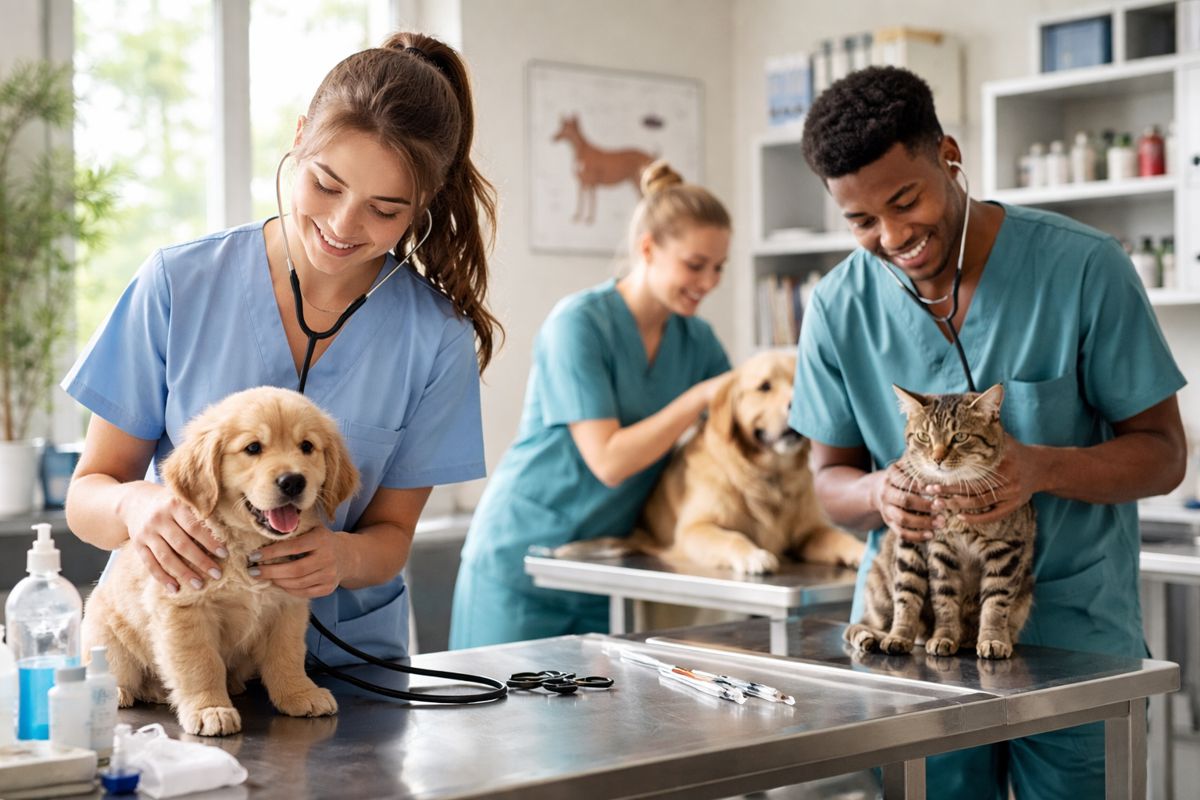
Here’s what happens when students hold actual clinical instruments instead of just staring at diagrams: everything accelerates. Experiential learning in veterinary medicine works faster because it engages both emotion and intellect, creating learning experiences that truly stick. Veterinary camps for middle schoolers offer hands-on opportunities like this, helping young students develop practical skills, curiosity, and confidence in real-world contexts.
The immediate motivation students experience in hands-on environments
That “I’ve got this” feeling begins surprisingly small. Successfully working with an animal model. Correctly spotting a parasite under magnification. Taking vitals while your mentor gives you that approving nod. These modest wins compound fast.
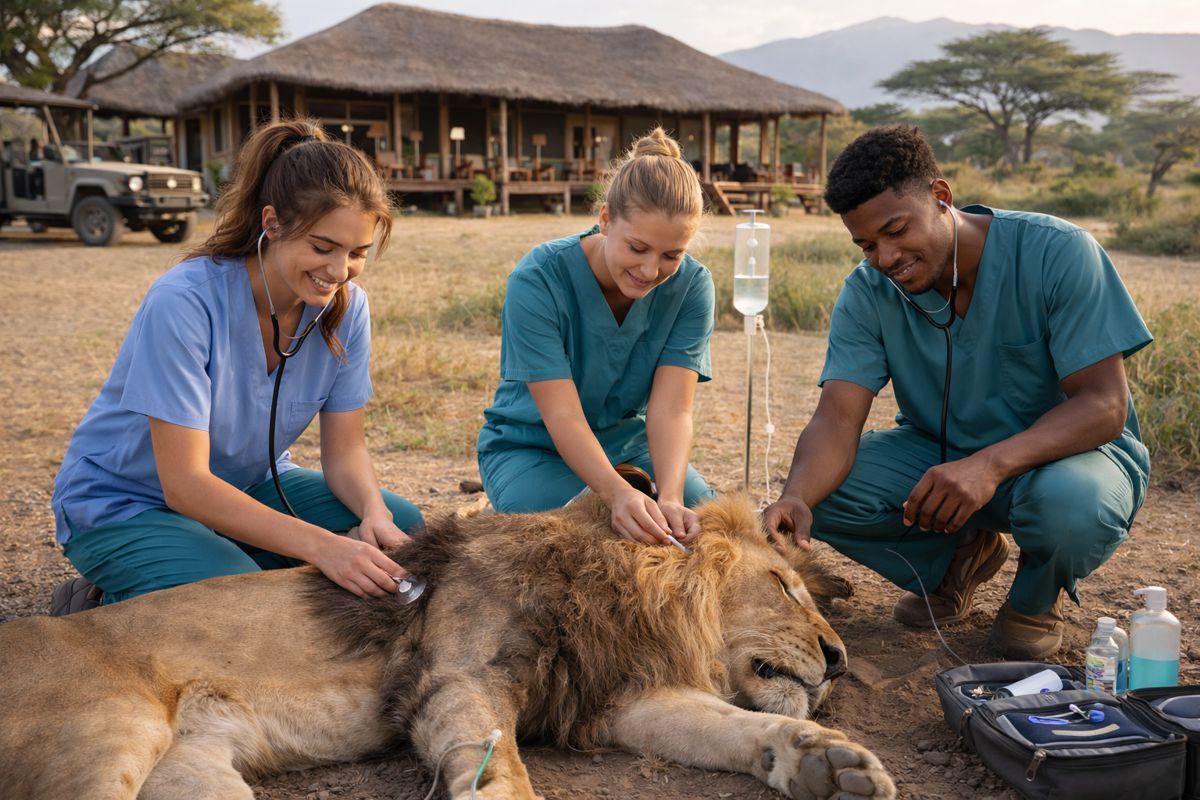
One participant shared how five weeks fully immersed in hands-on wildlife and livestock veterinary work became “a life-changing experience” they’d carry forever, clear evidence that sustained, real exposure creates motivation that lasts.
Another powerful element? Working directly alongside veterinarians and vet techs gives students genuine belonging. They feel like contributing team members, not just observers passing through. That emotional investment matters enormously when coursework inevitably gets challenging.
Career clarity that eliminates guesswork
Most students initially think “veterinarian” describes one single job. Hands-on exposure shatters that assumption fast. They’ll see the actual difference between small animal practitioners, vet techs, animal behaviourists, wildlife rehabilitators, and shelter medicine specialists by observing what each role demands daily. Research shows nearly 51% of students report hands-on experiences directly helped them determine whether veterinary medicine genuinely matched their interests and personality.
They also face real challenges head-on, emotional difficulty, ethical complexity, high-pressure situations, which helps them honestly evaluate fit. That kind of clarity simply doesn’t come from glossy career brochures.
Learning science through actual cases
Biology stops being theoretical when students watch concepts applied in real time. They’ll trace connections from symptoms through diagnostics to treatment decisions, learning integrated systems thinking rather than disconnected terminology.
Anatomy suddenly makes perfect sense when you’re identifying organs on ultrasound screens. Pharmacology basics click instantly when you understand why certain medications matter right now. Veterinary education programs built around real cases teach students to think like practitioners do, not just memorize definitions.
What Makes Hands-On Veterinary Programs Actually Work
Understanding why these programs succeed matters, sure. But recognizing what separates transformative experiences from basic shadowing? That helps you choose intelligently. Think of these elements as your quality filter when evaluating any opportunity.
Genuine clinical or field exposure
Excellent programs structure age-appropriate participation levels thoughtfully. Middle schoolers typically observe and work with demonstration models. Early high schoolers might assist with foundational tasks under close supervision. Advanced high school participants often engage in case discussions and triage simulations.
Safety protocols aren’t negotiable. Look for clearly defined supervision ratios, vaccination requirements, and animal welfare standards protecting both students and animals equally.
Skill-building sequences that maintain engagement
Foundation experiences introduce safe animal approach, body language reading, and basic restraint concepts demonstrated by professionals. Intermediate activities layer in vitals demonstrations, microscope work, faecal float observations, and bandaging practice on models.
Advanced students tackle case presentations, triage simulations, and diagnostic reasoning workshops. This thoughtful progression prevents both boredom and overwhelm while building actual competence.
Mentorship that converts interest into direction
Near-peer mentors, current vet students or techs who recently navigated this exact path, make success feel attainable. Licensed professionals bring credibility and hard-won wisdom. Brief debriefs following activities create crucial reflection moments that deepen learning significantly. Quality mentorship is what separates inspiring programs from passive observation.
Which Program Formats Actually Inspire Students
Now that you’ve got the essential ingredients clear, let’s examine specific formats delivering these elements effectively, from introductory camps through career-track internships.
Veterinary camps designed for middle schoolers
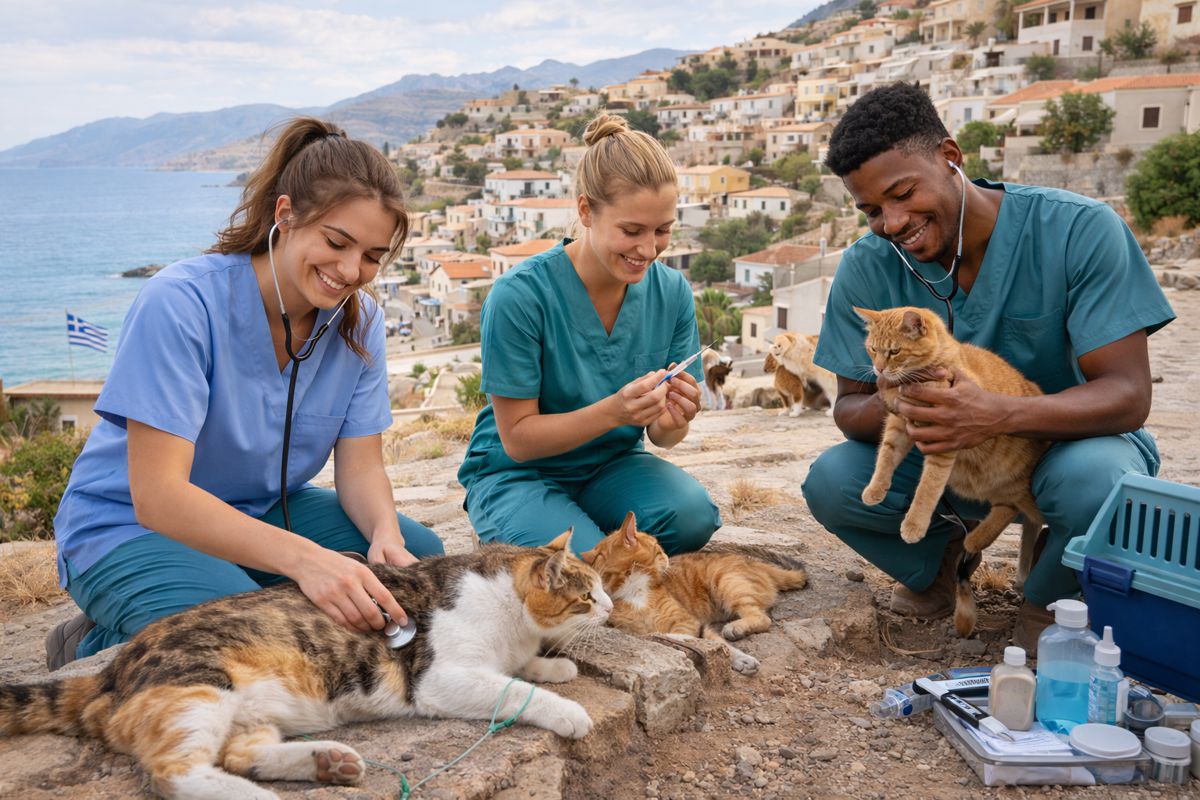
For most families, veterinary camps for middle schoolers represent the most accessible entry point for introducing students to animal care within structured, supportive environments that feel exciting rather than intimidating.
Early exposure reduces anxiety around both animals and clinical settings. These one-to-five-day programs typically rotate through stations featuring animal-handling demonstrations and humane education modules. They prioritize confidence building over intensive skill training.
The strongest camps balance education with genuine enjoyment, helping students feel capable without creating overwhelm. Results include heightened science interest and stronger self-efficacy that extends into subsequent schooling.
Veterinary science programs targeting high school students
Semester programs, summer intensives, and dual-enrolment pathways provide substantially deeper skill development. Veterinary science programs for high school students frequently include portfolio components like case reflections, research posters, or mini capstone projects that significantly strengthen college applications.
These programs effectively bridge classroom theory and clinical reality, making biology and chemistry concepts immediately tangible.
Veterinary internships for students
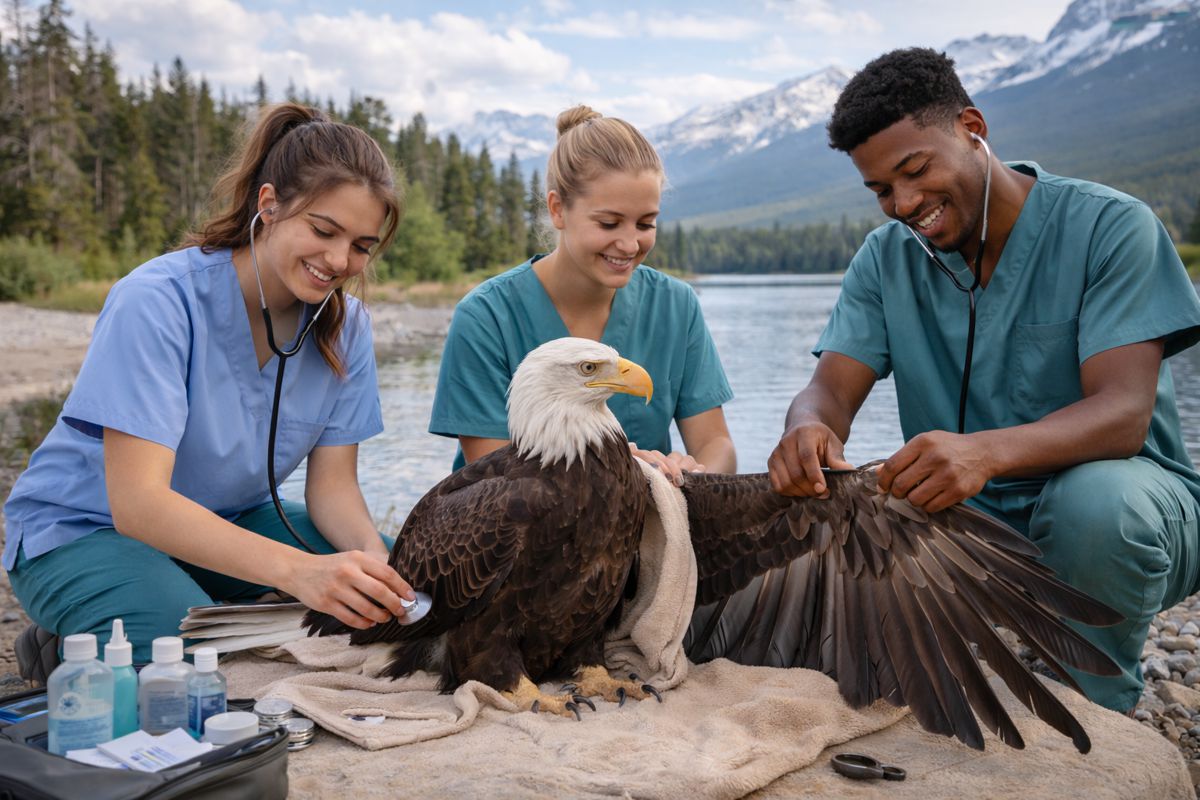
Authentic workplace environments, clinics, shelters, farms, laboratories, zoos, equine facilities, or wildlife centres, deliver the most genuine experiences available. Veterinary internships for students incorporate structured learning objectives, defined shadowing schedules, ethics training, and completion certificates.
One intern described daily responsibilities encompassing bandage changes, vaccine administration, x-ray operation, blood draws, and diagnostic testing, tasks building legitimate competence. Strong internships additionally provide recommendation letter support with transparent rubrics.
Skill Tracks Students Develop in Quality Veterinary Education Programs
Selecting the right format matters considerably, but understanding what students actually gain completes your decision framework. Here are core skill tracks woven throughout quality curricula.
Animal handling and welfare foundations
Students learn stress signals, consent-based handling approaches, and enrichment fundamentals. Welfare-first decision making becomes instinctive. Humane restraint principles get demonstrated with models initially, ensuring safe practice before any live animal contact.
Diagnostics and laboratory fundamentals
Microscopy basics, parasite identification demonstrations, urinalysis overviews, and imaging introductions expose students to real diagnostic equipment. Biosecurity training covers PPE usage, hand hygiene, and zoonotic risk awareness, practical knowledge building professional habits early.
Clinical reasoning and case-based thinking
Symptom mapping exercises, differential diagnosis fundamentals, and “when to escalate” guidelines develop critical thinking. Interactive case boards featuring “choose the next step” decision trees make complex reasoning accessible and genuinely engaging.
Communication and empathy skills
Client communication fundamentals, active listening, concern summarization, care plan explanations, prepare students for actual interactions. Age-appropriate discussions addressing compassion fatigue and coping strategies help teens process emotionally challenging aspects of veterinary work responsibly. These frequently overlooked skills distinguish comprehensive programs from purely technical ones.
Final Reflections on Hands-On Veterinary Learning
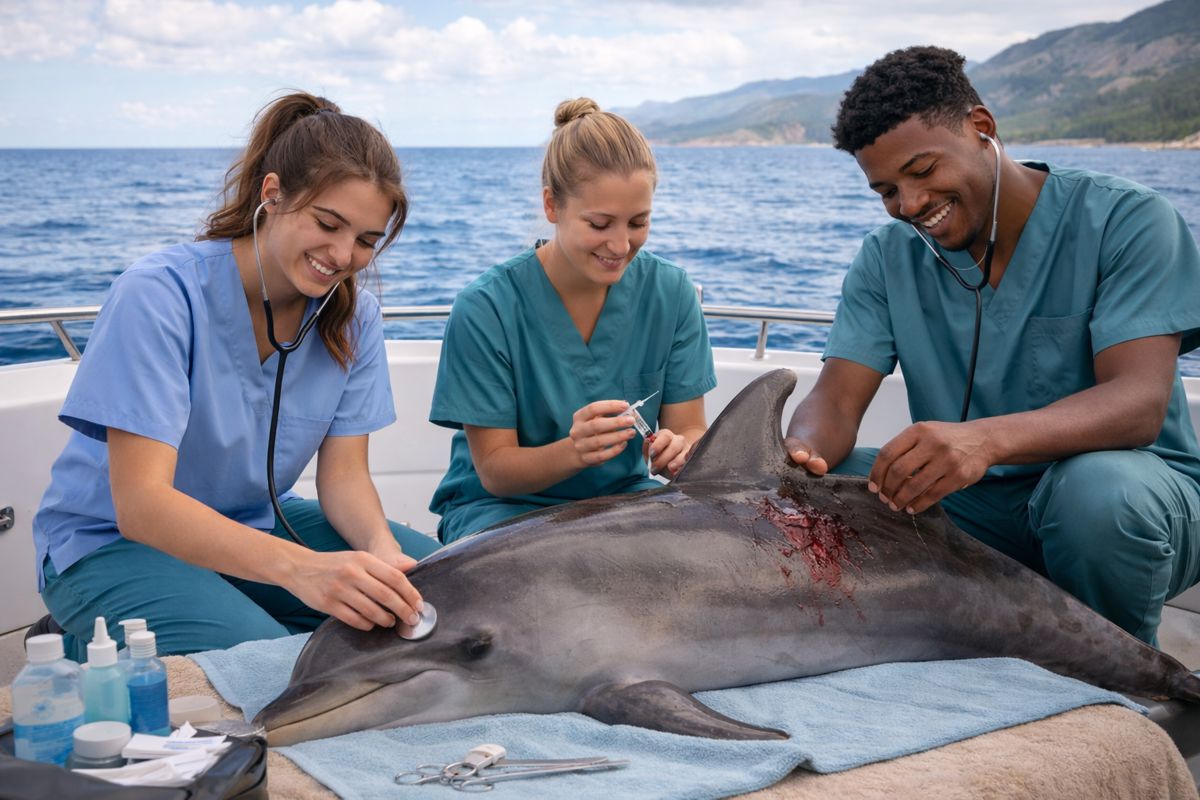
Students who experience authentic veterinary environments don’t merely absorb information, they discover whether this demanding yet rewarding career genuinely fits them. Quality programs combine clinical exposure, thoughtful skill progression, strong mentorship, and reflection opportunities transforming curiosity into actual competence.
By understanding what separates exceptional experiences from passive observation, you can guide students toward programs that genuinely inspire. The right hands-on experience doesn’t just enhance applications; it shapes confident, prepared young people truly ready for veterinary pathways ahead.
Your Questions About Hands-On Veterinary Programs Answered
How to get hands-on experience for vet school?
This experience can be acquired in four main ways: through spending time in a private veterinary practice, by working with public health veterinarians, by working with a veterinary researcher, and by familiarity with handling animals in various settings.
What positive impacts has technology had on veterinary care and on veterinary practices?
Predictive technologies leverage the wealth of data and insights generated by monitoring and diagnostics to identify behaviour changes, risk factors, genetic predisposition and more, allowing veterinarians, farmers and pet owners to reliably predict changes in an animal’s health before they become a problem.
Do hands-on programs allow students to handle animals, and what does “hands-on” typically mean?
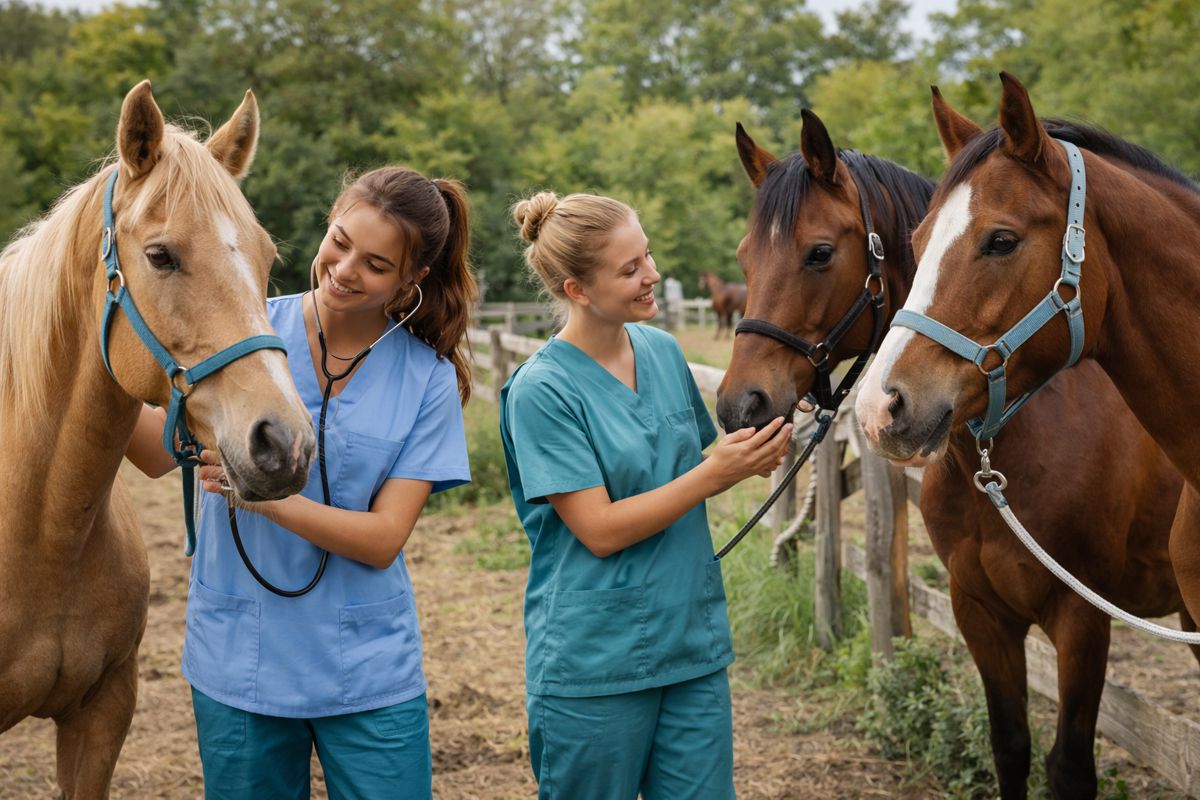
Hands-on varies by age and program. Middle schoolers typically work with models and observe demonstrations. High school students may assist with supervised tasks like taking vitals, preparing equipment, or handling calm animals under direct guidance from licensed professionals who prioritize safety.