HMAX by Hitachi Brings AI into Mobility and Social Infrastructure at CES
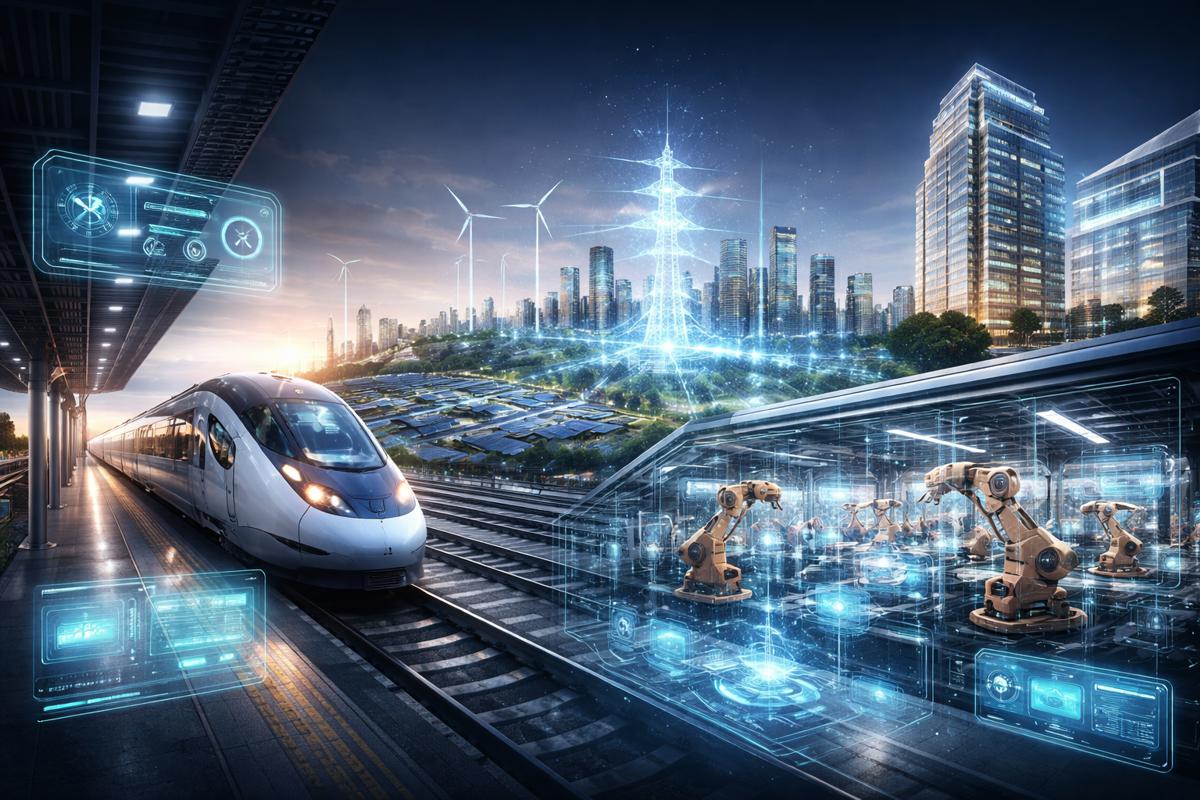
Artificial intelligence has spent much of the past decade proving its worth in digital environments. Data analysis, content generation and decision support have matured quickly, yet the physical world has often lagged behind. Infrastructure systems remain complex, capital intensive and difficult to modernise at scale. Against that backdrop, Hitachi has introduced HMAX, a next generation suite of AI driven solutions designed to bridge the divide between digital intelligence and physical reality.
Launched at CES 2026, HMAX represents a strategic step forward for Hitachi’s long running commitment to social innovation. Rather than presenting AI as an abstract capability, HMAX applies intelligence directly to railways, power grids, factories and buildings. It draws on decades of operational technology experience, a vast global install base and a carefully structured partner ecosystem to turn raw field data into practical, decision ready insight.
From Lumada to HMAX A Strategic Evolution
HMAX does not appear in isolation. It builds on Hitachi’s Lumada journey, which has steadily evolved from data integration to advanced analytics and now into autonomous, AI driven execution. The stated ambition of Lumada 3.0 is to integrate deep domain knowledge with advanced AI in order to solve real societal challenges. HMAX is the most tangible expression of that ambition to date.
Jun Abe, Executive Vice President of Hitachi and General Manager of the Digital Systems and Services Division, described the intent clearly: “Hitachi is advancing its vision of Lumada 3.0, which aims to lead social innovation to the next stage by integrating domain knowledge with AI. HMAX is the realization of this vision, and as a true One Hitachi initiative that transcends sector boundaries, we will bring together the collective wisdom and technology of the entire group to create unprecedented synergies.”
What sets HMAX apart is not simply the use of AI, but the way it has been formalised through design principles that ensure solutions are robust enough for mission critical environments. In sectors where safety, uptime and regulatory compliance are non negotiable, that distinction matters.
Bringing AI into the Physical World
Physical industries face a growing set of shared challenges. Labour shortages continue to intensify as skilled workers retire faster than they can be replaced. Infrastructure assets are ageing, yet investment cycles remain long and cautious. At the same time, expectations around efficiency, sustainability and resilience are rising.
Physical AI addresses these pressures by applying intelligence directly to real world systems. Unlike traditional AI, which often focuses on analysis or content generation, physical AI closes the loop between sensing, decision making and action. Field data is collected in real time, analysed continuously and used to optimise operations, predict failures or automate responses.
Hitachi’s heritage aligns naturally with this approach. With more than a century of experience in operational technology across rail, energy and manufacturing, the company brings credibility that many digital first entrants lack. This depth of experience allows AI models to be trained and deployed with a clear understanding of how physical systems behave under real operating conditions.
The Scale of the Opportunity
Market analysts increasingly recognise physical AI as one of the most significant growth areas in applied artificial intelligence. The physical AI market is forecast to reach approximately 124.77 billion US dollars by 2030. Growth is being driven by industrial automation, predictive maintenance, robotics and smart infrastructure, all areas where data volumes are high but actionable insight has historically been difficult to extract.
HMAX positions Hitachi to compete at the top end of this market. Rather than offering isolated tools, the platform integrates sensing, analytics, AI models and operational workflows into end to end solutions. That systems level approach is particularly attractive to infrastructure owners and operators seeking measurable outcomes rather than experimental pilots.
The HMAX Portfolio Three Priority Domains
HMAX has been structured around three core domains where AI can deliver immediate and measurable value. Each reflects an area where Hitachi already has significant operational presence and customer relationships.
HMAX Mobility
Transportation systems sit at the intersection of public safety, operational efficiency and environmental performance. HMAX Mobility focuses on rail and other transport networks, applying AI to optimise asset management, energy consumption and service reliability.
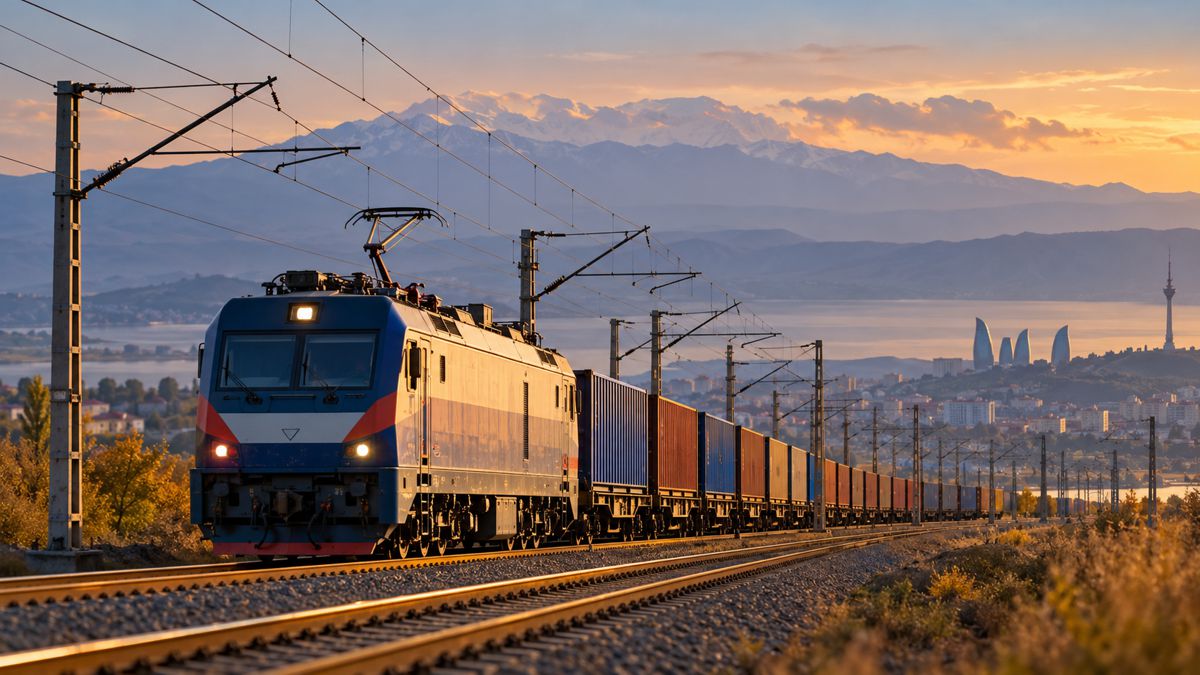
First introduced by Hitachi Rail in 2024, HMAX Mobility is now deployed across more than 2,000 trains. The platform integrates live data from rolling stock, signalling systems and surrounding infrastructure into a single operational environment. Advanced analytics and AI models generate predictive insights that support maintenance planning, resource allocation and service optimisation.
By leveraging edge computing and video analytics, HMAX Mobility processes large volumes of data in real time, ensuring that only relevant insights are transmitted back to control centres. This architecture reduces latency, supports autonomous decision making and improves overall system resilience.
The results are tangible. Operators using HMAX Mobility have reported up to a 15 percent reduction in maintenance costs alongside a similar reduction in energy consumption. In a sector where margins are tight and public scrutiny is high, those gains carry significant weight.
HMAX Energy
Energy infrastructure is under unprecedented strain as renewable generation, decentralised assets and electrification place new demands on grids originally designed for predictable, centralised supply. HMAX Energy addresses these challenges by combining digital services with deep domain expertise across the energy value chain.
The platform integrates automated inspection, real time monitoring, predictive analytics and virtual support to maximise uptime and extend asset life. Rather than reacting to failures, operators can anticipate issues and intervene before disruptions occur.
Reference deployments demonstrate the impact. In Italy, digital services provided to renewable energy operator ERG reduced on site inspection time by 35 percent while minimising unexpected downtime. For Baltic Cable AB, which operates high voltage direct current transmission between Germany and Sweden, the use of a digital twin reduced incident response time by 90 percent. These improvements translate directly into operational stability and improved energy security.
HMAX Industry
Industrial environments demand solutions that balance productivity, safety and sustainability. HMAX Industry addresses this need across buildings and factories, applying AI to optimise operations while improving wellbeing for occupants and workers.
In buildings, HMAX supports access control, HVAC management and energy optimisation as a service. By integrating sensor data with AI driven analytics, building operators can create environments that are safer, more comfortable and more efficient. Since 2025, these services have helped improve building performance while enhancing long term asset value.
In factories, HMAX Industry has moved quickly into AI assisted operations and maintenance. Trial deployments with partners such as Daikin Industries have demonstrated AI agents capable of diagnosing equipment failures within seconds and with high accuracy. Further verification projects with Mitsubishi Chemical Corporation have expanded these capabilities into troubleshooting assistance and conversational AI services tailored to equipment status.
Beyond discrete use cases, Hitachi positions HMAX as a value chain solution for sectors such as battery manufacturing and biopharmaceuticals, where quality, traceability and uptime are critical.
Design Principles That Anchor HMAX
At the core of HMAX are four design principles intended to ensure AI delivers reliable value in physical environments.
The first is data from digitalised assets. Infrastructure systems generate vast amounts of operational data, and Hitachi’s global install base provides a scale of real world information that few competitors can match.
The second principle is domain knowledge. AI models are trained and applied within the context of how physical systems actually operate, ensuring outputs are relevant and actionable.
The third pillar is artificial intelligence itself, spanning perception, generative, agentic and physical AI. Together, these capabilities enable fault detection, optimisation, autonomous planning and real time control.
The final principle is the partner ecosystem. HMAX solutions incorporate technologies from leading partners to ensure performance, security and resilience under real world operating conditions.
Extending HMAX Beyond Today’s Domains
While mobility, energy and industry are the initial focus, Hitachi has signalled plans to extend HMAX into other mission critical sectors. Data centres and financial institutions are among the domains under consideration, reflecting growing demand for AI driven resilience and operational intelligence in digitally intensive environments.
This expansion strategy suggests HMAX is intended not as a fixed product line, but as a scalable framework capable of adapting to new sectors as requirements evolve.
A Collaborative Vision for Society
Jun Taniguchi, Senior Vice President and CEO of the Strategic SIB Business Unit at Hitachi, framed HMAX in broader societal terms: “For many years, Hitachi has worked alongside customers in the field, overcoming numerous challenges together. Through HMAX, we aim to empower people and infrastructure, unlocking the latent potential of individuals and society.”
He added: “With the expansion of HMAX, we are pleased to take a step forward together with our customers toward realizing a harmonized society where the environment, wellbeing, and economic growth are in balance.”
That emphasis on collaboration reflects a pragmatic understanding of infrastructure modernisation. Transformation at this scale requires trust, shared expertise and long term commitment.
CES 2026 A Live Demonstration of Intent
HMAX takes centre stage at Hitachi’s CES 2026 exhibition in Las Vegas from January 6 to 9. Live demonstrations at the Las Vegas Convention Center highlight how AI can be applied directly to physical infrastructure, moving beyond theory into operational reality.
By showcasing HMAX in a working context, Hitachi reinforces its message that AI’s next chapter will be written not on screens, but across railways, power networks, factories and cities.