How Cultipackers Transform Modern Land Management
Soil preparation remains one of agriculture’s most critical yet underappreciated tasks. A cultipacker—a cylindrical roller designed to firm seedbeds after tilling—addresses a fundamental challenge: ensuring seeds make consistent contact with soil while eliminating air pockets that inhibit germination. By breaking up clods, pressing stones below the surface, and creating uniform planting conditions, this tool has become essential for farmers managing everything from row crops to wildlife food plots.
The difference between adequate and optimal seedbed preparation often determines whether a planting succeeds or fails. Modern cultipackers represent the convergence of traditional farming wisdom and contemporary engineering, offering solutions that scale from small conservation projects to commercial operations spanning hundreds of acres.
From Hand Tools to Precision Equipment
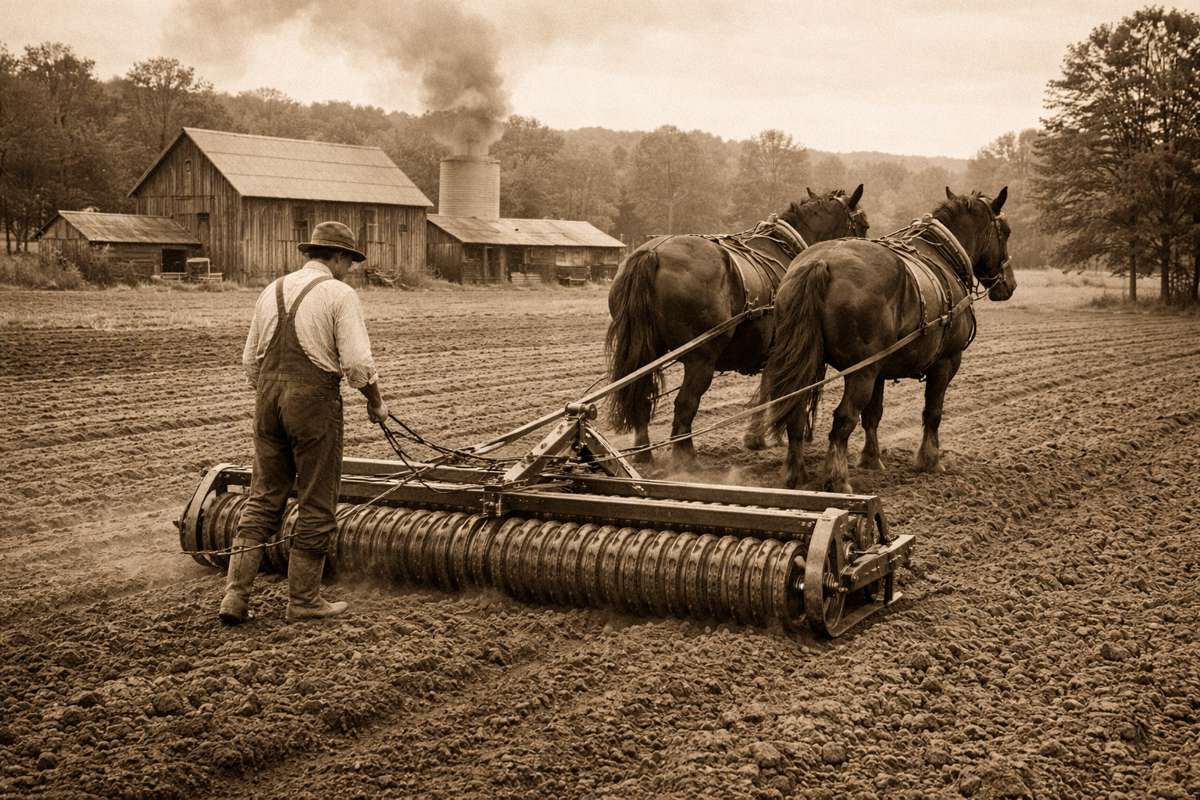
Agricultural implements have evolved alongside human civilization itself. Early farmers relied on rudimentary digging sticks and wooden plows, tools that required immense labour for modest results. The introduction of iron ploughshares during the Roman era marked a significant advancement, allowing deeper soil penetration and more efficient field preparation.
The mechanization of agriculture accelerated dramatically during the Industrial Revolution. Steam-powered tractors replaced draft animals, and specialized implements emerged for specific tasks. According to research from Britannica’s agricultural history archives, this period established the foundation for modern farming equipment, including the development of soil-firming rollers that would eventually become today’s cultipackers.
Contemporary models integrate hydraulic systems, adjustable weight distribution, and precision engineering that would have been unimaginable to farmers even fifty years ago. Yet the core principle remains unchanged: proper soil preparation creates the conditions for successful germination.
Understanding Cultipacker Design and Function
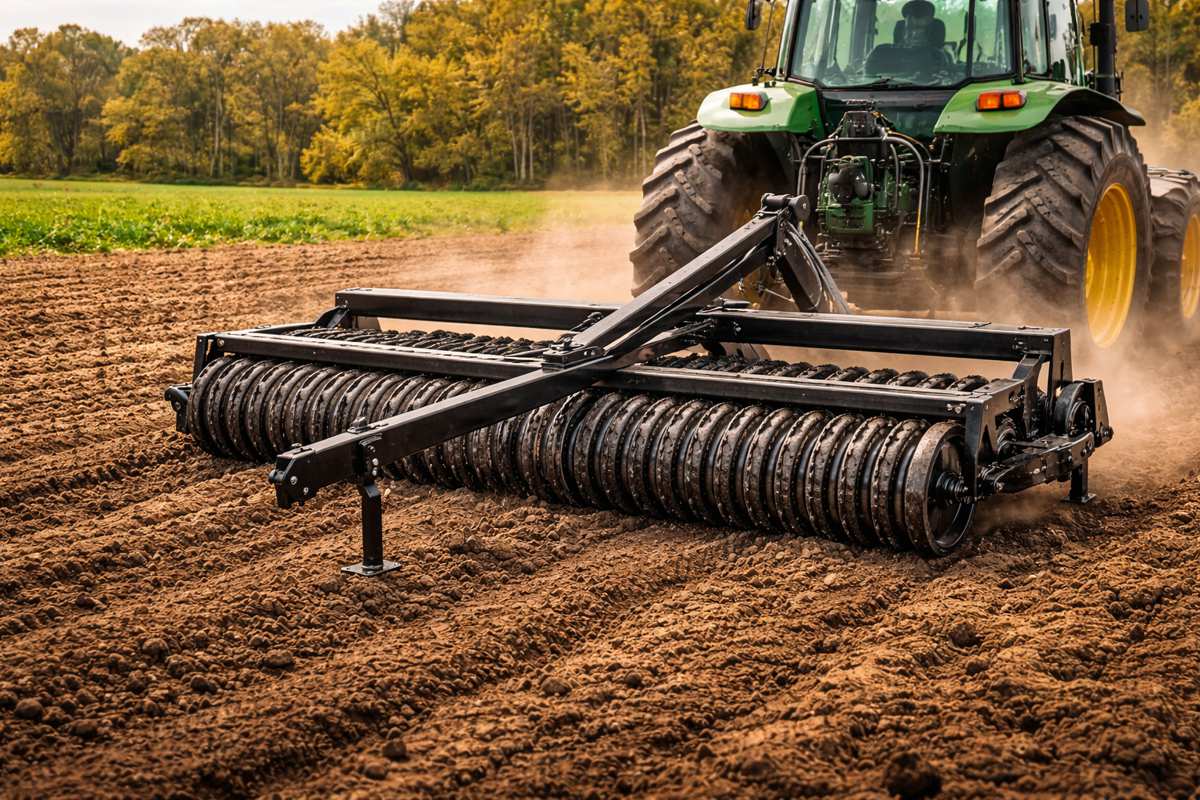
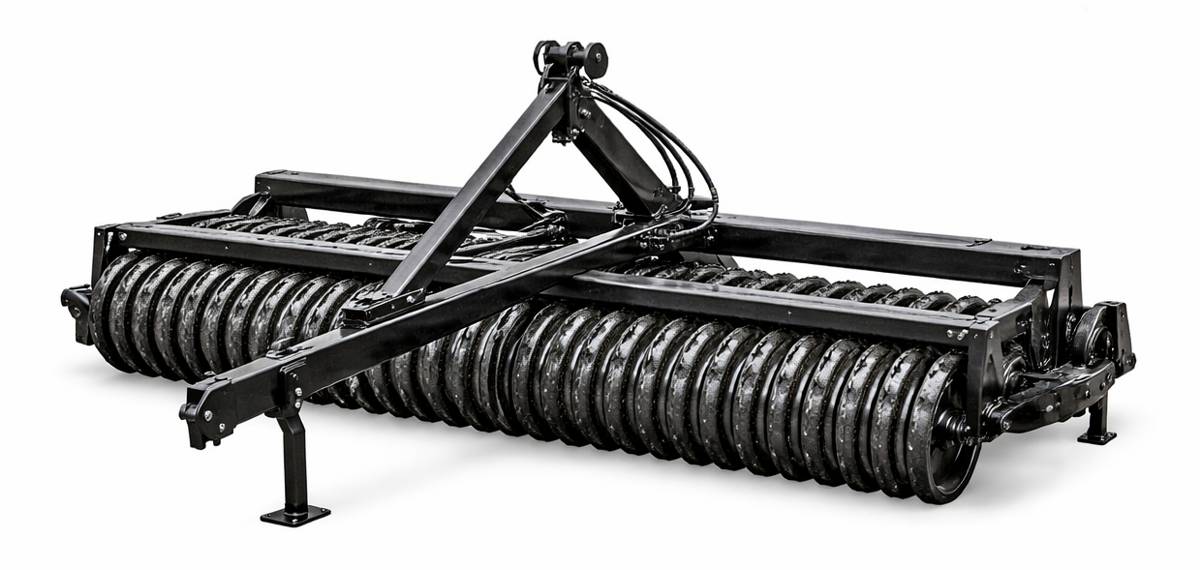
A cultipacker consists of a series of cast iron or steel wheels mounted on an axle, typically corrugated or ridged to provide soil-firming action without excessive compaction. The tool operates behind a tractor, applying downward pressure that eliminates large air pockets while maintaining enough soil structure for root development and water infiltration.
Several distinct configurations serve different agricultural needs:
- Standard Roller Packers: Feature solid or lightly corrugated drums ideal for breaking clods and creating smooth seedbeds for small grains and grasses
- Pull-Behind Models: Designed for tractor operation across larger acreage, with widths ranging from four to twelve feet depending on field size and equipment capacity
- Water-Filled Variants: Allow operators to adjust weight by adding or removing water, providing flexibility for different soil types and moisture conditions
- Combination Units: Integrate seeding mechanisms with packing wheels, streamlining the planting process into a single pass
Selecting the appropriate design depends on soil texture, field size, crop type, and available tractor horsepower. Sandy soils require less aggressive packing than heavy clay, while food plot managers often prefer lighter models that won’t over-compact wildlife habitat areas.
The Agronomic Case for Soil Firming
Proper seedbed preparation directly influences germination rates, stand establishment, and ultimately crop yields. Research from the American Society of Agronomy demonstrates that seeds require consistent moisture contact and appropriate planting depth to germinate reliably—conditions that loose, cloddy soil cannot provide.
Cultipackers address several critical factors:
- Capillary Action: Firmed soil maintains better moisture continuity between deeper reserves and the seed zone, reducing dependence on immediate rainfall after planting
- Seed Placement Consistency: A level, firm surface allows drill openers or broadcast seeders to achieve uniform depth, preventing some seeds from being buried too deep while others remain exposed
- Thermal Regulation: Compacted soil transfers heat more efficiently than loose material, helping seeds reach germination temperature thresholds more quickly in early spring
- Erosion Control: Firmed surfaces resist wind and water erosion better than freshly tilled ground, protecting both soil and newly planted seeds
These benefits compound across the growing season. Uniform emergence creates even crop canopies that compete more effectively against weeds, while consistent plant populations simplify fertilizer and pesticide applications.
Integrated Seeding Systems
Cultipacker seeders represent a significant efficiency advancement by combining seed distribution with soil firming in a single implement. These units typically feature a seed hopper mounted above the packing wheels, with distribution mechanisms that meter seeds onto the prepared surface immediately before the wheels firm the soil.
This integrated approach offers several operational advantages. Single-pass planting reduces fuel consumption, labour hours, and soil compaction from repeated trips across the field. The immediate firming of soil after seed placement ensures optimal seed-to-soil contact before wind or rain can disturb the seedbed.
For small seed varieties—clovers, brassicas, and native grasses—that require shallow planting depths, cultipacker seeders provide precision that broadcast spreading followed by separate packing cannot match. The consistent seed placement promotes uniform stands that establish quickly and compete effectively against weeds.
Wildlife Habitat and Food Plot Applications
Land managers establishing food plots for deer, turkey, and other wildlife face unique challenges. These plantings often occur on marginal ground with limited access for large equipment, yet they require the same attention to seedbed preparation as commercial crops to achieve adequate stands.
Cultipackers designed for food plot work typically feature narrower widths and lighter construction than agricultural models, making them manoeuvrable in wooded areas while still providing effective soil firming.
Food plot rollers serve multiple functions beyond initial planting:
- Frost Seeding: Rolling dormant plots in late winter presses broadcast seed into soil cracks created by freeze-thaw cycles, establishing clovers and other forages without tillage
- Stand Renovation: Light rolling of established plots can improve soil contact for overseeded species while controlling thatch build-up
- Moisture Conservation: Firming loose soil after dry periods helps restore capillary action and reduce evaporative losses
Proper seedbed preparation in conservation plantings significantly improves establishment success, reducing the need for replanting and lowering long-term management costs. Land managers can source food plot cultipackers from Packer Maxx, Plotmaster, or Tecomate for wildlife habitat seedbed preparation solutions.
Soil Preparation Protocols
Effective cultipacker use begins long before the implement enters the field. Soil preparation follows a logical sequence, with each step creating conditions for the next:
- Primary Tillage: Ploughing or disking breaks up compacted layers, incorporates crop residue, and creates the initial seedbed structure
- Secondary Tillage: Lighter passes with field cultivators or harrows refine soil texture and level the surface
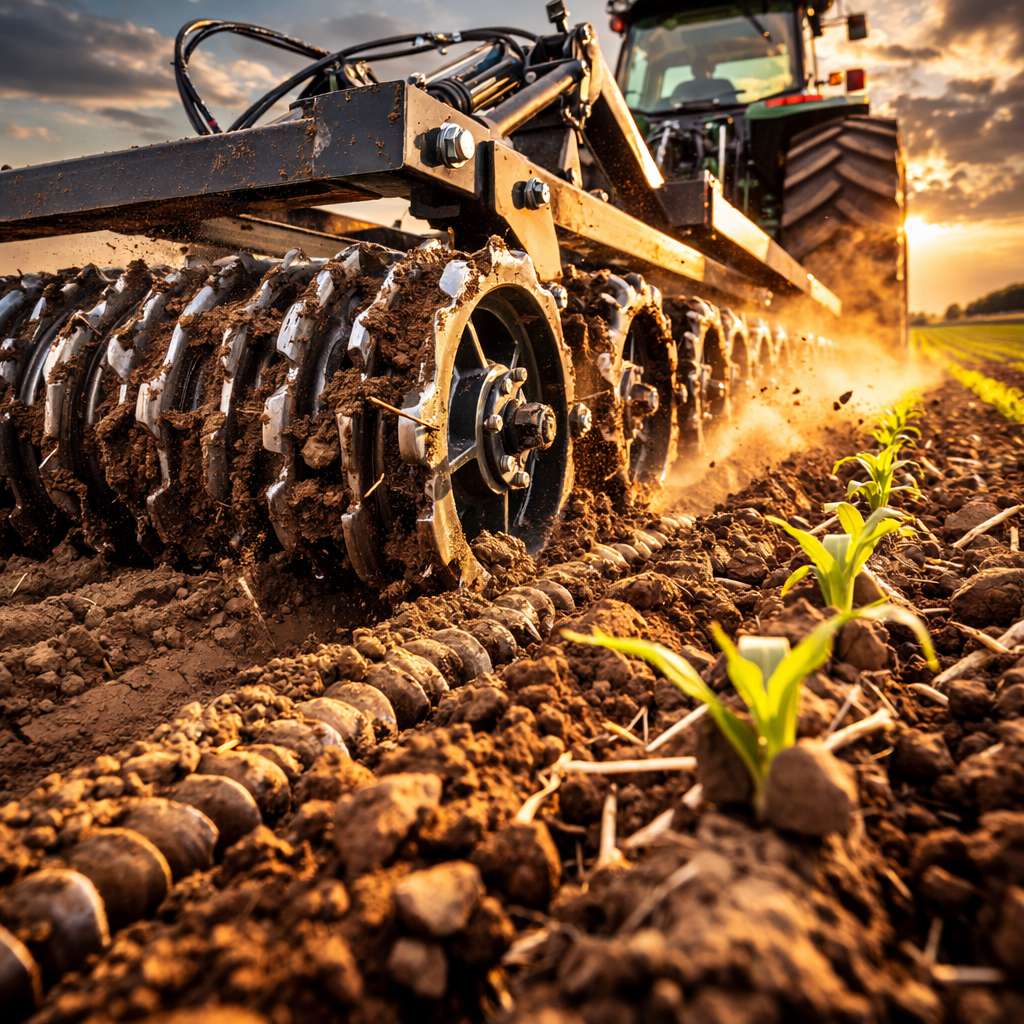
- Firming: Cultipacker operation consolidates the seedbed, eliminating excessive looseness while maintaining adequate pore space
- Final Preparation: Depending on crop requirements, light harrowing or dragging may follow packing to create a thin layer of loose soil over the firm base
Timing matters significantly. Packing soil that’s too wet creates concrete-like conditions that inhibit root penetration and water infiltration. Conversely, extremely dry soil may not firm adequately, leaving air pockets that dry out seeds. The traditional test—squeezing a handful of soil should form a ball that crumbles under light pressure—remains reliable for determining appropriate moisture levels.
For no-till operations, cultipackers serve a different but equally important role. After drilling seeds into untilled ground, a pass with a lightweight roller ensures the drill slots close properly and seeds contact soil rather than sitting in air spaces within the slot.
Integration with Modern Farming Systems
Contemporary agriculture increasingly emphasizes soil health, water conservation, and reduced tillage intensity. Cultipackers support these goals when used strategically within broader management systems.
In reduced-tillage systems, strategic packing can replace some secondary tillage operations, decreasing fuel consumption and soil disturbance while still achieving adequate seedbed conditions. This approach preserves soil structure and biological activity that aggressive tillage disrupts.
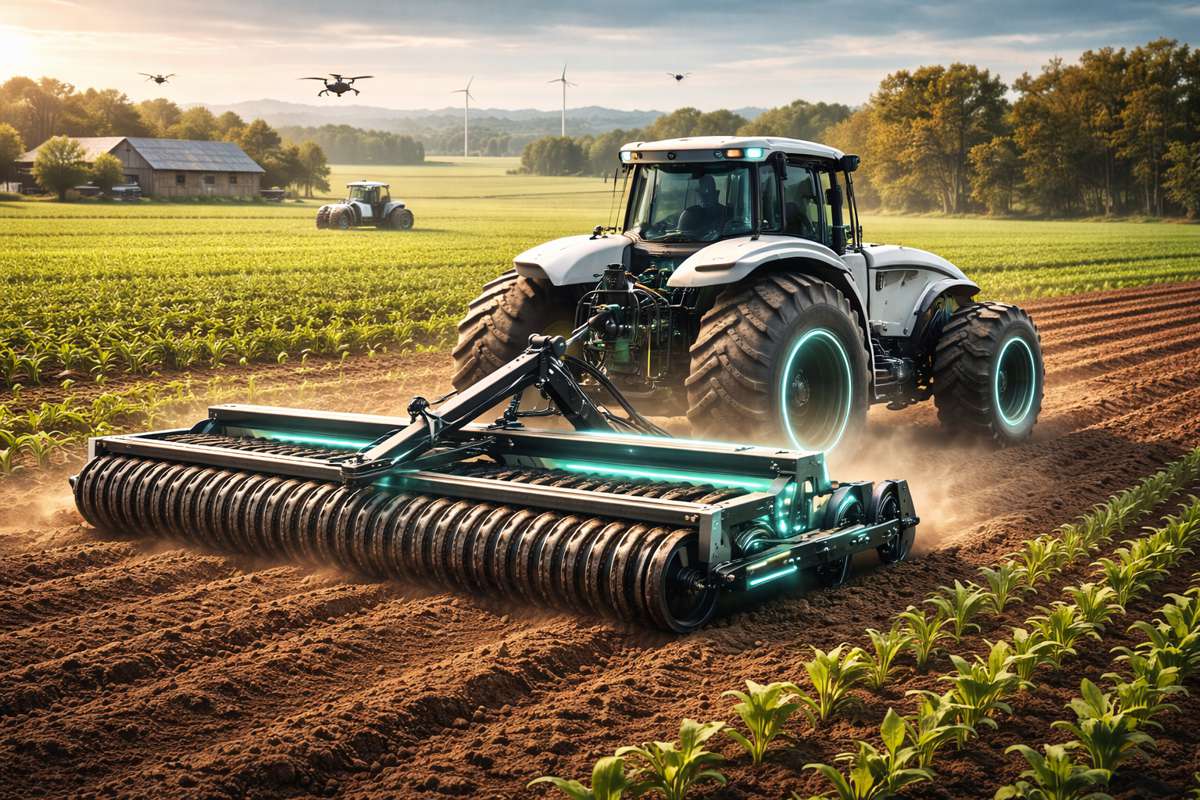
Precision agriculture technologies are beginning to influence cultipacker design and use. Variable-rate seeding systems benefit from the uniform seedbeds that proper packing creates, ensuring that prescription maps translate accurately to field conditions. Some manufacturers now offer models with adjustable down-pressure systems that respond to real-time soil condition monitoring, though these remain uncommon outside large-scale operations.
The tool’s role extends beyond conventional crop production. Conservation programs establishing pollinator habitat, native grasslands, and erosion control plantings all depend on proper seedbed preparation. The small seeds typical of these plantings—often measured in hundreds of thousands per pound—require the precise conditions that cultipacker use provides.
Economic Considerations
Cultipacker investment must be evaluated against the operational benefits and yield improvements the tool provides. For commercial operations, the calculation includes reduced replanting costs, improved stand establishment, and labour efficiency from integrated seeding systems.
Small-scale operators and food plot managers face different economics. Custom hire services may prove more cost-effective than ownership for limited annual use, though availability varies by region. Shared ownership arrangements among neighbouring landowners can distribute costs while ensuring access when needed.
The used equipment market offers alternatives to new purchases, though buyers should carefully evaluate the condition. Worn bearings, cracked wheels, and frame damage can quickly eliminate any purchase price savings. Implements from reputable manufacturers typically command higher resale values, reflecting their durability and parts availability.