Nokia Drone Networks Take Flight With High Density Power From Amprius
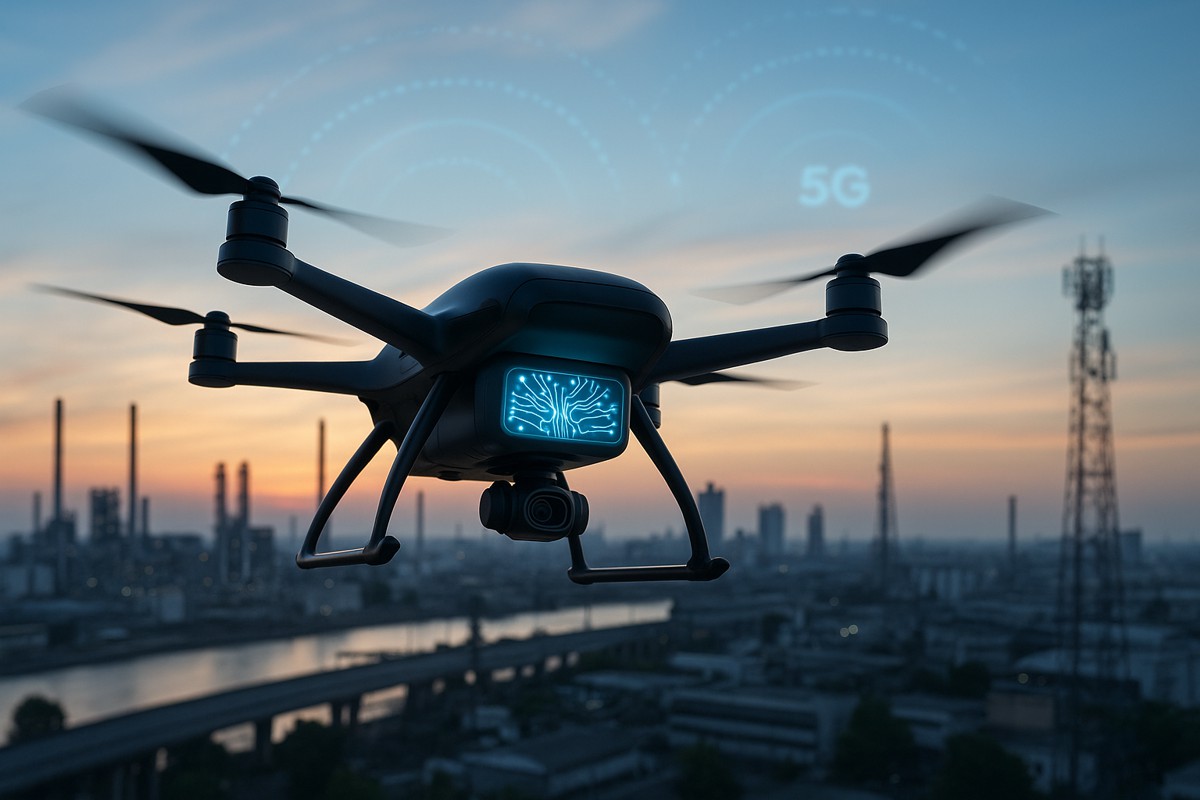
Amprius Technologies has secured a pivotal role in the next evolution of unmanned aerial systems after Nokia selected its SiCore cells to power the company’s forthcoming drone platforms.
The partnership marks a notable shift in how industrial, public safety and autonomous aerial networks are approaching endurance, payload capacity and operational resilience.
A Strategic Alignment In High Performance UAV Power
Nokia’s decision followed extensive qualification and testing that examined endurance, power delivery and safety metrics in demanding field scenarios. The SiCore cells delivered the balance of burst power and sustained output essential for missions that push the boundaries of automated aerial operations.
Thomas Eder, Head of Embedded Wireless Solutions at Nokia, underlined the impact of the technology: “Amprius’ batteries offer performance gains that meaningfully enhance our drone capability. With SiCore, we can extend mission range, increase payload versatility, and improve system efficiency while maintaining the safety and reliability our customers expect. These advancements strengthen our leadership in public safety and industrial monitoring, and open new opportunities for mission-critical aerial operations.”
This alignment reflects growing expectations for drone fleets that must navigate extended routes, maintain stable communications and support increasingly data-heavy instrumentation.
Extending Mission Profiles With Energy Dense Flight Power
SiCore cells provide a high energy density that delivers clear operational advantages. Their ability to supply the burst power required for take-off while sustaining long-duration flights allows critical systems to remain active without compromise.
These include:
- Obstacle avoidance sensors
- Return-to-home and emergency protocols
- Real-time navigation and telemetry links
- BVLOS mission controls and automated route planning
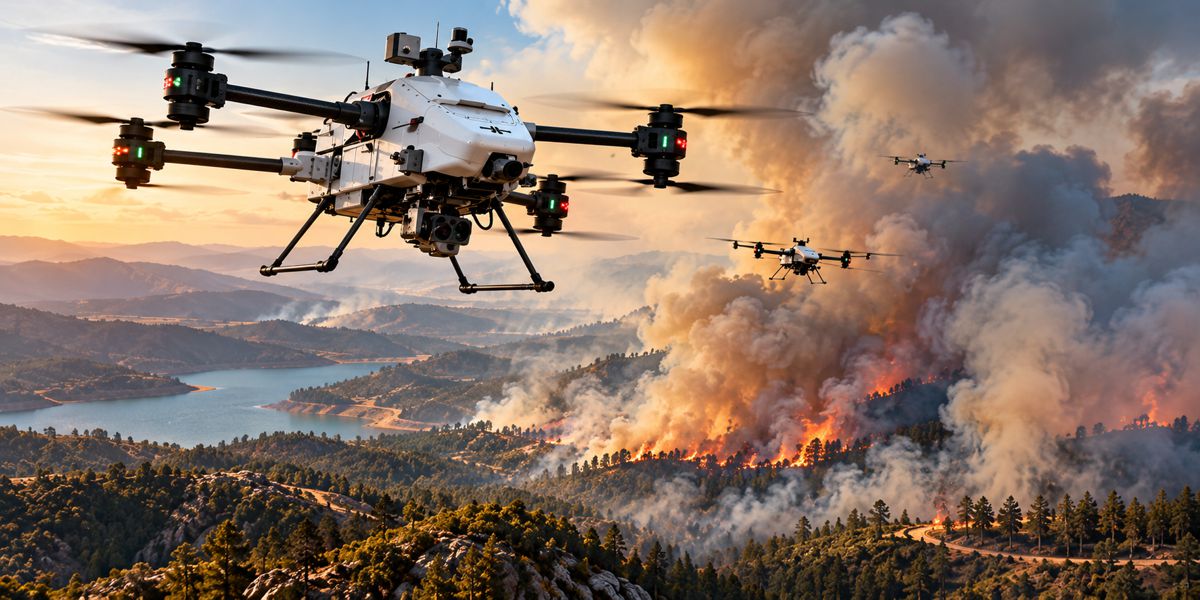
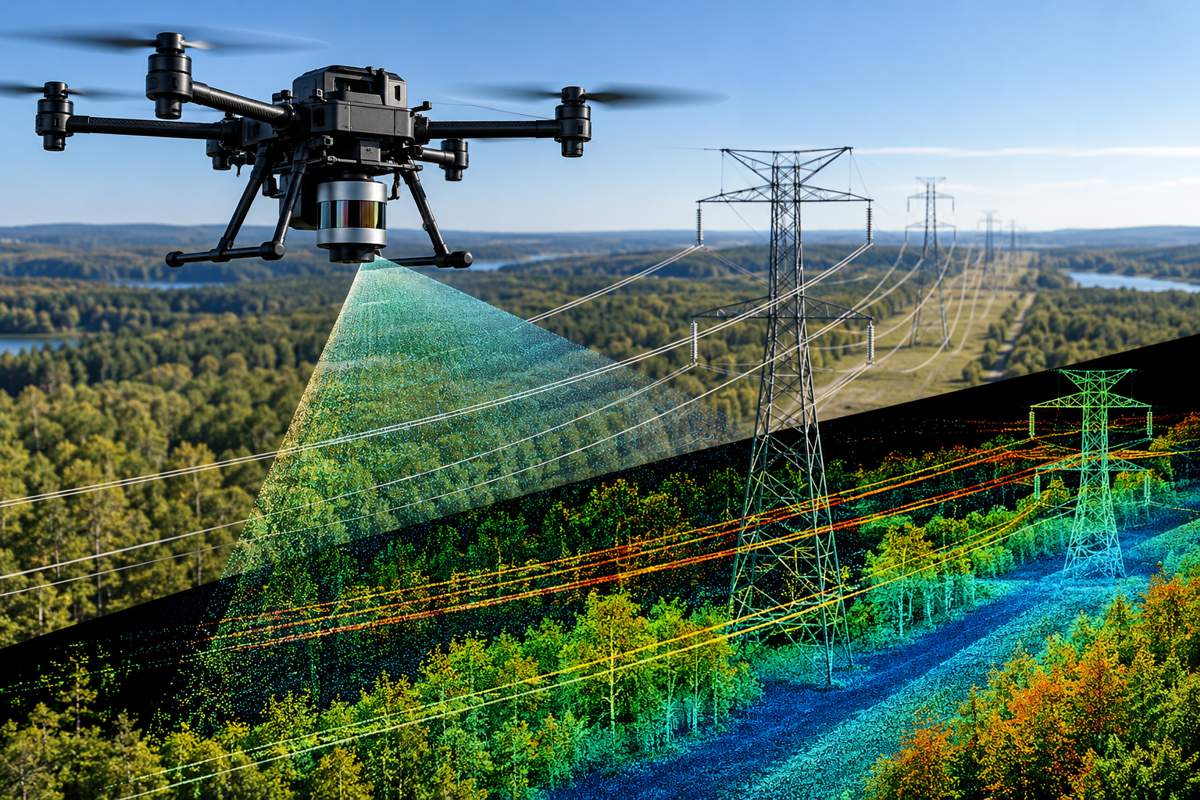
The low weight-to-energy ratio also enables drones to carry advanced equipment such as LiDAR scanners, thermal cameras and 5G modules. These payloads are becoming central to applications ranging from emergency response to infrastructure inspection.
Reinforcing The Capabilities Of Nokia Drone Networks
Nokia’s Drone Networks platform has emerged as a well-integrated solution for rapid deployment, remote operation and large-scale coordination. The latest updates to the platform enhance autonomy, situational awareness and network reliability.
The integration of Amprius’ cells contributes to the system’s Extra Long Range capability, enabling secure BVLOS operations over far greater distances. Supported by 5G connectivity and an open architecture, the platform can be embedded into enterprise systems, municipal response networks and industrial monitoring programmes.
This wider ecosystem approach illustrates why power performance is no longer a secondary feature but a strategic enabler for high-value aerial missions.
Silicon Anode Innovation As A Competitive Edge
Dr Kang Sun, CEO of Amprius Technologies, emphasised the broader significance of the collaboration: “Nokia’s selection further demonstrates Amprius’ leadership in aviation battery technology and reflects the growing demand for our SiCore platform in high-impact deployments. As UAVs take on more complex and autonomous missions, energy density and temperature control become decisive advantages. Our technology enables drones to operate longer, carry more, and perform in conditions once considered impractical, helping customers improve safety, minimise downtime, and increase mission value.”
The reference to temperature control is particularly relevant to operators facing climate variability, where performance can fluctuate under intense heat or cold. Silicon anode designs provide stability across a wider thermal envelope, a feature that distinguishes Amprius’ systems from earlier lithium-ion chemistries.
Building A Footprint Across Advanced Mobility
Amprius has steadily expanded its presence across aviation, eVTOL and advanced mobility projects. The company’s SiCore and SiMaxx batteries have become recognised benchmarks for high-performance cell architecture.
Key specifications include:
- Up to 450 Wh/kg and 1,150 Wh/L energy density in commercial products
- Third-party validation of 500 Wh/kg and 1,300 Wh/L
- Mature manufacturing with silicon anode production in Fremont, California
- Agreements securing over 2.0 GWh of contract manufacturing capacity
These figures position the company among the world’s leading developers of next-generation energy storage.
A Look At Nokia’s Wider Technology Landscape
Nokia continues to advance its role as a B2B innovation leader, building networks that sense, think and act. The company’s commitment to open architecture aligns with industry expectations for platforms that interoperate with existing systems rather than imposing closed frameworks.
Supported by Nokia Bell Labs, which celebrates a century of research, Nokia’s roadmap spans mobile, fixed and cloud networks. The drone network initiative reflects its strategy to embed intelligence and connectivity into industrial operations.
Service providers and enterprise customers increasingly rely on Nokia for secure and sustainable networks that support emerging automation and digitalisation demands.
How High Performance Batteries Are Transforming UAV Applications
The wider UAV sector has entered a period of rapid transformation driven by improvements in sensor technology, communications and onboard computing. Yet battery innovation remains the single most influential factor shaping capability.
Sustained energy output allows UAVs to undertake tasks that historically required manned aircraft or ground crews. These include:
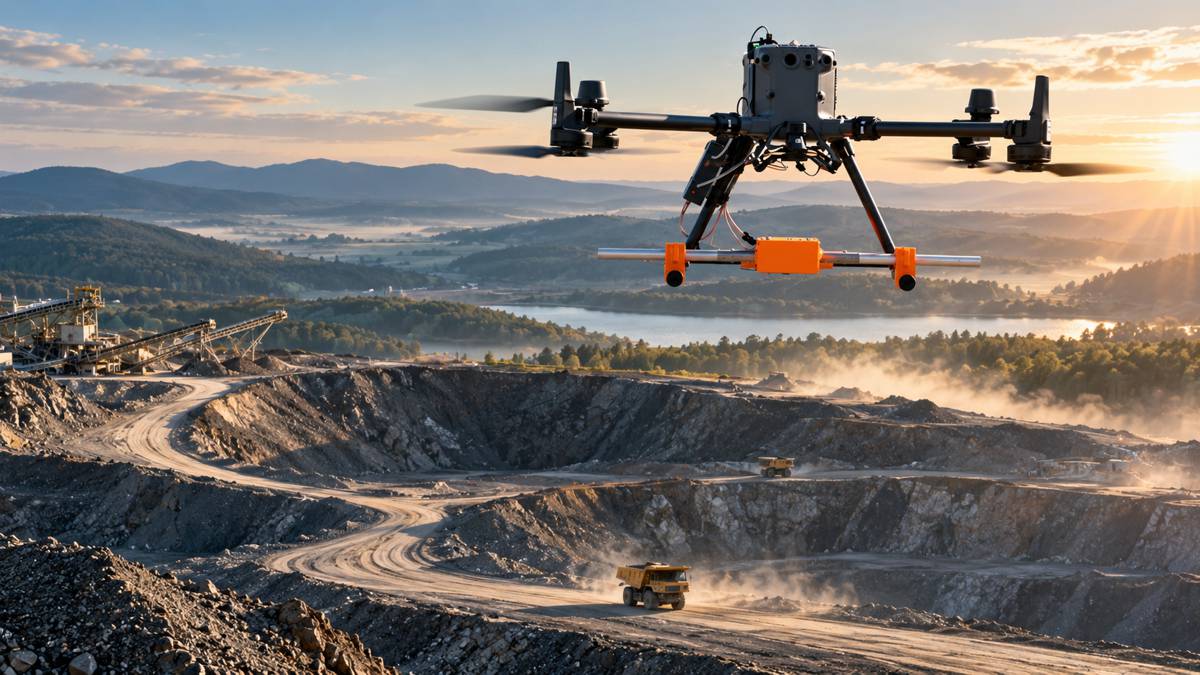
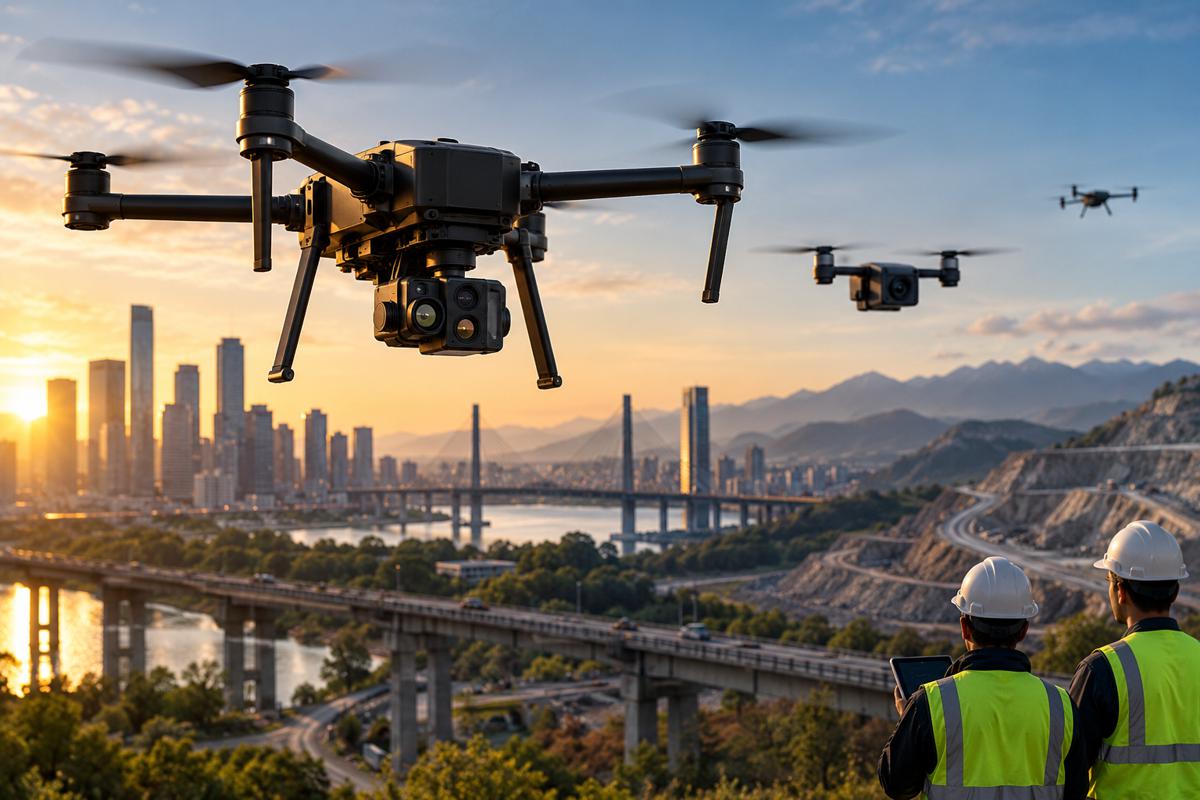
- Precision inspection of transport, energy and utility infrastructure
- Real-time situational awareness in emergency response
- Autonomous perimeter patrols and security scanning
- Environmental mapping and climate monitoring
- Logistics support in remote or hazardous settings
The ability to carry heavier payloads for longer periods transforms each of these applications, making unmanned platforms a credible tool for mission-critical environments.
Strengthening The Future Of Electrified Flight
With its latest collaboration, Amprius demonstrates how advanced energy storage will serve as the backbone of electrified aviation. As sensors increase in sophistication and autonomy becomes standard, energy demands will continue to rise.
Solutions that combine high energy density with thermal stability and low weight are becoming essential for next-generation flight platforms. The partnership with Nokia shows how battery innovation can unlock new aerial capabilities while supporting safety and reliability.
A Clear Path For Industry Growth
The strengthening relationship between advanced battery manufacturers and industrial drone networks offers a roadmap for scaling electrified aerial systems. As operators prioritise endurance, resilience and data connectivity, technologies like SiCore will anchor system design.
The collaboration highlights a broader momentum across the UAV landscape, where high-performance power solutions are enabling drones to take on larger roles in public safety, infrastructure and industrial automation. The sector appears poised for further expansion as capabilities align more closely with real-world operational demands.