Wireless EV Charging Moves Into The Fast Lane
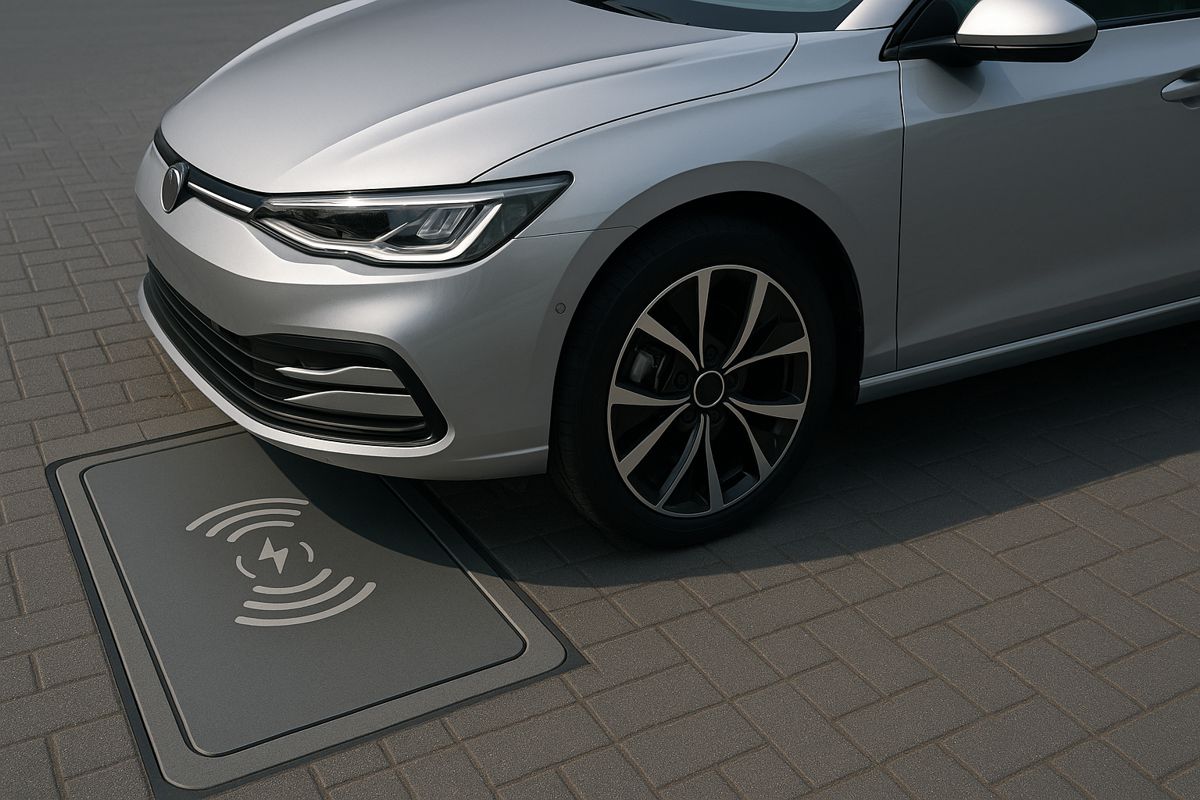
Wireless inductive charging, long familiar in everyday gadgets, is edging closer to mainstream adoption in the automotive sector. The concept is straightforward yet transformative. A transmitter coil embedded in a ground plate generates a magnetic field that transfers energy to a receiver coil fitted to an electric vehicle. Once parked in the correct position, the system launches the charging process automatically. It removes the need for cables, simplifies daily use, and potentially ushers in an era where electric cars act as mobile energy buffers.
Across Europe and parts of Asia, groundwork is already under way to integrate inductive systems into future mobility ecosystems. Much like the shift from wired to wireless charging in smartphones, the automotive transition promises to reshape user behaviour and infrastructure planning. For fleet operators, municipalities and private drivers, the appeal lies in frictionless charging and the opportunity for smarter energy management.
Switzerland Tests The Technology Under Real Conditions
The INLADE pilot project, led by energy provider Eniwa AG, marks a significant milestone. In what is the first real-world demonstration of wireless electric vehicle charging in Switzerland, Empa and its partners examined the technology’s feasibility and long-term potential. Supported by the Swiss Federal Office of Energy and the cantons of Zurich and Aargau, the initiative explored technical, regulatory and operational questions.
Mathias Huber from Empa’s Chemical Energy Carriers and Vehicle Systems lab outlined the project’s purpose: “The aim was to test the existing technology in everyday use, clarify technical and regulatory issues, and demonstrate its potential for the energy transition.” That ambition reflects Switzerland’s broader objective to accelerate sustainable mobility and explore systems that relieve pressure on charging infrastructure.
The trial offered valuable insights into how inductive charging behaves outside laboratory conditions. Snowfall, rain, temperature swings and irregular parking align far more closely with how motorists operate daily. By weaving these elements into the testing programme, the researchers could determine whether wireless charging stands up to practical scrutiny.
Precision Parking Meets Automated Systems
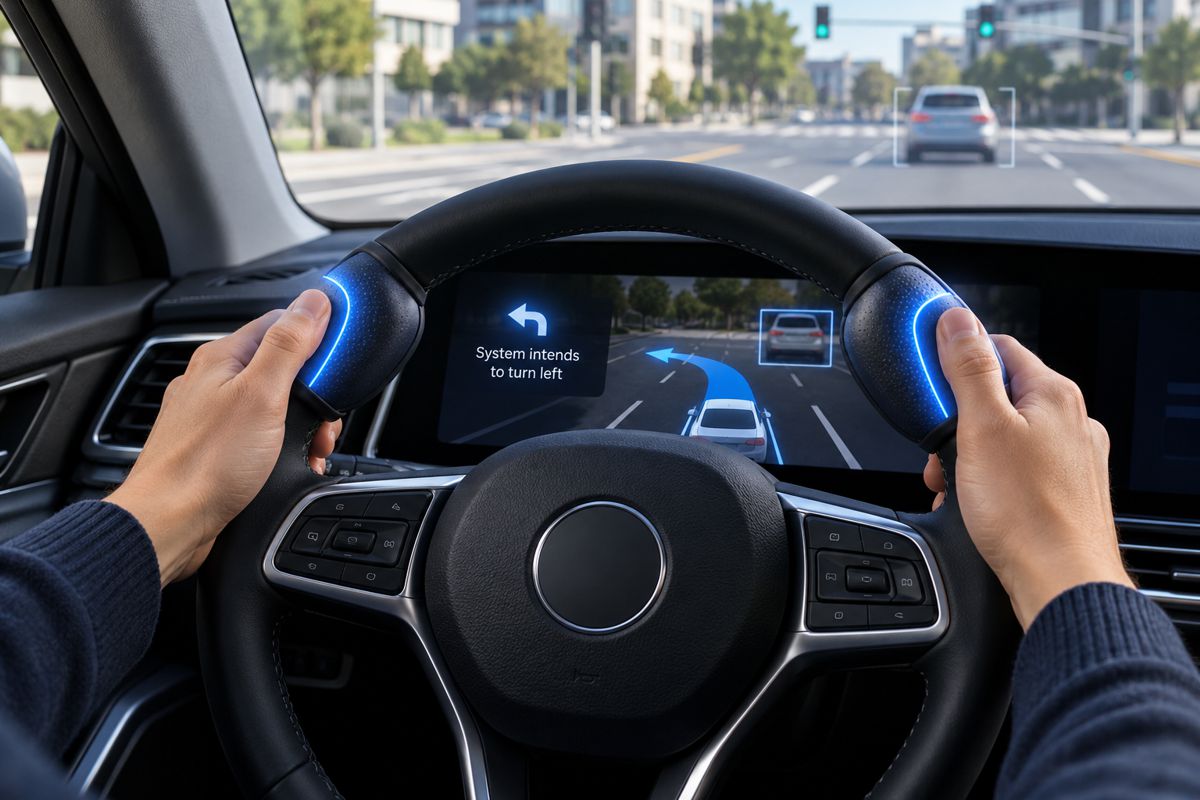
To operate efficiently, Empa’s inductive charging station requires precise alignment between the vehicle and the base plate. During the pilot, a visual interface guided drivers into the optimal position. Future versions are expected to rely on advanced parking assistance, allowing alignment to occur automatically.
Once the car is in place, the system verifies the alignment and initiates a safety check. This step detects potential obstructions, ensuring nothing, including animals or foreign objects, rests between the coils. When satisfied, the charging cycle begins. The project demonstrated that retrofitting vehicles for inductive charging is feasible. AMAG and other partners equipped existing electric cars with receiver coils and integrated new interfaces into their high-voltage and charging management systems.
Subsequent electromagnetic compatibility testing examined whether magnetic fields influenced onboard electronics or posed any risk to passengers or devices outside the vehicle. According to Huber: “The aim was to ensure that the magnetic field generated during inductive charging did not interfere with other devices inside or outside the vehicle, or with people.” The successful tests enabled project vehicles to obtain individual road approval, placing them among the first globally to operate legally with inductive charging hardware.
Charging Efficiency That Matches The Cable
One of the defining questions surrounding wireless charging relates to efficiency. Early prototypes often fell short of wired systems, prompting scepticism. However, the INLADE project delivered compelling results. Empa’s testing in a range of environmental conditions revealed an efficiency level of roughly 90 percent, placing inductive charging firmly on par with conventional cable-based systems.
Huber summarised the findings bluntly: “The technology works very reliably in practice and is similarly efficient to conventional charging systems.” That reliability removes a significant obstacle to wider adoption, especially for urban charging networks, car parks, residential blocks and workplaces. Infrastructure operators can now weigh wireless charging not as an experimental concept, but as mature technology ready for practical integration.
Beyond Switzerland, similar trials are strengthening the case for broader deployment. In Germany, research programmes at the Fraunhofer Institute have explored dynamic inductive charging embedded in road surfaces. In the United States, the state of Michigan is progressing with pilot road segments designed to charge vehicles while driving at low speeds. These developments indicate that inductive charging may evolve into multiple formats, from static pads to embedded roadways.
Engaging Electric Vehicles As Grid Resources
The potential of inductive charging stretches well beyond convenience. As Huber explained, electric vehicles remain stationary for roughly twenty-three hours each day. When connected to the grid for extended periods, they could act as distributed energy storage units. Their cumulative capacity would help stabilise power networks, smooth peaks and troughs, and support renewable energy integration.
Bidirectional charging, the ability of a car to return energy to the grid, already features in several cable-based vehicle models. Wireless systems can accommodate this functionality, giving inductive charging a further role in energy transitions. Huber highlighted the advantage: “The big advantage of an inductive system is that vehicles are connected to the grid much more frequently without the need for any active intervention, a plus for both convenience and the energy transition.”
If scaling succeeds, parked fleets could act as overnight storage reservoirs. Public transport depots, corporate fleets and residential communities stand to gain by adopting inductive pads in parking spaces, enabling seamless energy exchange without driver involvement. This evolution supports long-term strategies for flexible, decentralised energy systems.
Economic and Environmental Wins Through Intelligent Charging
As electricity markets evolve, inductive charging may offer economic benefits that reach far beyond driver convenience. Intelligent load management can shift vehicle charging to periods of surplus renewable energy, such as midday when solar production peaks. By synchronising charging schedules with grid conditions, operators can reduce electricity costs while supporting energy balancing.
Smart grids, predictive analytics and AI-driven energy management platforms already guide how electricity flows in major regions. When wireless systems join those networks, electric cars become part of an automated ecosystem. Charging sessions can adapt dynamically to price signals, renewable availability or local grid constraints.
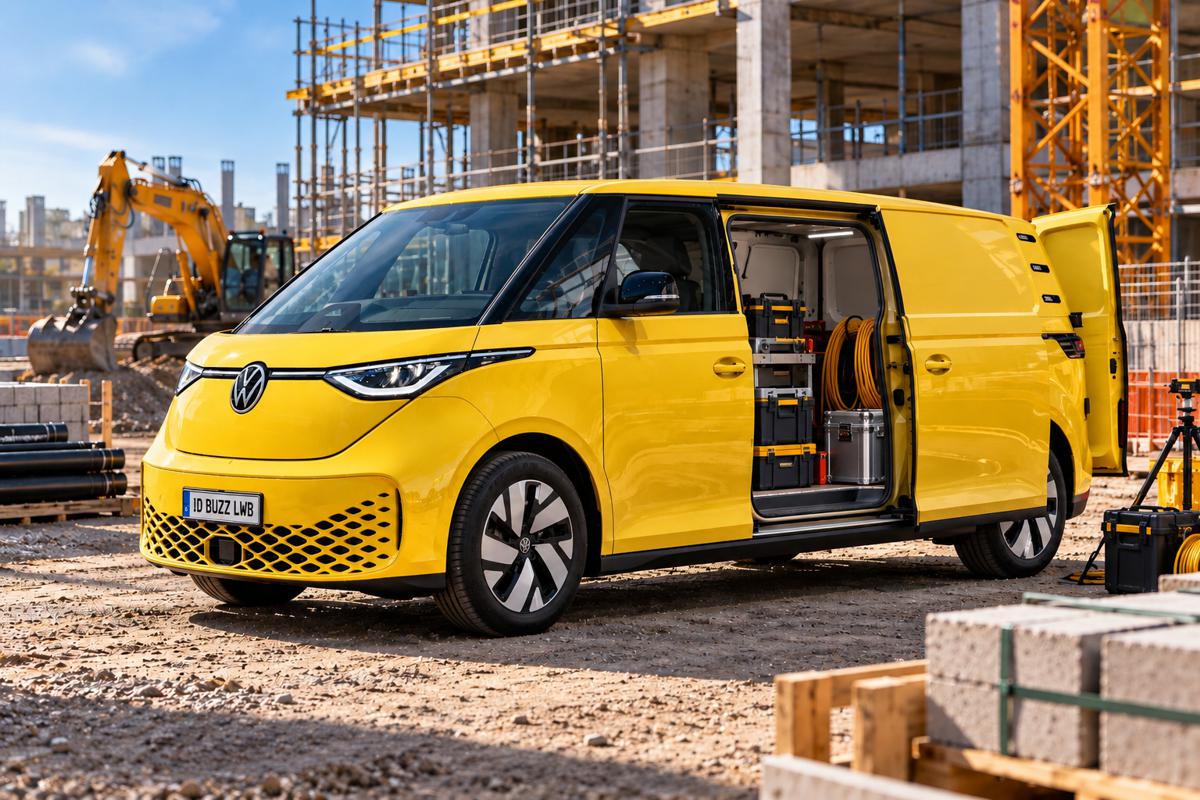
For construction companies managing electric fleets, those advantages become especially relevant. Vehicles stationed on infrastructure sites often sit idle for long stretches, providing ideal windows for controlled charging. Integrating inductive pads into depots or temporary worksites reduces reliance on portable chargers and simplifies logistics.
Global Momentum Builds Around Inductive Mobility
International automotive OEMs are investing heavily in wireless charging research. Companies such as Hyundai, BMW and Stellantis have explored prototype systems or partnership trials. In Asia, major urban developments, particularly in South Korea and China, are considering inductive installations in new residential and commercial complexes.
Meanwhile, standardisation bodies, including SAE International, have begun outlining unified protocols for power transfer, communication interfaces and safety requirements. These frameworks are essential for ensuring interoperability across brands and regions. By streamlining regulations, authorities can encourage greater rollout and mitigate market fragmentation.
Urban planners and energy strategists are also assessing how inductive charging could reshape mobility infrastructure. As cities push towards low-carbon zones and restrict combustion vehicles, demand for seamless charging rises. Wireless platforms offer an unobtrusive alternative to visible charging posts, supporting cleaner streetscapes and improved accessibility.
A Technology Ready For Wider Adoption
The INLADE pilot has added momentum to global wireless charging efforts. With proven efficiency, robust safety performance and demonstrable real-world usability, inductive systems appear well-positioned to enter mainstream applications. For countries seeking to scale electric mobility without overwhelming public chargers, wireless pads may offer an elegant solution.
While manufacturers continue refining alignment automation, cost reduction and interoperability, the pathway toward commercial deployment is increasingly clear. For stakeholders across construction, infrastructure and energy sectors, the technology represents an opportunity to blend convenience with strategic energy management.
Inductive charging, once regarded as a futuristic concept, is evolving into practical reality. As pilot projects mature and infrastructure strategies adapt, electric mobility stands to become not only cleaner but smarter, more flexible and more deeply integrated into the wider energy landscape.