The Growing Importance of Sustainable Acoustics
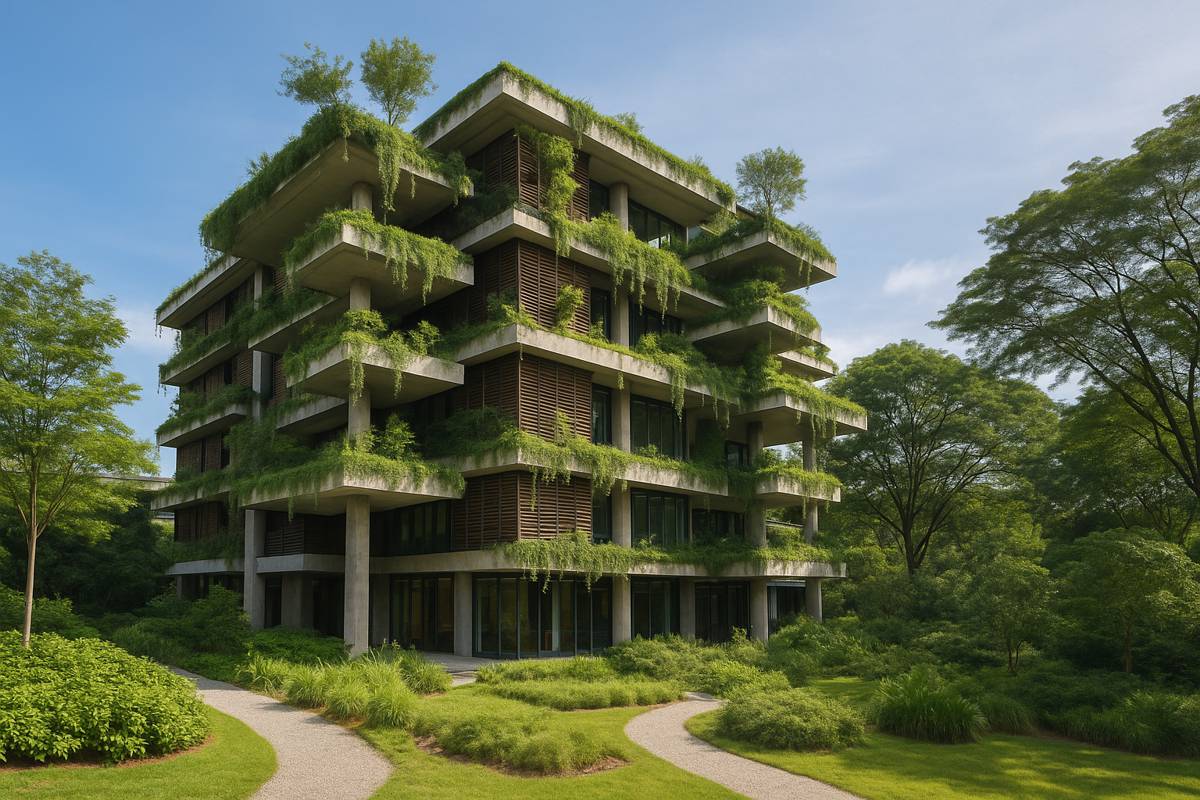
Green buildings have become central to modern construction worldwide, with developers, architects, and engineers striving to create spaces that reduce environmental impact while supporting the well-being of occupants.
These buildings are guided by certification systems such as LEED in the United States, BREEAM in the United Kingdom, Green Star in Australia, DGNB in Germany, and CASBEE in Japan, all of which aim to embed sustainability into building materials, resource management, energy efficiency, and comfort.
One critical factor often overlooked in the early stages of design is acoustic quality. A building may be energy efficient and structurally advanced, yet still uncomfortable if sound insulation is inadequate. Research consistently shows that noise affects human concentration, sleep quality, communication, and emotional well-being. In a commercial environment, poor acoustic control can reduce productivity, increase fatigue, and affect safety when clear communication is essential.
Green building certification bodies increasingly recognise that sustainability is not limited to lowering carbon emissions. They also acknowledge that a building must support the psychological and physical comfort of its occupants. As a result, acoustic performance is emerging as an essential sustainability metric.
George Edgar, Acoustic Consultant, presented his assessment of various wall and floor types for their climate impact and acoustic performance as part of the Sixth Joint Meeting of the Acoustical Society of America and Acoustical Society of Japan held in Honolulu, Hawaii, December 2025. According to Edgar, acoustic criteria now form part of major sustainable design standards across English-speaking countries as well as Japan. “The leading voluntary green building schemes in major English-speaking countries and Japan all include credits for acoustics” said Edgar. “These schemes acknowledge the impact acoustic comfort has on the well-being of a building’s occupants.”
Why Acoustics Matter in Sustainable Buildings
Good acoustics promote a calmer, more productive atmosphere in homes, workplaces, schools, and hospitals. Noise disturbances can elevate stress levels, impair decision-making, and affect long-term health. For buildings designed to promote wellness or productivity, sound control becomes every bit as important as indoor air quality and natural light.
Major certification bodies have strengthened their acoustic requirements over the past decade. LEED includes credits for interior acoustic performance, background noise control, and building envelope sound insulation. BREEAM evaluates indoor acoustic comfort, façade performance relative to outdoor noise, and reverberation control in communal spaces. The WELL Building Standard, now widely applied in offices and healthcare facilities, includes detailed credits for sound privacy, background noise, speech intelligibility, and noise isolation.
The convergence of these standards means architects and engineers must balance sustainability targets, energy efficiency, acoustic comfort, and cost. These requirements affect every level of building design, from façades and internal partitions to floor slabs, ductwork, and building services.
How Material Choice Shapes Acoustics and Carbon Footprint
The performance of floors, walls, ceiling structures, and building envelopes is influenced by the physical properties of materials. Heavy, dense materials such as concrete offer strong airborne and impact sound insulation because they absorb or block vibrations. Lightweight systems like timber typically require additional layers or resilient mounting to meet similar acoustic criteria.
Edgar’s research investigates how these materials perform acoustically while also examining their climate impact. He evaluated timber, concrete, and steel across wall and flooring systems, comparing sound insulation properties with their global warming potential (GWP), which measures overall emissions produced during material manufacture.
Edgar explains the connection: “The primary factor that influences GWP in the manufacturing phase is the amount of energy, and therefore carbon emissions, required to produce the material” said Edgar. “Concrete and steel are more energy-intensive to produce than timber products, so they have higher GWP values in the manufacturing phase.”
Concrete and steel require high-temperature processing, substantial quarrying, intensive mineral extraction, and fuel consumption. Timber, however, originates from renewable sources and often stores carbon within its fibres for decades, reducing net emissions over the life of the building.
Timber, Concrete and Steel
Edgar’s analysis produced notable contrasts. For floors delivering a fixed level of acoustic performance, concrete systems consistently had far higher GWP values than timber alternatives. A timber floor with added mass layers or acoustic underlay achieved similar insulation to concrete with significantly lower climate impact.
The comparison extended to wall systems. Timber-frame systems outperformed standard steel stud walls even when the timber assemblies required additional linings to match the acoustic performance of steel partitions. Lightweight timber components proved useful in multi-residential and office settings where speech privacy, reduced reverberation, and enhanced thermal qualities are desired.
These findings reinforce a growing consensus among sustainability researchers: timber is an important substitute for heavy structural materials when acoustic performance and low carbon impact are required. Recent life-cycle assessments across Europe, Australia, and North America support this conclusion, noting that engineered timber products such as cross-laminated timber (CLT) and laminated veneer lumber (LVL) can achieve structural and acoustic performance comparable to concrete when combined with resilient mounting, speciality insulation, or layered linings.
Current Gaps in Sustainable Acoustic Research
Despite the surge of sustainable building literature, Edgar notes that acoustic performance has often been overlooked as part of integrated sustainability research. Most environmental building assessments focus on operational energy efficiency, embodied carbon in façades and building systems, or life-cycle maintenance. Acoustic data exists, but it is rarely combined with emissions modelling.
Edgar believes further collaboration between acoustic specialists, structural engineers, architects, and sustainability researchers is essential. “As acoustic consultants, an awareness of the GWP associated with the design solutions we specify can help us to make a positive impact on our environment for generations to come” said Edgar. “I’d like to see more research in this area so we can all make more informed decisions when considering acoustics and sustainability.”
International academics are beginning to respond. Universities in Finland, Canada, and Japan are expanding research into material life-cycle modelling linked to indoor acoustic outcomes. CLT and hybrid systems are receiving special attention in multi-storey housing and institutional construction, since they allow significant carbon reductions while supporting high design flexibility and reduced installation time.
Practical Benefits for Green Building Developers
Architects, developers, and engineers can apply this research immediately. When selecting interior partitions or floor systems, acoustic consultants can include embodied carbon analysis alongside traditional sound transmission class (STC), impact insulation class (IIC), cost, structural performance, and fire rating.
A practical workflow may include:
- Identifying target acoustic values based on building type.
- Choosing base assemblies across timber, concrete, and steel.
- Modelling required layers, insulation, or resilient systems.
- Calculating embodied carbon using Environmental Product Declarations (EPDs).
- Selecting the combination that meets acoustic and sustainability criteria with lowest emissions.
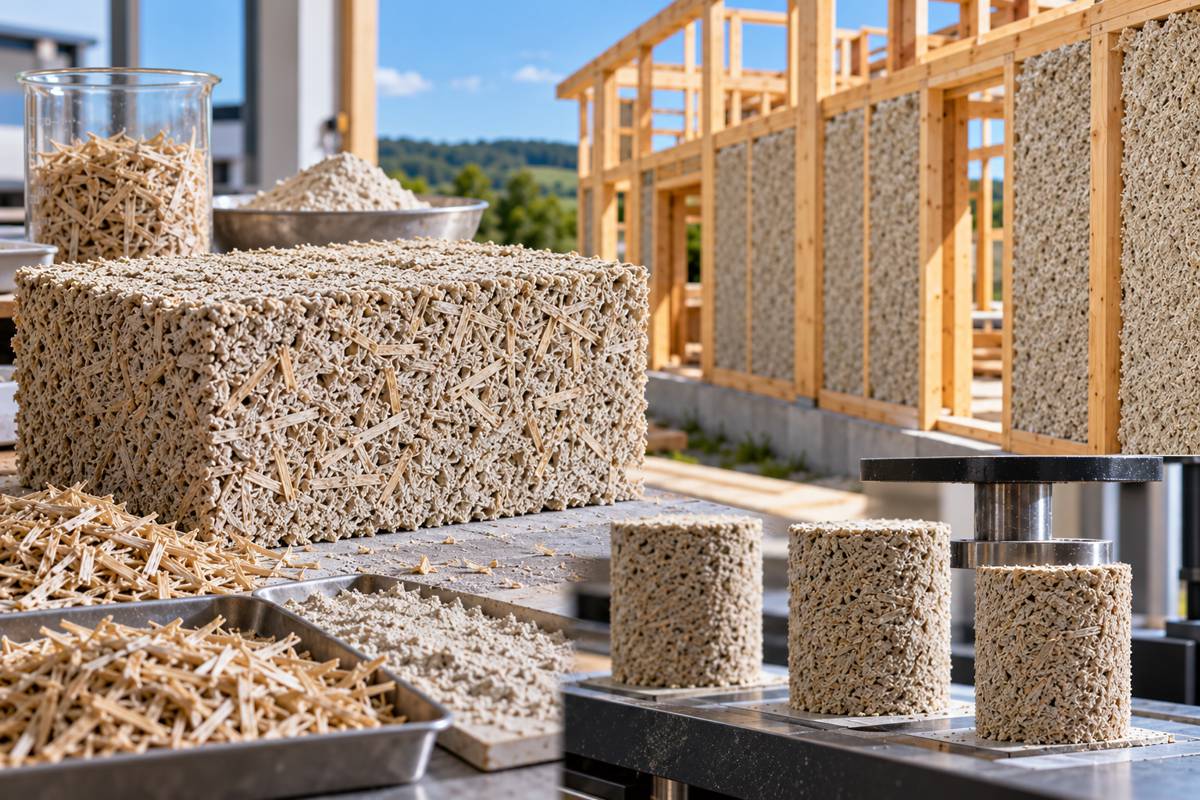
Notably, modular mass-loaded vinyl, cellulose insulation, mineral wool, and recycled fibre acoustic boards are now widely available and designed for use in timber-frame or hybrid acoustic construction. The ability to tune assemblies with low-impact products improves flexibility for hospitals, schools, offices, hospitality, and residential buildings.
Broader Industry Trends
The shift toward timber construction is accelerating. Global demand for engineered timber has risen sharply, driven by multi-storey developments in Europe, North America, New Zealand, and Japan. Regulatory bodies have increased allowable building heights for mass timber, while insurance markets have adopted improved frameworks for fire compliance.
Acoustic performance is one of the most frequently discussed concerns in large timber buildings. Research shows that well-designed timber systems are viable for student accommodation, office buildings, and retail spaces where privacy and speech clarity are essential. Timber also offers strong thermal benefits, lighter foundations, reduced installation time, and greater ease of prefabrication.
Major commercial developers now employ acoustic specialists early in design to ensure ceiling plenum constraints, HVAC noise, footfall management, façade glazing, and internal reverberation are addressed before construction begins. This early collaboration reduces retrofit costs and speeds up certification under green building frameworks.
Quieter and Lower-Carbon Buildings
Edgar’s research underscores a valuable shift in sustainable design. As building performance standards evolve, acoustics will no longer sit merely in the comfort category. Instead, acoustic design becomes a strategic driver of material selection, environmental performance, and life-cycle value.
Industry stakeholders will increasingly seek assemblies that provide sound control with minimal emissions. Timber and hybrid wall and floor systems offer a pathway to low-carbon construction in libraries, offices, hospitals, universities, housing projects, and public buildings.
By combining acoustic modelling with embodied carbon assessment, engineers and architects can design spaces that support well-being, productivity, and long-term climate resilience. With more research, pilot projects, and data sharing across regions, sustainable acoustics may soon become a mainstream cornerstone of the green building movement.