Sandvik Secures European Financing to Advance Mining Automation
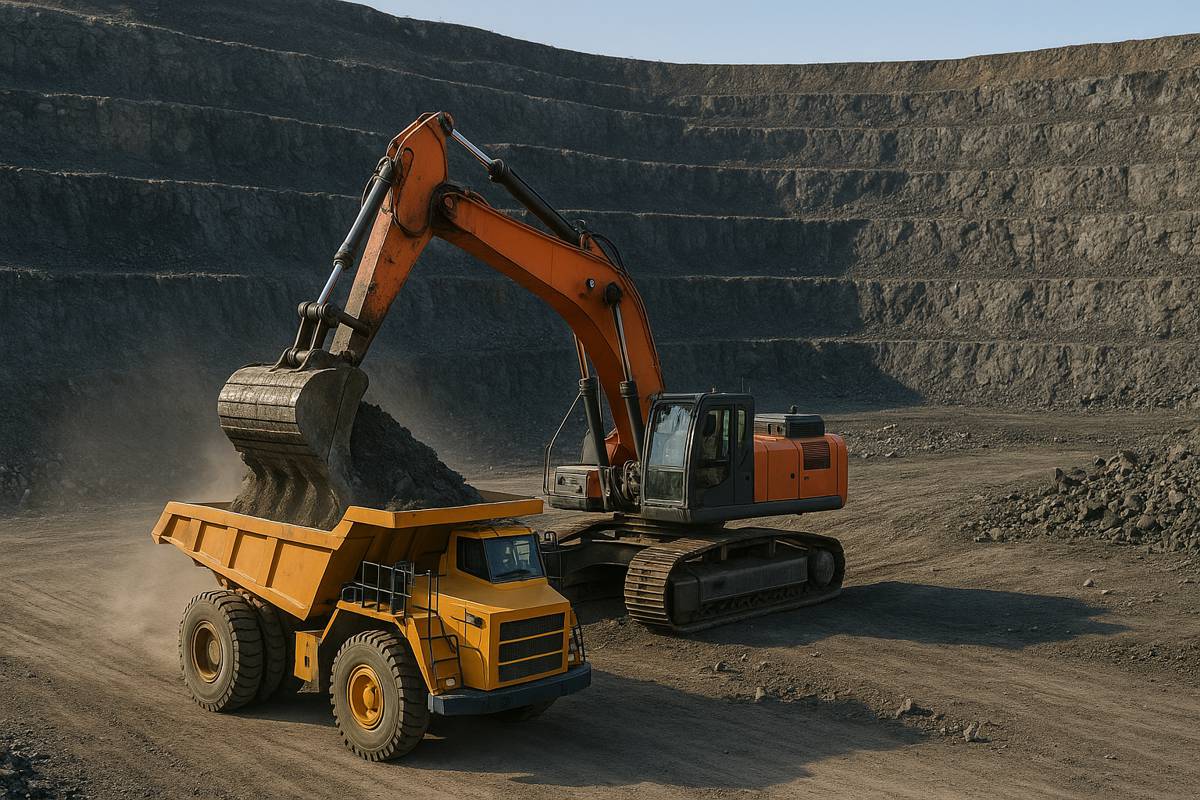
The European Investment Bank (EIB) has committed a substantial €500 million loan to Sandvik, the Stockholm-based engineering giant, to underwrite its 2026-2029 R&D push. This financing is set to accelerate the development of next-generation cutting technologies, tooling systems, battery-electric mining equipment and advanced automated and digitalised mining and rock-excavation solutions.
Sandvik confirmed that the loan carries a seven-year tenor and will support its broader strategy to deliver highly productive, safer and more sustainable industrial solutions across manufacturing, mining and infrastructure sectors.
The research will mainly be carried out in Sandvik’s existing research hubs in Sweden, Finland and Germany.
Innovation, Autonomy, Sustainability
The EIB’s backing is far from a routine financing operation. It sits squarely within the institution’s broader mandate to bolster European competitiveness, tech sovereignty and sustainable industrial transformation.
As EIB Vice-President responsible for Sweden and Finland put it: “Europe’s industrial competitiveness depends on sustained investment in innovation and advanced manufacturing.” He emphasised that Sandvik, as a global technology leader, is well-placed to deliver on priorities around automation, digitalisation and sustainability, all critical to strengthening Europe’s strategic autonomy.
On Sandvik’s side, CEO Stefan Widing noted: “We have a strong strategic focus on developing solutions that enhance productivity, safety and sustainability for our customers.” He added that EIB financing will support long-term R&D ambitions while providing flexibility to the company’s broader funding strategy.
What This Means for European Industry
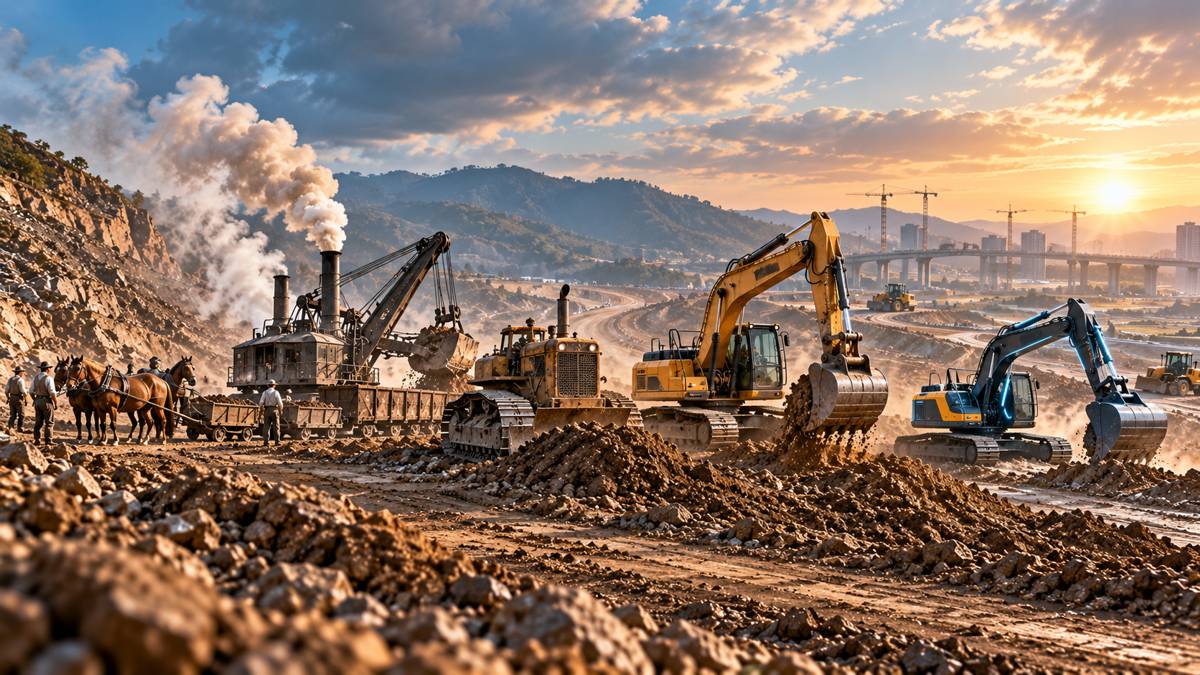
By targeting core areas such as cutting tools, battery-electric mining machines and automated rock-excavation systems, the programme could set new benchmarks across several industries, not only mining and construction, but also manufacturing, infrastructure and heavy equipment.
The move reflects a broader shift: industrial lenders and policymakers across Europe increasingly recognise that competitiveness today depends on long-term investments in sustainable and digital technology, rather than short-term returns on traditional manufacturing. With this backing, Sandvik can pursue risk-intensive innovation projects that might well define the next wave of industrial productivity.
It also strengthens the EU’s efforts to secure critical raw materials, supply-chain resilience and green-tech deployment, especially relevant as demand for electrified machinery, sustainable mining practices and resource optimisation grows.
A Long-Term Collaboration
The 2025 loan is not the first time EIB and Sandvik have joined forces. The two institutions have collaborated on at least four earlier R&D programmes since 1999. That established track record reduces risk on both sides: Sandvik has proven its ability to deliver, while EIB demonstrates consistency in funding transformative industrial projects.
Over time, these R&D cycles have supported the development of advanced metal-cutting tools, rock-processing equipment, electrified and automated mining solutions, and digital manufacturing technologies.
Having that continuity matters: for an industrial leader such as Sandvik, operating across multiple continents, sectors and product categories, stable, long-term funding is key to preserving technological leadership and responding rapidly to evolving demands.
EIB’s Role in Europe’s Industrial Strategy
The European Investment Bank is the largest multilateral financing institution in the EU, owned by its 27 Member States. Its primary mission is to support projects that align with EU policy goals, from climate action to digital transformation, cohesion, infrastructure and industrial competitiveness.
The loan to Sandvik aligns with several of the Bank’s strategic priorities: the Innovation, Digital & Human Capital (IDHC) policy framework; the strategic TechEU programme; and the Critical Raw Materials Initiative (CRM), which seeks to secure supply chains and reduce dependency on external sources for materials vital to green and digital technologies.
Environmental sustainability and climate-action objectives also feature strongly. Through support for electrified mining equipment and more efficient tooling technologies, the funding aims to reduce emissions, energy consumption and environmental impact linked to heavy industrial operations.
Opportunities and Watch-Points
For industry stakeholders, investors and policy-makers, this deal opens several opportunities. First, expect accelerated deployment of battery-electric mining equipment, automated rock-excavation systems and advanced manufacturing tools, with implications for mining, construction and infrastructure sectors across Europe and beyond.
Second, Sandvik’s enhanced R&D capacity may translate into broader product innovation, competitiveness, and potentially improved margins, especially as customers increasingly demand safer, cleaner and more efficient equipment.
However, delivering on such ambitious innovation plans remains a challenge. R&D projects spanning electrification, automation and digitalisation are capital-heavy, risk-intensive, and often require regulatory, supply-chain and skilled-labour alignment. Market conditions, from commodity prices to demand fluctuations, could influence commercial outcomes.
Still, the backing from EIB provides a cushion: long-term funding, policy alignment and institutional credibility all combine to lower risk and give Sandvik runway to push transformative change.
A Strategic Signal from Europe
Beyond the immediate impact for Sandvik, the financing sends a broader signal: Europe is determined to reassert its industrial base through targeted investments in advanced manufacturing, sustainable mining, automation and digital innovation.
With the EIB playing a central role, projects like this could help anchor industrial leadership in Europe, reduce strategic dependencies, and support a transition towards more resilient, climate-aware and future-ready industries.
In doing so, the deal doesn’t just reflect confidence in a single corporation, it underscores a commitment to long-term industry transformation aligned with the green and digital future that Europe is seeking.