Volvo Dealer Of The Year Reflects Rising Importance Of Uptime
In the global construction equipment market, the spotlight often falls on manufacturers and machines. Yet, the real engine of performance sits closer to the customer. Dealers are the ones who keep fleets moving, reduce costly downtime and translate technology into practical outcomes on site. With tightening project margins and rising equipment complexity, the role of the dealer has become far more than transactional. It has become operationally strategic.
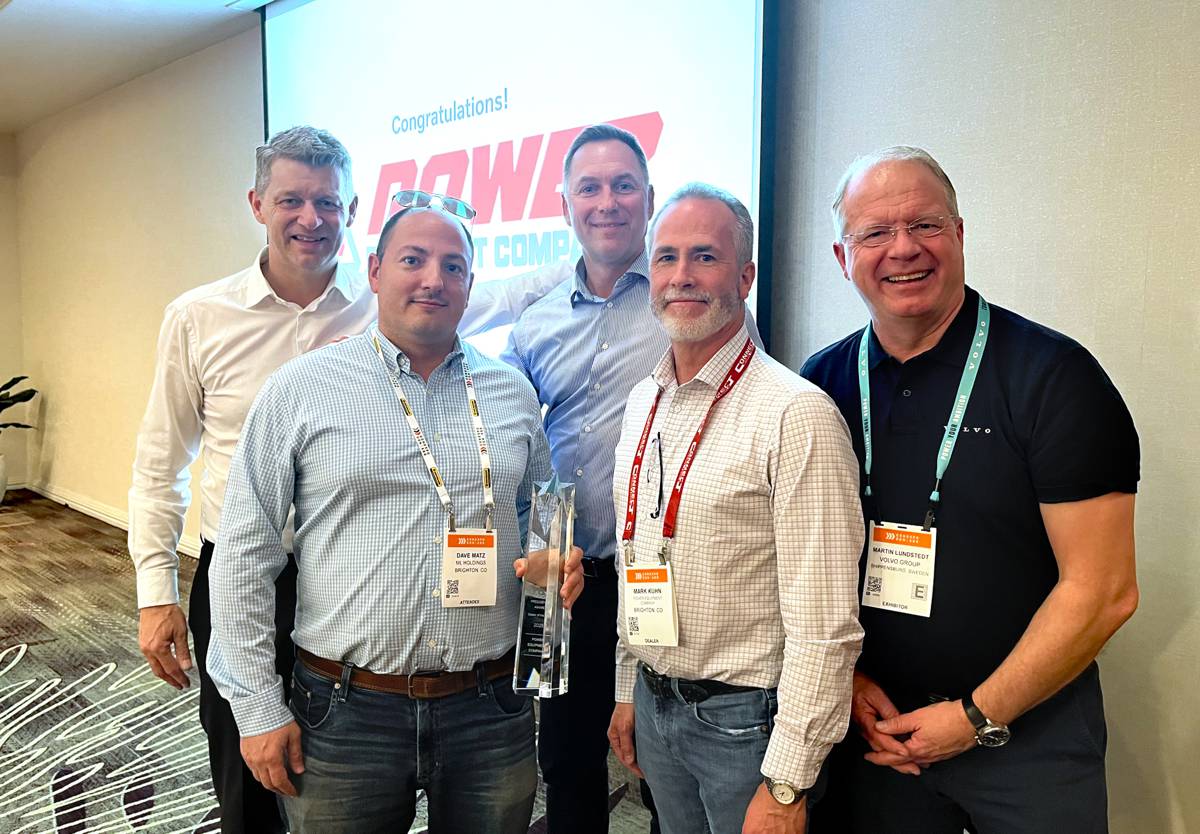
That context makes the recognition of dealer performance more than a ceremonial gesture. When Volvo Construction Equipment named Power Equipment Company as its 2025 Dealer of the Year, it highlighted a broader shift within the industry. The award signals what leading OEMs now expect from their distribution networks: deep technical capability, investment in infrastructure and a relentless focus on keeping machines productive in the field.
The announcement came during the industry’s largest gathering, CONEXPO-CON/AGG, where manufacturers, contractors and policymakers converge to assess where the sector is heading. In that environment, the message was clear. Equipment alone no longer defines competitiveness. Support ecosystems do.
Briefing
- Power Equipment Company has been named 2025 Dealer of the Year by Volvo Construction Equipment
- The award recognises performance in service delivery, uptime support and market growth
- Investment in facilities, training and field service infrastructure played a central role
- The dealership has expanded machine sales and rental capacity across Colorado and New Mexico
- The recognition reflects a wider industry shift towards service-led equipment strategies
A Changing Definition of Value in Construction Equipment
The construction sector has undergone a quiet transformation over the past decade. Machines are more advanced, projects are more complex and timelines are less forgiving. In this environment, uptime has become a critical metric, often outweighing upfront purchase cost. A machine that sits idle can disrupt entire project schedules, particularly in infrastructure works where sequencing is tightly controlled.
Manufacturers have responded by embedding telematics, predictive maintenance tools and digital diagnostics into their equipment. However, those tools only deliver value when supported by a capable dealer network. Field technicians, service planners and parts logistics teams have become just as important as engineering teams in delivering project outcomes.
Research across the equipment sector shows that lifecycle support accounts for a growing share of total equipment value. Contractors increasingly look beyond the initial purchase, focusing instead on reliability, service response times and technical support. Dealers that can align with these priorities effectively become partners in project delivery rather than suppliers of machinery.
Investment in Infrastructure and Capability
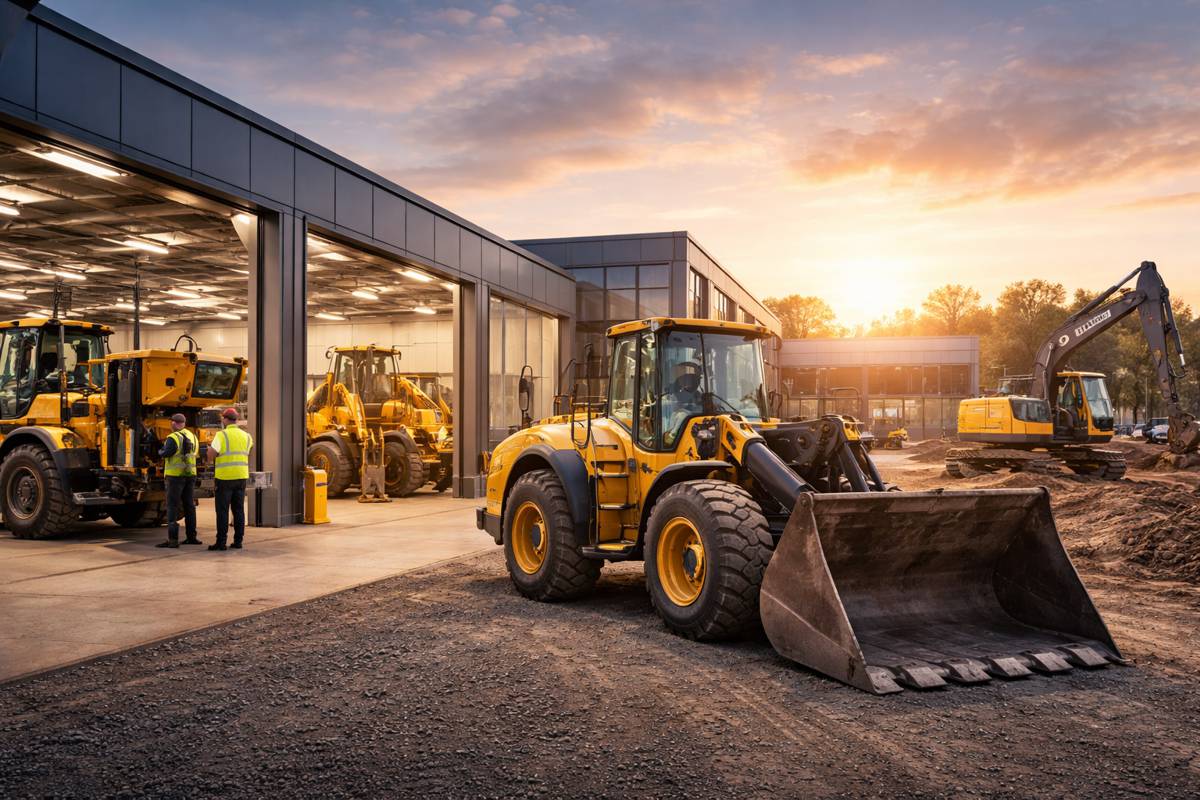
Power Equipment Company’s recognition stems in large part from its investment strategy. The company opened a new 52,000 square foot headquarters in Brighton, Colorado, designed not simply as a showroom but as a service hub. With 17 service bays and a dedicated training facility, the site reflects a deliberate focus on maintaining and upgrading technical capability.
Such facilities are becoming essential as equipment evolves. Modern machines require technicians who understand both mechanical systems and digital diagnostics. Training infrastructure allows dealerships to keep pace with these changes, ensuring that service teams can address issues quickly and accurately.
The addition of a centralised field service dispatch centre further strengthens that capability. By coordinating service responses across its network, the dealership can reduce response times and deploy technicians more efficiently. For contractors, that translates directly into reduced downtime and improved project continuity.
This approach aligns with broader industry trends. Across North America and Europe, leading dealerships are investing heavily in service infrastructure, recognising that availability and responsiveness often determine customer loyalty. The ability to respond quickly to a breakdown on a remote job site can carry more weight than the specifications of the machine itself.
The Role of People in a Technology Driven Sector
Despite the growing importance of technology, the human element remains central. Service technicians, sales teams and support staff form the backbone of any dealership operation. Their expertise determines how effectively machines are deployed, maintained and supported throughout their lifecycle.
That emphasis was reflected in the response from Power Equipment Company’s leadership. “This comes down to our people, plain and simple. We do not chase awards. We show up, do the work, and stand behind our customers when it counts,” said Mark Kuhn, Vice President of Construction Sales at Power Equipment Company.
The statement cuts through the noise. While digital tools and automation continue to reshape the industry, the ability to build trust and deliver consistent service remains rooted in people. Skilled technicians who can diagnose problems under pressure and experienced sales teams who understand project requirements are difficult to replicate.
At the same time, attracting and retaining that talent has become a challenge across the sector. Many regions face a shortage of skilled technicians, prompting dealerships to invest in training programmes and partnerships with technical institutions. Facilities like the Brighton headquarters are part of that response, creating environments where skills can be developed and retained.
Growth Through Service and Market Expansion
The dealership’s performance in 2025 reflects the impact of these investments. Power Equipment Company recorded strong growth in both machine sales and rental fleet capacity, expanding its footprint across Colorado and New Mexico. This growth was not driven solely by market conditions but by the ability to support customers effectively.
Rental fleets, in particular, have become an increasingly important part of the construction ecosystem. Contractors often prefer flexible access to equipment, especially for short term projects or specialised applications. A well managed rental fleet requires robust maintenance systems and rapid turnaround capabilities, both of which depend on strong dealer infrastructure.
The company’s long-standing relationship with Volvo CE, spanning four decades, has also played a role. Partnerships of this length tend to create alignment in strategy, technology adoption and customer engagement. They allow both parties to develop a shared understanding of market needs and operational challenges.
As Scott Young, Head of Region North America at Volvo CE, noted: “The Power Equipment Company team has committed to and invested in people and technology that ensure their customers get the right machine, right services and right advice every time. As a partner to Volvo CE, they’re helping set the standard for how a dealership can drive long-term value through a customer-focused approach and deep-rooted expertise.”
Dealer Networks as Strategic Assets
For manufacturers, dealer networks are no longer just distribution channels. They are strategic assets that influence brand perception, customer satisfaction and long term revenue streams. A strong dealer can enhance the value of a product, while a weak one can undermine it.
This dynamic has led to increased collaboration between OEMs and their dealer networks. Joint investments in training, technology and facilities are becoming more common, as both sides recognise the need to deliver consistent service standards. Data sharing is also playing a larger role, with telematics information used to anticipate maintenance needs and optimise service schedules.
The recognition of dealer performance through awards such as Dealer of the Year serves to reinforce these priorities. It highlights the behaviours and investments that manufacturers want to encourage across their networks. In doing so, it helps to set benchmarks for the wider industry.
Longevity and Market Resilience
Power Equipment Company’s 90 year history provides another layer of context. Longevity in the construction equipment sector is rarely accidental. It reflects an ability to adapt to changing market conditions, from economic cycles to technological shifts.
Over the decades, the industry has seen significant changes, including the rise of digital technologies, increased environmental regulation and evolving project delivery models. Companies that have navigated these changes successfully tend to share common traits: strong customer relationships, a willingness to invest and a focus on operational excellence.
The dealership’s continued expansion suggests that these traits remain firmly in place. By combining traditional strengths with modern capabilities, it has positioned itself to meet the demands of today’s construction environment while preparing for future developments.
Setting Standards for the Next Phase of Industry Growth
The recognition of Power Equipment Company highlights a broader trend that is likely to shape the next phase of growth in the construction equipment sector. As machines become more advanced and projects more demanding, the importance of service, support and operational reliability will only increase.
Dealers that invest in infrastructure, develop their people and embrace technology will be better placed to meet these demands. Those that do not risk falling behind, regardless of the quality of the products they represent.
For contractors and project owners, the implications are straightforward. Choosing equipment is no longer just about specifications or price. It is about selecting partners who can support the entire lifecycle of that equipment, ensuring that it delivers value from day one through to the end of its operational life.
In that sense, the 2025 Dealer of the Year recognition serves as a marker of where the industry is heading. It underscores the shift towards service led models and highlights the role that dealers play in shaping project outcomes. As infrastructure investment continues to grow worldwide, that role is set to become even more critical.