Graco Celebrates One Hundred Years of Industrial Innovation
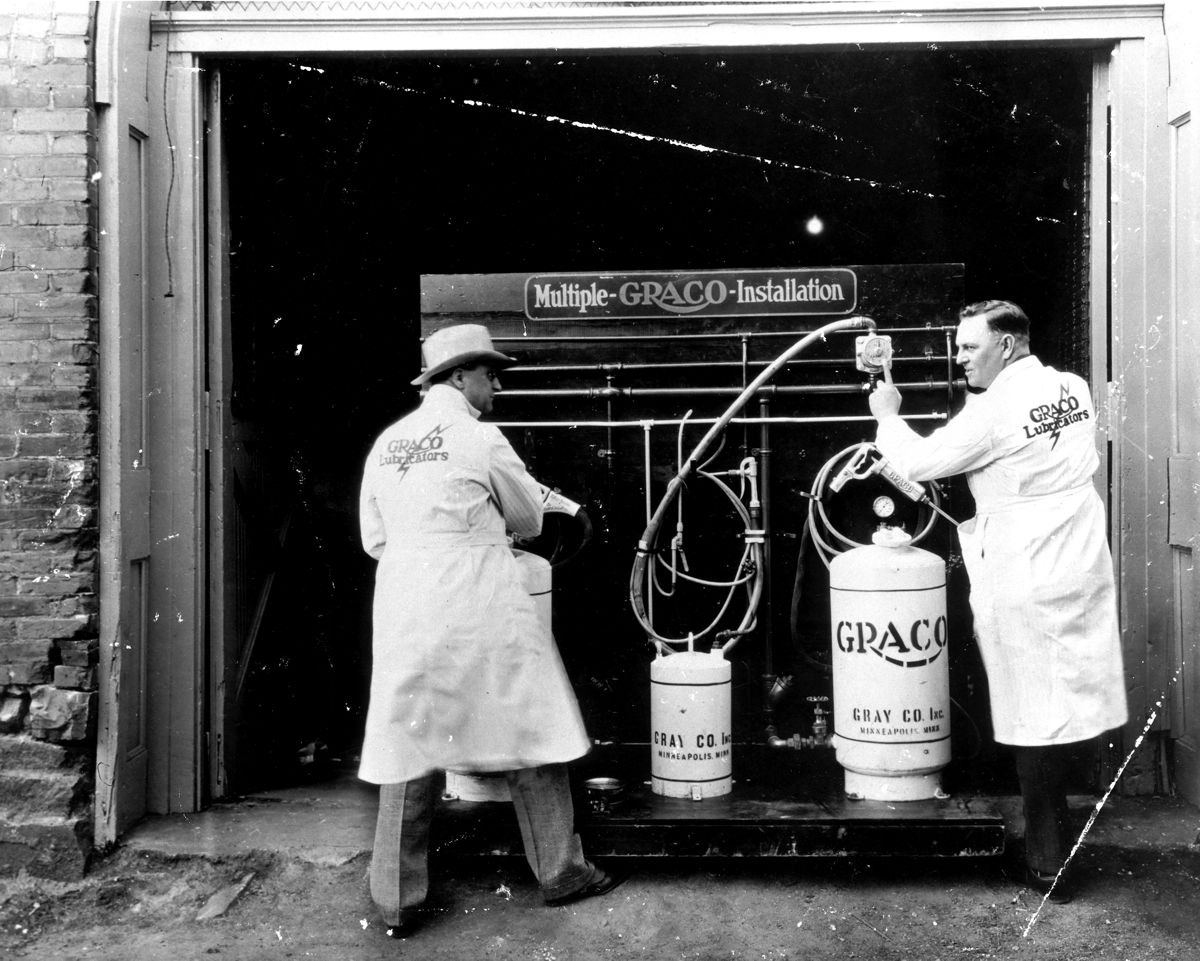
In the early decades of the 20th century, long before automation, digitalisation and precision engineering became industry buzzwords, a simple but persistent problem on a freezing Minnesota worksite sparked a transformation. In 1926, Russell Gray, working in a Minneapolis parking lot, confronted the limitations of grease guns that froze in winter conditions and posed real risks to workers. His response was practical rather than theoretical. He built a solution that worked.
That invention, an air-powered grease gun, did more than solve a local maintenance issue. It laid the foundation for Graco Inc., a company that has since grown into a global supplier of fluid and material handling systems, now marking its 100th anniversary. What began as a modest engineering fix has evolved into a business generating approximately $2 billion annually, with technologies embedded across construction, manufacturing and infrastructure worldwide.
The story is not one of sudden breakthroughs or headline-grabbing disruption. Instead, it reflects a steady accumulation of engineering capability, built around the consistent application of a single idea: solving real problems in demanding environments.
Briefing
- Graco reaches its 100th anniversary as a global leader in fluid and coating management technologies
- Originating from a safety-driven invention, the company has expanded across construction, manufacturing and infrastructure sectors
- Its systems are widely used in road marking, coatings, adhesives and industrial processing applications
- The business has navigated major global disruptions through steady diversification and engineering focus
- Future investments centre on automation, artificial intelligence and sustainable industrial processes
Engineering That Quietly Powers Modern Infrastructure
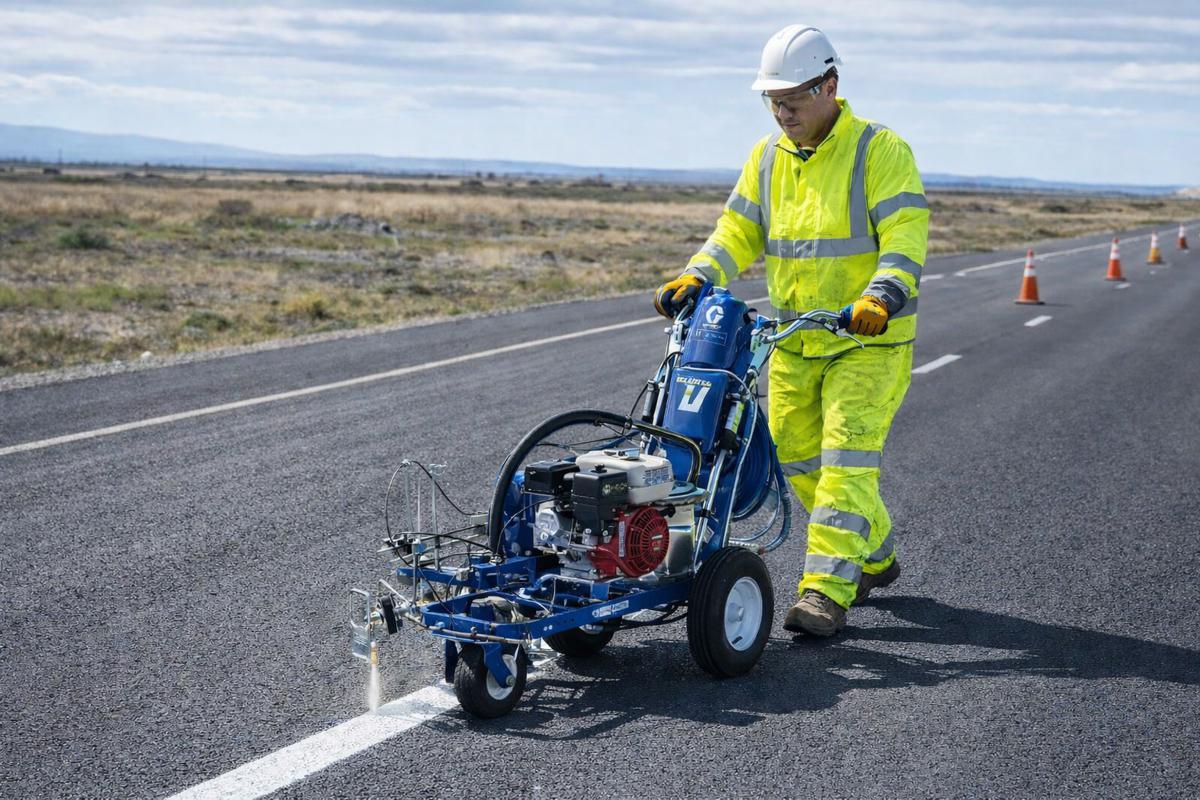
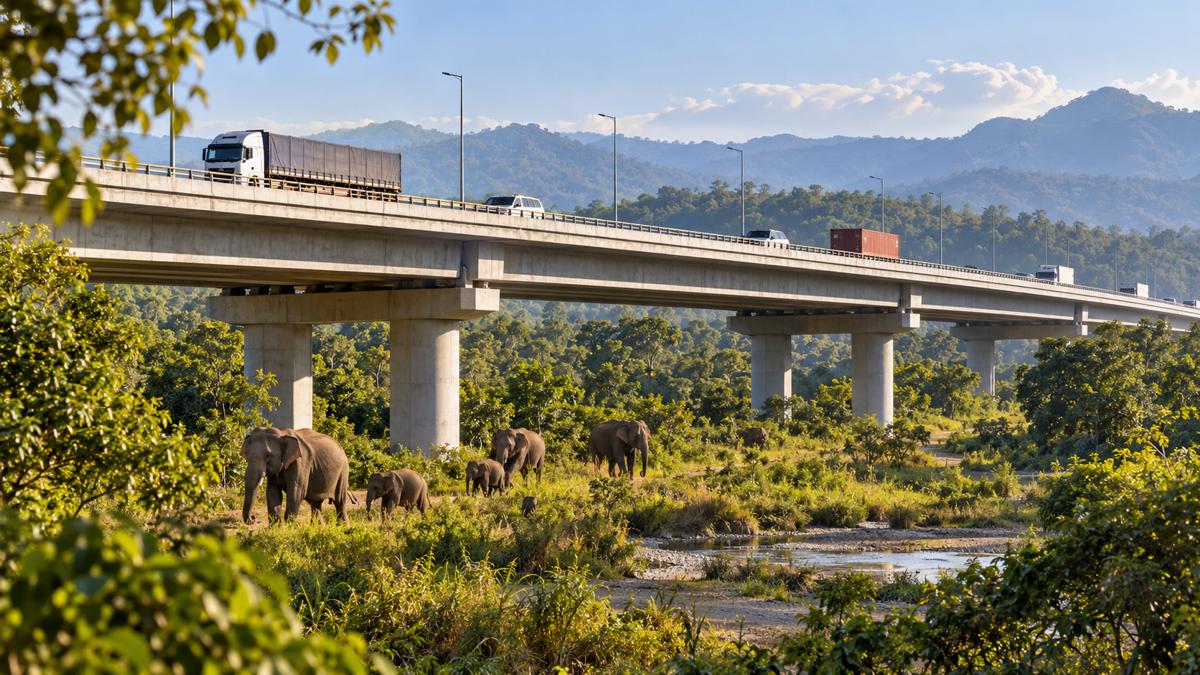
Graco’s influence is rarely visible in headline infrastructure announcements, yet its systems are deeply embedded in how modern assets are built, maintained and operated. Across the construction and transport sectors, its equipment is used to apply coatings, dispense sealants, and stripe roads and runways with a level of consistency that manual methods simply cannot achieve.
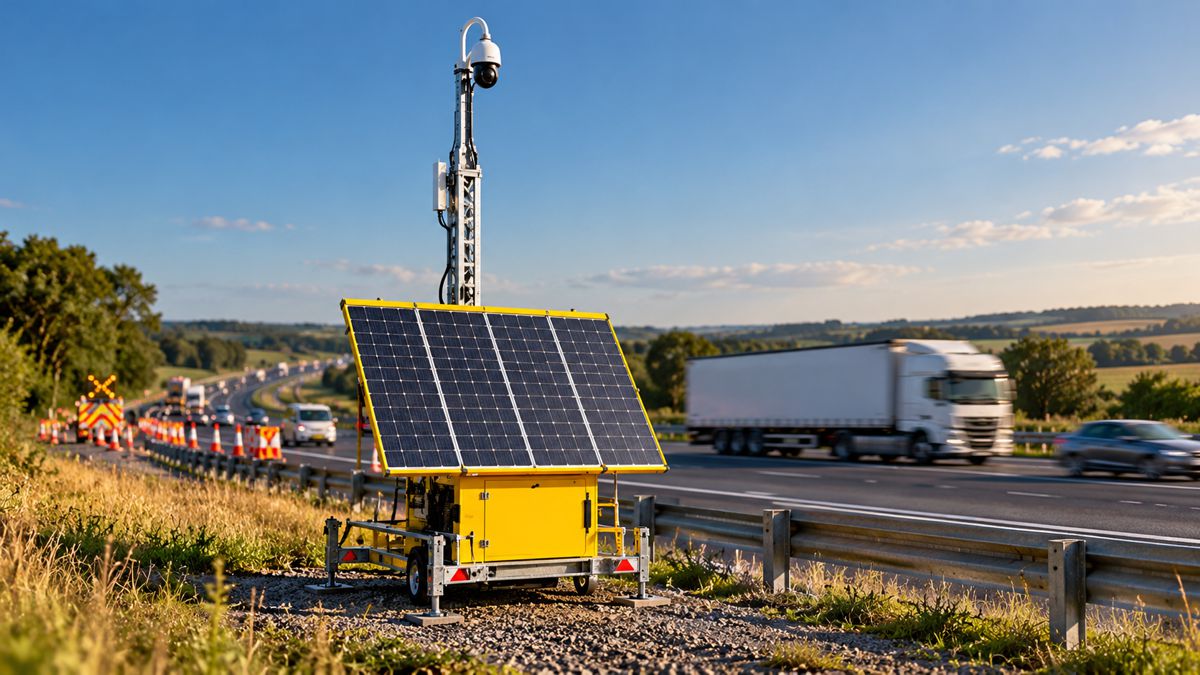
Road networks, for instance, rely on accurate and durable line marking not only for traffic management but also for safety compliance. Equipment designed to control the flow and application of thermoplastics and paints plays a direct role in maintaining visibility standards across highways and urban streets. As infrastructure networks expand and age, this type of precision becomes increasingly important.
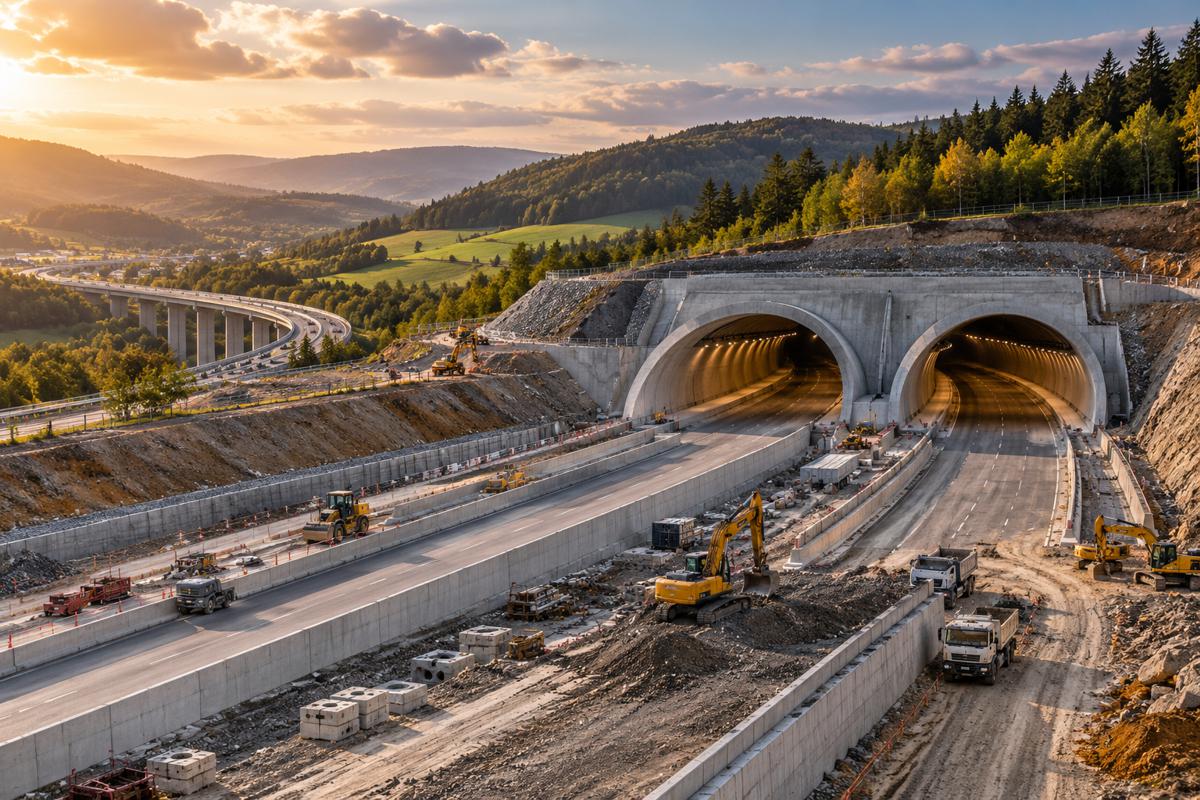
Similarly, in large-scale construction projects, coatings and sealants are essential for protecting steel, concrete and composite materials from environmental degradation. Systems that ensure uniform application help extend asset lifespans, reduce maintenance cycles and improve long-term performance. These may not be glamorous contributions, but they sit at the heart of infrastructure resilience.
A Business Built Through Adaptation Rather Than Reinvention
Few companies manage to remain relevant over a century marked by economic shocks, geopolitical conflict and industrial transformation. Graco’s trajectory offers an example of incremental adaptation rather than radical reinvention.
During the World War II, the company redirected its production capabilities to support military operations, manufacturing lubrication equipment designed to perform under extreme conditions. This period not only sustained the business during wartime but also reinforced its engineering credibility in high-pressure environments.
Post-war expansion brought a different set of challenges. As consumer economies grew, so did demand for manufacturing capacity. Graco responded by broadening its product range beyond lubrication into pumps and systems capable of handling paints, adhesives and viscous materials used in mass production. This shift aligned the company with emerging industrial needs rather than tying it to a single product category.
Globalisation in the late 20th century added another layer of complexity. Manufacturing supply chains became international, and companies faced increasing competition. Graco’s approach combined internal development with targeted acquisitions, allowing it to expand geographically while maintaining control over its technical direction. Today, it operates in more than 100 countries, reflecting a footprint that mirrors global industrial activity.
From Automotive Roots To Cross-Sector Relevance
While the company’s origins lie in servicing automobiles, its technologies now reach far beyond the automotive sector. Fluid and material handling systems are fundamental to a wide range of industries, many of which intersect directly with construction and infrastructure development.
In manufacturing, precision dispensing systems are used to apply adhesives in vehicle assembly, ensuring structural integrity and reducing material waste. In electronics, similar technologies support the controlled application of coatings and sealants in compact, high-value components. Even in food processing, systems designed to handle viscous materials enable efficient production of everyday products.
For the construction sector, the crossover is clear. Techniques developed for industrial manufacturing increasingly influence how materials are applied on-site, from sprayed insulation to advanced coatings. The boundary between factory and construction site continues to blur, particularly as modular construction and off-site fabrication gain traction.
Workforce, Community and Long-Term Industrial Capability
A company’s longevity is rarely explained by products alone. Workforce stability, knowledge transfer and organisational culture play a significant role in sustaining technical expertise over time.
Graco’s roots in Minneapolis remain central to its identity, even as its operations span multiple continents. Long-serving employees and multi-generational involvement have contributed to a continuity that supports both innovation and reliability. In industries where precision and safety are critical, that consistency matters.
Beyond its commercial activities, the company has invested in workforce development through its foundation, contributing more than $50 million since the mid-1980s. Funding has supported STEM education and skills training, areas widely recognised as essential for addressing labour shortages in engineering and construction. According to organisations such as OECD, skills gaps remain a persistent challenge across advanced economies, particularly in technical fields tied to infrastructure and manufacturing.
These investments do not generate immediate returns, but they help build the talent pipeline required for long-term industrial capacity. For sectors facing increasing complexity, from digital construction to advanced materials, that pipeline is becoming ever more critical.
The Role Of Precision Systems In A Changing Construction Landscape
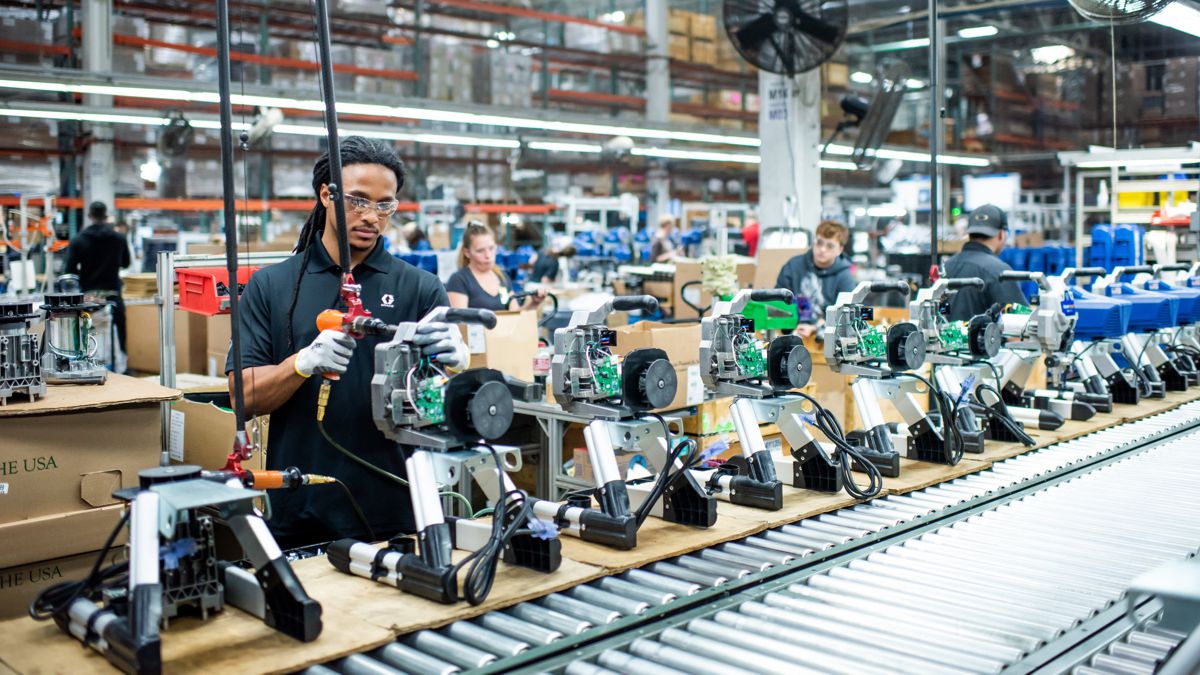
The construction and infrastructure sectors are undergoing a shift driven by efficiency demands, sustainability targets and technological integration. Equipment that can deliver consistent, measurable results is gaining importance as projects become more complex and margins tighter.
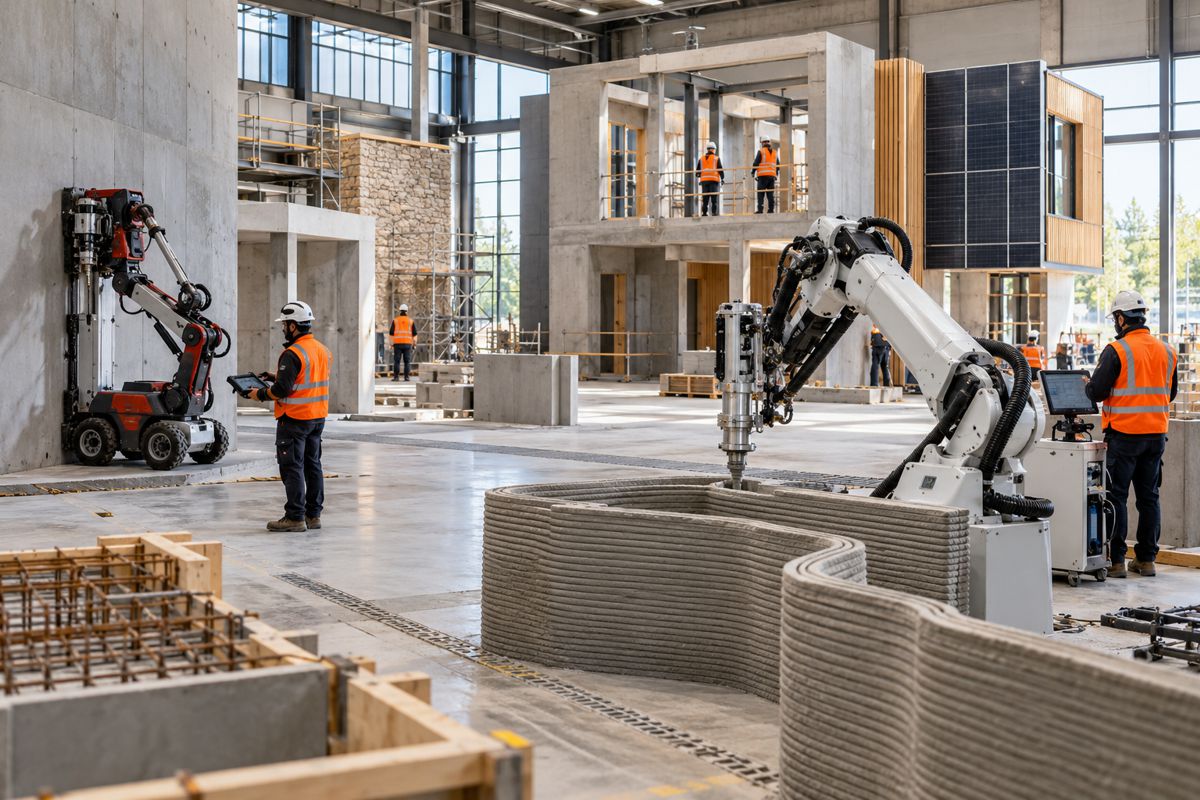
Automation is already reshaping manufacturing, and its influence is spreading to construction. Technologies that control the movement and application of materials are increasingly integrated with digital systems, allowing for real-time monitoring and optimisation. This aligns with broader trends in Industrial Automation, where data and machinery combine to improve productivity and reduce waste.
In parallel, sustainability considerations are pushing companies to minimise material usage and environmental impact. Precise dispensing systems help achieve these goals by reducing overspray, limiting excess material consumption and ensuring accurate application. While these gains may appear incremental, they accumulate across large projects, contributing to measurable reductions in cost and emissions.
Positioning For The Next Phase Of Industrial Development
Looking ahead, the focus shifts towards integrating traditional engineering with emerging technologies. Graco has signalled investment in areas such as artificial intelligence, automation and data-driven systems, reflecting broader industry trends rather than a departure from its core competencies.
Artificial intelligence, for example, is increasingly used to predict maintenance needs, optimise system performance and reduce downtime. In fluid handling systems, this could translate into smarter equipment that adjusts flow rates automatically or identifies inefficiencies before they impact production. These developments align with global efforts to enhance industrial productivity while managing resource constraints.
At the same time, sustainability remains a defining factor. As construction firms face stricter environmental regulations and client expectations, equipment suppliers are under pressure to provide solutions that support greener operations. This includes reducing energy consumption, minimising waste and enabling the use of alternative materials.
Graco’s approach appears to centre on extending its existing capabilities rather than pursuing entirely new directions. By embedding digital features into established technologies, the company can evolve without abandoning the engineering principles that have sustained it for a century.
A Century Of Industrial Continuity And Incremental Progress
Reaching a 100-year milestone is notable in any industry, but in sectors shaped by constant disruption, it carries particular weight. The construction and infrastructure landscape has changed dramatically since the 1920s, yet the need for reliable, practical engineering solutions remains constant.
Graco’s history illustrates how incremental progress, grounded in real-world application, can deliver lasting impact. From a frozen grease gun in Minneapolis to systems operating on construction sites, in factories and across transport networks worldwide, the company’s journey reflects a broader narrative of industrial development.
As the next phase unfolds, shaped by digitalisation, sustainability and global demand for infrastructure, the same underlying principle continues to apply. Engineering that works, consistently and safely, tends to endure.