Panasonic Toughbook 56 Raises the Bar for Rugged Computing at the Edge
When work moves beyond the office and into unpredictable environments, computing hardware stops being a convenience and becomes critical infrastructure. From roadside diagnostics and infrastructure inspections to emergency response and utilities maintenance, mobile professionals increasingly depend on high-performance devices that can operate reliably at the edge.
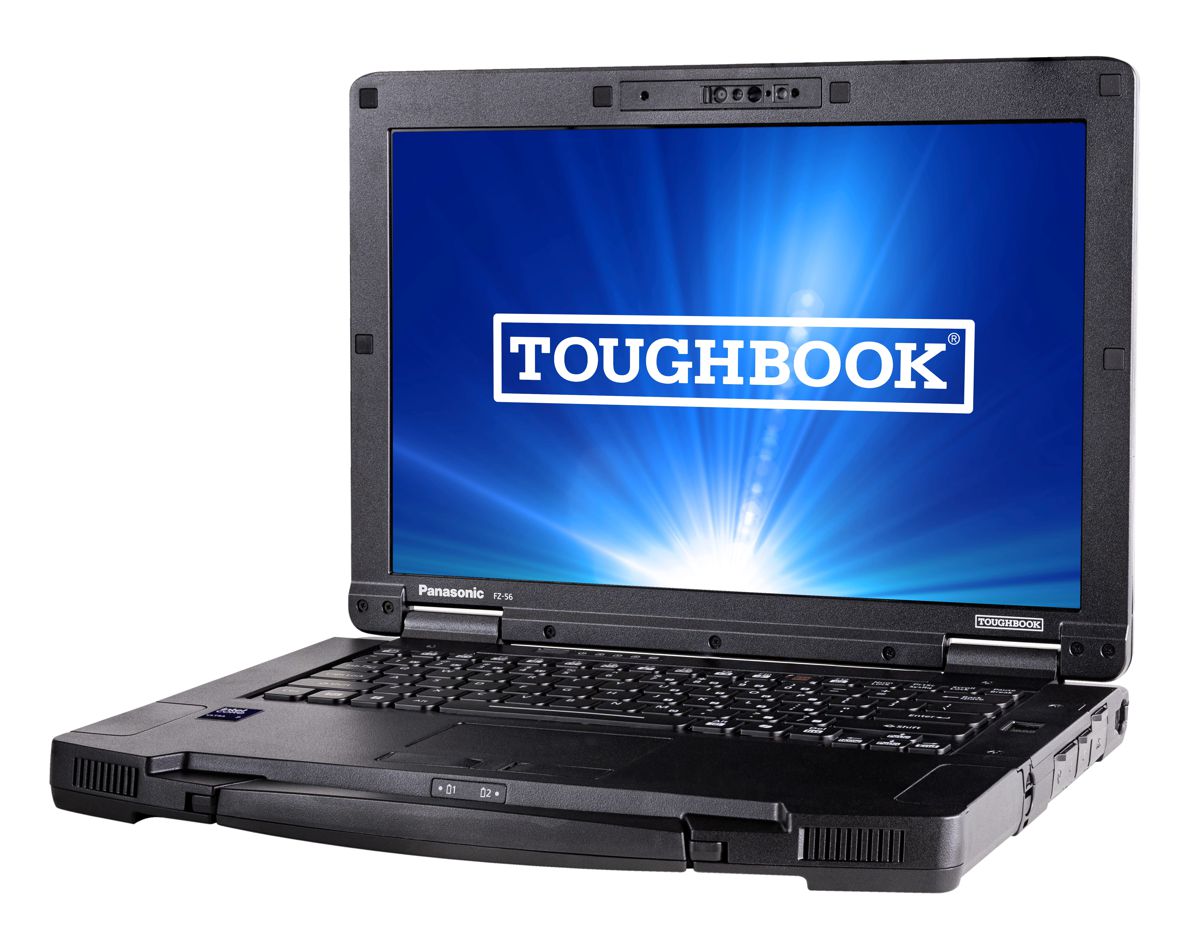
Panasonic Connect North America has now introduced the TOUGHBOOK 56, a rugged laptop designed to support data-intensive workloads, secure operations, and long lifecycle deployment in demanding sectors.
The new device reflects a broader shift across construction, transport, and public safety industries, where digital workflows, AI-assisted diagnostics, and real-time data exchange are no longer optional. Field engineers, inspectors, and emergency responders are being asked to do more with fewer resources while maintaining accuracy and compliance. Hardware capable of supporting these expectations has become a strategic investment rather than a procurement afterthought.
TOUGHBOOK 56 enters this environment with a focus on performance, modularity, and connectivity. Building on earlier platforms, including the widely deployed TOUGHBOOK 54 and TOUGHBOOK 55, the latest model pushes deeper into edge computing territory, where processing power, network resilience, and security frameworks converge to enable real-time decision-making in the field.
Briefing
- Introduces high-performance rugged computing tailored for edge-based AI and data-intensive workloads
- Expands connectivity with faster 5G, Wi-Fi 7 and multi-ethernet configurations
- Strengthens security with FIPS encrypted drives and layered protection systems
- Maintains long-term compatibility with existing docking infrastructure
- Reflects growing demand for modular, lifecycle-driven IT strategies in field operations
Edge Computing Moves to the Frontline
The most immediate shift represented by TOUGHBOOK 56 lies in its computing capability. Equipped with processors from Intel’s Core Ultra Series, the device is designed to handle workloads that would previously have required back-office processing. This includes AI-enabled tasks such as image recognition, predictive maintenance modelling, and advanced diagnostics, all executed locally without relying on continuous cloud connectivity.
For infrastructure operators, this capability alters the workflow. Engineers inspecting bridges or highways can process imaging data on-site. Utility crews can analyse equipment faults in real time. Public safety teams can manage evidence capture and analysis directly from the field. The addition of discrete graphics options, including an 8GB GPU configuration, further extends performance for visual and AI-driven applications.
This move towards intelligent edge computing mirrors wider industry trends. According to research from organisations such as Gartner, edge processing is becoming central to digital transformation strategies in sectors where latency, reliability, and data sovereignty matter. Devices like TOUGHBOOK 56 are effectively becoming mobile data centres, capable of running complex applications independently of fixed infrastructure.
Connectivity as Critical Infrastructure
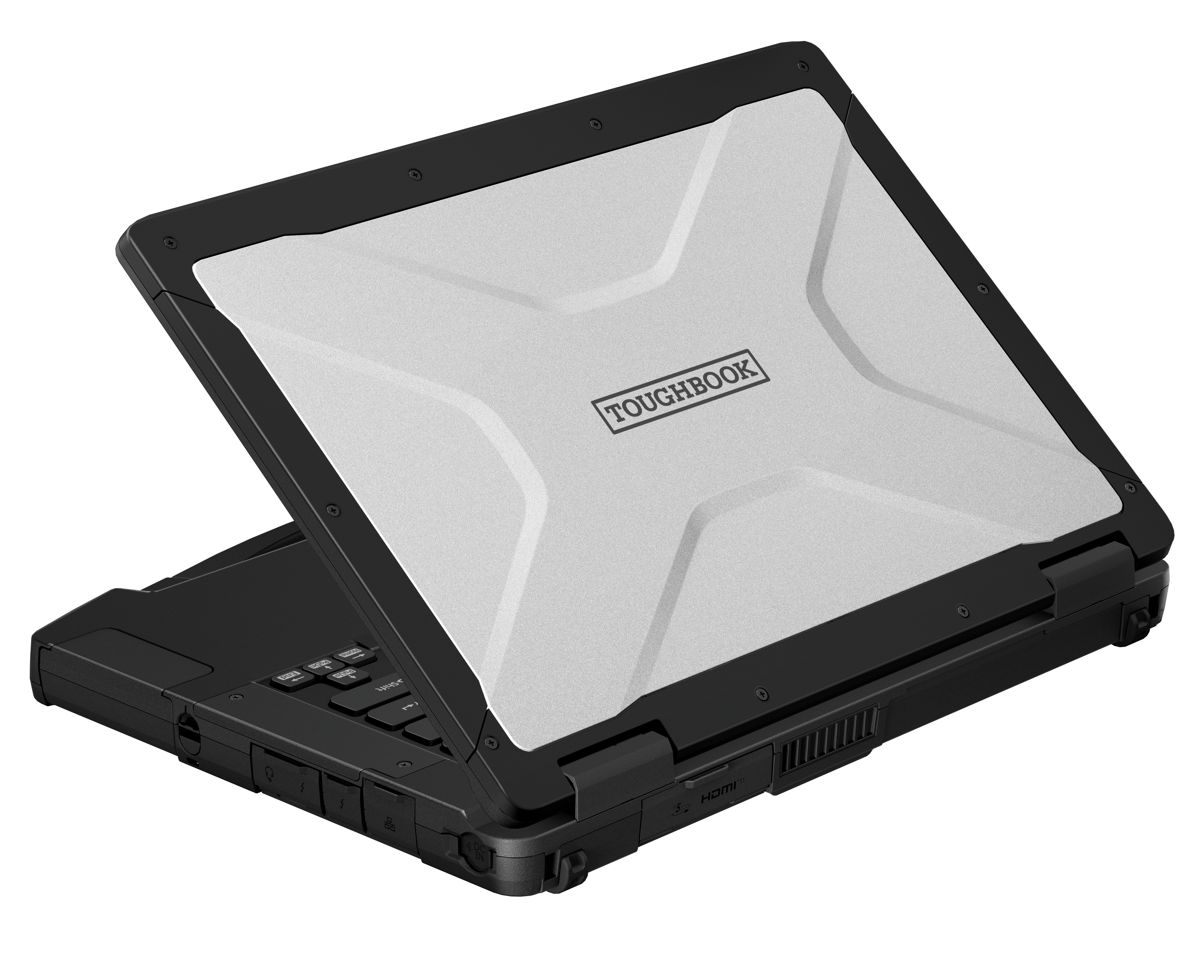
Performance alone is only part of the equation. Field operations depend heavily on connectivity, particularly when coordination across teams and agencies is required. TOUGHBOOK 56 addresses this through expanded network capabilities, including improved 5G speeds, Wi-Fi 7 compatibility, and multiple ethernet configurations.
The inclusion of up to three ethernet ports, with options reaching 10 Gbps, is notable. While wireless connectivity dominates headlines, wired connections remain essential in environments such as control centres, vehicles, and temporary field offices where stability and speed are paramount. Faster data transfer supports applications such as high-resolution imaging, digital twins, and large-scale file synchronisation.
Compatibility with major carrier networks and dedicated responder systems adds another layer of operational resilience. Integration with platforms such as FirstNet and private cellular solutions ensures that communication channels remain open during emergencies or infrastructure failures. For construction and utilities sectors operating in remote or fragmented coverage areas, this level of interoperability can make a tangible difference to response times and project continuity.
Modular Design Extends Lifecycle Value
Beyond raw performance, the device’s modular architecture speaks directly to long-term asset management. With multiple configurable areas, including expansion packs, storage, memory, and battery options, TOUGHBOOK 56 allows organisations to adapt hardware to evolving operational requirements rather than replacing entire fleets.
This approach aligns with the growing emphasis on lifecycle cost management in infrastructure and industrial sectors. IT departments are under increasing pressure to balance performance upgrades with budget constraints and sustainability targets. Modular systems reduce electronic waste, extend device usability, and simplify maintenance.
The backward compatibility with existing docking systems from earlier TOUGHBOOK models further reinforces this strategy. Organisations that have already invested in vehicle-mounted or fixed docking infrastructure can upgrade devices without incurring significant additional costs. For large fleets, this continuity can translate into substantial savings and reduced deployment complexity.
Security Designed for High-Risk Environments
Security considerations have moved sharply up the agenda in recent years, particularly for organisations handling sensitive data or operating in regulated environments. TOUGHBOOK 56 incorporates several features aimed at addressing these concerns, including support for FIPS encrypted storage and layered protection across hardware, firmware, and operating system levels.
The inclusion of embedded firmware security designed to detect tampering before deployment reflects growing awareness of supply chain risks. In sectors such as defence, public safety, and critical infrastructure, ensuring device integrity from manufacture to deployment is essential.
Integration with broader security frameworks enables IT teams to monitor and manage endpoints more effectively. Expanded administrative controls provide visibility into updates and user settings, allowing organisations to enforce compliance while maintaining operational flexibility. These features are increasingly relevant as mobile devices become primary access points to enterprise systems and sensitive datasets.
Designed Through Field Feedback
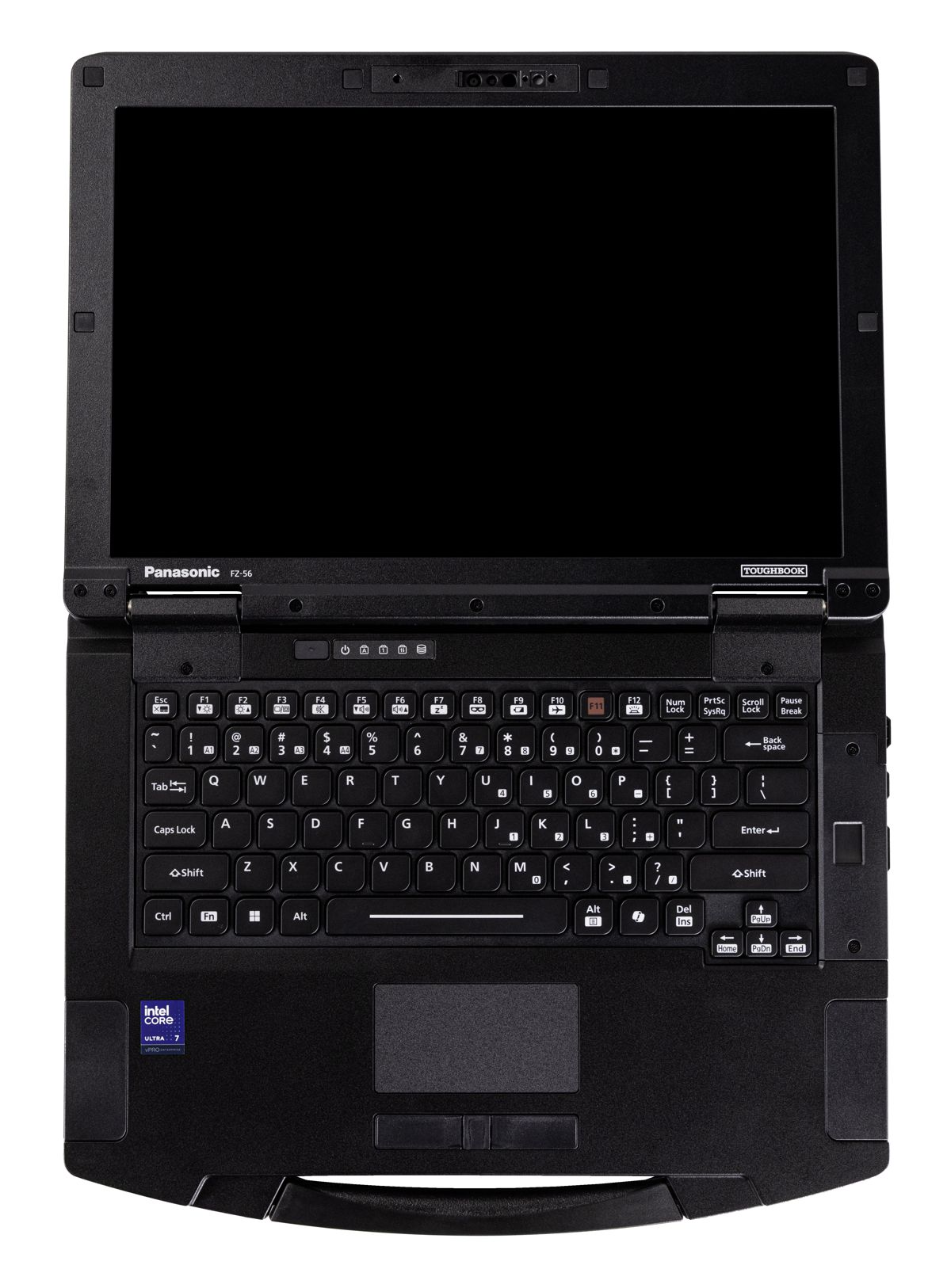
While performance and security dominate the technical narrative, practical usability remains a defining factor in rugged computing. TOUGHBOOK 56 incorporates several refinements based on user feedback, including a revised display ratio, improved audio output, and durability enhancements.
The shift to a 16:10 screen format provides more vertical workspace, which can be particularly useful for data entry, documentation, and mapping applications. Louder speakers and improved audio clarity support communication in noisy environments such as construction sites or roadside operations.
Seemingly minor design adjustments, such as reinforced power connections and configurable software settings, contribute to overall reliability and user experience. In field conditions, small improvements often have an outsized impact on productivity and equipment longevity.
Supporting a Broader Digital Transformation
The launch of TOUGHBOOK 56 is best understood within the wider context of digital transformation across infrastructure and industrial sectors. Construction, transport, and utilities are increasingly adopting technologies such as digital twins, IoT monitoring, and AI-driven analytics. These systems rely on accurate, timely data collected at the source.
Rugged devices capable of processing and transmitting this data form a crucial link in the digital chain. Without reliable field hardware, even the most advanced backend systems struggle to deliver value. TOUGHBOOK 56 addresses this gap by combining computing power, connectivity, and durability in a single platform.
Industry adoption of such devices is likely to accelerate as organisations seek to improve efficiency, reduce downtime, and enhance safety outcomes. Whether managing large-scale infrastructure projects or responding to emergency incidents, the ability to access and analyse information in real time is becoming a defining capability.
A Platform Built for Long-Term Deployment
The emphasis on extended warranties and support options highlights another important consideration: longevity. Infrastructure projects often span years, and the equipment supporting them must remain operational over extended periods. Frequent hardware replacement is neither practical nor cost-effective.
By offering flexible support structures and maintaining compatibility with existing systems, TOUGHBOOK 56 positions itself as a long-term platform rather than a short-cycle product. This approach aligns with the operational realities of its target sectors, where stability and predictability are highly valued.
As organisations continue to integrate digital tools into their workflows, the role of rugged computing will only become more central. Devices that can evolve alongside these requirements, rather than becoming obsolete, will hold a clear advantage.
Setting a New Standard for Field Computing
TOUGHBOOK 56 reflects a convergence of trends reshaping how work is carried out beyond traditional office environments. High-performance computing, resilient connectivity, modular design, and robust security are no longer niche requirements but core expectations.
For construction professionals, infrastructure operators, and public sector organisations, the implications are clear. The tools used in the field must match the sophistication of the systems they support. As digital transformation gathers pace, the boundary between office and field continues to blur.
In that evolving landscape, devices like TOUGHBOOK 56 are not simply upgrades. They represent a recalibration of what field computing can deliver, bringing enterprise-grade capability directly to the point of action.