Foton Tunland Targets UK Pick-Up Market with Mild-Hybrid Diesel Powertrain
Chinese commercial vehicle manufacturer Foton is preparing to enter the British pick-up market in early 2027 with the Tunland, a double-cab model combining diesel mild-hybrid power with suspension and interior equipment designed for more comfortable everyday driving.
Distributed through International Motors Ltd (IML), the Tunland will compete in a sector where traditional working vehicles increasingly share the road with more passenger-oriented models. Its 2.0-litre turbocharged diesel engine, eight-speed automatic gearbox and multi-link rear suspension suggest a vehicle intended to accommodate both commercial duties and longer journeys away from the worksite.
The approach could appeal to construction companies, utilities and agricultural operators whose vehicles spend as much time carrying people between projects as transporting equipment. Whether the Tunland can match established rivals in demanding working conditions will depend on its final UK specifications, particularly payload and towing capacity.
Briefing
- Foton will introduce the Tunland double-cab pick-up to the UK in early 2027.
- The powertrain combines a 2.0-litre turbocharged diesel engine, 48V mild-hybrid assistance and an eight-speed automatic transmission.
- Multi-link rear suspension is intended to improve ride comfort, particularly when travelling unladen.
- International Motors will distribute the vehicle, building on its experience introducing Chinese pick-ups to Britain.
- UK pricing, payload, towing capacity and dealer arrangements have yet to be announced.
Diesel Power with Mild-Hybrid Assistance
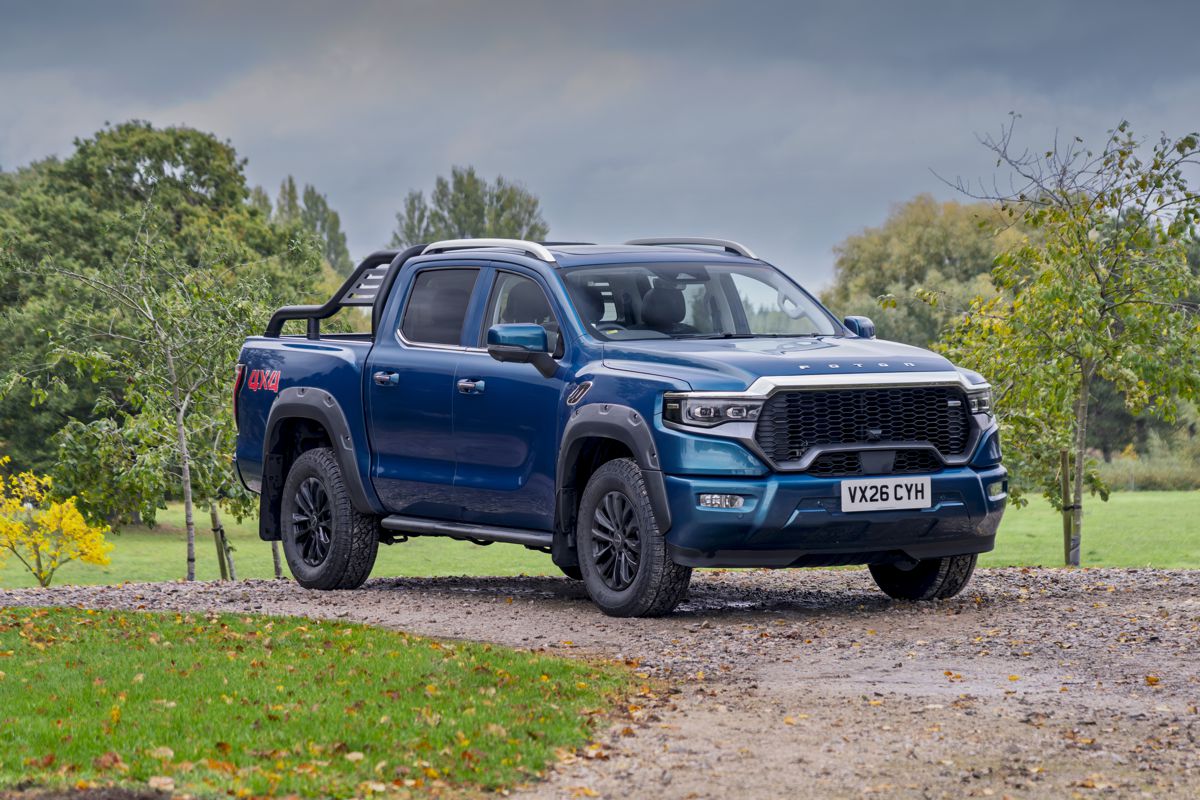
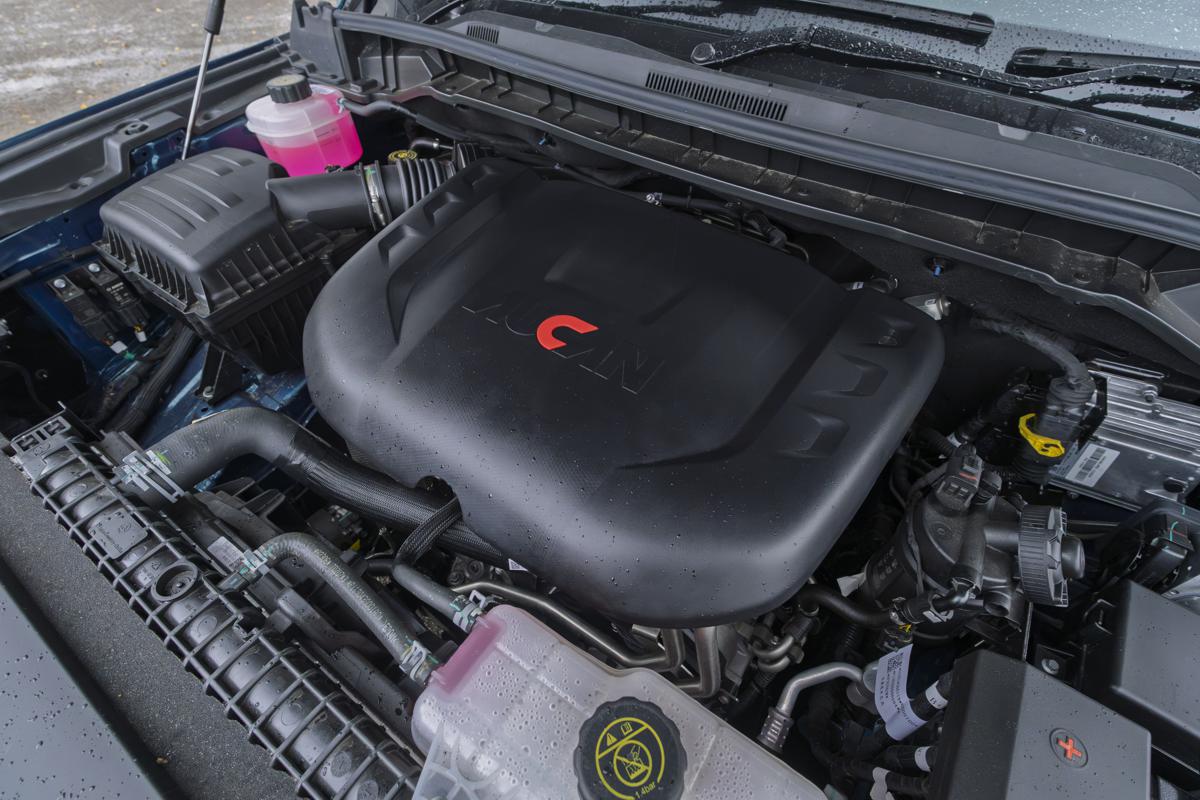
The Tunland combines a conventional turbocharged diesel engine with a 48V electrical system that provides assistance during selected driving conditions. An eight-speed automatic transmission completes a drivetrain designed to retain the range and refuelling flexibility of diesel while incorporating some of the efficiency benefits of electrification.
Mild-hybrid technology typically recovers energy during deceleration and uses it to assist the combustion engine during acceleration or other operating conditions. Unlike a plug-in hybrid, it does not require external charging or provide substantial electric-only driving capability. Foton has not yet detailed the precise architecture of the UK system.
For operators working across construction sites, rural roads and motorway networks, diesel remains a practical choice where vehicles must cover long distances or operate away from charging infrastructure. Mild-hybrid assistance may offer advantages during repeated acceleration and stop-start driving, although official fuel consumption, emissions, power and torque figures will be needed to assess the Tunland against conventional diesel competitors.
The automatic gearbox should also suit mixed-use operation, particularly where vehicles move regularly between urban roads, highways and restricted site access routes. Its performance when towing or operating under sustained loads will be of greater interest to buyers seeking a dedicated working vehicle.
Suspension Designed for Everyday Use
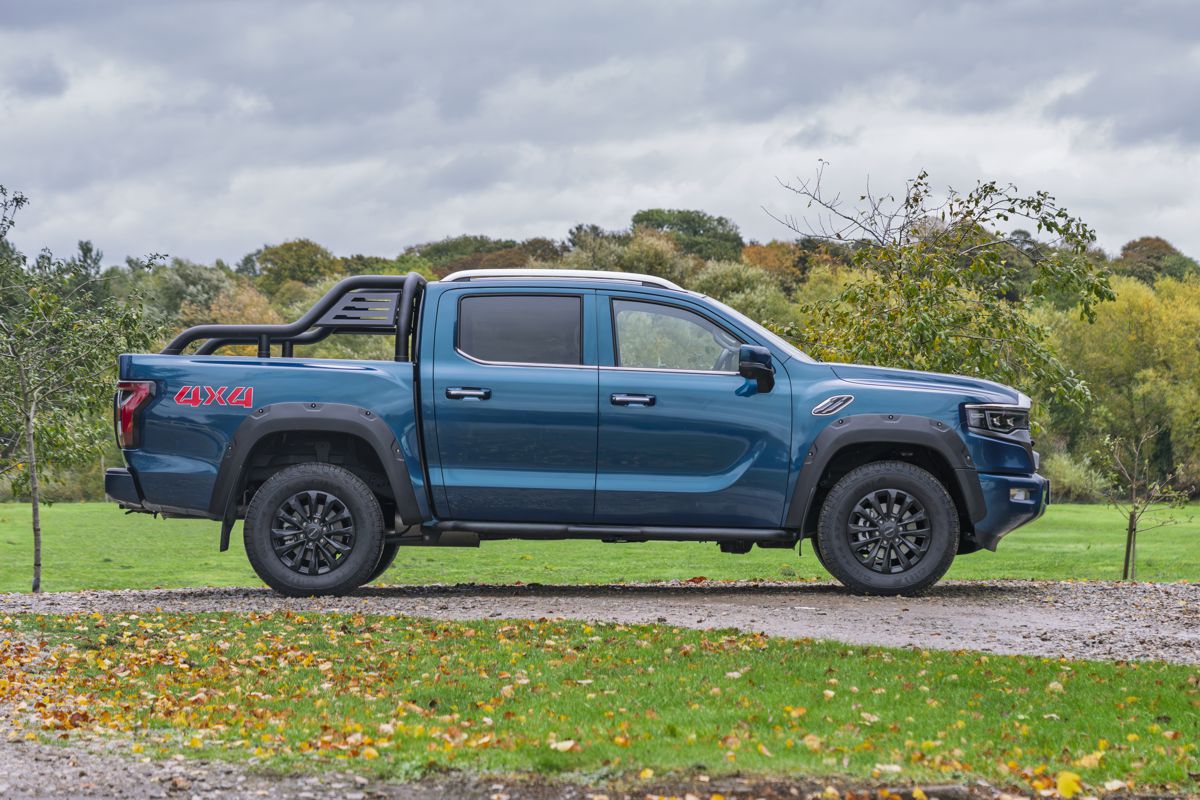
One of the Tunland’s more distinctive engineering features is its multi-link rear suspension, developed to improve ride quality and composure when the load bed is empty.
Traditional working pick-ups commonly use leaf-sprung rear suspension because of its straightforward construction and ability to accommodate substantial loads. The compromise can be a firm or unsettled ride when travelling unladen, particularly over uneven surfaces.
A multi-link arrangement gives engineers greater scope to control axle movement and tune suspension behaviour for passenger comfort. Actual ride and load-carrying performance will depend on the complete design, including its springs, dampers and geometry.
The configuration could be attractive to contractors and engineering businesses whose pick-ups frequently carry supervisors, technicians or survey teams rather than heavy materials. Vehicles used for site inspections, maintenance visits and regional travel may spend much of their working lives without significant loads in the rear bed.
Sustained loading, rough-ground durability and trailer stability will provide a sterner test of the design. The final UK payload and towing ratings will establish where the Tunland sits among more work-focused competitors.
A Double-Cab with Passenger Vehicle Equipment
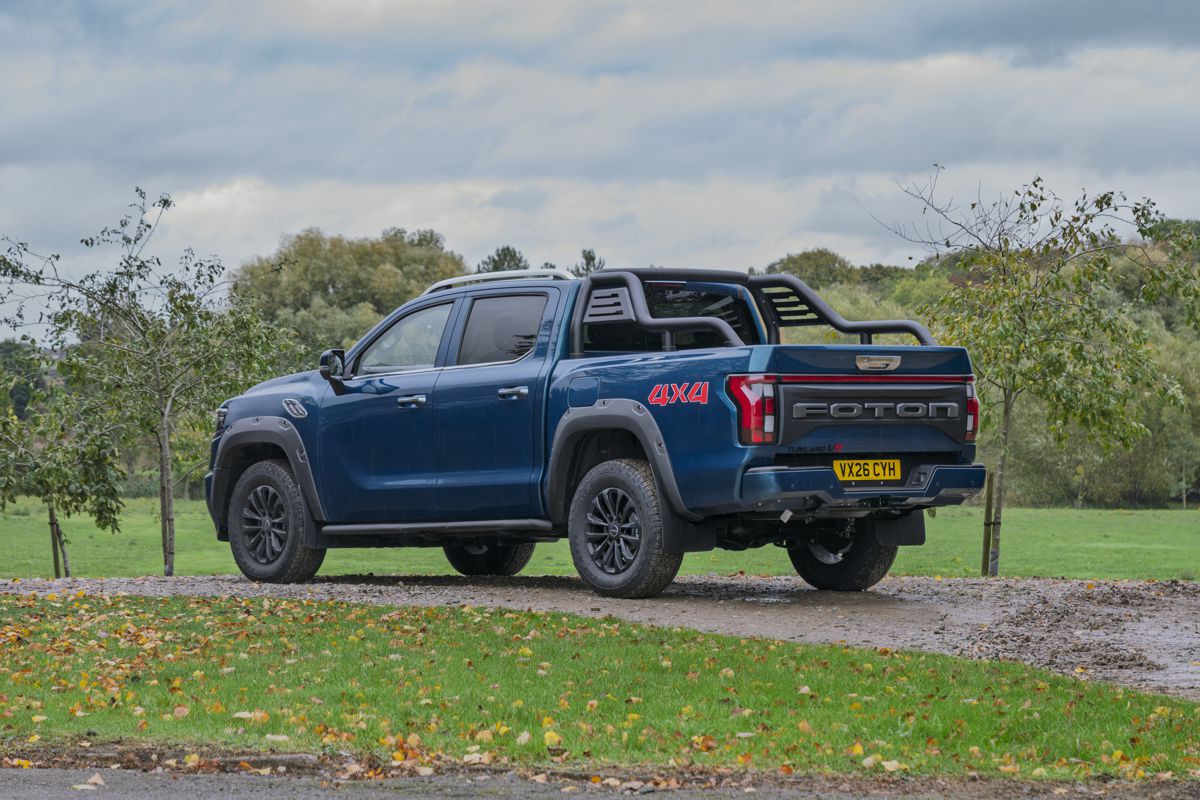
The Tunland adopts the proportions of a large double-cab pick-up, with four doors, seating for five occupants and a separate rear load bed. A prominent front grille, substantial bodywork and distinctive lighting give it the appearance of a full-size utility vehicle, while the cabin places greater emphasis on passenger comfort.
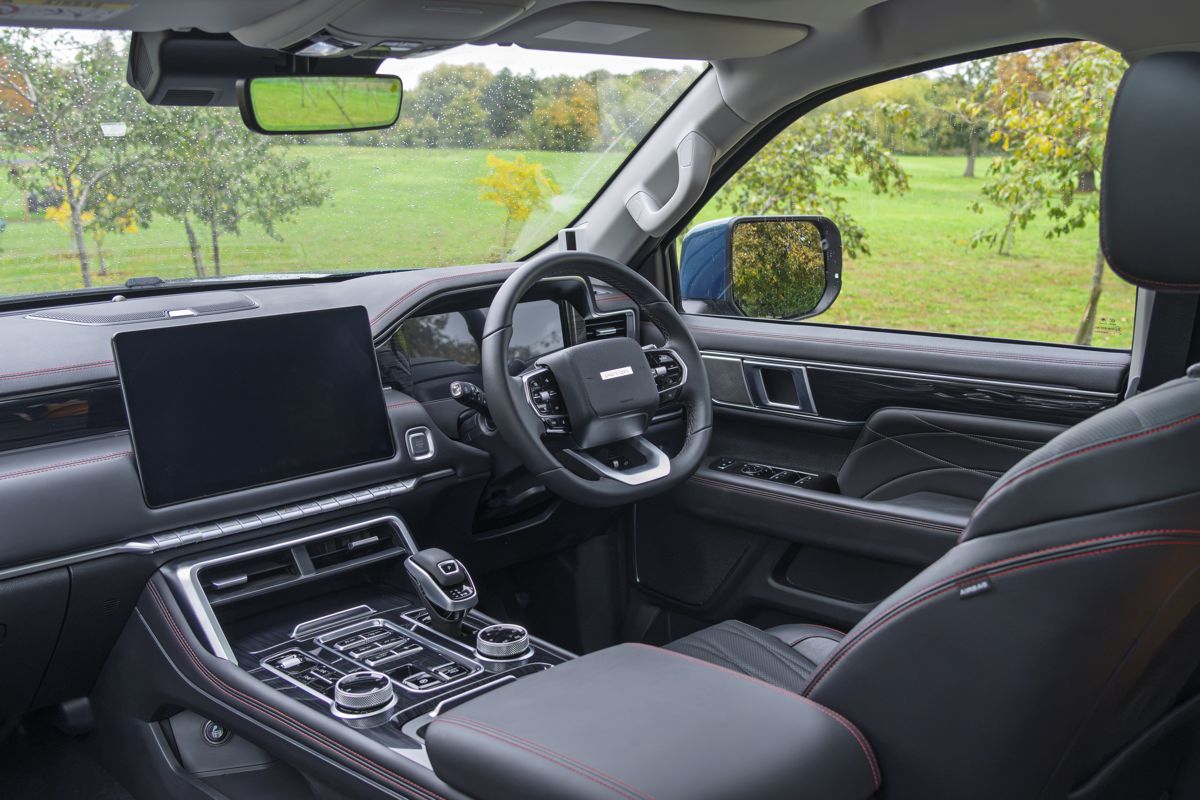
Equipment announced for the UK model includes a large central touchscreen, digital instrument display, automatic climate control, wireless smartphone charging and an opening panoramic roof. Soft-touch materials and stitched interior surfaces contribute to a cabin more closely associated with passenger SUVs than traditional commercial vehicles.
Foton has retained physical controls alongside its digital interfaces, providing direct access to frequently used functions without relying entirely on touchscreen menus. The vehicle will also offer advanced driver-assistance technologies, although the availability of individual systems across the UK range remains to be confirmed.
For engineers and site managers who regularly cover substantial distances, cabin comfort and equipment can have a genuine influence on vehicle choice. A double-cab pick-up may serve as transport between offices and projects, a mobile workplace and occasionally a family vehicle, provided its commercial capability is sufficient for the operator’s needs.
UK Taxation Adds Another Consideration
Foton’s arrival comes as British businesses adjust to changes in the taxation of double-cab pick-ups, adding another consideration to purchasing decisions.
Under HMRC rules applying from April 2025, these vehicles are no longer automatically treated as commercial vehicles for benefit-in-kind purposes simply because they can carry a payload of at least one tonne.
Instead, classification depends on whether the vehicle’s construction makes it primarily suitable for transporting goods or passengers. Where there is no clear predominant suitability for carrying goods, most double-cab pick-ups are expected to be treated as cars for company vehicle benefit calculations. Related changes also affect capital allowances and certain business deductions.
Transitional arrangements allow qualifying vehicles ordered, purchased or leased before 6 April 2025 to retain their previous benefit-in-kind treatment until disposal, lease expiry or 5 April 2029, whichever occurs first.
The VAT position is different. The existing one-tonne payload test remains applicable to input tax recovery, as confirmed in HMRC’s April 2025 Employer Bulletin.
For businesses considering a Tunland, purchase price, emissions and intended use will therefore need to be assessed alongside the vehicle’s tax treatment. Its passenger-oriented equipment may broaden its appeal, but company vehicle taxation can materially affect overall ownership costs.
International Motors Provides an Established UK Route
Foton’s UK introduction is being managed by International Motors, a distributor with experience bringing established and emerging automotive brands into Britain, Ireland and Northern European markets.
The company has a particular history in the pick-up sector. It previously introduced the Great Wall Steed to British customers and more recently began importing the GWM Poer300, giving it experience with Chinese-manufactured utility vehicles well before the current expansion of Chinese automotive brands in Europe.
The Foton distribution partnership was announced in April 2026, initially emphasising the manufacturer’s new-generation electric commercial vehicle range. That programme includes the Cavan family of electric vans, while the Tunland provides a diesel-powered entry into the pick-up market.
The arrangement gives Foton access to an established distribution organisation with experience in vehicle importation, sales operations and aftersales support. The specific Foton dealer network, servicing arrangements and warranty provisions will be announced closer to launch.
David Clark, Brand Manager at Foton UK, described the Tunland as combining “the practical qualities they need with the comfort, technology and design they increasingly expect from their vehicles.”
He added: “The result of this technical collaboration is a versatile mild-hybrid pick-up that can suit almost every requirement, be it business or pleasure, and we are eager to showcase the vehicle to the UK audience.”
For commercial operators, reliable parts supply and accessible servicing will be essential to establishing the brand. Workshop coverage, technician training and warranty support can carry as much weight in fleet purchasing decisions as equipment levels or initial purchase price, particularly where vehicle downtime interrupts site operations.
Foton’s Wider Commercial Vehicle Business
Although relatively unfamiliar to British buyers, Foton has been manufacturing commercial vehicles since 1996 and operates across several established international markets.
Headquartered in Beijing, the company produces medium and heavy trucks, light commercial vehicles, vans, pick-ups, buses and construction machinery. Its portfolio includes conventional combustion-engine products alongside battery-electric commercial vehicles.
Foton reports cumulative global sales exceeding 13 million vehicles since its establishment. Its electric trucks, vans and buses already operate in European markets including Italy, Germany and Malta, providing an existing regional presence ahead of the British expansion.
The UK launch places Foton among a growing number of Chinese manufacturers seeking a position in the European light commercial vehicle sector. International Motors’ distribution experience provides an established route into Britain, although Foton will still need to build customer confidence in its products and local support arrangements.
Pricing and Working Capability Still to Be Confirmed
The Tunland will enter a competitive British pick-up market that includes the Ford Ranger, Toyota Hilux and Isuzu D-Max, alongside newer models from manufacturers seeking to combine commercial functionality with passenger vehicle comfort.
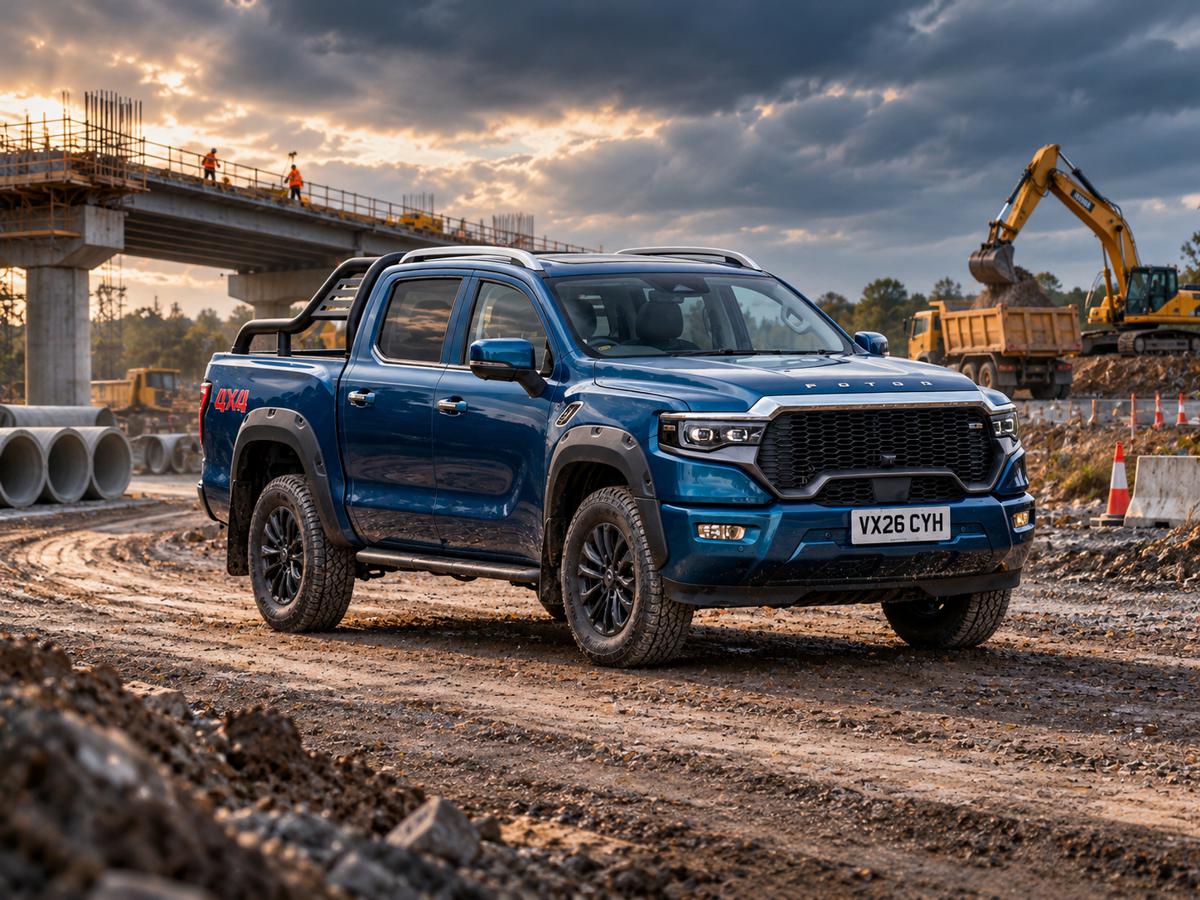
Its diesel mild-hybrid powertrain, automatic transmission and multi-link suspension provide a clear technical direction. The outstanding question is how effectively that package performs under the conditions expected of a working pick-up, particularly when carrying equipment, towing trailers or travelling across rough construction access roads.
Final UK specifications will establish its load capacity, towing limits, ground clearance and available drivetrain equipment. Pricing and aftersales arrangements will complete the picture for fleet operators comparing purchase and running costs.
Foton expects the Tunland to reach Britain in early 2027. The vehicle’s combination of diesel operation and passenger-oriented engineering offers another option in a changing pick-up market, although its eventual position will depend on the practical capabilities and commercial terms confirmed ahead of launch.
Key Industry Questions
- When will the Foton Tunland launch in the UK? Foton expects the Tunland to reach British customers in early 2027. A precise sales date has not been announced.
- What engine does the Foton Tunland use? The announced UK powertrain combines a 2.0-litre turbocharged diesel engine, 48V mild-hybrid assistance and an eight-speed automatic gearbox.
- Can the Tunland operate on electric power alone? The vehicle is a mild-hybrid diesel rather than a plug-in hybrid. Its electrical system assists the combustion engine and is not intended to provide substantial electric-only driving range.
- What is the Tunland’s towing capacity? The final UK towing rating has not been confirmed. Buyers planning to tow plant trailers or other equipment should await the approved specifications.
- How much weight can the Foton Tunland carry? The UK payload figure remains outstanding. It will determine the permissible weight of passengers, tools, materials and other cargo within the vehicle’s rated capacity.
- Why does the Tunland use multi-link rear suspension? The arrangement is intended to improve ride quality, particularly when the load bed is empty. Its performance under sustained loading will need to be assessed against more conventional pick-up suspension designs.
- Will the Foton Tunland be classified as a commercial vehicle for UK tax purposes? Classification depends on the relevant tax regime. Most double-cab pick-ups are expected to be treated as cars for benefit-in-kind purposes under rules applying from April 2025, while VAT continues to apply the existing payload-based test.
- Who will distribute and service Foton vehicles in Britain? International Motors Ltd is the appointed UK distributor. Details of the Foton dealer and aftersales network will be announced ahead of launch.
- How much will the Foton Tunland cost in the UK? Official British pricing has not been released. Its value against established pick-ups will depend on equipment, working capability, warranty provision and operating costs.
Strategic Takeaways
- Payload remains fundamental: Final load and towing ratings will establish whether the Tunland can compete effectively in demanding construction and utility applications.
- Suspension design may favour mixed-use fleets: Improved unladen comfort could appeal to operators whose vehicles frequently transport people rather than heavy loads.
- Mild-hybrid diesel retains operational flexibility: The 48V system introduces electrical assistance without requiring external charging infrastructure.
- UK taxation changes the purchasing calculation: The distinction between company vehicle tax and VAT treatment makes intended use and whole-life costs particularly relevant.
- Distribution experience offers a useful foundation: International Motors brings an established UK operation, but Foton-specific servicing, parts supply and warranty support will influence commercial acceptance.