






Meet Your New Co-Worker: The Coming Age of Humanoid Robots
At BMW’s Spartanburg manufacturing plant in South Carolina, a humanoid robot spent ten months supporting the production of more than 30,000 BMW X3 vehicles. Operating within a ten-hour shift pattern, five days a week, Figure 02 retrieved and positioned sheet metal components for welding, demonstrating that a machine built broadly in the image of a human could contribute to an established industrial production process.
Meanwhile, in China, EngineAI has been demonstrating the remarkable physical capabilities of its full-sized T800 humanoid, with running, martial arts-style movements and dynamic balancing attracting international attention. In May 2026, EngineAI announced the rollout of its first production batch at its new Shenzhen manufacturing facility, joining a growing number of robotics developers attempting to move from demonstrations into commercial production.
Although the physical capabilities of humanoid robots make compelling viewing, their eventual success will depend on something considerably more mundane: their ability to turn up for work every morning and make a useful contribution. Employers will need machines that can follow instructions, adapt to changing circumstances, work safely alongside people and justify their operating costs.
For construction, manufacturing, logistics and infrastructure professionals, the prospect introduces an unfamiliar working relationship. People who have spent their careers operating machinery could soon find themselves working alongside machines that move independently, communicate with colleagues and acquire practical skills. Understanding how capable these robots are today, how they might develop and where they could fit into the workforce offers a glimpse of how industrial employment may evolve over the coming decades.
Briefing
- Humanoid robots are already undertaking defined commercial tasks in automotive manufacturing and warehouse logistics.
- Construction contractors in Britain and Japan have begun testing humanoids in live project environments.
- Dexterity, practical intelligence, reliability and operating economics remain barriers to widespread adoption.
- Artificial intelligence and human demonstrations could enable robotic workers to acquire and share practical skills.
- Commercial adoption is likely to progress from controlled industrial environments towards more complex workplaces, although the timing remains uncertain.
Humanoid Robots Have Already Joined the Workforce
The automotive industry has emerged as an early proving ground for humanoid robotics. Its carefully organised production facilities provide relatively predictable environments in which manufacturers can introduce new machines, evaluate performance and establish operating procedures without immediately exposing them to the complications of less structured workplaces.
Following the Figure 02 deployment at Spartanburg, BMW Group extended its exploration of physical artificial intelligence to its Leipzig plant in Germany, introducing Hexagon Robotics’ AEON humanoid as part of a programme investigating its suitability for manufacturing operations. In South Carolina, BMW has also announced plans to introduce the successor to Figure 02, Figure 03, for more complex logistics sequencing applications.
Warehousing has provided another commercial opportunity. At GXO’s logistics facility in Flowery Branch, Georgia, Agility Robotics’ Digit humanoid has undertaken repetitive material-handling operations under a multi-year commercial agreement established in 2024.
In October 2026, GXO and Agility Robotics reported that Digit had completed more than 100,000 container movements at the facility and announced plans to extend deployment to additional logistics sites in North Carolina and Tennessee in early 2027. The cumulative figure provides evidence of sustained operational activity, although it does not establish the productivity or operating costs of an individual robot.
The operation involves transferring containers within an established warehouse automation system. Compared with the more ambitious visions of general-purpose robotic labour, it is a relatively straightforward assignment, but one that brings humanoids into a commercial environment where reliability, throughput and operating expenditure can be measured.
These deployments are still relatively narrow in scope. A robot successfully undertaking one operation within a factory does not necessarily possess the ability to move to another department and perform unfamiliar work. Commercially useful humanoid labour already exists, but deploying machines with the versatility of experienced industrial employees remains a more demanding proposition.
Why Build Robots in the Image of Humans?
From an engineering perspective, the human body is an unusually complicated starting point for a machine. Maintaining balance on two legs requires continuous control, while replicating the flexibility of the human hand introduces considerable mechanical and computational complexity. A wheeled platform is generally better suited to travelling across a flat factory floor, and a conventional industrial robot mounted on a rigid base can perform repetitive manufacturing operations without having to concern itself with balance.
The attraction of the humanoid form lies largely in the environment in which it is expected to operate. Factories, buildings, vehicles, machinery and tools have been designed around human dimensions and capabilities. Door handles, staircases, workbenches, control panels and shelving are familiar features of workplaces throughout the world, creating an enormous existing infrastructure that a suitably capable humanoid could potentially use.
The International Federation of Robotics identifies compatibility with human-designed environments as one of the underlying motivations for humanoid development. Rather than installing dedicated automation for every operation, businesses could eventually deploy adaptable machines capable of undertaking several activities using the same physical platform.
For a small manufacturing company, the cost of installing a dedicated robotic system for every repetitive operation may be difficult to justify. A machine capable of loading equipment, transferring components, organising stock and undertaking routine inspections could offer a different route into automation. Construction contractors, whose workplaces change throughout the life of a project, could similarly benefit from equipment that can be reassigned as work progresses.
Some manufacturers are exploring compromises between human-like functionality and mechanical efficiency by combining articulated upper bodies with wheeled platforms. In many industrial environments, the ability to manipulate existing tools and equipment may be more valuable than the ability to walk on two legs.
How Capable Are Humanoid Robots Today?
Modern humanoids can demonstrate remarkable agility, balance and coordination, but assessing their suitability for industrial employment requires a different set of benchmarks. Joint torque, walking speed and payload capacity provide an indication of mechanical performance, while revealing relatively little about a machine’s ability to respond to an unfamiliar situation.
An experienced mechanic can open a toolbox, identify the correct spanner, recognise a damaged fastener and adjust the amount of force being applied. If a component does not behave as expected, the mechanic can draw on years of experience to investigate the problem. Much of this activity happens without conscious deliberation as people continuously combine visual information, touch, spatial awareness and knowledge of how materials behave.
A humanoid may successfully transfer standard containers thousands of times in a warehouse, yet require assistance when confronted with a damaged container, an obstructed passage or an object positioned differently from its training examples. The challenge is developing machines that can recognise these variations and determine an appropriate response without requiring a technician to intervene.
The progression towards more capable robotic workers can be understood through five broad levels of competence. Although the following framework is an editorial illustration rather than a recognised industry classification, it provides a useful way of distinguishing current capabilities from longer-term ambitions.
- Level 1: Task-specific operation. A robot performs a predefined operation under controlled conditions. It may complete the same activity thousands of times, but unfamiliar circumstances require human intervention.
- Level 2: Adaptable task performance. The machine handles routine variations within an established activity, such as differences in object position, minor obstructions or changes in the arrangement of equipment.
- Level 3: Multi-task competence. A robot performs several familiar operations and can move between them with limited supervision, recognising when it needs to request assistance.
- Level 4: Practical learning and adaptation. The machine acquires unfamiliar skills through instruction or demonstration and applies them within changing working environments, subject to appropriate validation and safeguards.
- Level 5: General-purpose industrial competence. A robotic worker independently undertakes a broad range of activities, responds effectively to unexpected circumstances and applies transferable knowledge across different workplaces.
Many of the strongest documented industrial deployments currently demonstrate capabilities broadly associated with the first two levels, while research platforms and experimental systems are exploring elements of the higher levels. Individual robots may possess advanced abilities in one area while remaining comparatively limited in another.
Employers will consequently need to evaluate humanoids according to successful task completion, productive operating hours, intervention frequency and recovery from unexpected situations. A machine that looks less impressive in a promotional video but reliably completes its assigned work throughout a shift may prove considerably more valuable than one capable of extraordinary physical demonstrations.
Learning to Understand the Physical World
Artificial intelligence has demonstrated an ability to interpret language, recognise images and generate instructions. Embedding those capabilities into a physical machine introduces additional problems involving movement, interaction and the consequences of making mistakes.
A language model can explain how to tighten a bolt, but a humanoid robot must locate the fastener, select an appropriate tool, position its hands, apply sufficient torque and recognise whether the operation has been completed correctly. A seized fastener, damaged thread or unexpected movement could require an entirely different approach, including recognition that the activity should be abandoned.
Robotics developers are increasingly investigating vision-language-action models, which seek to connect visual observations and instructions with the physical movements needed to complete a task. Developing these systems requires substantial quantities of information about how objects, tools and materials behave when manipulated.
At its Robot Park training facilities, Apptronik is collecting practical experience to develop the capabilities of its Apollo humanoid. Training programmes of this kind allow developers to investigate how machines respond to different objects and activities before introducing them into customer operations.
Simulation offers another opportunity. Virtual factories, warehouses and construction environments can expose robotic control systems to numerous scenarios without requiring every attempt to take place on physical equipment. Digital twins could eventually provide training environments in which machines become familiar with the layout, equipment and operating procedures of a particular facility before arriving on site.
Transferring knowledge acquired in simulation into the physical world remains challenging, particularly when materials behave imperfectly or sensors introduce uncertainty. During the early stages of commercial deployment, a robot that recognises its limitations, stops safely and requests assistance may be more useful than one that attempts to complete every instruction autonomously.
An International Robotics Industry
The development of humanoid robots is drawing on engineering and technological expertise from across the world. Chinese companies including EngineAI and Unitree have demonstrated increasingly sophisticated mechanical platforms, while American developers such as Figure, Agility Robotics and Apptronik are pursuing industrial partnerships through which robotic capabilities can be evaluated in commercial settings.
South Korea’s Hyundai Motor Group and its subsidiary Boston Dynamics are developing applications for the electric Atlas humanoid, drawing on decades of robotics research and the automotive manufacturer’s industrial resources. In Europe, companies such as Hexagon are bringing humanoid platforms into established manufacturing environments, while Japanese contractors are exploring applications in construction.
The different approaches reflect the complexity of developing a general-purpose robotic worker. Mechanical engineering, artificial intelligence, sensor technologies, battery systems, manufacturing capacity and industrial integration must all mature sufficiently for the complete machine to become commercially useful.
Competition between developers should accelerate progress and expand the range of machines available to employers. It may also encourage greater specialisation, with manufacturers concentrating on particular applications rather than attempting to produce humanoids capable of performing every type of industrial work.
A Day Working Alongside a Humanoid
Consider a hypothetical working day at an industrial maintenance depot several years from now. A technician arrives for the morning briefing and is assigned a series of routine maintenance activities alongside a humanoid robot. While the technician reviews the condition of several hydraulic pumps, the robot collects inspection equipment, retrieves replacement components and prepares the work area.
Communication might initially involve a tablet or predefined instructions, but increasingly capable natural-language interfaces could allow the technician to assign tasks verbally. A request to collect a replacement bearing would require the robot to establish which machine was being repaired, identify the correct component and locate it within the stores. If several similar bearings were available, the appropriate response would be to request clarification rather than make an assumption.
During the morning, the robot could assist with positioning a component while the technician examines the assembly, then photograph the completed operation and update the maintenance record. When an unfamiliar mechanical problem is encountered, the technician would retain responsibility for diagnosis while the robot undertakes supporting activities within its validated capabilities.
At the end of the shift, information collected throughout the day could be incorporated into a maintenance report, with outstanding tasks communicated to the incoming team. A machine that remembers where equipment has been left and maintains accurate records of completed activities could become a useful colleague in workplaces where information is regularly lost between shifts.
Such a scenario combines capabilities already being developed with abilities that remain largely aspirational. Delivering tools, recording observations and transferring standard components are more accessible objectives than independently diagnosing complex machinery or anticipating everything a human colleague might need.
Over time, working relationships could become less formal as people grow familiar with the behaviour and capabilities of particular machines. Workers may assign them names, include them in briefings and develop routines that accommodate their strengths and limitations. The quality of that relationship will depend heavily on whether the robot makes the working day easier or creates additional responsibilities for the people expected to supervise it.
Humanoid Robots on Construction Sites
Few industrial environments present as many challenges to general-purpose robotics as an active construction site. Unlike factories organised around relatively stable production processes, construction projects continually evolve as workers, machinery, materials and access arrangements change. A robot that successfully navigates a building on Monday may encounter temporary barriers, incomplete flooring and different access routes by Thursday.
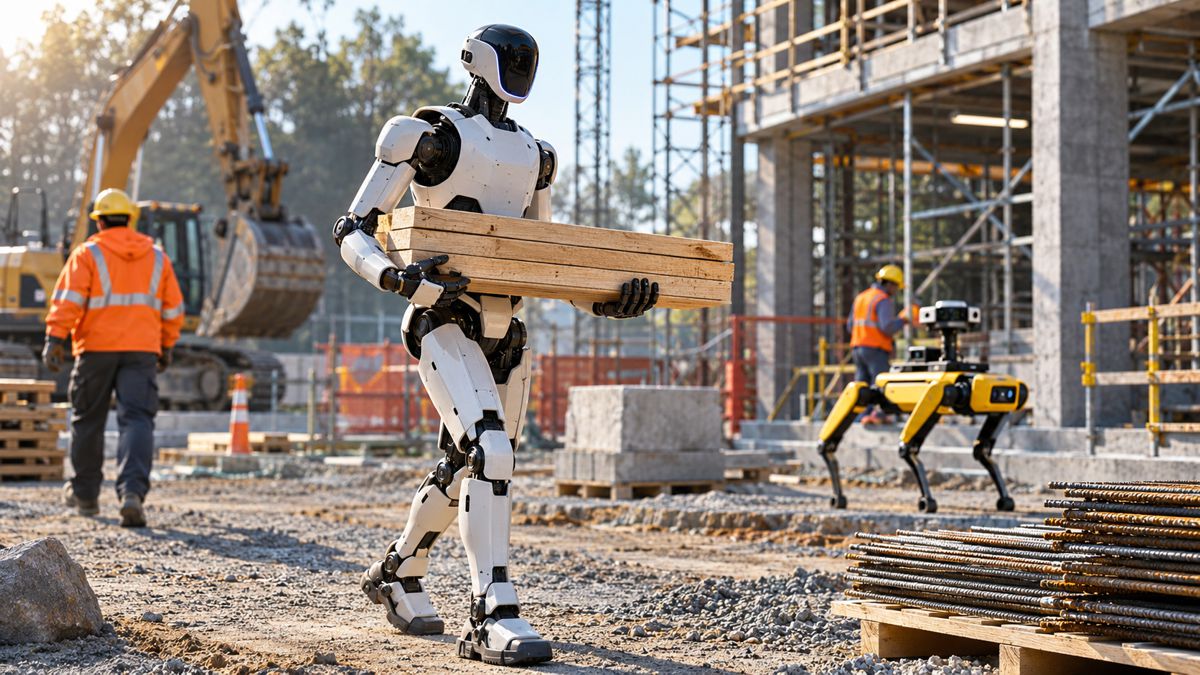
Despite these complications, contractors in Britain and Japan have already begun investigating how humanoids could contribute to site operations. In April 2026, Tilbury Douglas announced the introduction of an AI-powered humanoid site assistant named Douglas on a live construction project. Based on Unitree’s G1 platform, the machine forms part of a pilot programme exploring how robotics could support site teams. Its introduction represents an investigation into practical applications rather than evidence that autonomous robotic tradespeople have arrived.
In Japan, Shimizu Corporation reported in July 2026 that a humanoid had autonomously navigated part of the Tokiwabashi construction project while carrying a camera, demonstrating a possible application for automated site monitoring. The contractor subsequently announced an investment in Noble Machines, a US robotics developer, to combine its construction expertise with robotic hardware and software development.
Early construction applications are likely to focus on responsibilities that can be clearly defined, including inspection, documentation, internal material transport and workshop-based prefabrication. As perception, dexterity and reliability improve, opportunities may emerge for assisting tradespeople with positioning components or undertaking routine activities in environments that are uncomfortable or hazardous for people.
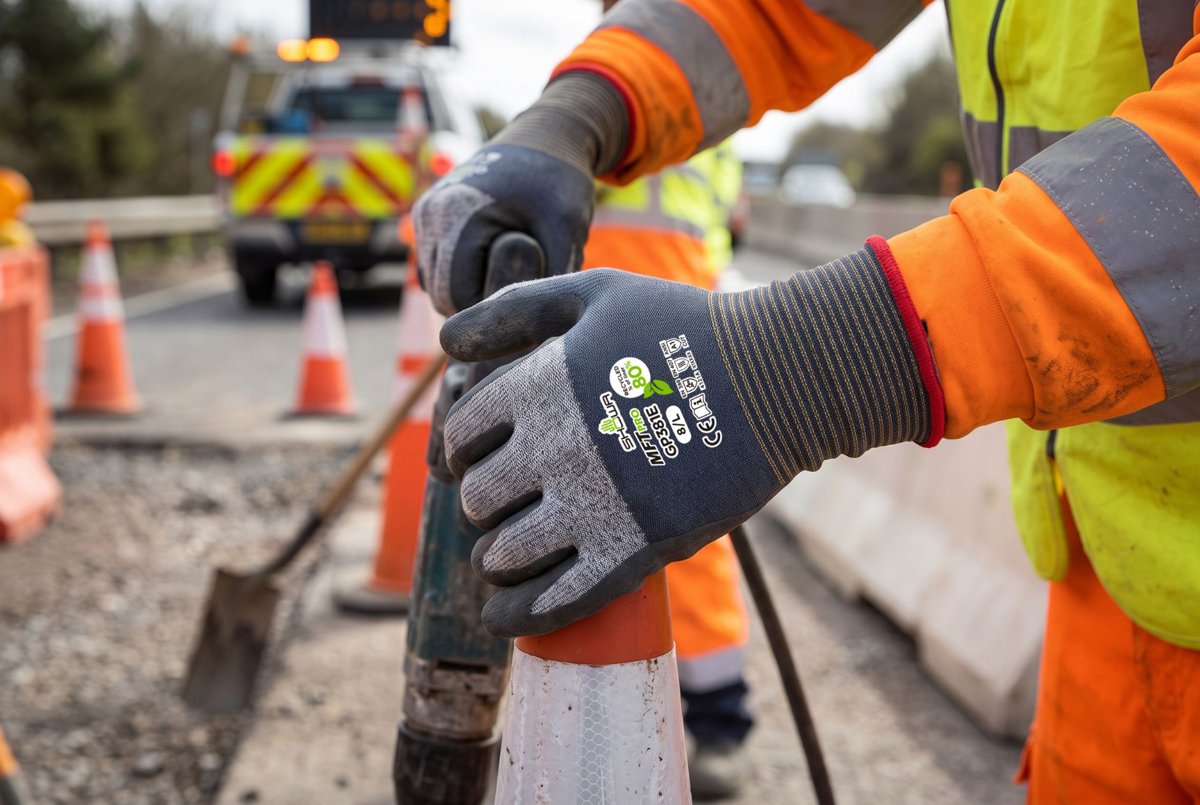
Highway maintenance introduces additional opportunities, although operating near moving traffic would present substantial safety challenges. Tunnel inspections, depot activities, plant maintenance and infrastructure monitoring may offer more accessible starting points for contractors investigating humanoid robotics.
The versatility needed to undertake the work of an experienced bricklayer, electrician or civil engineering technician across constantly changing projects will take considerably longer to develop. The presence of humanoids on construction sites should therefore be interpreted in terms of the work they actually perform rather than the range of activities their physical appearance suggests.
Teaching Robots a Trade
Traditional apprenticeships combine formal instruction with practical experience. Electricians, mechanics and carpenters acquire competence through observation, repetition, mistakes and guidance from experienced colleagues. Future robotic training systems could acquire elements of practical knowledge through comparable processes, although the underlying mechanisms would be very different.
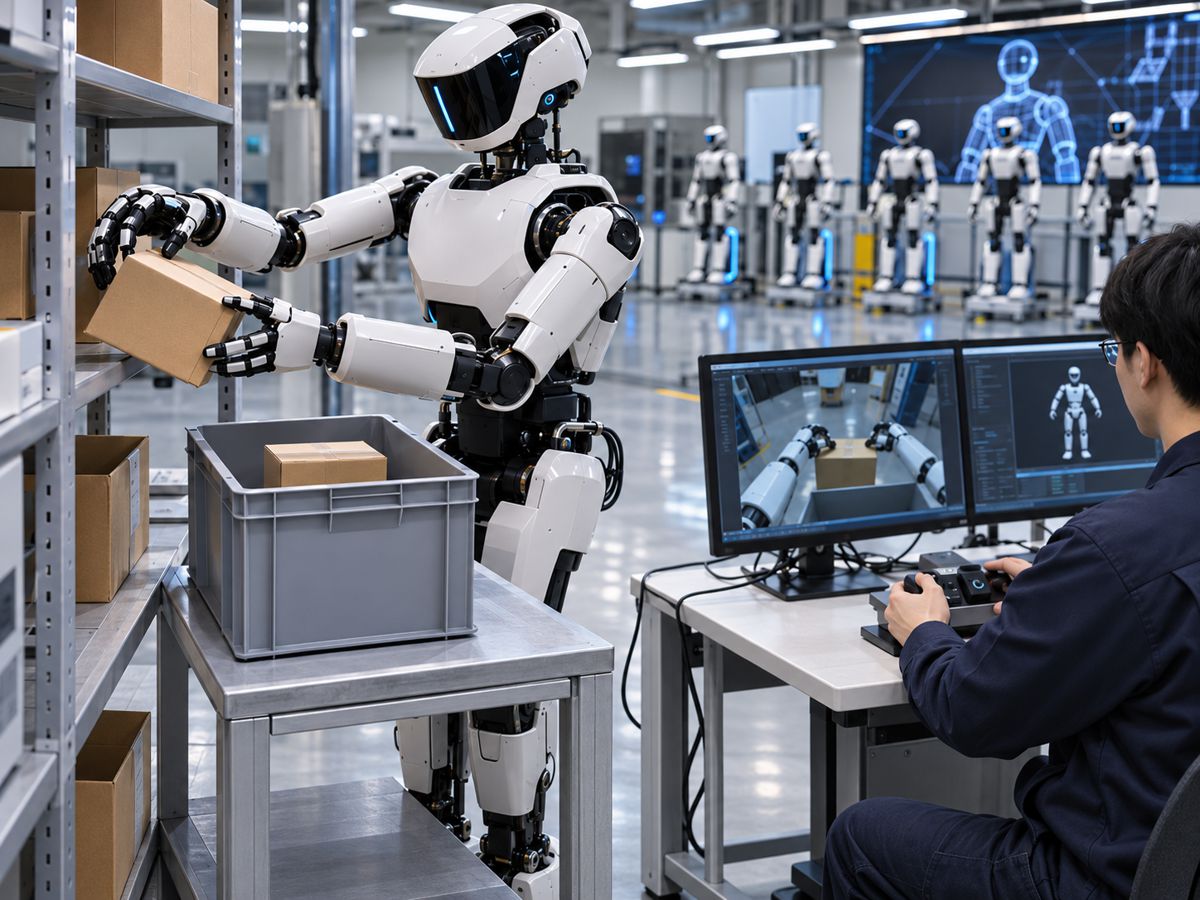
An experienced tradesperson might demonstrate how to prepare a component, operate a machine or assemble a product. Cameras, motion-tracking equipment and force sensors could record aspects of the activity, allowing training systems to analyse the relationship between movements, tools, materials and outcomes. Teleoperation provides another route, with a person controlling a robot while the system collects information that can contribute to the development of greater autonomy.
Once a skill has been successfully developed and validated, compatible robots could receive elements of that capability through software updates. An organisation operating numerous maintenance facilities might develop a robotic procedure for inspecting a particular type of pump and subsequently introduce it across its fleet, subject to the necessary checks for differences in equipment and working conditions.
Industrial knowledge that has traditionally been difficult to document could also become more accessible. Experienced workers frequently develop efficient techniques through years of practical involvement, yet struggle to communicate every aspect of that knowledge through written instructions. Recording and analysing their activities could help preserve valuable expertise as older workers retire.
The commercial ownership of that knowledge will require consideration. Employees whose practical techniques are used to develop robotic training systems may reasonably expect recognition of their contribution, particularly if the resulting capabilities are subsequently licensed or sold to other organisations. Employment contracts, training data policies and intellectual property arrangements may need to evolve alongside the technology.
Robots as Remote Extensions of Human Workers
Between manually operated machinery and fully autonomous humanoids lies a potentially substantial market for semi-autonomous and remotely operated robotic systems. A machine with human-like mobility and manipulation capabilities could allow a specialist to undertake physical activities at a distant location while retaining control over technical decisions.
An experienced engineer might remotely examine equipment at an overseas facility, manipulate inspection instruments or demonstrate a repair procedure to local personnel. Specialist contractors could offer assistance across multiple projects without requiring engineers to travel to every site, although communications reliability, response delays and local safety arrangements would influence the activities that could be performed remotely.
These systems could also extend the working lives of experienced professionals whose physical capabilities have declined. A mechanic with restricted mobility might continue undertaking selected maintenance activities through a robotic platform, while employees with disabilities could gain access to work previously limited by physical demands.
The economics of remote robotic work will depend on whether the machine can be operated effectively enough to justify its deployment. Where a conventional video call, local technician or specialised remotely operated machine can achieve the same result, a humanoid may introduce unnecessary complexity. However, activities requiring both mobility and the manipulation of equipment could provide a credible application.
The combination of remote human expertise and gradually improving autonomy may also provide a route towards more capable machines. Robots could undertake routine elements of an activity independently while requesting assistance when they encounter unfamiliar circumstances, reducing the need for continuous human control without expecting the machine to resolve every problem itself.
Trusting a Mechanical Colleague
Industrial workers already place considerable trust in machinery. Crane operators rely on control systems, drivers depend on braking equipment and maintenance technicians work alongside powerful electrical, hydraulic and mechanical installations. Humanoid robots introduce a different relationship because they can potentially move independently and make decisions without an operator directing every action.
Physical strength will be relatively straightforward to engineer compared with the ability to recognise when that strength should be applied. Workers will need confidence that robotic colleagues understand their instructions, respect restricted areas and respond appropriately when somebody enters their operating space or an unexpected event occurs.
Existing industrial robotics standards provide part of the foundation. The 2025 revisions of the ISO 10218 series, covering industrial robots and their integration into applications, address established machinery safety considerations. Mobile humanoids undertaking multiple activities in changing environments may introduce additional hazards that require separate assessment.
The suitability of a robot for a particular workplace cannot be established solely through the certification of its individual components. Its tools, software, operating procedures and interactions with people all influence the risks associated with deployment. A machine moving materials within a segregated warehouse area presents a different set of considerations from one working beside tradespeople on an active construction site.
Trust will develop through familiarity and predictable behaviour, but the human appearance of these machines could also encourage employees to attribute intelligence or judgement that a robot does not possess. A machine capable of conducting a convincing conversation may still lack the practical competence to respond appropriately to an unfamiliar situation.
Workforce training will need to address these limitations alongside operating procedures, emergency arrangements and responsibility for supervising robotic activities. Employees expected to work with humanoids should understand both what the machines can reliably achieve and the circumstances under which they require assistance.
The Economics of Robotic Labour
The commercial viability of humanoids will determine how widely they are adopted. Although manufacturers frequently promote purchase prices, payloads and battery endurance, employers will need a more comprehensive understanding of the cost of completed work, including acquisition, maintenance, energy consumption, software support and human supervision.
Consider a purely illustrative example involving a humanoid purchased for £50,000, with an assumed five-year working life and annual operating and support costs of £10,000. Using straight-line depreciation and excluding financing, residual value and initial integration expenditure, the annual equivalent cost would be £20,000.
At 2,000 productive operating hours per year, that equates to £10 per productive hour. If the machine achieves 4,000 productive hours with the same assumed annual costs, the figure falls to £5. Conversely, if frequent interruptions reduce productive availability to 1,000 hours, the cost increases to £20 per hour.
These figures are hypothetical and do not represent established market prices or verified operating costs. Maintenance expenditure may increase with utilisation, while a robot requiring regular human supervision could incur significant additional costs. Its output must also be assessed against the amount and quality of work completed by alternative equipment or human workers.
Robots-as-a-Service arrangements, already being explored in commercial logistics, offer an alternative to outright purchase. Such agreements can distribute expenditure across the operating life of the equipment and may incorporate maintenance, software and technical support. For construction contractors, the ability to acquire robotic capacity for a specific phase of a project could be preferable to maintaining a permanent fleet.
General-purpose functionality would offer a commercial advantage if machines could be reassigned between activities without expensive reprogramming or extensive modifications. That flexibility remains an important area for evaluation, particularly when dedicated automation may complete individual operations more quickly, reliably and economically.
Comparable independent information on lifetime operating costs, maintenance requirements and unsupervised productivity remains limited. Early adopters will help establish whether humanoid robots can deliver consistent financial benefits beyond the experimental and demonstration stages.
When Will Humanoids Become Everyday Co-Workers?
Predicting the development of humanoid robotics is difficult because advances in artificial intelligence, mechanical engineering, manufacturing and commercial deployment do not necessarily proceed at the same pace. A manufacturer may achieve the capacity to produce thousands of robots before customers establish economically viable applications for them.
In January 2026, Gartner forecast that fewer than 100 companies would progress humanoid robot proofs of concept beyond experimentation through 2028, with fewer than 20 reaching live production in manufacturing and supply chain applications. The forecast provides a counterbalance to the ambitious production targets and technological demonstrations emerging from robotics developers.
A plausible development path can nevertheless be considered across three overlapping periods, each dependent on the successful resolution of different technical and commercial challenges.
2026 to 2028: Proving commercial reliability
The immediate opportunities lie in clearly defined operations where performance can be measured and unexpected events minimised. Automotive production, warehouses, distribution centres and manufacturing facilities are likely to provide much of the operational experience needed to establish reliability and develop supporting infrastructure.
Construction contractors will continue investigating site documentation, inspection and controlled activities within environments such as prefabrication facilities. Technical personnel will remain closely involved in maintaining machines, developing operating procedures and assessing whether robots deliver meaningful improvements over existing methods.
2028 to 2032: Expanding economically viable applications
If current development programmes succeed, humanoids could become more widely available for internal logistics, maintenance support, routine inspections and selected manufacturing operations. Improvements in perception, dexterity and communication may enable machines to undertake a broader range of activities while reducing the frequency of human intervention.
Employees in larger industrial organisations could increasingly encounter robotic colleagues as part of their everyday working environment. Leasing arrangements and service contracts may also provide smaller businesses with access to machines without requiring substantial initial investment.
2032 to 2040: Developing transferable skills and broader autonomy
Further advances could allow humanoids to operate within less structured workplaces, including selected construction activities, infrastructure maintenance and smaller industrial businesses. Machines may become capable of acquiring unfamiliar skills through demonstrations, communicating more naturally with colleagues and transferring between different types of work with less extensive preparation.
These periods are illustrative scenarios rather than established industry milestones. Progress could accelerate if developers achieve major improvements in physical intelligence, reliability and manufacturing economics, or stall if humanoids remain too expensive and mechanically complicated compared with other forms of automation.
A worker in an advanced automotive manufacturing facility may encounter humanoid colleagues years before a tradesperson undertaking residential construction. Adoption will vary considerably between workplaces, industries and countries, influenced by labour availability, investment capacity, regulation and the suitability of particular tasks.
Changing the Nature of Human Employment
The introduction of humanoid robots will inevitably raise concerns about employment, particularly where machines undertake activities currently performed by people. Routine material handling, repetitive assembly and physically demanding support work are among the areas most likely to experience early changes.
Some organisations may introduce robots to address labour shortages or expand production capacity, while others will seek to reduce employment costs. The consequences for workers will depend on how businesses restructure their operations and whether opportunities emerge for employees to move into different responsibilities.
Construction supervisors could eventually coordinate teams comprising people, humanoids and specialised autonomous equipment. Their responsibilities would increasingly involve assigning work according to the capabilities of each participant, resolving operational problems and ensuring activities are undertaken safely. New occupational roles may develop around robotic deployment, maintenance, training and the management of physical AI systems.
However, removing routine activities from human employment could have unintended consequences. Entry-level work allows inexperienced employees to become familiar with tools, materials, processes and workplace practices. A young mechanic who spends time dismantling equipment and organising components gradually acquires knowledge that will prove valuable when diagnosing complex problems later in their career.
If robots progressively undertake these activities, employers and training providers will need to consider how future generations acquire equivalent practical experience. Apprenticeship programmes may require greater emphasis on supervised training, simulation and structured opportunities to develop manual competence, even when machines undertake much of the routine labour.
There is also an opportunity to make traditionally demanding industrial professions more accessible. Combining human expertise with robotic physical capability could allow experienced workers to continue contributing throughout longer careers, while opening opportunities for people previously excluded from certain occupations.
The Human Side of Human-Robot Collaboration
People have a longstanding tendency to develop relationships with machinery. Drivers name vehicles, equipment operators become attached to particular machines and engineers acquire a detailed familiarity with the characteristics of the equipment they maintain. Machines that walk, gesture and communicate verbally could encourage considerably stronger forms of attachment.
A robotic colleague may become associated with a particular working team and develop recognisable patterns of interaction. Employees could grow accustomed to asking it for assistance, discussing assigned tasks and incorporating its activities into their daily routines. Familiarity could make collaboration easier, provided workers retain an accurate understanding of the machine’s capabilities.
The presence of cameras, microphones and other sensors will also raise questions about workplace privacy. A humanoid designed to interpret its surroundings may collect extensive information about employee movements, conversations and working practices. Organisations will need clear policies governing what is recorded, how the information is stored and whether it can be used to train robotic systems.
Employees should have a meaningful role in determining how these machines are introduced. People with practical experience of an operation are often well placed to identify suitable tasks, recognise unforeseen difficulties and suggest improvements. Involving them in deployment programmes could help establish more productive working relationships while reducing the risk that robotics becomes an additional administrative or supervisory burden.
Humanoids and the Wider Machinery Ecosystem
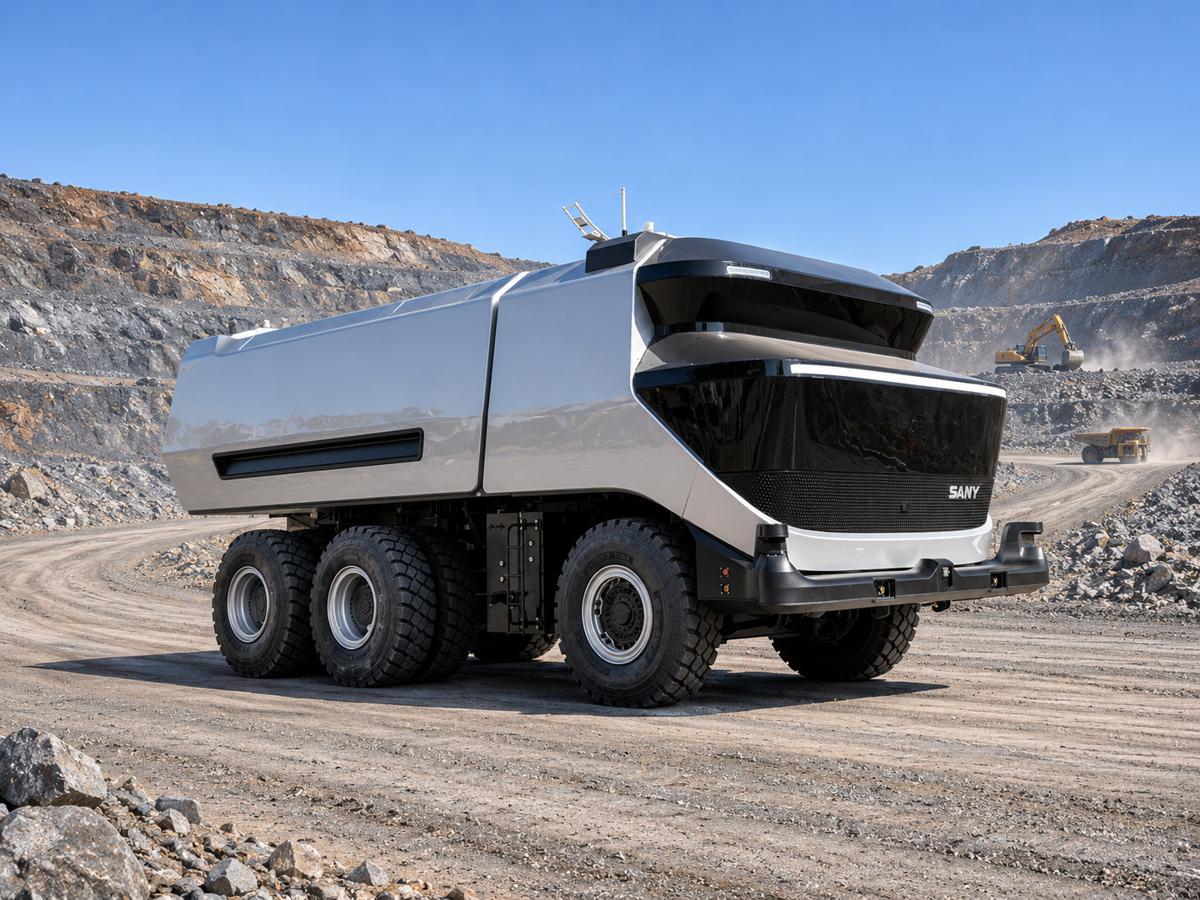
The growing attention surrounding humanoid robotics should not obscure the progress being made with specialised autonomous equipment. Excavators, haul trucks, compactors, inspection drones and robotic welding systems are designed around specific operations, allowing their physical configurations to be optimised for efficiency, productivity and operating conditions.
A humanoid may eventually be capable of climbing into a conventional excavator and operating its controls, but an autonomous excavator equipped with integrated perception and control systems would generally offer a more direct approach to automating excavation. The humanoid could instead undertake supporting activities that are difficult to incorporate into the design of the excavator itself, including routine inspections, connecting service equipment or assisting maintenance personnel.
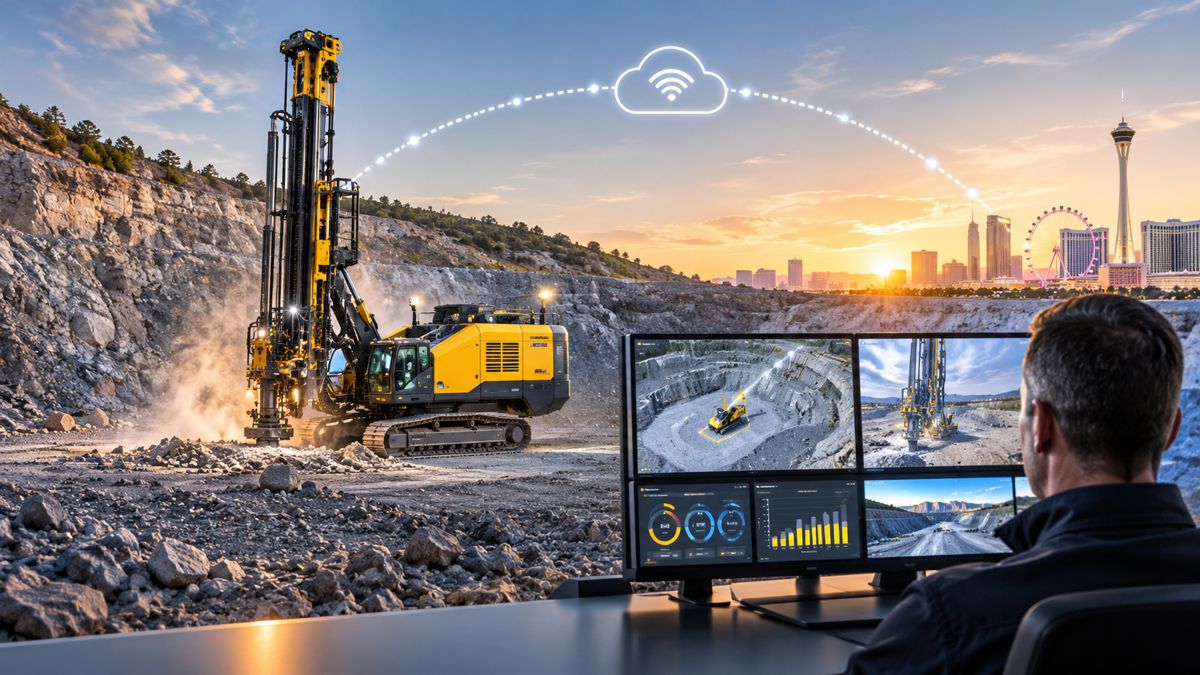
Future construction sites may contain a mixture of specialised autonomous machinery, mobile robots, drones and humanoid assistants coordinated through project management platforms and digital representations of the working environment. The relative contribution of each will depend on the nature of the work, with human employees providing expertise and judgement wherever machine capabilities remain insufficient.
Contractors exploring robotics should therefore begin with the activities they want to improve rather than a predetermined preference for a particular type of machine. A humanoid will sometimes provide the versatility needed to automate a group of activities, while a simpler dedicated system may prove more appropriate elsewhere.
Preparing for a New Kind of Workforce
Businesses contemplating robotic deployment can begin by examining activities characterised by repetition, physical strain, labour shortages or exposure to hazardous environments. Evaluating these operations provides a practical foundation for determining where humanoids might contribute, how their performance should be measured and what supporting infrastructure will be required.
Education providers have a corresponding opportunity to combine traditional engineering knowledge with robotics, automation and digital technologies. Future industrial workers will benefit from understanding both how physical machinery operates and how intelligent systems perceive and interact with their surroundings. The ability to train, supervise and collaborate with robotic equipment could gradually become part of mainstream technical education.
The first generations of industrial humanoids will probably be remembered for their limited understanding, awkward interactions and the considerable human effort required to keep them working. Subsequent generations may become progressively less remarkable as their capabilities improve and their presence becomes familiar.
The real milestone in humanoid robotics may arrive without a product launch or an impressive technological demonstration. It could come when a worker arrives at a factory, maintenance depot or construction site, exchanges a few words with a robotic colleague and gets on with the day’s work without giving the encounter a second thought.
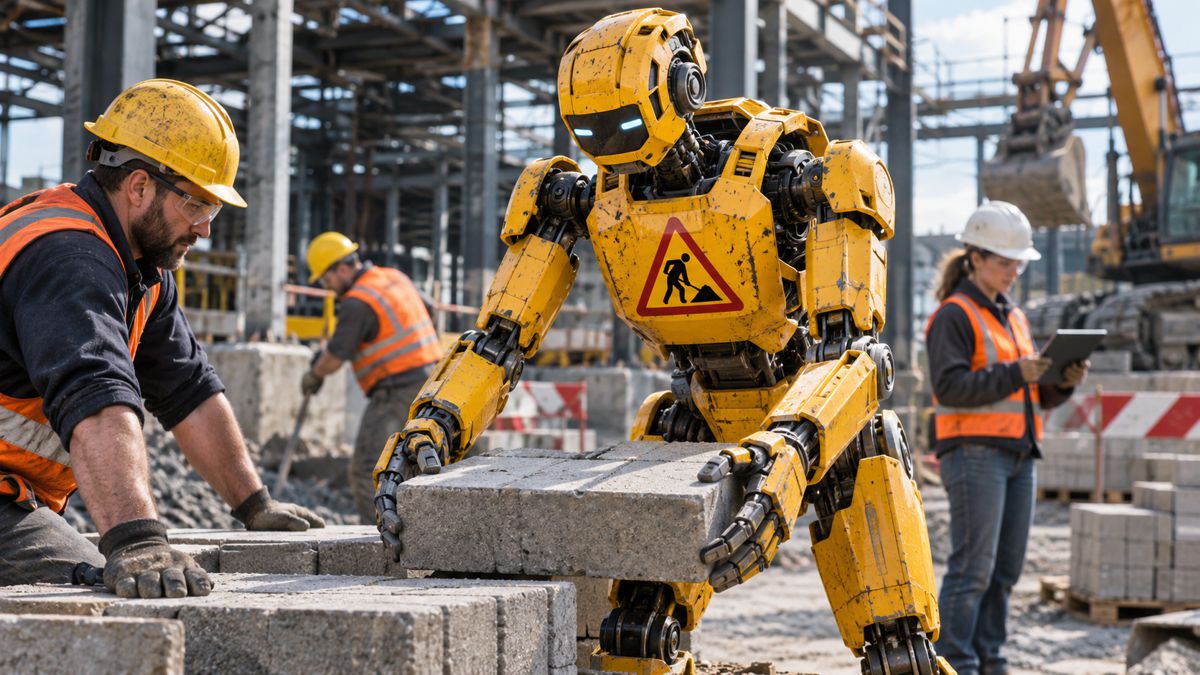
Key Industry Questions
- Are humanoid robots already working commercially? Yes. Commercial deployments include repetitive material handling within logistics facilities, while automotive manufacturers have undertaken production trials involving component handling and manufacturing support.
- Can humanoid robots currently work on construction sites? Contractors have begun live-site trials exploring inspection, monitoring and site assistance. Fully autonomous, general-purpose robotic construction workers have yet to demonstrate widespread commercial viability.
- Why are humanoid robots designed to resemble people? Human-like proportions and articulated limbs could allow robots to use existing tools, equipment and infrastructure designed around human workers, potentially reducing the need for dedicated automation installations.
- Can humanoid robots learn new skills? Robotic systems can acquire selected capabilities through programming, machine learning, simulation, human demonstrations and teleoperation. Transferring those capabilities reliably between different working environments remains challenging.
- Can experienced workers operate humanoid robots remotely? Teleoperation allows people to control robotic systems from a distance. Future applications could include remote maintenance, specialist engineering assistance and workforce accessibility, subject to technical and safety requirements.
- Will humanoid robots replace skilled tradespeople? Humanoids may automate selected activities undertaken by tradespeople. Replacing experienced workers across entire occupations would require substantial advances in practical intelligence, dexterity, adaptability and professional judgement.
- How much does a humanoid robot cost to operate? Operating costs depend on acquisition or leasing arrangements, maintenance, energy consumption, software, supervision and productive availability. There is currently no universally applicable cost benchmark for general-purpose humanoid labour.
- Are humanoid robots safe to work alongside? Safety depends on the machine, its activities, operating environment, safeguards and level of autonomy. Each deployment requires an appropriate risk assessment covering its intended use and interactions with people.
- When will humanoid robots become commonplace? Selected industrial environments could experience wider adoption before 2030. General-purpose deployment across construction and other unpredictable workplaces may take considerably longer, depending on technological and commercial progress.
- Will humanoid robots replace specialised autonomous machinery? Specialised autonomous equipment is likely to remain more efficient for many dedicated activities. Humanoids could complement these machines by undertaking flexible support tasks that are difficult to automate using single-purpose equipment.
Strategic Takeaways
- Industrial humanoids should be evaluated according to completed work, productive availability and intervention requirements rather than physical specifications or promotional demonstrations.
- Construction contractors should initially investigate clearly defined, repeatable activities before attempting deployment in unpredictable working environments.
- Teleoperation and transferable robotic skills could create opportunities for remote engineering services, workforce accessibility and the preservation of industrial knowledge.
- Apprenticeships and technical education will need to protect opportunities for developing practical competence as routine activities become increasingly automated.
- Future industrial workplaces are likely to combine skilled human workers, humanoid robots and specialised autonomous machinery, with investment decisions determined by the suitability of each for particular tasks.