






The Importance of Waterproofing in Construction
Moisture within buildings can cause severe problems. It may weaken the structural integrity of the building and cause mold to develop. The relative humidity inside your building should be kept below 60% to protect your building.
Moisture should be carefully managed from the start of any building project. Waterproofing in construction will prevent excess moisture, protect key structural elements, and ensure that property owners won’t incur unnecessary repair costs. Below are some reasons why waterproofing is a good idea.
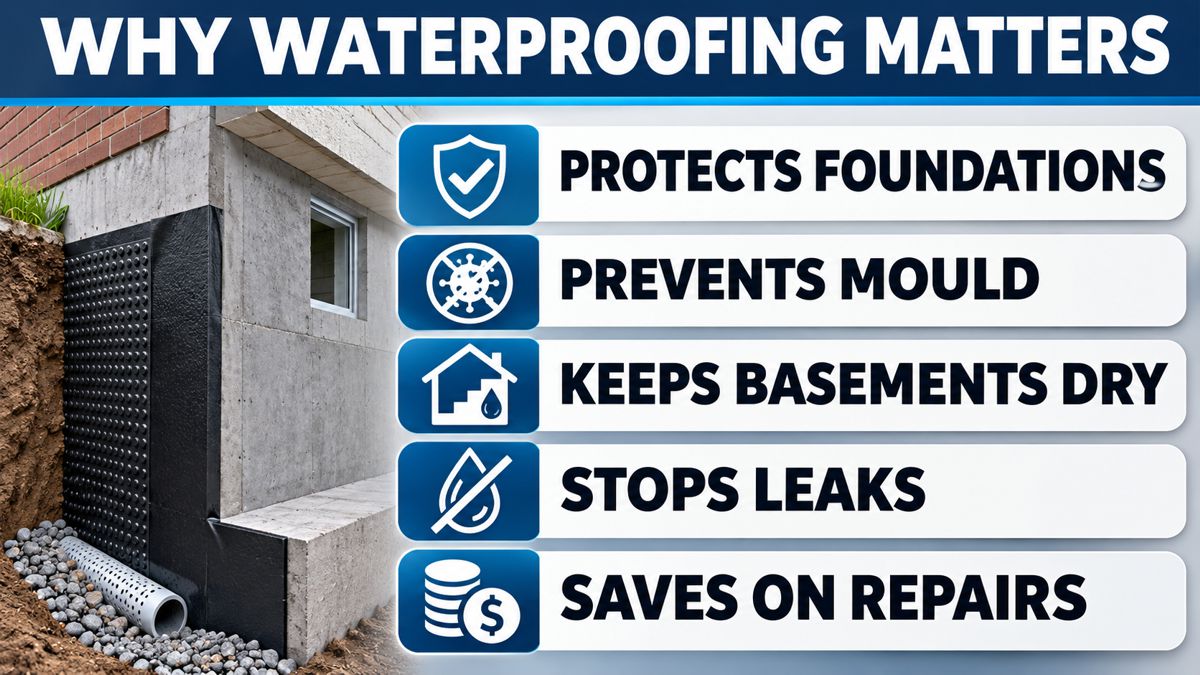
Protects the Building’s Foundation
The foundation supports the whole building, so it is important to ensure that it remains strong throughout construction. However, prolonged exposure to ground and rainwater can cause issues.
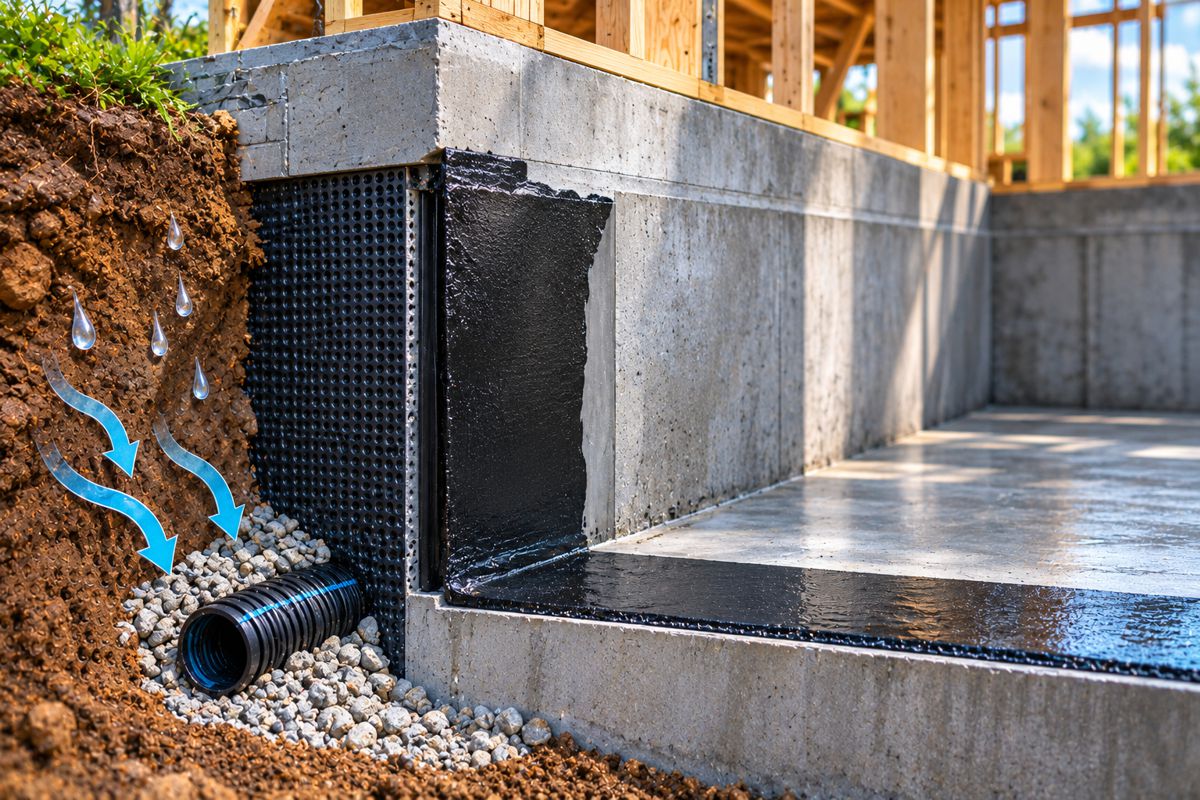
If the water gets into the foundation through tiny cracks, structural components may become weak over time, compromising load-bearing materials. With effective waterproofing and good drainage systems, excess water can be prevented from coming into contact with the foundation walls. As a result, long-term damage is unlikely to occur.
Prevent Mold Growth
Moisture within a building can cause unpleasant smells. Usually, this indicates that water has entered the walls, flooring, and other places. Mold and mildew thrive in moist environments.
Mold not only causes damage to surfaces, but it can also be harmful to air quality. If people with allergies are in the area, they may have an allergic reaction. Waterproofing and providing adequate ventilation, especially in areas such as bathrooms and cellars, keep your home safe and comfortable.
Keep Basements and Crawl Spaces Dry
Since basements and crawl spaces are at ground level, it can be very easy for moisture to creep in. Water can penetrate the foundation walls, poorly sealed gaps, and cracks. Moisture in this area is often hard to spot.
However, it can cause damage to wood, insulation, and other materials in the area. Waterproofing these areas will reduce the risk. If there has been some damage in the crawl space, crawl space repair services may be necessary to fix water pooling, broken vapor barriers, and bad drainage.
Prevent Leaks and Water Damage
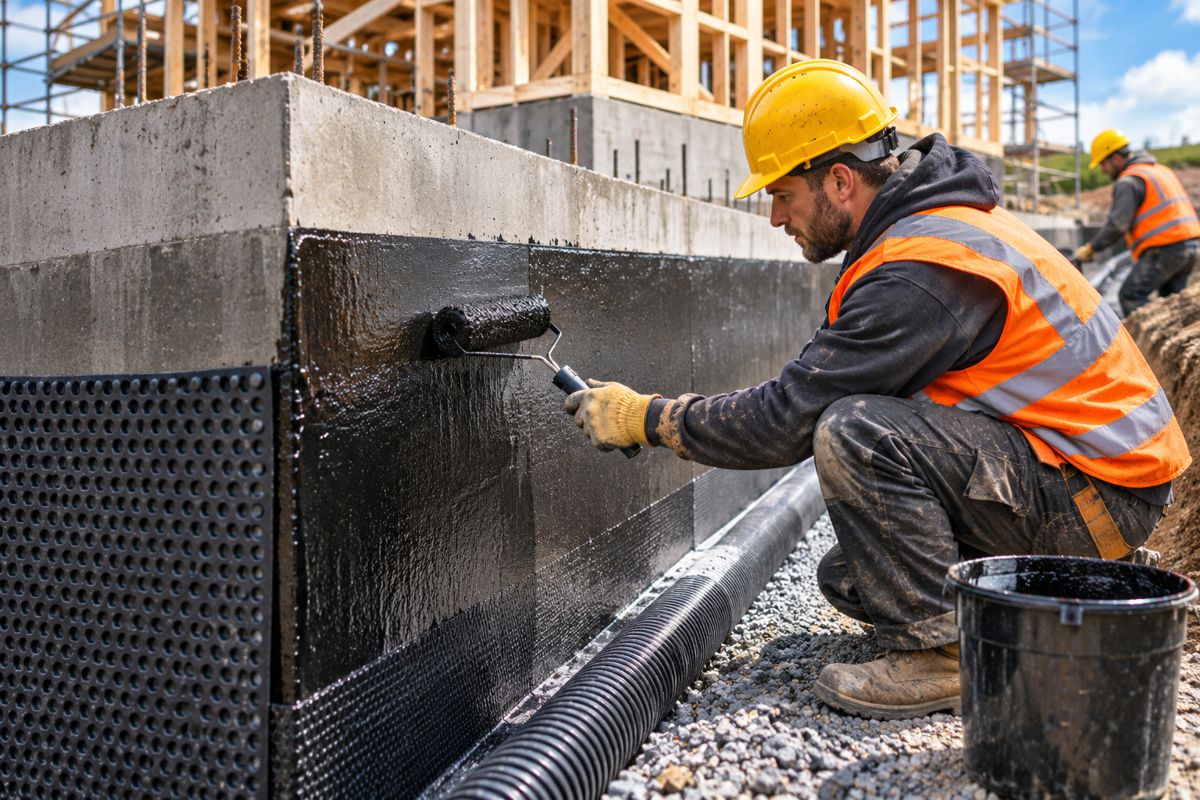
Water can enter a building through poorly sealed joints and vulnerable foundation areas. Waterproofing creates a protective barrier to prevent water damage. For example, applying waterproof membranes to foundations and sealing joints around windows and doors can reduce the risk of leaks.
Addressing potential entry points during construction can save property owners from dealing with avoidable water damage later.
Saving Money on Repairs
Construction is already expensive, and unexpected repair bills can make things worse. Ignoring waterproofing may lead to expensive repair costs to sort the problem. If water is regularly getting through walls, then paint can begin to blister, plaster can begin to degrade, and cracks may become more visible.
If water regularly gets in this way, damage may spread to other areas in the building. Waterproofing during the construction phase will help avoid many of these issues. Spending money on prevention early is often more practical than paying for major repairs down the road.
Endnote
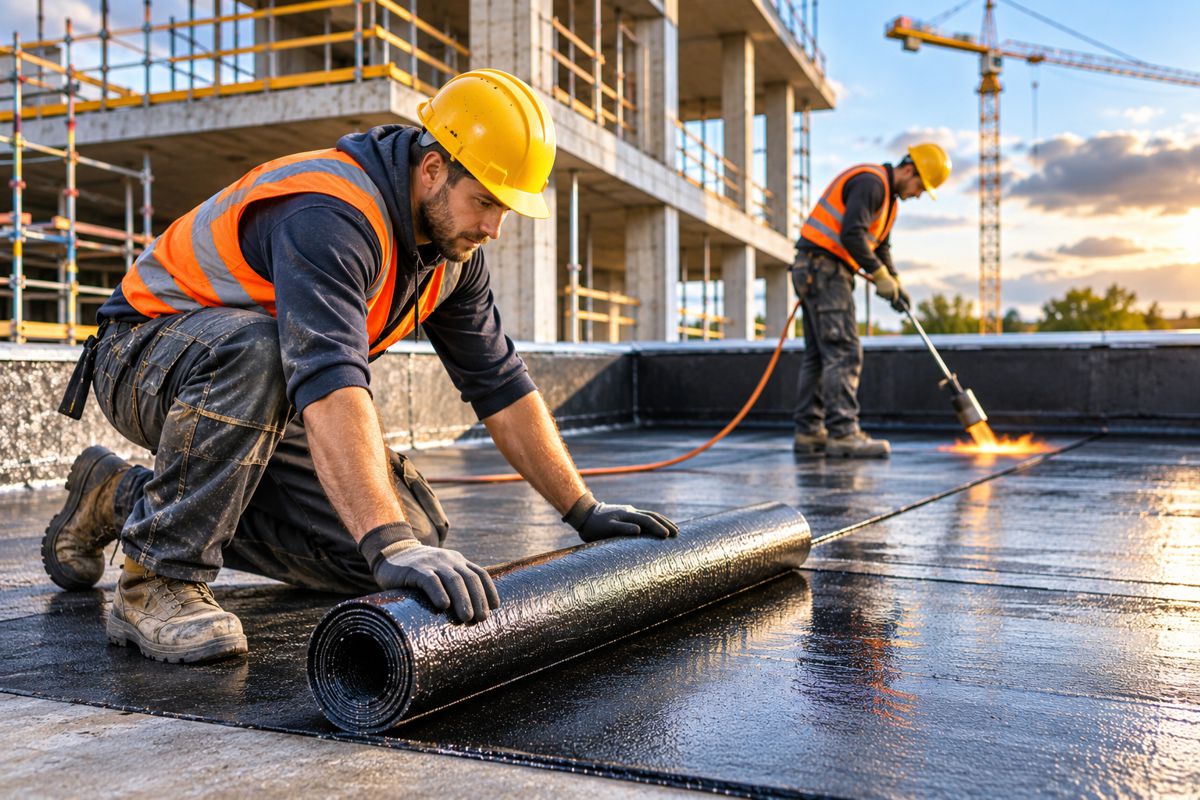
Waterproofing is an essential part of a construction project. It is among the best measures to protect your structure. Not only does it preserve the integrity of its foundation, but it also prevents moisture problems, ensures comfort, and helps save significantly on repairs later.
Moreover, it is far easier to prevent possible water issues during the construction process than to fix them later. Emphasizing on waterproofing right from the start will ensure that your structure serves you well in the years to come.