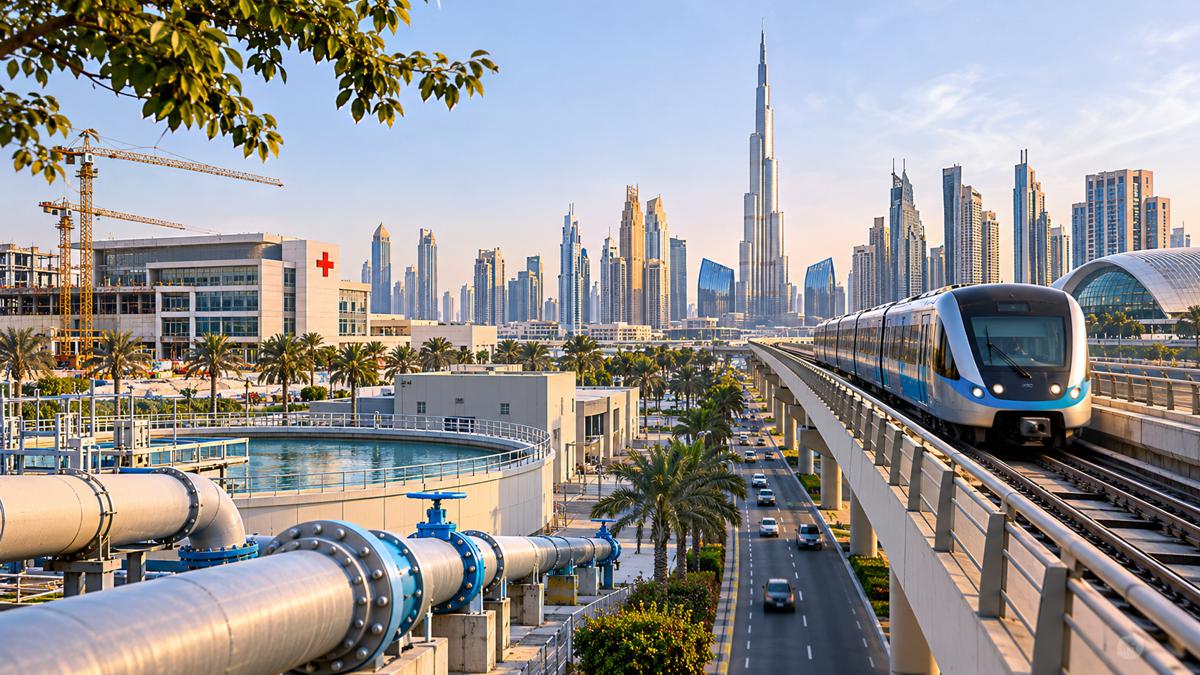
MENA PPP Forum Highlighted Infrastructure Finance and Procurement Challenges
Dubai has identified approximately AED40 billion in potential public-private partnership projects, while Saudi Arabia is expanding a programme that had reached 83 signed partnership contracts by the first half of 2026. The figures illustrate the scale of infrastructure investment being pursued across the Gulf, where governments are increasingly using long-term private-sector agreements to develop transport networks, utilities and public facilities.
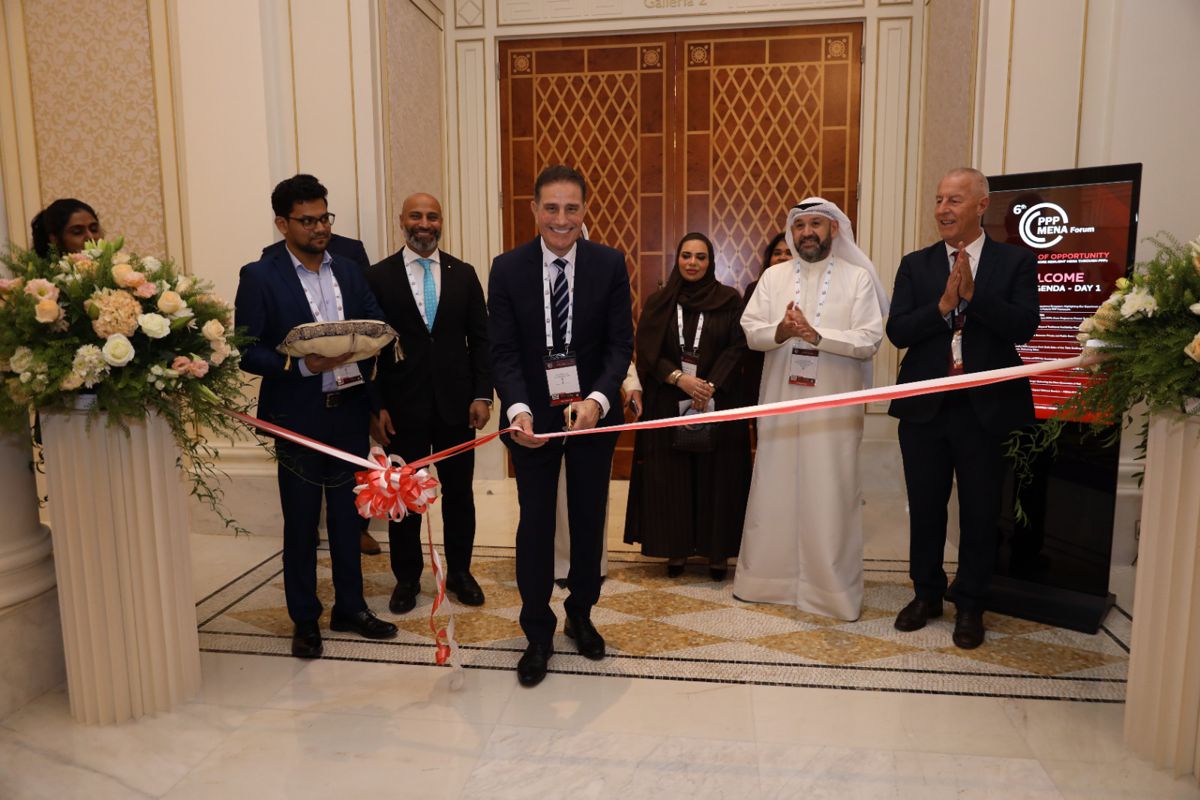
The 6th PPP MENA Forum brought government officials, infrastructure developers, financial institutions and advisers to Palazzo Versace Dubai on 10–11 November 2026. The two-day gathering examined the practical challenges of converting infrastructure investment plans into financially viable construction and operational programmes, with procurement, risk allocation and access to private capital prominent throughout its agenda.
The discussions extended beyond conventional transport and utilities infrastructure into healthcare, education and community facilities, reflecting the wider application of partnership models across the region. For governments balancing ambitious development programmes against public spending commitments, the attraction of private investment comes with the responsibility of establishing contractual arrangements that remain affordable and commercially workable over several decades.
Briefing
- The 6th PPP MENA Forum took place in Dubai on 10–11 November 2026, focusing on regional infrastructure investment and procurement.
- Dubai’s Department of Finance identifies approximately AED40 billion in indicative PPP project value across ten strategic sectors.
- Dubai’s Strategic Sewerage Tunnels programme represents an indicative AED25 billion investment, with procurement listed as under way.
- Saudi Arabia reported 83 signed partnership contracts by the first half of 2026, alongside private-sector capital investment exceeding SAR56.2 billion.
- Healthcare, education, transport and water infrastructure featured prominently in discussions about expanding private participation.
Dubai’s Expanding Infrastructure Pipeline
The Dubai Department of Finance identifies 30 projects across ten strategic sectors within its PPP pipeline, with an indicative combined value of AED40 billion. Among the largest is the Dubai Strategic Sewerage Tunnels programme, valued at approximately AED25 billion and intended to modernise the emirate’s wastewater infrastructure through a gravity-fed collection network.
The proposed system would replace elements of Dubai’s existing sewerage arrangements with infrastructure designed to reduce dependence on pumping, improve energy efficiency and provide an expected operational life of 100 years. The programme is planned in three phases, with private developers responsible for design, construction, financing, operation and maintenance before the assets are transferred back to Dubai Municipality. The Department of Finance lists an indicative concession period of 30 years.
Another proposed development is the third phase of the Jebel Ali Sewage Treatment Plant, involving an additional treatment capacity of 375,000 cubic metres per day. The Department of Finance lists the project at an indicative AED1.5 billion, with a build-operate-transfer arrangement under consideration and the scheme currently identified as being in strategic planning.
Wastewater infrastructure also featured directly in the Forum programme, which included a project presentation on Jebel Ali by Eng. Fahd Al Awadhi, Director of Dubai Municipality’s Sewerage and Recycled Water Projects Department. The session examined partnership arrangements for sustainable water infrastructure, an area where construction costs, operational efficiency and long-term maintenance responsibilities are closely connected.
Saudi Arabia’s Private Investment Programme
Saudi Arabia is pursuing a substantial programme of private participation across transport, logistics, healthcare and other public services, supported by the institutional and regulatory reforms associated with its economic diversification strategy.
According to the Saudi Ministry of Finance’s Pre-Budget Statement for FY2027, the total value of investments associated with privatisation and PPP projects had reached approximately SAR180 billion by the end of 2025. During the first half of 2026, ten privatisation and partnership projects were launched, including the Prince Naif bin Abdulaziz International Airport project in Qassim and an investment initiative involving five sports clubs.
The Ministry also reported private-sector contracts involving the SABIC Mental Health Hospital and Jubail Container Terminal, bringing the number of signed partnership contracts to 83. These agreements were associated with an estimated value-for-money figure of SAR28.3 billion, while private-sector capital investment across the programme exceeded SAR56.2 billion.
Saudi Arabia’s National Privatisation Strategy, approved in November 2025, targets SAR240 billion in private-sector capital investment through privatisation transactions by 2030. This target is a different financial measure from the broader SAR180 billion investment figure reported for the end of 2025, and the two should not be treated as directly comparable totals.
The programme covers infrastructure with markedly different commercial characteristics. Airports and container terminals can generate revenue from passengers, freight and associated services, whereas hospitals and other social facilities may depend on government-backed payments and performance-based contracts. Their financing structures must reflect the operating requirements of the assets and the responsibilities retained by public authorities.
Procurement and Project Bankability
Moving infrastructure projects from planning into procurement and financial close remains a complex undertaking, particularly where multiple public authorities, financial institutions and private contractors are involved.
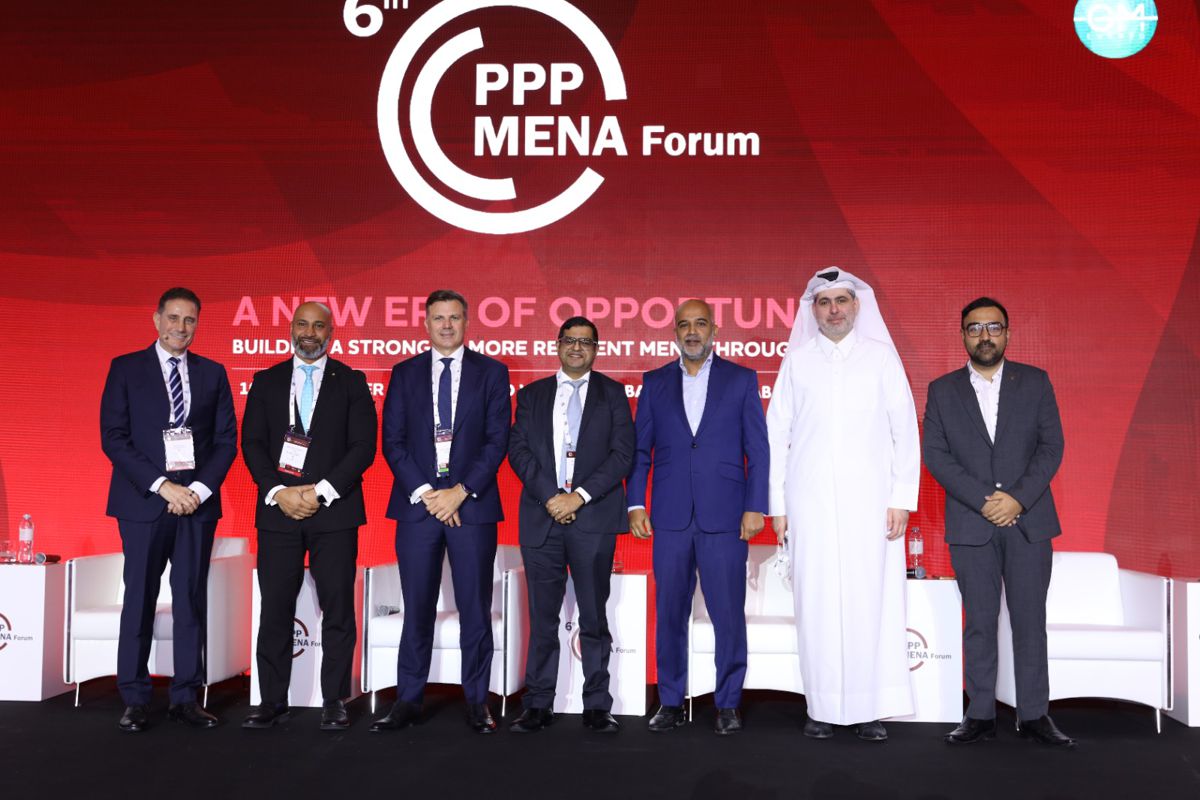
The Forum’s published agenda included a presentation on procurement bottlenecks by Shehab AlHashemi of the Abu Dhabi Projects and Infrastructure Centre. The session addressed delays associated with project structuring, approvals and tendering, together with the challenge of maintaining appropriate governance while progressing infrastructure programmes.
Lenders assessing PPP projects must establish whether projected revenues or government payments can support debt obligations over the concession period. Construction risk, contractual enforceability and the financial responsibilities retained by public authorities all influence the terms on which funding becomes available.
Long-term concessions must also accommodate changes in operating costs, asset condition, demand and regulatory requirements. Agreements that transfer excessive or poorly defined risks to private partners can increase financing costs or discourage participation, particularly when contractors and investors are being asked to assume uncertainties outside their control.
The World Bank’s guidance on the fiscal implications of PPP projects identifies affordability, value for money and potential government liabilities as central considerations in project appraisal. Privately financed construction does not necessarily remove the financial burden from public authorities, which may retain substantial commitments through availability payments, guarantees or compensation provisions.
These arrangements become particularly demanding when projects involve assets expected to remain operational for several decades. The performance requirements agreed during procurement must account for maintenance, replacement expenditure and the condition of infrastructure throughout the contractual period, rather than concentrating solely on the initial construction programme.
Social Infrastructure and Public Services
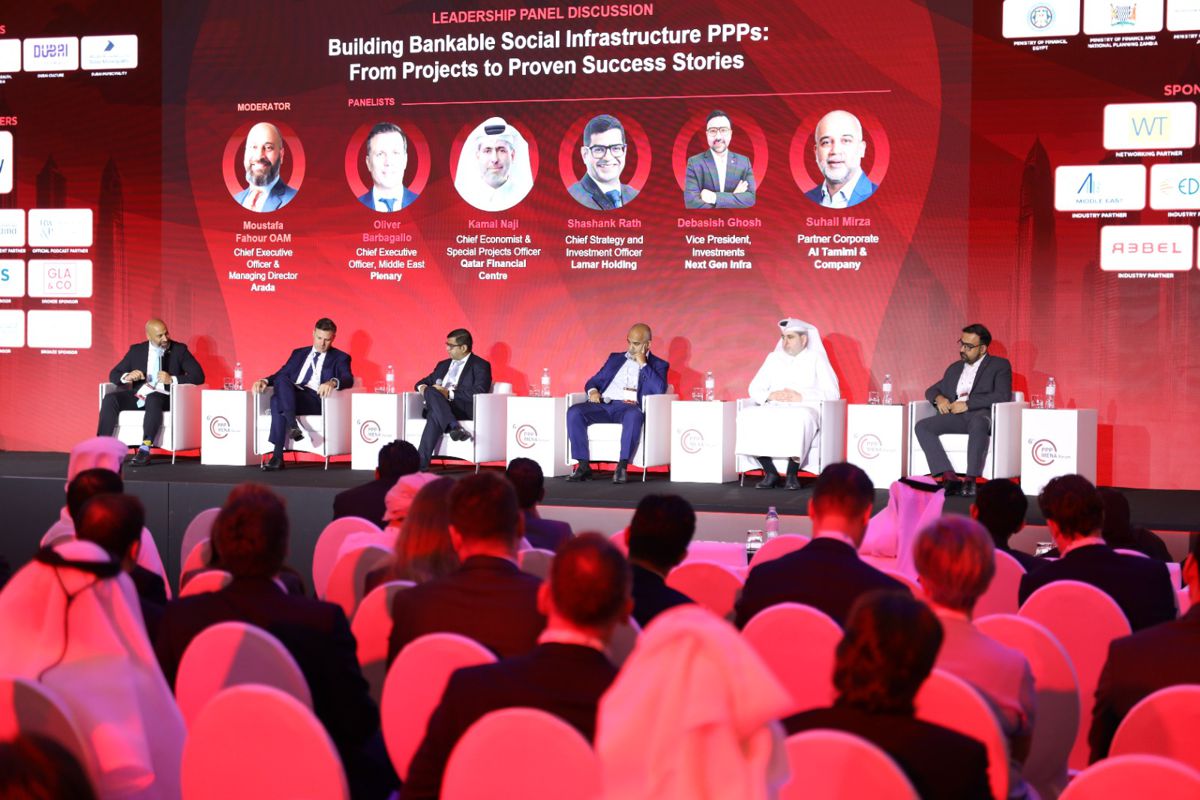
Healthcare, education and community facilities formed another substantial part of the Dubai discussions, including a leadership session devoted to developing bankable social infrastructure partnerships.
The published programme examined payment mechanisms, government guarantees and operational performance, drawing attention to the financial arrangements required to attract investment into facilities that may not generate sufficient direct revenue from users.
A school or hospital developed through a PPP can involve a private consortium financing, constructing and maintaining the buildings while the public authority remains responsible for delivering education or clinical services. Payments may depend on asset availability and compliance with agreed maintenance and performance standards, with deductions applied where contractual requirements are not met.
Such arrangements allow governments to combine construction and long-term asset management within a single contract, although they also create obligations extending well beyond the completion of building works. The allocation of responsibility for equipment replacement, maintenance and operational changes requires careful definition, particularly in healthcare environments where technical requirements can evolve considerably during a concession.
Dubai’s published pipeline includes proposed healthcare and cultural facilities alongside its larger transport and utilities programmes. Saudi Arabia’s reported hospital partnership contracts similarly demonstrate how private participation is being extended into public services, although the precise commercial and operational arrangements differ between projects.
Regional Opportunities Across Transport and Utilities
Transport infrastructure featured prominently in the Forum programme, with discussions covering aviation investment, regional rail connectivity and the selection of appropriate delivery models for major networks.
Airport and port projects can offer commercial income from passenger handling, freight operations and associated activities, while railway infrastructure may require more extensive public financial support where direct operating revenue cannot justify construction costs. Cross-border rail programmes introduce further complications involving technical standards, regulatory responsibilities and the coordination of infrastructure investment between jurisdictions.
Water infrastructure presents a different set of requirements. Wastewater treatment plants, transmission pipelines and strategic reservoirs often depend on contractual payment arrangements designed to provide reliable revenue while meeting defined capacity and service standards.
A dedicated Forum session examined water transmission and storage partnerships, including availability-based payments intended to reduce demand risk for private investors. The discussion extended beyond desalination facilities into the networks and storage infrastructure required to move treated water between production centres, urban areas and industrial customers.
The gathering also included perspectives from other regional markets, with representatives from Egypt, Morocco, Kuwait and Jordan appearing in the published programme. Their involvement reflected the range of national frameworks and institutional arrangements being developed for partnership procurement, although differences in legislation, public-sector creditworthiness and project preparation continue to influence the commercial prospects of individual schemes.
Building a Record of Successful Delivery
Dubai’s wastewater programme and Saudi Arabia’s expanding portfolio of partnership contracts illustrate the range of infrastructure projects being offered to private investors. Their delivery will depend on procurement processes that reconcile government requirements with the financing, construction and operational risks assumed by developers, while maintaining credible commitments to long-term asset performance.
The discussions in Dubai concentrated on these practical considerations, from contractual structures and procurement delays to the financing of hospitals, schools and transport infrastructure. For a region with substantial published investment ambitions, the more revealing measures of progress will be projects reaching financial close, entering construction and ultimately operating under the terms agreed.

Key Industry Questions
- What is a public-private partnership in infrastructure? A PPP is a contractual arrangement in which a private organisation assumes defined responsibilities for financing, developing, operating or maintaining public infrastructure or services. The allocation of responsibilities and commercial risks varies between projects.
- Which MENA countries are pursuing major PPP programmes? The UAE and Saudi Arabia have substantial published programmes, while countries including Egypt and Morocco have established institutional frameworks for developing partnership projects.
- How large is Dubai’s PPP infrastructure pipeline? Dubai’s Department of Finance lists approximately AED40 billion in indicative project value across 30 projects and ten strategic sectors. Individual schemes are at different stages of development, procurement and delivery.
- What is the Dubai Strategic Sewerage Tunnels project? It is a proposed gravity-fed wastewater network intended to modernise Dubai’s sewerage infrastructure. The Department of Finance lists an indicative project value of AED25 billion and a 30-year PPP concession period.
- How do private investors earn returns from PPP projects? Returns may come from user charges, government availability payments, service contracts or combinations of these mechanisms. The structure depends on the asset, revenue model and allocation of commercial responsibilities.
- What does bankability mean in PPP procurement? Bankability describes whether a project has sufficiently robust financial, legal and contractual arrangements to attract financing on acceptable terms. Lenders assess revenue certainty, construction risks, contractual enforceability and government obligations.
- Can hospitals and schools be developed through PPPs? Yes. Governments may contract private partners to design, finance, construct and maintain social infrastructure, with payments linked to asset availability or operational performance. The provision of clinical or educational services can remain a public-sector responsibility.
- What financial risks can governments retain under PPP contracts? Depending on the agreement, governments may retain or share demand risk, regulatory risk and obligations associated with availability payments, guarantees, contract changes or early termination. These commitments can create substantial long-term liabilities.
Strategic Takeaways
- Project preparation determines financing prospects. Poorly defined revenue arrangements and risk allocation can increase financing costs or discourage bids before procurement reaches financial close.
- Long-term operational obligations influence project economics. Maintenance, replacement expenditure and asset performance must be considered alongside initial construction costs when evaluating extended concessions.
- Social infrastructure requires carefully structured payment mechanisms. Hospitals and schools often depend on government-backed arrangements rather than direct commercial revenue from users.
- Private finance does not eliminate public financial exposure. Availability payments, guarantees and retained contractual risks can create commitments extending across several decades.
- Procurement progress provides a clearer measure of market activity than headline pipeline values. Financial close, construction progress and operational performance offer stronger evidence of successful delivery than projects remaining in planning.