Jacobs Takes on Bridge Design for New Zealand’s NZ$3.65 Billion Northland Motorway
Jacobs has secured a major engineering appointment on New Zealand’s Warkworth to Te Hana motorway, taking responsibility for the design of all 15 bridges on a 26-kilometre expressway that will extend the country’s northern motorway network towards Northland.
Awarded by ACCIONA, the contract forms part of New Zealand’s largest public-private partnership infrastructure project, valued at approximately NZ$3.65 billion. The new four-lane route will also require twin tunnels through the Dome Valley, three grade-separated interchanges and more than 10 million cubic metres of earthworks.
The project reached financial close in July 2026, with the first sod turned on 30 October. Detailed design and enabling works are now underway ahead of major construction in 2027, with the motorway expected to open to traffic in 2033.
Briefing
- Jacobs will design all 15 bridges, utility relocations and building facilities for the Warkworth to Te Hana motorway.
- The 26-kilometre expressway includes twin tunnels exceeding one kilometre, three interchanges and more than 10 million cubic metres of earthworks.
- The Northway consortium achieved financial close in July 2026 under a 32-year public-private partnership.
- The approximately NZ$3.65 billion project value includes financing, operations and maintenance, while the nominal design-and-build cost is around NZ$3 billion.
- Major construction is expected to begin in 2027, with the motorway scheduled to open in 2033.
The Warkworth to Te Hana Alignment
The Warkworth to Te Hana project will extend the existing Ara Tūhono motorway northwards from Warkworth, creating a separate highway alignment that bypasses some of the more difficult sections of State Highway 1.
The route begins west of Warkworth before heading north through a separate valley from the existing highway. Near the Hōteo River, it turns eastwards, crossing SH1 and Wayby Valley Road, before continuing past Wellsford and Te Hana. It eventually reconnects with the existing state highway near Waimanu Road.
The terrain presents a substantial civil engineering challenge. Alongside 15 bridges and twin tunnels through Kraack Hill above the Dome Valley, the motorway will incorporate two underpasses, numerous large culverts and 12 wetland stormwater treatment basins. The government has described the bridges as standardised structures, although the final designs will need to accommodate the different ground conditions, crossing requirements and geometry along the route.
The tunnels, each extending more than one kilometre, will provide a new passage through the hills above Dome Forest. Their construction will take place alongside an earthworks programme exceeding 10 million cubic metres, making excavation, embankment construction, drainage and material movement major components of the overall works.
The combination of substantial earthworks, multiple bridge sites and tunnelling over a relatively compact alignment will require close coordination between design and construction teams. The route also crosses existing roads and utilities, adding interfaces that must be resolved before work can progress through the affected sections.
Jacobs’ Multidisciplinary Design Appointment
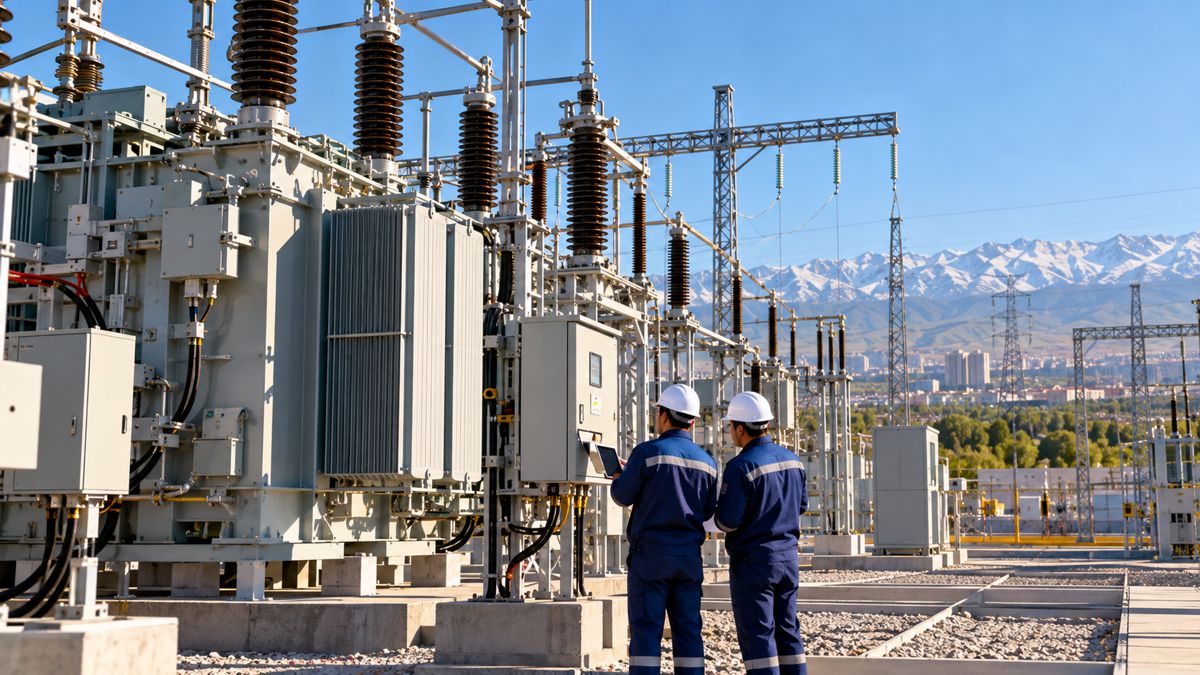
Under its agreement with ACCIONA, Jacobs will design all 15 bridges, together with utility relocations and building facilities packages. Its responsibilities extend to design management, geotechnical engineering, digital engineering and building services.
The bridge designs will need to respond to the varied terrain, particularly where foundations, embankments and cut slopes meet river crossings and existing transport infrastructure. The use of standardised structures offers opportunities for consistency in design and construction, while site-specific conditions will determine how those solutions can be applied.
Jacobs’ digital engineering and design management responsibilities will support coordination across these interfaces, with engineering information shared between disciplines as the project moves into construction. This will be particularly relevant where bridge construction, utility diversions and major earthworks occupy the same parts of the alignment.
Jacobs Executive Vice President Sinead Giblin said: “Reliable transportation networks are essential to the long-term prosperity of communities and economies. This project will help to improve mobility, strengthen network resilience and support future growth across northern New Zealand. By combining integrated design, digital delivery and multidisciplinary engineering services, Jacobs will contribute to creating infrastructure that provides lasting value for the people, businesses and communities that depend on this route every day.”
Jacobs employs more than 400 people across New Zealand and has worked on several major transport projects, including Auckland’s Eastern Busway, Northwest Busway and Northern Corridor Improvements programme.
The value of its Warkworth to Te Hana appointment has not been disclosed.
A 32-Year Public-Private Partnership
The motorway is being delivered through the Northway consortium, which reached financial close with NZ Transport Agency Waka Kotahi in July 2026.
Northway’s consortium members include ACCIONA Concesiones SL, Aberdeen Investments, Global Sustainable Infrastructure GP IV Ltd and ACCIONA Construction New Zealand Ltd, alongside delivery partners Downer New Zealand and AECOM.
The agreement covers the design, construction, financing, operation and maintenance of the motorway over 32 years. ACCIONA will undertake major elements of the construction programme, including earthworks, tunnelling, civil works and systems installation.
According to ACCIONA’s financial close announcement, the project’s total value is approximately NZ$3.649 billion in net present value terms, including the wider financing and operating arrangement. The nominal design-and-build cost is around NZ$3 billion. The two figures represent different financial measures rather than competing estimates of the construction budget.
The government has also reported that the agreed PPP cost is approximately NZ$251 million below its NZ$3.9 billion Public Sector Comparator, which estimates the cost of delivering the project through conventional public procurement.
Under the long-term arrangement, operational performance remains part of the contractual obligations after construction. Payments during the operating period are subject to performance requirements covering matters such as incident response, safety management, asset condition and availability. Bridge durability, inspection access, drainage and maintainability will therefore form part of the project’s whole-life engineering considerations.
The concession arrangement is scheduled to expire in 2058, when the motorway will be handed back to NZTA.
Addressing State Highway 1’s Vulnerabilities
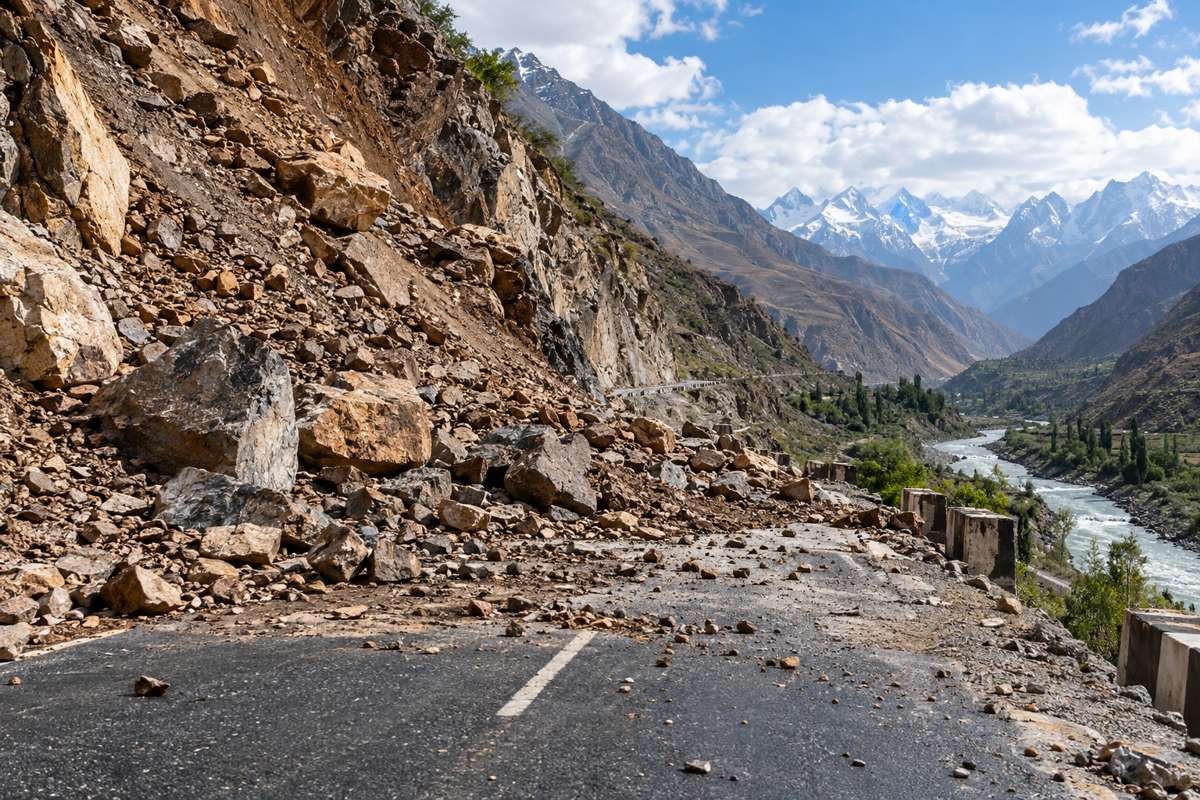
The existing State Highway 1 connection between Auckland and Northland carries substantial freight and passenger traffic through difficult terrain, with winding sections, steep gradients and exposure to slips and flooding.
The Dome Valley has long presented challenges for road users, while closures elsewhere on the route, particularly around the Brynderwyn Hills, have demonstrated the vulnerability of Northland’s strategic highway connections.
According to NZTA’s project assessment, the new motorway is expected to reduce journey times between Warkworth, Wellsford and Te Hana by approximately seven to ten minutes. It should also remove nearly 1,000 heavy vehicles a day from the existing SH1 route through Wellsford and Te Hana, reducing congestion in the town centres.
For freight operators travelling between Auckland and Northland, the improved alignment promises more predictable journey times as well as faster travel. The motorway will provide a separate high-capacity route through the Dome Valley, while the existing SH1 will remain available for local traffic and alternative access.
The government estimates that the project could prevent approximately 145 deaths and serious injuries over its operating lifetime. It also forecasts more than 1,000 fewer hours of unexpected road closures, reflecting the improved resilience expected from the additional route.
These remain forecast benefits, dependent on the completed motorway’s performance and traffic patterns. The new section will address important weaknesses south of Te Hana, although other vulnerable parts of the wider Northland network will remain until subsequent corridor improvements are delivered.
Construction and Regional Supply Chains
The New Zealand government confirmed that detailed design, site preparation and enabling works would continue ahead of major construction activity in 2027.
The programme is expected to support around 400 site-based roles initially, rising to approximately 1,000 during the main construction period. The government also anticipates that roughly 60% of physical works expenditure will flow through local supply chains.
Much of the early construction effort will centre on establishing access, preparing work areas and managing the extensive earthworks. With more than 10 million cubic metres of material to excavate and place, the balance between cut and fill, haul distances, drainage and construction sequencing will have a considerable influence on site operations.
Bridge construction and tunnelling will add further demands on access and logistics, particularly where work areas are separated by terrain or existing infrastructure. ACCIONA’s involvement in the preceding Pūhoi to Warkworth motorway provides relevant New Zealand experience, although the new route presents its own ground conditions and construction requirements.
The scale of the works is expected to create opportunities for local earthmoving contractors, aggregate producers, concrete suppliers, specialist subcontractors and engineering service providers. The anticipated regional expenditure will depend on how procurement packages are structured and the capacity of local businesses to meet the programme’s requirements.
Northway has also committed to workforce development through apprenticeships, internships, graduate opportunities and school-to-work pathways, including initiatives directed towards local communities, Māori and Pasifika.
The Wider Northland Corridor
Warkworth to Te Hana forms the first section of the wider Northland Corridor, an approximately 100-kilometre strategic highway programme intended to improve connections between Warkworth and Whangārei.
The proposed corridor includes a subsequent section providing an alternative route to the Brynderwyn Hills, followed by further improvements between Port Marsden Highway and Whangārei. These projects are progressing through separate planning, route protection and funding processes.
The motorway now under development will connect directly to the 18-kilometre Pūhoi to Warkworth section, which opened in 2023, extending the continuous high-standard highway network further north from Auckland.
Warkworth to Te Hana is also classified as a Road of National Significance, placing it among the New Zealand government’s priority transport investments. Its delivery will provide a substantial new section of motorway on a route that remains essential to Northland’s freight movement, tourism and regional economy.
With financial close completed, the construction consortium established and Jacobs appointed to the bridge and associated engineering packages, the project has moved firmly into its delivery phase. Detailed design and enabling works will now determine how quickly the major construction activities can be established along the route.
The remaining Northland Corridor sections have yet to reach the same stage. For now, Warkworth to Te Hana represents the committed extension of the motorway network, while the timing and scope of the wider route will depend on subsequent planning and investment decisions.

Key Industry Questions
- What is Jacobs’ role on the Warkworth to Te Hana motorway? Jacobs has been appointed by ACCIONA to design all 15 bridges, utility relocations and building facilities. Its scope includes design management, geotechnical engineering, digital engineering and building services.
- How long is the Warkworth to Te Hana motorway? The motorway will extend approximately 26 kilometres, providing four lanes between Warkworth and Te Hana, with grade-separated interchanges at Warkworth, Wellsford and Te Hana.
- How much will the motorway cost? The PPP has a total reported value of approximately NZ$3.65 billion in net present value terms over 32 years. The separately reported nominal design-and-build cost is around NZ$3 billion.
- Who is delivering the project? The Northway consortium is responsible for delivery, with ACCIONA and Aberdeen Investments as principal investment partners and New Zealand delivery partners including Downer and AECOM.
- What are the main engineering features? The route includes 15 bridges, twin tunnels exceeding one kilometre, more than 10 million cubic metres of earthworks, three interchanges, two underpasses and substantial drainage infrastructure.
- When will construction begin and when will the motorway open? Site preparation and enabling works began in 2026, with major construction scheduled for 2027. The motorway is expected to open in 2033.
- Will the new motorway be tolled? NZTA consulted on a proposal to toll the motorway in 2026. The proposed charges should not be treated as final approved toll rates.
- How will the motorway improve freight movement? NZTA forecasts journey-time savings of approximately seven to ten minutes and the diversion of nearly 1,000 heavy vehicles a day away from the existing SH1 through Wellsford and Te Hana.
- What is the Northway PPP concession period? The agreement covers a 32-year period encompassing construction and operation, with the motorway due to be handed back to NZTA in 2058. Operational payments are subject to contractual performance requirements.
- Is Warkworth to Te Hana the entire Northland Corridor? No. It is the first 26-kilometre section of a wider approximately 100-kilometre programme extending towards Whangārei. Subsequent sections require separate planning, approvals and investment decisions.
Strategic Takeaways
- Bridge design integration: Standardised structures across 15 bridges offer opportunities for consistent engineering and construction approaches, although individual sites will impose different foundation and geometric requirements.
- Whole-life engineering: The long-term PPP structure places maintenance, asset availability and operational performance alongside the initial design and construction obligations.
- Construction logistics: More than 10 million cubic metres of earthworks, substantial tunnelling and multiple bridge sites will require careful coordination of access, material movements and construction sequencing.
- Regional procurement: The projected local share of physical works expenditure creates substantial opportunities for New Zealand contractors, material producers and specialist engineering suppliers.
- Corridor resilience: The new alignment will provide an alternative through the Dome Valley, while the full resilience benefits of the Northland Corridor remain dependent on future sections.