






ADB Funds Tajikistan’s Sustainable Transport Infrastructure Pipeline
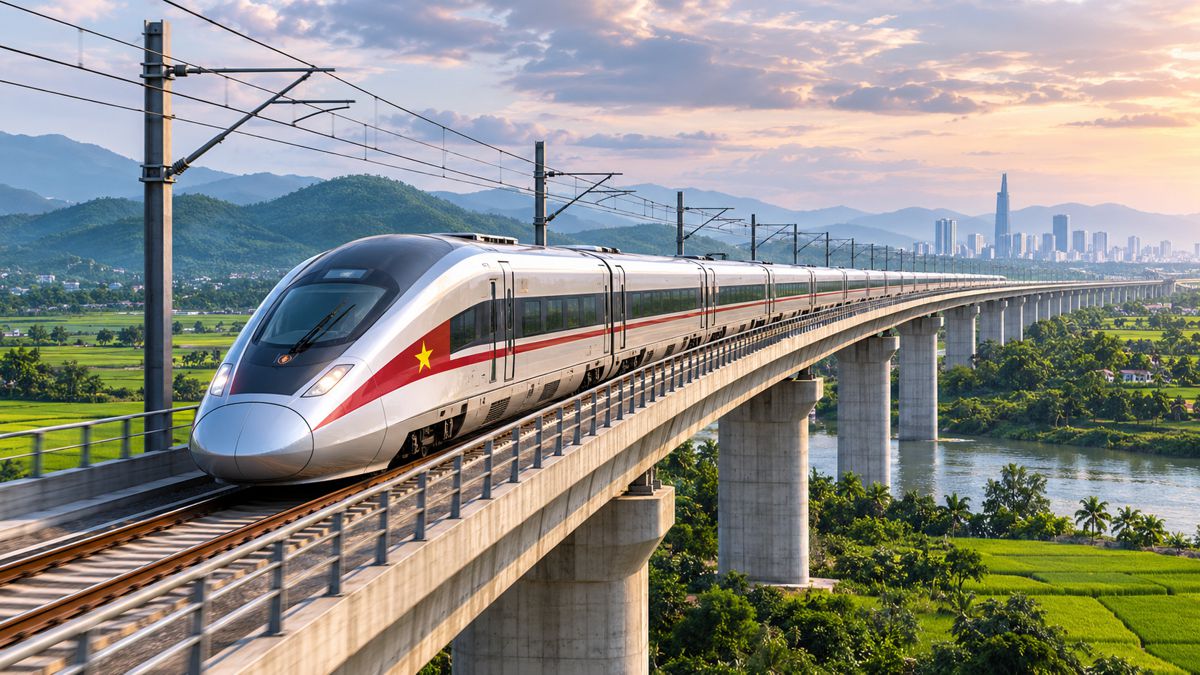
The Asian Development Bank (ADB) has approved a financing facility of up to US$20 million to prepare a new generation of sustainable transport projects in Tajikistan. The first initiative will focus on Dushanbe, where a seven-kilometre bus priority corridor along Somoni Avenue will combine electric public transport with improvements to traffic management and pedestrian infrastructure.
The facility will finance feasibility studies, engineering designs, environmental assessments and institutional development, with further road, border crossing and logistics projects expected to enter preparation between 2027 and 2030. In a country where domestic mobility and international trade depend heavily on the performance of the road network, developing a pipeline of technically sound, investment-ready projects could help reduce the uncertainties that frequently delay infrastructure delivery.
Briefing
- ADB has approved a transport project preparation facility of up to US$20 million.
- Funding includes a US$5 million grant from the Asian Development Fund.
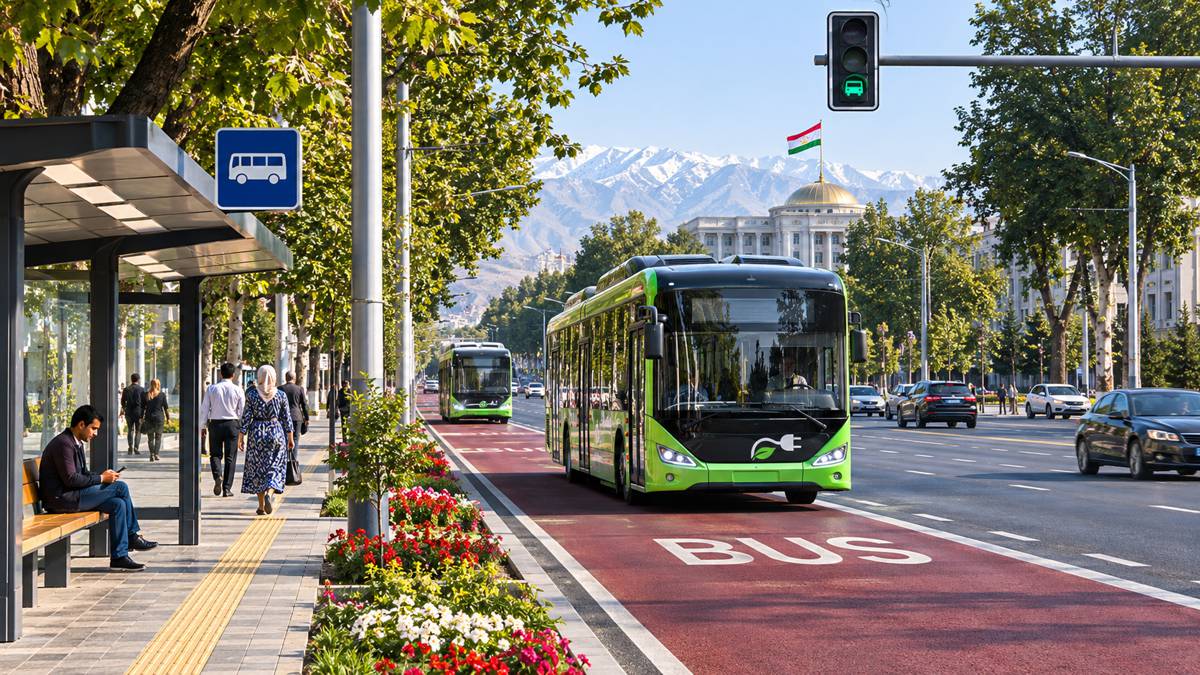
- Dushanbe will pilot a seven-kilometre electric bus priority corridor along Somoni Avenue.
- The pilot includes a dedicated bus lane, traffic signal priority and pedestrian safety improvements.
- Further road, border crossing and logistics projects will be prepared between 2027 and 2030.
Preparing Infrastructure for Investment
The Tajikistan Transport Sector Project Preparation Facility will address the preparatory stages of infrastructure development, including feasibility studies, detailed engineering, environmental and social safeguards, and the evaluation of emerging technologies. Funding includes a US$5 million grant from the Asian Development Fund, which provides financial assistance to some of the most economically vulnerable countries within the bank’s operating region.
Although preparatory activities typically represent a relatively small proportion of overall infrastructure expenditure, their quality can determine whether a project attracts financing, proceeds smoothly through procurement or encounters expensive design changes during construction. Inadequate ground investigations, unrealistic traffic forecasts and incomplete assessments of land requirements can undermine otherwise viable investments long before contractors mobilise.
“Safe, reliable, and accessible transport connects people to jobs, markets, and essential services,” said ADB Country Director for Tajikistan Ko Sakamoto. “Through this facility, ADB is helping Tajikistan develop better transport projects that can improve mobility and support sustainable economic growth.”
The facility will also support the testing of new technologies and operating models under local conditions. Establishing their suitability through demonstration projects gives transport authorities an opportunity to assess equipment performance, maintenance requirements and institutional capabilities before incorporating them into larger investment programmes.
Dushanbe’s Electric Bus Corridor
The first activity supported by the grant will prepare the Dushanbe EcoMobility Project, including detailed engineering design and a demonstration corridor extending approximately seven kilometres along Somoni Avenue. Implementation will be undertaken by the Department of Transport under the Municipality of Dushanbe, with improvements concentrated on the existing urban road network.
According to ADB’s project documentation, the proposed interventions will largely remain within the existing carriageway and public right-of-way. A dedicated bus lane will be complemented by upgraded bus stops, pedestrian safety measures and traffic signals configured to give buses priority at intersections. New electric buses will operate along the corridor, which will also accommodate other public bus services.
Electrifying a bus fleet can reduce roadside exhaust emissions and vehicle noise, but it does little to resolve congestion without accompanying changes to street design and traffic management. Dedicated lanes and signal priority address these operational constraints by reducing the time buses spend competing with general traffic. Depending on the signal configuration, an approaching bus can receive an extended green phase or a shortened red phase, helping to improve journey times and timetable reliability.
Working within an established road corridor avoids many of the land acquisition and major civil engineering requirements associated with constructing new transport infrastructure, although intersection design, traffic management and pedestrian access will still require careful coordination. Effective enforcement will also be essential, particularly where parking or general traffic could obstruct the dedicated bus lane during busy periods.
Developing an Electric Public Transport Network
The wider Dushanbe EcoMobility Project, which remains at the proposed investment stage, is listed by ADB with US$30 million in concessional lending. Its indicative scope extends beyond the initial demonstration corridor to include battery-electric buses, charging infrastructure, improved cycling and pedestrian facilities, parking management and institutional development.
These components introduce a broader set of engineering and operational requirements. Charging facilities must be designed around vehicle duty cycles, electrical distribution capacity and fleet availability, while maintenance workshops require suitable equipment and personnel trained to work safely with high-voltage vehicle systems.
Passenger demand, route characteristics and seasonal operating conditions will influence vehicle selection and battery requirements. Heating and air conditioning loads must also be considered when estimating practical driving ranges, particularly where vehicles operate for extended periods between charging opportunities. Experience gained from the Somoni Avenue corridor could help the municipality refine these requirements as the wider investment programme develops.
The proposed US$30 million EcoMobility investment remains separate from the approved US$20 million project preparation facility, with larger construction and equipment contracts dependent on subsequent financing and procurement decisions.
Roads, Border Crossings and Regional Logistics
Between 2027 and 2030, the preparation facility will extend beyond Dushanbe’s urban transport network to support other national infrastructure priorities. Potential investments include highways, border crossings and logistics facilities, all of which play an important role in the economy of landlocked Tajikistan.
The country’s mountainous terrain presents persistent engineering challenges, with steep slopes, difficult geological conditions and exposure to natural hazards complicating road construction and maintenance. International freight movements also depend on the reliability of neighbouring transport networks and the efficiency of border crossing procedures, creating a combination of physical and operational constraints.
ADB has previously supported several major road improvement programmes in Tajikistan, including connections between Dushanbe and Bokhtar, Dushanbe and Tursunzade, and the Obigarm–Nurobod highway. These investments form part of a wider regional effort to strengthen transport connectivity through the Central Asia Regional Economic Cooperation Programme.
Modernising border crossings and logistics facilities requires coordination between highway engineers, customs authorities, freight operators and other public agencies. Additional road capacity can improve access to a crossing, but lengthy inspections, inadequate freight handling facilities and inefficient documentation procedures may continue to restrict throughput. Early-stage assessments can establish where physical infrastructure improvements need to be accompanied by changes to operating procedures.
Climate resilience will also feature in future engineering designs, particularly where roads are exposed to flooding, landslides and rockfalls. ADB has already incorporated related objectives into its Green Corridor Demonstration Project, which includes upgrading the Dangara–Guliston road using a green road design framework alongside demonstration electric vehicle charging facilities.
Engineering and Procurement Opportunities
The immediate commercial opportunities arising from the preparation facility are expected to be concentrated in engineering consultancy, feasibility studies, transport planning, environmental assessments and technical advisory services. As individual projects develop, demand may extend to geotechnical investigations, surveying, highway design, electrical infrastructure and specialist transport engineering.
Dushanbe’s demonstration corridor could generate procurement opportunities for electric buses, traffic signal control systems, road marking equipment, accessible bus stop infrastructure and associated installation services. The wider EcoMobility programme would introduce additional requirements for charging infrastructure, electrical distribution and fleet maintenance equipment, subject to its eventual approval.
International companies considering the Tajik market can follow project development and tender announcements through ADB’s Business Opportunities portal. Monitoring projects during their preparation stages provides an opportunity to understand emerging technical requirements, local operating conditions and the maintenance capabilities that will influence equipment specifications.
Building Tajikistan’s Transport Investment Pipeline
The new financing facility places considerable emphasis on the engineering and institutional work undertaken before infrastructure reaches the construction stage. Its effectiveness will depend on whether completed studies translate into technically sound investments that secure financing, attract qualified contractors and provide transport services that can be sustained over their operational lives.
Dushanbe’s bus priority corridor offers a practical starting point, combining changes to an existing road network with the introduction of electric public transport. The subsequent preparation of highways, border crossings and logistics facilities will extend that approach across the national transport network, helping Tajikistan develop infrastructure projects around established needs rather than allowing available financing to dictate investment priorities.
Key Industry Questions
- What is the difference between project preparation finance and construction finance? Project preparation finance supports feasibility studies, engineering designs, environmental assessments and other activities required to establish project viability. Construction finance supports the subsequent delivery of approved infrastructure and equipment.
- How much funding has ADB approved for Tajikistan’s transport preparation facility? The facility provides up to US$20 million in concessional financing, including a US$5 million grant from the Asian Development Fund.
- Where will Dushanbe’s electric bus corridor be located? The demonstration corridor will extend approximately seven kilometres along Somoni Avenue, incorporating a dedicated bus lane, upgraded bus stops and pedestrian safety improvements.
- How does traffic signal priority improve bus operations? Traffic signal priority can reduce intersection delays by adjusting signal phases to accommodate approaching buses, helping improve journey times, timetable reliability and vehicle utilisation.
- Will conventional buses be allowed to use the dedicated corridor? Yes. The corridor will accommodate other public buses alongside the new electric vehicles, extending its operational benefits to existing public transport services.
- What infrastructure is required to support an electric bus fleet? Electric bus operations typically require charging facilities, sufficient electrical distribution capacity, specialist maintenance equipment, trained technicians and fleet management arrangements suited to vehicle operating ranges and charging schedules.
- What other transport projects will benefit from the preparation facility? Between 2027 and 2030, the facility is expected to support the preparation of priority road, border crossing and logistics infrastructure projects.
- How can international companies identify future procurement opportunities? Engineering consultancies, contractors and equipment suppliers can monitor ADB project documentation, procurement plans and business opportunity announcements as individual projects progress through preparation and approval.
Strategic Takeaways
- Project preparation finance can improve infrastructure investment readiness before major construction funding is committed.
- Electric bus procurement should be coordinated with traffic management, charging infrastructure and maintenance capacity.
- Existing urban road corridors can provide a practical environment for testing public transport improvements without extensive land acquisition.
- Border crossing investment must address customs procedures and freight handling alongside physical road capacity.
- Engineering consultancies can enter emerging infrastructure markets well before major construction and equipment tenders are issued.