From Invention to Industry: Turning a Good Idea into a Sustainable Business
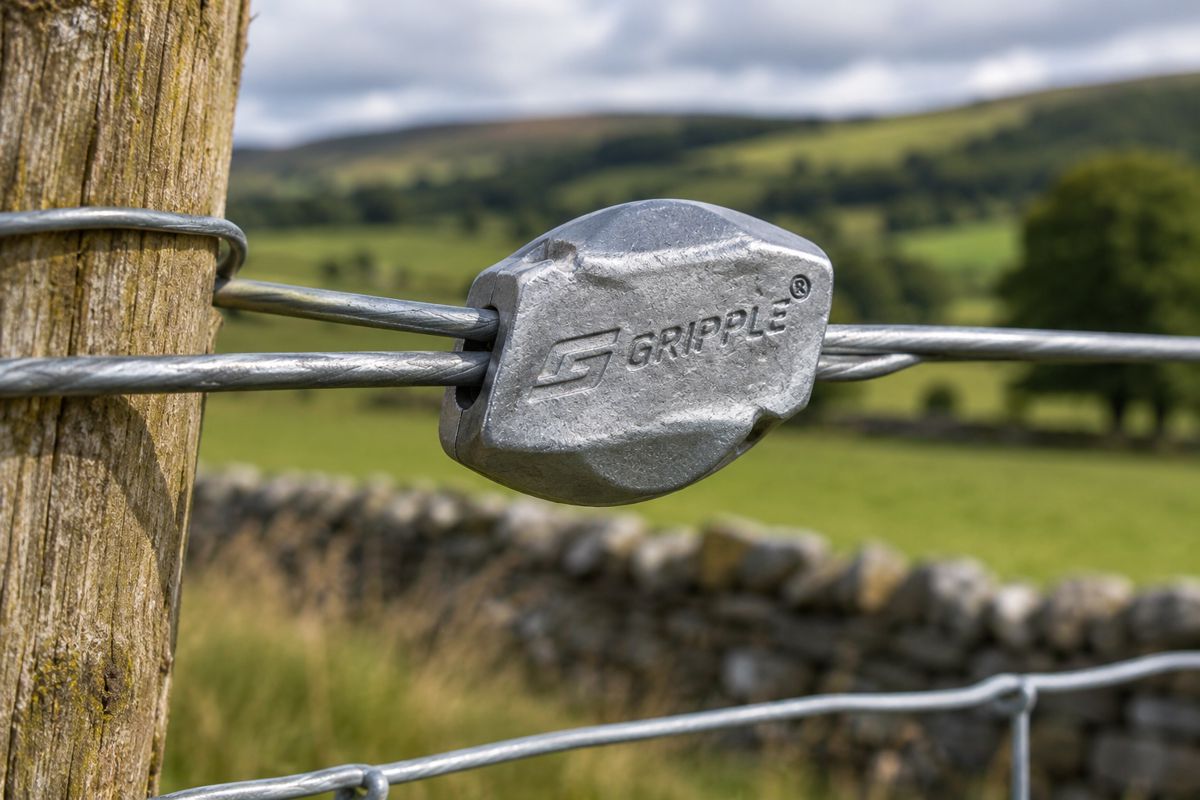
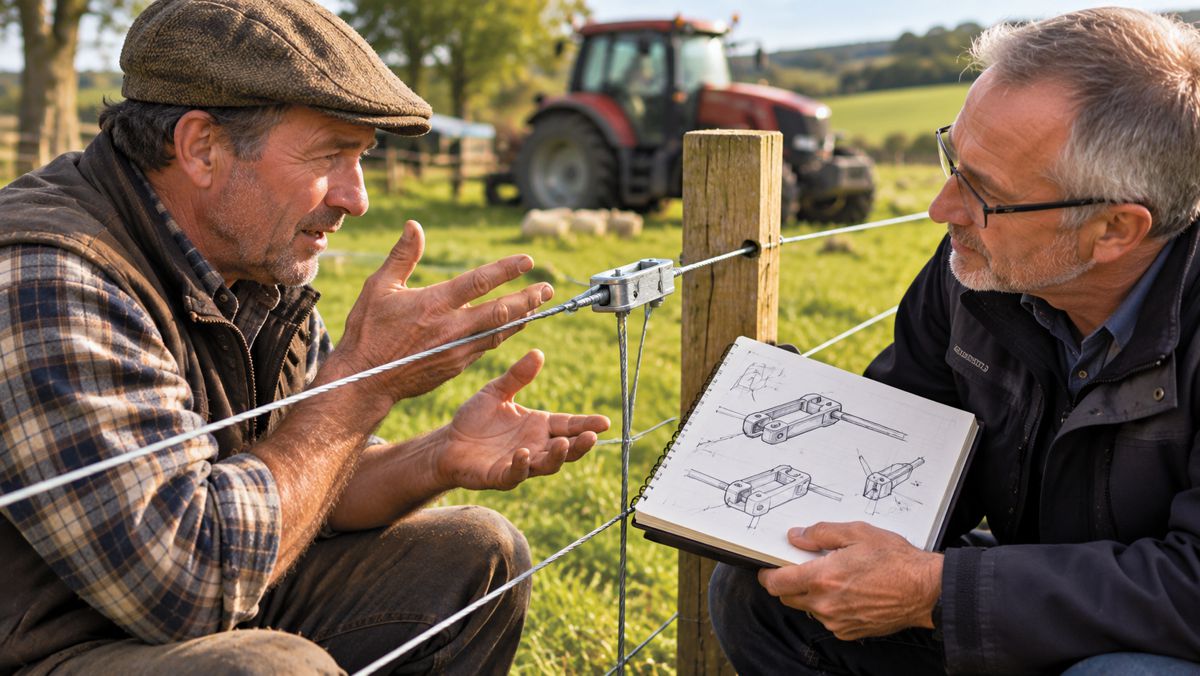
In 1985, Sheffield entrepreneur Hugh Facey found himself discussing a familiar agricultural problem with a frustrated farmer on a wet hillside in Wales. Joining and tensioning fence wire was awkward, labour-intensive work, requiring bending, knotting and considerable physical effort. Facey, who had established a fencing manufacturing business called Estate Wire, wondered whether a small mechanical fastener could make the job easier.
The idea took several years to develop. Early prototypes used spring-loaded steel balls to grip the wire, with Cheshire Engineering in Knutsford helping to produce a possible manufacturing design. The engineers encountered problems with the housing material and the way the gripping mechanism behaved under load. A two-piece die-cast design proved too brittle, requiring further modifications before the first commercial Gripple wire joiner emerged in September 1988.
The company’s history records how development continued after launch. By 1990, the original smooth steel balls were being replaced with toothed sintered rollers to improve grip on high-tensile galvanised wire, while changes to the housing improved strength and manufacturing consistency.
The mechanism allowed wires to be joined and tensioned without conventional knots, but developing a successful business required manufacturing investment, reliable production methods, customer acceptance and access to markets beyond the original agricultural application. In 1992, Facey took a decisive commercial step when Estate Wire was sold to Trefil Arbed of Luxembourg, with the proceeds invested in further development of the Gripple range. The company concentrated on its fastening technology, expanding from a domestic supplier into international markets.
By May 2023, Gripple had manufactured its billionth wire joiner, with applications extending into construction, building services, civil engineering and infrastructure. Its history also included unsuccessful products, abandoned approaches and changes in commercial direction, all of which contributed to the development of a business considerably more complex than the original invention.
Developing a working invention requires ingenuity and engineering knowledge, while turning it into something customers can purchase and use reliably calls for manufacturing capability, commercial judgement, finance and an understanding of how markets operate. An equipment attachment, specialist tool, improved material or digital application may already have demonstrated its usefulness, but its creator must then decide whether to manufacture it, license it, sell the intellectual property, establish a business or find another way to make the technology available.
Briefing
- Gripple developed from a practical wire-joining invention into an international manufacturer, using the sale of its original fencing business to finance further development.
- Inventors can reach markets through manufacturing, licensing, partnerships, intellectual property sales and specialist services.
- Product costs, pricing, working capital, distribution and customer support are central to sustainable commercialisation.
- Unpatented inventions and conditional patent pledges can encourage wider technology adoption, but offer different rights and commercial incentives.
- Katerra’s 2021 bankruptcy demonstrates how substantial investment and technical ambition can fail to overcome operational difficulties and customer resistance.
Understanding Commercial Demand
A promising invention can attract considerable attention without generating meaningful sales. Contractors may congratulate its creator on an ingenious design, manufacturers may request demonstrations, and investors may express enthusiasm for the underlying technology. Commercial viability depends on whether customers have a sufficiently important problem, recognise the proposed solution as useful and are prepared to pay a price that supports its continued production.
These conditions can be difficult to align in construction because the person who benefits from an innovation may have little influence over purchasing decisions, while the organisation responsible for paying may not receive the most obvious advantages. A tool that reduces the physical effort required to install a component might immediately appeal to the workers using it, but purchasing authority could sit with a subcontractor, project manager or central equipment department. Each may assess the product using different criteria, from initial cost and durability to installation time, training requirements and compatibility with existing equipment.
An inventor must also establish how frequently the problem occurs, how many customers experience it and whether existing alternatives provide an acceptable solution. A component that saves several minutes during an installation performed thousands of times could be commercially attractive, while the same improvement on an occasional activity may struggle to justify its purchase price.
Gripple’s original fastener addressed a repetitive physical task with a relatively straightforward mechanical solution. Its expansion into building services and infrastructure opened additional markets, although its products were not necessarily the cheapest available.
A Design Council study Leading Business by Design, reported that Gripple products cost approximately 25% to 30% more than traditional alternatives at the time of the research. Customers nevertheless accepted the premium because of higher performance, installation time savings, safety improvements and service quality. A relatively expensive component can produce a lower overall installation cost when labour, equipment requirements and operational performance are taken into account.
Licensing, Ownership and Commercial Partnerships
Entrepreneurial culture often presents founding a company, raising investment and pursuing rapid growth as the natural progression for a successful inventor. Many people who develop useful engineering solutions have neither the experience nor the desire to manage a manufacturing business.
An engineer who creates an effective machine attachment may be perfectly capable of designing, refining and demonstrating it. Establishing production facilities, negotiating supply contracts, employing sales representatives and organising international distribution could be considerably less appealing.
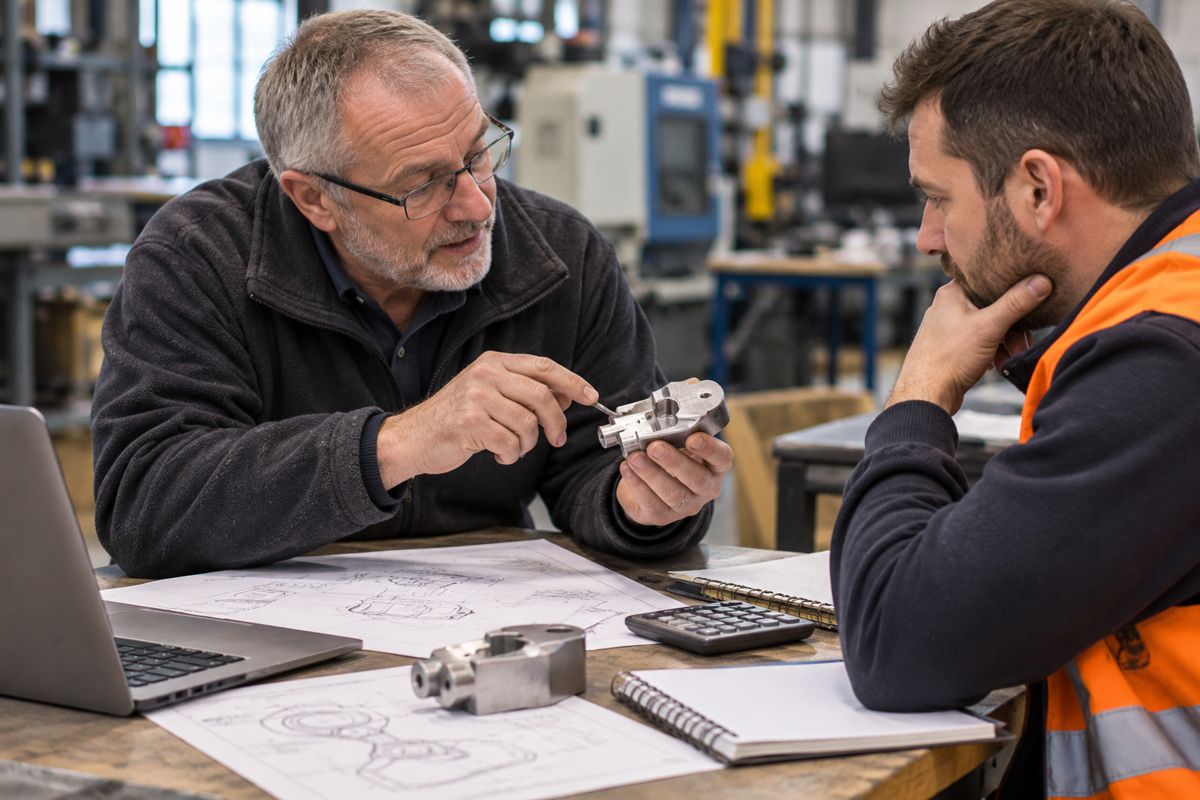
Licensing provides another route. The inventor retains ownership of specified intellectual property and grants an organisation permission to use it under agreed conditions. A manufacturer might obtain the right to produce and sell the invention in exchange for an upfront payment, continuing royalties or another commercial arrangement.
The World Intellectual Property Organization distinguishes licensing from assignment, through which ownership of intellectual property is transferred to another party. Both can be legitimate strategies, depending on the inventor’s ambitions, financial resources and the requirements of the technology.
A licensing partner may provide established production facilities, quality assurance systems, distribution networks and existing customer relationships. The inventor can concentrate on further development while the manufacturer undertakes operational responsibilities, although the arrangement creates dependence on another company’s commercial priorities. If that manufacturer fails to promote the product, encounters financial difficulties or concentrates on competing technologies, anticipated royalty income may never materialise. Agreements therefore need to consider performance obligations, commercial milestones and what happens if the partner makes insufficient progress.
Other inventors may prefer to retain control through small-scale manufacturing, outsourcing production while managing sales themselves. Digital innovations offer different possibilities, including software subscriptions, recurring licences and technical services. Improvements developed within an existing construction business may never need a separate commercial structure when their principal value comes from reducing costs or improving productivity.
Intellectual Property and Commercial Incentives
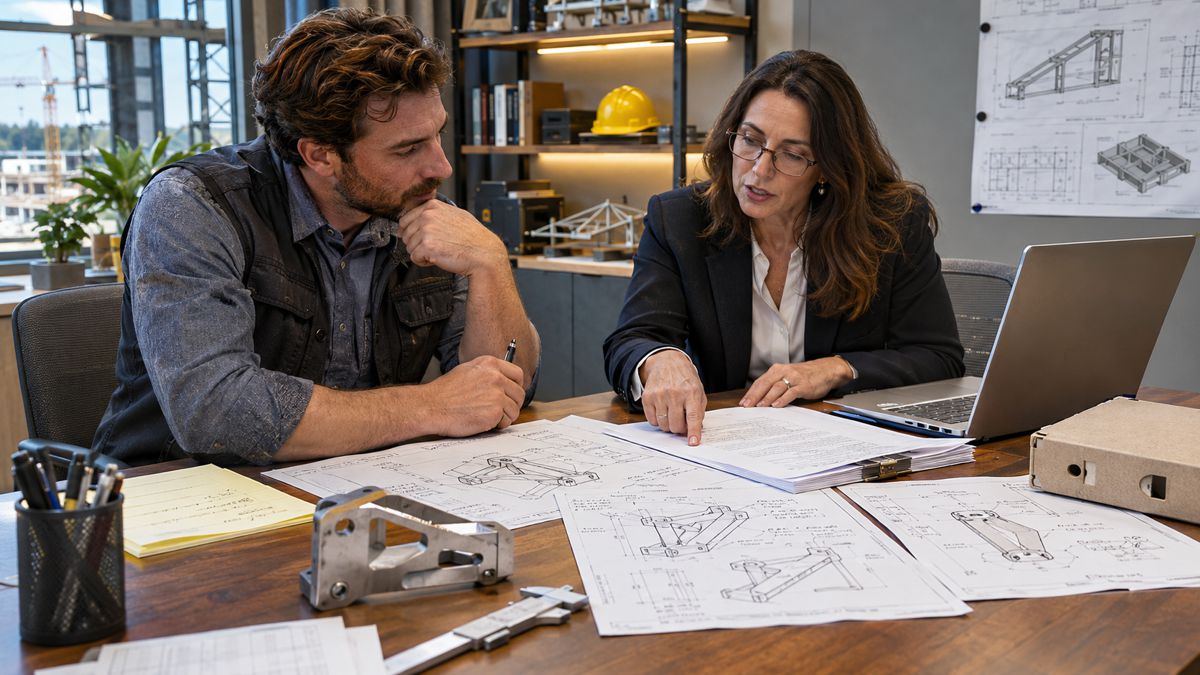
Once an invention attracts commercial interest, intellectual property becomes part of the negotiation. Patents can provide rights to prevent unauthorised exploitation of protected inventions within the territories where those rights apply. Registered designs may protect aspects of a product’s appearance, trademarks distinguish its commercial identity, and copyright can protect original software code, drawings and other qualifying works.
Trade secrets may protect valuable information that remains confidential, including manufacturing methods, specialist knowledge and technical details that competitors would struggle to reproduce independently. These forms of protection serve different purposes, and owning a patent does not guarantee customers, establish product safety or demonstrate that a manufacturer is free to produce the invention without infringing other rights.
Licensing negotiations require careful consideration of what is being granted. A manufacturer may want exclusive rights, but exclusivity can be restricted by territory, application, duration or product category. An inventor developing a fastening mechanism suitable for construction equipment and agricultural machinery might license one application to a specialist manufacturer while retaining rights in other sectors.
A worldwide exclusive agreement could prevent those additional opportunities unless suitable provisions are included. The financial terms require equal attention, particularly where royalties are based on sales revenue, units sold or another agreed measure. Deductions, reporting requirements, minimum payments and the definition of a qualifying sale can substantially influence the income an inventor receives.
Manufacturers investing in tooling, development and market entry may reasonably expect some protection from immediate competition. Inventors have an equally legitimate interest in ensuring that valuable rights are not tied indefinitely to a partner that makes little effort to commercialise the technology. Professional advice is advisable when negotiating significant intellectual property rights or financial commitments.
Manufacturing and Product Economics
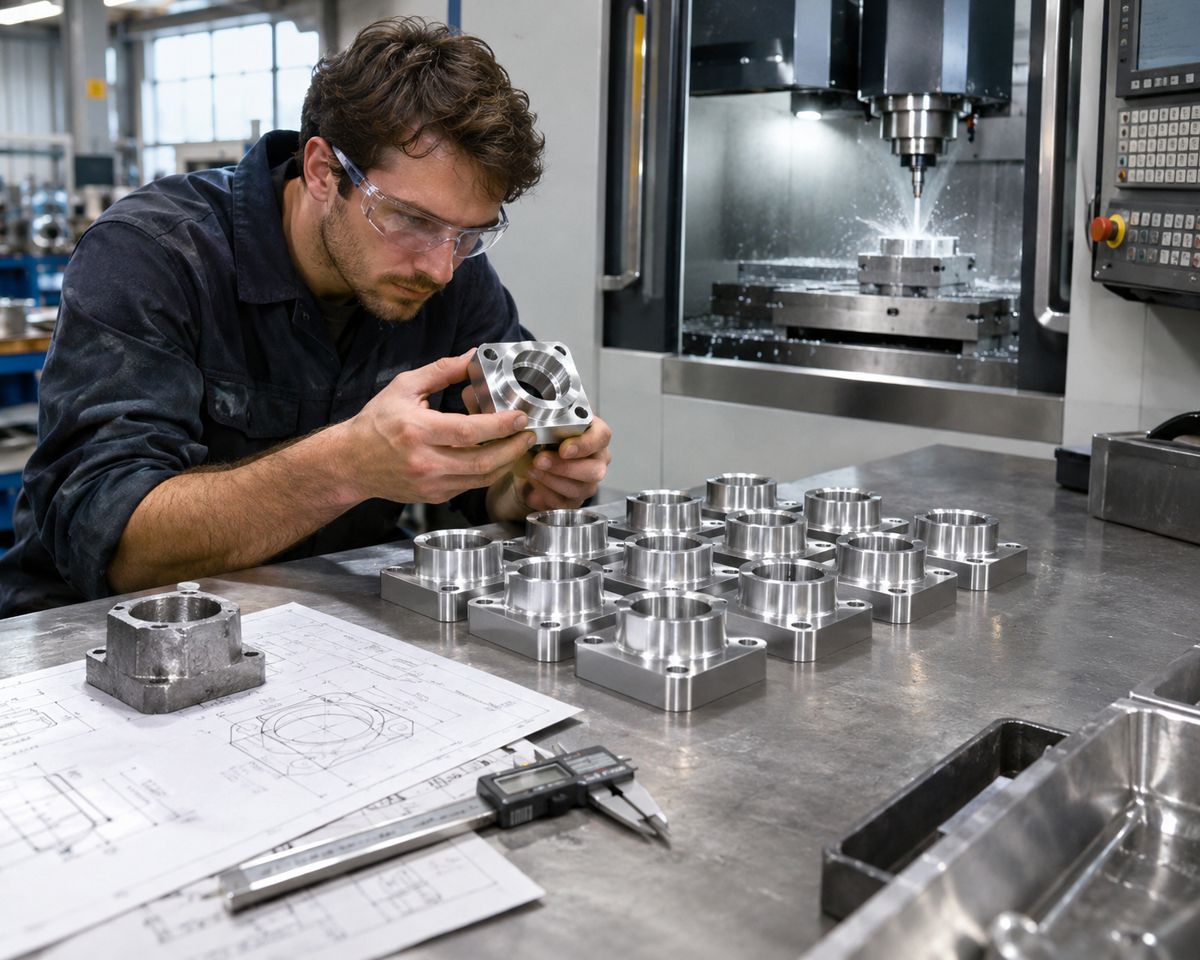
A workshop prototype can demonstrate an invention’s operating principle, but commercial production introduces requirements that may never arise during experimental development. A component machined individually by its inventor might operate perfectly after careful adjustment, while producing thousands of identical components at an acceptable cost, with consistent quality and without specialist intervention, is a separate engineering challenge.
Material specifications, manufacturing tolerances, assembly sequences and inspection procedures must be established. Suppliers need reliable drawings and documentation, while finished products must tolerate the conditions encountered during transport, installation and operation.
Construction equipment creates particularly demanding requirements. Components may experience vibration, contamination, temperature extremes, impact loading and prolonged exposure to water, dust or corrosive materials. Inventors must also consider how products will be repaired, what happens when components wear out and whether replacement parts can be obtained without excessive delays.
Even established engineering businesses sometimes need outside expertise to resolve these problems. In an October 2025 retrospective, Stephen Potter of The Open University recalled visiting Gripple’s factory in 1988 while working on a Design Innovation Group project examining the commercial impact of design consultancy support.
Gripple had received a grant enabling it to employ a design consultant to improve the product. At the time, the business was a relatively small fencing manufacturer, and the wire joiner was still regarded as a supplementary product rather than the foundation of an international enterprise.
Production decisions also influence commercial economics. Injection moulding may provide low unit costs at high volumes but require expensive tooling, while CNC machining can be suitable for specialist components produced in smaller quantities. Additive manufacturing may suit customised products or limited production runs, although conventional casting, fabrication or moulding can be more economical for standardised products.
Outsourcing production can reduce capital requirements but introduces responsibilities for supplier quality, delivery performance, technical confidentiality and continuity. A low factory quotation offers little advantage if components require extensive reworking, fail inspection or arrive too late to fulfil customer orders.
Pricing and Working Capital
Pricing can be unfamiliar territory for technically minded inventors. A product costing £20 to manufacture cannot necessarily be sold profitably for £30, because manufacturing represents only one component of the final cost. Packaging, transport, insurance, marketing, administration, warranty provisions, stock financing and distributor margins must also be considered.
Considerable expenditure may be required before the first commercial product is delivered. Tooling, technical documentation, independent testing, product certification where applicable, website development and initial stock consume capital without necessarily generating immediate revenue. Working capital becomes particularly challenging when manufacturers require advance payment while construction customers expect extended credit terms.
A business can appear profitable on paper yet struggle to meet its obligations because cash remains tied up in materials, finished stock and unpaid invoices. Expanding production before orders and payment arrangements are sufficiently established can increase that exposure.
The value delivered to customers may bear little relationship to manufacturing expenditure. A small attachment that prevents damage to expensive machinery, reduces installation time or avoids repeated lifting operations could justify a selling price substantially higher than its material cost.
Such benefits need credible evidence. If a manufacturer claims an invention saves 30 minutes per installation, the calculation should reflect realistic operating conditions. Labour rates, site organisation, training and frequency of use may vary considerably, making transparent performance comparisons valuable when customers assess the likely return. A sustainable business needs sufficient revenue to maintain product quality and customer support while ensuring that purchasers receive a worthwhile operational benefit.
Commercialising a Construction Safety Invention
A different approach to commercialisation emerged from American research into the physical demands of overhead drilling.
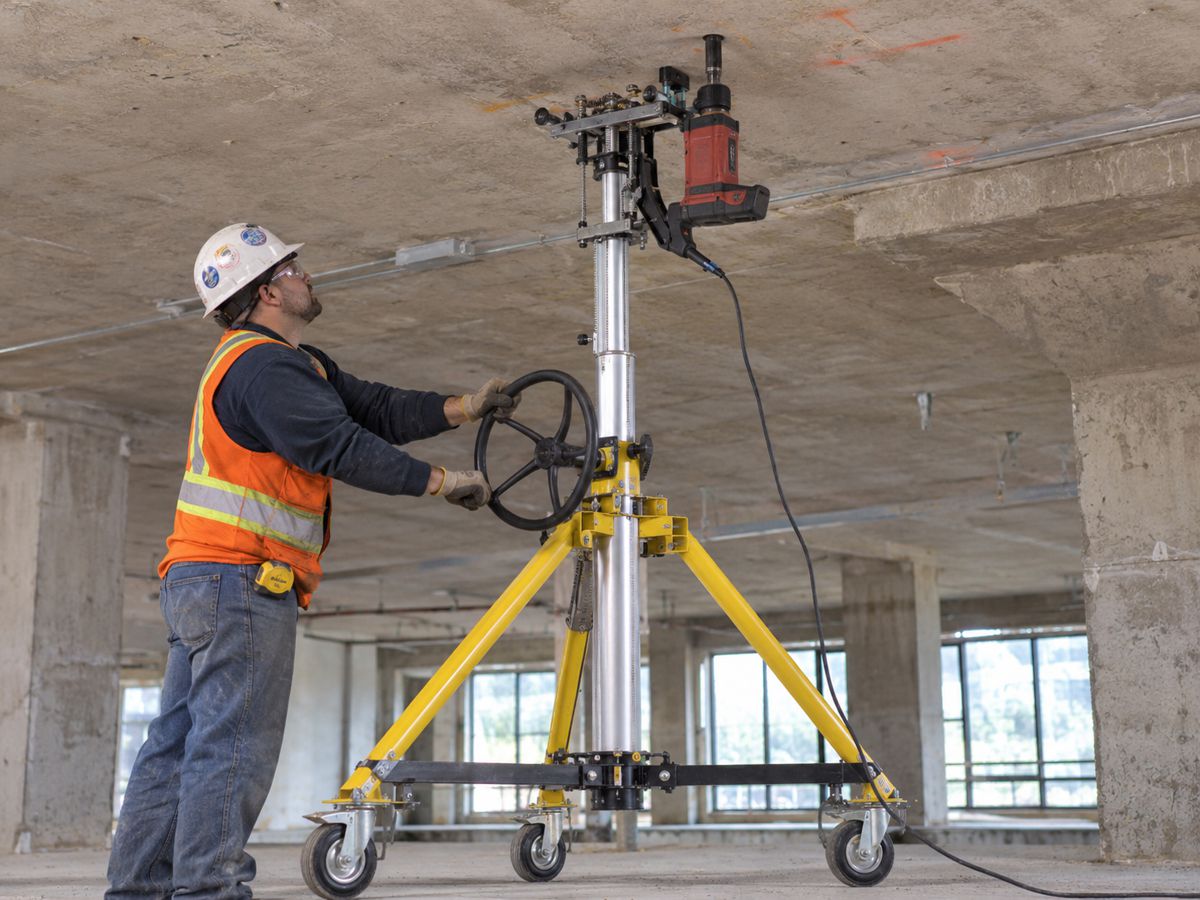
Researchers led by David Rempel at the University of California developed an inverted drill press designed to reduce the strain associated with drilling overhead. The equipment used a wheeled tripod, telescoping column and hand-operated mechanism to support and raise the drill, allowing workers to complete the task with considerably less physical effort.
An Engineering News-Record report published in April 2010 described tests in which conventional overhead hand drilling required approximately 55 lb of upward force, compared with 5.8 lb using the press, a reduction of approximately 89.5%. The device had been developed with input from construction workers and contractors, including San Francisco electrical contractor Cupertino Electric, which built several units for its crews.
The development was subsequently examined in a 2014 technology-transfer case study by CPWR, The Center for Construction Research and Training. The researchers produced four successive prototypes, incorporating feedback from workers and contractors while measuring physical demands, usability and potential safety improvements. Their intention was to make the invention commercially available rather than establish a manufacturing business themselves.
Following discussions with their university’s technology-transfer office, the researchers decided against seeking patent protection for the original invention. This left the design available for others to manufacture without requiring a conventional patent licence, but the decision also had commercial consequences.
Although several large manufacturers expressed interest, none initially agreed to produce and market the tool. CPWR identified three significant weaknesses in the business case: inadequate information about the potential customer base, uncertainty over market size and the absence of patent protection against copying. A prolonged downturn in construction equipment demand made the proposal still less attractive.
The same openness that allowed others to manufacture the invention reduced the prospect of commercial exclusivity for a company investing in production, distribution and marketing. The researchers continued approaching smaller manufacturers and promoting the device directly to potential users through demonstrations at conferences and trade exhibitions. They shared technical information through websites and trade publications, while an equipment loan programme allowed contractors to evaluate the invention with their own workers.
These efforts gradually generated interest and evidence of demand. By the end of the research project, two major contractors had developed versions for their own operations, while a smaller manufacturer subsequently adapted the design and made a commercial version available.
The manufacturer established its own product identity and incorporated an additional potentially patentable feature, without preventing others from producing the original researchers’ design. The research achieved its principal objective of making the technology available to construction workers, although the route proved more complicated than anticipated.
Commercial interest depended on evidence of customer demand, access to buyers and the possibility of protecting the investment required to establish production. The absence of patent exclusivity encouraged openness but complicated the business case for manufacturers expected to finance further development and distribution.
Tesla’s Patent Pledge
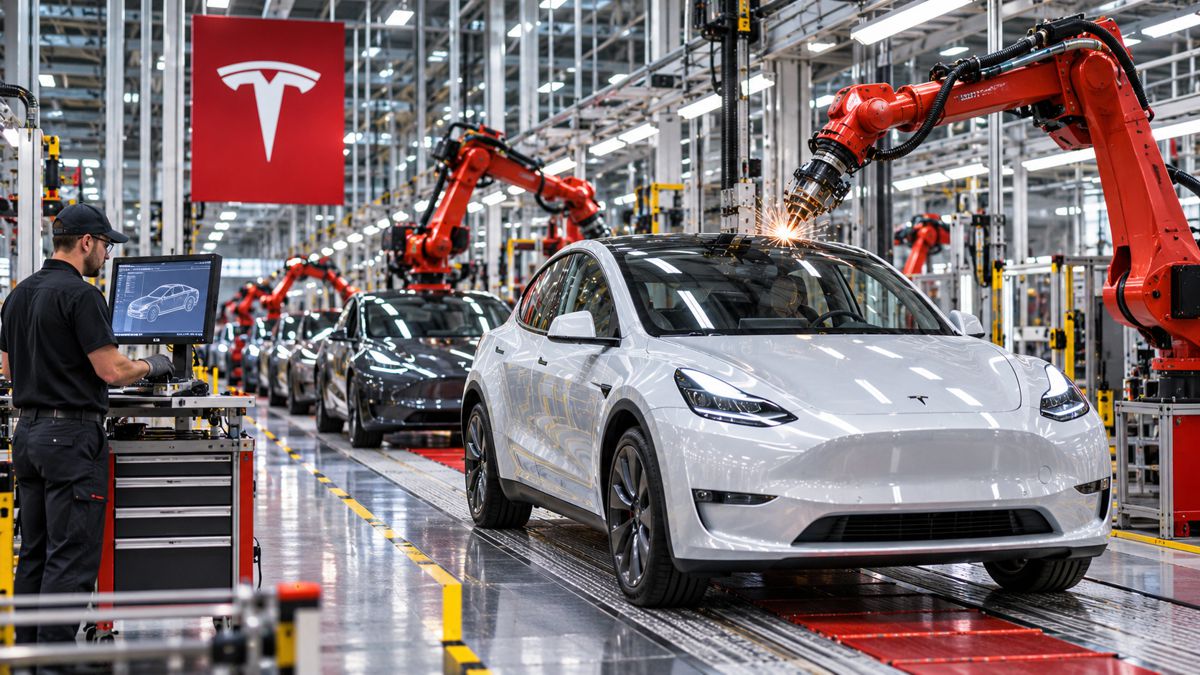
Another approach to encouraging wider use of protected technology emerged in June 2014, when electric vehicle manufacturer Tesla announced that it would not initiate patent infringement lawsuits against companies using its technology in good faith.
Tesla retained ownership of its patents and established conditions governing the pledge. Under its published patent policy, qualifying users must refrain from specified intellectual property actions against Tesla and related parties, avoid challenging Tesla’s patents and refrain from marketing knock-off products that copy Tesla designs or imply Tesla endorsement.
The company described the policy as a means of encouraging wider electric vehicle development, with greater industry participation potentially benefiting battery technology, charging infrastructure and the associated supply chain.
Unlike the unpatented construction safety invention, Tesla retained its intellectual property rights while offering conditional protection against enforcement. The arrangement did not place its patents unconditionally in the public domain, nor did it amount to a conventional unrestricted patent licence.
The strategy reflected a different commercial objective. Wider adoption of electric vehicle technology could encourage investment in related industries and expand the market in which Tesla operated, although the effects of the pledge cannot easily be separated from other developments in electric vehicle manufacturing and policy.
Construction technology developers face comparable choices when inventions depend on compatible components, shared technical standards or adoption by multiple equipment manufacturers. The balance between openness and exclusivity depends on the technology, the business model and the investment needed to support it.
Marketing, Distribution and Customer Support
Many inventors find it easier to explain the mechanisms inside their products than the reasons customers should purchase them. Engineering presentations may devote considerable attention to materials, specifications and mechanical arrangements while giving relatively little space to the original problem and measurable improvement achieved.
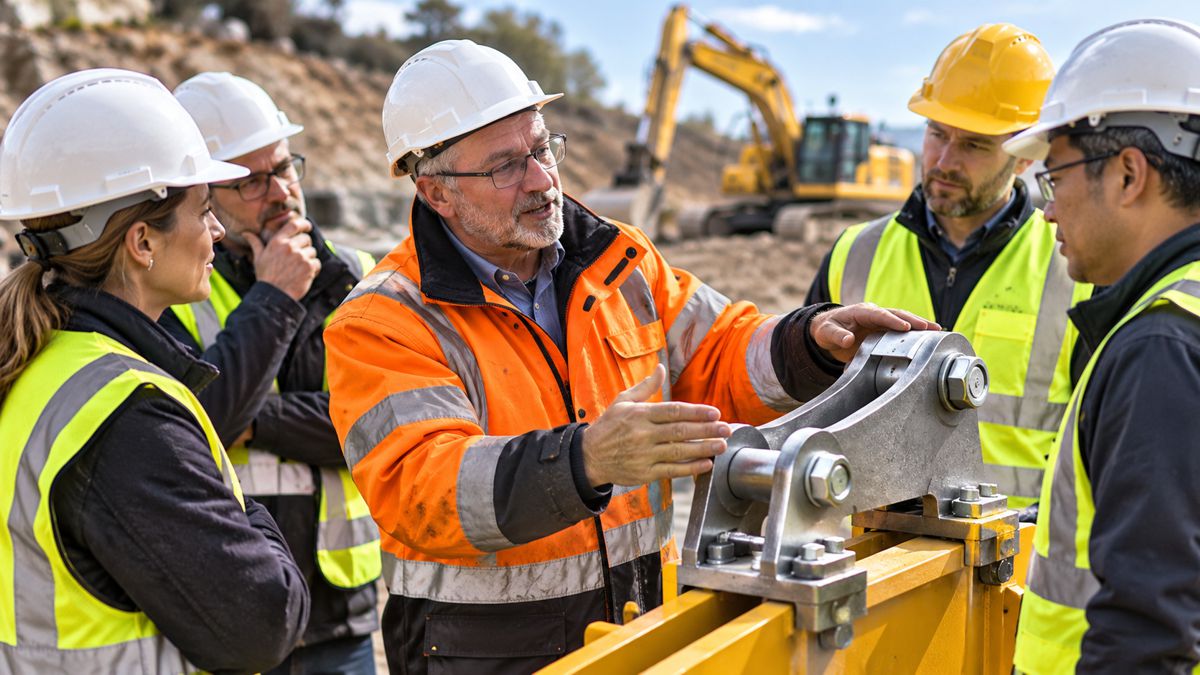
Prospective customers need sufficient technical detail to establish credibility, but their interest is normally driven by practical requirements. A contractor may want to know how much installation time a component saves, whether it works with existing equipment and how reliably it performs under demanding conditions. A machinery manufacturer may focus on integration and warranty exposure, while a distributor will consider demand, availability and after-sales support.
Product demonstrations are particularly useful in construction because they allow prospective customers to observe performance rather than relying entirely on descriptions. Independent testing, documented user experience and credible performance comparisons can strengthen confidence, provided the results accurately reflect operating conditions.
Specialist trade publications, professional networks, exhibitions and technical conferences can help unfamiliar innovations reach potential customers. Videos, technical diagrams and product documentation can continue explaining the technology long after an initial demonstration, while early customers may provide valuable evidence of how the invention performs in daily use.
Marketing requires restraint. Exaggerated productivity savings, unsupported environmental claims and announcements that confuse prototype trials with commercial deployment may generate attention temporarily but undermine credibility when buyers investigate further.
An initial order represents considerable progress, particularly when an established contractor agrees to adopt unfamiliar equipment. Early customers may nevertheless receive unusually close support from the inventor, accept unfinished features or tolerate difficulties because they understand the product’s development status. Subsequent buyers are more likely to expect a fully supported commercial product that performs without intervention from its creator.
Manufacturing, ordering, delivery, installation, training and technical support must become repeatable processes rather than individual arrangements negotiated for each customer. A contractor operating equipment hundreds of kilometres away cannot necessarily wait for the inventor to visit and diagnose a minor problem.
Distributors may require spare parts, service instructions and technical training before agreeing to carry a product, while international sales introduce additional requirements involving documentation, logistics, regulations and local customer expectations.
A smaller group of well-supported customers may provide a stronger foundation for a specialist engineering product than rapid expansion into unfamiliar markets. Repeat orders, reliability in service and customer recommendations offer more convincing evidence of sustainable demand than the publicity surrounding an initial launch.
The Risks of Rapid Growth
Construction has attracted substantial investment in emerging technology, although technical ambition and financial backing have not always produced sustainable businesses.
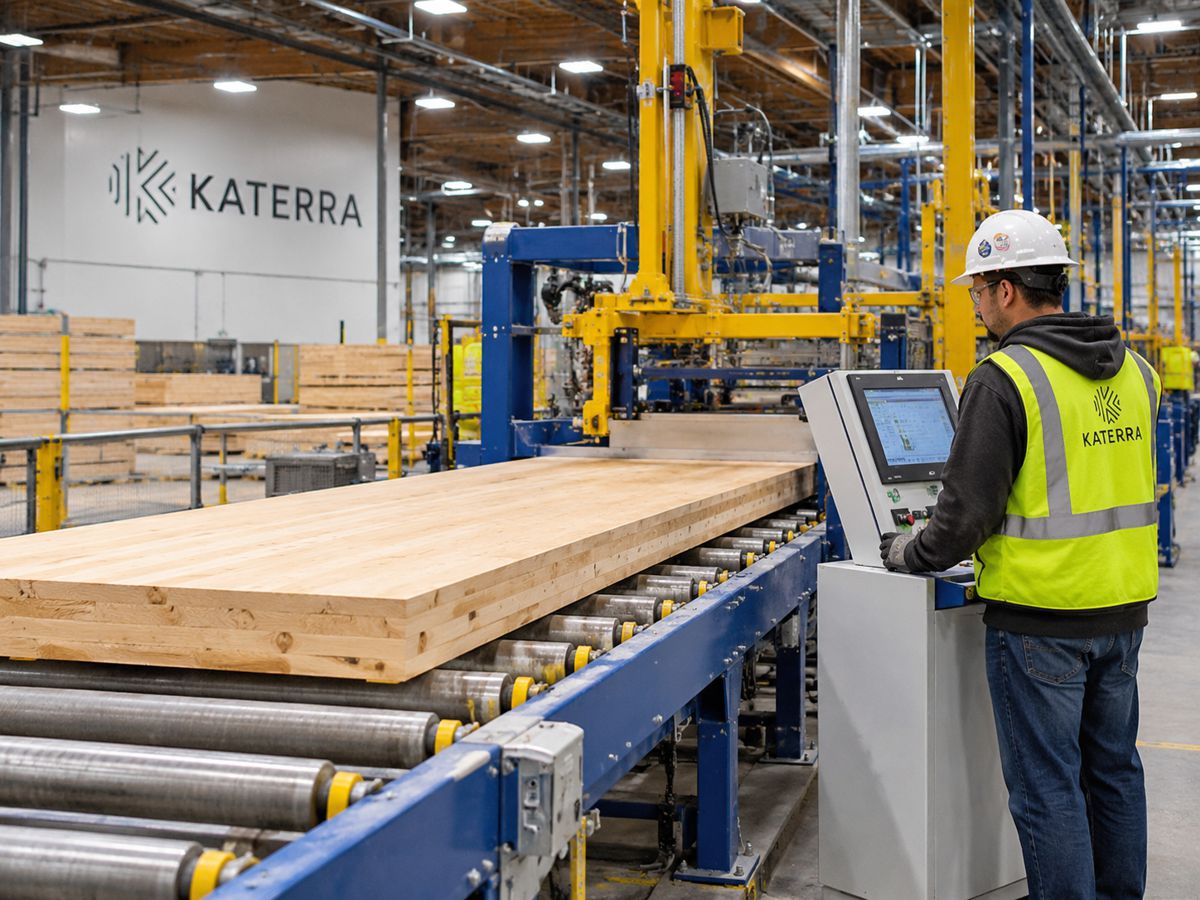
Katerra was established in the United States in 2015 with a plan to industrialise building delivery. The company sought to integrate design, engineering, manufacturing and construction within a single organisation, using factory production and standardised components to improve efficiency.
The concept attracted considerable funding, particularly from SoftBank. By January 2019, Katerra had reportedly achieved a valuation of approximately US$4 billion, but its expansion introduced operational complexity as the business attempted to control multiple stages of the construction supply chain.
Difficulties emerged before the COVID-19 pandemic. Layoffs, abandoned projects and the closure of its Phoenix modular construction facility exposed growing operational and financial pressures, which the pandemic subsequently compounded.
In June 2021, Katerra entered Chapter 11 bankruptcy proceedings after consuming more than US$2 billion of investor funding. A Construction Dive analysis examined the company’s difficulties, including its inability to convince sufficient numbers of developers and contractors to abandon established subcontractor relationships in favour of its integrated approach.
Katerra had invested heavily in creating a different construction delivery model, but the willingness of customers to change longstanding commercial arrangements remained an unresolved problem. Its collapse involved multiple financial and operational pressures rather than a single failed technology.
The bankruptcy does not establish that industrialised construction is fundamentally unworkable. Prefabrication, modular systems and factory-based production continue to have legitimate applications, but their success depends on production economics, reliable delivery and customer acceptance.
Independent inventors face similar questions on a smaller scale when investment encourages expansion faster than customer demand or internal capabilities justify. External funding can support product development, equipment purchases, recruitment and market expansion, but it may also introduce expectations about ownership, growth and financial returns that conflict with the founder’s original objectives.
Venture capital can be appropriate for businesses with substantial growth potential, while a specialist engineering product serving a relatively narrow market may be better suited to patient capital, commercial borrowing or growth funded through operating profits. A profitable company employing a small technical team is not inherently less successful than a highly valued start-up consuming substantial investment.
Adapting Products and Commercial Strategy
Commercialisation rarely follows a predictable path, even for companies that eventually achieve international success.
Gripple encountered a notable setback in 1996 when it launched its Gripple Rope Grip range, intended to provide a simpler alternative to conventional wire rope joining methods. The products offered technical advantages, but the distributor support the company had relied on dried up during the same year. By 1997, Gripple was describing the launch as a commercial disappointment, having developed a product without establishing sufficient demand.
During the same year, Gripple identified another opportunity in mechanical and electrical building services. Wire rope suspension systems using its fasteners offered an alternative to conventional threaded rod installations, reducing installation effort and providing lightweight, adjustable supports.
The company developed complete, ready-to-use kits rather than relying on customers to assemble individual components into working systems. In January 1998, it launched the Hang-Fast range, selling directly to contractors rather than depending on the distributor arrangements that had proved unreliable.
Gripple’s historical timeline records how the new range addressed contractors’ requirements for installation speed, adjustment, load ratings and ease of handling. The underlying fastening technology remained valuable, but a different application and approach to reaching customers proved more effective.
Businesses may eventually face further decisions about licensing, acquisition or ownership. Gripple developed an employee-ownership structure from the 1990s, formalised through the creation of GLIDE in 2011. Its historical timeline records achieving 100% employee ownership in 2013, although its GLIDE information page gives 1994 as the starting point for full employee ownership.
The company records that Hugh Facey and later Roger Hall donated personal shares as part of arrangements intended to preserve the business and its culture beyond their own involvement. Employee ownership will not suit every engineering company, but it offers an alternative to conventional acquisition or public flotation.
Some inventors may prefer to retain a modest specialist operation, while others may transfer intellectual property to a manufacturer with greater production and distribution resources. There are also circumstances in which continued development cannot be justified because a product proves too expensive to manufacture, attracts insufficient demand or encounters technical limitations that make deployment impractical.
Recognising those limits can be difficult after considerable personal investment. An unsuccessful commercial venture may still produce valuable knowledge, useful relationships and ideas with different applications, but continued expenditure needs evidence that the original opportunity remains worthwhile.
The Wider Value of Innovation
The commercial possibilities explored throughout this article represent only part of construction innovation. Many useful improvements never become separate products or independent businesses, emerging instead within contractors, engineering consultancies, equipment workshops and maintenance operations.
A revised installation sequence might reduce unnecessary lifting. A maintenance technician may devise a fixture that makes a difficult repair safer, while a surveyor could automate repetitive calculations or a site engineer improve a drainage detail to simplify construction and reduce material waste.
Some developments may deserve formal intellectual property protection, while others become established working procedures or are shared for wider benefit. Their value may be measured through fewer injuries, improved quality, reduced waste, lower costs or less frustrating working conditions.
Established companies benefit when practical experience is treated as a source of engineering improvement rather than simply a means of delivering existing specifications. Employees who understand how machinery performs under difficult conditions, or why a particular installation repeatedly causes problems, possess knowledge that may never appear in formal design documentation.
Making use of that experience requires opportunities for people to question existing methods, propose alternatives and participate in responsible experimentation. Construction will continue to depend on experienced engineers, competent tradespeople, established technical standards and proven practices, but those foundations provide a starting point for improvement rather than a reason to resist it.
Throughout Construction Innovation Month, the journey has moved from recognising everyday problems and developing early prototypes to securing industry support and understanding the commercial decisions that follow. The process can be complicated, expensive and occasionally disappointing, with progress often depending on collaboration between people who possess very different skills.
Not every idea will work, and not every invention will find a market. Some will be abandoned after careful investigation, while others may remain useful only in particular circumstances. A successful international manufacturer, a specialist engineering business, a technology licensed to another company and an improvement quietly adopted within a construction team can all represent worthwhile outcomes.
The next useful invention may already exist as an unfinished drawing, a workshop modification or an idea discussed between colleagues during a difficult installation. It may never attract investors, establish an international company or earn its creator widespread recognition, but it could still remove an unnecessary hazard, save hours of repetitive work or make a familiar construction process easier for everyone involved.
Key Industry Questions
- How can an inventor establish whether customers will pay for a new construction product? Early customer discussions, realistic performance demonstrations, competitor research and paid trials can help establish demand. Repeat orders and willingness to pay a sustainable price provide stronger evidence than expressions of interest alone.
- What is the difference between licensing and selling an invention? Licensing grants another organisation permission to use defined intellectual property while ownership normally remains with the licensor. Assignment transfers ownership of the specified rights, with the commercial consequences depending on the agreement and applicable law.
- Does an inventor need a patent before approaching a manufacturer? Not necessarily, but patentability, confidentiality, ownership and disclosure risks should be assessed before sharing commercially sensitive information. The appropriate approach depends on the invention and the jurisdictions involved.
- How are invention royalties calculated? Royalties may be based on defined sales revenue, units sold or other negotiated measures. Agreements should specify the calculation basis, permitted deductions, reporting obligations and relevant audit rights.
- Is independent manufacturing better than licensing? Independent manufacturing offers greater operational control but requires production, finance, quality assurance and customer support capabilities. Licensing can reduce those burdens while creating dependence on a commercial partner.
- Why do some successful construction prototypes fail commercially? Common difficulties include insufficient demand, excessive manufacturing costs, limited willingness to pay, distribution problems and difficulties achieving reliable production. Technical performance alone does not establish profitability.
- How should a small manufacturer price an innovative product? Pricing should account for total delivery costs, overheads, warranties, distribution margins and the value provided to customers. Realistic sales volumes and working capital requirements also influence viability.
- What evidence helps market an unfamiliar construction product? Relevant test results, credible demonstrations, documented customer experience and transparent performance comparisons can support purchasing decisions. Evidence should reflect realistic operating conditions.
- Does a construction innovation need external investment to succeed? No. Depending on the business model, companies may use retained profits, customer-funded development, loans, grants, licensing payments or strategic partnerships. External equity investment is one of several options.
- Can inventors make technology available without abandoning their patents? Yes. Patent owners may offer conventional licences, royalty-free arrangements or conditional non-enforcement pledges. These approaches involve different legal rights, restrictions and commercial incentives, and should not be confused with placing an invention in the public domain.
Strategic Takeaways
- Commercial demand needs independent validation. Positive feedback and successful trials are encouraging, but repeat purchasing behaviour provides stronger evidence of a sustainable market.
- The business model should suit the invention and its creator. Licensing, manufacturing, partnerships and specialist services offer different balances of control, responsibility and financial return.
- Intellectual property strategy influences commercial participation. Exclusive rights can encourage investment, while carefully structured access arrangements may support wider adoption and collaboration.
- Manufacturing economics extend far beyond component costs. Tooling, quality assurance, distribution, working capital, warranties and support can determine whether a useful invention becomes profitable.
- Innovation has value beyond company valuations. Improvements to safety, productivity, reliability and working conditions can benefit construction even when they never become independent commercial products.