






How Heavy Equipment Logistics Is Shaping the Next Generation of Data Centers
The rapid expansion of artificial intelligence, cloud computing, and digital services is driving demand for more data center infrastructure. Behind the servers and advanced computing systems, however, lies a construction challenge that receives far less attention: moving and installing the massive equipment these facilities require.
Modern data centers depend on complex electrical infrastructure, cooling systems, backup generators, and other heavy components. Transporting these systems from manufacturing facilities to their final installation points requires careful planning, specialized equipment, and coordination between multiple contractors.
As data center projects grow in scale and complexity, heavy equipment logistics is becoming an increasingly important part of construction planning.
Moving, positioning, and installing critical equipment efficiently can affect project schedules, construction costs, and operational readiness.
Heavy Equipment Logistics Is Becoming Essential to Data Center Construction
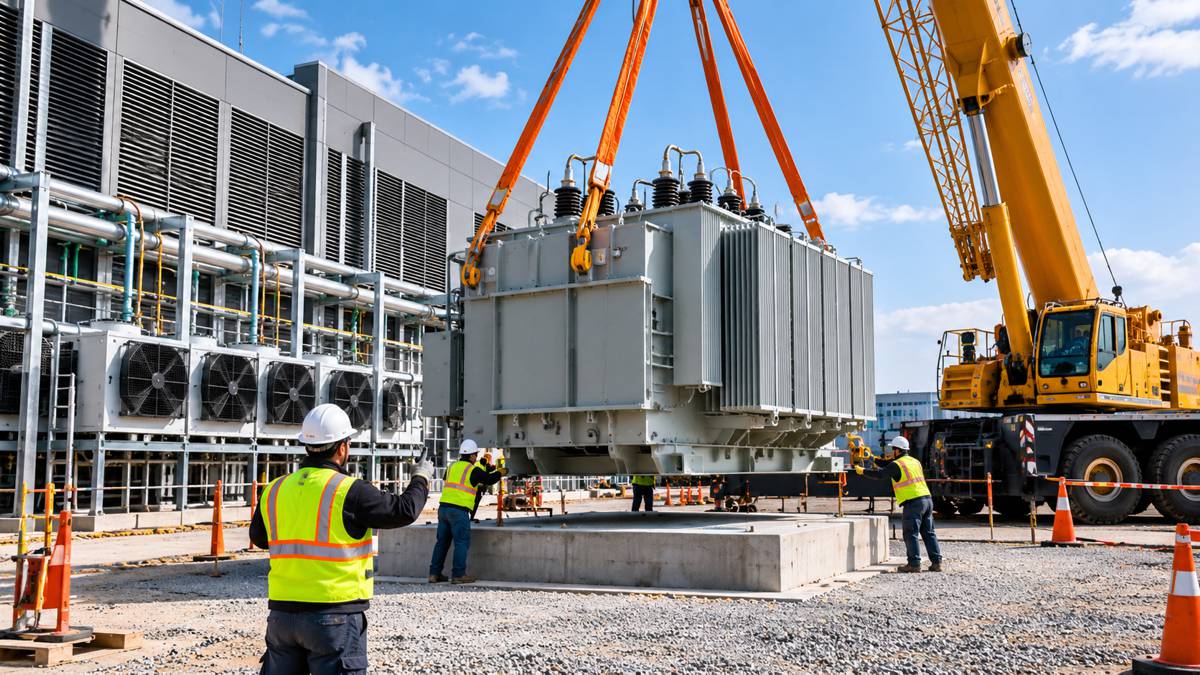
Unlike conventional commercial buildings, data centers require specialized mechanical and electrical infrastructure designed to support continuous operations. Large transformers, generators, cooling units, and electrical distribution equipment must often be transported through active construction sites before reaching their designated locations.
These movements can involve restricted access points, limited maneuvering space, and equipment that cannot be handled using conventional material-moving methods.
Specialized providers such as prolift rigging operate within this industrial logistics environment, where equipment transportation, lifting, and precision placement must be coordinated with broader construction activities. For contractors, the challenge extends beyond moving heavy objects.
Equipment dimensions, weight distribution, access restrictions, and installation sequences all influence how a component can be delivered and positioned.
A poorly planned movement can interrupt other construction activities, require additional equipment, or create unnecessary safety risks.
Integrating heavy equipment logistics into early project planning helps construction teams identify these challenges before critical equipment arrives on-site.
Infrastructure Growth Is Increasing Pressure on Construction Logistics
The growing demand for digital infrastructure is placing additional pressure on construction supply chains. Data center development depends on specialized electrical equipment, cooling technologies, construction materials, and skilled labor.
Many of these resources must be coordinated across manufacturers, transportation providers, contractors, and equipment installation teams.
The U.S. Department of Energy’s report on data center energy use highlights substantial growth in electricity demand tied to expanding data center infrastructure. This rising demand underscores the need to develop facilities that can support larger, more demanding computing workloads. However, constructing those facilities involves more than securing sufficient power.
Major equipment deliveries must align with construction milestones, site accessibility, and the availability of specialized handling resources.
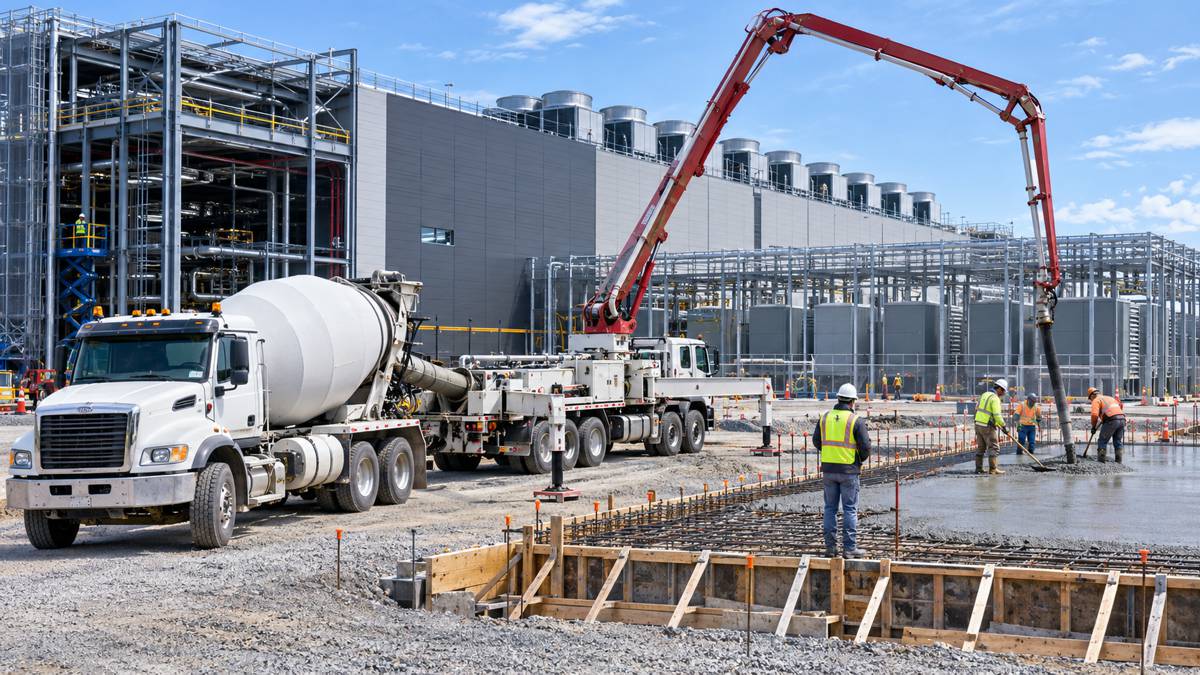
For example, a transformer arriving before its foundation is ready may require temporary storage or additional handling. Conversely, delayed equipment deliveries can prevent contractors from completing electrical installations or commissioning activities.
Coordinating these dependencies helps reduce avoidable disruptions and improves the predictability of construction schedules.
Precision Equipment Handling Supports Mission-Critical Infrastructure
Data centers rely on infrastructure that must operate reliably once facilities become operational. Electrical distribution systems, cooling equipment, and backup power components are essential to maintaining the conditions computing equipment requires.
Improper handling during transportation or installation can lead to equipment damage, alignment issues, or additional commissioning work.
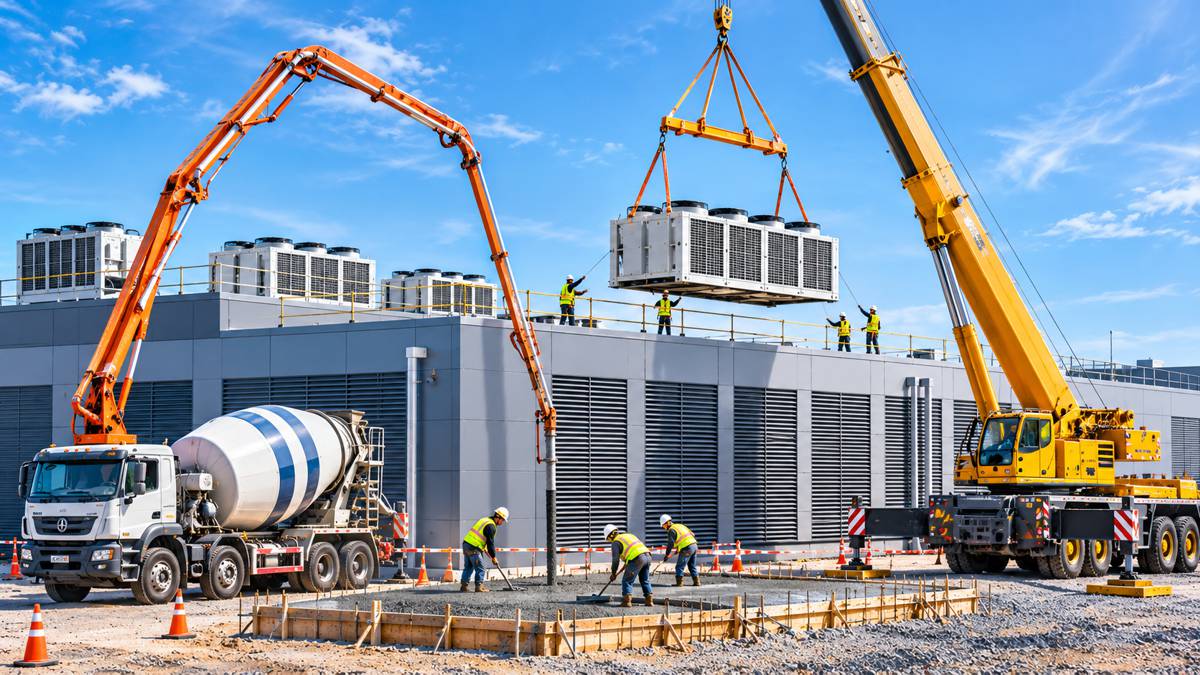
As data center construction becomes more complex, precision equipment handling is increasingly critical to project execution. Large components may need to pass through confined spaces, be lifted into elevated positions, or be installed within mechanical rooms containing other equipment. These requirements can involve cranes, hydraulic gantries, specialized trailers, or other engineered lifting and moving systems, depending on site conditions.
The appropriate method depends on equipment specifications, structural limitations, and the surrounding construction environment. Successful installation therefore requires coordination between equipment manufacturers, engineers, construction managers, and specialized handling teams.
Planning these movements in advance can protect sensitive equipment and support a more organized installation process.
Safety Planning Must Account for Complex Lifting Operations
Heavy equipment movements introduce hazards that require careful evaluation. Suspended loads, limited visibility, uneven surfaces, and worker-machinery interactions can create dangerous conditions if operations are not properly controlled.
These risks become particularly important on construction sites where multiple contractors may be working simultaneously.
The Occupational Safety and Health Administration’s cranes and derricks guidance outlines regulatory requirements and safety considerations for construction lifting operations.
For project teams, safe equipment handling starts with understanding the load and the conditions around the move. This includes evaluating equipment weight, lifting points, ground conditions, available clearance, and potential obstructions.
Communication is equally important. Workers involved in lifting and positioning operations need clearly defined responsibilities and procedures for coordinating movements. Site managers must also consider how these activities interact with nearby construction work.
Establishing controlled work areas and coordinating lifting schedules can help reduce unnecessary exposure to hazards.
Early Logistics Planning Can Reduce Construction Delays
Equipment logistics is sometimes treated as a task that begins shortly before delivery. For complex infrastructure projects, that approach can create avoidable problems. Heavy equipment may require specialized transportation permits, route assessments, temporary road closures, or site access modifications.
Some components may also need to be installed before surrounding structures are completed. If teams identify these requirements too late, they may need to revise schedules or do additional work. Early logistics planning allows contractors to evaluate delivery routes, equipment access, and installation sequences while the project remains flexible.
For example, identifying the need for crane access during the design phase may influence where teams establish temporary staging areas.
Similarly, coordinating equipment delivery with structural construction can reduce unnecessary handling and storage. These decisions may seem minor individually, but together they can affect project efficiency.
Coordination Between Contractors Is Critical to Successful Installation
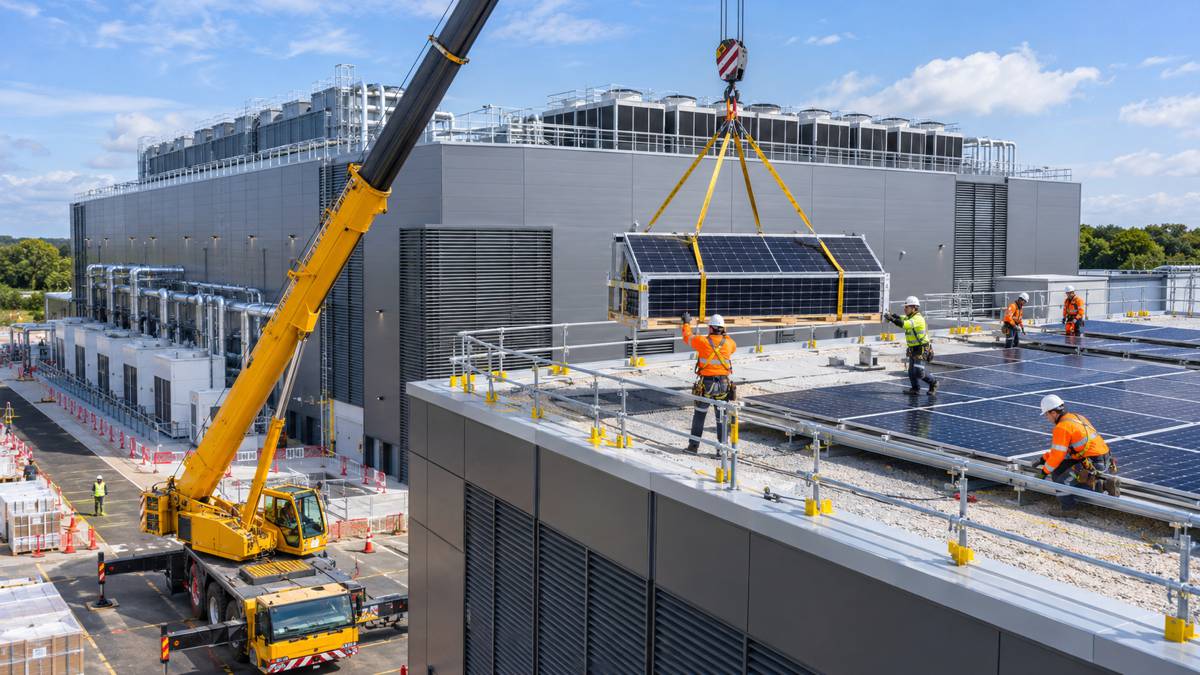
Data center construction brings together multiple disciplines, including civil engineering, electrical installation, mechanical systems, structural construction, and specialized equipment handling. Each team depends on others’ progress.
A generator cannot be positioned if its installation area remains obstructed. Electrical contractors may be unable to complete connections until major components are properly installed. Without effective coordination, these dependencies can cause scheduling conflicts and rework.
Regular communication between project managers, equipment suppliers, transportation providers, and installation contractors helps establish realistic expectations. Detailed installation schedules can also clarify when equipment must arrive and which site conditions must be completed beforehand.
This coordination is especially valuable when multiple heavy components must be delivered within a limited construction window.
Rather than viewing logistics as an isolated service, project teams benefit from treating it as an integrated part of construction management.
The Future of Data Center Construction Depends on Better Logistics
The next generation of data centers will require increasingly sophisticated coordination between infrastructure development, equipment manufacturing, and construction logistics. As computing demands evolve, facilities may incorporate different power configurations, advanced cooling technologies, and larger concentrations of specialized equipment.
These developments can create new challenges for transporting and positioning critical infrastructure. Heavy equipment logistics will remain an important consideration because even the most advanced facility designs depend on successful physical installation.
Early planning, engineered lifting methods, safety procedures, and coordination between contractors can help projects manage this complexity. For developers and construction teams, the broader lesson is clear: infrastructure performance begins long before a facility becomes operational.
It begins with the decisions that determine how essential equipment reaches the site, moves through the construction environment, and arrives safely in its final position.