







What Construction Lenders Require From Your General Contractor on a Multifamily Loan
A contractor may have built apartment communities for years and still arrive at a construction loan review without the documents a lender wants. The gap often appears when an estimate does not match the latest drawings, a site condition has not been priced or the proposed completion date depends on permits that are still pending. Those questions matter because the lender is financing work that has yet to be completed.
For developers in Pennsylvania, New Jersey and Delaware, the contractor’s file should explain who will perform the work, what it will cost and how progress will be verified. The exact requests depend on the lender, loan program and project.

Show That the Builder Has the Capacity for This Project
A lender may review the contractor’s completed projects, management team, financial condition and existing workload. A company that has delivered smaller apartment buildings should be able to explain how it would staff a development with underground parking, elevators or a demanding construction sequence. Ask for relevant project references and a work-in-progress report showing active contracts and expected completion dates. The lender may also request financial statements or bank and trade references.
Qualifications are only part of the picture. Suppose the drawings assume an uncomplicated excavation, but a soil investigation has raised questions about foundations and drainage. The owner needs an estimate that identifies what has been tested, what remains uncertain and how those findings affect the schedule. Without that distinction, even an experienced builder may struggle to defend the budget at underwriting.
This is where multifamily preconstruction has a clear purpose. D&B Construction provides cost estimating, constructability reviews and schedule planning while design decisions are still open. Those services help an owner prepare explanations of the building work and its cost assumptions before a lender examines the proposal.

Make the Estimate Traceable to the Drawings
A construction budget should identify the work being purchased rather than give only one amount per apartment. Look for separate figures for site preparation, foundations, utilities, structure, exterior enclosure, mechanical and electrical systems, and interior finishes. Compare those figures with the current design, and ask whether the builder has priced the latest unit mix, parking count and off-site utility work.
If you are evaluating multifamily preconstruction services, request an estimate with a date, drawing revision, assumptions, allowances and exclusions. An allowance is money set aside for work whose final price has yet to be established. A low electrical allowance does not prove the building will cost less if the utility connection has not been designed. Ask which quantities are measured and which still depend on engineering or supplier quotes.
Keep land, design fees, permits, financing and other owner expenses separate from the construction contract. A contingency is a reserve for costs that have not been anticipated or fully priced. The lender will want to understand what that reserve covers and whether enough funding remains to complete the project if a major assumption changes. No single contingency percentage fits every site or loan.
Check the Contract and the Insurance Requirements
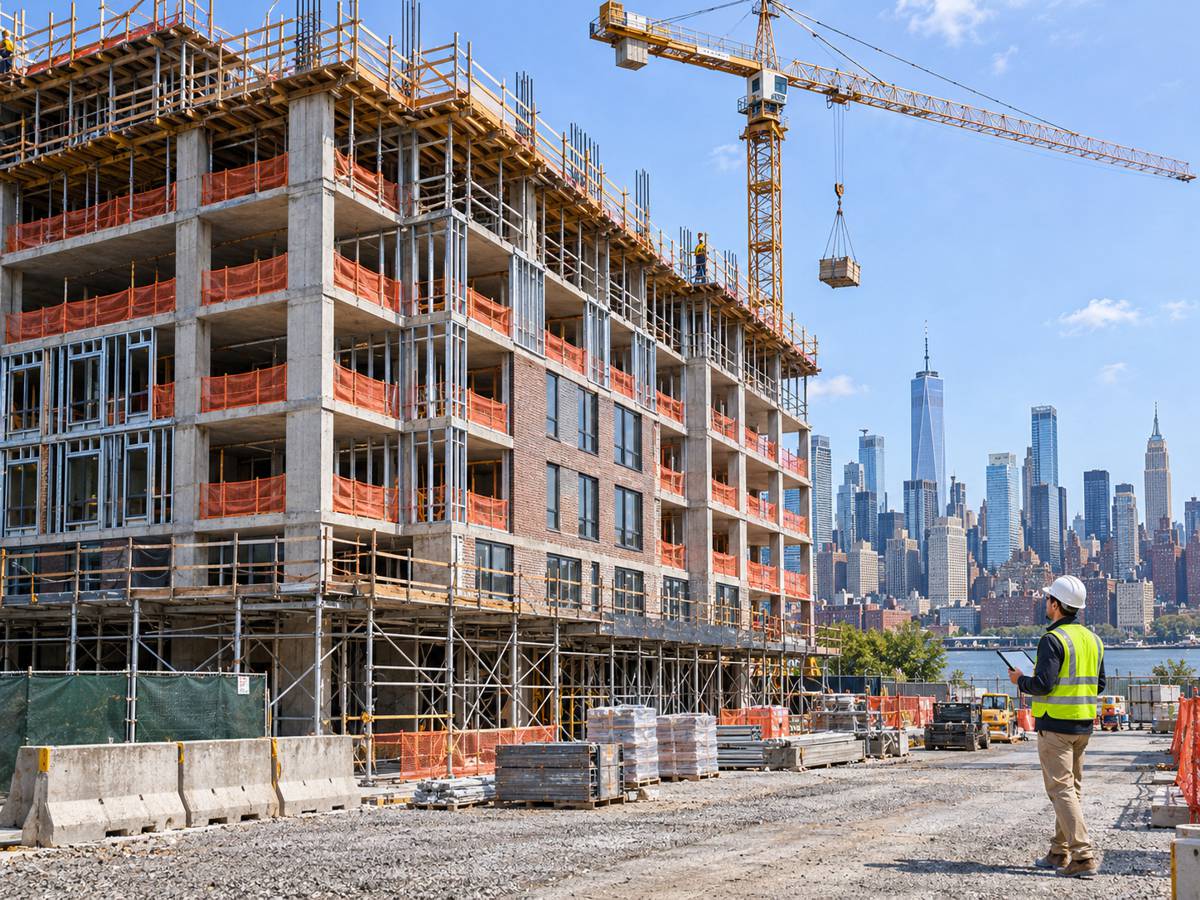
The lender needs to know what the builder has agreed to construct and when the price can change. A fixed-price contract and a cost-plus-fee contract distribute financial exposure differently. A guaranteed maximum price, or GMP, may cap certain construction charges under the contract, subject to exclusions and authorized changes. Do not assume the words “guaranteed maximum” cover design revisions, unknown site conditions or every owner request.
Ask who approves change orders, how unfinished design items are priced and what happens if the builder finds a conflict between structural and mechanical drawings. The lender may also examine the completion date, payment terms and any performance security required by the loan agreement. Bonding requirements depend on the financing and contract. A payment or performance bond is not required for every multifamily construction loan.
Check the credentials that apply to the actual construction work. Pennsylvania, New Jersey and Delaware have different business registration, permitting and trade licensing arrangements. The lender may ask for evidence of general liability and workers’ compensation coverage, along with builder’s risk coverage for the project. Confirm who is responsible for each policy and how the lender must be identified under its loan documents.
Explain How Each Construction Draw Will Be Supported
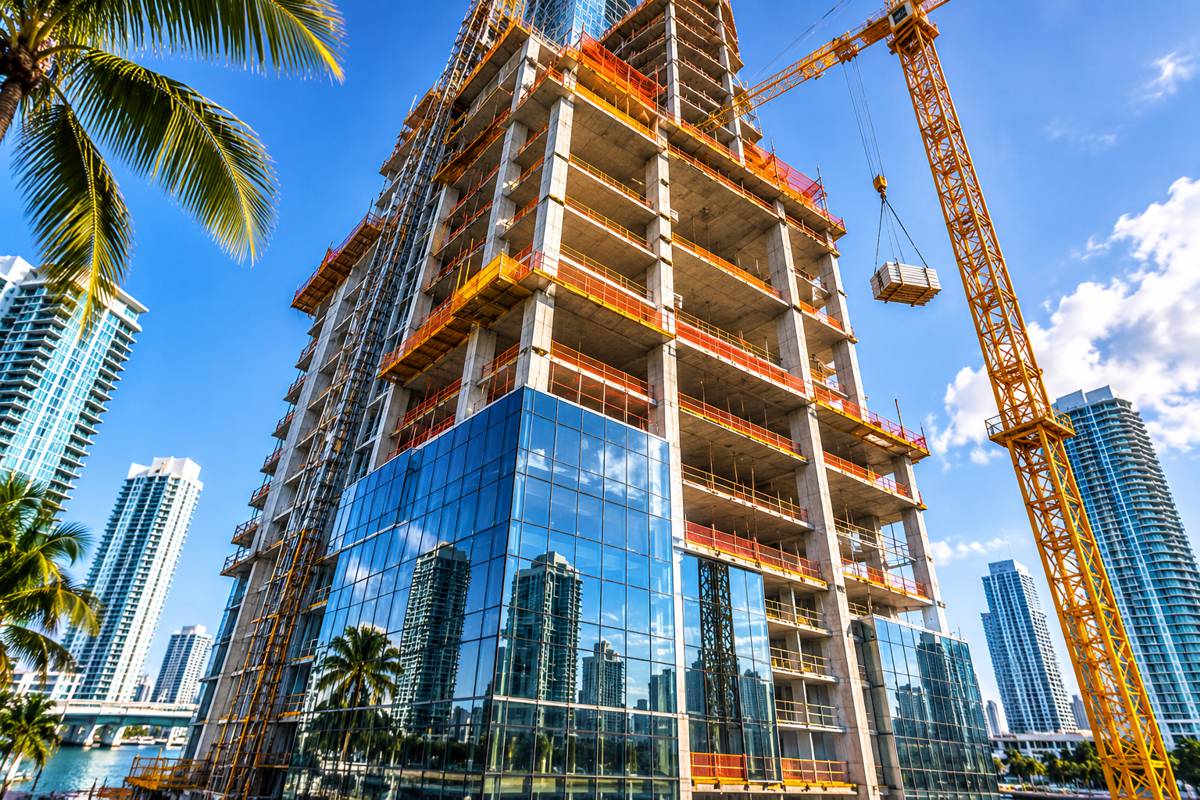
Construction financing commonly releases money in stages rather than paying the full loan amount at closing. A construction draw is a request for payment against completed work or other eligible project costs. The lender or its inspector may compare the request with site progress, the construction budget and the approved schedule before funds are advanced.
Agree on a reporting process before work begins. If the concrete contractor reports that a foundation is complete, the request should identify the work performed and the amount being claimed. Supporting records may include inspection reports, invoices, approved change orders and lien waivers. A lien waiver records a contractor’s or supplier’s agreement to waive specified rights to file a mechanics’ lien, subject to payment conditions and applicable state law. The borrower and lender should agree on which documents are needed and when they will be provided.
Retainage is money withheld from a progress payment until a later contractual stage. It may be part of the loan and construction arrangements, but the percentage and release conditions vary. The lender also needs to see that remaining loan proceeds, owner funds and reserves are sufficient for the work still outstanding. A draw that looks correct in isolation can still expose a funding gap if costs to complete have risen.

Find Out Whether the Loan Program Adds Its Own Rules
A conventional bank loan and a HUD-insured construction loan should not be treated as interchangeable. HUD’s Section 221(d)(4) program covers eligible new construction and substantial rehabilitation of multifamily rental or cooperative housing with at least five units. For that program, a HUD-approved lender follows a defined review process for the borrower, contractor and proposed development. Other lenders use their own credit and construction monitoring requirements.
Ask the loan officer for the contractor documentation checklist before settling the contract. Determine whether the financing calls for financial reviews, a particular contract form, bonding or other completion security, wage records, or approval of changes during construction. Those requirements are tied to the actual program and loan documents, not to every apartment project in the three-state area.
Past projects show whether the contractor has handled comparable work, but the loan review also depends on the documents for the proposed development. The drawings, estimate and contract should describe the same scope, while later progress reports should reflect completed work and approved changes. If the foundation design or unit count changes, update the budget and schedule, then confirm what the lender needs before the next construction draw.