






How Heavy Equipment Mechanics Organize Their Toolboxes
A dozer with a blown hydraulic line doesn’t care that the 1-1/4” wrench is buried under a pile of pry bars. The crew is waiting, the paving schedule is slipping, and every minute spent digging through a drawer is a minute the machine isn’t working. That’s why heavy equipment mechanic toolbox organization isn’t about keeping the shop tidy for photos. It’s about getting iron back on the job.
Mechanics who work on excavators, loaders, graders and pavers deal with different problems than a car tech does. The tools are bigger. The sockets run well past an inch. Half the work happens in the field, out of a service truck, in mud or snow. And the toolbox has to hold up to all of it.
So how do the good ones keep it under control? Not with one magic product. Mostly with habits, a few rules, and drawer setups that make it obvious when something’s missing.
Why Heavy Equipment Mechanic Toolbox Organization Matters on Highway Jobs
On a road project, downtime spreads fast. When the milling machine is down, the trucks stack up. When the paver stops, the asphalt cools in the box. A mechanic who finds the right tool in ten seconds instead of five minutes is doing more than keeping things neat.
Lost tools cause their own trouble. A wrench left on a track frame or inside an engine compartment can get chewed up by a fan, dropped into a crusher, or kicked onto a live lane. Shops that take tool control seriously treat a missing tool like a missing torque spec. The job isn’t done until it’s found.
Then there’s the money. Large-drive sockets, specialty pullers and diagnostic gear aren’t cheap, and replacing tools left behind on job sites adds up quicker than most shop managers want to admit.
Sort by Job, Not by Brand
One of the first things experienced mechanics do is stop organizing by brand or by when they bought something. They group tools by task instead.
A common layout looks something like this:
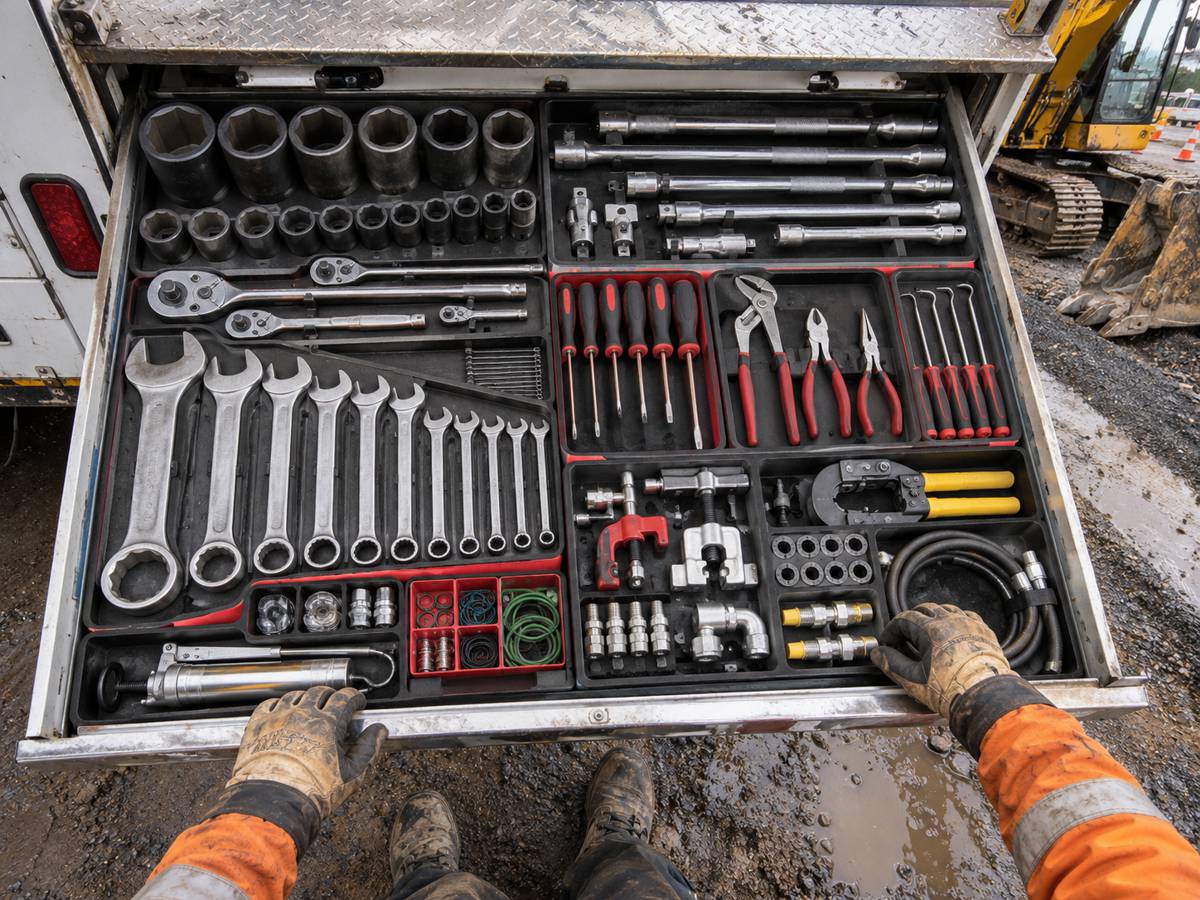
- Top drawers hold the everyday tools: ratchets, standard wrench sets, screwdrivers, picks and a test light.
- Middle drawers hold sockets, split by drive size. The 3/4” and 1” drive sets stay separate from the smaller ones so nobody has to hunt through a mixed tray.
- Bottom drawers carry the heavy items: pry bars, big hammers, pullers, and the oversized combination wrenches that only come out for track work or final drives.
- A dedicated hydraulics drawer keeps fitting wrenches, cap and plug kits and line wrenches together, since that’s where a lot of field breakdowns end up.
Weight matters too. Heavy tools go low. A top-heavy toolbox on a service truck is a tipping hazard, and it wears out the drawer slides. Anyone who has watched a fully loaded box shift under hard braking only needs to learn that once.
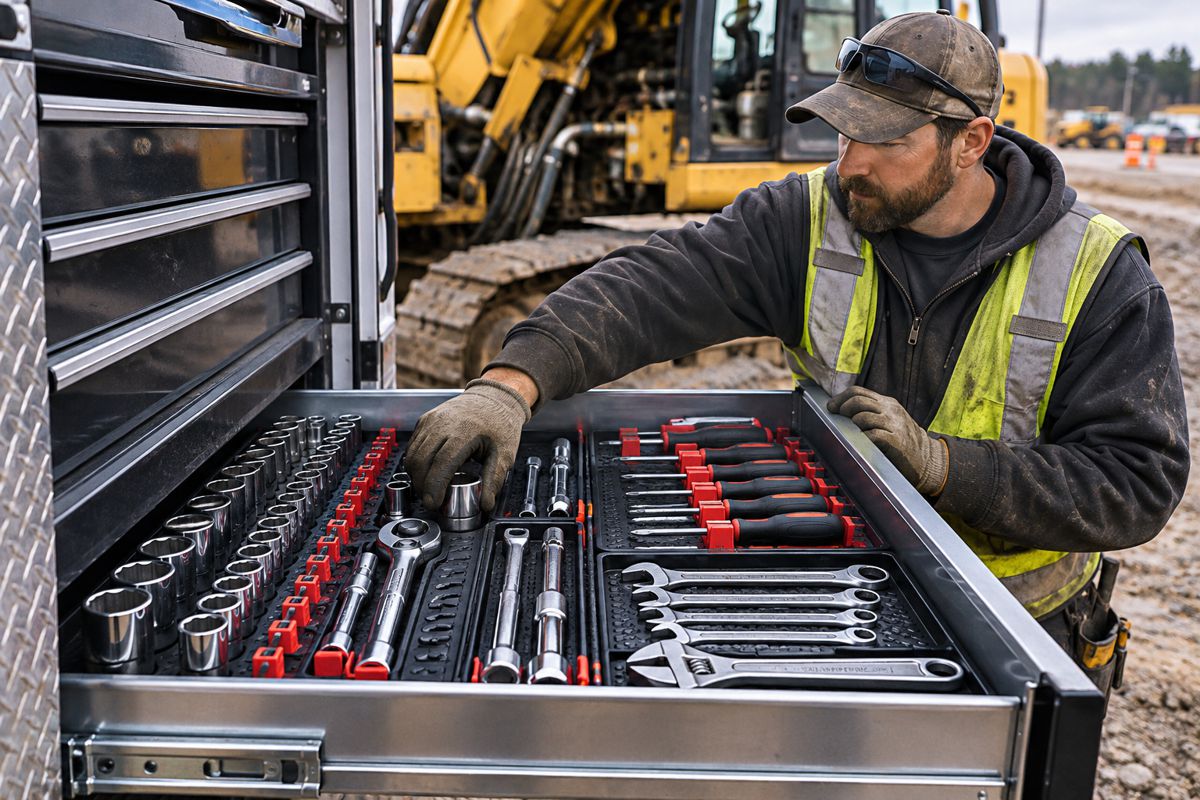
Making Missing Tools Obvious
This is where real organization separates itself from simply having tools in drawers. The goal is that a quick glance shows whether everything is back.
Foam cutouts have been the standard for years, especially in shops with formal tool control programs. Each tool gets its own shadow, and an empty slot is impossible to miss. The catch is that foam is rigid. Buy a new wrench set or swap one tool for a different size, and the layout no longer fits. Foam also tears, soaks up oil, and looks rough after a couple of seasons in a service truck.
Shadow boards work well on a shop wall but don’t do much for a rolling box or a truck.
That’s pushed a lot of mechanics toward modular systems. Instead of fixed cutouts, these use a base mat in the drawer with clips and holders that can be moved around. When the tool collection changes, the layout changes with it. Some setups, like these modular toolbox drawer organizers sized for professional toolbox drawers, pair an interlocking mat with magnetic screwdriver holders. The drivers stay in a neat row instead of rolling to the back every time the drawer slams shut.
Screwdrivers and the rolling problem
Screwdrivers deserve their own mention. They’re round, they roll, and on a service truck they turn into a tangle within a day. Holders that keep them in size order save more time than most people expect. It sounds minor until you watch someone dig for a #2 Phillips for the third time in one morning.
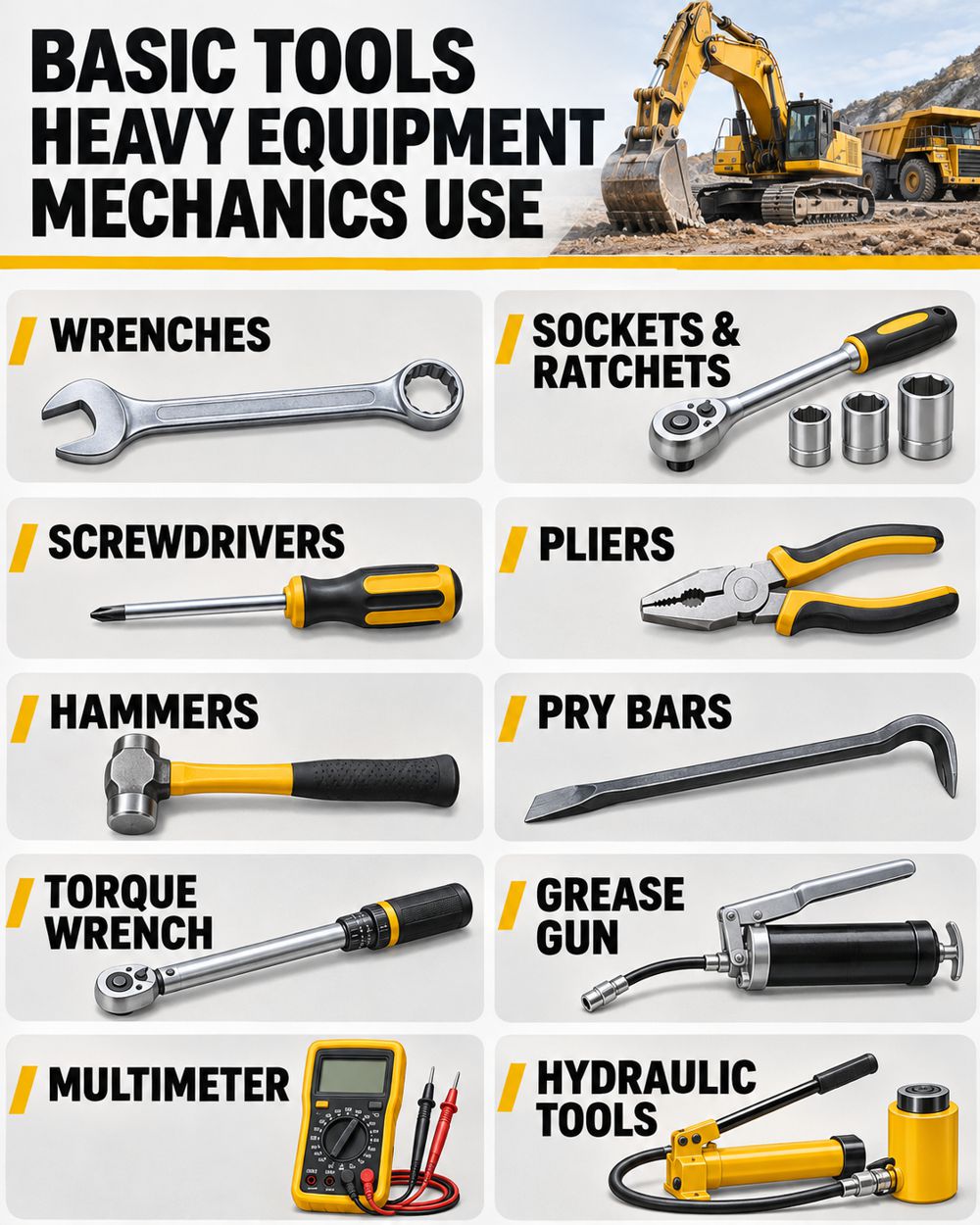
Taking Heavy Equipment Mechanic Toolbox Organization Into the Field
Field mechanics have it harder. The shop toolbox sits still. The truck box gets driven over washboard haul roads and parked on slopes.
Drawer mats with real grip keep tools from sliding every time the truck moves. Latching drawers matter just as much, because a drawer that rolls open on a grade can dump a whole socket set into the truck bed. Many field techs also carry a small tote with the twenty or so tools that cover most calls, so they aren’t walking back and forth to the truck across a muddy site.
Keeping a duplicate set of the most-used tools on the truck stops things from drifting between the shop and the field. The shop set stays in the shop. The truck set stays on the truck. It costs more up front, but tools stop disappearing.
Some crews add a quick end-of-shift check: open each drawer, look for gaps, close it. Two minutes. With a well-laid-out box it actually gets done, because nobody has to think hard about it.
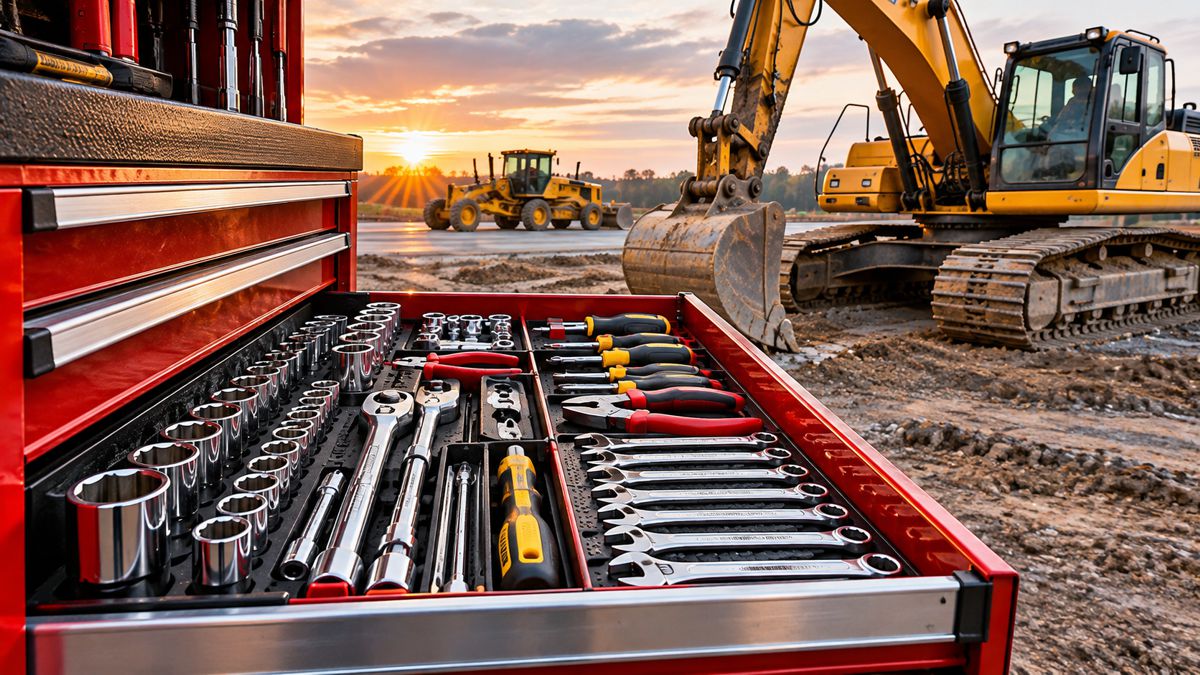
Habits That Keep the System Working
No drawer setup survives a mechanic who tosses tools back wherever there’s room.
The ones who stay organized tend to follow a few simple rules. Tools go back where they came from before the next job starts. Broken or worn tools get pulled right away instead of living in the drawer for months. And once a season, the whole box gets emptied, cleaned and reset, which is also a good time to rethink the layout based on what actually gets used. That last step gets skipped a lot, and it shows. A layout that made sense two years ago may not match the equipment the shop works on today.
Shop leads can help by making organization part of the routine rather than a lecture. Handing a new hire a clean, labeled box on day one sets the tone better than any written policy.
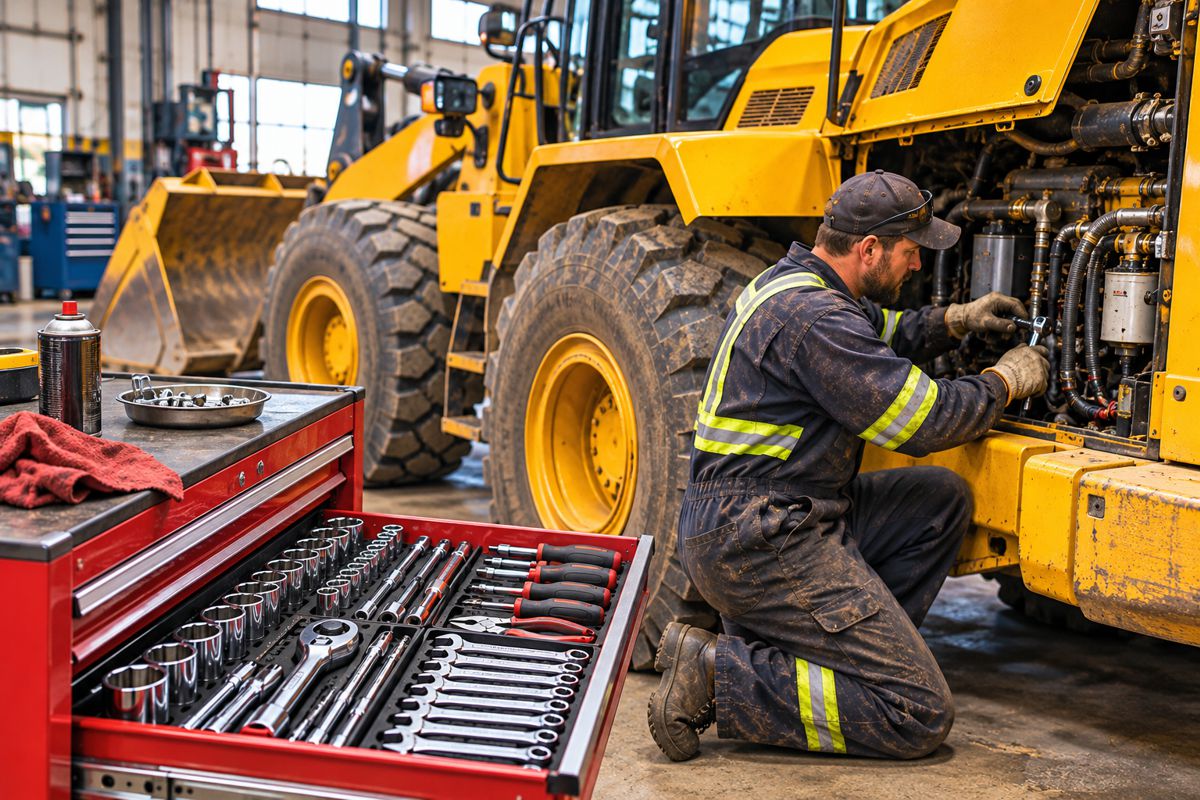
Getting Started Without Overhauling Everything
Nobody needs to rebuild a toolbox in one weekend. Start with the drawer that causes the most frustration, which for most people means sockets or screwdrivers. Get that one dialed in, live with it for a few weeks, then move to the next.
Solid heavy equipment mechanic toolbox organization pays off in faster repairs, fewer lost tools, and less time wasted on every breakdown. On a highway job where the whole crew is waiting on one machine, those minutes count.