Professional Screens Deserve a Place in Infrastructure Procurement
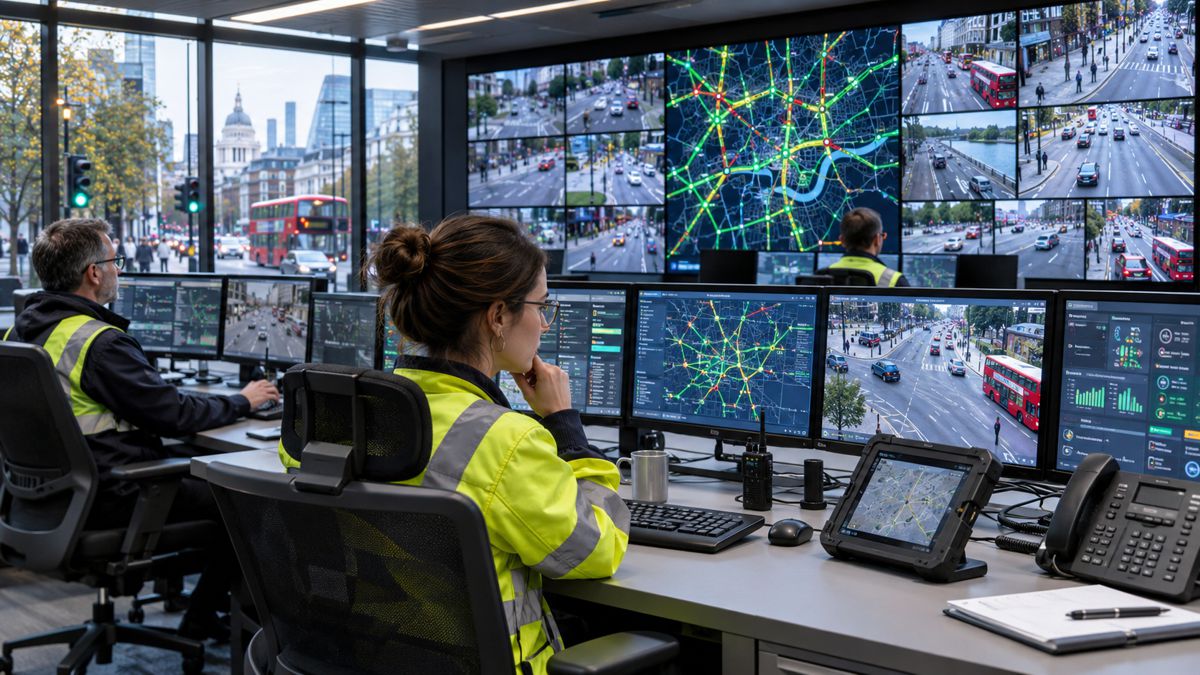
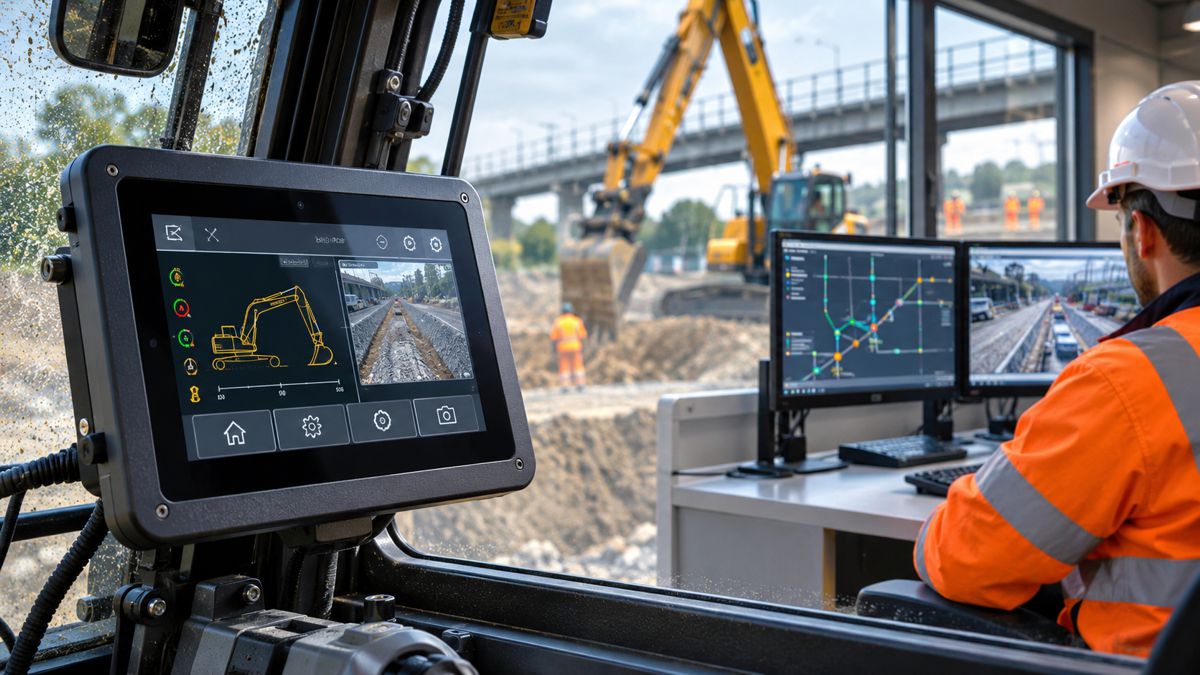
Screens have found their way into almost every part of infrastructure work. Operators read them in machine cabs, and planners watch them in control rooms and site offices. Yet professional screens rarely get a line of their own in a procurement plan.
That gap usually shows up later as downtime. A screen chosen from an office catalog may look fine on delivery day and fail after one season of dust and long shifts. Replacing it in the middle of a live project costs far more than the original purchase.
Contractors who compare options such as Beetronics HMI displays with standard office monitors soon see that the design goals differ. Professional monitors and touchscreens are made for specialized industries and continuous use, and they remain available for years. For equipment that stays in service for a decade, that difference weighs more than a lower price tag.
One standard across the organization
Many firms end up with a mix of brands because every project buys its own hardware. Each model needs its own spare parts and its own brackets in the workshop. Standardizing on a small number of display types makes spare stock simpler and repairs faster.
A standard only works when the chosen models stay on the market. Ask suppliers how long they plan to produce a screen and whether a successor will fit the same mounting. That answer protects the investment far better than a short term discount.
Common video connections and standard mounting holes help as well. When most machines and cabinets use the same interface, one spare screen can cover several locations. Technicians then spend less time hunting for the right part after a failure.
Readable in sun and darkness
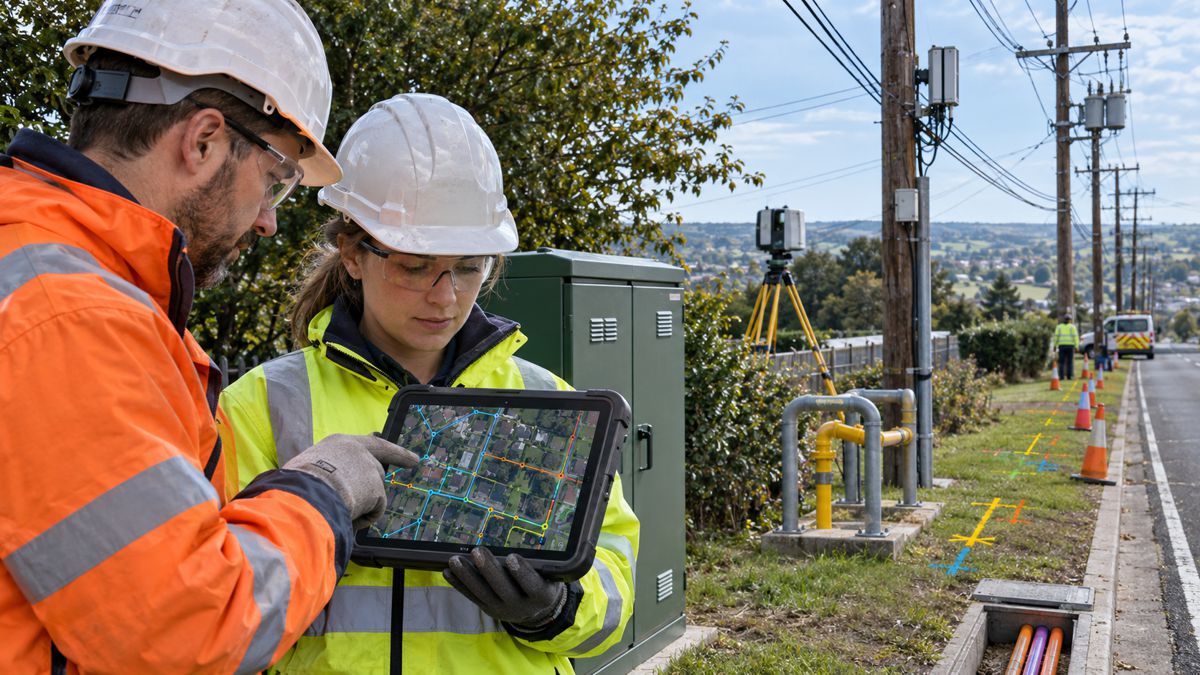
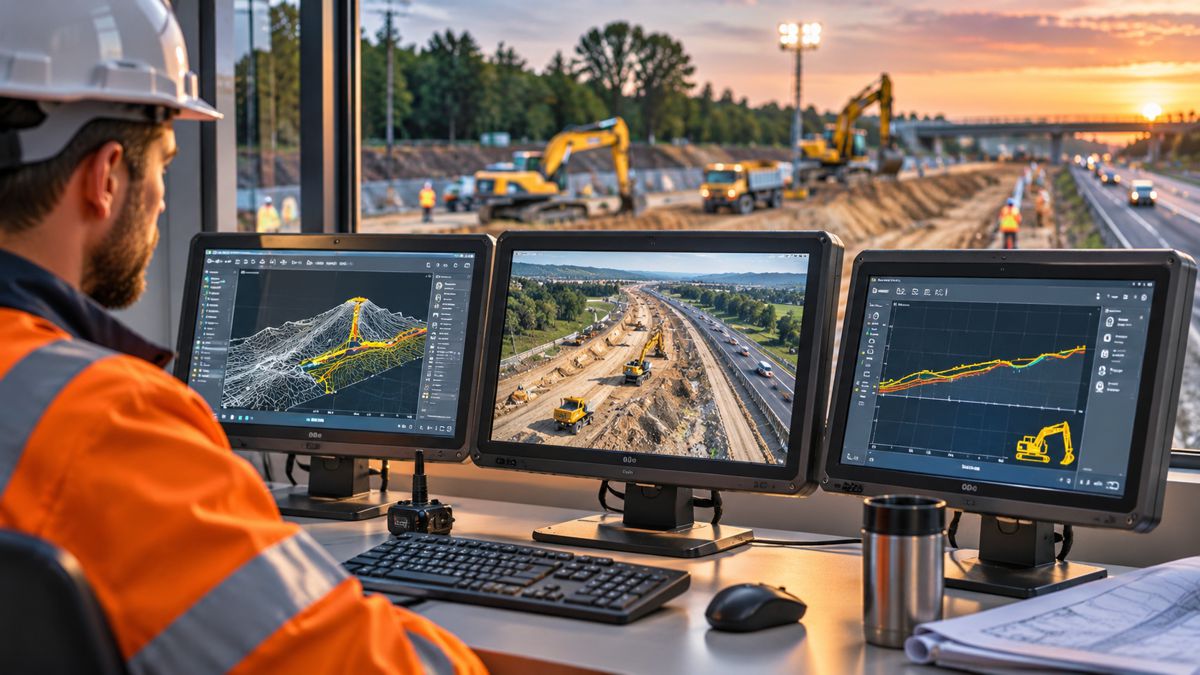
Infrastructure work happens in full sun and under floodlights at night. A screen that is perfect at noon can be far too bright after dark, and the other way around. Displays that stay readable in direct sunlight and dim well at night keep information useful during every shift.
Glare from windows and reflective surfaces is a separate problem from brightness. Test each candidate screen in the actual location and at the angle where people will use it. A short trial on site tells a buyer more than any brochure.
The interface on the screen matters just as much as the hardware. Large characters and a calm layout reduce the time people spend looking away from the work in front of them. Choose hardware and software together, so the result is easy to read at a glance.
Support when the schedule is tight
Road closures and track possessions run on strict timetables. When a screen fails during such a window, waiting days for an answer is not an option. Put response times in the comparison right next to price and specifications.
Return policies deserve a look too. A supplier that handles returns smoothly makes it easier to try a model on one machine before rolling it out across the fleet. Such a pilot lowers the risk of ordering a large batch that does not fit.
Finally, involve the people who use the screens every day. Operators and site engineers know where displays get knocked and which ones run day and night. Their input turns a hardware order into a setup that actually supports the work.