From Sketch to Prototype: Bringing Construction Ideas to Life
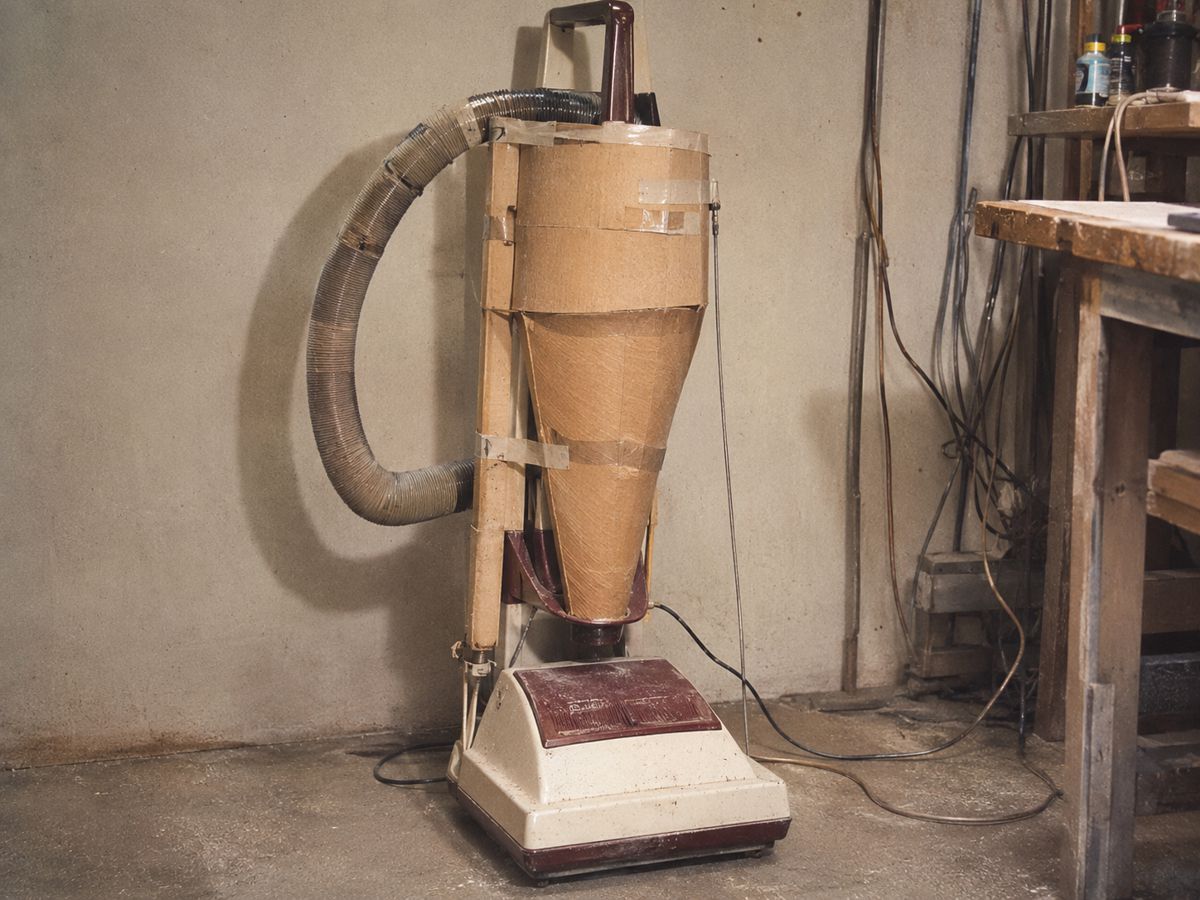
In 1978, James Dyson strapped a rudimentary cardboard cyclone to an upright vacuum cleaner in place of its conventional dust bag. It was an improvised experiment, but the result would help establish the principle behind an entirely different approach to household cleaning.
The idea had emerged from a problem at his Ballbarrow factory, where powder used to coat metal frames was clogging the filtration system. Dyson had investigated the industrial cyclone technology used at a local timber mill and built a large version to separate surplus powder from the airflow. When he encountered a similar clogging problem with his household vacuum cleaner, he began wondering whether the same principle could be applied on a smaller scale.
His first experiment was hardly a finished product. The cardboard arrangement was crude, the machine had not been designed to accommodate it, and there were numerous engineering problems still to resolve. Nevertheless, it allowed him to investigate whether cyclonic separation could replace the conventional vacuum bag.
As Dyson’s account of his development work makes clear, demonstrating a principle and turning it into a commercially successful machine were very different undertakings. An idea can be convincing on paper, but its first real test comes when somebody attempts to make it work.
Today, an equipment operator with an idea for a safer attachment, a surveyor frustrated by a repetitive inspection process, or a technician imagining a new maintenance tool can begin investigating that idea with resources that would once have been beyond the reach of an individual inventor. The first working model might be made from timber, assembled from standard components, printed in plastic or developed on a laptop. Its appearance matters far less than what it can demonstrate, and modern design and fabrication tools have made that first experiment considerably more accessible.
Briefing
- Practical construction inventions can begin with sketches, simple materials and inexpensive experiments rather than professional manufacturing facilities.
- Accessible CAD software, digital fabrication and 3D printing allow individuals and small businesses to develop increasingly sophisticated prototypes.
- No-code platforms and AI-assisted programming can help construction professionals explore digital solutions without extensive programming experience.
- Prototype testing should establish measurable performance and limitations before an invention is exposed to real construction-site hazards.
- Patent rights, confidentiality, ownership and prior-art research deserve attention before potentially valuable ideas are publicly disclosed.
Giving an Idea Its First Shape
An invention can remain convincing for years while it exists only in its creator’s imagination. Every component appears to fit, the moving parts cooperate, and the mechanism performs precisely as intended. The difficulties generally begin when somebody tries to build it.
A sketch introduces the first useful constraints. Parts must have dimensions, components need connections, and moving mechanisms require sufficient clearance. A design that looked straightforward in someone’s head may suddenly need bearings, seals, additional support or a different operating arrangement.
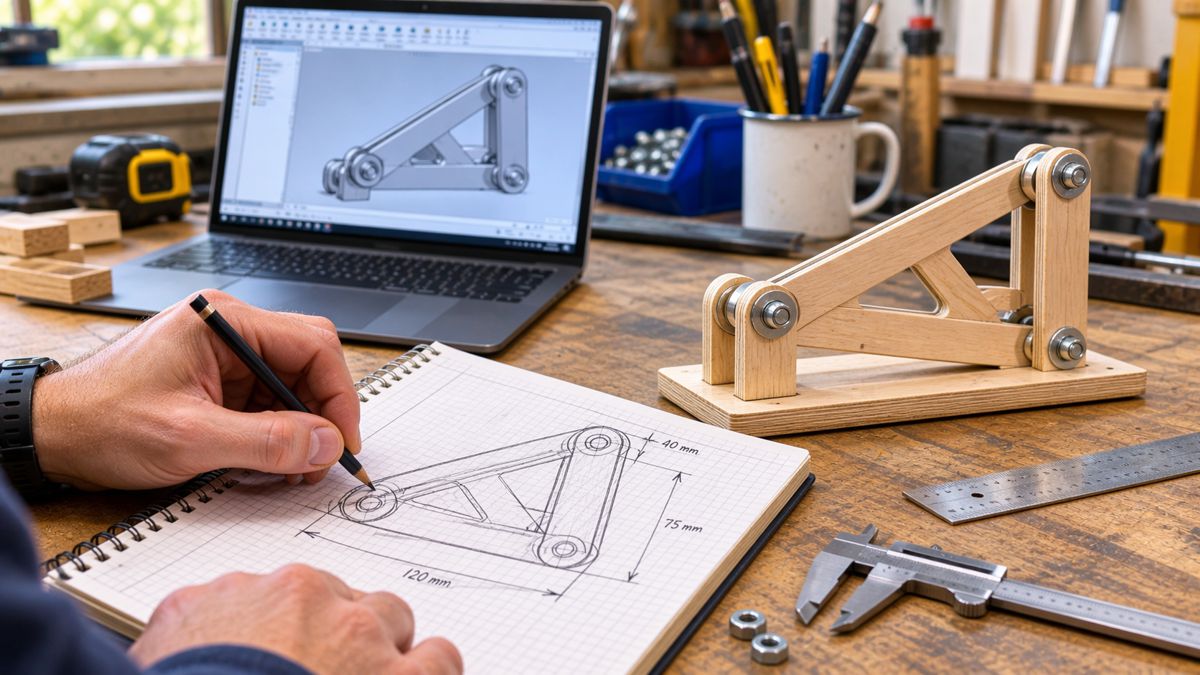
For an inventor unfamiliar with technical drawing, this need not be intimidating. A pencil sketch showing how a device is supposed to operate, supported by a few measurements and explanatory notes, can provide enough information to begin.
Consider a proposed attachment that allows a construction worker to operate an existing hand tool from a safer position. Before designing an elaborate housing, the inventor might need to establish whether the extended mechanism can transmit sufficient force without excessive bending or loss of control.
A length of timber, a simple bracket and an existing tool could answer that question. The first experiment may be awkward and unsuitable for actual construction work, but it can reveal whether the operating principle deserves further investigation.
A concept describes an intended solution, while a proof of principle demonstrates that its essential mechanism or process can operate under defined conditions. A functional prototype brings more of the proposed design together, although a production-ready product requires substantially greater attention to materials, reliability, manufacturing consistency, safety and maintenance.
These stages frequently overlap, and a developer may have a convincing model of one component while still investigating the basic operating principle of another. The sensible starting point is to identify the largest uncertainty.
If a proposed lifting device depends on an unusual linkage, the linkage should be tested before time is spent designing its external casing. If an electronic sensor is expected to recognise a particular condition, establishing whether it can detect that condition reliably should precede the development of a polished display. Such experiments can expose fundamental problems while changes are still relatively inexpensive.
Notebooks and Physical Models
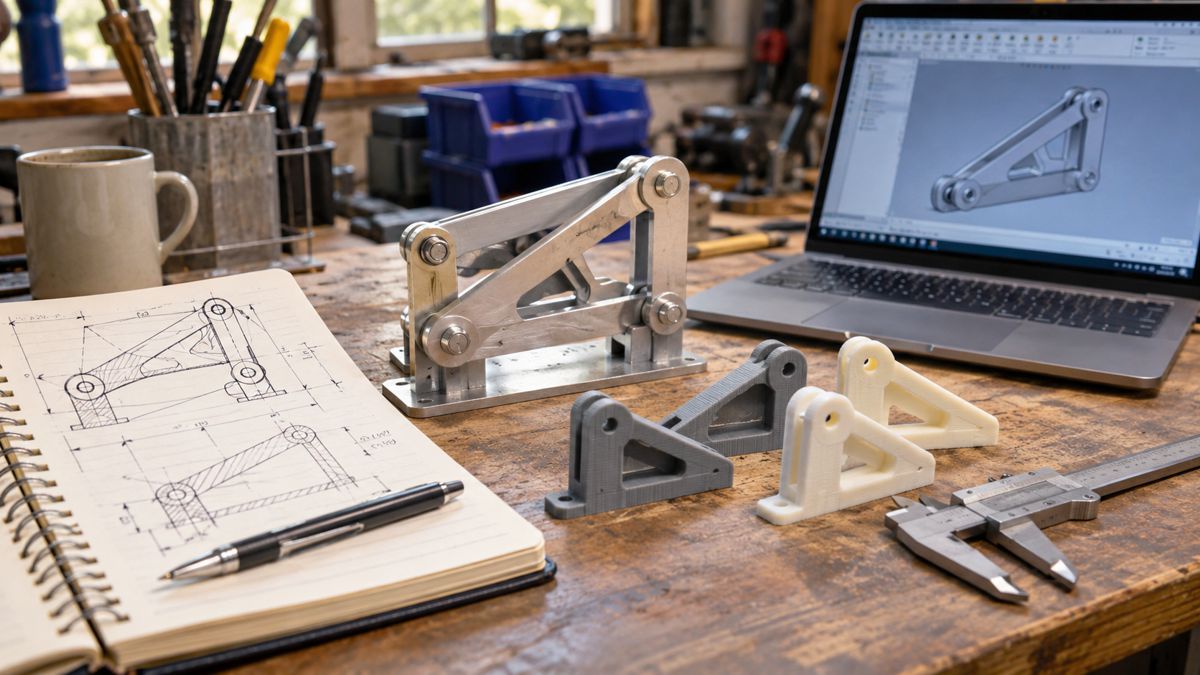
Digital tools have made engineering more accessible, but the humble notebook remains surprisingly effective. Sketches can preserve alternative arrangements that might otherwise be forgotten, measurements provide a record of what was actually tested, and dated notes help distinguish an original assumption from information discovered later.
A useful development notebook might contain photographs of existing equipment, rough calculations, supplier specifications, material choices and observations from unsuccessful experiments. Recording why a particular arrangement failed can be as valuable as documenting a successful result.
Physical models introduce another dimension. Cardboard is useful for investigating shapes and layouts, while timber can represent supporting structures and moving mechanisms. Standard bolts, hinges, springs and bearings allow functional experiments without custom manufacturing, and foam can help evaluate whether a handheld product is comfortable to use.
None of these materials has to appear in the finished invention. Their purpose is to provide enough physical information to judge whether the proposed arrangement deserves further development.
A model can reveal relationships between components that are difficult to appreciate in a drawing. An inaccessible fastening point, an awkward assembly sequence or a mechanism requiring more space than anticipated may become obvious as soon as the inventor begins handling the parts.
For construction equipment, physical accessibility is particularly relevant. Components must often withstand dirt, moisture, vibration and rough handling, and they may need to be serviced by someone wearing gloves in an exposed working environment. Such considerations are easier to recognise when the first version can be picked up, moved and examined.
The Digital Workshop
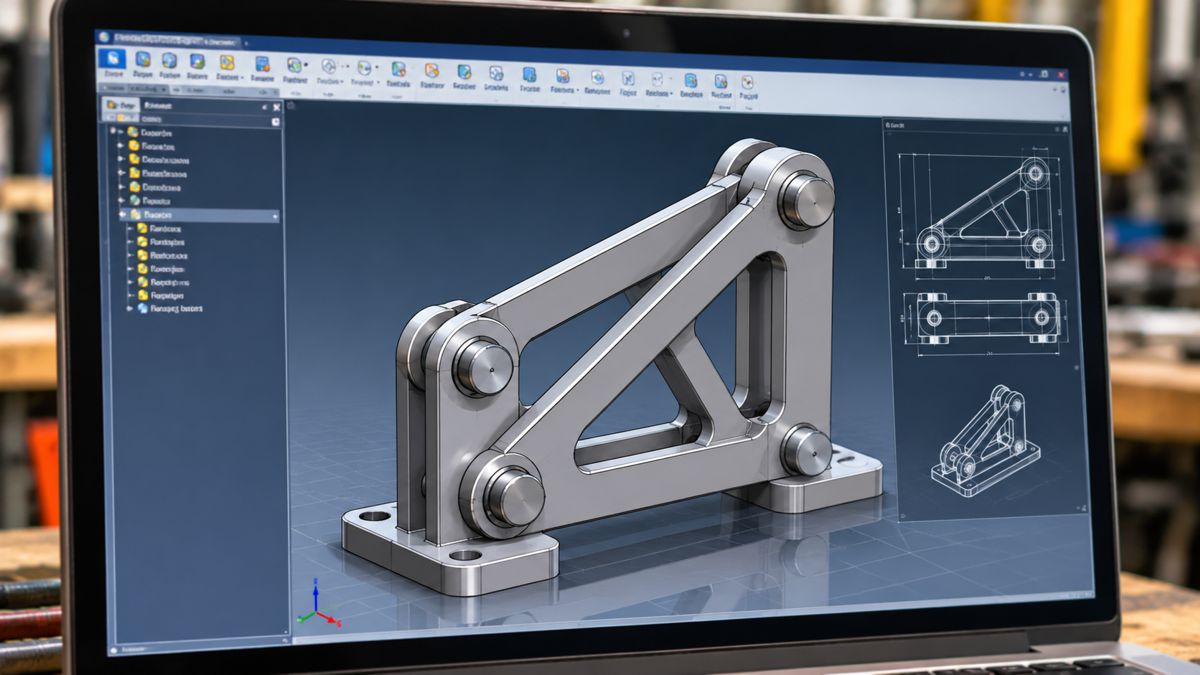
Computer-aided design was once associated with expensive workstations, specialist training and professional drawing offices. Modern CAD software has broadened access considerably, allowing individuals and small engineering businesses to create detailed three-dimensional models on ordinary computers. The choices include open-source applications, commercial subscriptions and restricted free editions, although their licensing arrangements deserve as much attention as their technical capabilities.
FreeCAD is an open-source parametric modelling application that can be used for commercial as well as personal projects. Parametric design allows dimensions and relationships to be defined so that modifications can propagate through a model. Changing the diameter of a shaft, for example, can make associated components easier to revise.
Autodesk Fusion combines mechanical design with manufacturing capabilities and other engineering tools. Its free personal-use licence is available to qualifying individuals generating less than US$1,000 in annual revenue, provided the software is used for home-based, non-commercial projects. The personal edition also has functionality restrictions, and commercial development requires an appropriate licence.
Onshape provides cloud-based CAD with collaboration and assembly tools. Its free plan is intended for non-commercial use, and documents created under that plan are publicly accessible. Private commercial development requires a paid subscription.
These restrictions can have consequences for an inventor investigating a potentially patentable mechanism. Confidentiality, commercial-use rights, data access and export capabilities should be considered before uploading designs or committing to a particular software environment.
Once a design has been established digitally, components can be assembled and examined before manufacture. Moving parts can be checked for interference, dimensional changes explored, and alternative configurations compared without repeatedly rebuilding the entire model.
A proposed machine attachment might contain a dozen interacting parts. CAD allows each component to be inspected individually, then placed into an assembly to investigate how the complete mechanism fits together.
Some engineering packages provide motion studies, structural analysis and other simulation capabilities. These can expose potential weaknesses, although results depend heavily on the accuracy of the input information.
A computer model cannot establish the strength of a component if the material properties are incorrect. Neither can a simulation reliably predict behaviour when loads, restraints or operating conditions have been misunderstood.
Manufacturing tolerances introduce further complications. Two components that appear perfectly aligned on a screen may interfere once machining variation, thermal expansion, wear or assembly conditions are considered. Digital modelling makes these questions easier to investigate, provided the person interpreting the results understands the assumptions behind them.
From Screen to Workshop
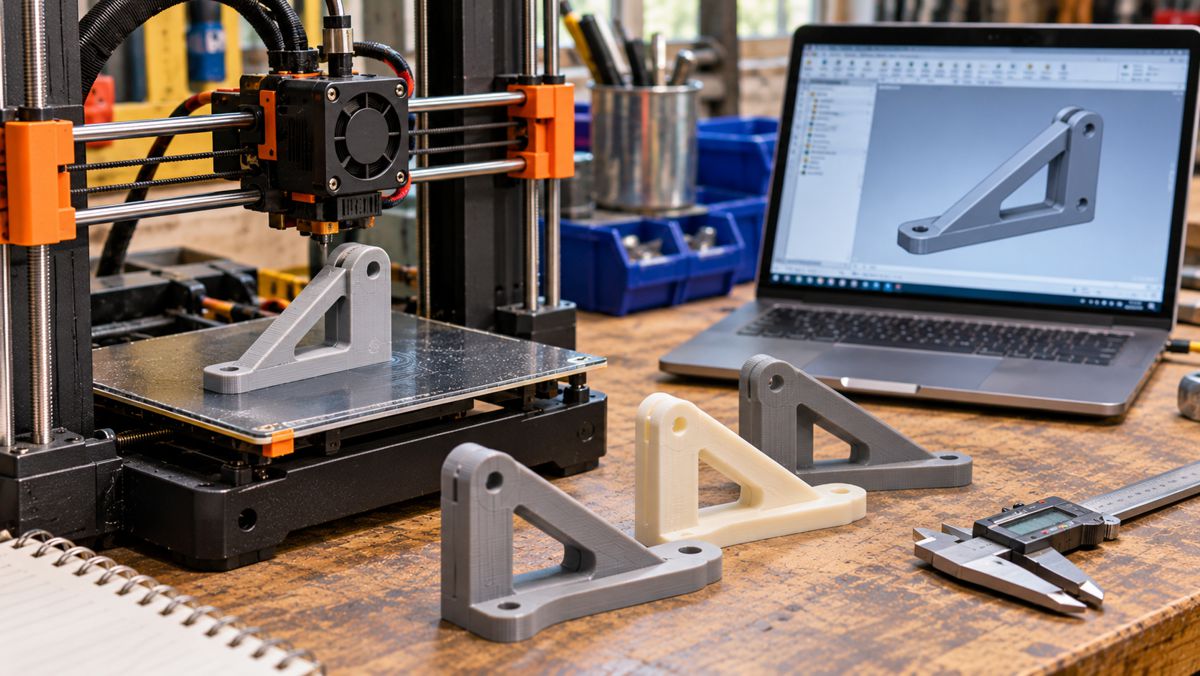
Three-dimensional printing has become one of the most useful additions to the inventor’s workshop because it allows a digital design to become a physical object without requiring dedicated tooling. A component can be modelled, manufactured, inspected and modified through successive iterations. For small parts, that process may be completed within a single development session, depending on complexity and the equipment available.
The practical possibilities extend well beyond miniature replicas of finished products. An inventor developing a clamp can print several different jaw profiles to establish which fits the intended object. A proposed control lever can be evaluated for reach and comfort, while an unusual cable-routing arrangement can be tested inside a full-size plastic housing.
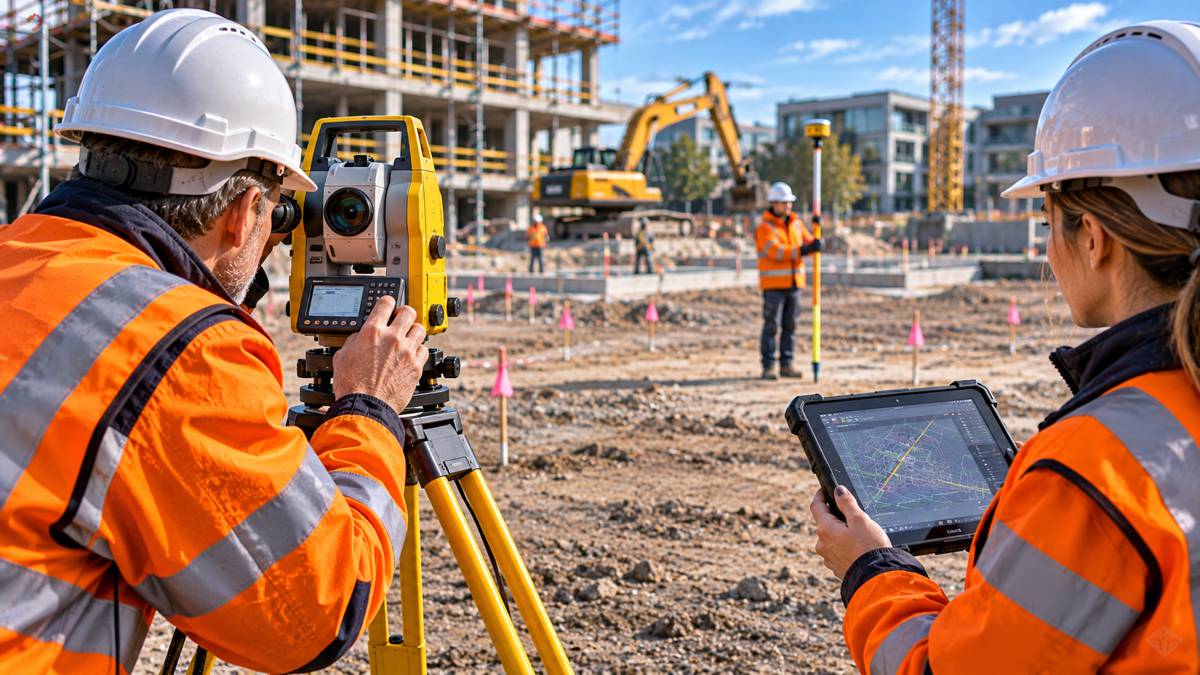
For surveying equipment, printed brackets and mounting arrangements can help establish whether a new accessory will fit an existing instrument. A maintenance technician investigating an improved operating mechanism might print several gear or linkage configurations before committing to machined components.
Moving parts can also be printed to check assembly sequences and clearances, although friction, strength and wear may differ substantially from the intended production materials. A printed model frequently reveals details that were difficult to appreciate on screen, from awkward grip positions to components that cannot be assembled without dismantling adjacent equipment.
Printed plastic components should not be assumed to have the properties of machined metal or conventionally manufactured engineering plastics. Research by the US National Institute of Standards and Technology has examined the mechanical behaviour of material-extrusion printing, including the strength of bonds between deposited layers.
Manufacturing orientation, temperature, material quality and processing conditions can all influence performance. A printed part that survives a demonstration may fail under repeated loading, impact or exposure to heat. An experimental model of a lifting component, safety barrier, structural connection or machine attachment must therefore not be treated as operational equipment without suitable engineering assessment and validation.
There are also occasions when other fabrication techniques are more appropriate. Laser cutting can produce flat components, templates and simple assemblies, while CNC machining allows more accurate parts to be manufactured from engineering materials. Conventional welding and metalworking remain valuable for testing structural arrangements.
Outsourced manufacturing services offer an alternative to purchasing equipment. Designs can be manufactured from digital files, and independent workshops, university engineering departments and makerspaces may provide access to specialist facilities. An inventor investigating a small mechanical component may need nothing more sophisticated than a local machine shop willing to produce a few experimental parts.
Developing a Construction Printer
The movement from digital models to physical prototypes can become considerably more demanding when the invention involves an entire construction process. A British example dates from a two-year Knowledge Transfer Partnership between Gateshead engineering business Platinum Electrical Engineering and Northumbria University, supported by Innovate UK. The programme was documented in a Made Smarter case study published in December 2021.
Working with KTP Associate Laurence Foster, the company developed a prototype concrete printer intended to manufacture structural building elements through successive layers of deposited material. The original ambition included producing load-bearing walls directly on site without conventional formwork. Achieving that required more than applying an existing plastic-printing principle at a larger scale. Concrete introduces material-handling problems, including maintaining a suitable consistency during pumping and deposition, achieving reliable layer formation and ensuring the deposited material develops appropriate mechanical properties.
The project combined machinery development with work on alternative concrete mixtures, including materials intended to reduce the carbon content of construction. Its prototype established a platform for investigating those questions, although the reported development did not by itself demonstrate that complete buildings could be produced economically or reliably under all operating conditions.
This was a formal engineering collaboration rather than an individual workshop invention, but the team followed the same experimental process. They created a physical system capable of testing ideas that could not be adequately resolved through drawings and calculations alone, drawing on specialist resources as the engineering challenges became more demanding.
Software Prototypes and Low-Code Tools
A construction innovation need not involve a physical product. A site manager might want a simpler way to record inspection findings, a maintenance supervisor may need equipment servicing records that can be updated from a mobile phone, or a quarry operator could identify a recurring problem with material tracking or shift reporting.
Such ideas involve information rather than machinery. Historically, developing a dedicated software application required programming knowledge or sufficient resources to employ someone with those skills. That remains necessary for many complex systems, but the earliest stages of software development have become considerably more accessible.
Low-code and no-code platforms allow users to assemble applications from existing components, database connections, forms and predefined actions. A simple inspection system might record the location of a defect, attach photographs, assign responsibility and generate a report.
A practical example comes from Malta-based construction inspection application Snagger. According to its developer, the project began in 2023 as a personal tool intended to replace spreadsheets on a construction site. The existing workflow relied on disconnected records, photographs and notes, making it difficult to associate defects with precise locations and produce useful inspection documents.
In 2024, the application was shared with colleagues, whose feedback contributed to additional capabilities including PDF export, condition reports and the ability to identify defects directly on drawings. The developer reports that the application launched on the App Store and Google Play in 2025, followed by Snagger Studio, a web-based companion, in 2026.
This is the developer’s own account rather than an independently audited performance study, and it does not establish quantified productivity savings. Nevertheless, the development followed a recognisable pattern: a practical problem prompted an initial solution, which became more capable as people began using it.
There is no requirement to develop an entire software system to test such an idea. A spreadsheet, online form or small database may be sufficient to establish whether a different approach to collecting and presenting information is useful.
More demanding engineering questions arise when applications must exchange information with existing business systems, operate without reliable network coverage, support multiple users or handle sensitive project data. Cybersecurity, access controls, privacy and maintenance become essential considerations. An application that operates satisfactorily on one person’s phone may need substantial additional work before it can be deployed across a contracting business. Safety-related calculations, engineering decisions and operational controls demand a higher level of assurance, regardless of how easily the initial software was created.
Artificial Intelligence in the Inventor’s Workshop
Artificial intelligence is adding another set of capabilities to the inventor’s toolkit. A person unfamiliar with a technical subject can use an AI assistant to explore terminology, identify potential design approaches, understand basic programming concepts or organise development notes. Generative tools can also produce initial software code, suggest interface structures and help investigate why a program is behaving unexpectedly. For someone with substantial construction knowledge but limited software experience, this can make the early stages of development more approachable.
Consider an equipment supervisor who wants to record machine inspections and automatically identify maintenance tasks. An AI-assisted programming environment may help turn a written description into an initial application, including data-entry forms, basic calculations and reporting functions.
The supervisor still has to determine whether the resulting system meets the operational requirement. Software may produce an attractive report while recording incomplete information, handling dates incorrectly or failing when an unexpected value is entered.
Similar limitations apply to mechanical design. AI can help explain existing mechanisms, compare potential materials or suggest how a component might be modelled. Specialist engineering systems may also provide generative design capabilities that explore possible configurations within defined constraints.
Yet technically plausible output is not necessarily correct. AI systems can invent references, misinterpret specifications, produce incorrect calculations or propose arrangements that cannot be manufactured. Generated code may contain security weaknesses, while a simulation can be fundamentally misleading if the underlying engineering assumptions are wrong.
Every result used to support a technical decision therefore requires appropriate verification. Calculations must be checked, material properties confirmed against reliable specifications, and software tested under conditions representative of its intended operation.
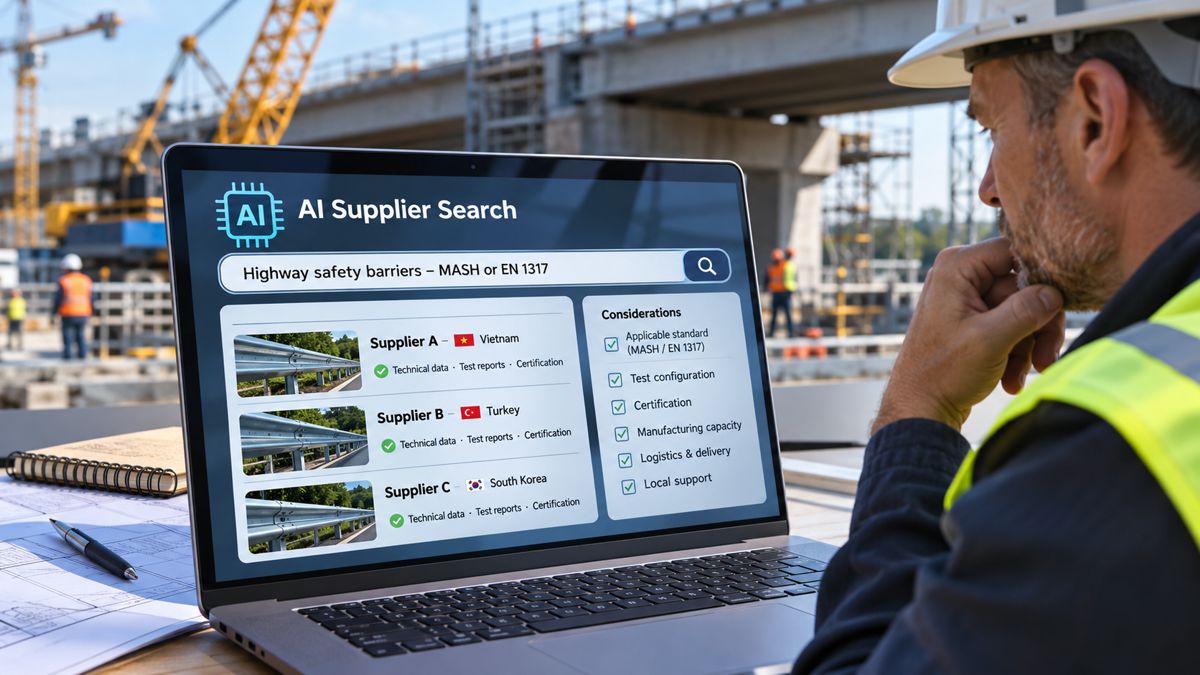
Confidentiality introduces another consideration. Uploading unpublished drawings, commercially sensitive specifications or a potentially patentable concept to an external AI service may expose information to contractual or data-handling risks. Inventors should examine service terms, retention policies and confidentiality arrangements before sharing sensitive material.
A construction professional who understands the mechanics of a problem can begin exploring electronic controls or software development without first acquiring every specialist skill involved. Qualified assistance can then be introduced as technical demands increase, allowing the early development work to establish which questions genuinely require specialist attention.
Testing and Iteration
A mechanism may jam, an attachment may be too heavy, or an apparently suitable material may wear out unexpectedly. Discovering these weaknesses early is preferable to finding them after investing heavily in an elaborate design.
Dyson’s cyclonic vacuum cleaner provides an example of how much development can follow an encouraging initial experiment. His cardboard cyclone established that the principle was worth pursuing, but turning it into a practical appliance required years of further work.
According to Dyson’s published history, the development involved four years and 5,127 prototypes before the first cyclonic cleaner was ready. The number is remarkable, although it should not be regarded as a target or a measure of inventiveness. Some ideas can be investigated with a handful of experiments, while others demand sustained development across several years.
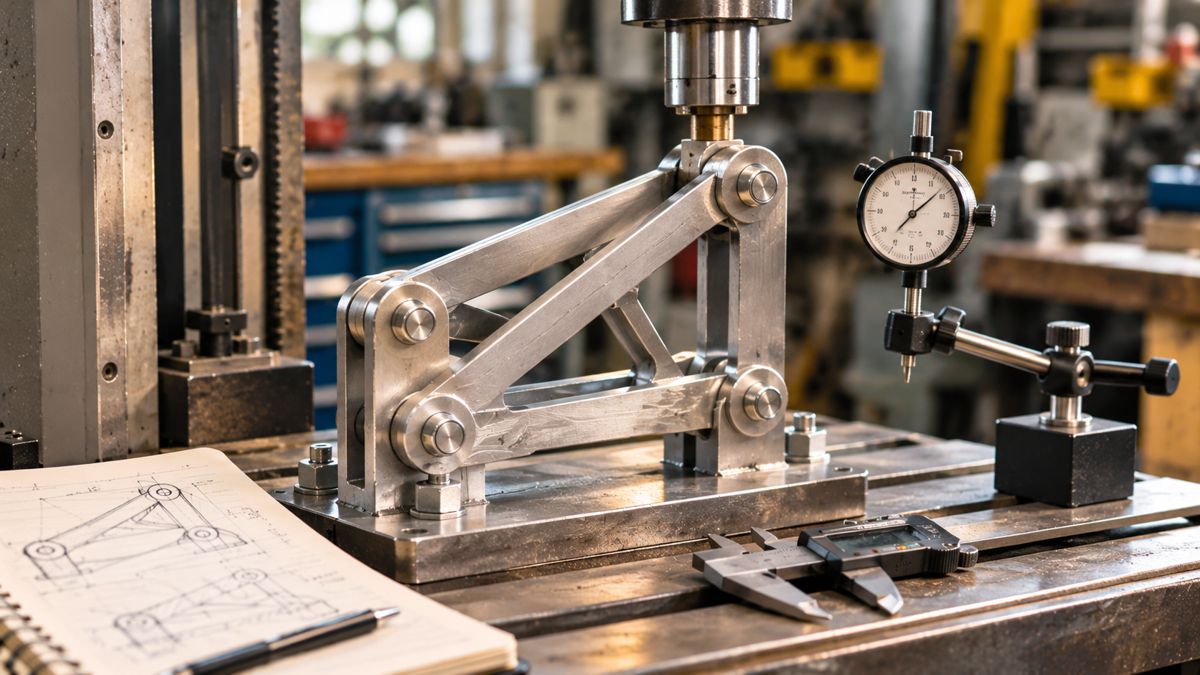
A useful test begins with a defined question. Can the mechanism move through its full operating range? Does the component maintain its position under a specified load? Can an operator use the control comfortably while wearing protective gloves?
The answer should be recorded against a measurable condition wherever possible. A simple development log can identify the prototype version, test conditions, observed results, unexpected behaviour and any changes proposed for the next experiment.
Testing also needs to reflect how the invention might actually be used. Equipment operating successfully on a clean workshop bench may behave differently when exposed to dust, water, vibration, temperature changes or repeated impacts.
A temporary prototype assembled from convenient components may be entirely suitable for answering a question about geometry. It may be inappropriate for evaluating fatigue life or operational safety, so the testing programme should progress towards more representative conditions only when the design and necessary precautions justify doing so.
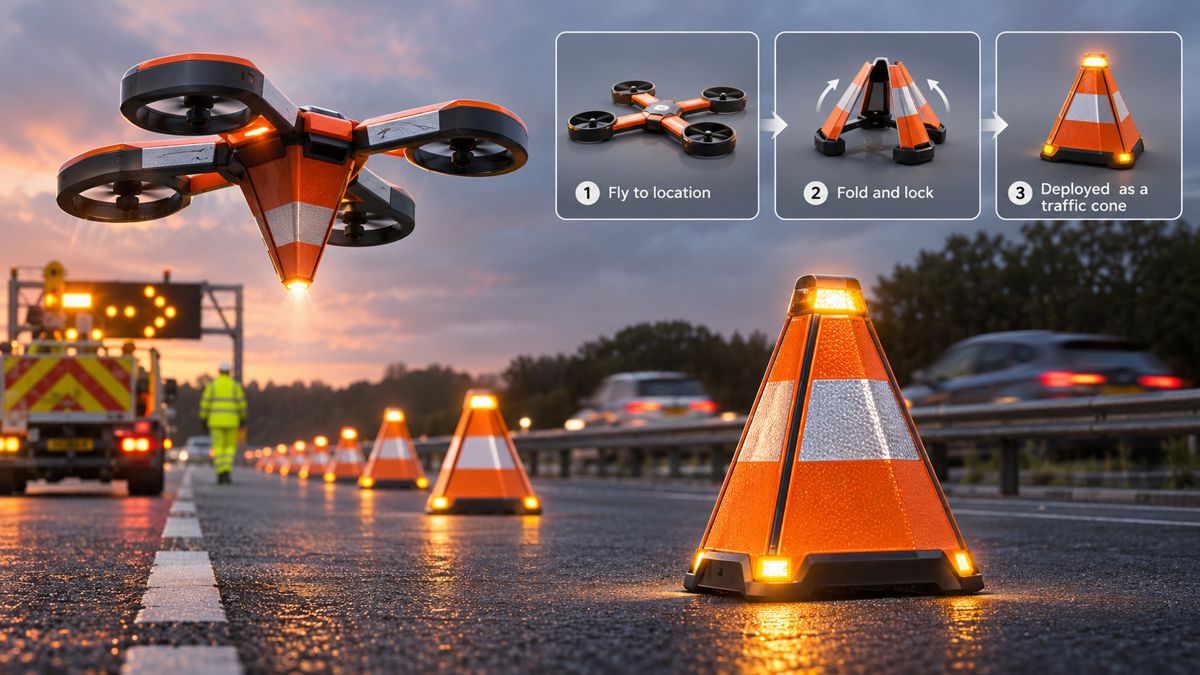
An unverified lifting attachment should not be tested with suspended loads over people. A proposed roadside safety device should not be deployed in live traffic simply because a workshop model appears successful. Equipment intended to protect workers requires a development and validation process appropriate to the hazards involved.
There is considerable room for ingenuity within controlled testing. Photographs, measurements, video recordings and straightforward test rigs can provide evidence without exposing people to unnecessary danger. An unsuccessful experiment becomes useful when the inventor can identify what failed, under which conditions, and how the next design might address it.
Protecting the Work
As an invention develops, questions about intellectual property inevitably arise. An inventor may have a practical mechanism, an original product shape, a computer program and a proposed business name, all potentially involving different forms of legal protection.
Patents can protect qualifying technical inventions, subject to requirements including novelty and inventive step. Registered designs generally concern the appearance of a product. Copyright may protect original drawings, software code and other qualifying works, while trademarks identify the commercial origin of goods or services. Trade secrets and confidentiality arrangements can protect certain information that has not been made public.
The European Patent Office explains that patentability requires more than an idea being useful or commercially attractive. A technical invention must meet the applicable legal criteria, and previously disclosed technology may prevent protection being granted.
A search of existing patent documents is therefore a sensible early exercise. It can reveal similar mechanisms, alternative approaches and potentially relevant rights. Inventors can begin investigating published material through databases such as Espacenet, although a preliminary search is no substitute for professional patent advice or a full freedom-to-operate assessment.
Under European patent rules, information made available to the public before filing can destroy the novelty of an invention. Some jurisdictions provide limited exceptions or grace periods, but these differ internationally and should not be assumed to apply.
A fully working prototype is not necessarily required before submitting a patent application. The invention must, however, be disclosed with sufficient technical detail to meet the relevant legal requirements. The European Patent Office’s examination guidelines explain the requirement for an invention to be described clearly enough for a skilled person to carry it out.
The appropriate filing strategy depends on the invention, the available technical information and the jurisdictions in which protection may eventually be sought. Confidential disclosure under a properly prepared non-disclosure agreement can help manage certain risks, although an NDA does not itself grant a patent, transfer ownership or guarantee that an invention is original.
Ownership also deserves attention, particularly when an idea develops from employment. In the United Kingdom, for example, Section 39 of the Patents Act 1977 sets out circumstances in which an employee invention belongs to the employer.
Other countries have their own legislation and contractual arrangements. A worker who develops a tool using company facilities, or an engineer creating software in connection with professional duties, should establish the ownership position before attempting to exploit the result independently.
Patent protection is territorial, and filing an application does not establish that an invention works, is commercially viable or can be manufactured safely. Early professional advice may prevent considerably more expensive problems later.
Evaluating the First Prototype
Inventors can become attached to their prototypes. Considerable effort may have gone into designing a mechanism, learning unfamiliar software or repeatedly manufacturing difficult components. However, an early prototype does not need to be beautiful, durable or commercially attractive to be successful. It needs to answer the question for which it was built.
A model demonstrating that a new linkage can perform its intended movement may have completed its purpose, even if it is constructed from unsuitable long-term materials. A basic application may establish that a redesigned inspection process reduces unnecessary data entry, despite lacking the security and integration required for professional deployment.
At that stage, further development can be considered with better information. A useful technical record should explain the problem, describe the proposed solution, identify the assumptions tested and preserve the results. Drawings, photographs, component specifications and test observations help others understand what has been established and what remains uncertain.
Unresolved questions should be documented rather than hidden. A mechanism may operate correctly but still need strength calculations, environmental testing, durability assessment or a different manufacturing method. A software prototype may demonstrate a practical workflow while requiring professional development before handling live project information.
A credible prototype provides evidence supporting the next development decision, while making clear which questions remain unanswered. That evidence may be sufficient to establish whether additional technical expertise, more representative testing or a substantially different design is required.
The Next Experiment
Construction has an unusual advantage when it comes to innovation: many of the people best placed to recognise practical problems work directly with the machinery, materials and processes involved. They know which operations consume unnecessary time, which tools are awkward to use and where existing systems create difficulties. That familiarity can provide an excellent starting point for developing something better.
Modern design software, accessible fabrication and AI-assisted tools have made it easier to investigate possible solutions without first establishing a fully equipped engineering business. Professional expertise remains essential wherever the technical risks demand it, but there is considerable work an inventor can undertake before reaching that stage.
A notebook can establish the first arrangement. A rough model can reveal an unexpected difficulty. A printed component can settle a question about fit, while a basic software application can demonstrate whether a different workflow deserves further attention.
The inventor does not have to solve every engineering problem at the beginning. Establishing that one important part of an idea works, understanding why it works and identifying what needs to be tested next is a worthwhile achievement.
Eventually, further development may require specialist engineers, manufacturers, testing organisations and contractors willing to examine unfamiliar approaches. The next challenge is finding the people prepared to help turn a promising prototype into something the construction industry can use.
Key Industry Questions
- What information should an inventor record when testing a prototype? A useful test log identifies the prototype version, test objective, operating conditions, measurements, observed failures and subsequent modifications. Drawings, photographs and component details can provide a valuable record of development.
- What is the difference between a proof of principle and a functional prototype? A proof of principle demonstrates that an essential mechanism or process can work. A functional prototype combines enough of the proposed system to investigate practical operation, although it may still lack the reliability, safety validation and manufacturing characteristics of a finished product.
- Which CAD software is suitable for someone starting independently? FreeCAD provides open-source parametric modelling and permits commercial use. Autodesk Fusion and Onshape offer additional options, but free editions have licensing and functionality restrictions. Confidentiality, commercial-use rights and required features should influence the choice.
- Can 3D-printed components be used in construction equipment? They can be valuable for models, fixtures, fit checks and development testing. Their suitability for operational loads depends on materials, manufacturing processes, design and validation. Safety-critical applications require appropriate engineering assessment.
- Can someone without programming experience develop a construction application? Yes. Spreadsheets, no-code platforms and AI-assisted programming can support early digital prototypes. Professional development and validation may still be required for reliability, cybersecurity, complex integrations and safety-related functions.
- How can an inventor establish whether an idea already exists? Patent databases, technical publications, manufacturers’ catalogues and existing products offer useful starting points. Professional prior-art research may be appropriate where patent protection or commercial investment is being considered.
- Should an inventor apply for a patent before making a prototype? A working prototype is not always required before filing. The application must disclose the invention sufficiently, and public disclosure can compromise patentability. The appropriate approach depends on the invention and relevant jurisdictions, so professional advice is advisable.
- When should an inventor involve a specialist engineer? Specialist assistance is appropriate when the next development stage involves technical risks, complex calculations, material selection, operational safety or testing beyond the inventor’s competence. It may also be necessary to establish whether the concept is feasible.
- How does an inventor know when a prototype is ready for further development? The prototype should have demonstrated its intended principle under documented conditions, with limitations and unresolved technical questions identified. It need not be production-ready, but the evidence should support the next development decision.
Strategic Takeaways
- Begin with the largest uncertainty. The best first prototype is usually the one that answers the most important technical question with the least unnecessary complexity.
- Choose tools according to the experiment. Cardboard, workshop fabrication, CAD, 3D printing and software development each serve different purposes. Greater sophistication does not guarantee better evidence.
- Retain ownership and confidentiality awareness. Software licences, public CAD documents, AI services, employment arrangements and premature disclosure can introduce intellectual property risks before an invention reaches the market.
- Record failures as carefully as successes. Measured tests and documented design changes turn unsuccessful experiments into useful engineering knowledge.
- Separate demonstration from validation. Showing that an idea works under controlled conditions is an achievement, but safety, durability and operational suitability must be established before real-world deployment.