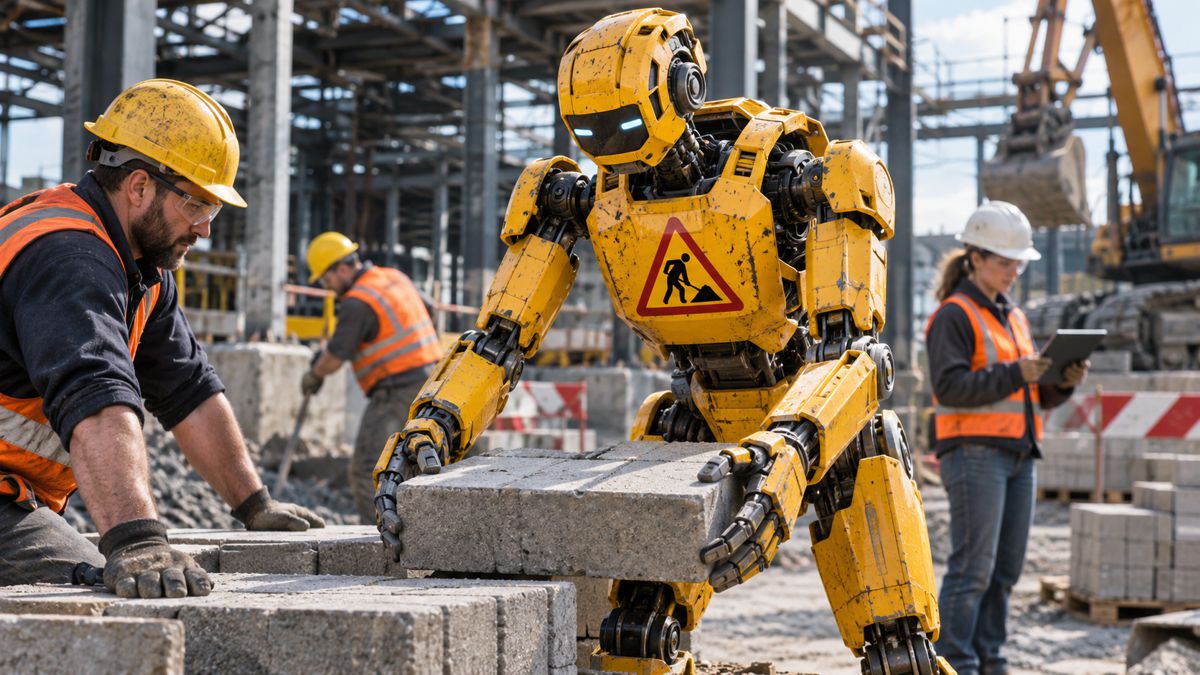







Built for the Real World: The Construction Mindset
Construction requires a particular combination of practical intelligence, determination, adaptability and personal responsibility. Some people appear naturally suited to the work, while others discover their abilities through experience. As the industry faces growing workforce pressures, understanding how that mindset develops may be as important as teaching the technical skills needed to build.
A road resurfacing crew preparing for an overnight motorway closure has a limited window to complete the job. The plan might look straightforward on paper: establish traffic management, mill the existing surface, clean the carriageway, lay fresh asphalt, compact it and reopen the road before the morning traffic arrives. Yet the crew must work around material deliveries, changing temperatures, unexpected pavement defects and the possibility of equipment failure, all while maintaining safety and quality.
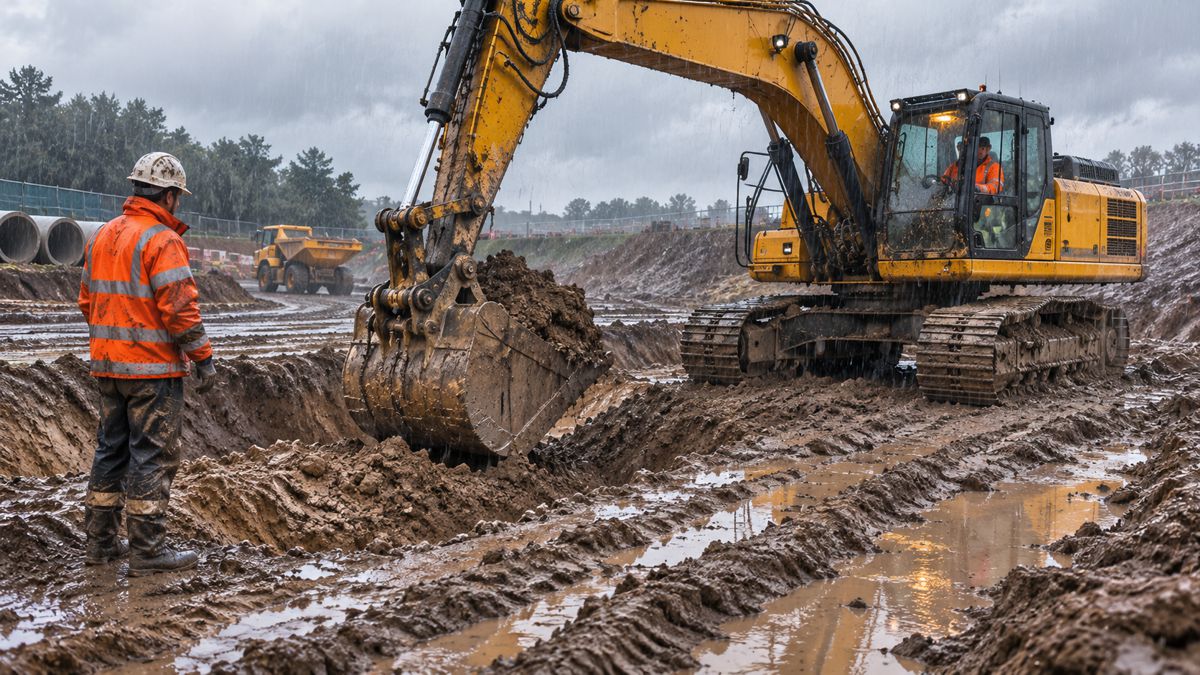
Somewhere else, a piling team is dealing with unexpected ground conditions, an excavator operator is assessing whether rain-soaked ground can support the machine, and a concrete gang is preparing a pour that cannot easily be interrupted once it begins. These are ordinary construction challenges, but resolving them requires more than following instructions or remembering what was taught during training.
Construction takes place in the real world, where weather, ground conditions, machinery, materials and people rarely behave exactly as anticipated. The work must be planned carefully, although even the most detailed programme cannot eliminate uncertainty. Eventually, someone has to make a decision, solve an unexpected problem or recognise that the original approach is no longer appropriate.
A smart workforce depends on considerably more than digital technology, modern equipment or formal qualifications. It needs people who can think practically, adapt to changing circumstances, cooperate with colleagues and take responsibility for the quality of their work. Some individuals arrive in the industry with an apparent instinct for these qualities, while others develop them gradually, gaining confidence as they encounter challenges, make mistakes and learn from more experienced colleagues.
Understanding how that mindset develops is becoming increasingly relevant as construction attempts to attract and retain the next generation of workers. Education can establish the foundations, but the relationship between personal aptitude, professional training and practical experience is more complicated than simply teaching someone how to perform a task.
Briefing
- The construction mindset combines practical judgement, adaptability, reliability, curiosity and a willingness to accept responsibility.
- Working conditions vary across construction careers, with outdoor site operations requiring particular flexibility and resilience.
- Education can establish knowledge and encourage professional habits, but experience develops the ability to apply them under changing conditions.
- Personal attitude influences learning, teamwork and performance, while workplace culture affects how those qualities develop.
- Construction businesses need to recognise practical intelligence and potential alongside formal qualifications when developing their workforce.

The Reality of Working in Construction
Construction encompasses an extraordinary range of occupations, including engineering design, surveying, equipment operation, technical trades and site management. Some professionals spend much of their working lives at desks, others work in factories or workshops, while many spend years outdoors, exposed to whatever conditions the day brings. The demands of these environments can be very different, although each contributes to the successful delivery of a project.
An engineer might spend weeks designing a retaining structure, calculating loads, specifying reinforcement and preparing drawings. The people constructing it must excavate the ground, manage groundwater, install temporary works, position machinery, fix the steel and place concrete, often within restricted working areas and alongside several other contractors. Both activities require expertise, but applying engineering principles under actual site conditions introduces practical challenges that can change from one hour to the next.
Rain may turn a stable working area into a muddy obstacle course, while high winds interrupt lifting operations and extreme temperatures affect materials, machinery and people. An apparently straightforward excavation can expose unexpected services or unsuitable ground, requiring the team to reconsider its approach before work continues.
There is also the physical nature of many construction occupations. Early starts, changing locations, repetitive activities and sustained periods of concentration are ordinary features of working life. People entering these roles need to understand the demands involved and develop ways of managing them professionally, especially when working conditions are unfamiliar or difficult.
The same challenges can also provide some of the industry’s greatest attractions. Working outdoors, travelling between projects, operating substantial machinery and seeing tangible progress can offer a satisfaction that is difficult to replicate in other occupations. A completed bridge, functioning drainage system or newly surfaced highway provides visible evidence of the work undertaken.
Construction offers variety as well. A worker might spend one project building a road through open countryside, another working on a congested urban site and the next helping deliver infrastructure overseas. The machinery, techniques and working arrangements may differ each time, creating opportunities to develop new skills and discover different approaches to familiar problems.
People who enjoy practical challenges often thrive in these environments. They learn to anticipate difficulties, adapt their methods and remain effective when circumstances become more complicated than expected. Over time, repeated encounters with the realities of construction help develop an understanding that cannot be acquired through theoretical instruction alone.
Learning to Think Practically
Practical intelligence is sometimes mistaken for a natural ability that cannot be taught. Certain people appear instinctively capable of understanding how machinery works, recognising physical relationships or finding straightforward solutions to complicated problems, while others develop the same abilities more gradually through observation and practice.
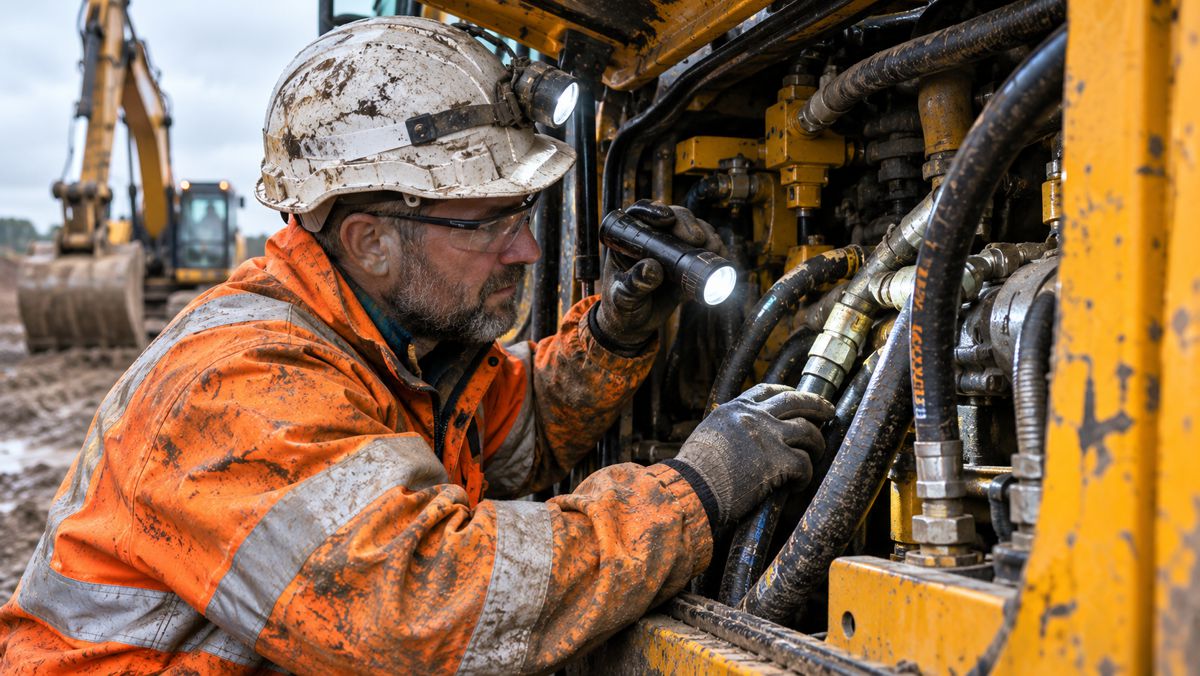
A mechanic diagnosing a hydraulic fault, a surveyor discovering that buried infrastructure differs from the drawings, or a paving supervisor recognising that an asphalt delivery sequence is becoming unworkable must all interpret information and decide what to do next. Experience helps them recognise patterns, but the underlying approach can begin developing much earlier.
Curiosity is particularly valuable. Someone who wants to understand why a machine behaves in a particular way, why a material responds differently under changing conditions or why one construction method is preferable to another is building knowledge that can be applied to unfamiliar situations.
A worker who has learned only the sequence of a task may struggle when one step becomes impossible. Someone who understands the purpose of each operation has a better chance of recognising alternatives, identifying what additional information is needed and knowing when specialist advice is required. This ability to reason through practical problems is fundamental to construction competence, although it must be exercised within the limits of a person’s training and authority.
A machine operator who notices an unfamiliar vibration may recognise the possibility of a developing mechanical problem. A concrete finisher might observe a change in the behaviour of a mix, while an experienced road engineer may recognise signs of drainage failure before substantial pavement damage becomes apparent. These observations provide clues rather than definitive answers, helping the appropriate specialists investigate and address the underlying problem.
Practical thinking also requires a willingness to reconsider assumptions. The first proposed solution is not always the best one, especially when new information becomes available or the conditions differ from those anticipated. People who approach problems with curiosity rather than defensiveness are often better placed to learn from these situations.
Can the Construction Mindset Be Taught?
Formal education can teach engineering principles, construction methods, technical standards and the procedures needed to undertake particular activities. Practical exercises and realistic simulations can help learners understand how that knowledge applies beyond the classroom, although developing judgement under unfamiliar conditions remains more difficult.
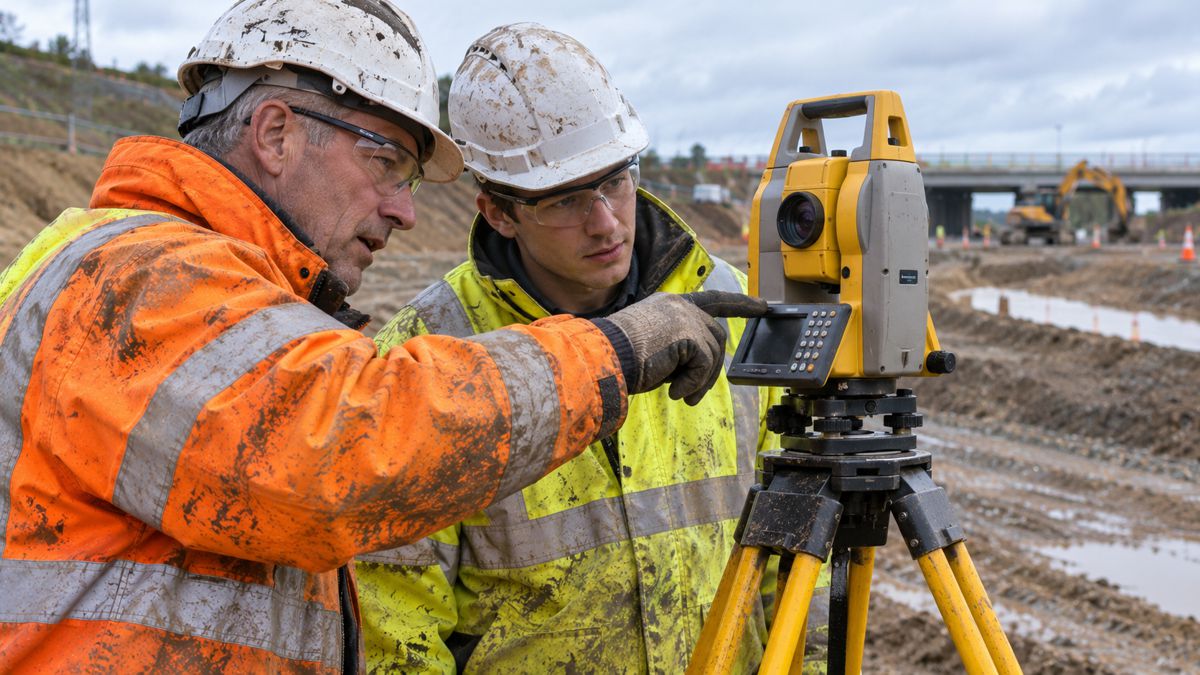
An apprentice may learn the correct procedure for setting out a foundation, but an actual site introduces practical constraints that cannot always be anticipated. Access may be restricted, existing structures may interfere with the layout, and the available information may be incomplete. The apprentice must recognise the problem, understand its implications and seek an appropriate resolution.
These situations help develop professional judgement because they require people to apply what they know rather than simply recall it. Experience also provides feedback, sometimes immediately, about the consequences of decisions and the effectiveness of different approaches.
Someone can repeat the same task for years without questioning poor methods or developing a deeper understanding of the work. A relatively inexperienced employee who receives good guidance and actively seeks to understand each operation may progress more rapidly, especially when given opportunities to observe different techniques and discuss the reasons behind them.
Supervised responsibility, constructive feedback and exposure to skilled colleagues can accelerate development. An environment where people are encouraged to ask sensible questions and discuss mistakes without unnecessary embarrassment or blame also makes it easier to develop confidence while recognising the limits of personal knowledge.
Construction teaches through consequences. Poor preparation can create unnecessary work, ineffective communication can delay an operation, and overlooking an apparently minor detail may lead to problems later in the project. When these experiences are properly reviewed, they become lessons in planning, accountability and professional judgement rather than mistakes that are simply forgotten.
There is a distinction between making an error while learning an unfamiliar task and deliberately ignoring established requirements. Competent supervision recognises that difference, allowing people to develop confidence without exposing themselves or others to unacceptable risks.
The Construction Industry Training Board’s Industry Picture 2026 identifies a fundamental workforce problem in the UK: too few people are entering construction, too many experienced workers are leaving, and improvements in productivity have not been sufficient to close the gap. Replacing experienced workers involves more than increasing recruitment or issuing additional qualifications. The practical understanding accumulated over years of project delivery must also be developed in the people entering the industry, supported by opportunities to apply their knowledge under supervision.
The construction mindset can therefore be encouraged and deliberately developed, but it cannot be established simply by completing a course. It emerges as knowledge is applied, decisions are made and experience begins to influence judgement.
Attitude, Reliability and Personal Responsibility
Technical ability is essential, but working in construction quickly demonstrates the importance of personal attitude. A highly skilled operator who regularly arrives late, neglects equipment or refuses to communicate with colleagues can disrupt an otherwise effective crew. Someone with limited experience but a willingness to learn, follow instructions and contribute to the wider operation may become an exceptionally valuable employee.
Reliability is particularly important because construction is a collective activity. An individual rarely works in complete isolation, and the quality of their contribution can affect several other trades or operations.
Consider an asphalt paving crew. The paver operator, screed personnel, roller operators, truck drivers and supervisors have different responsibilities, but the finished surface depends on their ability to maintain a coordinated operation. An interruption in material deliveries can affect paving continuity, while poor communication between the paver and roller operators may compromise the compaction sequence.
Good crews understand these relationships and develop an awareness of what colleagues need, often recognising potential difficulties before formal instructions become necessary. Similar principles apply throughout construction, where people who prepare properly, understand their responsibilities and communicate clearly make the work easier for everyone around them.
Personal responsibility also involves recognising mistakes. Construction projects are complicated, and even experienced professionals occasionally make incorrect assumptions or overlook details. Someone who acknowledges a problem promptly and helps resolve it is demonstrating professional maturity, whereas concealing an error or continuing with potentially defective work can create much more serious consequences.
The ability to accept criticism constructively is equally valuable. A person may be highly competent in one activity while having little experience of another, and the willingness to learn from colleagues should remain throughout a career.
These attitudes cannot be imposed through written policies alone. They are influenced by the standards demonstrated by supervisors, the behaviour of experienced workers and the expectations established within each team. A workplace that values preparation, honesty and cooperation makes it easier for new employees to develop the same habits.

Developing Resilience and Judgement
Construction can be physically demanding, and the ability to remain effective through difficult conditions is a genuine professional strength. Workers may face long shifts, uncomfortable weather, unexpected delays and tasks requiring sustained concentration. Meeting these challenges successfully can build confidence and determination, particularly when the effort results in a completed project or a difficult problem being resolved. There is satisfaction in knowing that a demanding job has been completed properly, although resilience should never be confused with a willingness to accept unnecessary danger or unreasonable working conditions.
An excavator operator who refuses to work on unstable ground, a lifting supervisor who stops an operation because wind conditions have become unsuitable, or a worker who reports fatigue before it affects their performance is exercising sound professional judgement. Recognising when to stop is part of knowing how to do the job.
Construction’s safety record demonstrates the consequences when hazards are not properly controlled. According to Eurostat, the European Union recorded 776 fatal workplace accidents in construction during 2024, compared with 802 in 2023. That represented close to a quarter of all fatal workplace accidents in the EU. The construction total fell year on year, although the EU total rose.
Such risks cannot be managed through individual determination alone. The NIOSH hierarchy of controls prioritises removing hazards and implementing engineering protections ahead of relying on administrative procedures or personal protective equipment. Developing the right mindset involves understanding personal responsibility while recognising the importance of proper planning, supervision and organisational safeguards.
Capable workers learn to remain calm when difficulties arise, assess the situation and choose an appropriate response without allowing urgency or pride to override judgement. Their determination is supported by an understanding of what can be achieved safely and when circumstances require a different approach.
Recognising Potential and Developing Confidence
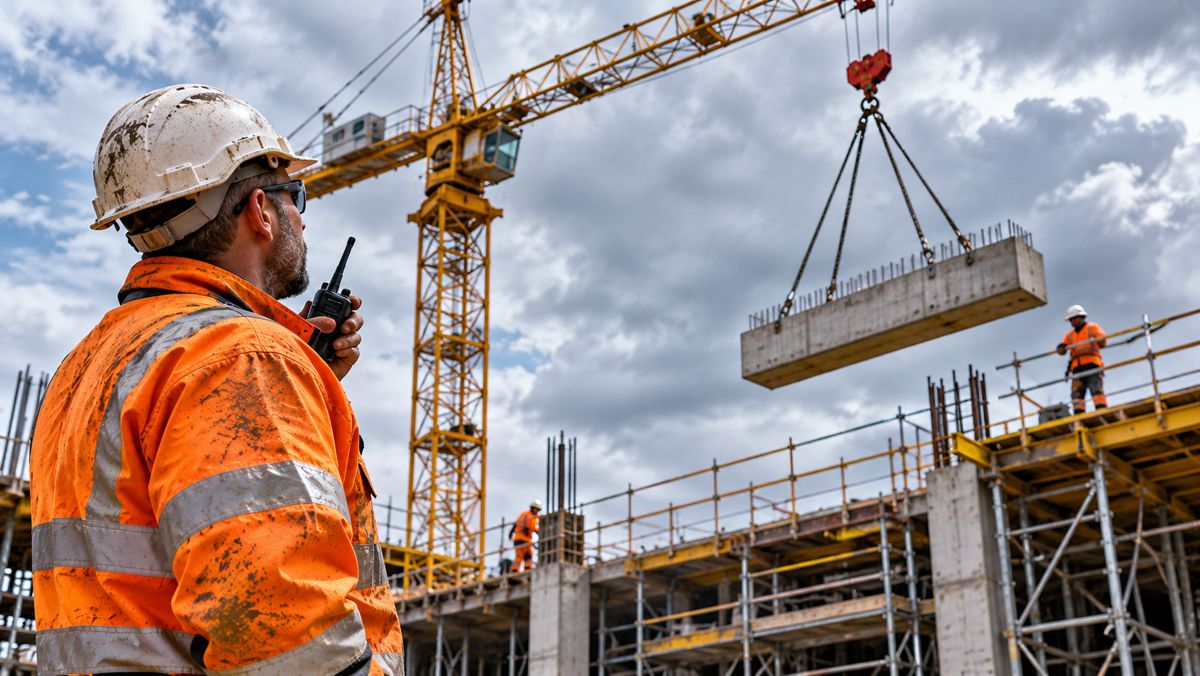
Construction has an unusual ability to reveal talents that may not have been recognised through conventional academic education. Some people who struggle with classroom-based learning discover that they understand mechanical systems, physical relationships or practical processes exceptionally well. Others develop confidence through acquiring a trade, operating machinery or gradually taking responsibility for more complicated work.
Mastering a practical skill can provide a powerful sense of achievement. Someone who begins by assisting an experienced tradesperson may eventually become responsible for complex operations, manage a specialist team or establish an independent contracting business. Along the way, technical knowledge develops alongside confidence, organisation and the ability to deal with difficult situations.
These opportunities are not restricted to people who enter through vocational routes. Engineers, designers and project managers can benefit from exposure to practical work, discovering how their decisions affect the people responsible for carrying them out. Site experience provides context for technical education, particularly when the realities of access, sequencing, machinery and materials become apparent.
Confidence and competence do not always develop at the same pace. Someone may feel capable of undertaking a task before acquiring the knowledge and experience needed to perform it safely, while another person may possess the necessary skills but hesitate to accept greater responsibility. Good supervision helps individuals develop a realistic understanding of their abilities, encouraging progression without pushing them beyond their competence.
An effective workforce needs different personalities, abilities and ambitions. Some people thrive on physical work and changing environments, while others excel in technical analysis, planning or detailed engineering. Recognising individual potential and providing opportunities suited to different strengths can help people build rewarding careers without assuming that everyone should follow the same route.
Construction should be presented as an industry that can be demanding and occasionally frustrating, but also deeply rewarding for those who enjoy solving problems and seeing the results of their work. New entrants need realistic expectations about their chosen occupation, together with an understanding that competence develops through training, experience and responsibility.
A willingness to learn provides the starting point. Meaningful experience, appropriate guidance and increasing responsibility allow that willingness to develop into professional capability.
Building a Workforce That Can Deliver
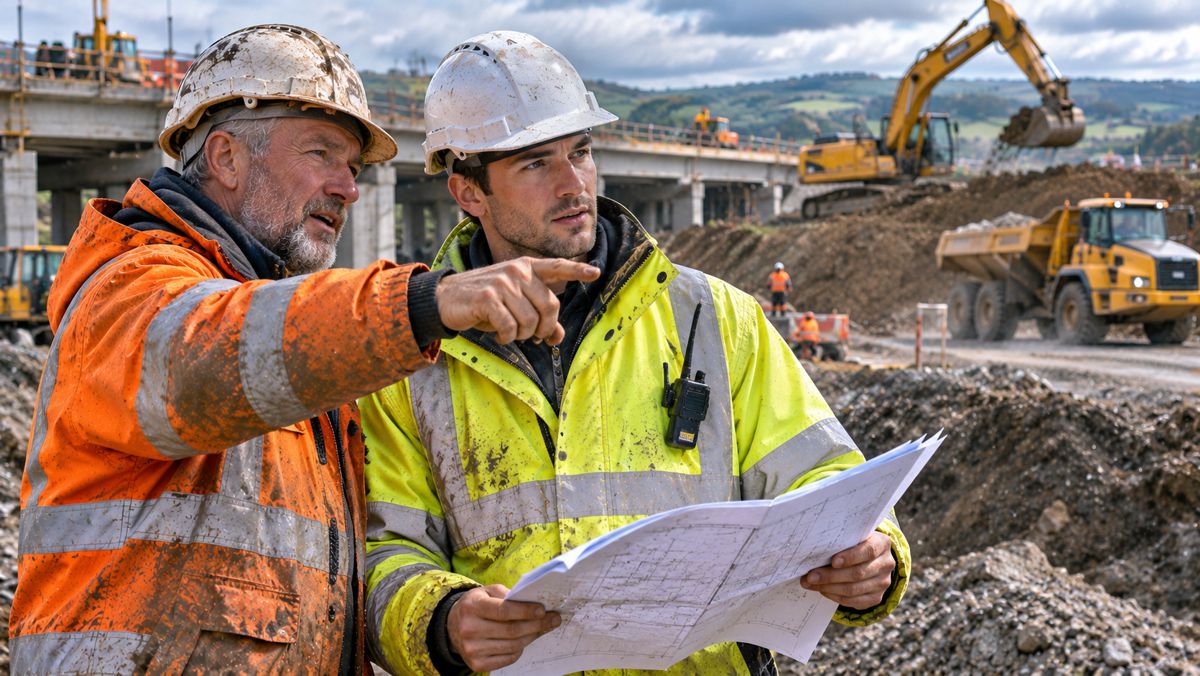
The construction mindset is shaped by both the individual and the environment in which they work. Reliability, curiosity, adaptability and personal responsibility can be encouraged during recruitment and education, but they become meaningful when applied to real tasks. Good supervision allows people to gain confidence, while practical experience develops the judgement needed to recognise problems and respond appropriately.
There are clear commercial reasons for taking these qualities seriously. A worker who identifies a developing equipment fault may prevent expensive downtime, while a crew that communicates effectively can maintain the continuity of an operation. Someone who recognises a problem early may help avoid defective work and costly rework, often through a decision that takes only moments.
These are everyday contributions that rarely attract attention when everything goes well, although their absence can quickly become apparent when a project encounters difficulties. Construction businesses therefore have reason to look beyond certificates and previous job titles when assessing potential.
Formal competence remains essential wherever particular qualifications, training or authorisations are required. Attitude, practical aptitude and a willingness to develop also influence how effectively employees contribute over time, especially in roles where changing conditions demand initiative and sound judgement.
Recruitment provides the starting point, while the quality of the working environment determines how those qualities are encouraged or discouraged. Workers need clear expectations, experienced supervision and opportunities to develop their abilities through worthwhile tasks. Employers, in turn, benefit when individuals become increasingly capable of recognising problems, cooperating with colleagues and taking responsibility for the work.
At its foundation, construction remains a practical undertaking. Drawings, calculations, programmes and specifications provide the framework, but the work is completed by people making decisions, operating equipment, handling materials and responding to the conditions they encounter.
A good construction professional develops the ability to understand what needs to be done, recognise when circumstances change and take responsibility for the result. Employers that recognise and cultivate these qualities are better placed to develop dependable teams, maintain standards and deliver projects successfully. The construction mindset is ultimately demonstrated on the job, in the decisions people make and the quality of the work they leave behind.
Key Industry Questions
- What is the construction mindset? The construction mindset describes the practical judgement, adaptability, reliability, curiosity, cooperation and personal responsibility needed to work effectively in construction environments.
- Can the construction mindset be taught? Its underlying attitudes and problem-solving habits can be encouraged through education, supervised practice and workplace culture. Professional judgement develops further through applying knowledge to real situations and learning from the outcomes.
- Is practical intelligence something people are born with? Individuals differ in their natural aptitudes, but practical skills and problem-solving abilities can improve through training, observation, repetition and experience. The opportunity to practise and receive feedback is important.
- Why is attitude important in construction employment? Reliability, communication, willingness to learn and personal accountability affect how workers cooperate, respond to problems and contribute to the quality and continuity of site operations.
- What is the difference between confidence and competence? Confidence describes a person’s belief in their ability, while competence involves possessing and applying the knowledge, skills and behaviours needed to undertake a task effectively and safely. The two do not always develop at the same pace.
- How does site experience improve professional judgement? Experience exposes workers to changing conditions, unfamiliar problems and the practical consequences of decisions. Supported by supervision and reflection, it helps them recognise patterns and assess appropriate responses.
- Can people without academic qualifications succeed in construction? Many construction careers offer vocational and experience-based entry routes, although particular occupations and responsibilities require specific training, qualifications or professional accreditation.
- How can employers encourage a stronger construction mindset? Through realistic recruitment, clear expectations, good supervision, constructive feedback, supervised responsibility and a workplace culture that values learning, cooperation and sound judgement.
Strategic Takeaways
- Mindset influences how technical skills are applied. Reliability, curiosity and judgement affect the way workers respond to changing operational conditions.
- Experience must provide opportunities to learn. Repeating tasks does not automatically develop professional competence without feedback, supervision and increasing responsibility.
- Attitude and aptitude deserve attention during recruitment. Formal qualifications establish important capabilities, but willingness to learn and practical problem-solving potential also influence long-term development.
- Resilience depends on sound judgement. Capable workers recognise when to adapt, seek advice or stop an operation rather than allowing pressure to override safety.
- Workforce development has operational value. Employees who recognise problems early, communicate effectively and take responsibility can help maintain quality and reduce avoidable disruption.